
Custom Styles of Boxes, Every shape it could be
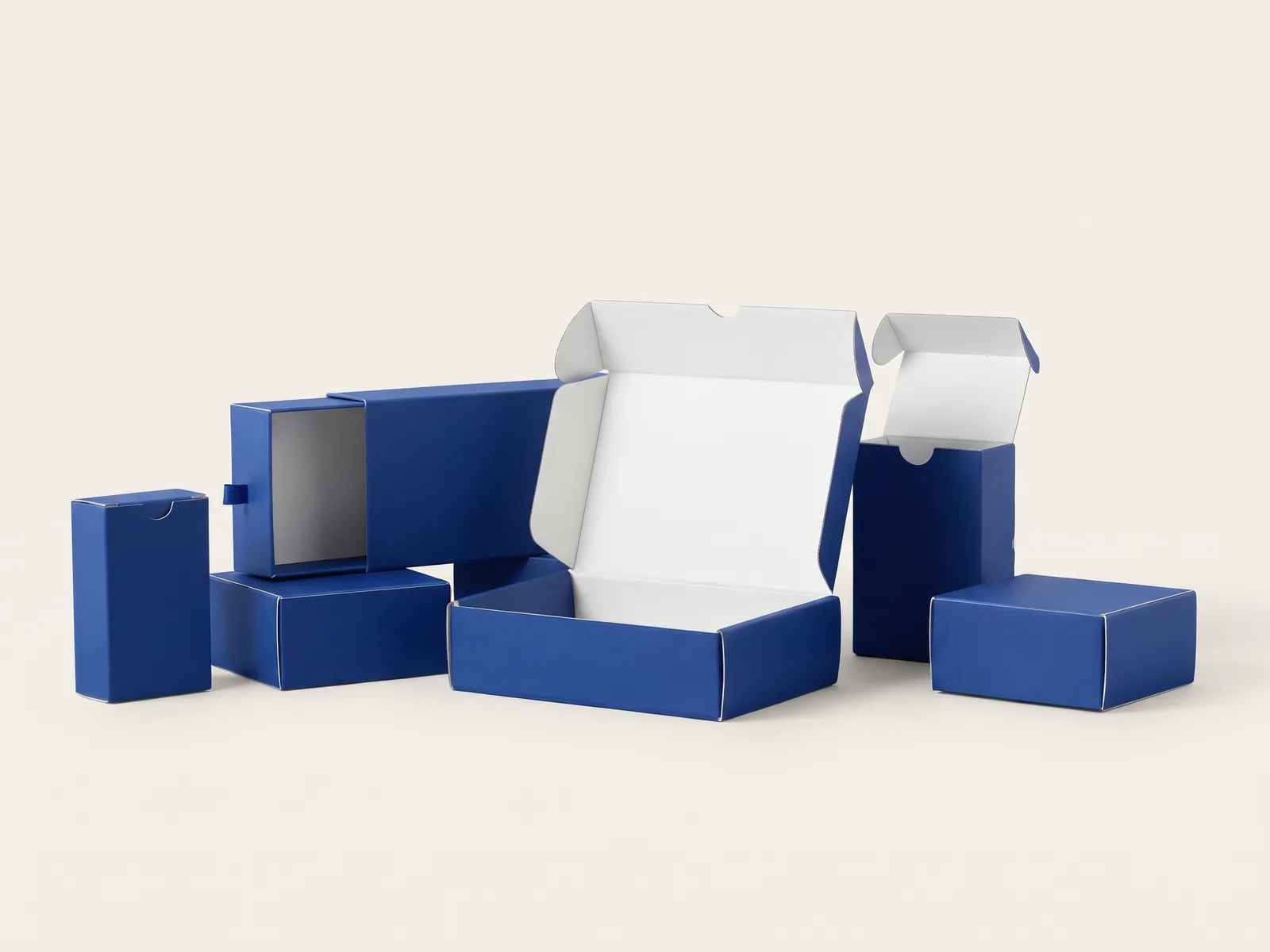
Two brands can sell the same product and need completely different boxes. A mailer that survives a courier is the wrong answer for a retail shelf, and a rigid box is wasted on something opened once. Our custom box styles cover every build we make — mailers, tuck cartons, rigid, sleeves, trays and more — so you can match the structure to how your product is actually sold.
Materials & Options for Styles of Boxes
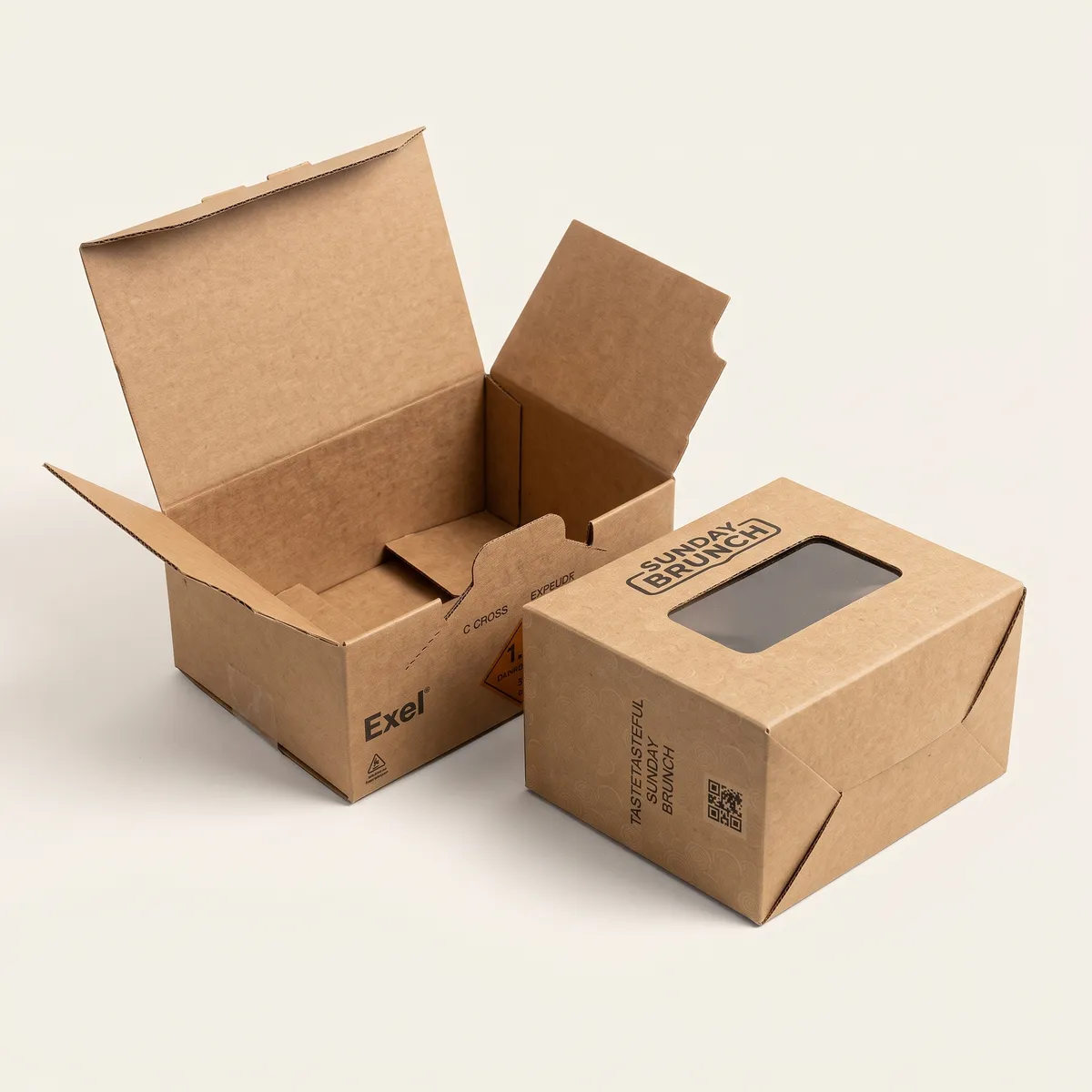
E-Flute Corrugated
Thin profile, strong crush resistance — the standard for most mailer boxes.
B-Flute Corrugated
A thicker flute for heavier contents or extra stacking strength.
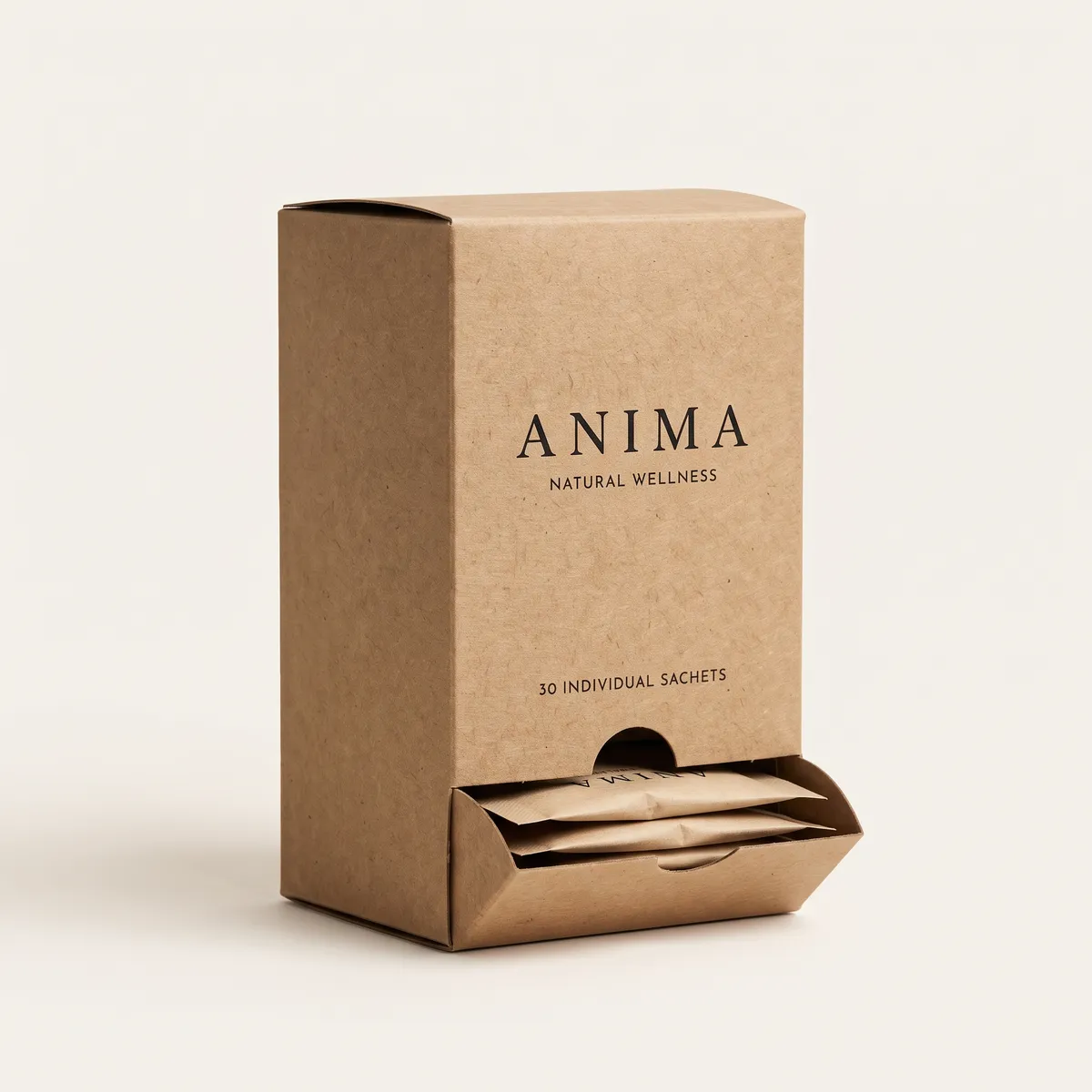
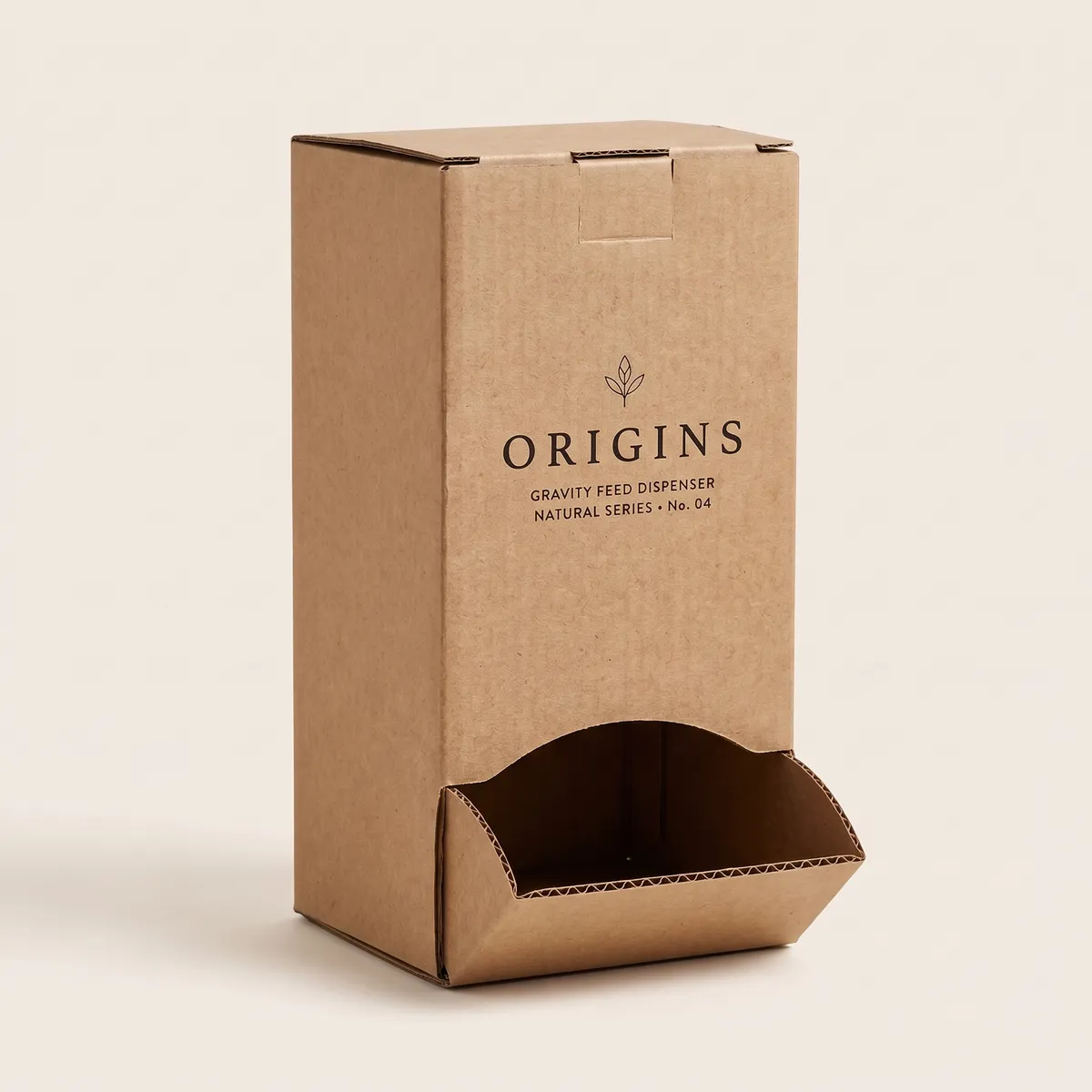
Kraft Paper
Unbleached, natural-brown stock with an earthy, eco-forward texture.
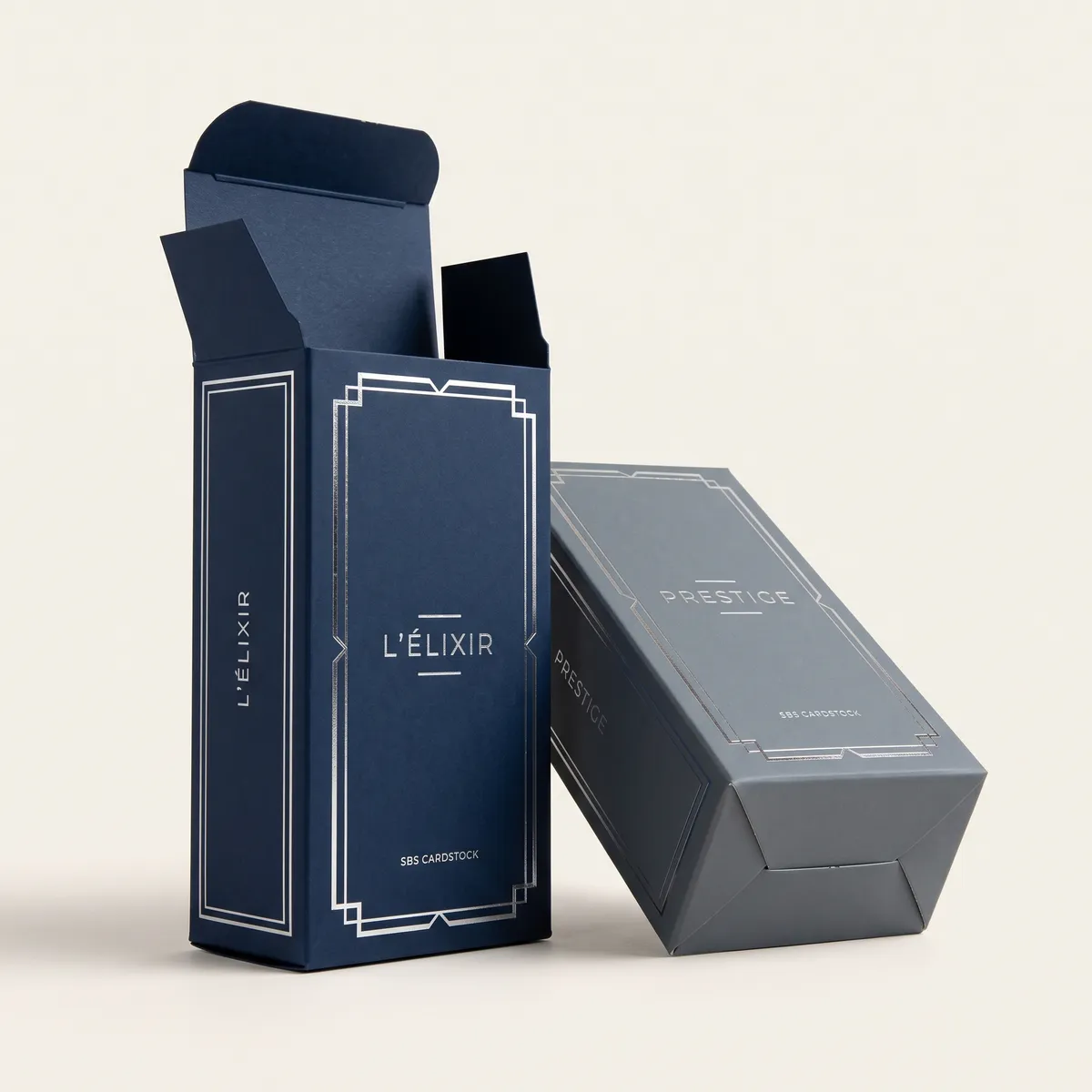
SBS Board
Solid bleached sulfate board for a smooth, print-ready white surface.
Offset Printing
Exact color matching for large runs — the standard for big projects.
Digital Printing
Fast turnaround on shorter runs, with no minimum plate setup cost.
Flexographic Printing
Distortion-free output built for large-run corrugated jobs.
UV Printing
Instantly cured ink that resists scratches and solvents.
Matte Lamination
Soft, non-reflective finish that reads premium under any light.
Gloss Lamination
High-shine coating that makes bold colors and photography pop.
Soft-Touch Coating
A velvety exterior resistant to moisture and fingerprints.
Spot UV & Foil
Raised gloss detail or metallic foil for logos and accents.
Discover Our Most-Requested Styles of Box Styles
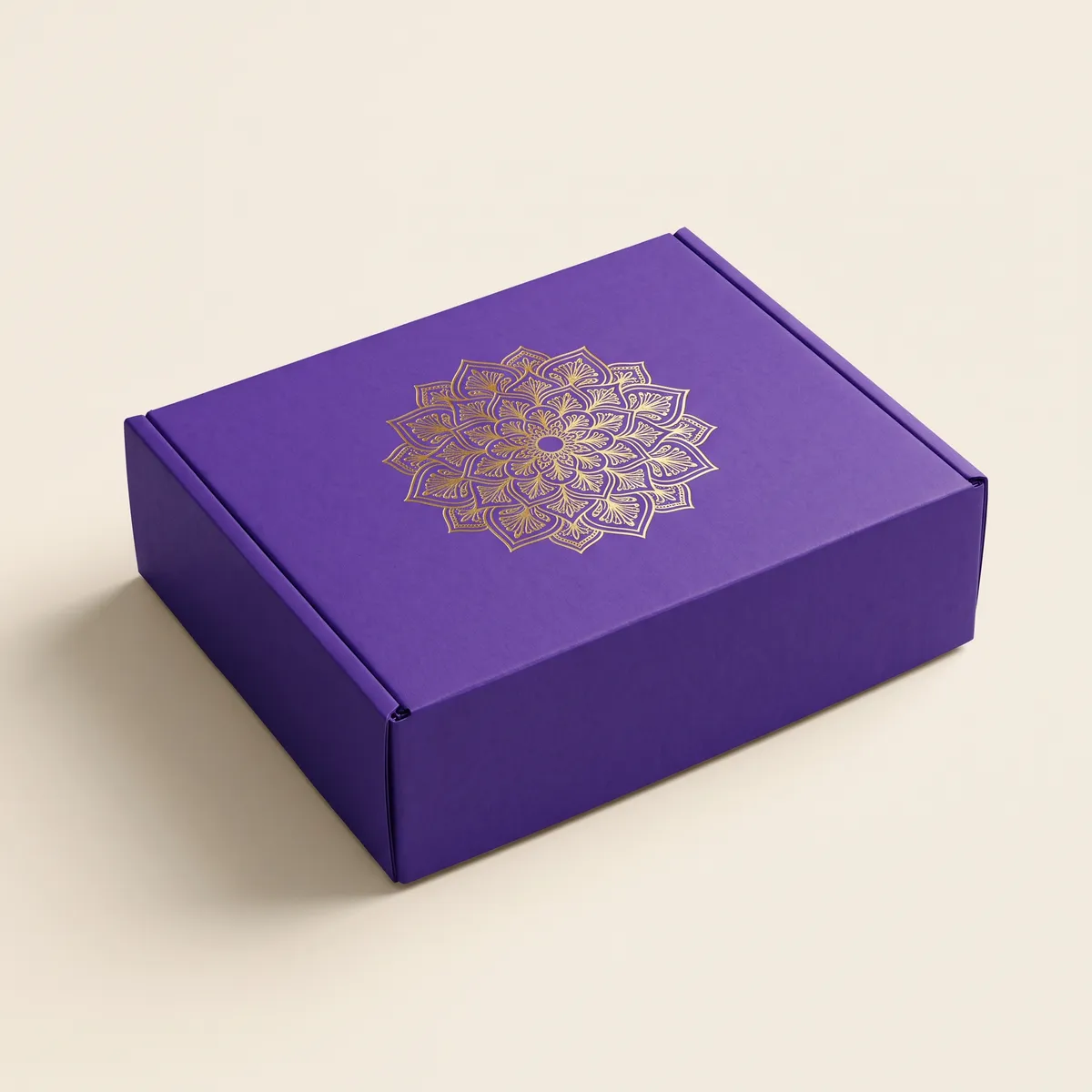
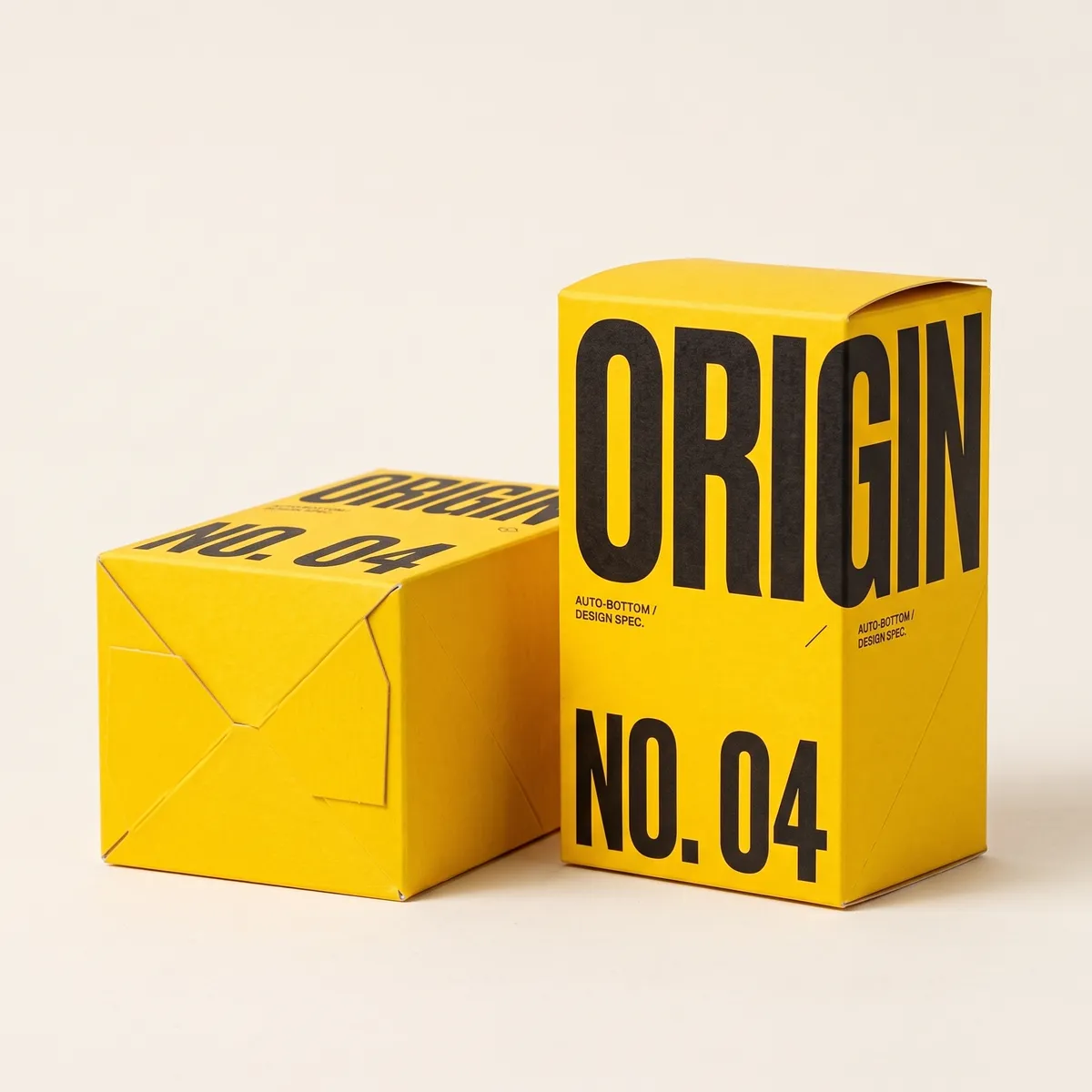
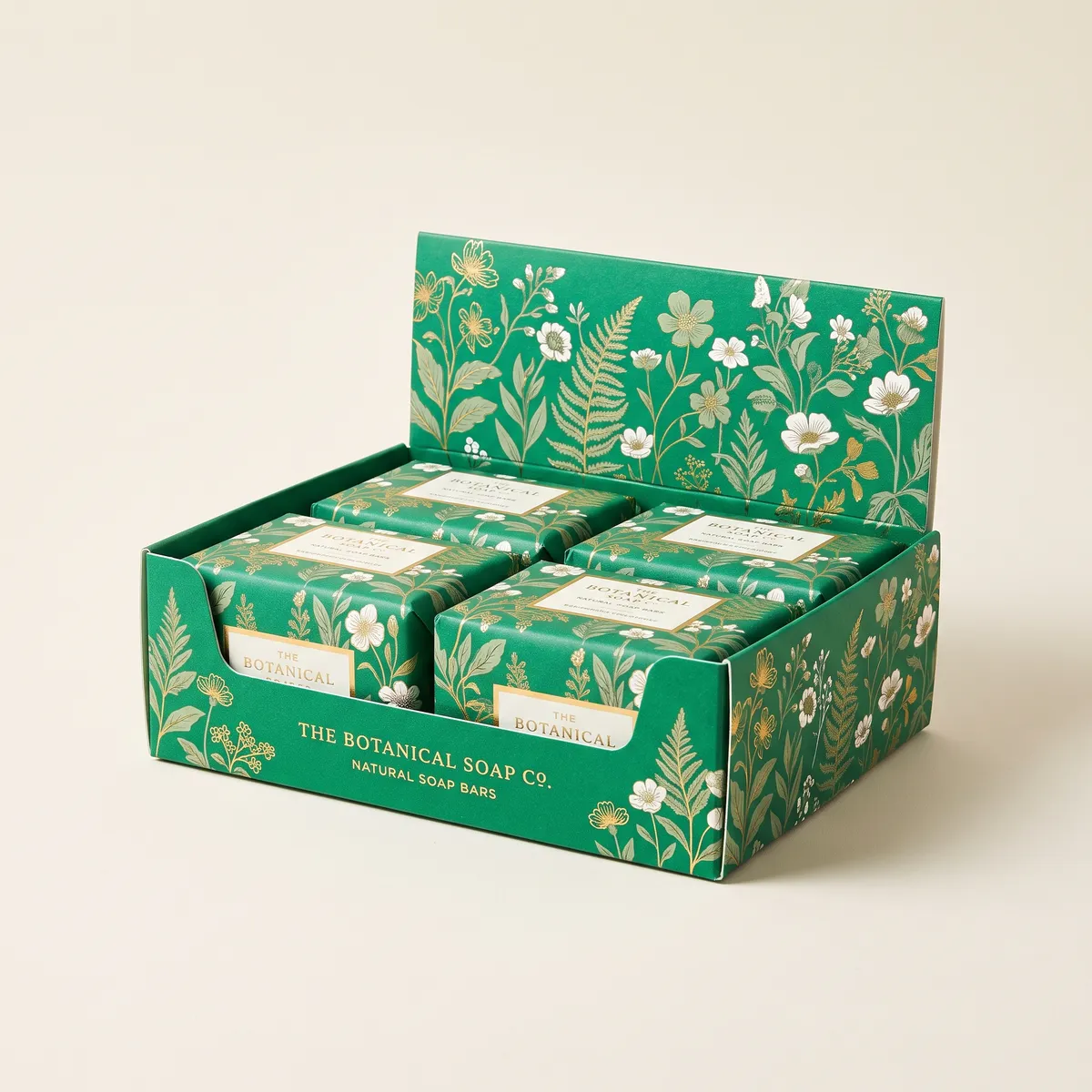
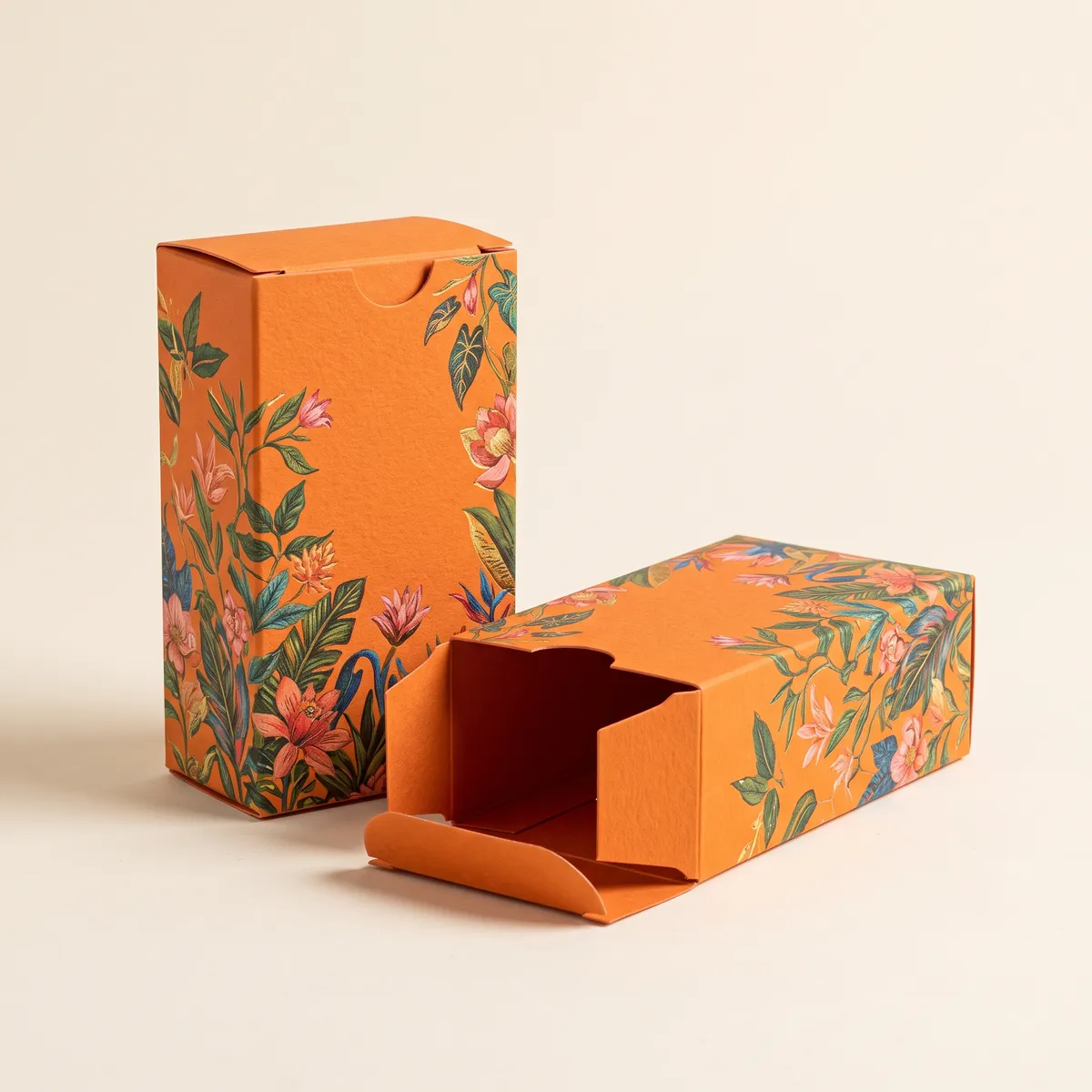
Every style below runs through the same structural engineering and quality process — pick a starting point and we'll adjust the details to your product.
Custom Box Styles Are an Operations Decision
Most people pick a box style by looking at a photo, or by copying whatever a competitor uses. That's how you end up with packaging that looks right and works badly — a style that takes two hands and five seconds to assemble when your team is packing four hundred orders a day, or one that adds an inch of dead air to every parcel and quietly overcharges you on freight for a year.
Box style is an operations decision that happens to be visible. It sets how fast your team can pack, how much air you pay to ship, and whether the base holds when the product is heavier than the sample. The people on this page are brands choosing a first structure, ops managers trying to speed up a pack bench, and buyers weighing a tuck carton against a mailer against a rigid build with little to go on — and what follows is how to tell them apart and match one to how you actually work. The failure it prevents is the expensive kind you only notice after the pallet lands: a base that gives way, a lid that crushes the product, a build nobody can fold quickly. Get the structure right and material, print and finish have something sensible to sit on. The same reasoning drives how a shipping box gets specified.
How a Box Is Built: Panels, Scores and Bases
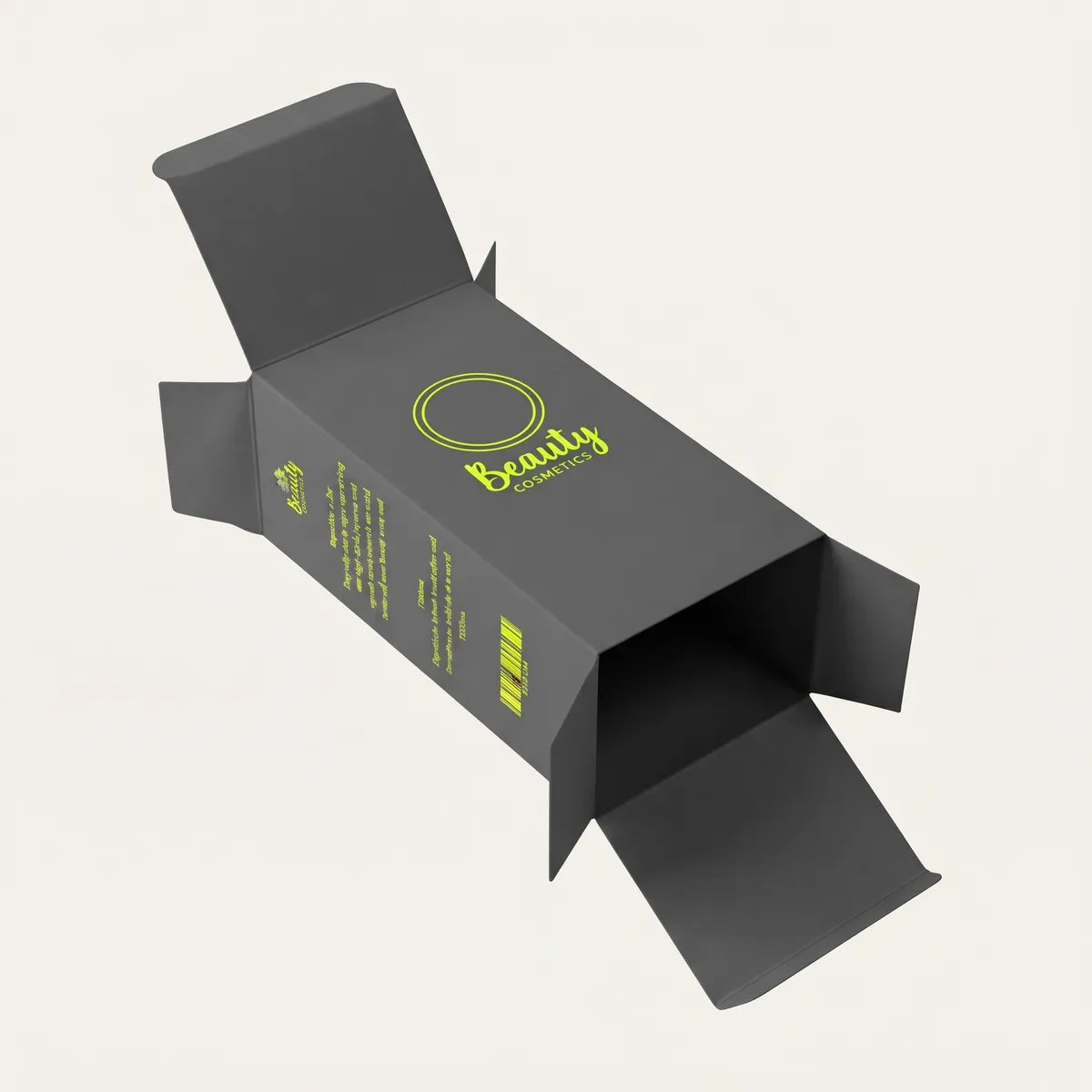
Every box style is the same flat sheet of board solved differently. A dieline is the cutting template — the outline of the sheet, the fold lines scored into it, and the tabs and flaps that lock it together. Solid lines get cut, dashed lines get creased, and the difference between a good structure and a bad one is usually in the creasing rather than the cutting.
Styles fall into three construction families. Folding cartons ship flat and assemble at your end, which is why they dominate on price and storage. Rigid builds arrive already assembled and don't collapse, which is what gives them weight and why they cost more to ship. Corrugated builds add a fluted layer between two liners for structural strength on anything heavy or fragile. Inside those families the real variable is the base: a tuck base folds in and holds light product, a snap-lock interlocks four flaps for more weight, and an auto-lock base is pre-glued so it pops square in one motion — the one worth paying for when labor costs more than board. Glue seams sit on a side panel, never a display face. Windows and handles are die-cut, which means each one needs its own tooling. Tabs need clearance to work, so the same nominal size behaves differently between folding cartons and rigid. And every dimension is internal unless stated otherwise, because your product has to fit the inside — a distinction that causes more failed runs than any other single spec. Structure decides most of this, which is why it gets chosen before material or print. For a sense of how build choice plays out under real load, cake packaging is a useful case.
What the Right Structure Saves You
Style choice shows up in three places on your P&L, and none of them are the unit price of the box.
The first is labor. A box that needs tape, two hands, and five seconds costs more per order than one that pops square in a single motion — and across a full shift that difference is measured in staff hours, not seconds. At any real volume, the assembly time of a style outweighs the few cents between one build and another. The second is freight. Carriers bill on the size of the box as well as its weight, so a style that adds an inch of unused space charges you for that inch on every parcel you ever send. Choosing a structure that fits the product, rather than one that approximately contains it, lowers that bill permanently. The third is damage. A base that gives way under load, or a lid that presses onto the product, produces returns — and a return costs you the replacement, the freight both ways, the support time, and often a review that suppresses sales long after the refund clears.
There's a fourth effect that doesn't sit on a spreadsheet but decides repeat purchase: how the box opens. A structure built for a clean reveal earns the photograph and the reorder, while one that arrives crushed or awkward quietly caps your repeat rate. Categories where both the operational and the presentation side matter at once — apparel is the clearest example — are where getting the structure right pays twice.
Where Structure Limits What You Can Print
Most print problems are structural problems nobody caught at the dieline stage. The style you choose decides how much flat, uninterrupted surface you have to work with — and that constraint should shape the artwork rather than fight it after proofing.
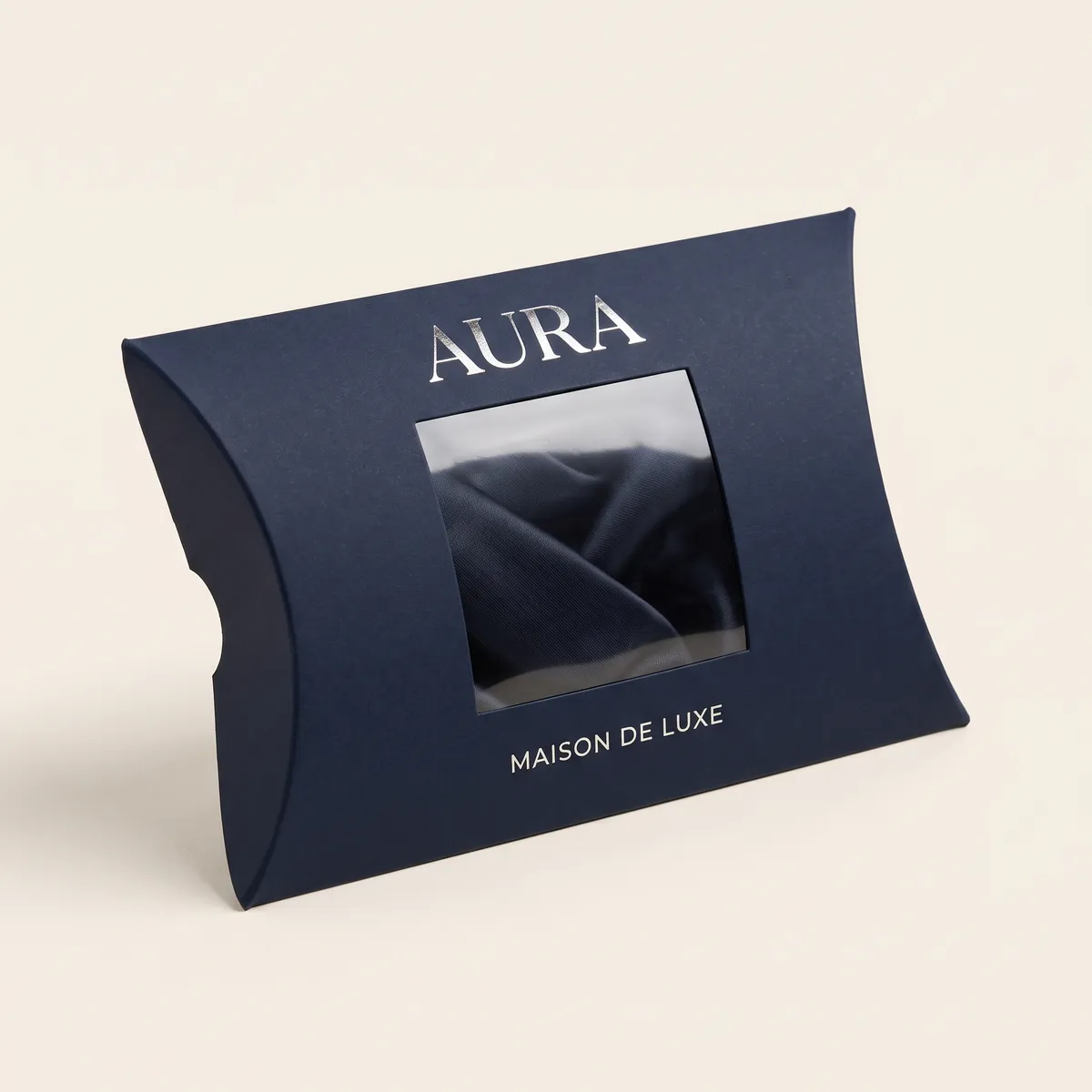
Three limits matter. The first is fold lines. A score is a deliberate crack in the board, so heavy ink coverage crossing a fold will flake along that line over time, and foil laid across one cracks almost immediately. Keep solid color fields and any metallic away from creases. The second is panel area. A tuck carton gives you clean rectangular faces; a pillow box, a gable, or anything curved gives you far less usable flat space, and artwork that looked fine on a flat proof gets distorted where the board bends. Design to the panel, not to the sheet. The third is die-cut interruptions — every window, handle, or hanging tab removes printable area and needs clearance around it, so a logo positioned without checking the dieline ends up cropped by a window you forgot was there.
Two more worth knowing. Anything printed on corrugated has flute telegraphing to contend with: the wave beneath the liner shows through and softens small type and fine lines, so bold shapes reproduce far better than delicate wordmarks. And on rigid builds, print happens on the wrap before it's applied, which means wrap registration — how precisely that printed sheet lands on the assembled box — becomes the thing that decides whether corners look sharp or slightly off. The practical order is always the same: settle the structure, check the dieline, then design. Doing it the other way round is how a magnetic closure box ends up with a logo sitting across a hinge. Categories where print and structure are both doing heavy lifting, like cosmetics, feel this most.
Which Industries Buy Which Styles
Structure follows the job, and certain industries converge on the same builds for good reasons. Here's where each family ends up.
- Folding cartons are the highest-volume style on the site, and they carry most retail shelf product — cosmetics, soap, vapes, and packaged food. Cheap at volume, flat-packing, and they print well.
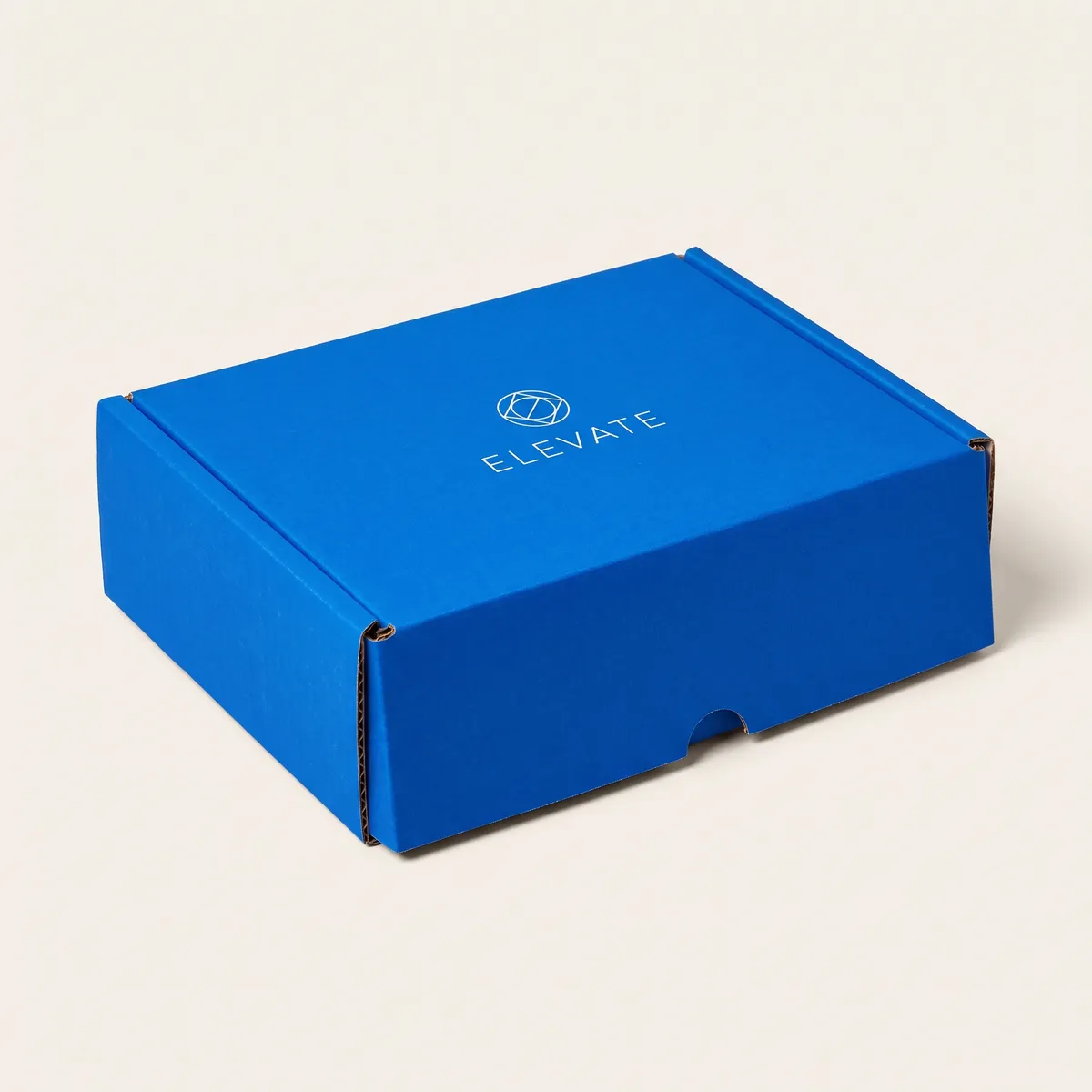
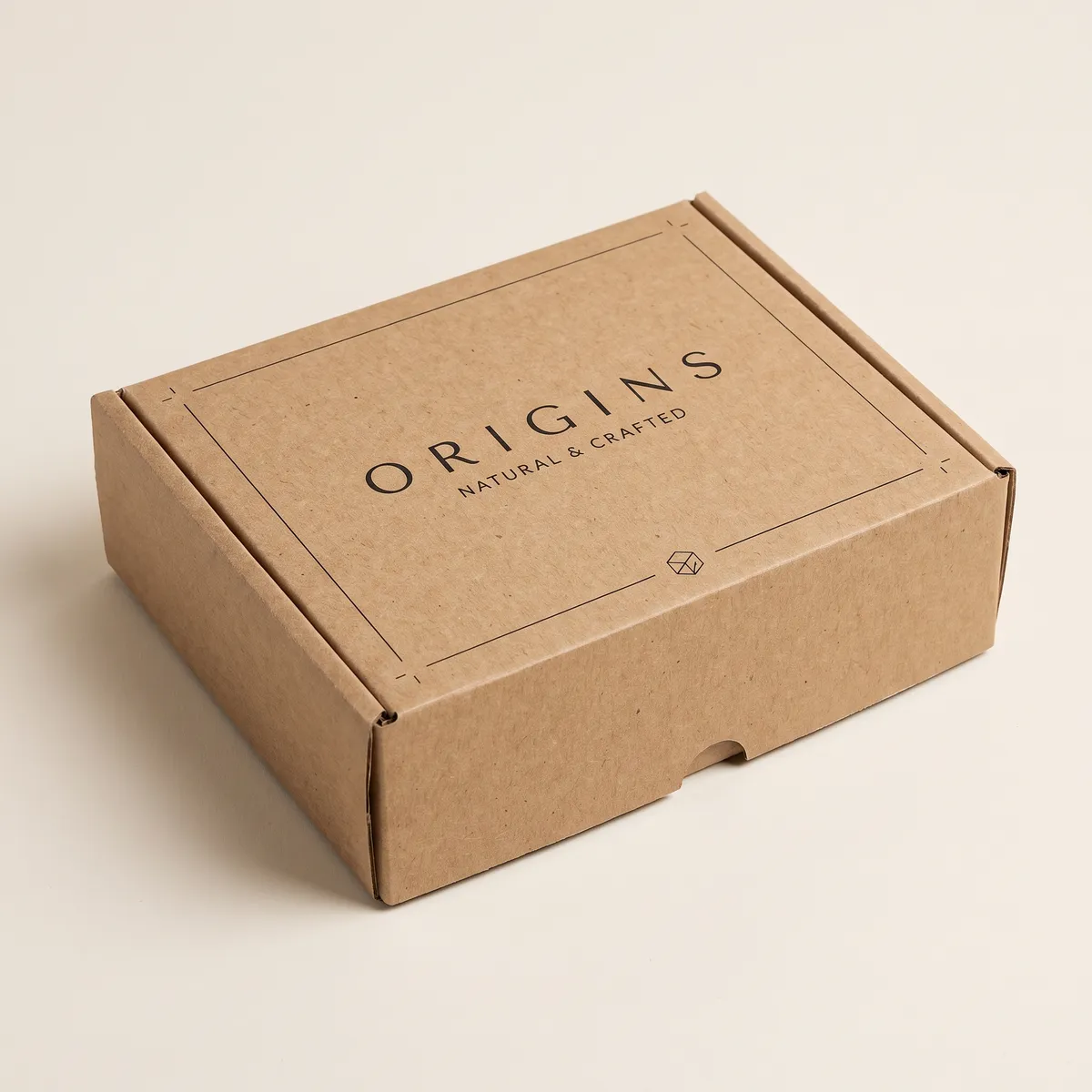
- Mailers belong to anything shipping direct to a customer. Apparel brands run them hardest, followed by electronics and subscription boxes, because they survive a carrier and give you a printed interior for the unboxing.
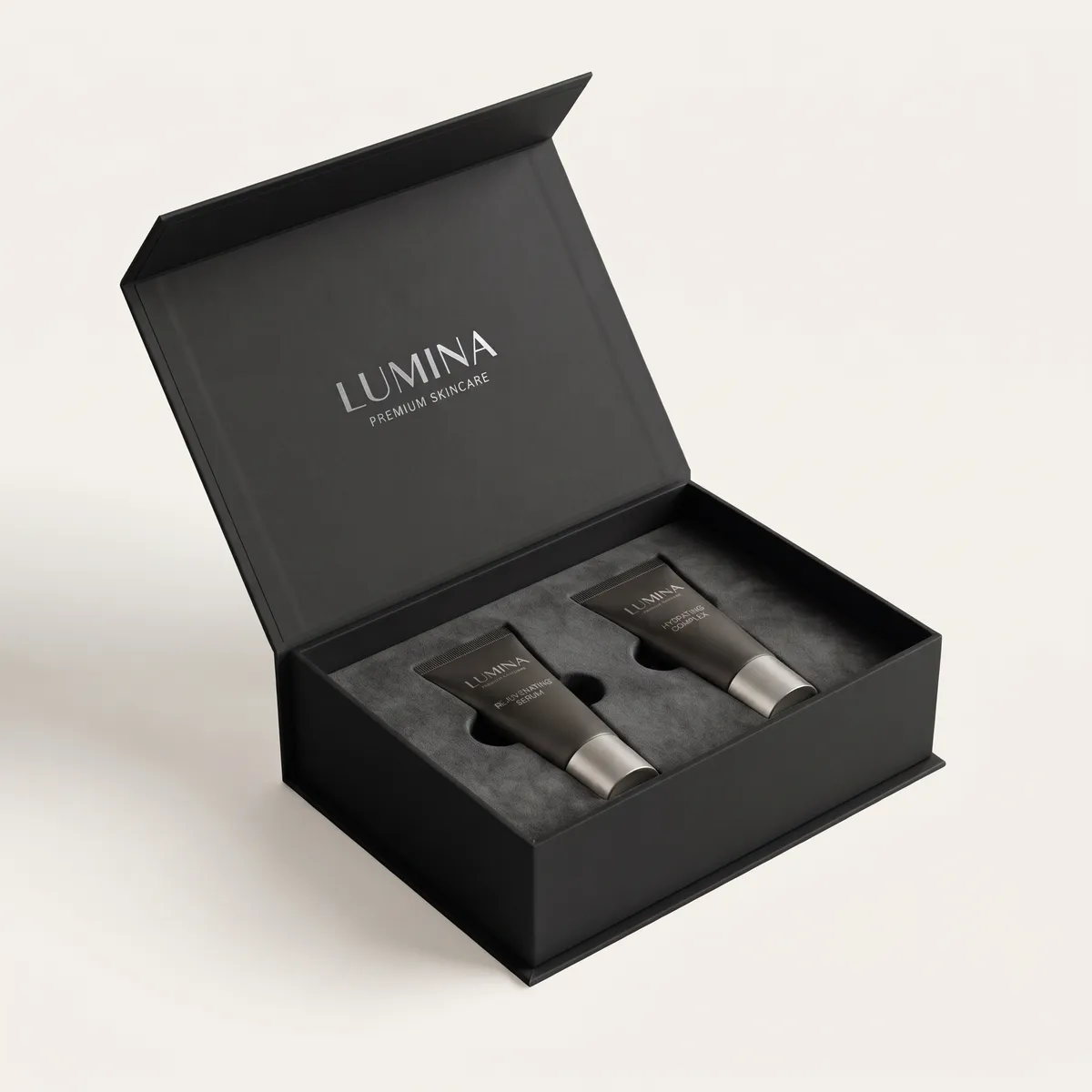
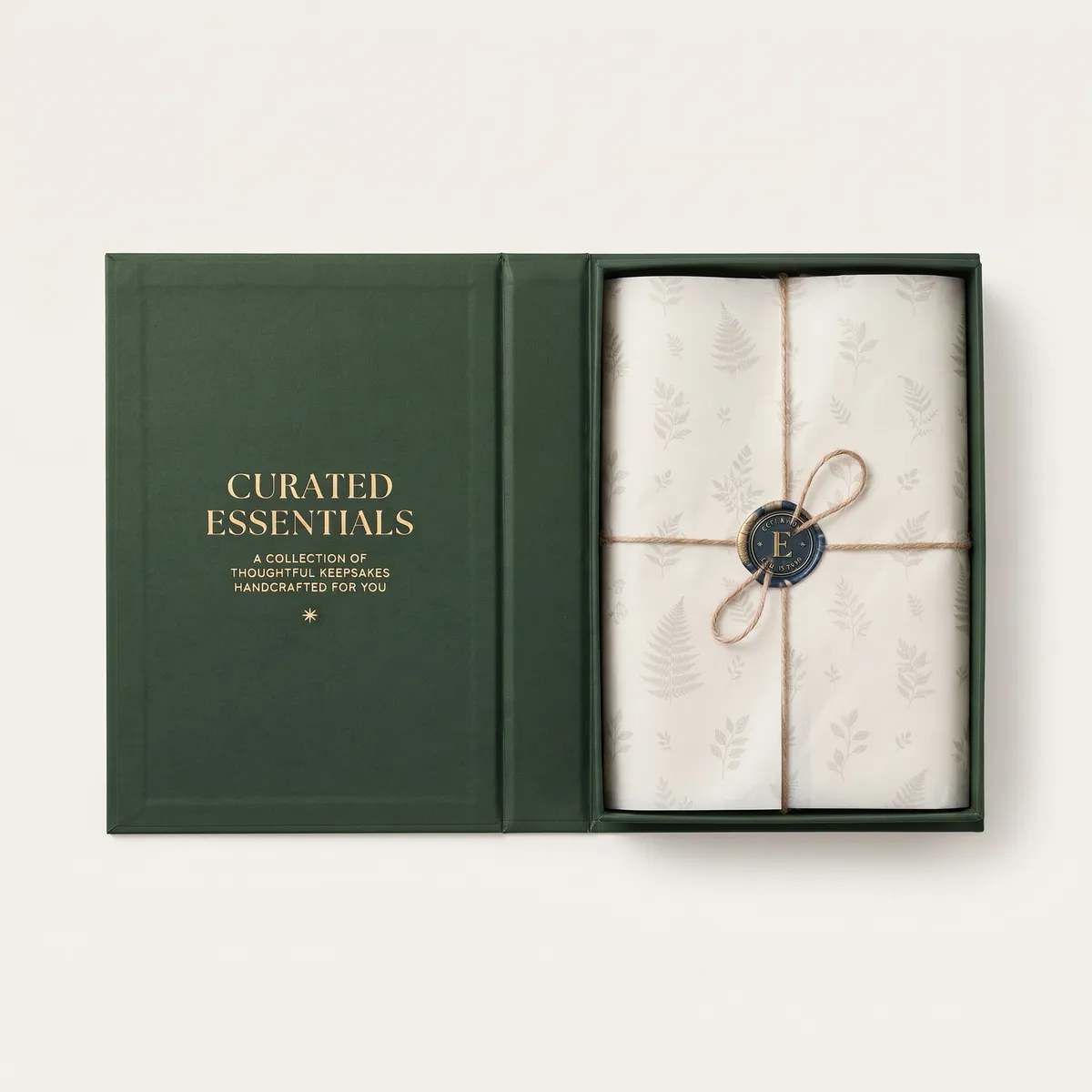
- Rigid, lid-and-tray and drawer builds go where the product is expensive and the reveal matters: jewelry, perfume, gifting, and premium confectionery.
- Auto-bottom and snap-lock bases are bought for speed and load. Bakeries, cake shops, and takeout kitchens choose them because they assemble in one motion during a rush and hold weight a tuck base would drop.
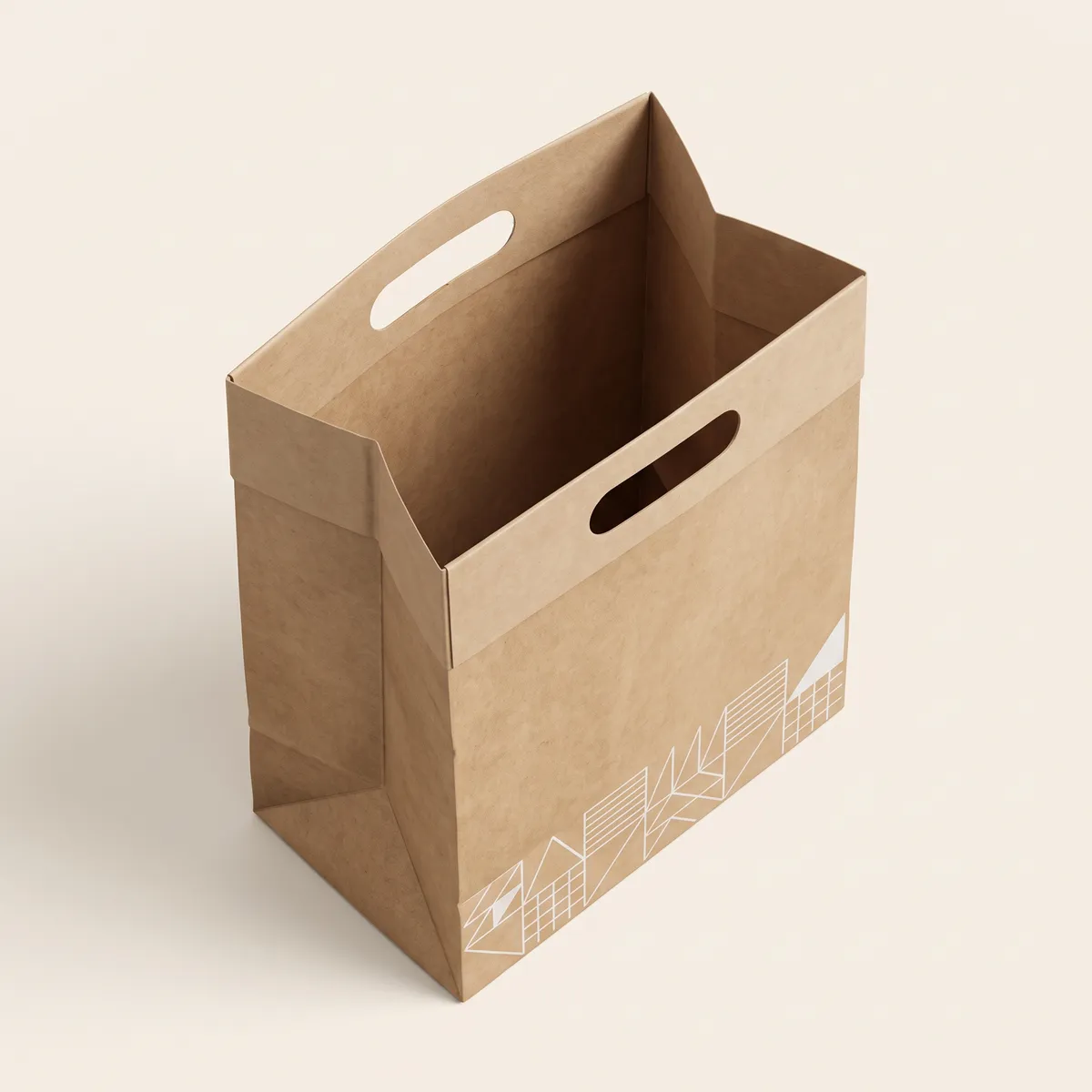
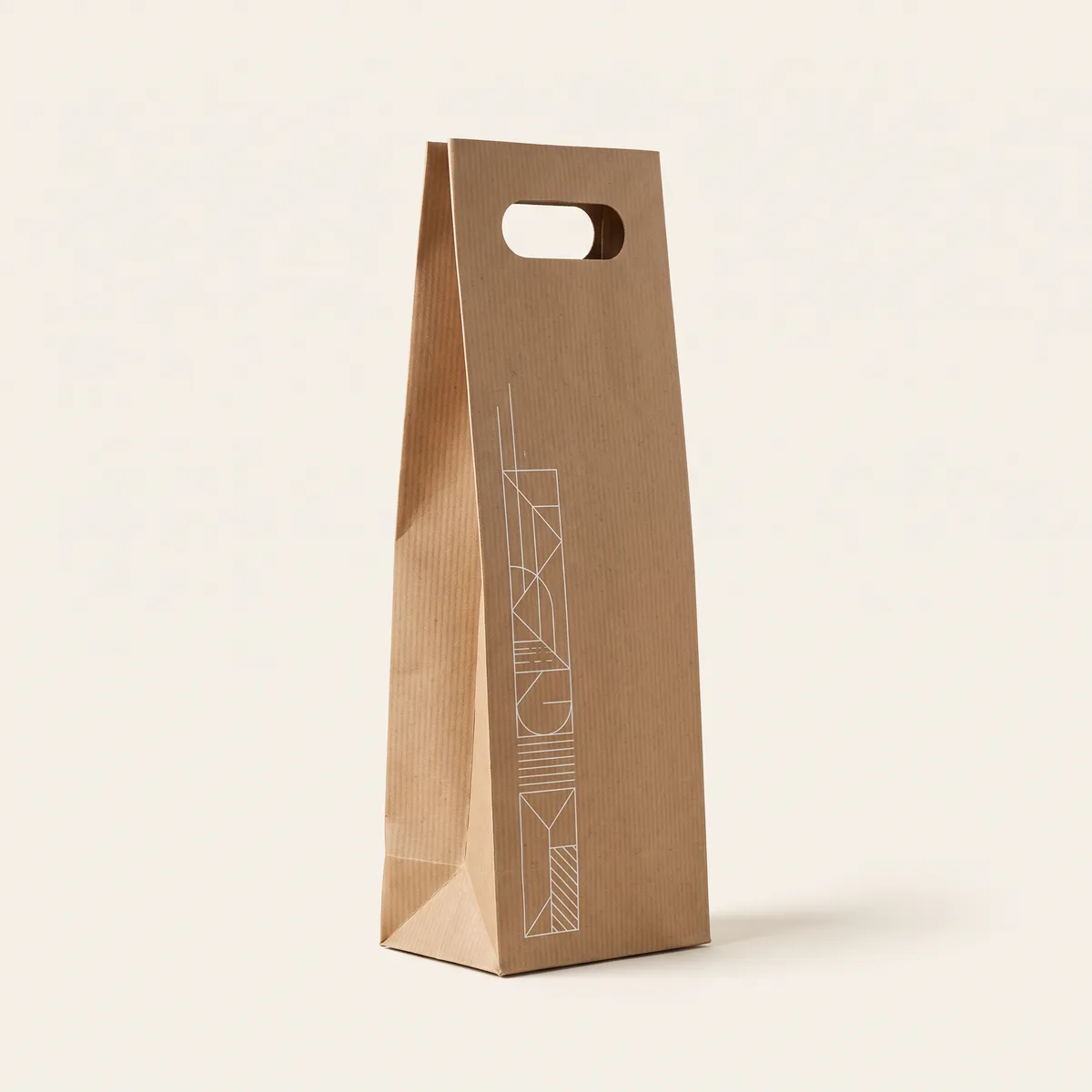
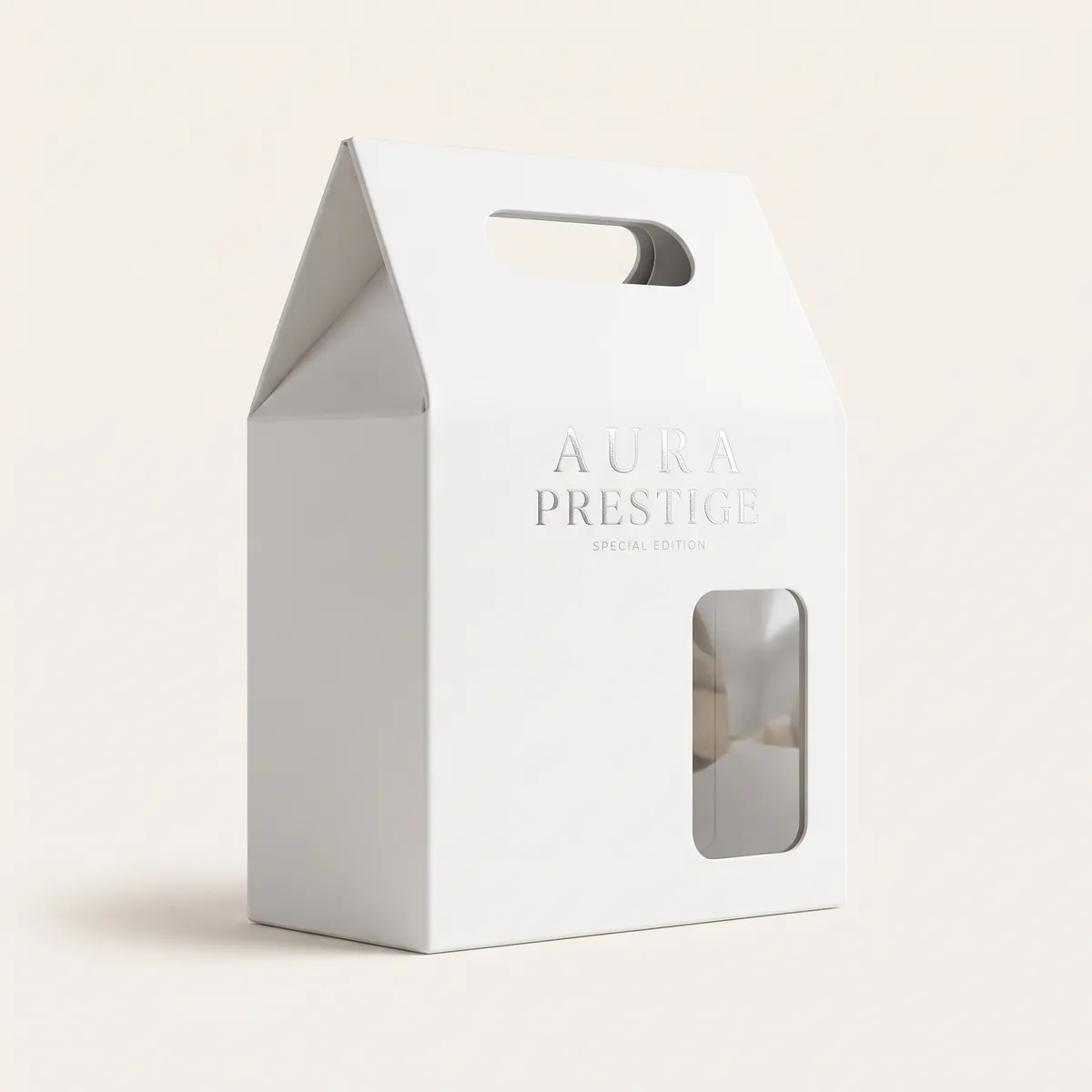
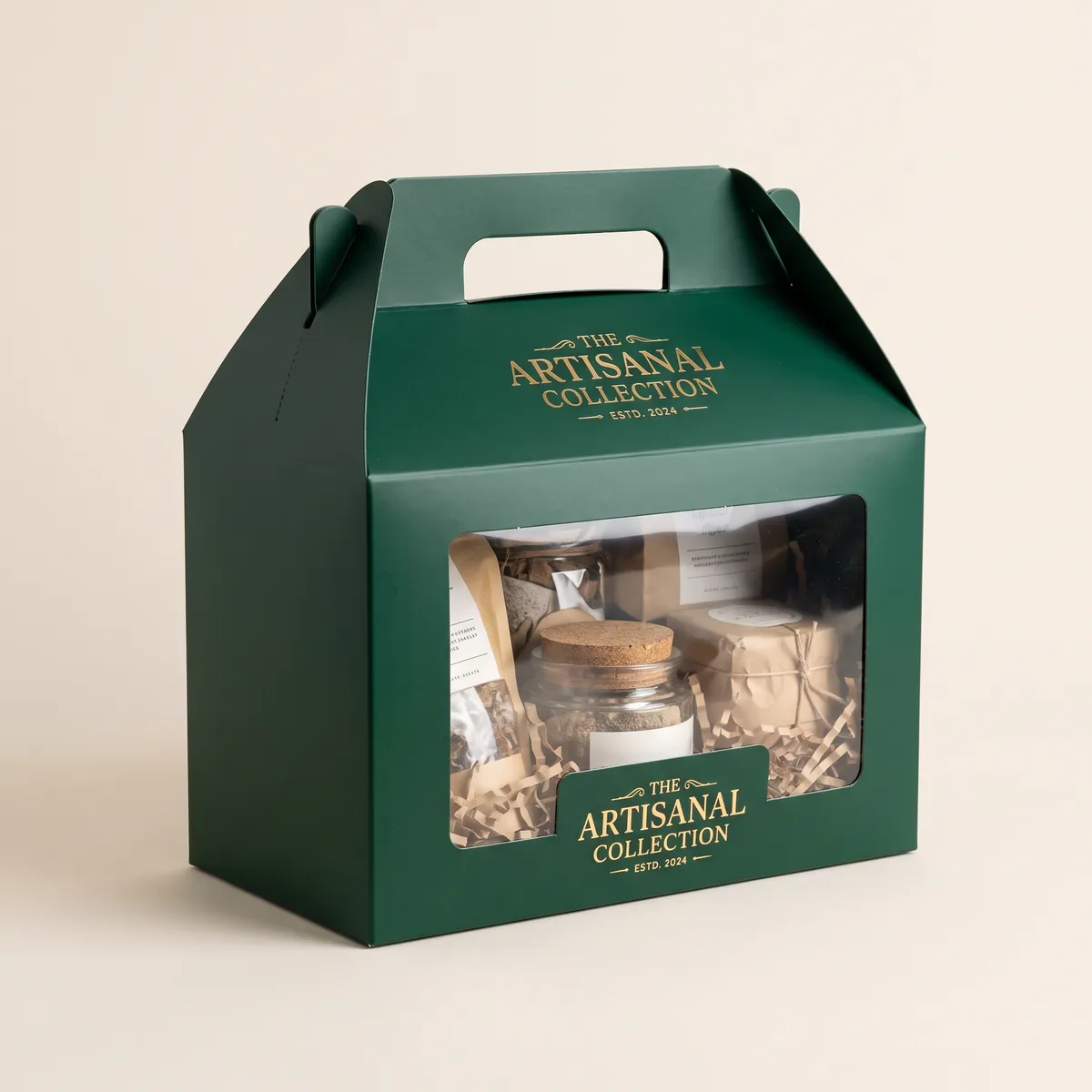
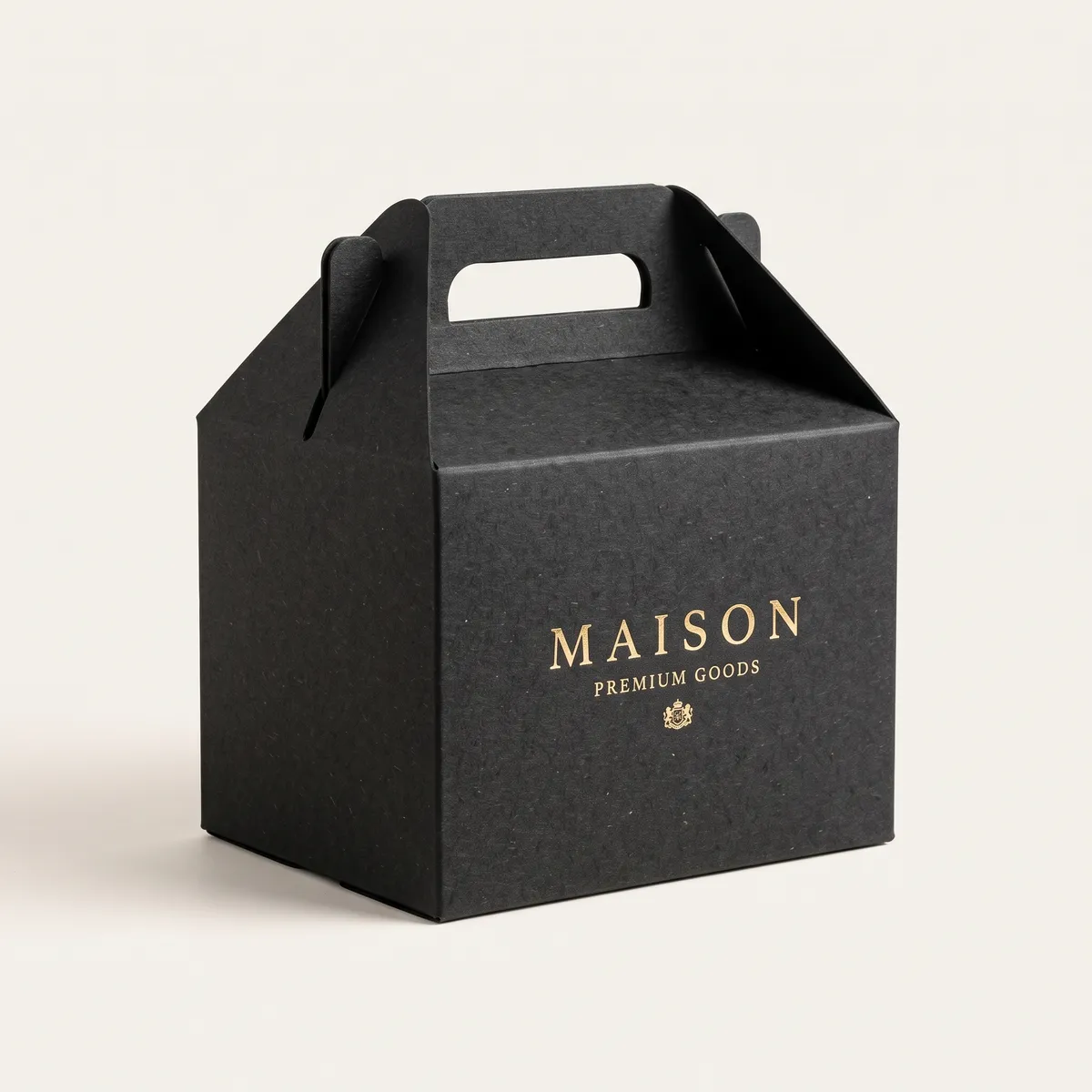
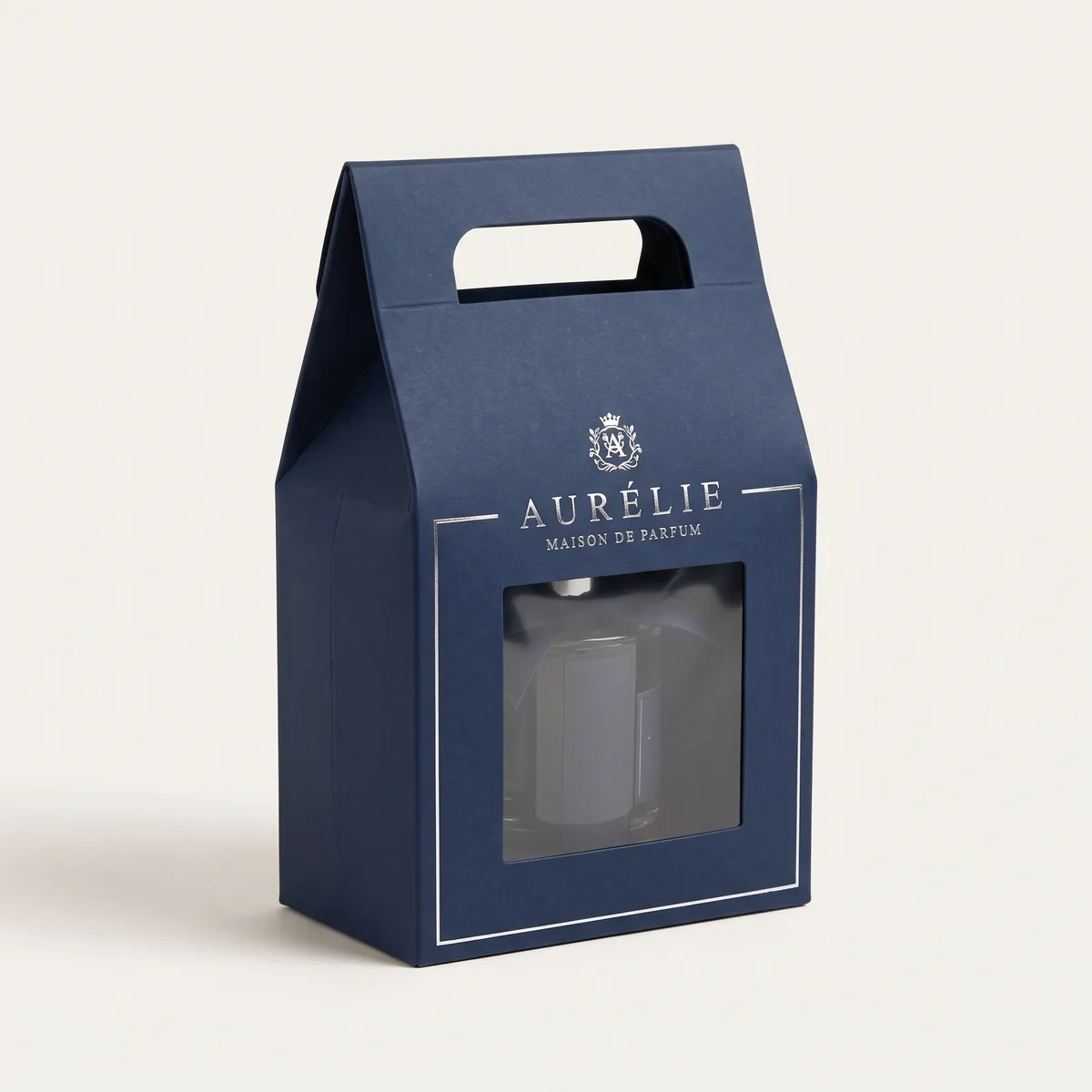
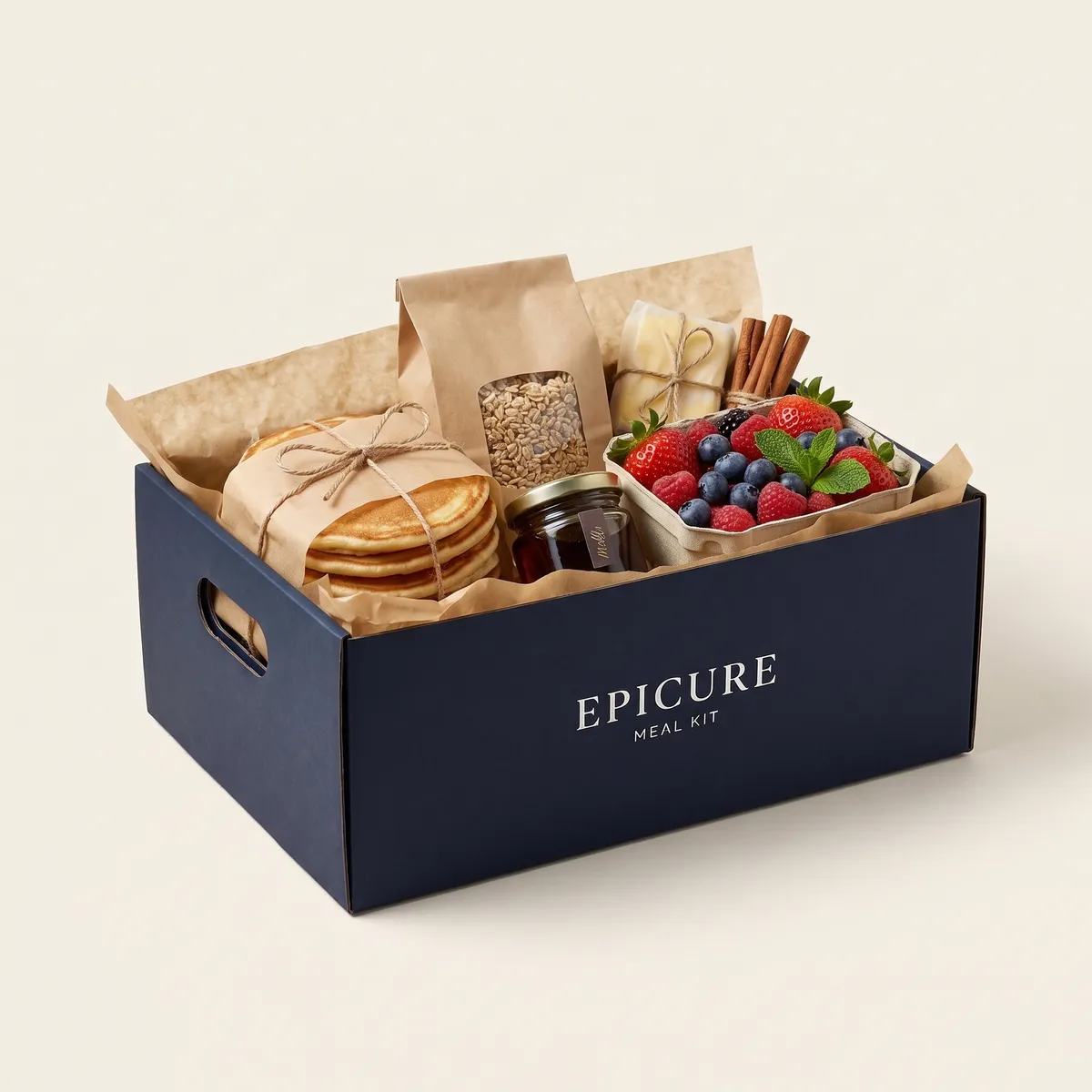
- Gable boxes suit anything carried by hand — meal boxes, party packs, and grab-and-go service in food and bakery settings.
- Sleeves are the budget route to seasonal variants, common in soap, tea, and gifting, where you reprint the sleeve and keep the base generic.
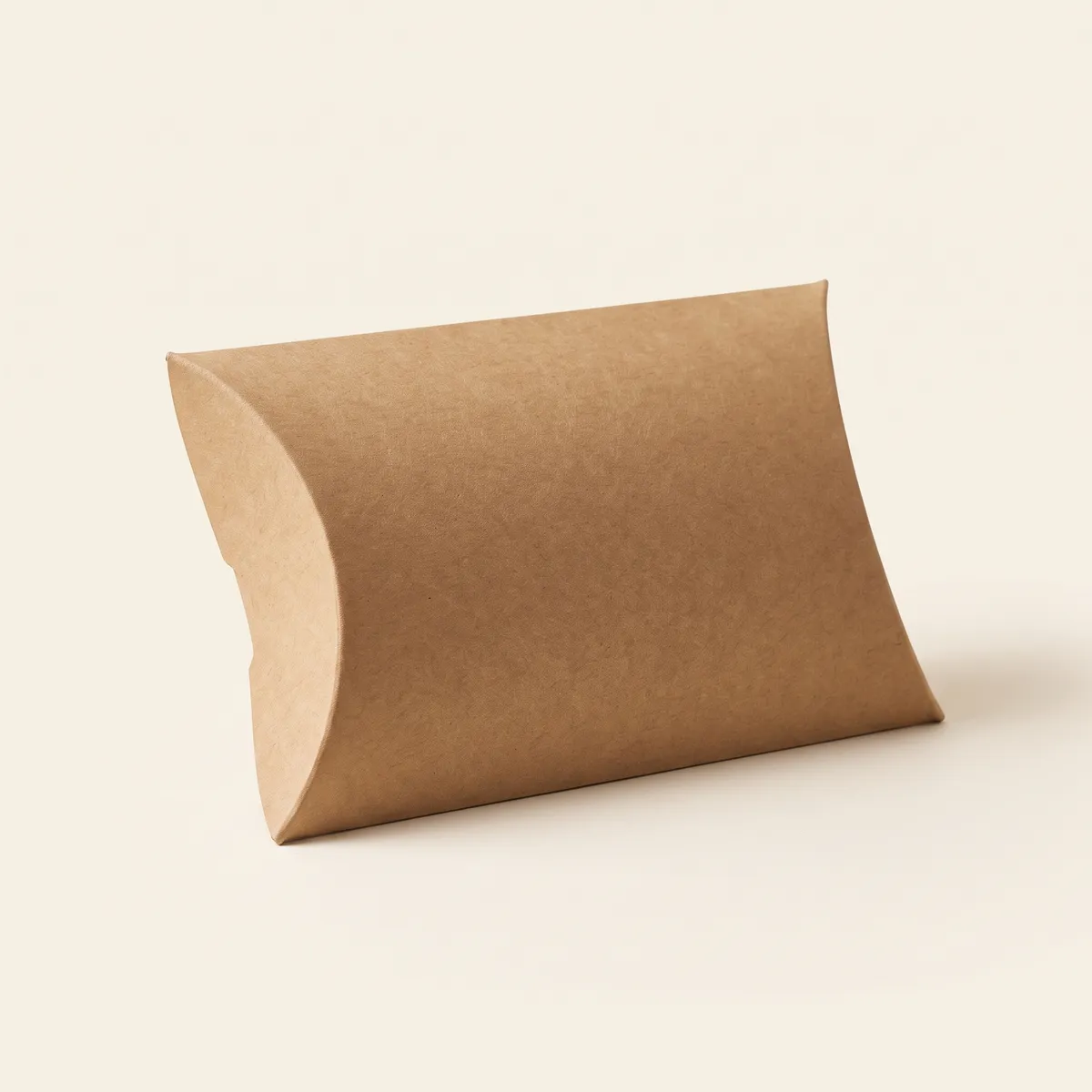
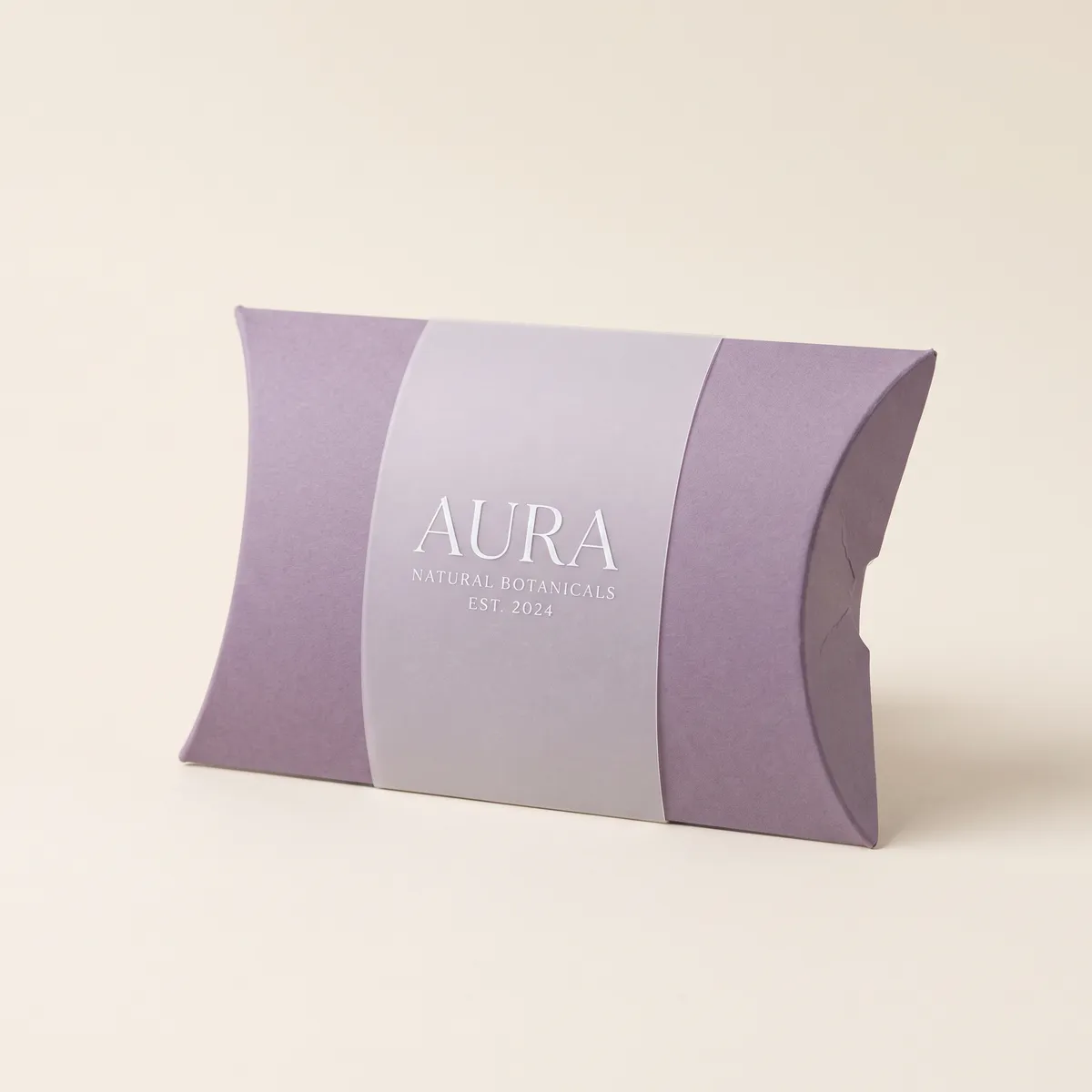
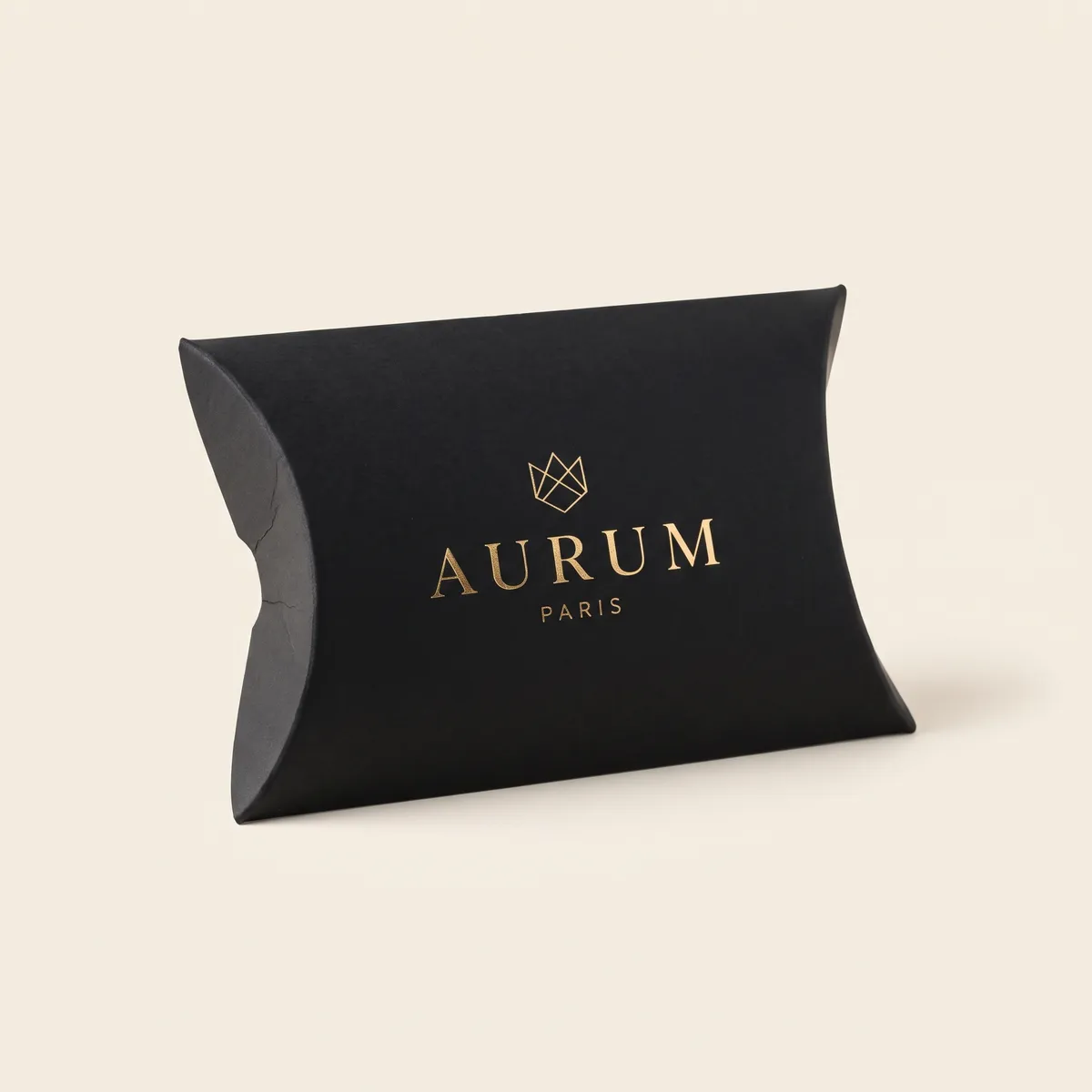
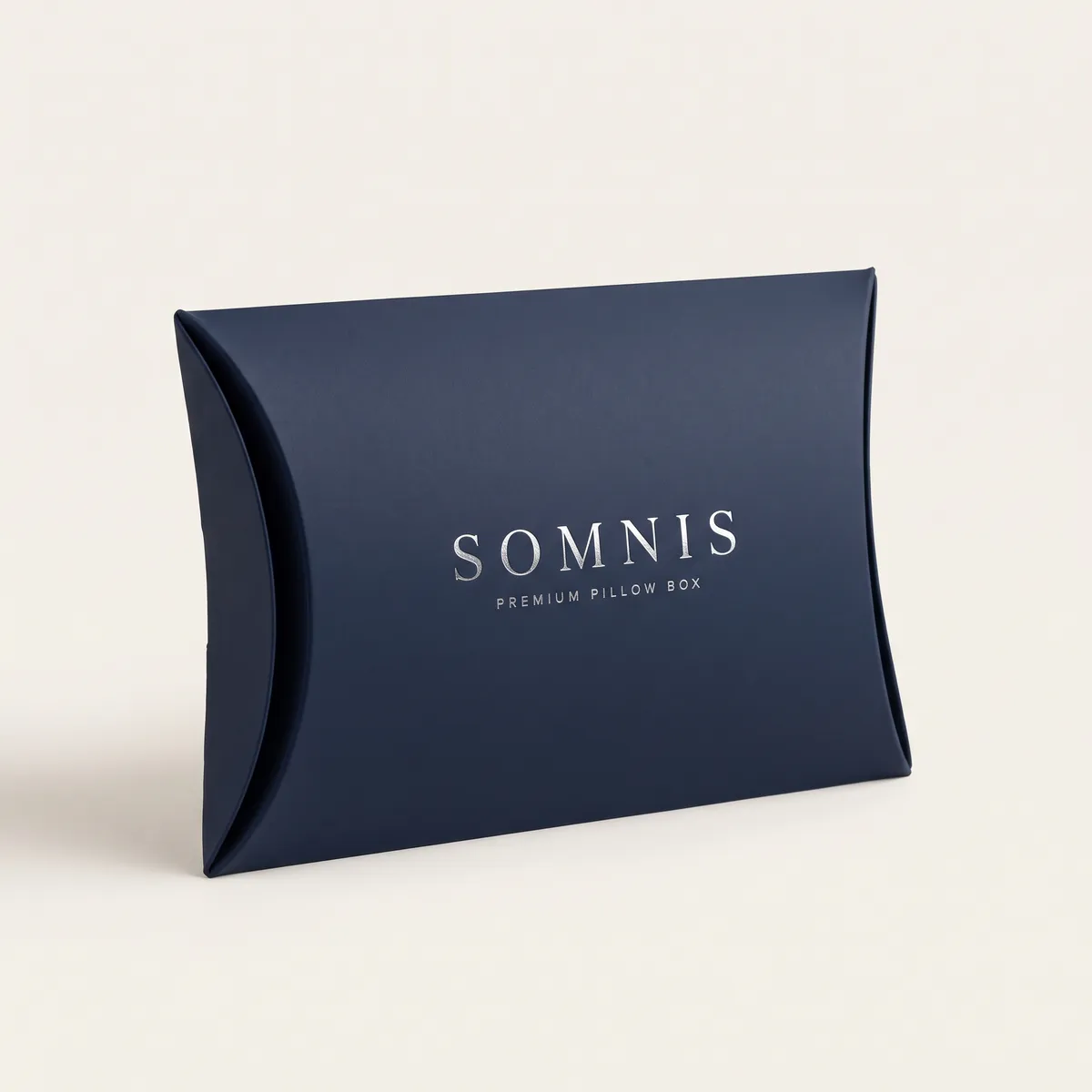
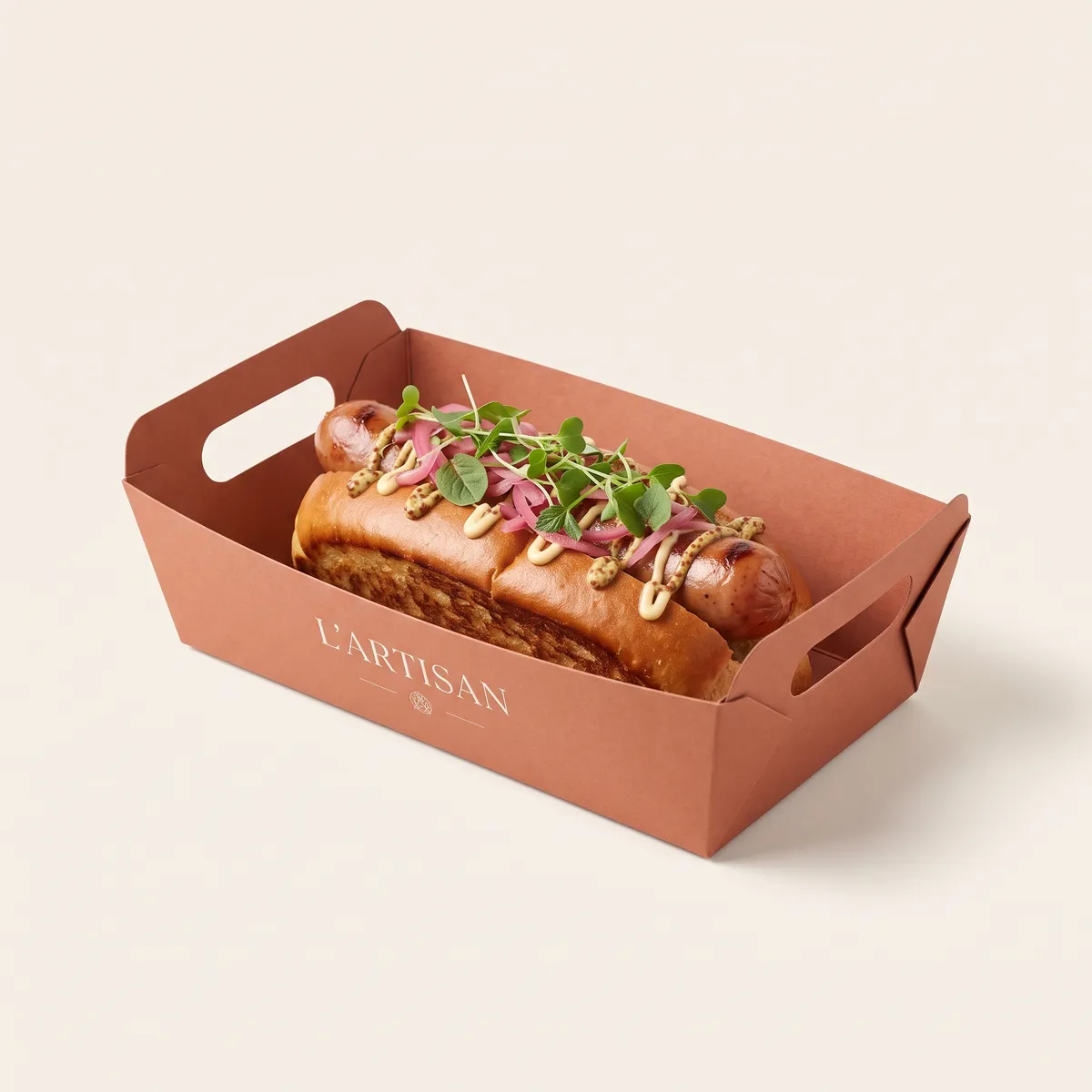
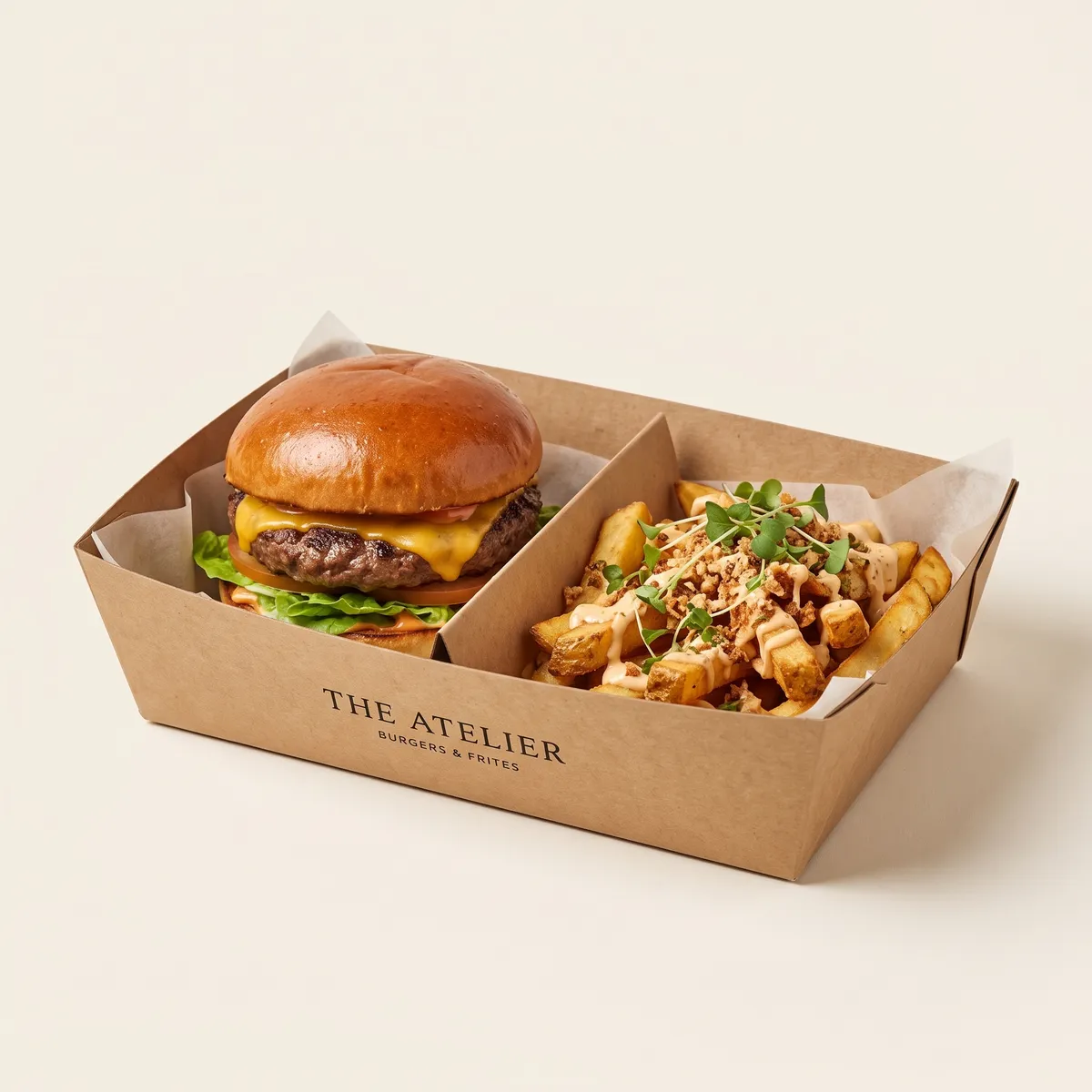
- Trays, pillow boxes and round builds handle the awkward shapes: prepared meals, single bars and favors, and cylindrical vessels like candles and wine tubes respectively.
- Display and hanging formats exist for retail shelves — toys, impulse counter product, and anything sold on a peg.
If your industry appears under more than one, that's normal: most brands run two or three structures across retail, shipping, and gifting rather than forcing one build to do every job.
Picking a Structure, and Working With Us
Four questions settle most style decisions faster than any comparison chart.
How does it reach the customer? Shipped direct means a mailer or corrugated build that survives a carrier. Handed over a counter or sold from a shelf means a folding carton or rigid box, which don't need transit strength and shouldn't be paying for it. How heavy is the product? Weight decides the base before anything else — a tuck base is fine for light goods and will give way under load, where an auto-lock or snap-lock base holds. How many do you pack a day? At low volume, assembly speed is irrelevant and you should buy on unit price. Past a few hundred a day, a build that assembles in one motion is worth more than the cents it costs, because labor is the larger number. Does the open matter? If the product is gifted or the unboxing gets shared, a rigid or lid-and-tray build earns its cost. If the box is opened once and recycled, it doesn't — and that's the most common place brands overspend.
Size up when the product has protrusions or needs cushioning. Size down aggressively otherwise, because every unnecessary inch is billed on every parcel. And where two styles both work, the cheaper one usually is the right answer: a well-made folding carton beats a rigid box that the product didn't need.
Working with us, the practical differences are these. Every box goes through a three-stage check before it ships, so problems are caught by us rather than discovered by you when a pallet lands. If a run doesn't match the proof you approved, we reprint it at our cost. There are no hidden charges — no die, plate, or setup fees appearing after the quote, and that's a guarantee rather than a caveat. Revisions before print are unlimited and free. Send us the product dimensions and we'll build the dieline around them, confirming internal versus external in writing. Minimum order is 100, turnaround is 8–12 business days with a rush lane priced upfront, free samples above 10,000 units, and shipping is included.
Unrivaled Support From Packaging Experts
From first sketch to full production, the same team carries your order through every stage.
Structural Engineering
We determine the right size, shape, and material for a snug fit and real protection.
Free Artwork Guidance
Our design team helps translate your brand into a box, at no added charge.
2D & 3D Mockups
See your box come to life before a single sheet of board is cut.
Quality Assurance
Every run is checked in-line against the digital proof or physical sample you approved, not just at the end.
Fast Turnaround
8–12 business days standard, with rush options when timing is tight.
Tracked Shipping
Palletized freight or drop-ship, tracked from our dock to yours.
Explore Other Box Styles
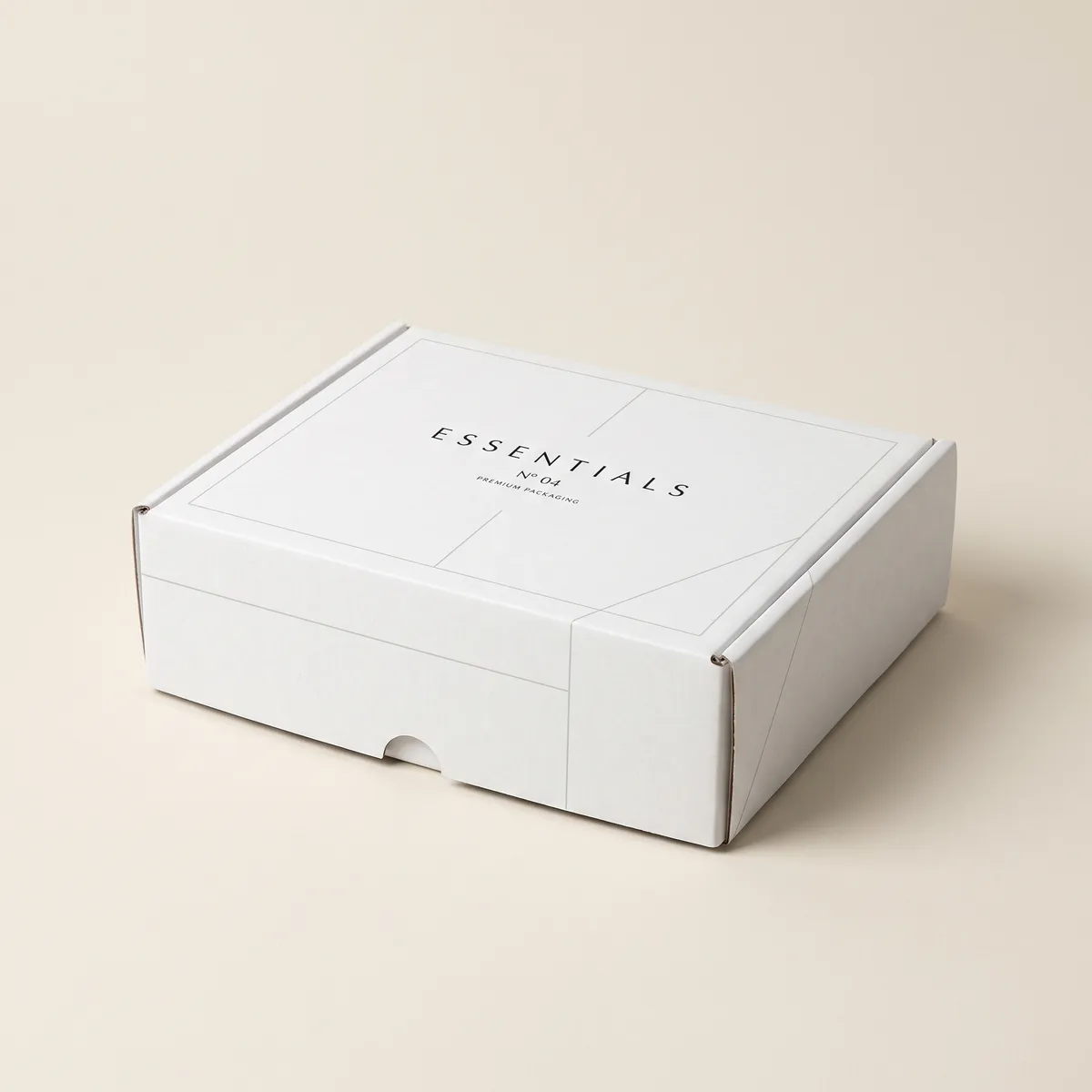
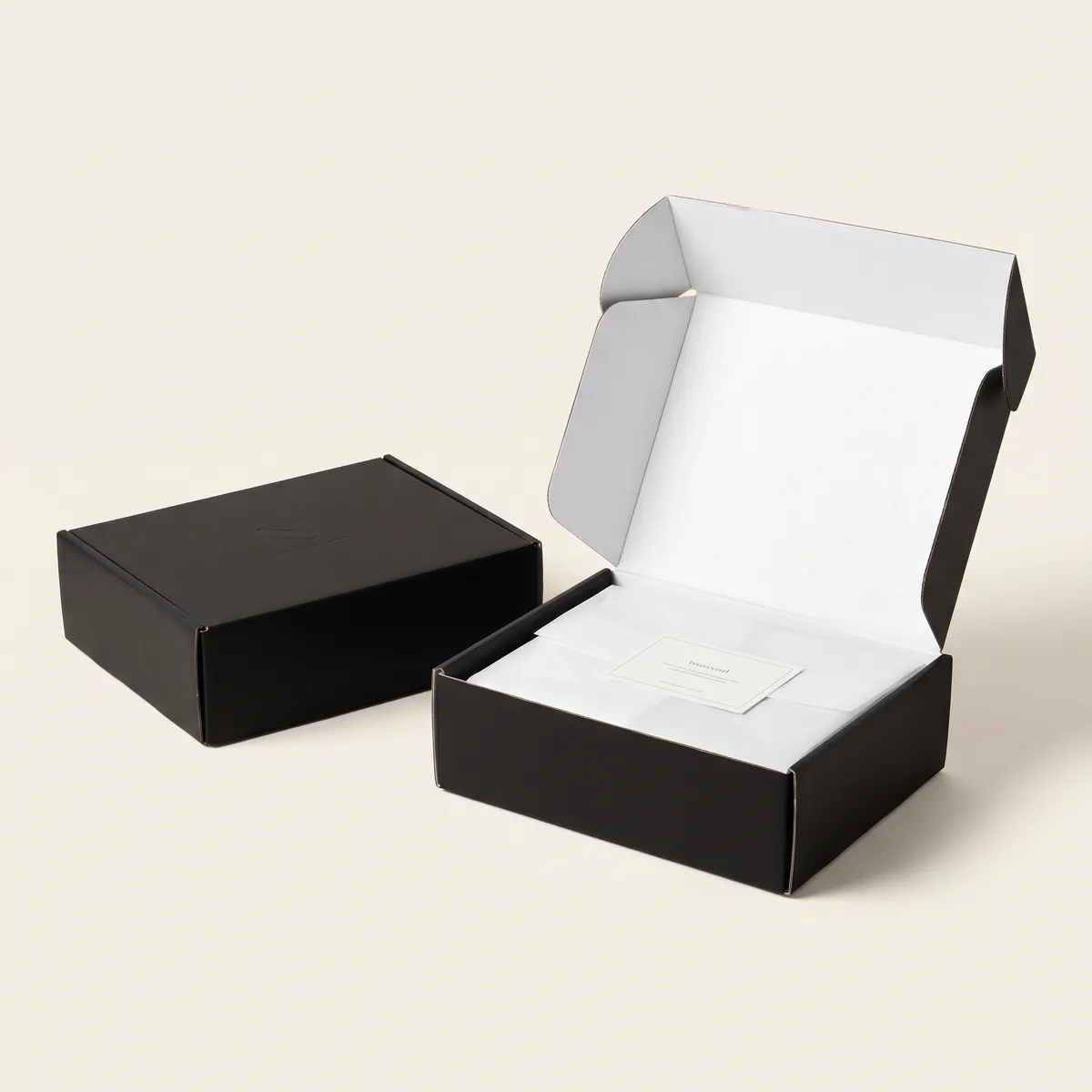
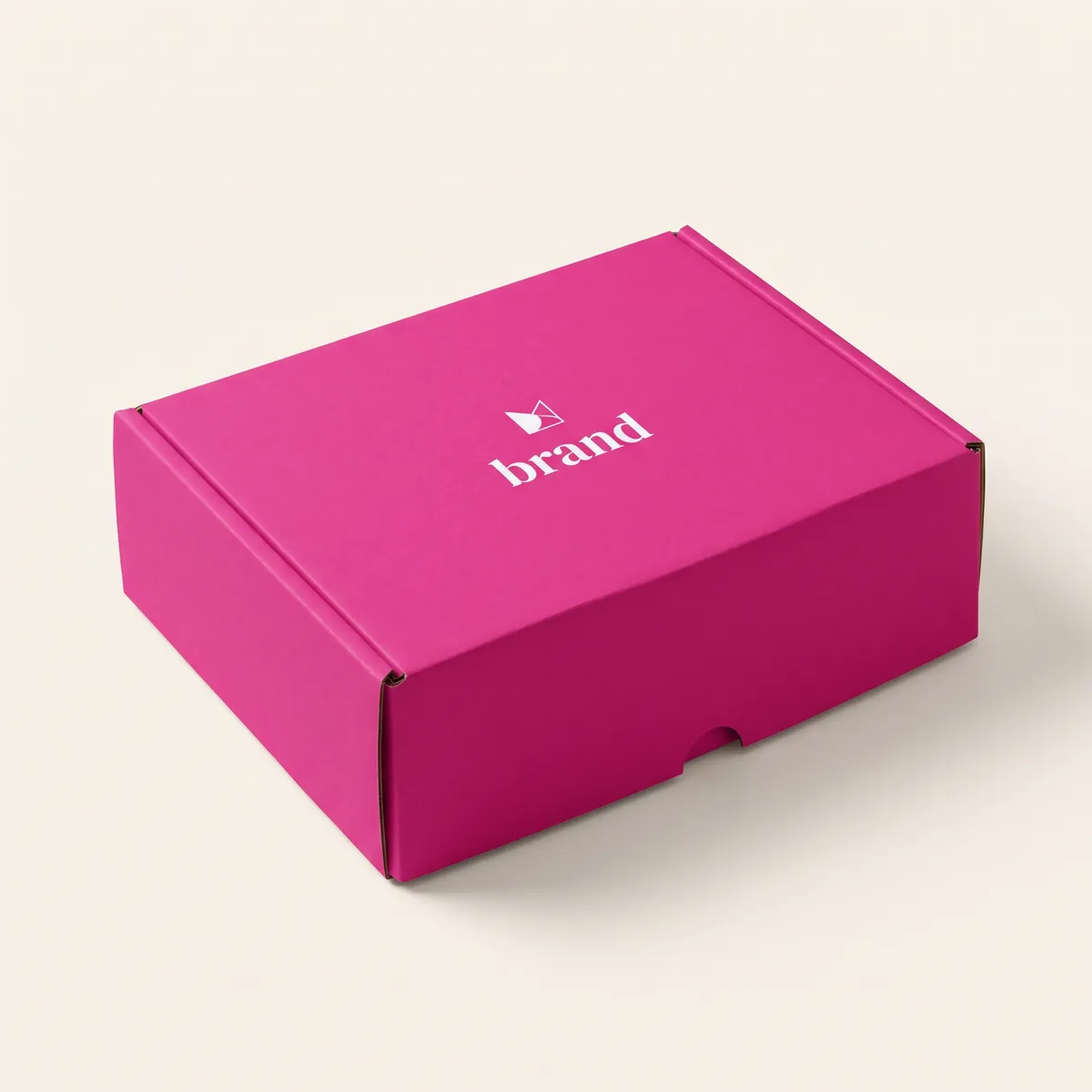
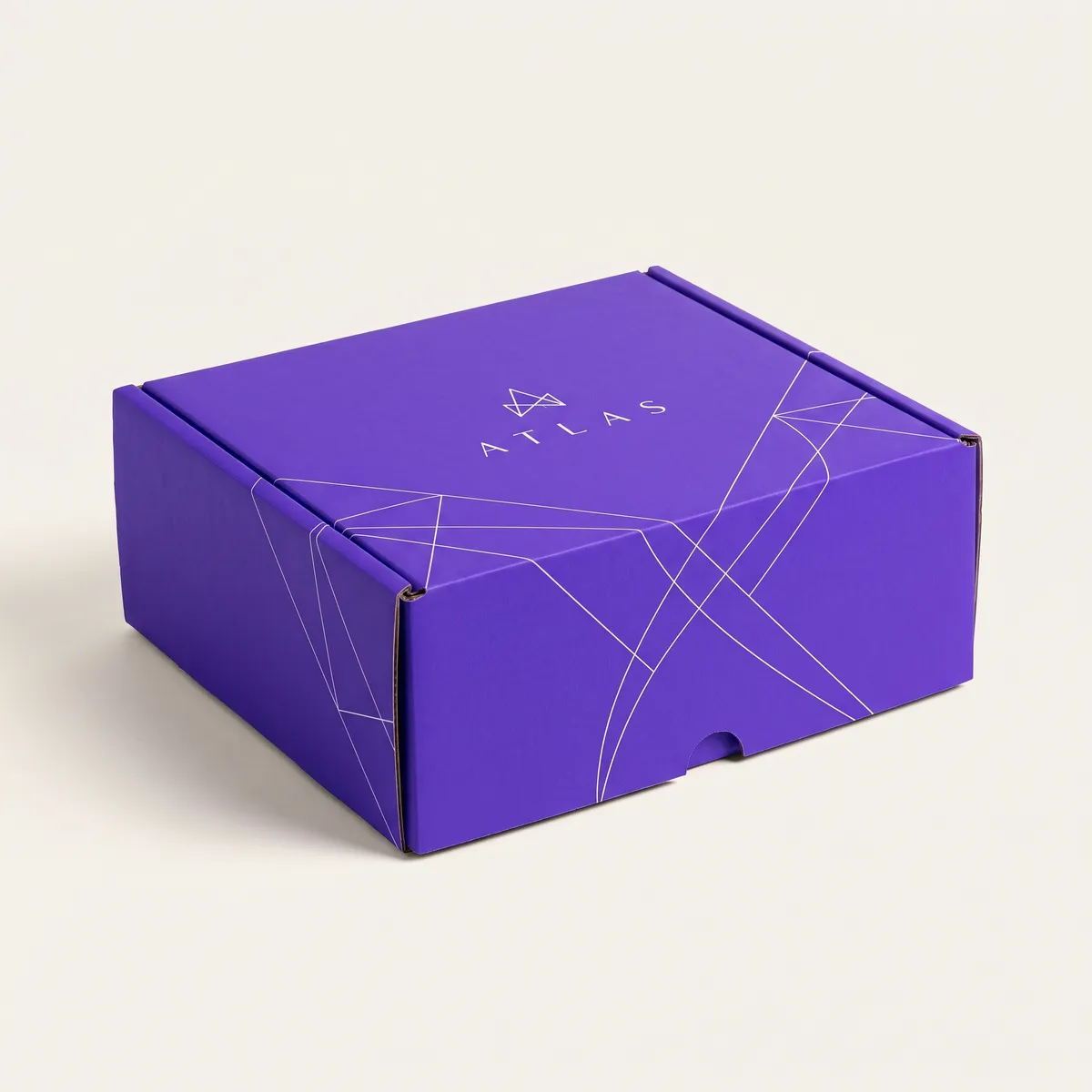
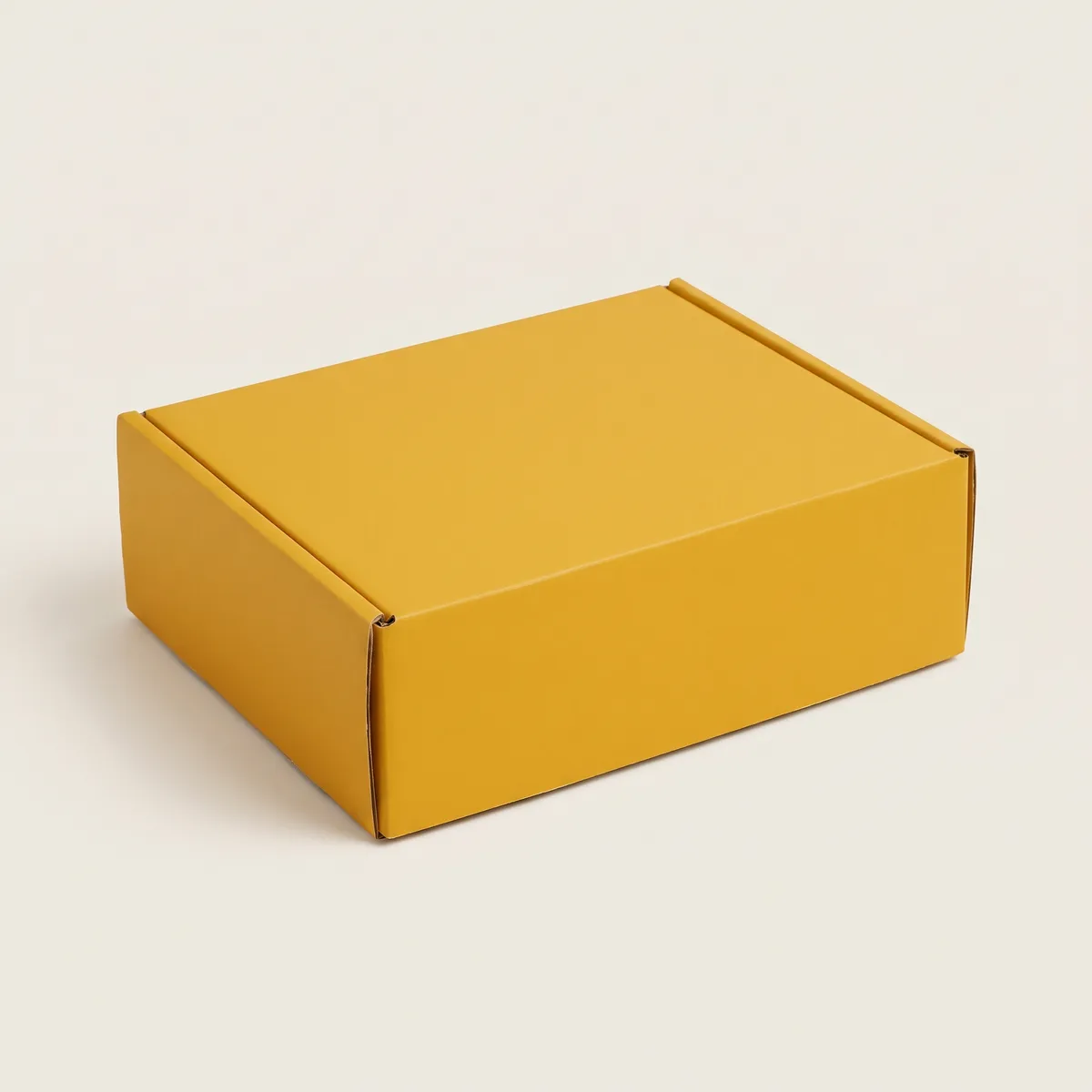
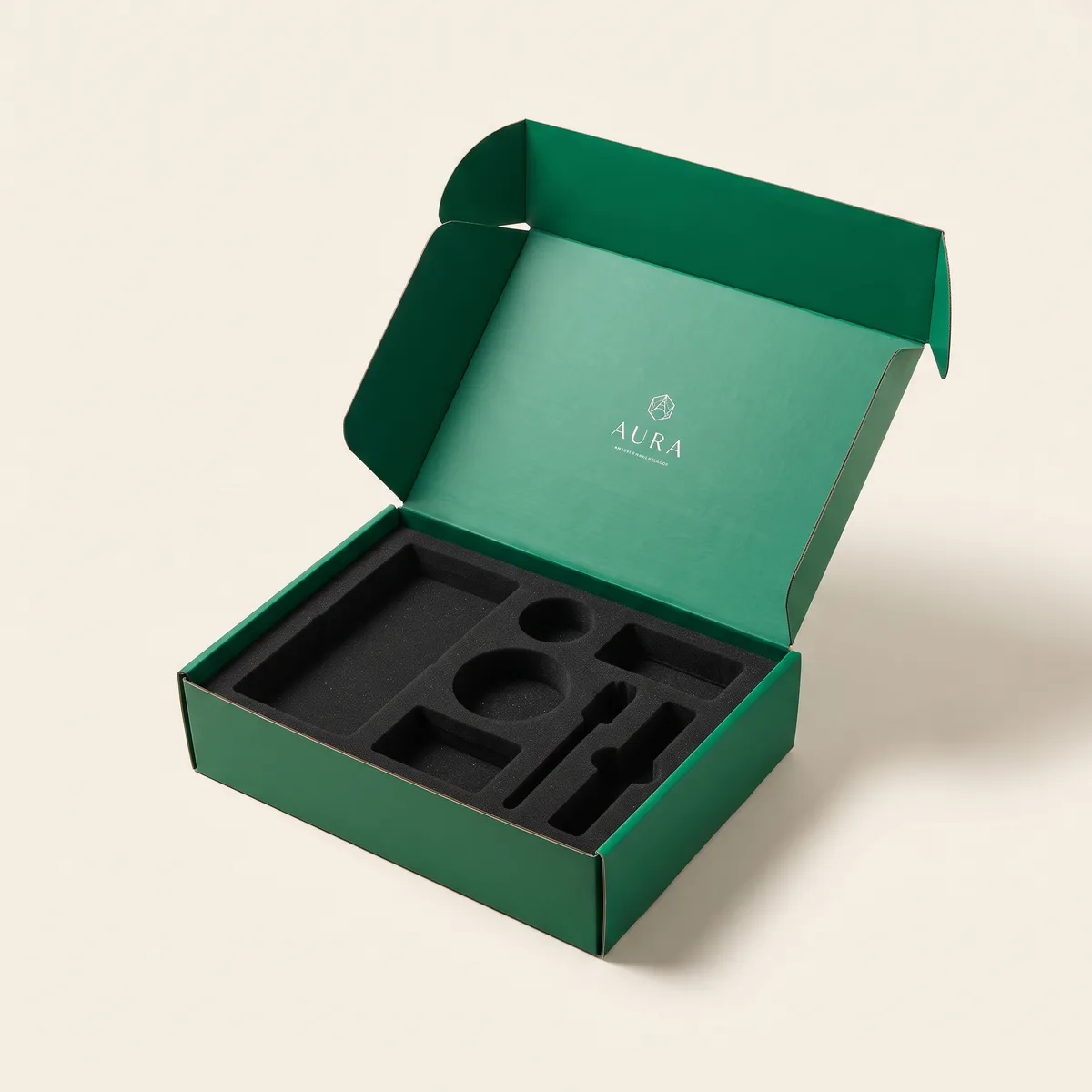
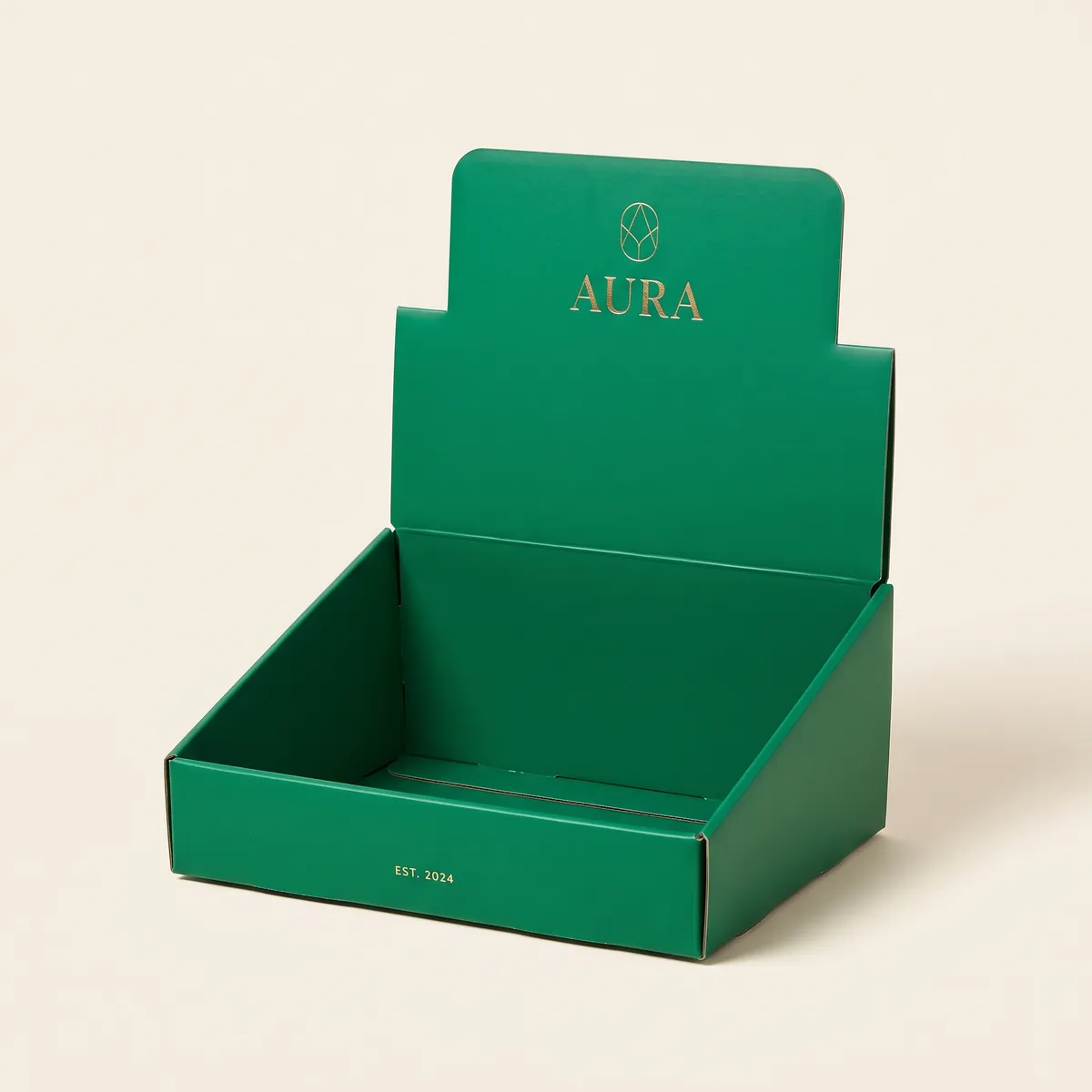
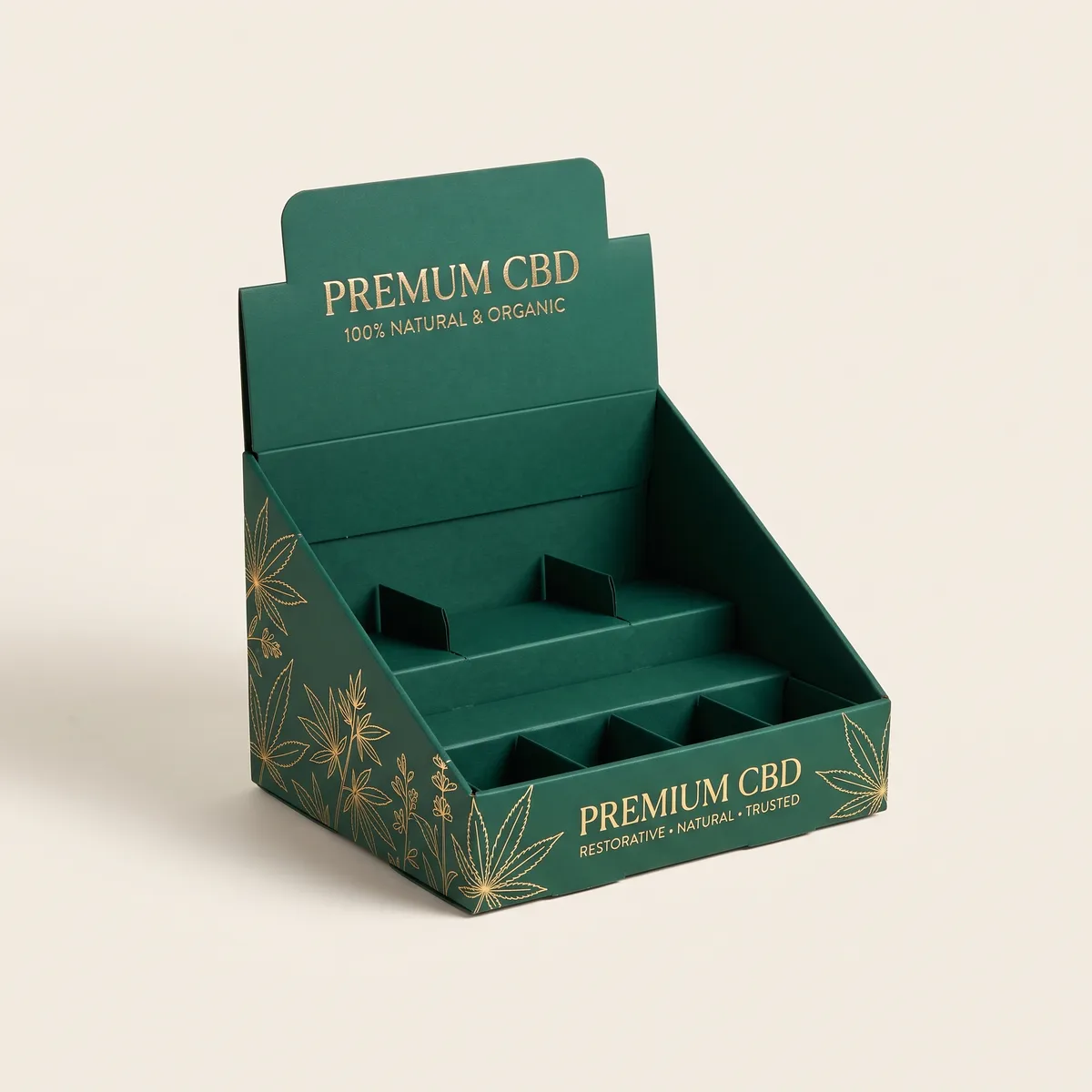

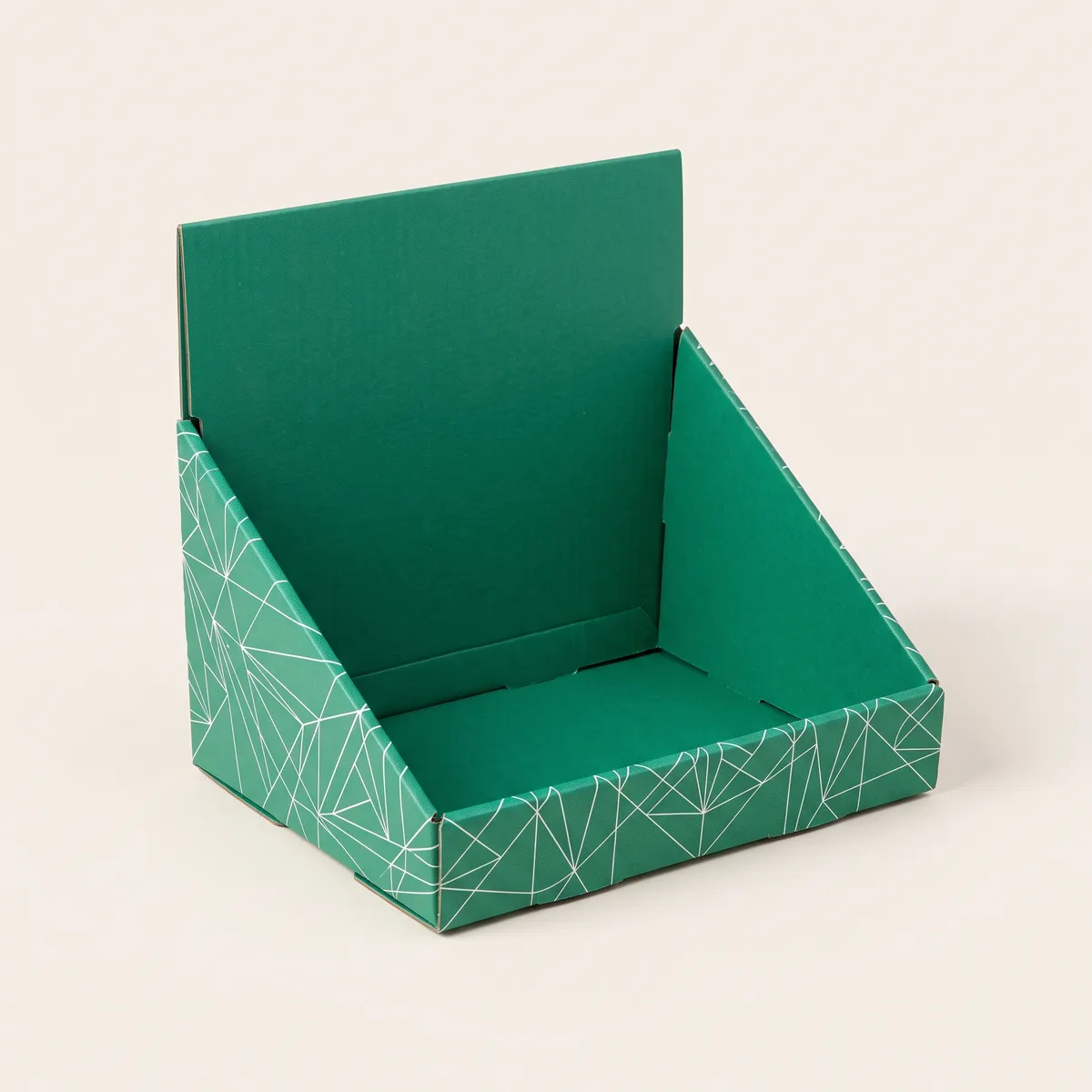
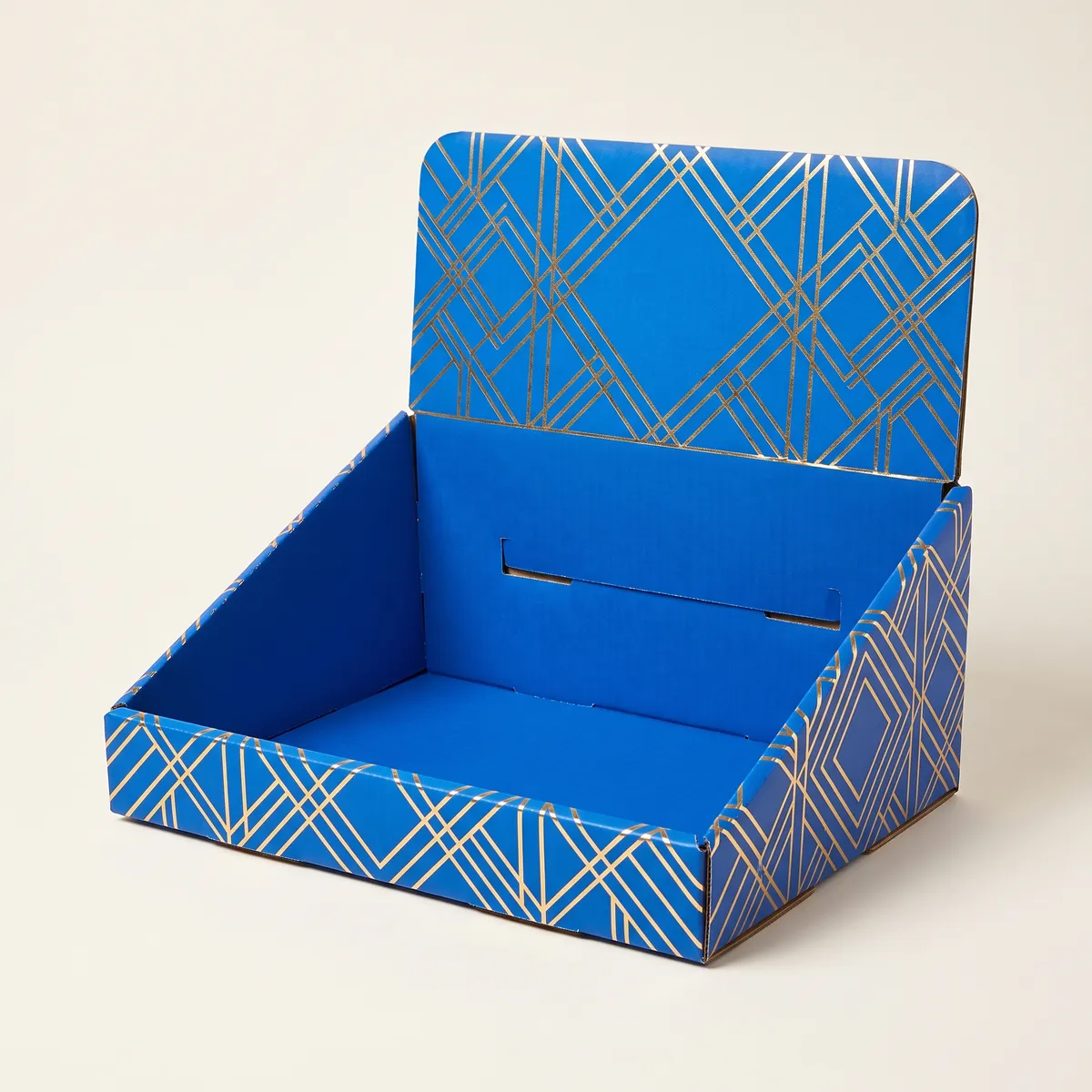
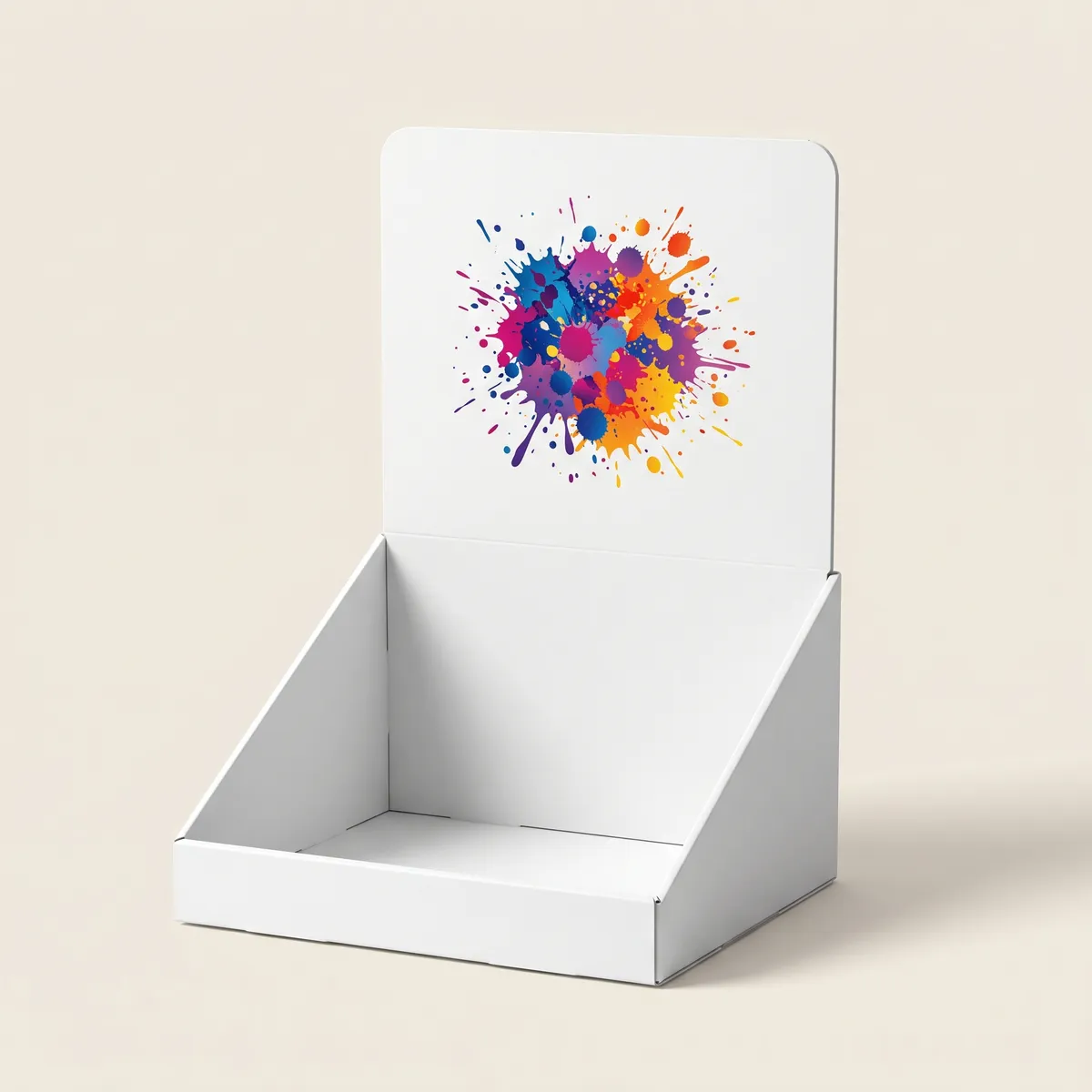
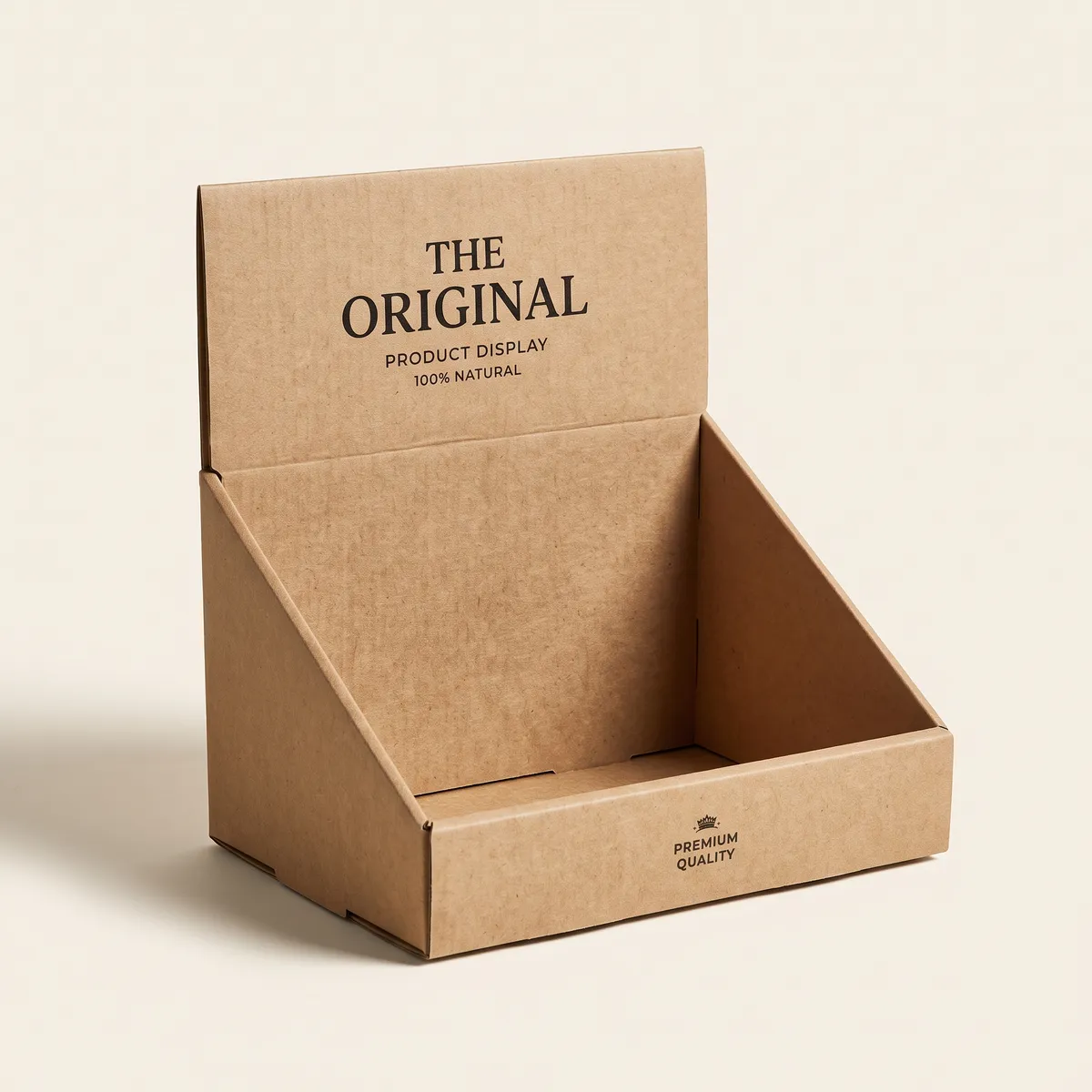
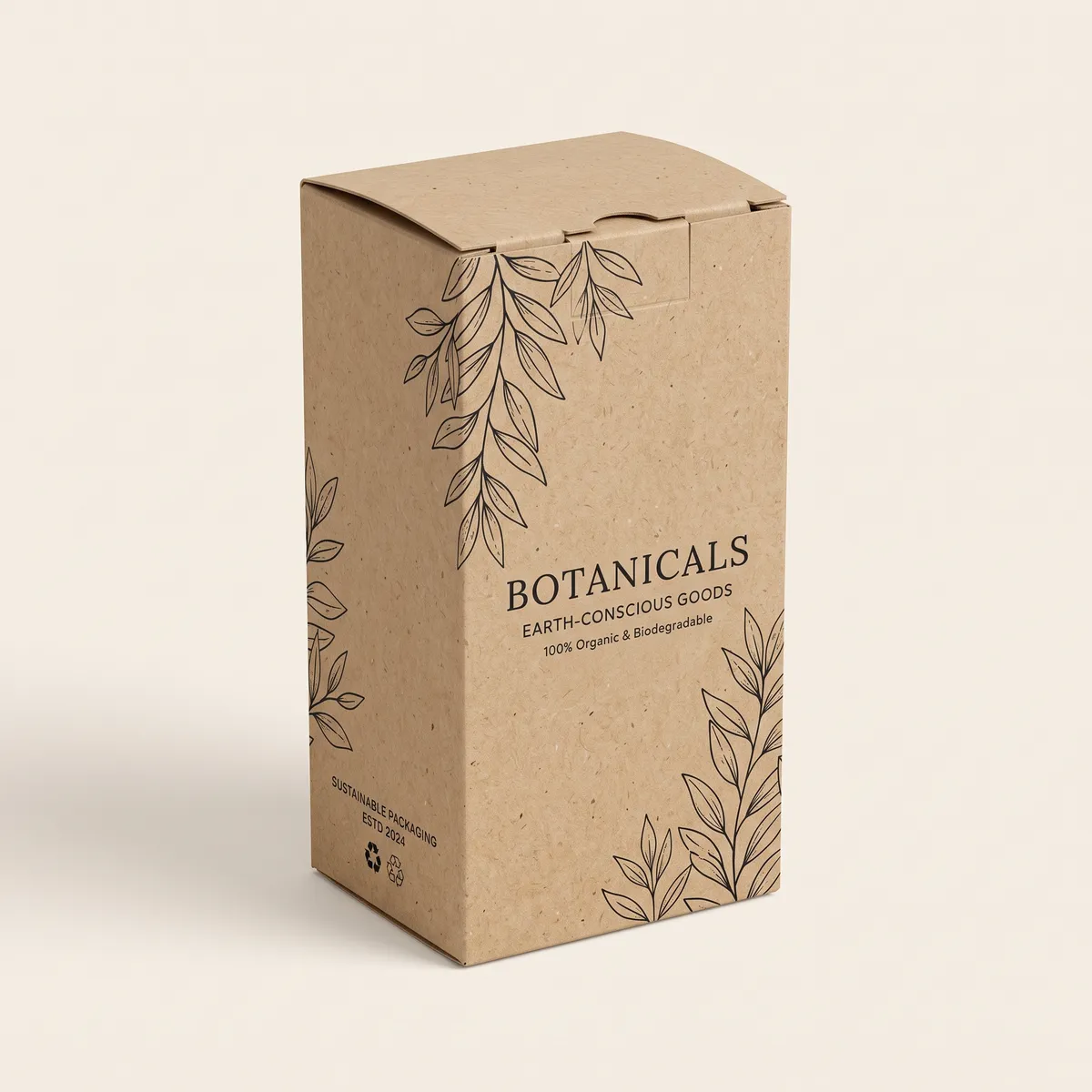
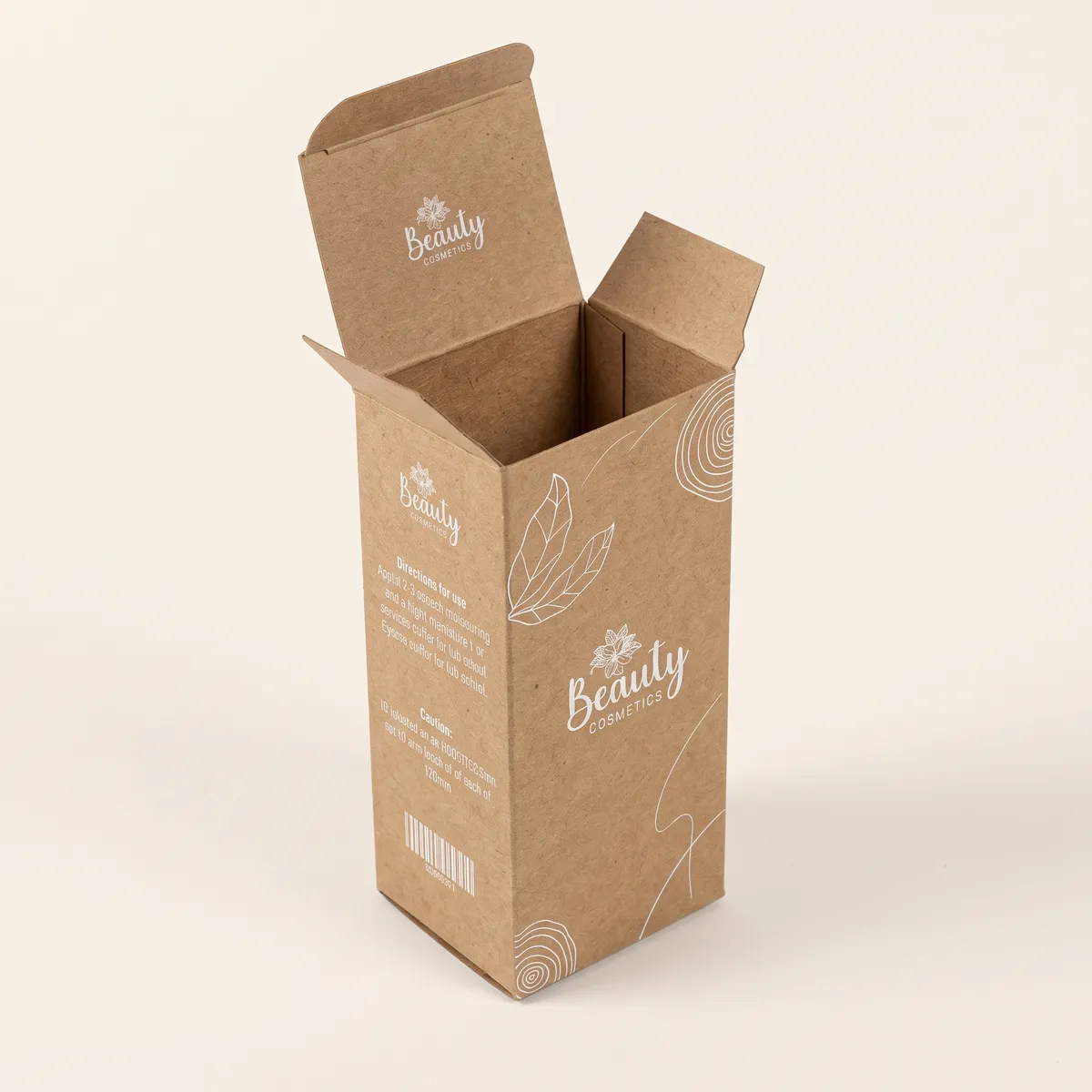
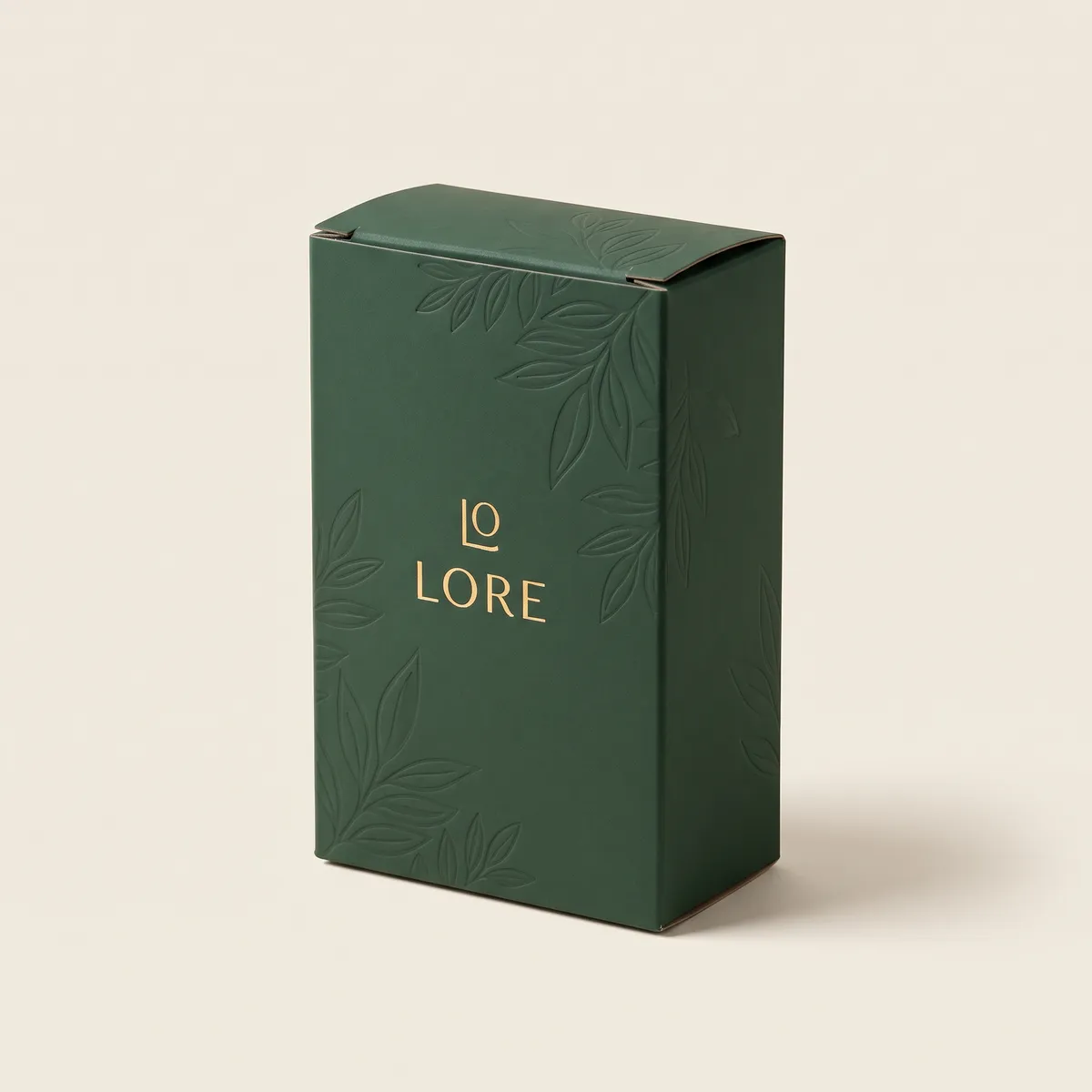
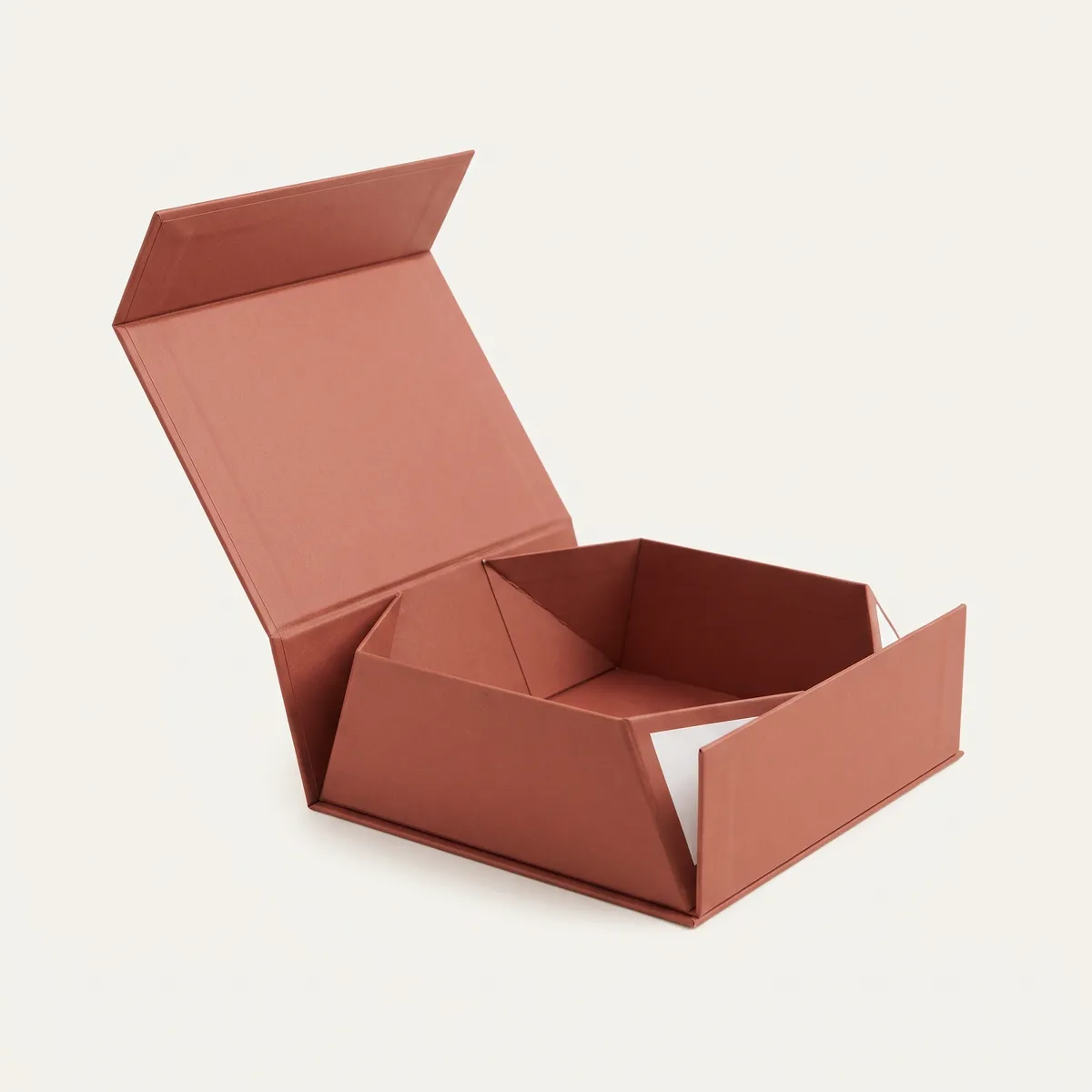
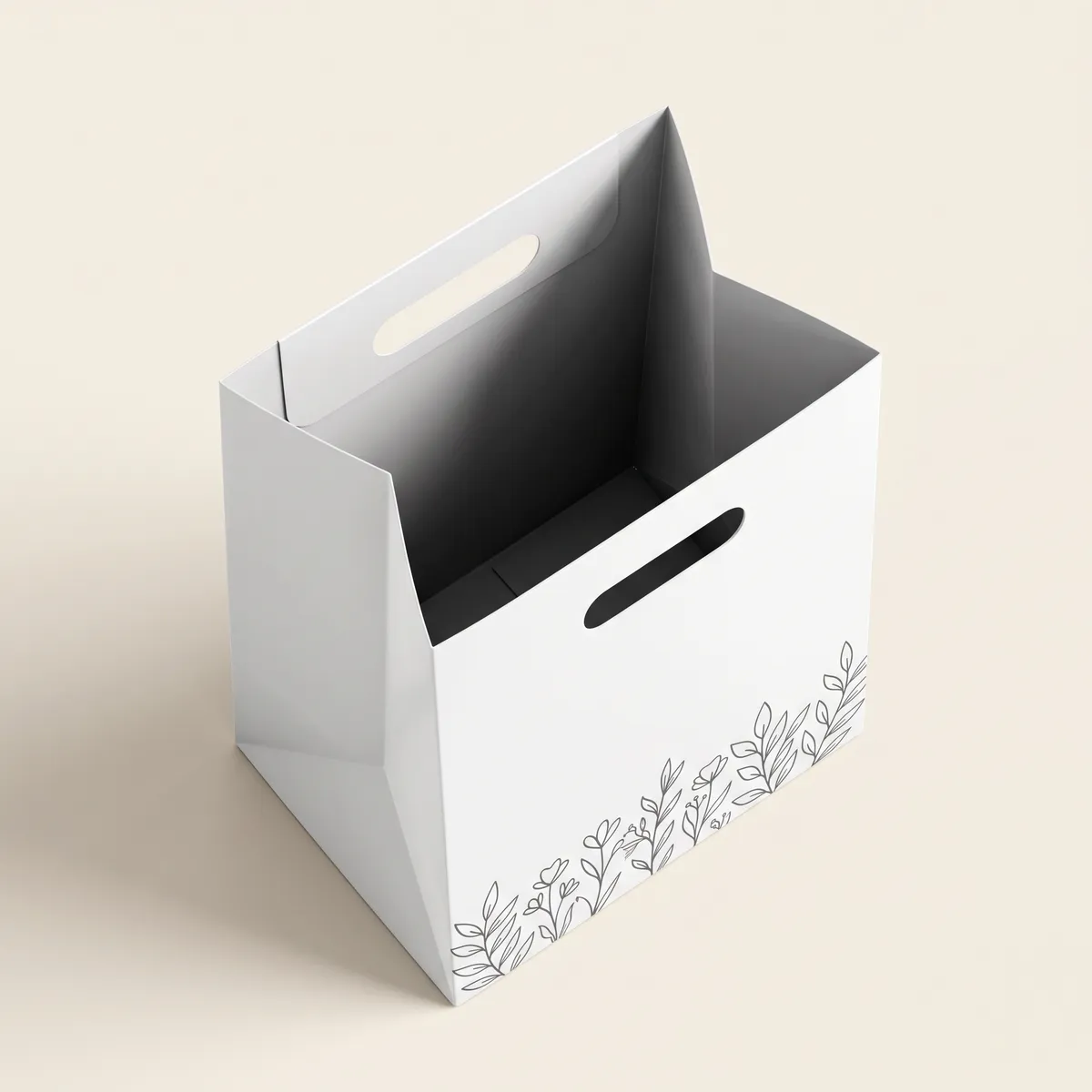
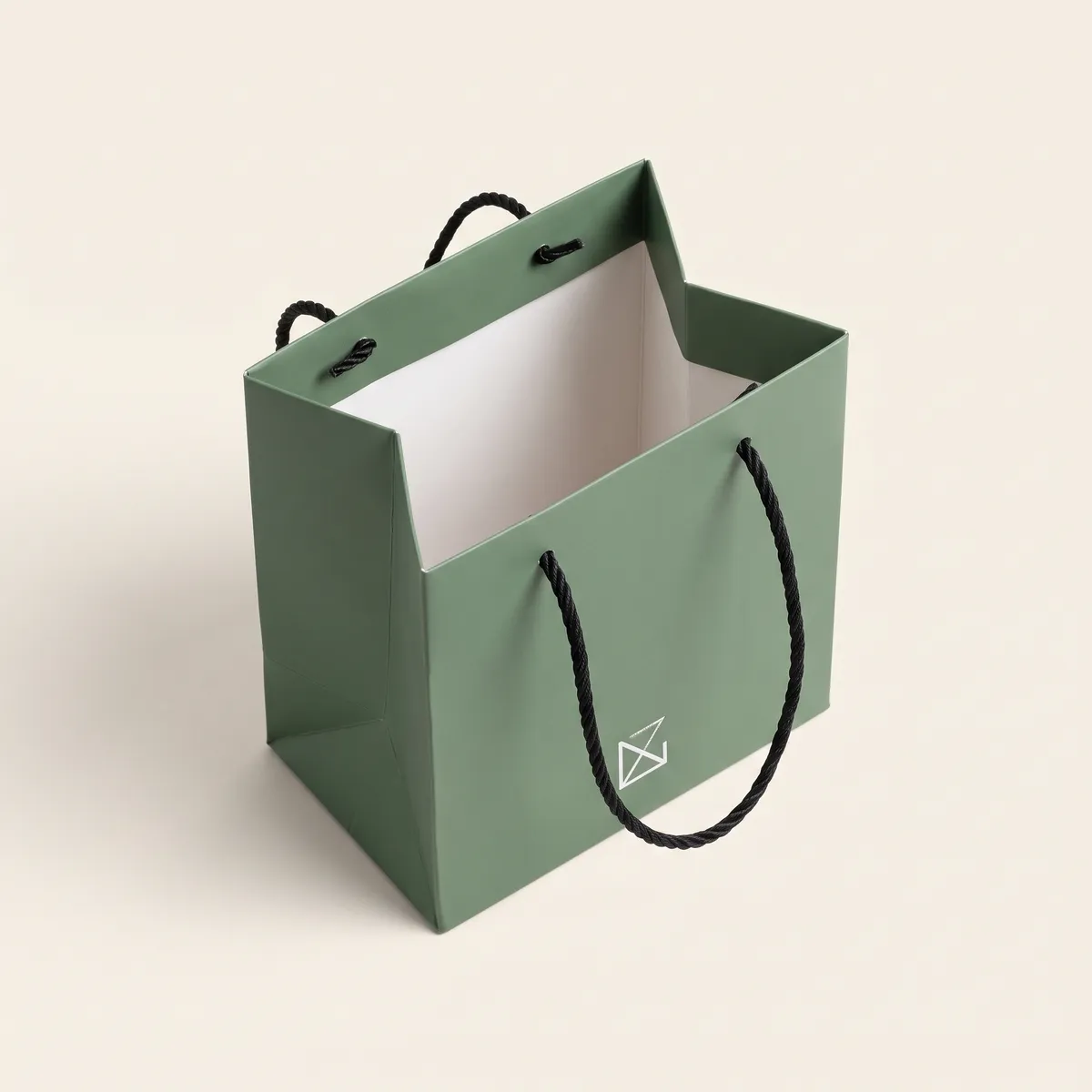
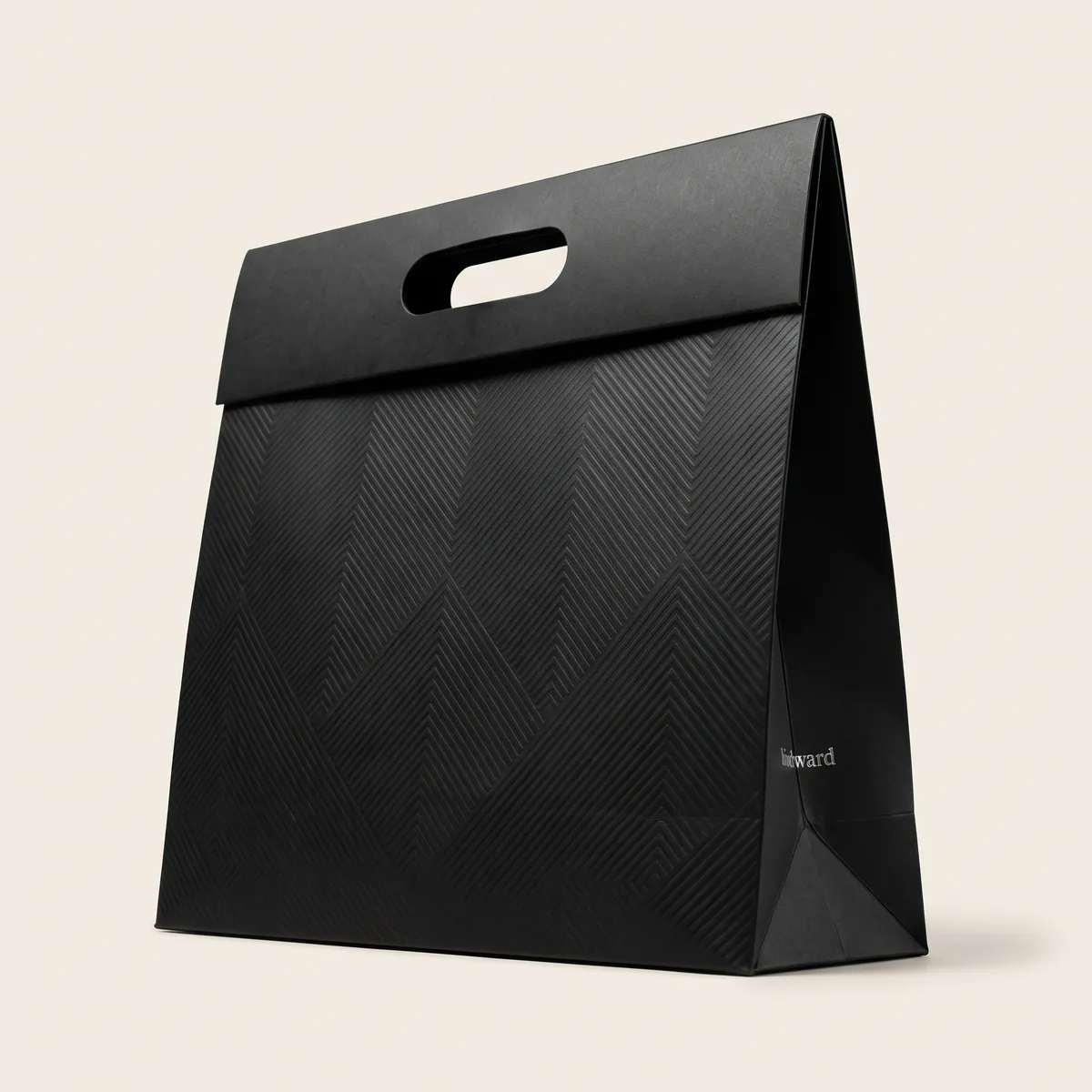
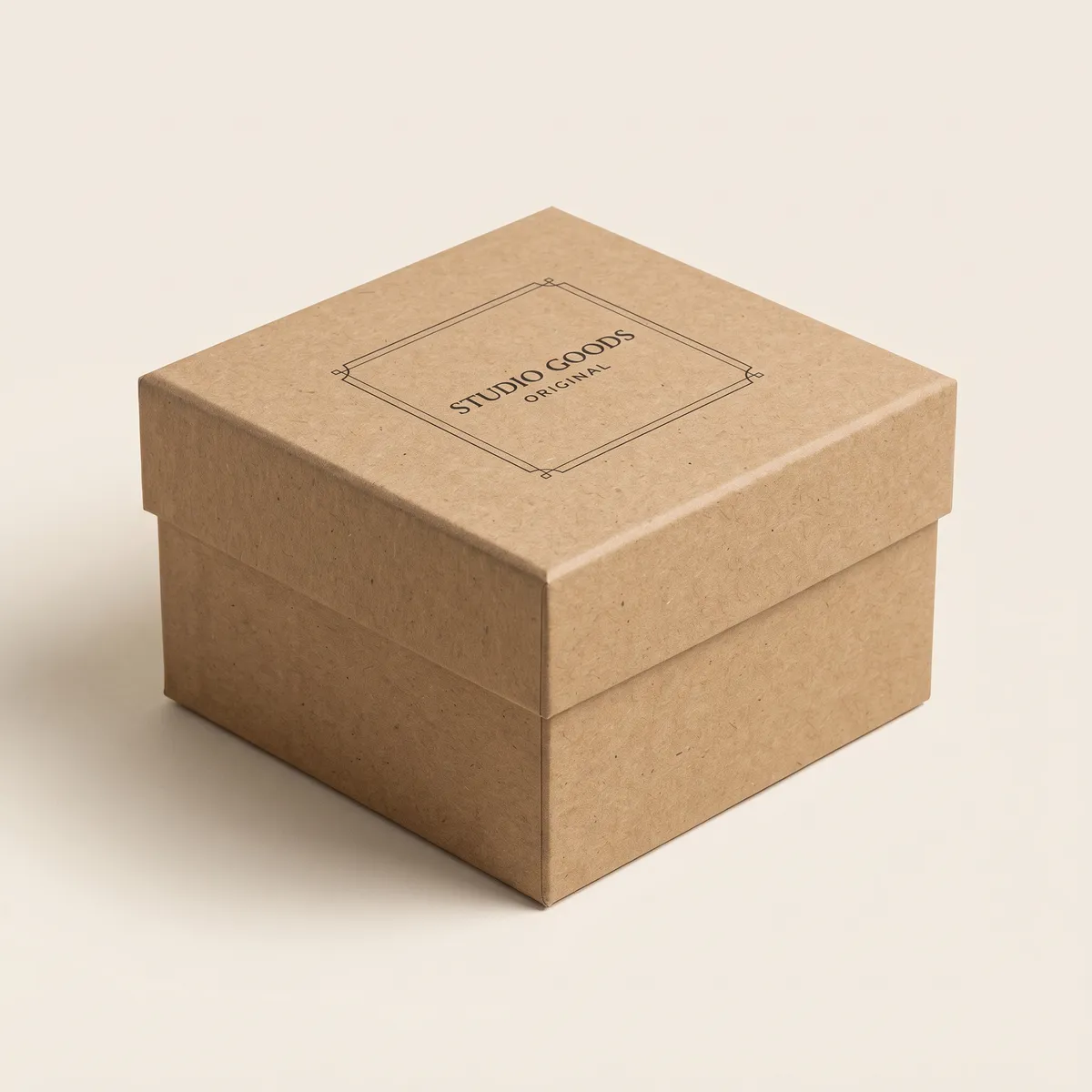
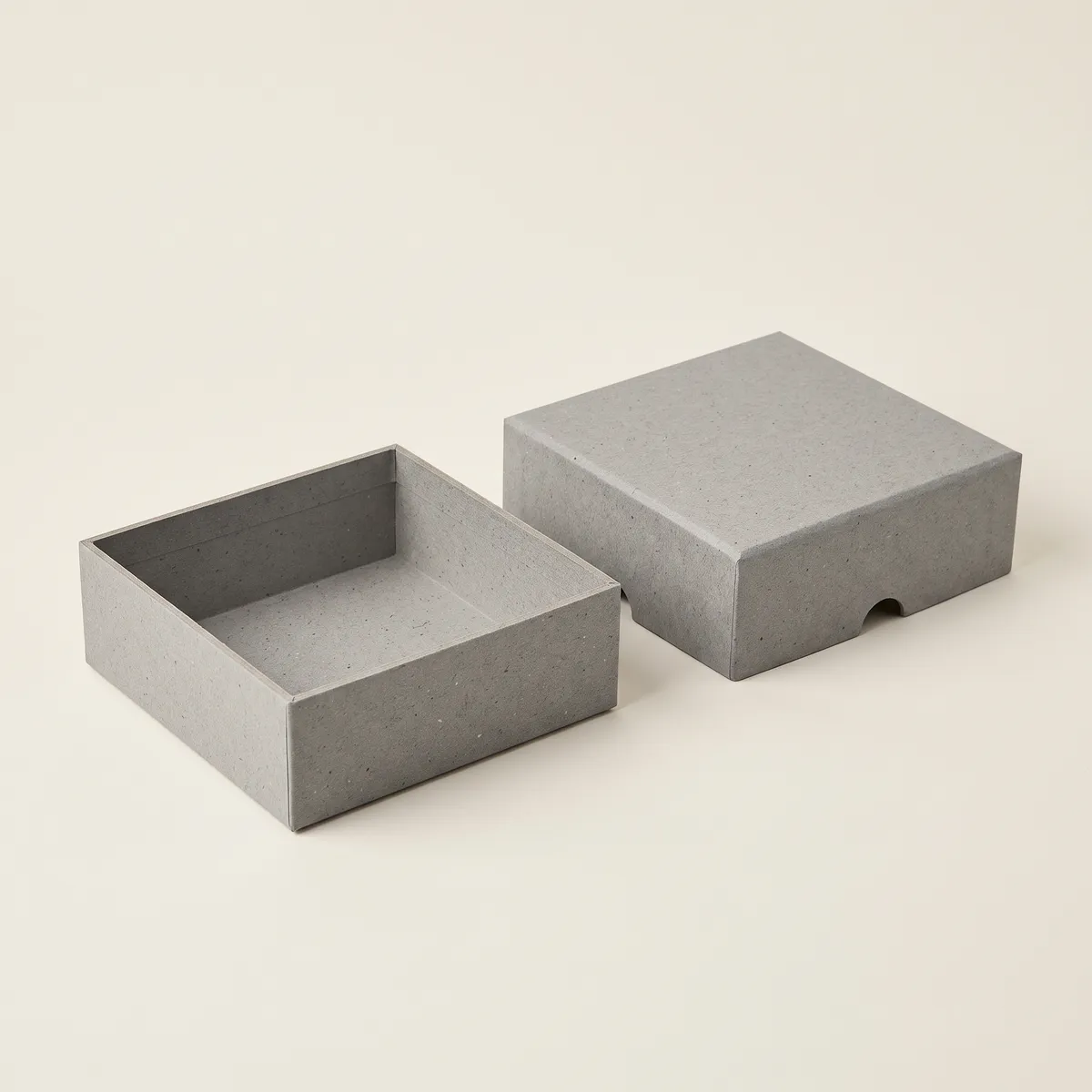
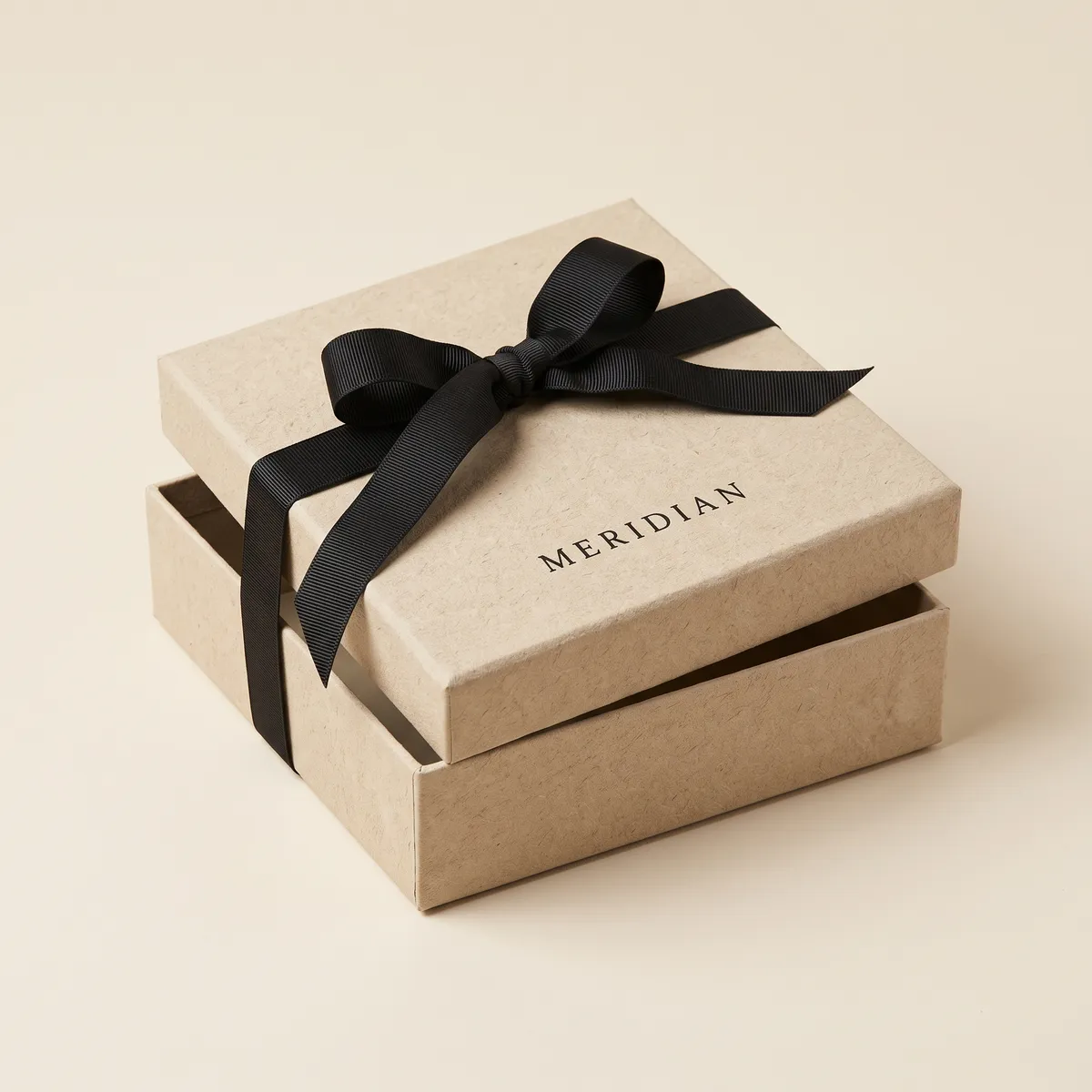
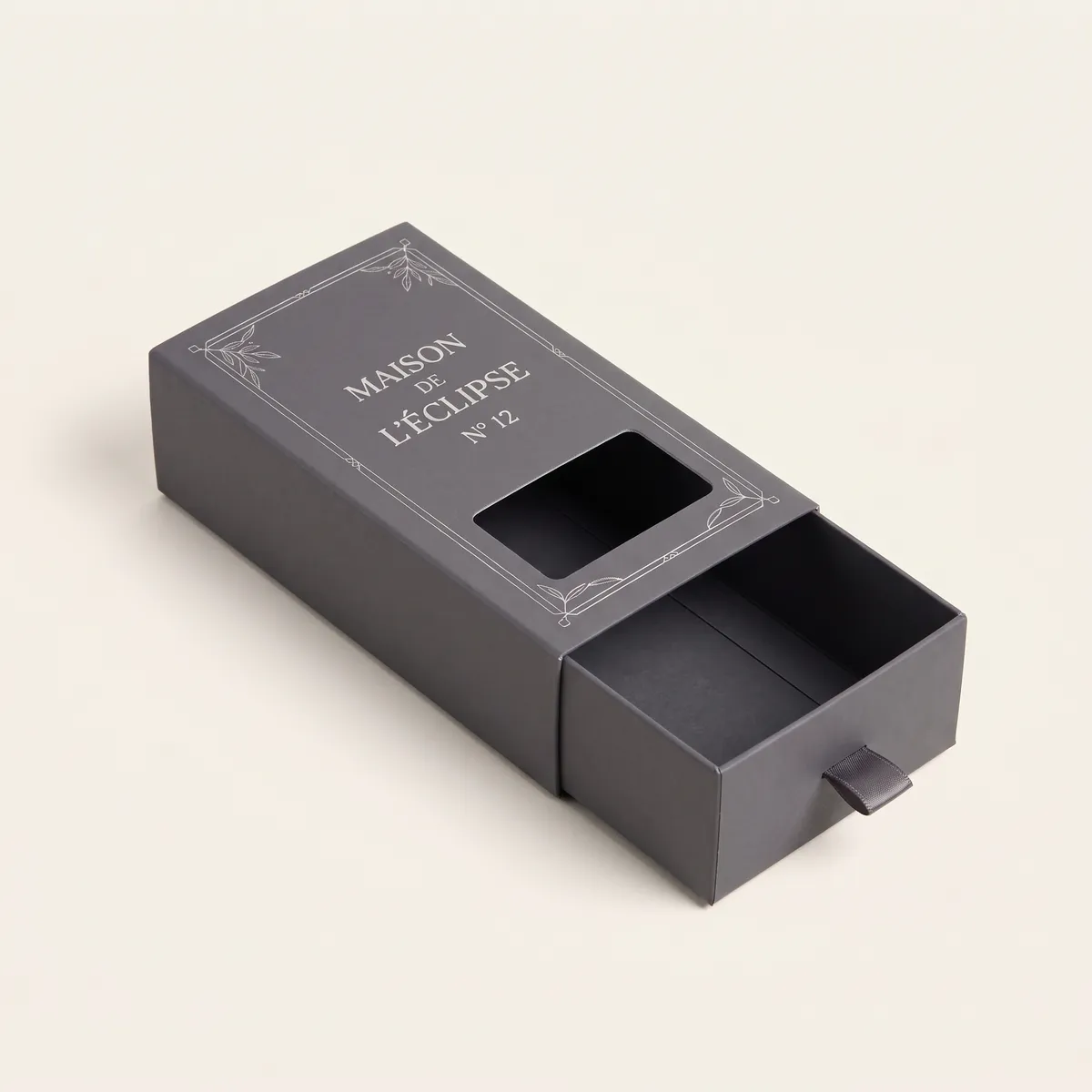
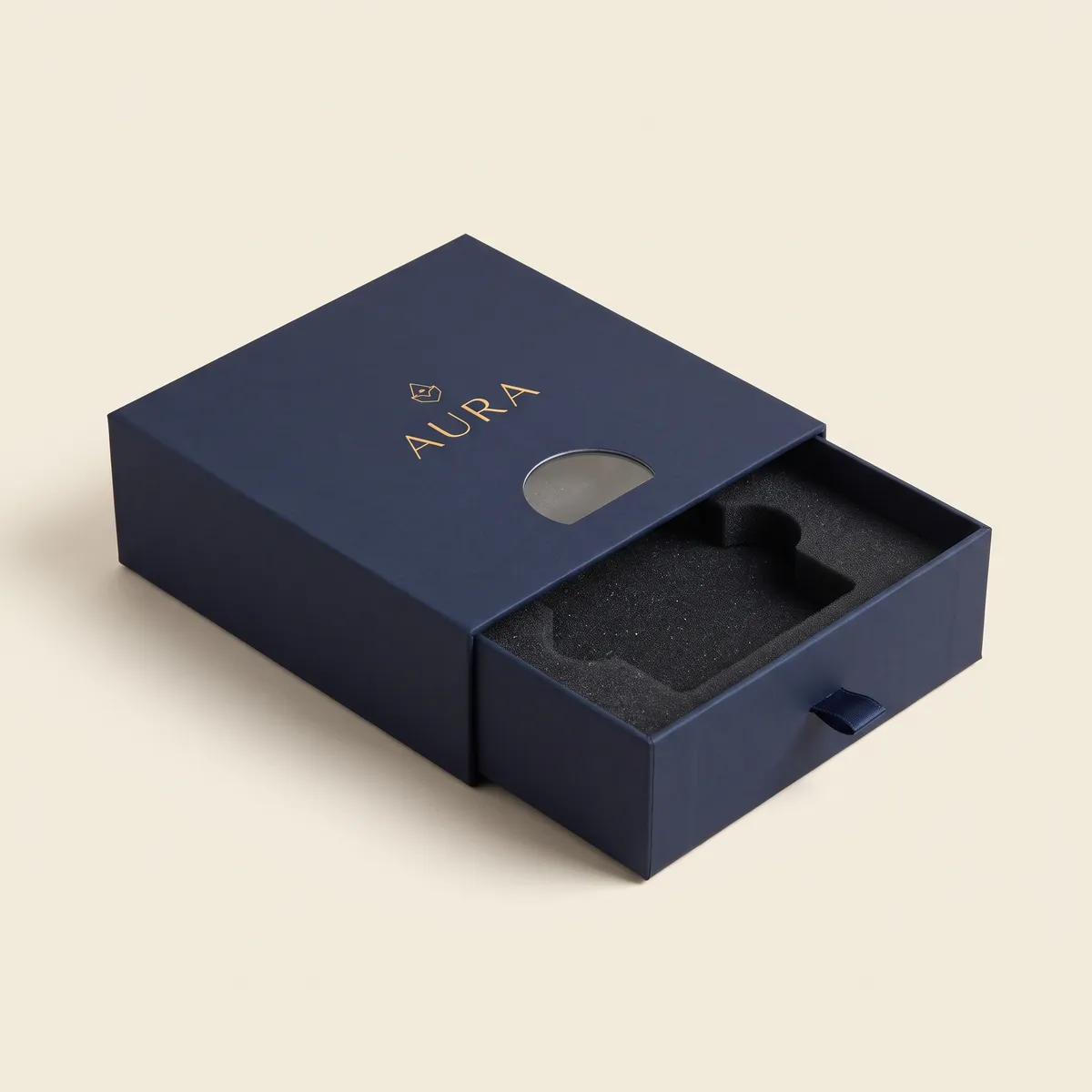
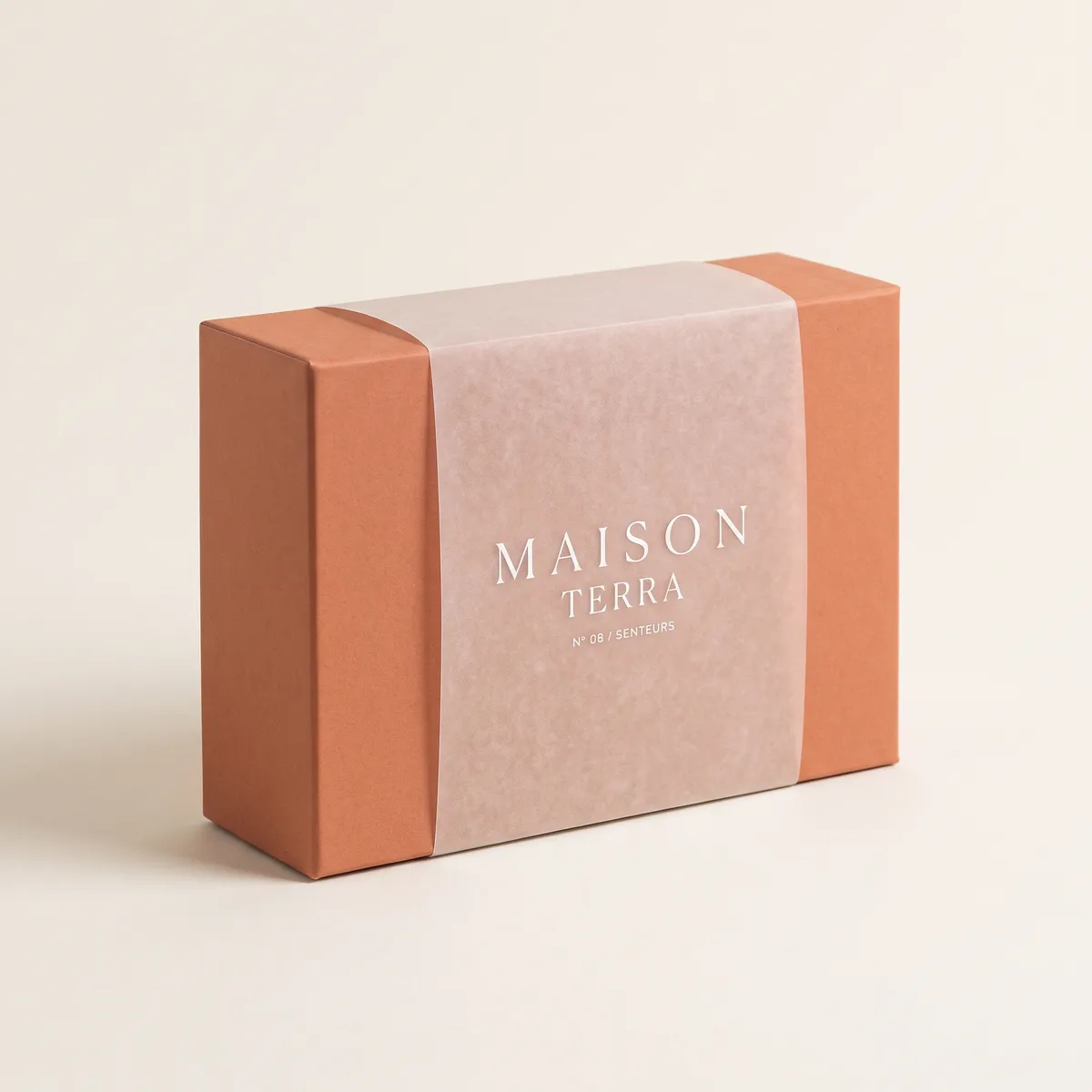
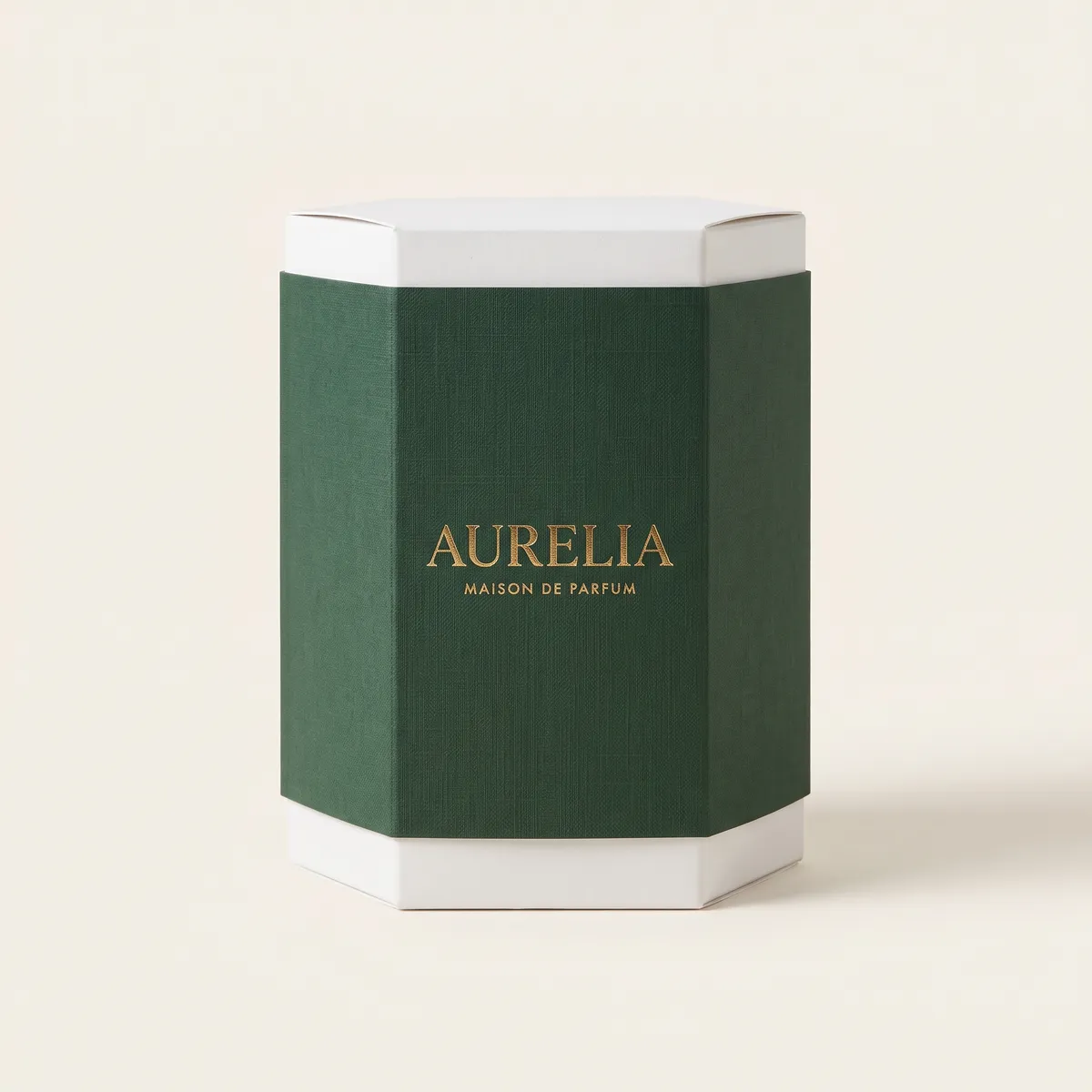
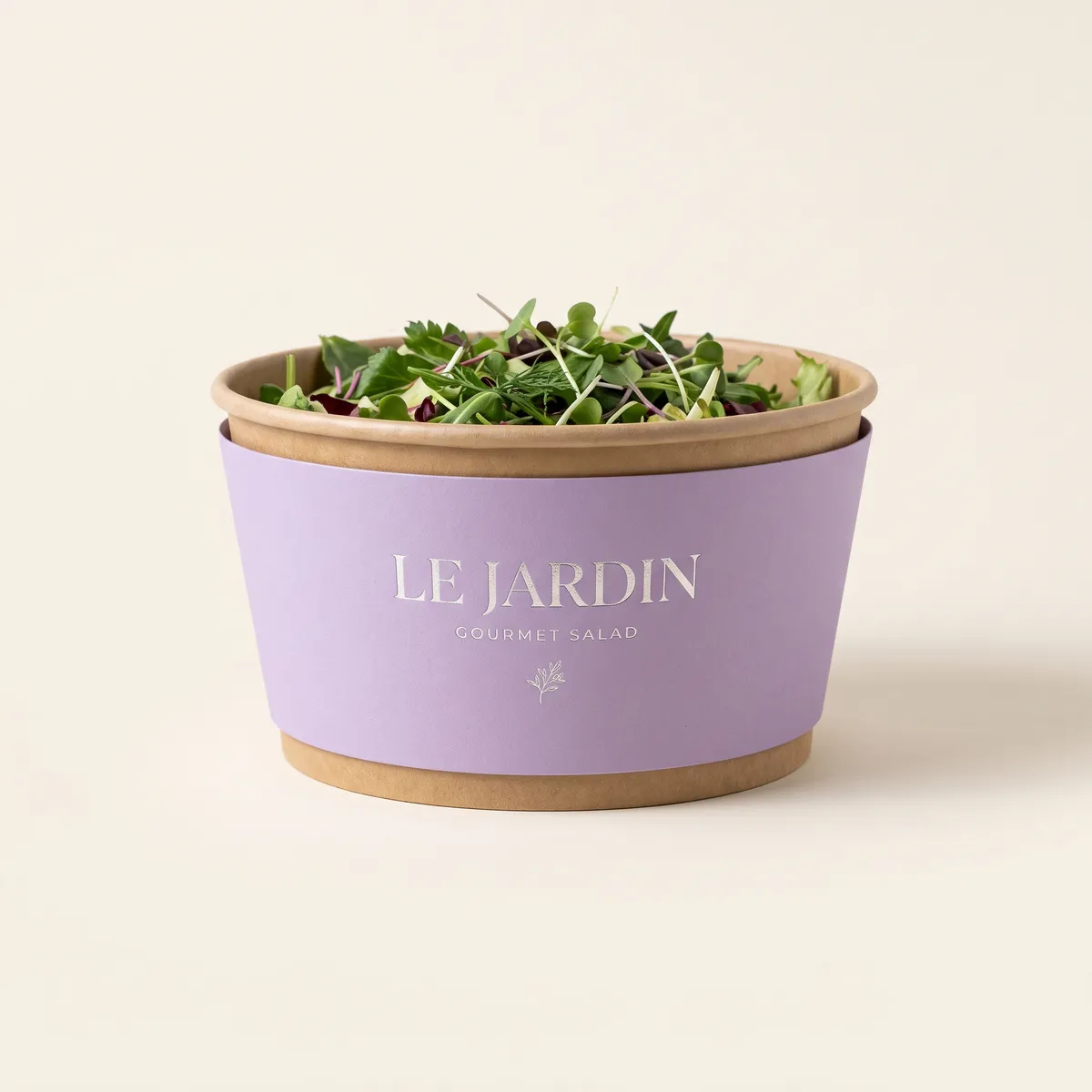
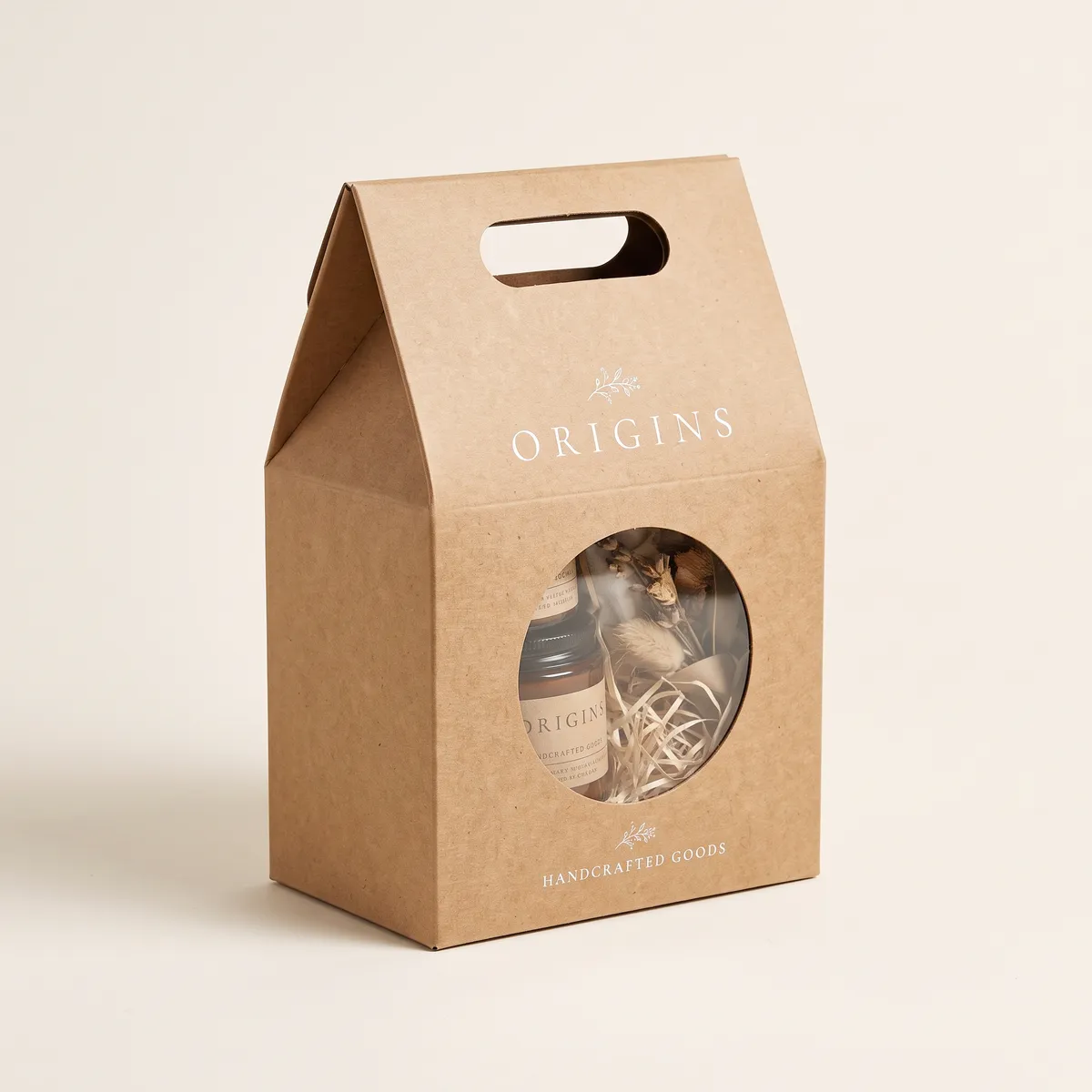
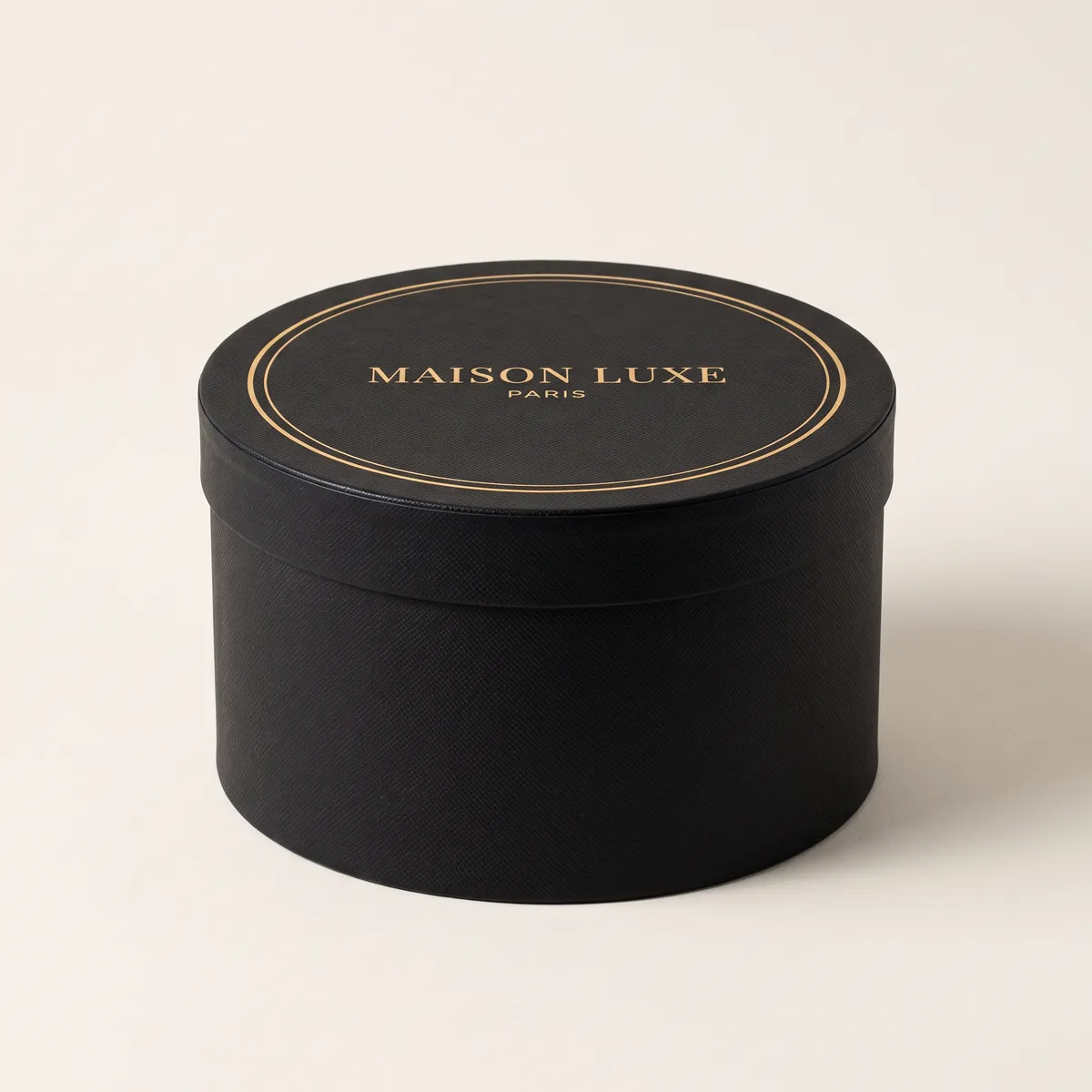
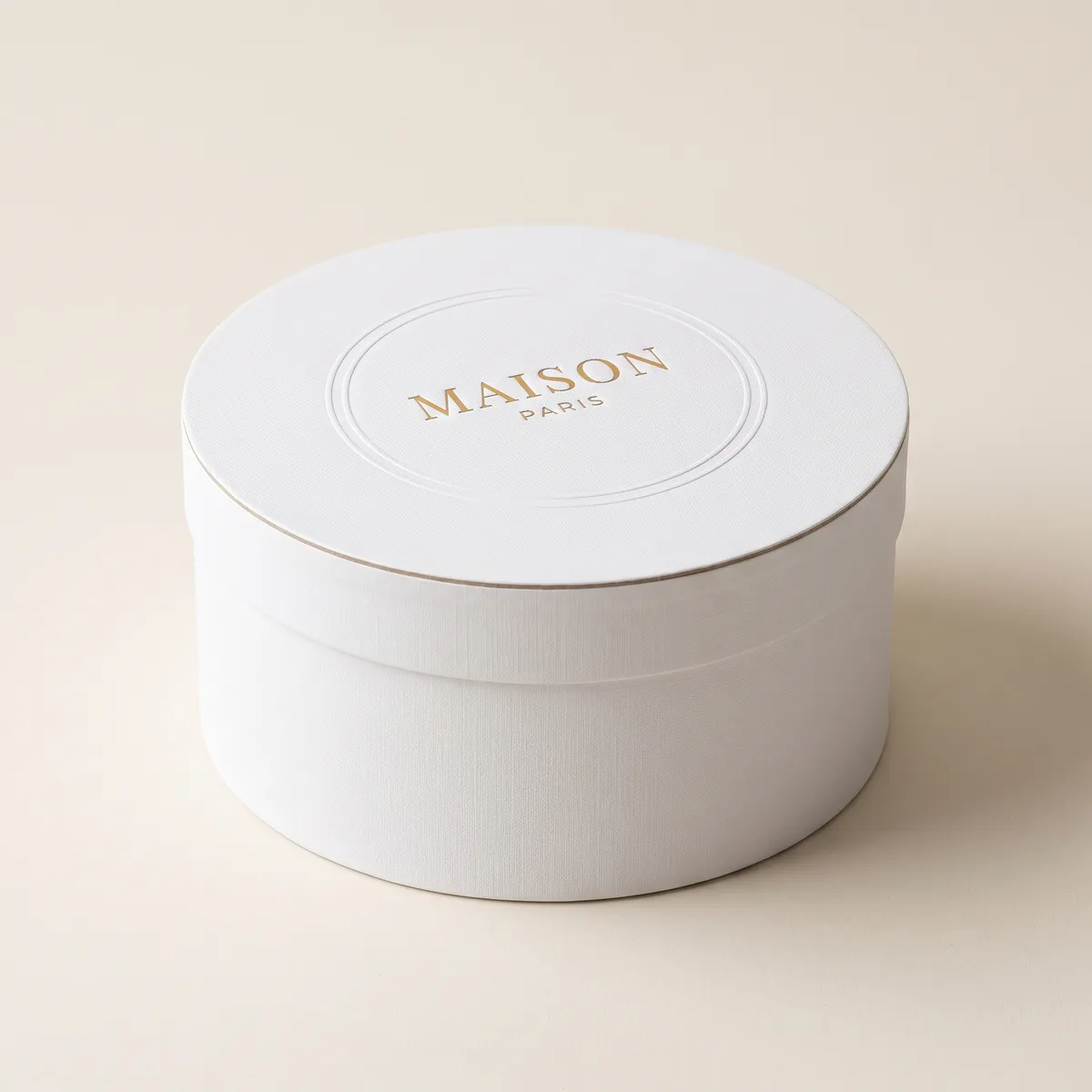
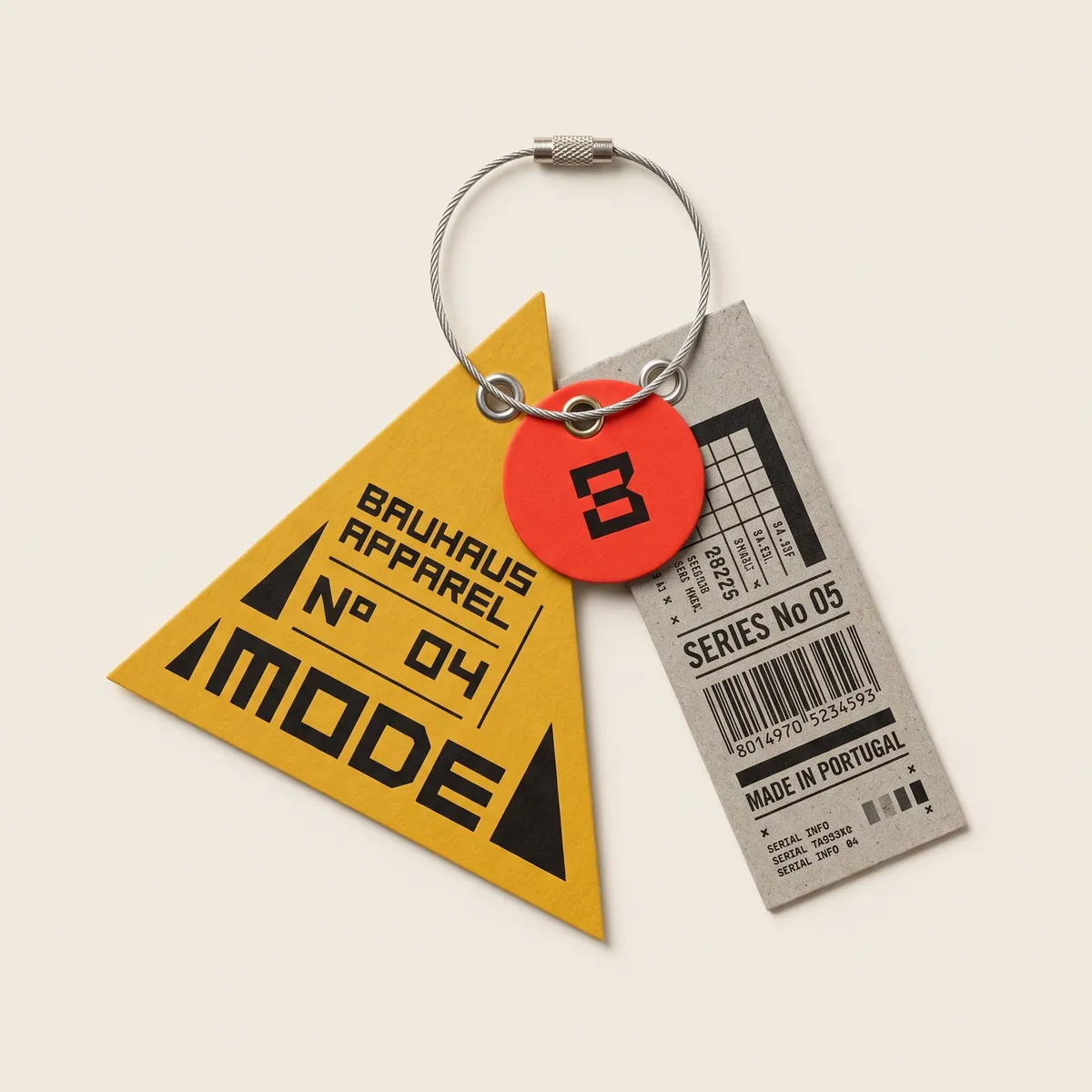
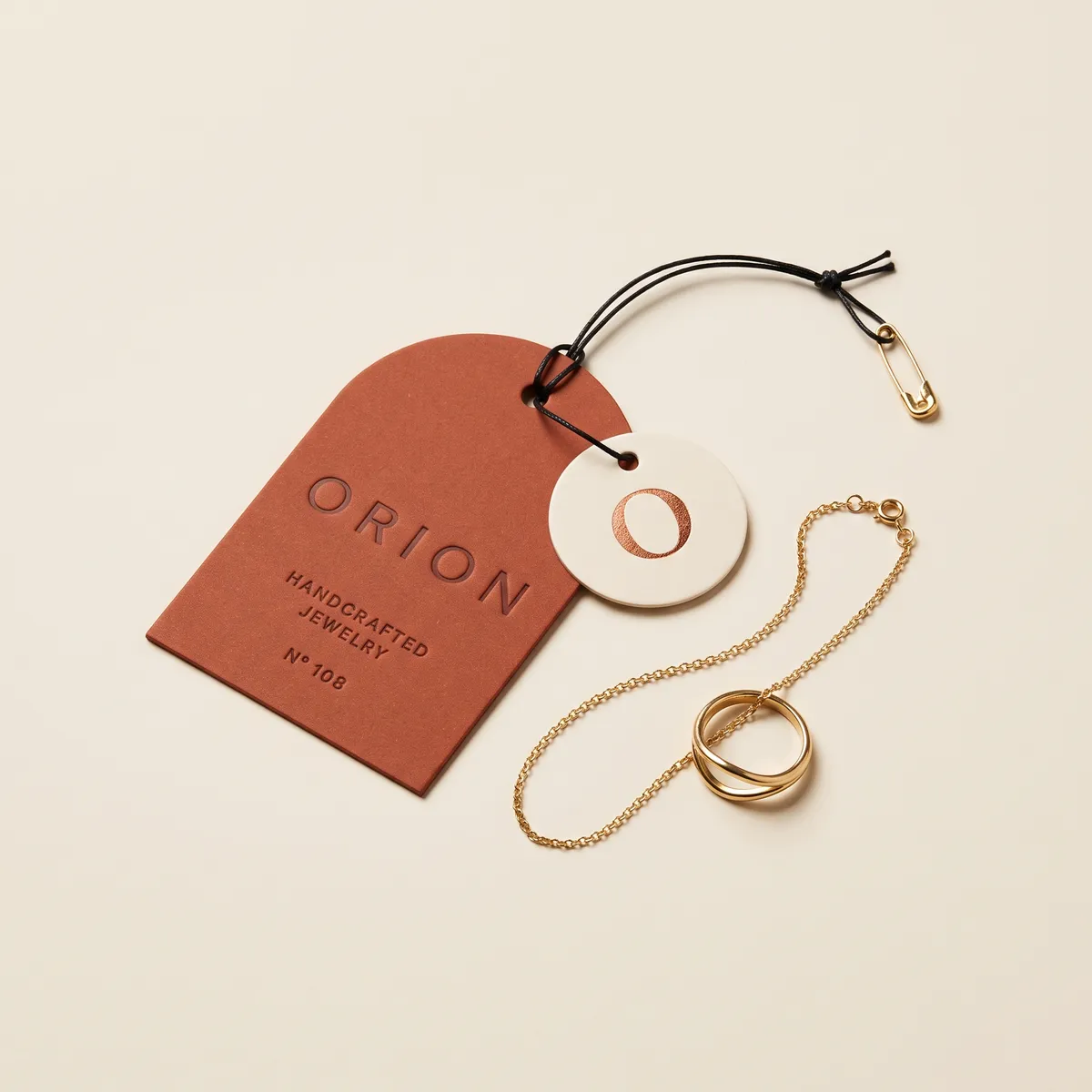


What brands say about their styles of boxes
They live there rather than here, where we can't edit them, delete them, or pick which ones you get to see. That is exactly what makes them worth reading.
Read all reviews on Trustpilot(opens in a new tab)Answers before you have to ask.
How do I know which box style I need?
Four things settle it: how the product reaches the customer, how heavy it is, how many you pack a day, and whether the open matters. Shipped direct needs a mailer or corrugated build; sold from a shelf doesn't. Weight decides the base. Tell us those four and we'll point you to the right structure.
Can you make a style that isn't shown here?
Yes. The styles here are the ones most brands ask for, but we work from custom dielines, so if you need a structure that isn't listed, send us the product dimensions and a sketch or reference and we'll build it. Unusual shapes and custom inserts are normal work rather than an exception.
Does the box style change the price?
It does, in two ways. Structure affects the unit price — a rigid build costs more than a folding carton. But it also affects what the box costs you afterwards, through assembly time at your end and dimensional weight on every parcel. The cheapest box per unit isn't always the cheapest box to use.
How long does a custom box order take?
Folding and corrugated styles are ready in about 8–12 business days after you approve the proof; rigid styles such as magnetic closure, rigid drawer and rigid lid and tray take 20. Rush production is available at an extra cost, and we'll tell you the premium upfront if you ask.
Do I need a print-ready design and a dieline?
No. Send print-ready artwork if you have it, or just your logo and the product dimensions — we'll build the dieline around them and confirm internal versus external measurements in writing, then send a proof. Design help is unlimited and free, and our minimum order is 100 boxes.