
Custom Electronics & Tech Boxes, As engineered as what's inside.
Electronics get handled hard between the warehouse and the buyer, and one knock can total the thing you spent months building. The packaging has to be as considered as the product itself. Our custom electronics and tech boxes use protective builds that guard against bumps and shocks, with anti-static options for sensitive parts, printed with your branding and cut to fit each device exactly.

Materials & Options for Electronics & Tech Boxes
E-Flute Corrugated
Thin profile, strong crush resistance — the standard for most mailer boxes.
B-Flute Corrugated
A thicker flute for heavier contents or extra stacking strength.
Kraft Paper
Unbleached, natural-brown stock with an earthy, eco-forward texture.
SBS Board
Solid bleached sulfate board for a smooth, print-ready white surface.
Offset Printing
Exact color matching for large runs — the standard for big projects.
Digital Printing
Fast turnaround on shorter runs, with no minimum plate setup cost.
Flexographic Printing
Distortion-free output built for large-run corrugated jobs.
UV Printing
Instantly cured ink that resists scratches and solvents.
Matte Lamination
Soft, non-reflective finish that reads premium under any light.
Gloss Lamination
High-shine coating that makes bold colors and photography pop.
Soft-Touch Coating
A velvety exterior resistant to moisture and fingerprints.
Spot UV & Foil
Raised gloss detail or metallic foil for logos and accents.
Discover Our Most-Requested Electronics & Tech Box Styles
Every style below runs through the same structural engineering and quality process — pick a starting point and we'll adjust the details to your product.
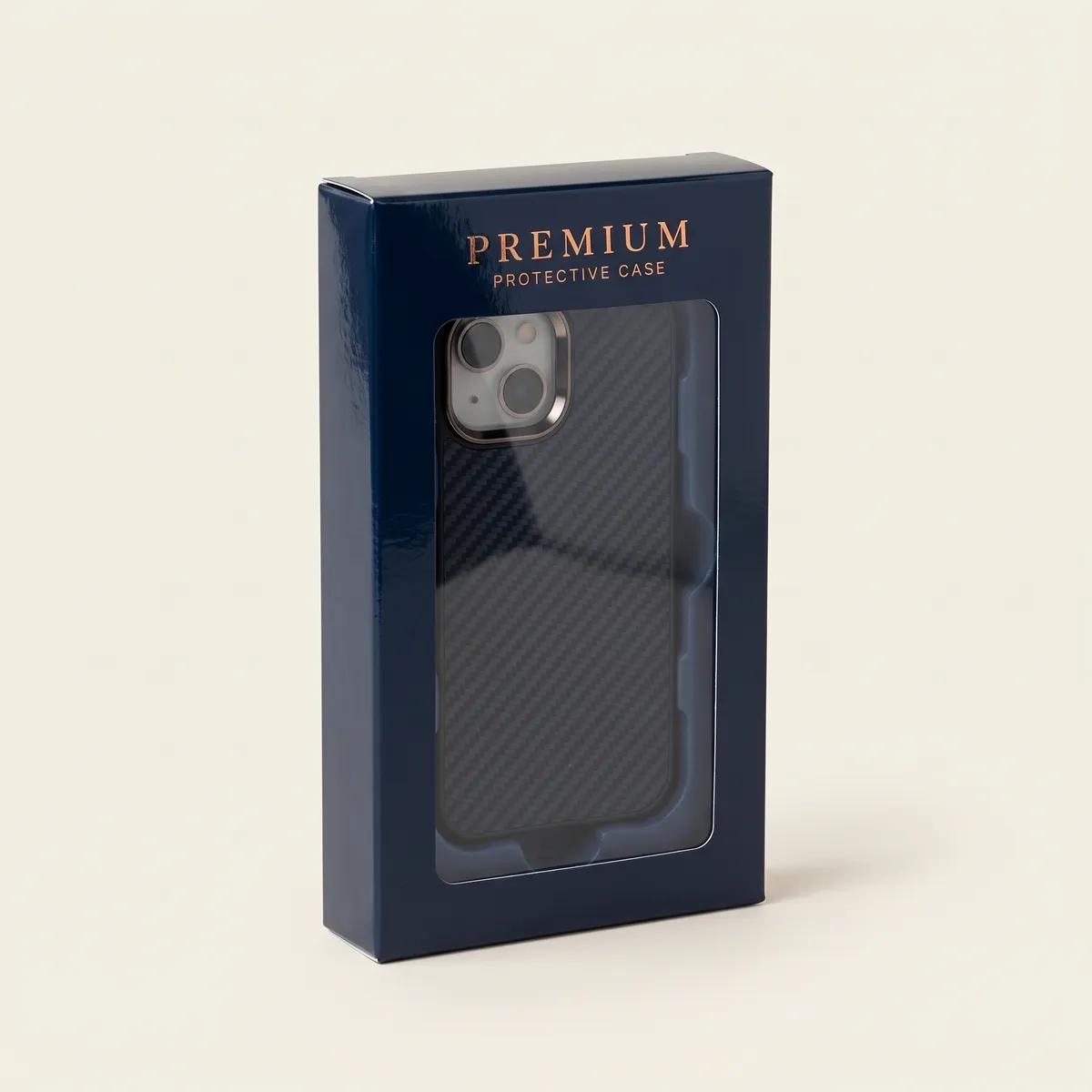

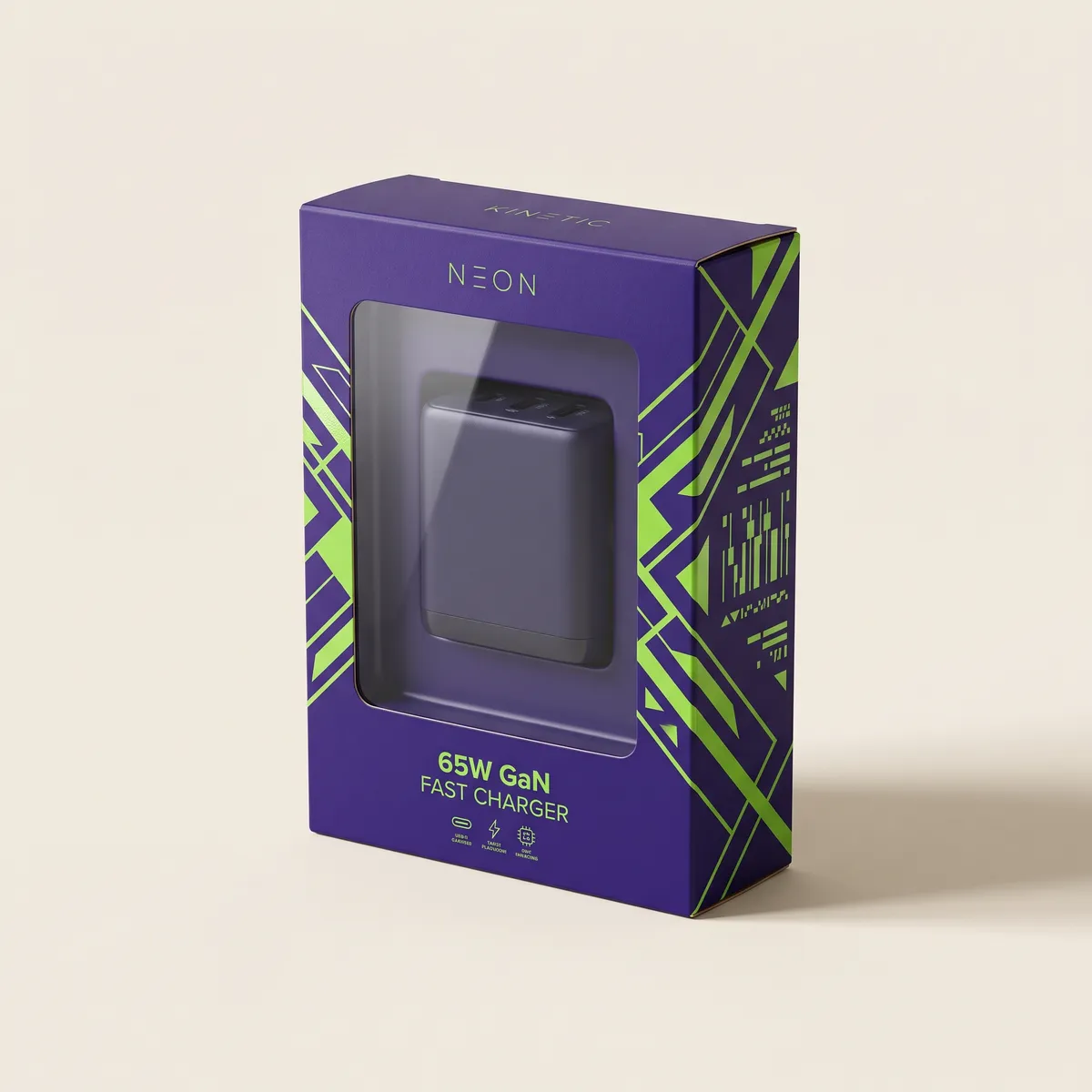
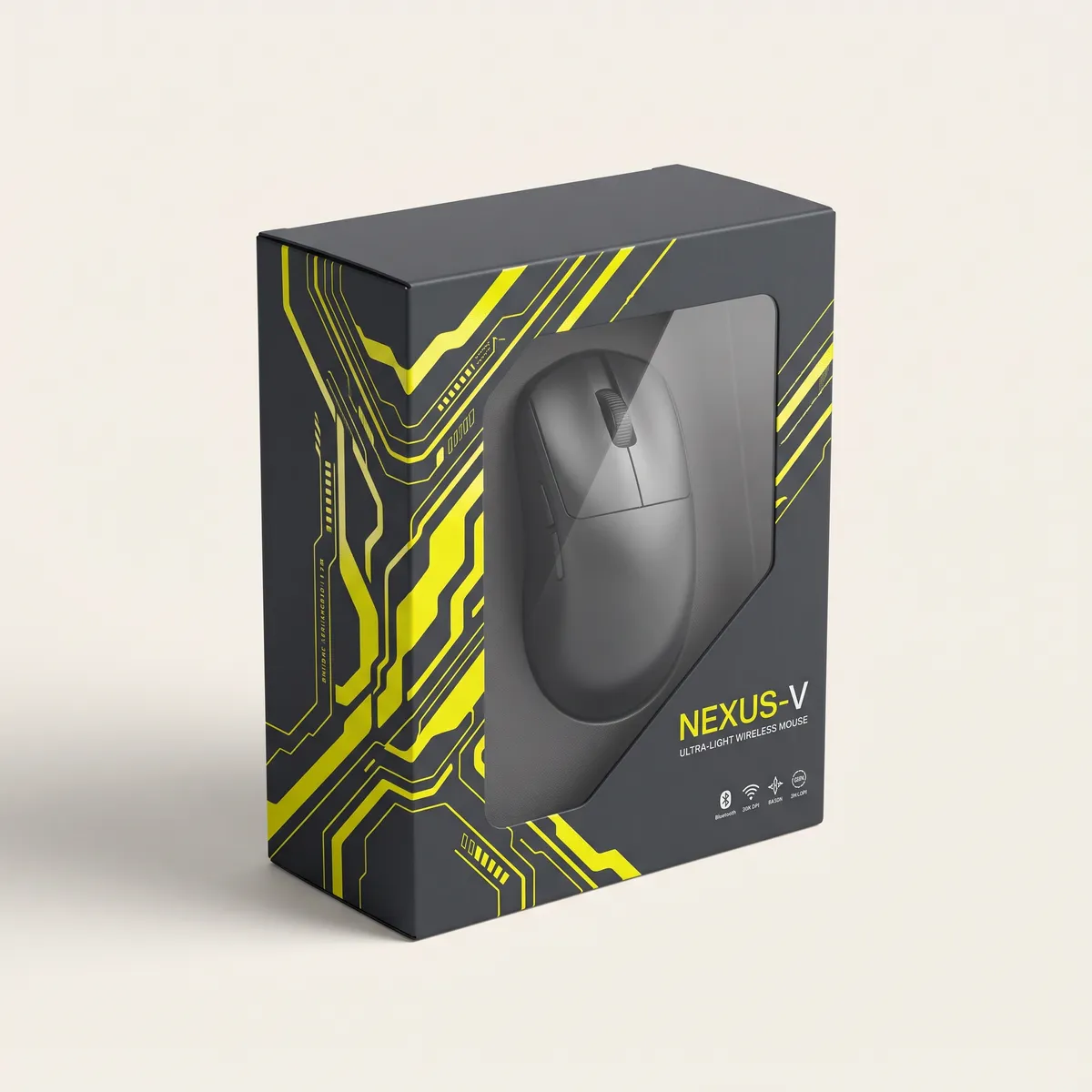
Arriving Dead Out of the Box
Electronics get handled hard between the warehouse and the buyer, and a single knock or a static jolt can total something you spent months designing and building. The box has to guard against physical shock from drops and stacking and, for sensitive components, against static discharge — while fitting the device so tightly that nothing shifts, taps, or works loose in transit. The buyers are electronics makers, gadget brands, and tech companies where a product arriving dead means a return, a refund, a support case, and a public review that reads "arrived not working." That's an expensive chain to set off over a box that cost a fraction of the unit. For higher-value tech, the packaging also has to feel premium enough to match the price, so it's protecting margin as well as hardware. The failure it prevents is the worst one in e-commerce: the item that shows up broken or dead straight out of the box, before the customer has even switched it on. It shares its insert-and-protection thinking with retail-shelf products like toys and games.
Shock Protection and ESD-Safe Specs
Electronics packaging is engineered around shock and fit, so corrugated does the protection — B-flute or a BC double-wall for heavier devices — paired with die-cut foam or molded inserts that hold the unit centered and away from the walls. For anti-static needs, the insert or a liner is specified in an ESD-safe material so a static jolt can't reach the components. Higher-value tech often gets a rigid outer in 2–3mm greyboard for a premium feel that matches the price. The insert is the critical spec: it's cut to the device so nothing shifts, taps, or works loose in transit. Sizes are built to the exact product with clearance for the cushioning. Hold a tolerance around ±1mm on the box and tighter on the insert cavity, since a loose fit defeats the shock protection. Construction pairs a protective outer with a structured interior, because with electronics the inside of the box matters as much as the outside.
The Cost Chain Behind One Dead Unit
Electronics packaging pays off by preventing the most expensive failure in e-commerce: the product that arrives dead. A knock or a static jolt can total a unit worth many times the box, so lid-and-tray protection with a fitted or ESD-safe insert is directly preventing returns, refunds, support cases, and "arrived not working" reviews — a chain of costs that dwarfs the packaging. Every prevented in-transit failure is a saved unit and a saved customer relationship. For higher-value tech, the box also protects margin a second way: packaging that feels premium supports the price and reduces the sense that the product is over-priced. There's a reviews angle too, since damage-out-of-box reviews suppress conversion for every future buyer who reads them. So the spend cuts returns on expensive stock, defends the price, and protects the review score that drives future sales. With electronics, the inside of the box does more financial work than the outside, which is exactly where the investment should go.
Restraint, Soft-Touch and Spot UV
Tech packaging takes its cues from the devices inside: restrained, matte, and minimal. Soft-touch lamination with a single spot UV or debossed logo has become the category language, and it works because the contrast does the job without adding color. What most brands over-invest in is the outer shipper and under-invest in the interior — the tray, the insert, and the reveal sequence are what customers photograph and remember, and they're also what protects the unit. Two cautions. Soft-touch marks easily, so on anything shipping direct it needs an anti-scuff film or an outer carton protecting it. And ESD-safe requirements can limit which coatings and liners you can use near components, so settle that before choosing a look. Runs are usually large enough that offset earns back its plates, though digital suits pre-launch samples and small accessory SKUs. A printed cardboard inner carton or a drawer build gives the slow, controlled open that makes a device feel premium before it's even switched on.
Electronics Packaging in Two Layers
Tech packaging is built in two layers, and both matter.
- Mailers and corrugated shippers — the outer, rated for device weight, self-locking so it ships without tape and survives carrier handling.
- Lid-and-tray rigid builds — the retail box for premium devices, giving the slow controlled lift that has become the category's signature.
- Trays and molded inserts — the protective layer between them, cut to the device with separate cavities for cables and accessories.
- Drawer and slide builds — phones and smaller devices.
- Tuck cartons with a window or hanging tab — accessories and smaller retail SKUs.
Where static is a concern, the tray or liner has to be specified in an ESD-safe material. Choose how the device will be held first, then pick the outer build that houses it.
Designing the Insert Before the Box
Decide the insert system first and let the outer box follow — this is the reverse of how most brands approach it, and it's why devices arrive damaged. Once you know how the unit and its accessories will be held, the outer choice is simple: corrugated B-flute or BC double-wall for shipping weight, rigid for premium retail presentation. Settle ESD requirements early, because they limit which materials can sit near components. Size the cavity tight with clearance only for cushioning; a device that can move is a device that can fail. Chipboard suits internal trays and dividers. For outer transit questions, shipping boxes cover the board ratings in more depth.
Working with us: send us the device dimensions and we'll build the dieline and insert around them, confirming internal versus external measurements in writing — on tech, a couple of millimeters is the difference between protection and a rattle. Revisions before print are unlimited and free. Every order passes a three-stage check before dispatch, so a fit problem is caught by us. If bulk misses your approved proof, we reprint at our cost. All-in pricing with no hidden charges, guaranteed. From 100 units, free samples above 10,000, 8–12 business days, shipping included.
Unrivaled Support From Packaging Experts
From first sketch to full production, the same team carries your order through every stage.
Structural Engineering
We determine the right size, shape, and material for a snug fit and real protection.
Free Artwork Guidance
Our design team helps translate your brand into a box, at no added charge.
2D & 3D Mockups
See your box come to life before a single sheet of board is cut.
Quality Assurance
Every run is checked in-line against the digital proof or physical sample you approved, not just at the end.
Fast Turnaround
8–12 business days standard, with rush options when timing is tight.
Tracked Shipping
Palletized freight or drop-ship, tracked from our dock to yours.
What brands say about their electronics & tech boxes
They live there rather than here, where we can't edit them, delete them, or pick which ones you get to see. That is exactly what makes them worth reading.
Read all reviews on Trustpilot(opens in a new tab)Answers before you have to ask.
Will the box protect against knocks and static?
Yes. Custom electronics boxes use protective builds and can include anti-static options, so devices are guarded against both physical bumps and static damage in transit.
Can you add foam inserts or molded trays?
We can. Foam inserts or molded trays cut to your device hold it firmly so nothing shifts, which is the difference between a product arriving working and arriving damaged.
Can you fit the box to my exact device?
Yes. Send the device dimensions and we build the box and insert around them, so it fits snugly instead of rattling in a box that's too big.
What's the turnaround on electronics boxes?
Most orders run about 8–12 business days from proof approval, at the longer end if you add molded trays. We'll confirm the date, and shipping's included.
Do I need a print-ready design?
No. Send finished artwork, or hand us your logo and device details and our designers build the box and send a proof first — design help is unlimited and free.