
Custom Pillow Boxes
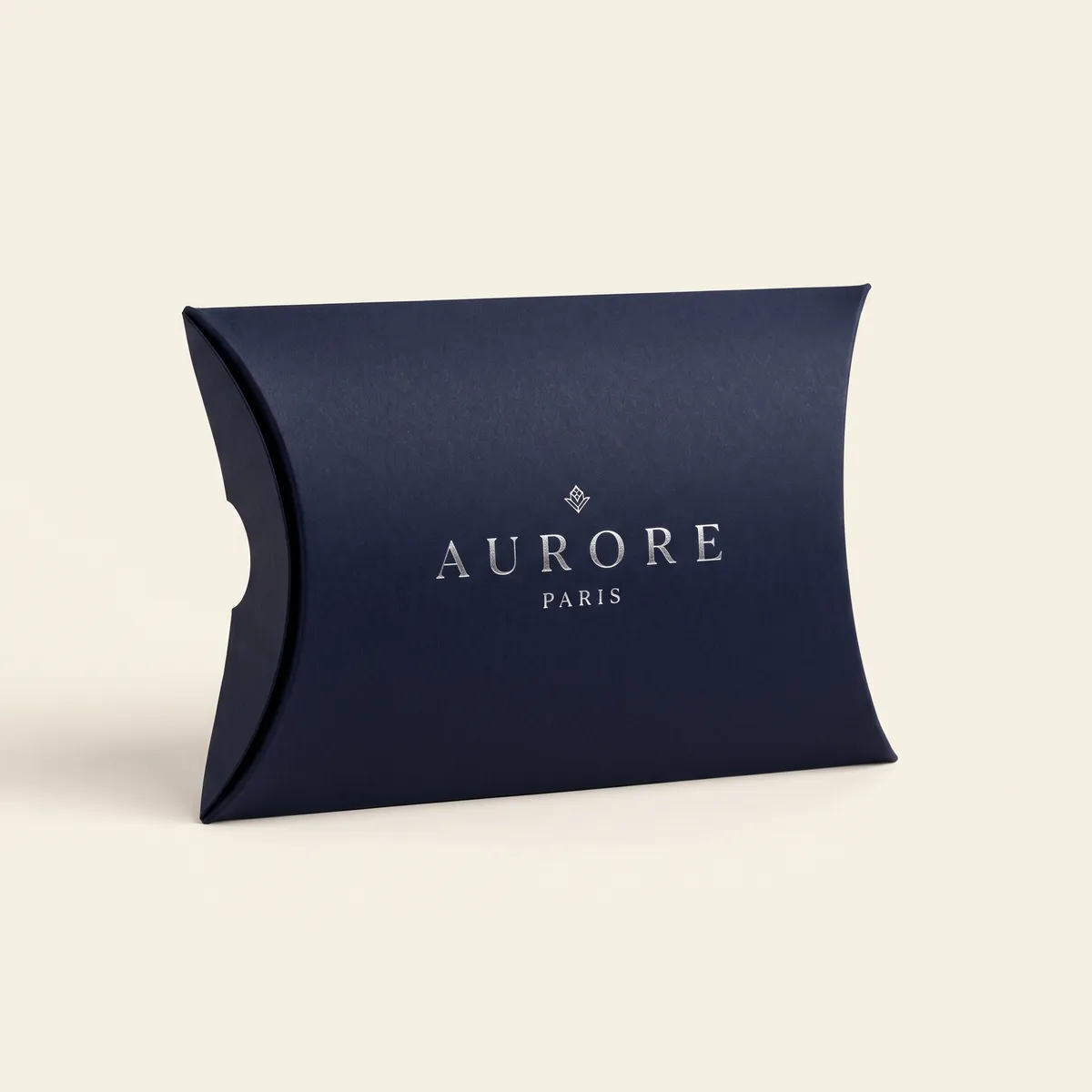
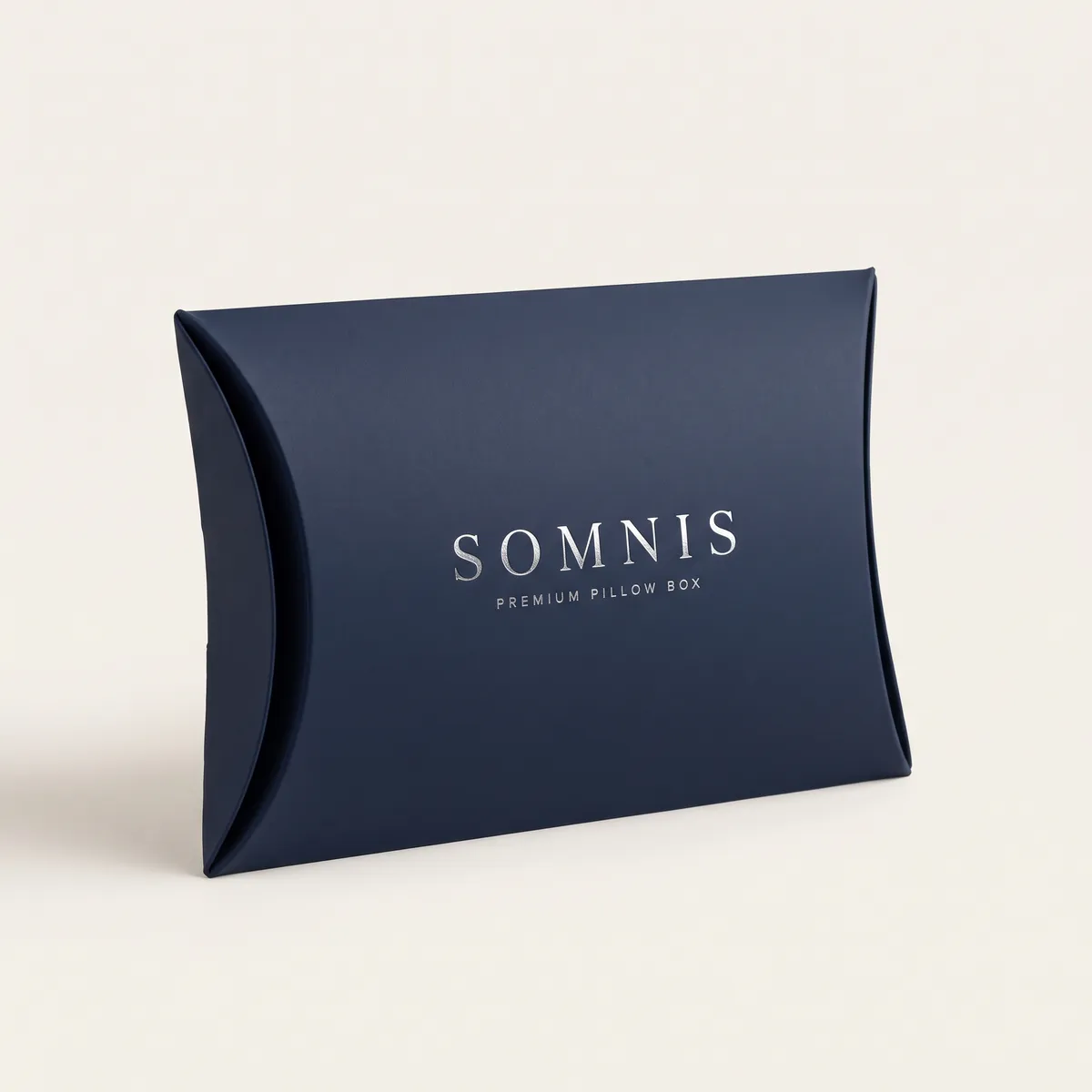
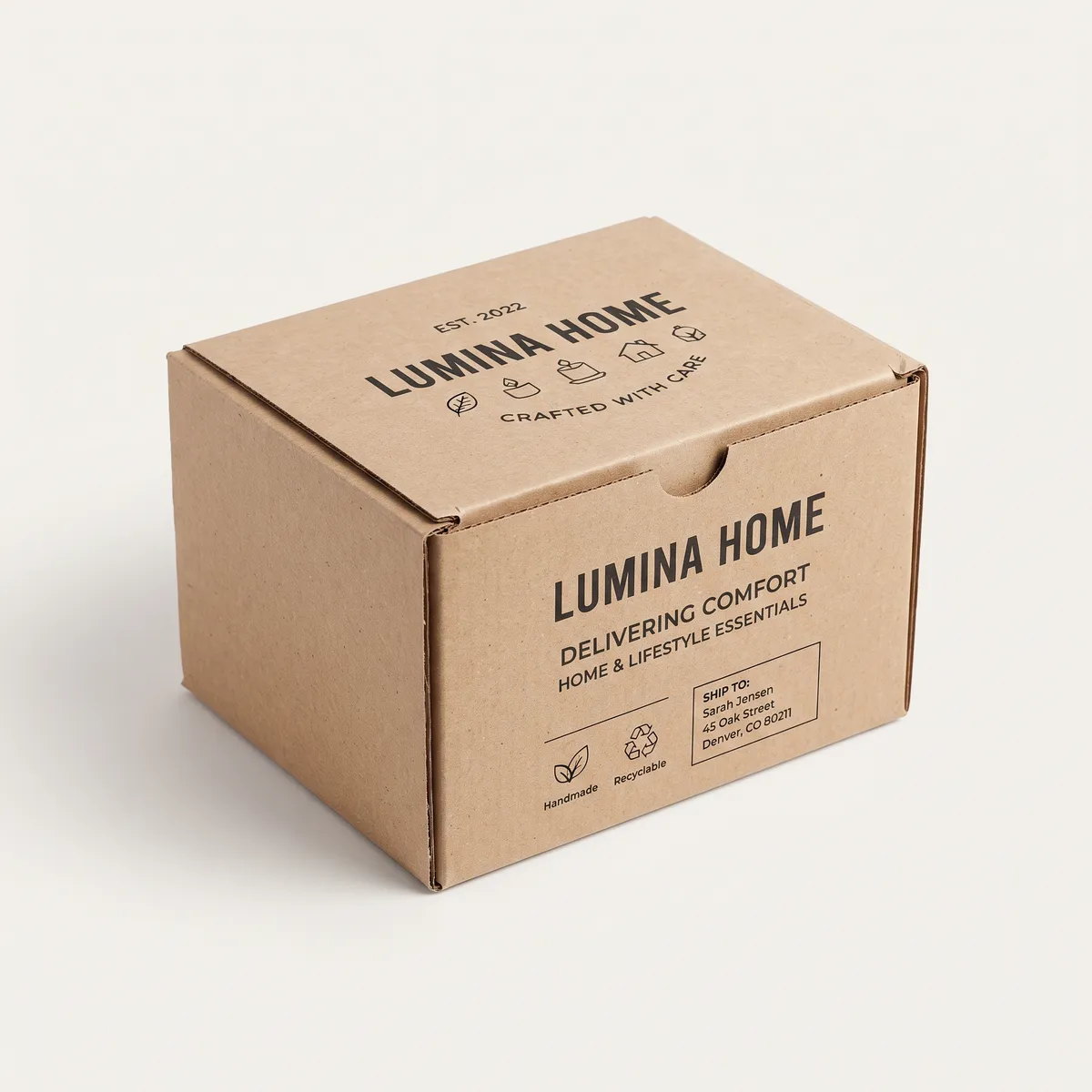
Custom pillow boxes hold themselves shut through tension in the board, with curved ends tucking into themselves rather than relying on glue or tape. That curve is structural, which is why board stiffness matters more than weight. Small inserts work well for jewelry, favors and small gifts. Pillow boxes aren't shipping boxes on their own; post them inside an outer mailer instead.
Ours are on Trustpilot, where we can't edit them or choose which ones you see.
Read them on Trustpilot →(opens in a new tab)Four stages, twelve days
Quote confirmed
A specialist checks your spec against the board and comes back with a firm price inside 4 business hours.
Proof approved
You get a flat dieline and a 3D render. Nothing goes to press until you approve it in writing.
On press
Print, die-cut, glue, and fold. You get a press-side photo the day your job runs.
QC and delivery
Every pallet is sampled against the digital proof or physical sample you approved, then shipped with tracking to your dock or 3PL.
If a box doesn't match the digital proof or physical sample you approved, we reprint the run at no charge.
Read the reprint terms →Know exactly what you're ordering.
One Curved Format, Five Ways to Finish It
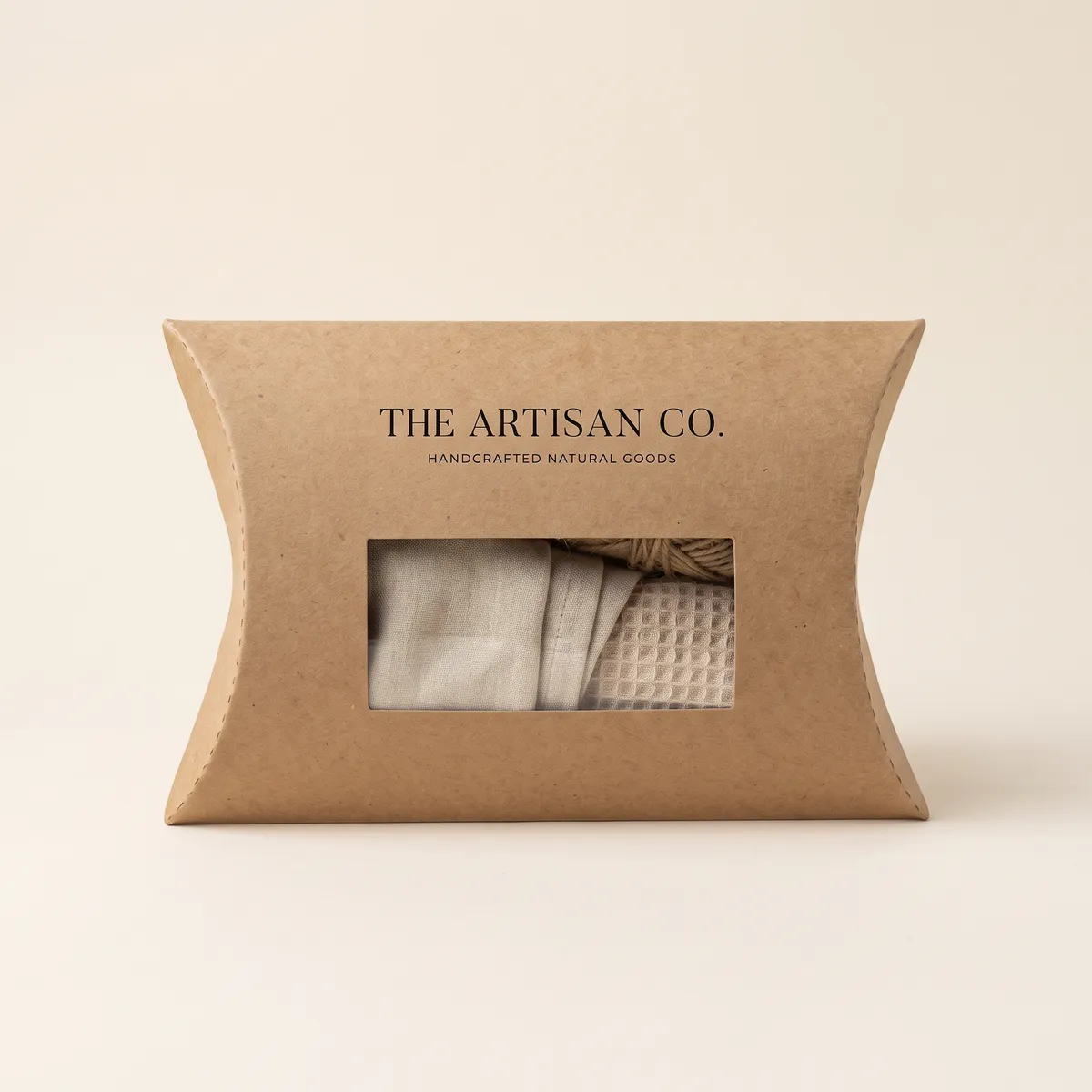
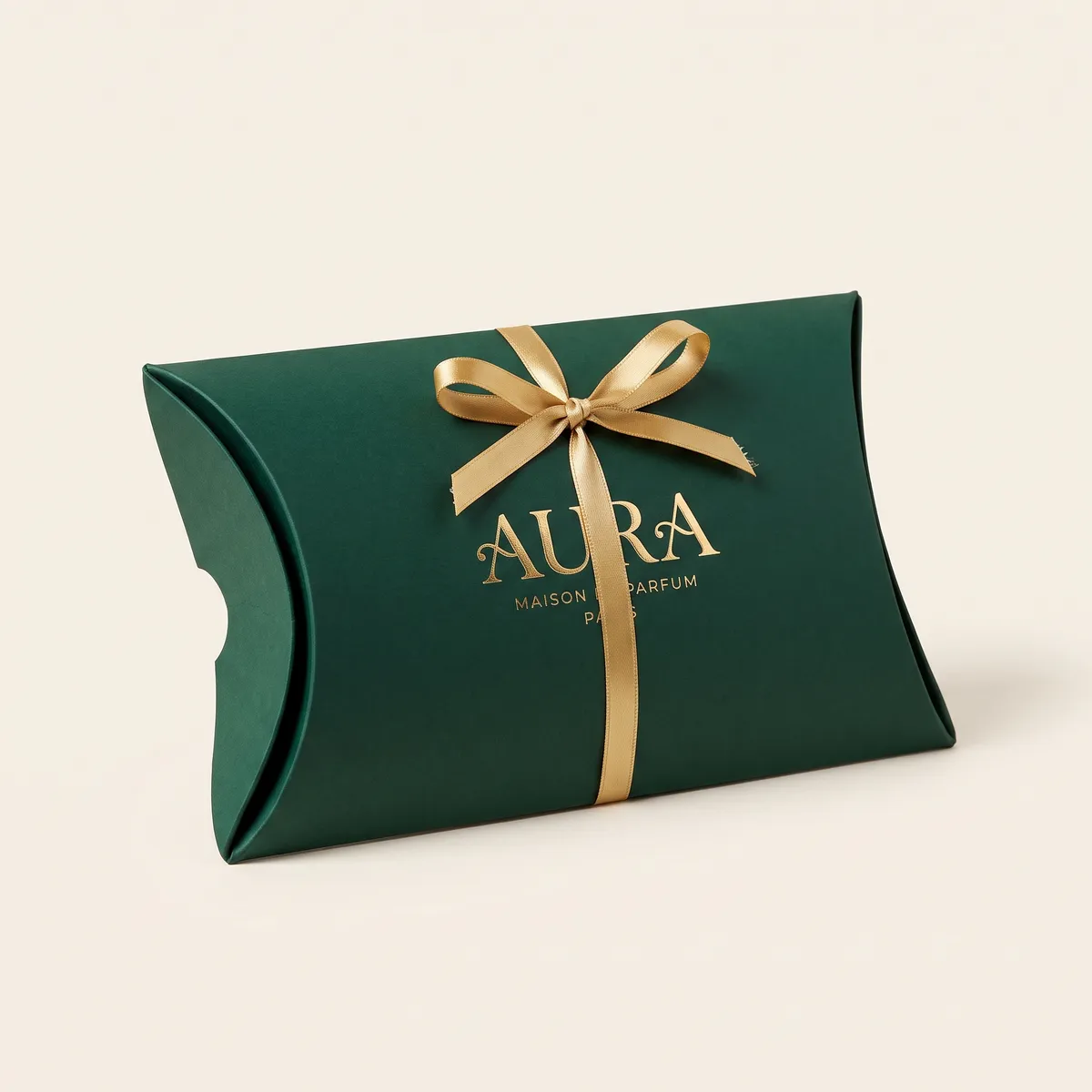
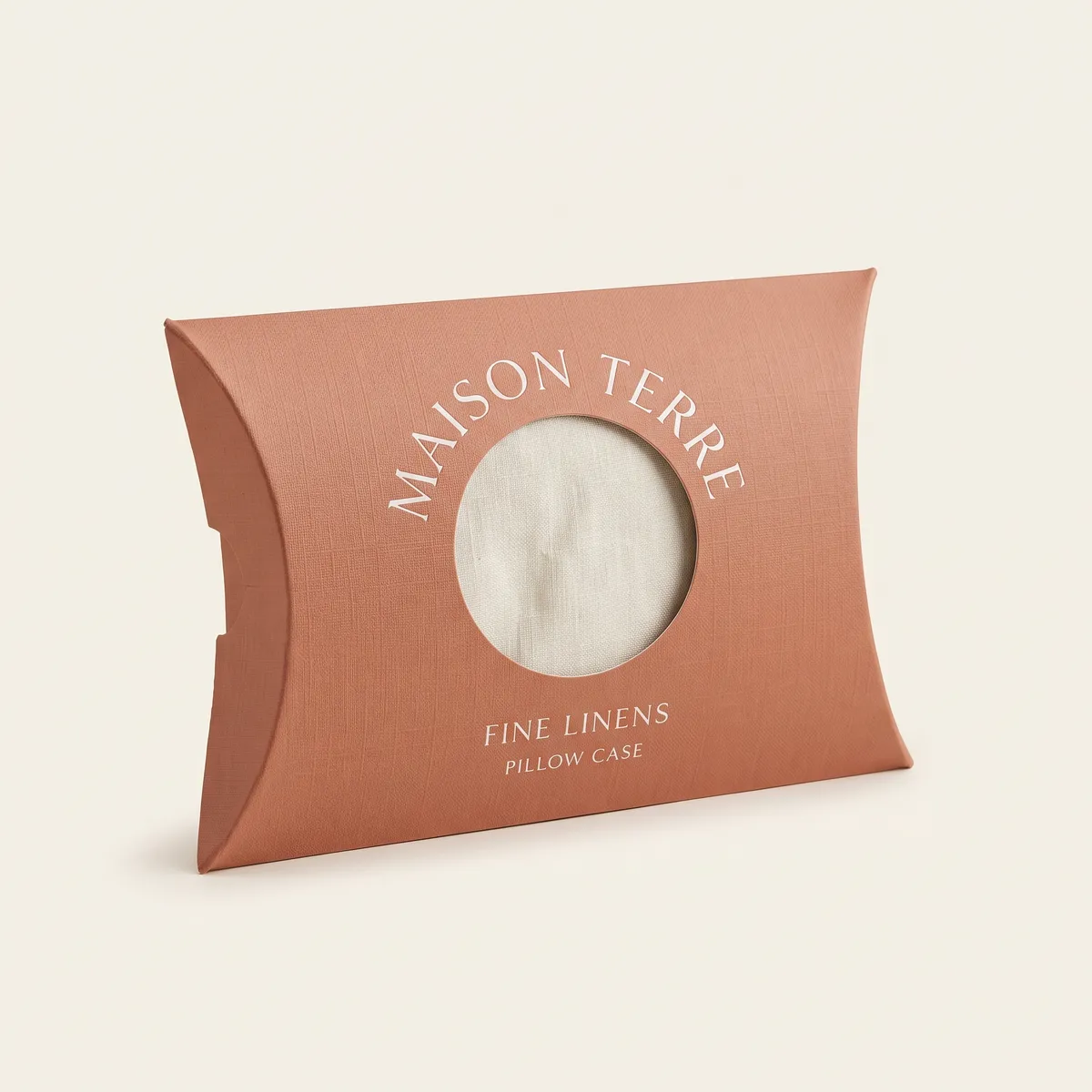
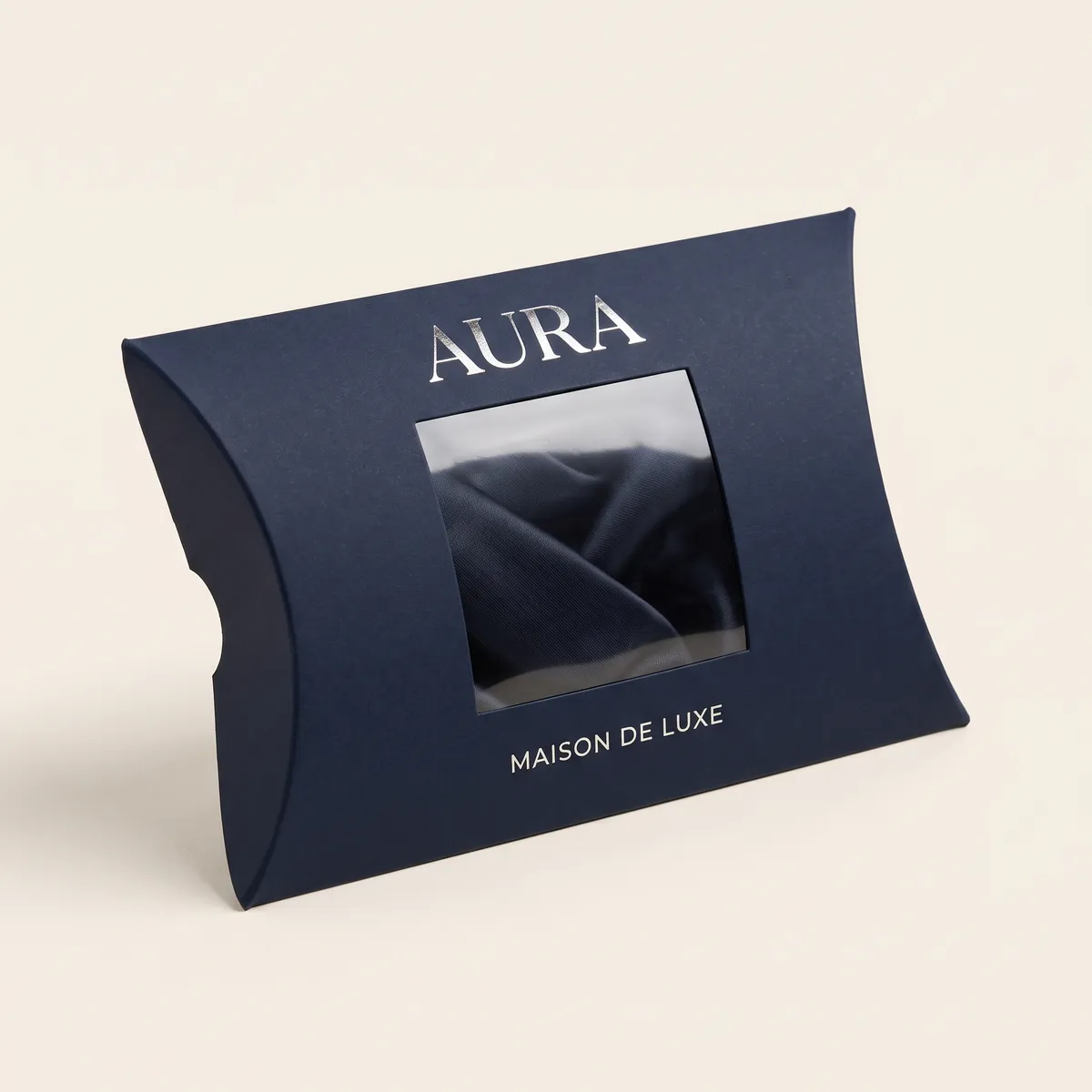
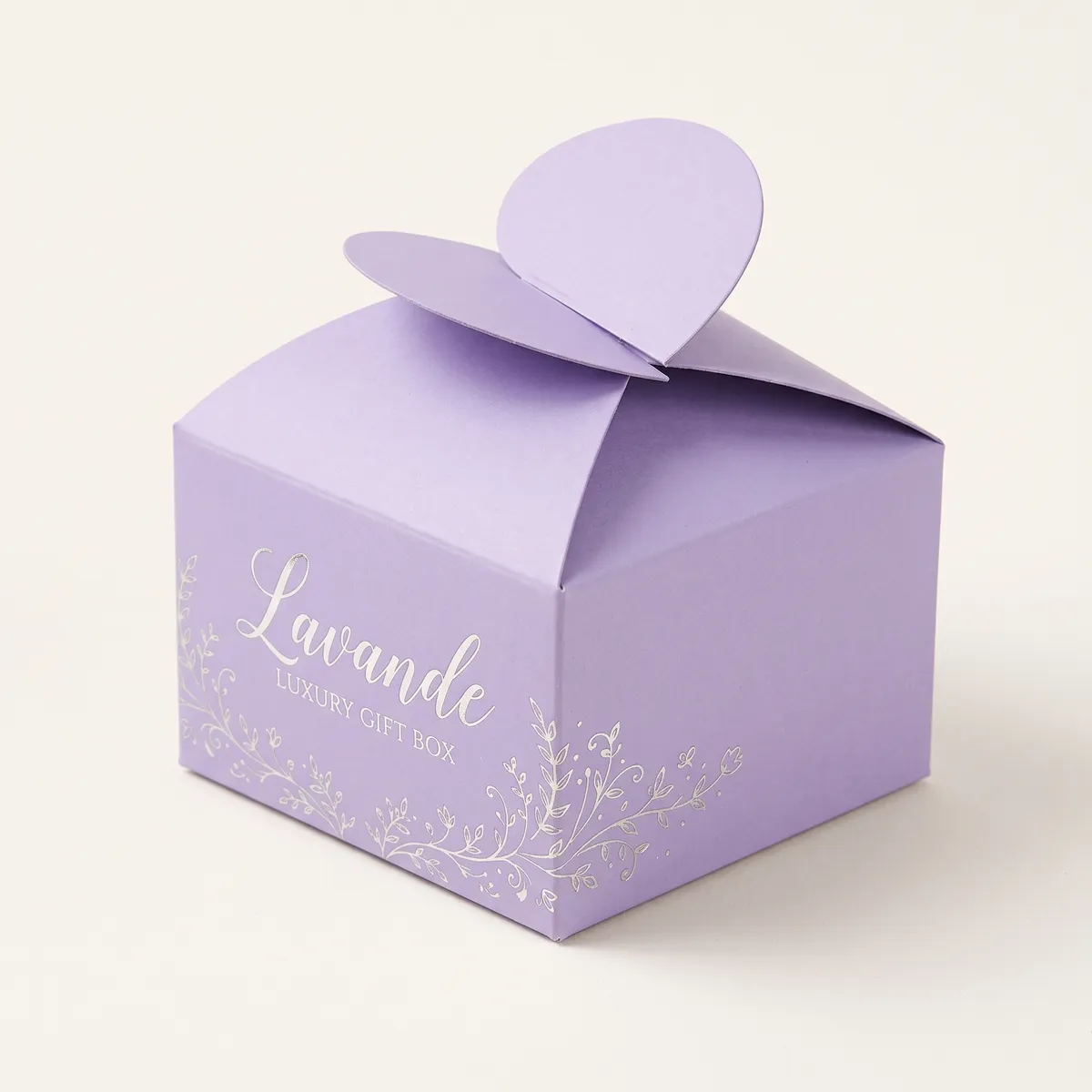
Most people land here having already ruled out a square carton. The harder question is which finish goes on the curve, and that follows from what you sell more than from taste. Kraft suits a maker who wants the board itself to look natural and keeps print to a mark or two. Coated white board is the route when artwork has to come out bright and on-brand. Purple and black are color decisions, usually made to match an event or a darker brand palette. A window version lets the product show through the front face. What they share is covered here: the build, the limits a curve puts on print, and what ordering one involves. Once you know which finish you need, its own page goes into the detail.
Pillow Box Build: Board, Ends and Insert Options
A pillow box starts as one flat sheet with curved scores at each end. Folded, the ends close into a soft lens shape. Every pillow finish on the site uses this same build; only the board and surface change. Most are cut from stiff coated card that holds a curve, with kraft as the main alternative.
| Spec | What you get |
|---|---|
| Build | One flat sheet, curved scores at both ends |
| Closure | End flaps fold inward and stay put under board tension |
| Board | Coated white board or unbleached kraft, chosen for stiffness |
| Size | Cut to your product's dimensions |
| Inserts | Card divider or shaped insert for small items |
| Delivery | Flat, folded to shape at your end |
Why a Curve Instead of a Square Carton
A square carton is the cheaper, more efficient answer for most retail product. It stacks, it prints on clean flat faces, and it stands up to more pressure. A pillow box gives some of that up. What it offers in return is a shape that reads as a gift before anything is printed on it, and nothing to tear or peel when it's opened. That's why it gets chosen for small boxed presents and thank-you gifts, favors and single items handed over in person rather than lined up on a shelf. The honest trade-off: if your product needs to stack, carry real weight or fill a display, a tuck carton does that job better and costs less. The curve earns its place when the handover matters more than storage.
Artwork That Survives the Bend
A pillow box has far less flat area than its flat sheet suggests. Once the ends close, most of each face bends, and artwork that looked right on a flat proof gets stretched where the board curves. Three habits keep it clean. Keep logos and text in the center band of each face, where the bend is gentlest. Keep solid color and foil off the end scores, because a crease breaks the ink film and cracks metallics. Treat the end flaps as structure rather than print area. Beyond that, what applies depends on the finish: full color on coated board, one or two inks on kraft, foil or white ink on black. Moving artwork off the folds is part of the free design help, before you approve anything.
Pillow Boxes at Gift Tables, Counters and Launches
The buyers who reorder pillow boxes tend to share one trait: the item is small, light and handed over rather than stacked. Wedding and event planners use them for favors, one at each place setting. Makers at markets put single soaps, bath bombs or small candles in them. Small brands use them as launch packaging for a sample or a new product. Jewelry sellers use them for studs, chains and other lightweight pieces, with a card insert keeping each piece in place. Confectioners fill them with a few wrapped sweets for checkout or party tables. Where they fit less well: anything heavy, anything tall and anything that needs to stand upright on a shelf. For those, a carton with a flat base does the job better.
From Product Size to Approved Pillow Proof
Start with the item's length, width and depth, and say whether it will sit in an insert. We build the dieline from those numbers and confirm in writing whether they're internal or external, which matters more on a curve than on a carton because the usable space narrows toward the ends. Design help is free and unlimited until the proof is right. Production takes 8–12 business days from proof approval; rush is available at an extra cost we quote before you commit. The minimum is 100 boxes, shipping is included in the price, and dies and setup sit inside the quote rather than appearing later. If a bulk run doesn't match the proof you approved, we reprint it at our cost.
One connected process, start to finish.
Structural Design
Dieline drafted to your exact fit and freight tolerances.
Proof & Sample
Sign off on a digital proof, or request a physical sample.
Tooling
Dies and plates are cut for your job and archived on file.
Production
Print, die-cut, and assembly run under in-line quality checks.
Ship & Reorder
Freight goes out, and the cycle resets for your next run.
Steady process. Powerful results.
Like everything we build, our process is engineered to hold up — no shortcuts, no surprises. Five dependable stages that run the same way every single time, so reorders are just as fast as the first order.
- One dedicated teamFrom first sketch to final freight, the same people carry your order start to finish.
- Dies archived on fileReorders skip tooling and re-setup entirely — we already have your exact spec.
- Checked against your sign-offEvery run is inspected against the digital proof or physical sample you approved.
Set up your file once, correctly
Nine in ten delayed jobs are delayed by artwork, not production. Match these four rules and your proof lands the next morning.
- Bleed1/8 in (3 mm) past every cut line
- Safe ZoneKeep text 1/4 in clear of every crease
- ColourCMYK or named Pantone. No RGB.
- Resolution300 dpi at final size, fonts outlined
No print-ready file?
Send a logo and a rough idea. Our studio builds the production file free with any order over 500 units — you keep the source file either way.
Ask the StudioBackground art must run all the way to the outer bleed edge. Anything inside the white dashed line survives fold tolerance.
What brands say about this box
They live there rather than here, where we can't edit them, delete them, or pick which ones you get to see. That is exactly what makes them worth reading.
Read all reviews on Trustpilot(opens in a new tab)Answers before you have to ask.
How does a pillow box hold itself closed?
The curved ends tuck into themselves, so the tension in the board holds it shut without glue or tape. That's what gives the format its shape — the curve is structural rather than decorative.
Can pillow boxes hold an insert?
Small ones, yes. The curved shape limits what fits, but a simple card divider or a shaped insert works for jewelry, favors and small items that would otherwise slide around inside.
Are pillow boxes suitable for shipping?
Not really on their own. The curved ends aren't a secure closure and the format offers little crush resistance. For posting, they work inside an outer mailer rather than as the shipping box.
How long do pillow boxes take to produce?
Most orders are ready in about 8–12 business days once you approve the proof. Rush production is available at an extra cost, quoted upfront, with shipping included.
What's the minimum order for pillow boxes?
100 boxes. That suits a single wedding, event or small product launch rather than requiring wholesale volume, and design help is unlimited and free.