
Custom Luxury Packaging Boxes, Feels like the price tag
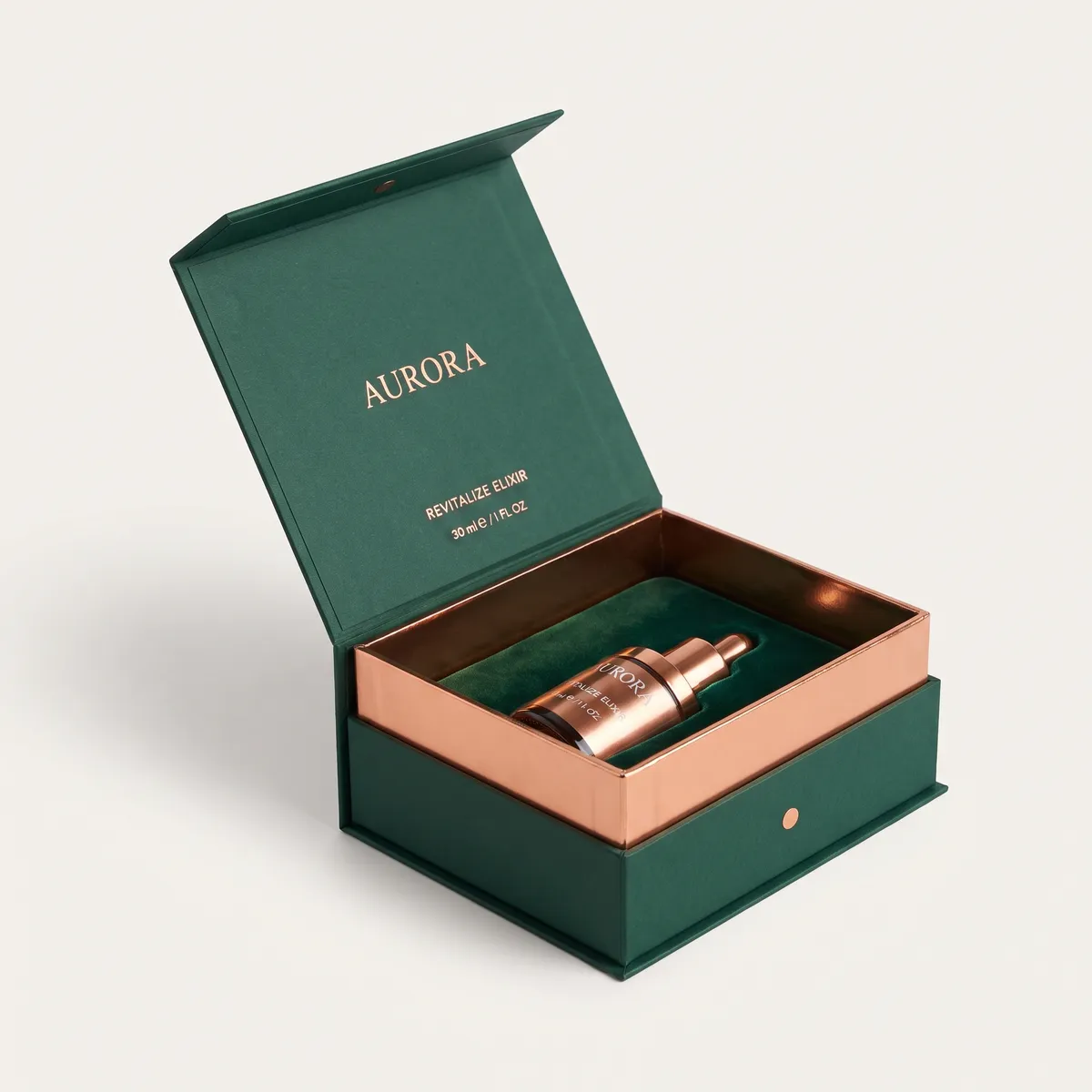
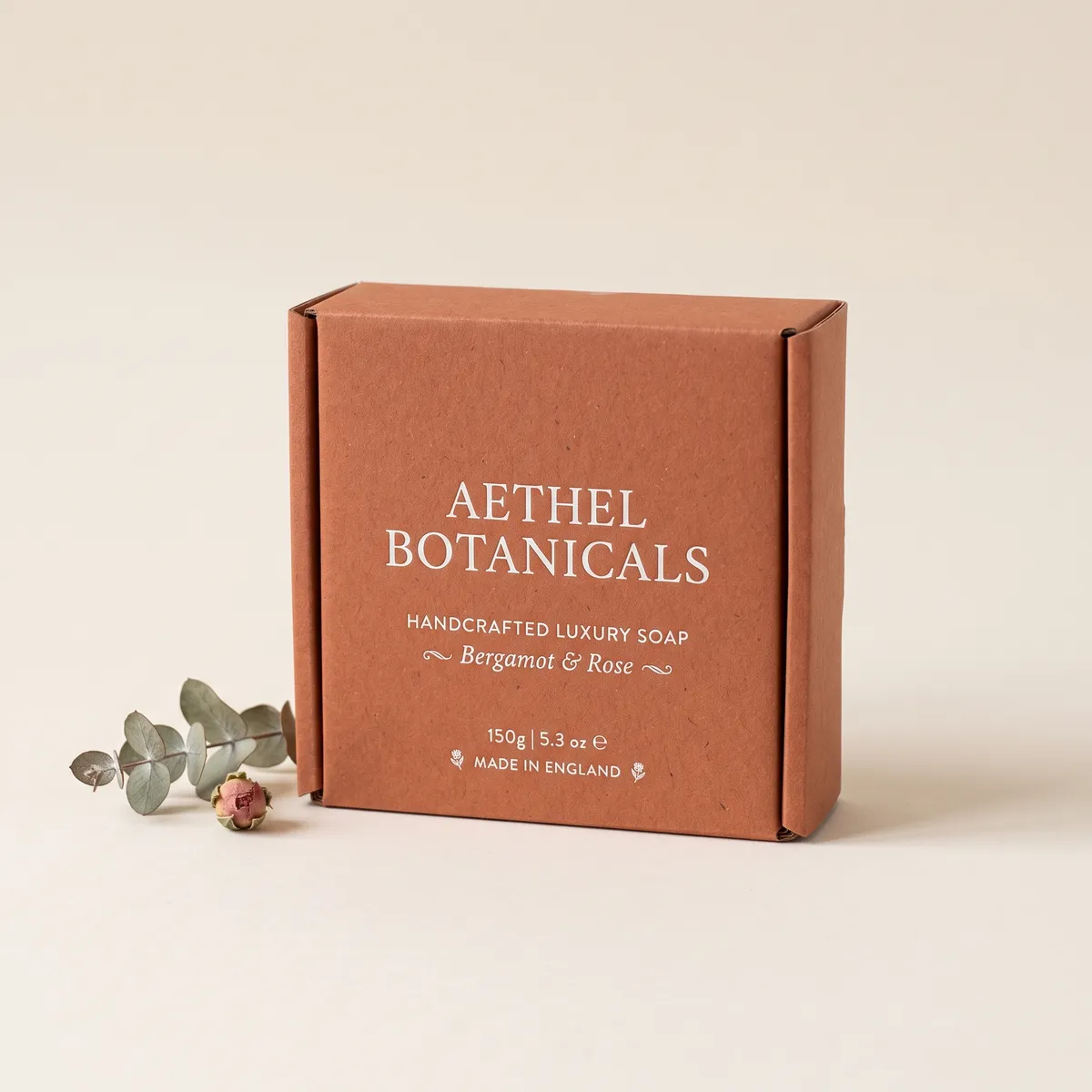
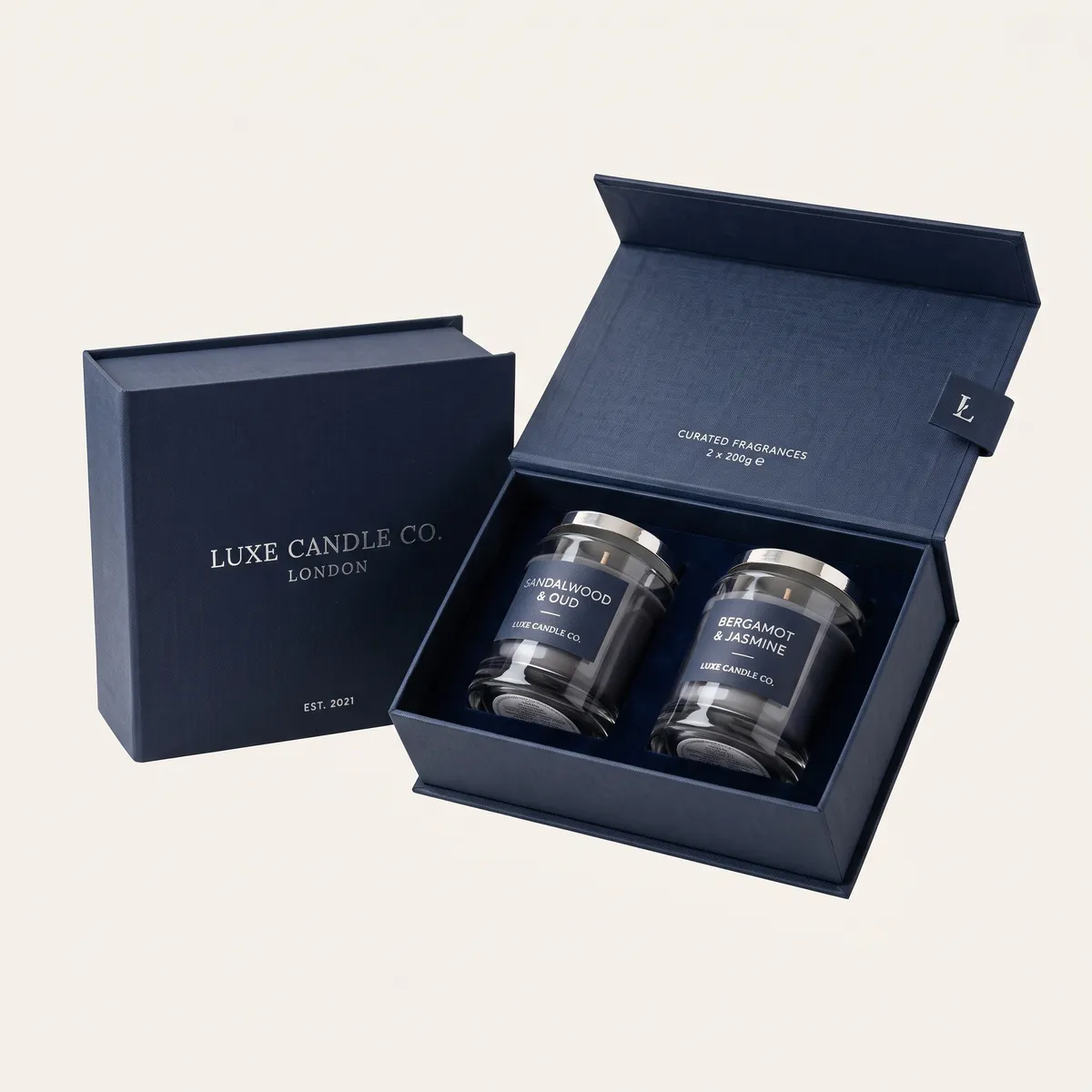
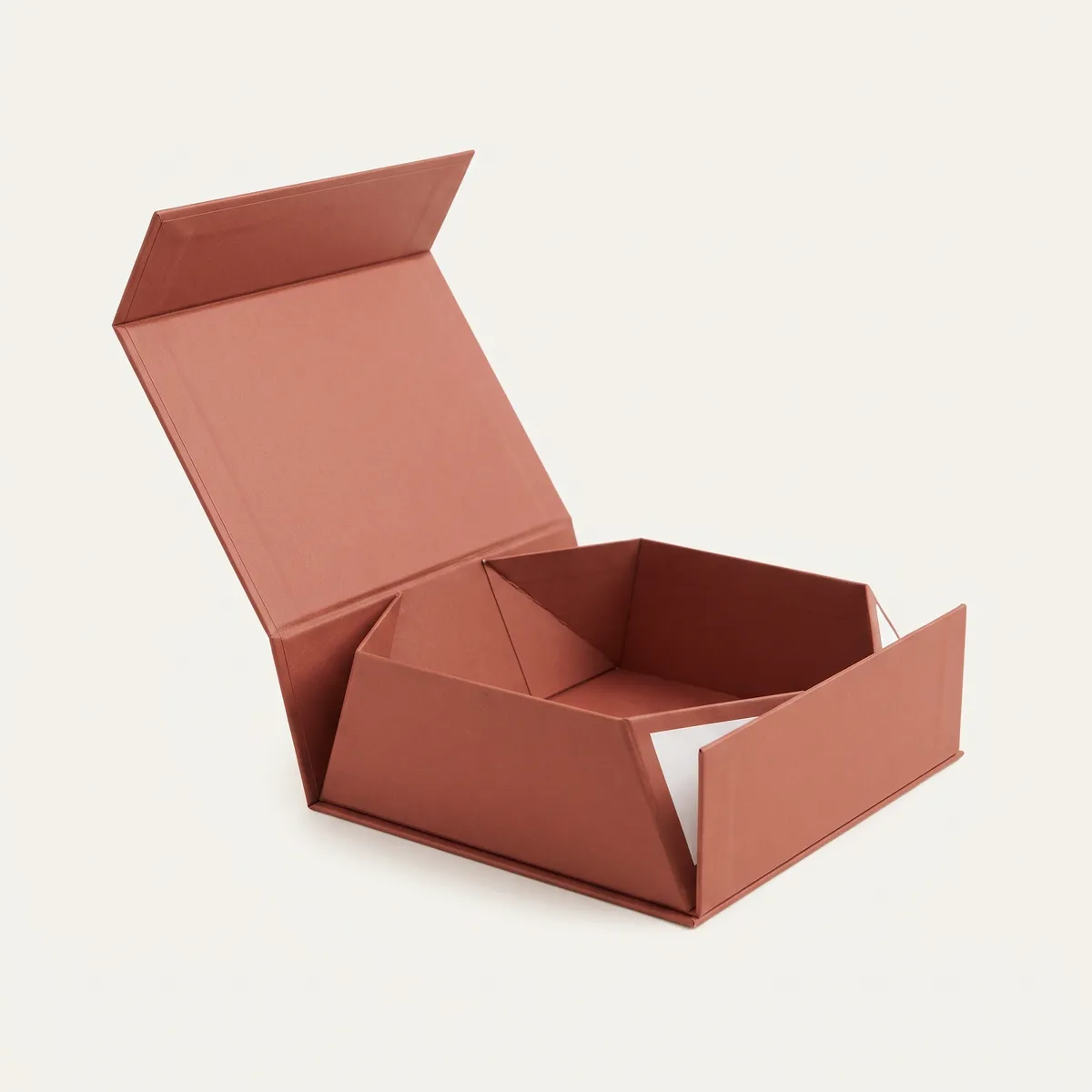
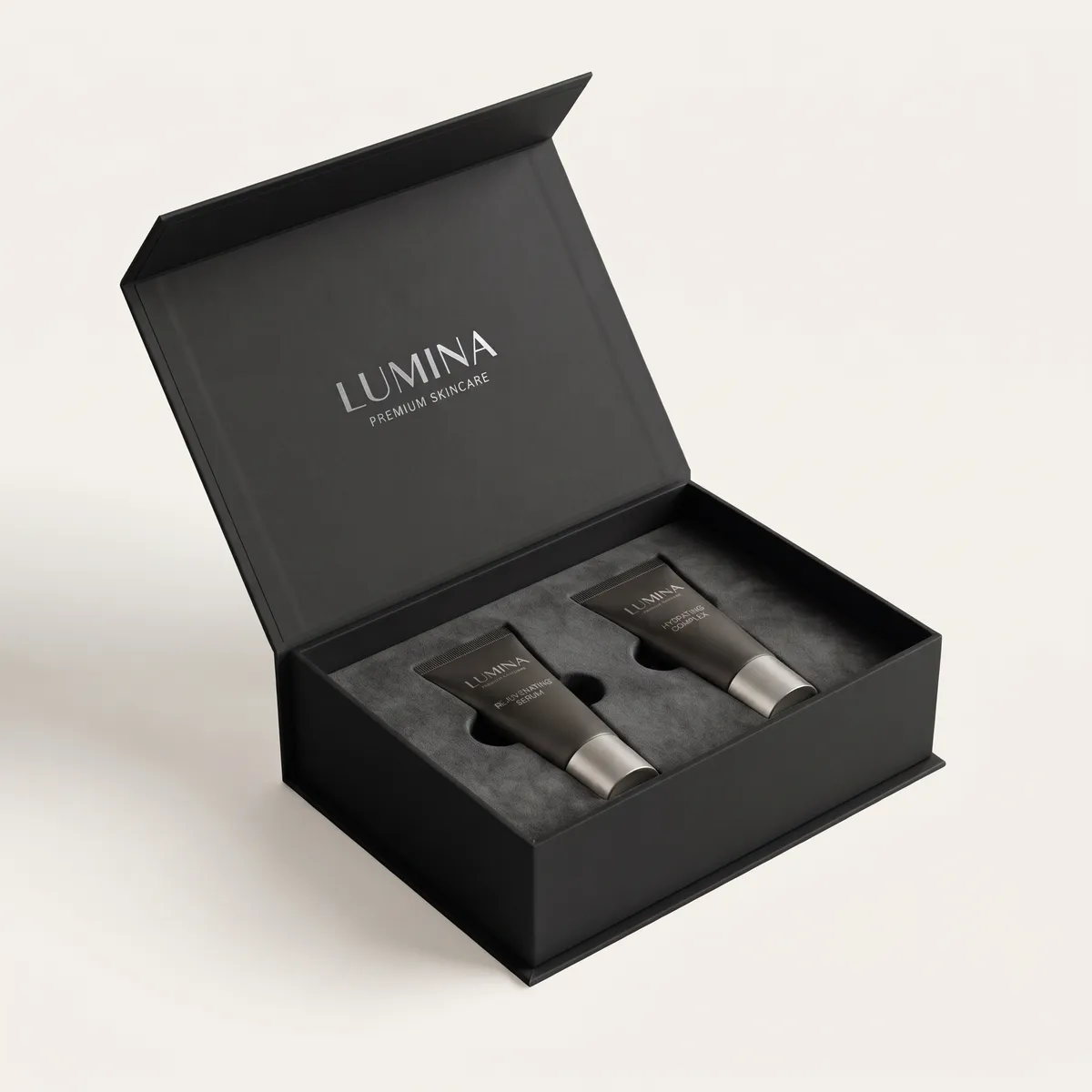
Charge a premium and the box has to back it up. A thin carton on an expensive product makes buyers question the price before they've seen what's inside. Our custom luxury boxes give high-value products the weight and finish they're paying for — rigid builds, fitted inserts, foil and embossing — so the packaging reads as considered from the first moment it's picked up.
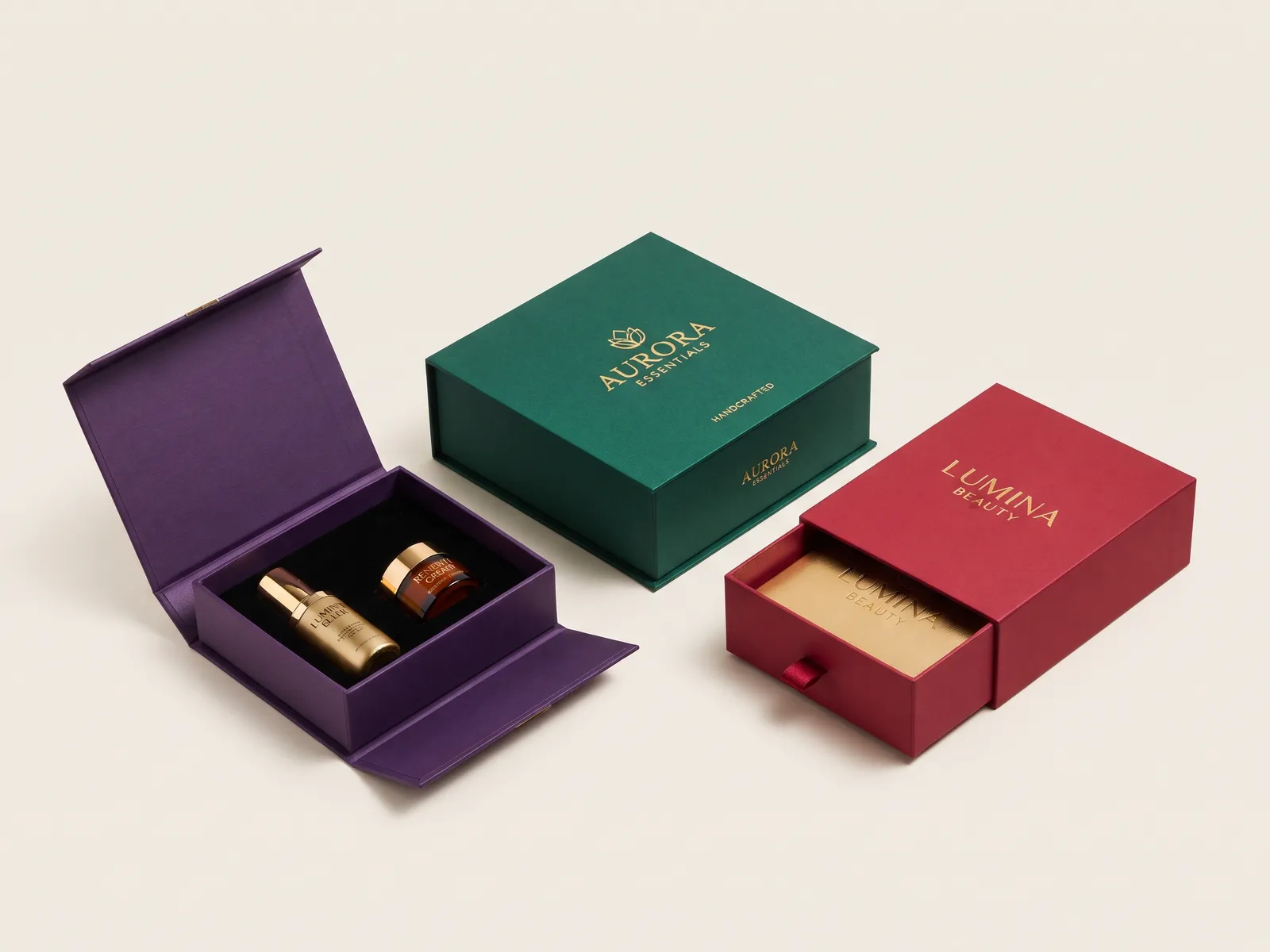
Materials & Options for Luxury Packaging Boxes
E-Flute Corrugated
Thin profile, strong crush resistance — the standard for most mailer boxes.
B-Flute Corrugated
A thicker flute for heavier contents or extra stacking strength.
Kraft Paper
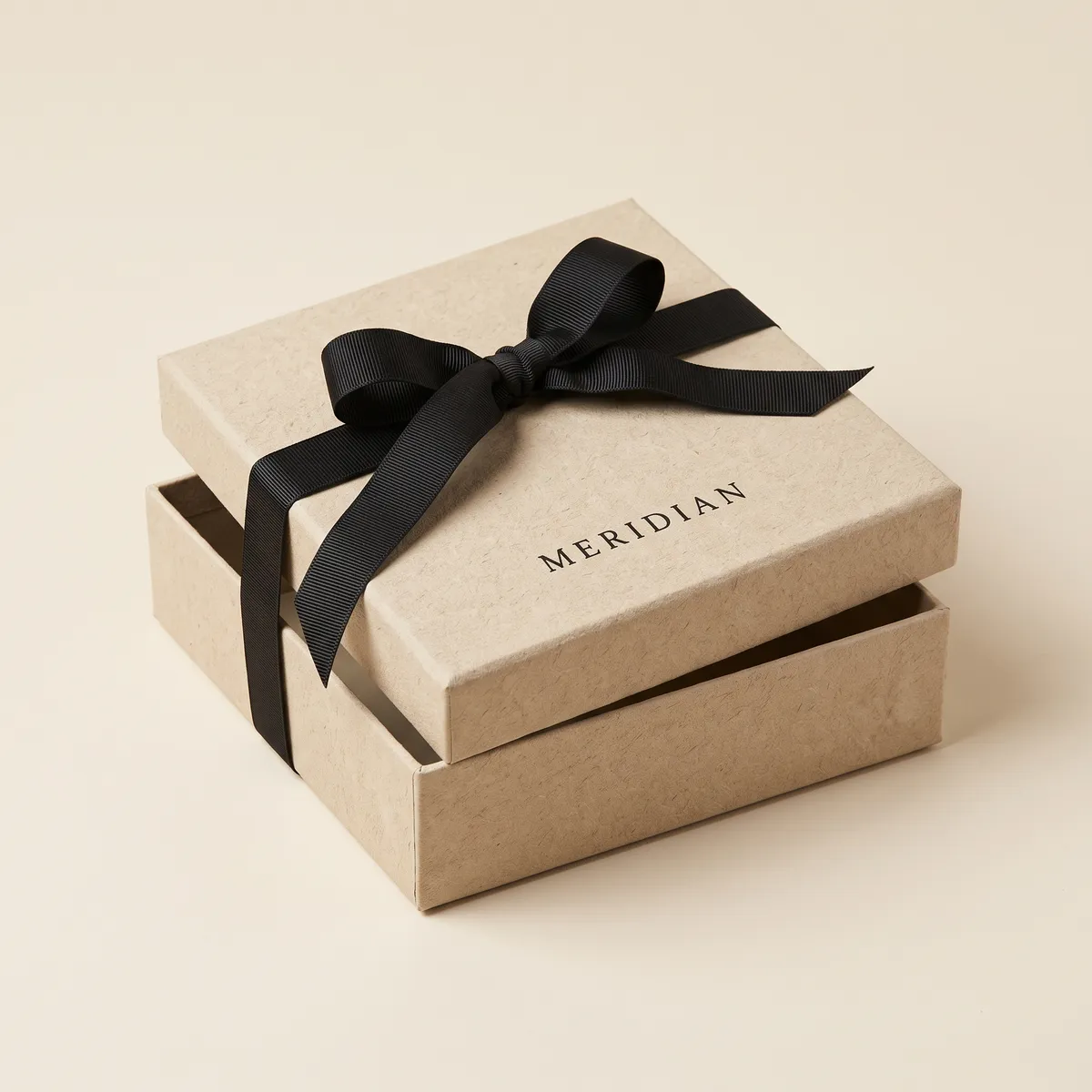
Unbleached, natural-brown stock with an earthy, eco-forward texture.
SBS Board
Solid bleached sulfate board for a smooth, print-ready white surface.
Offset Printing
Exact color matching for large runs — the standard for big projects.
Digital Printing
Fast turnaround on shorter runs, with no minimum plate setup cost.
Flexographic Printing
Distortion-free output built for large-run corrugated jobs.
UV Printing
Instantly cured ink that resists scratches and solvents.
Matte Lamination
Soft, non-reflective finish that reads premium under any light.
Gloss Lamination
High-shine coating that makes bold colors and photography pop.
Soft-Touch Coating
A velvety exterior resistant to moisture and fingerprints.
Spot UV & Foil
Raised gloss detail or metallic foil for logos and accents.
Discover Our Most-Requested Luxury Packaging Box Styles
Every style below runs through the same structural engineering and quality process — pick a starting point and we'll adjust the details to your product.
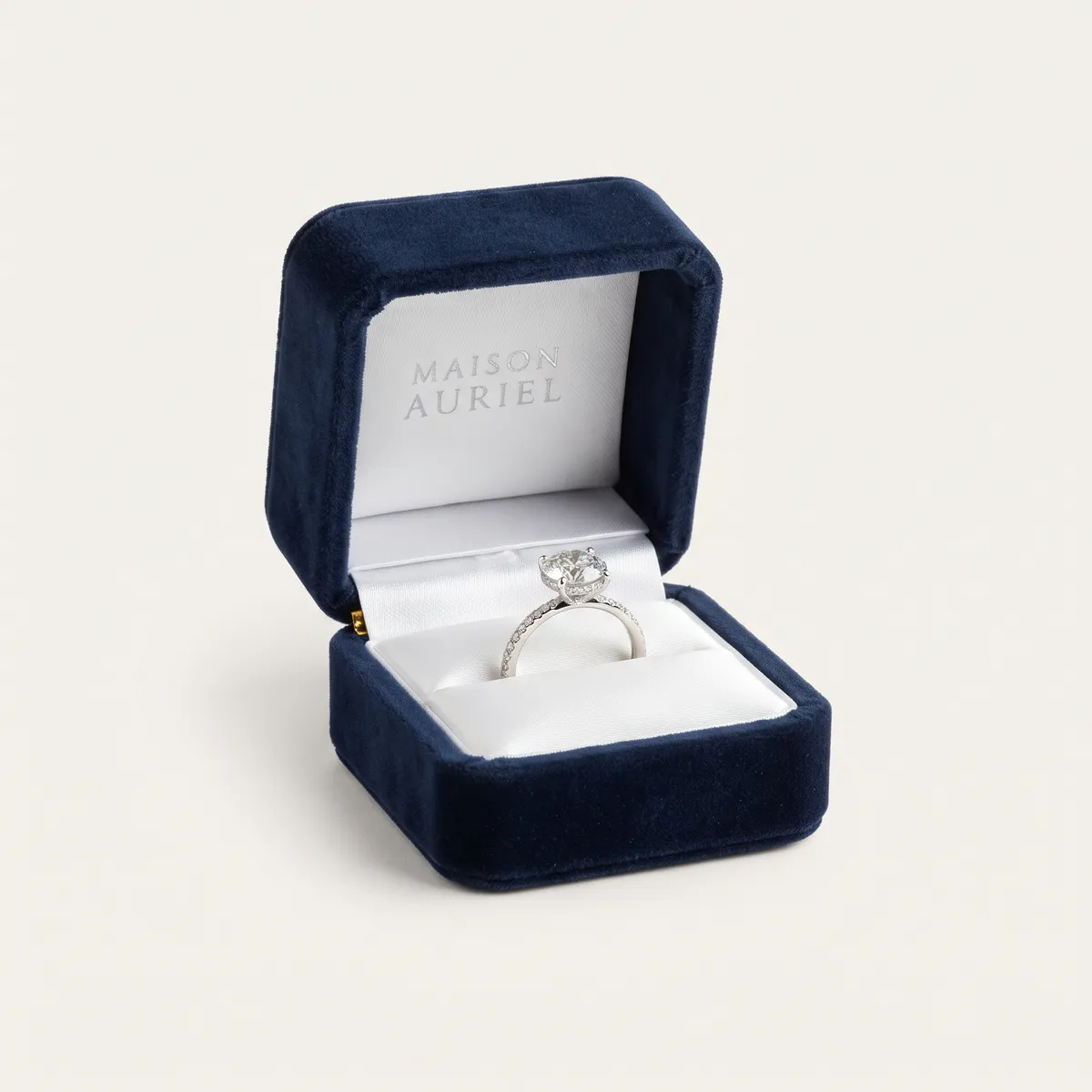
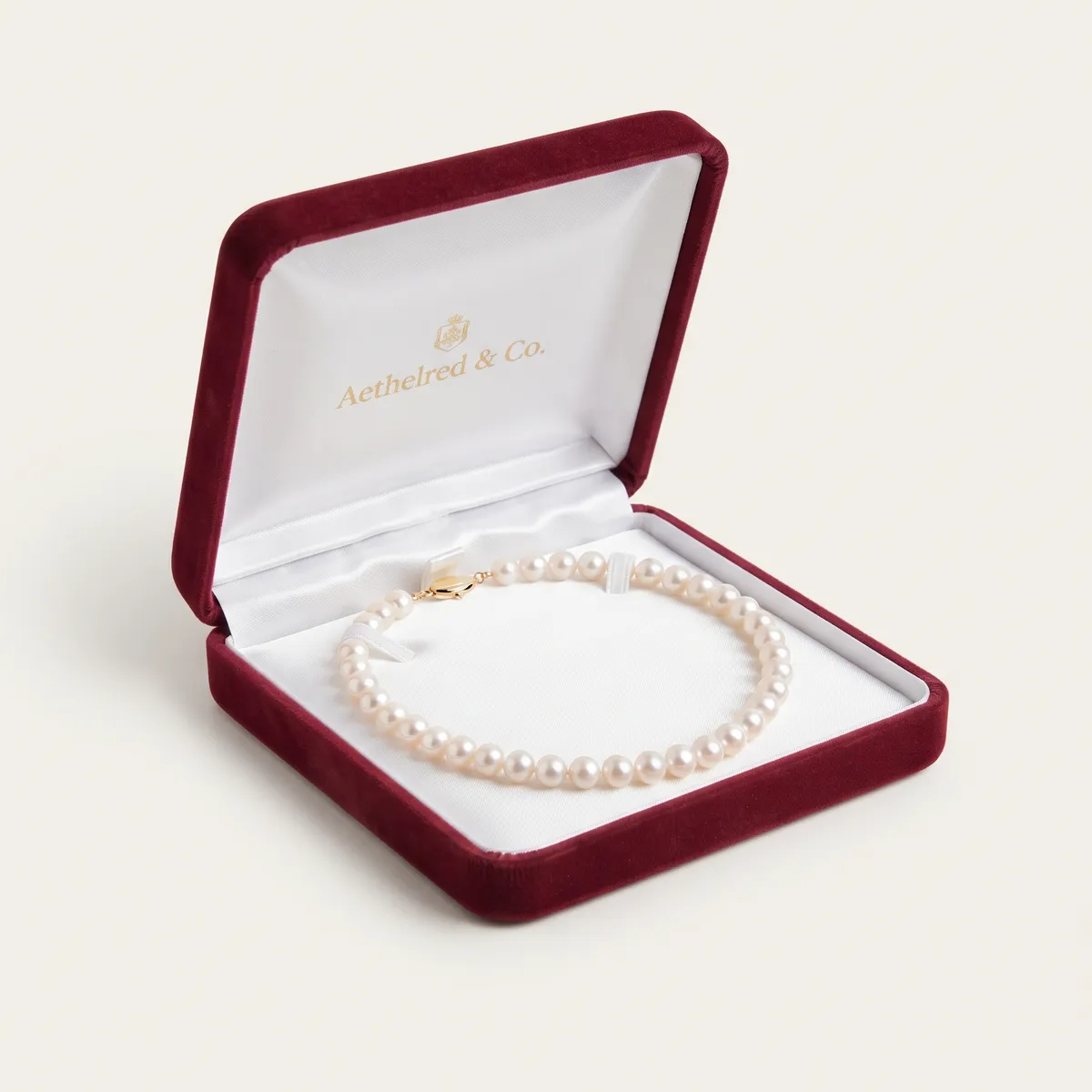
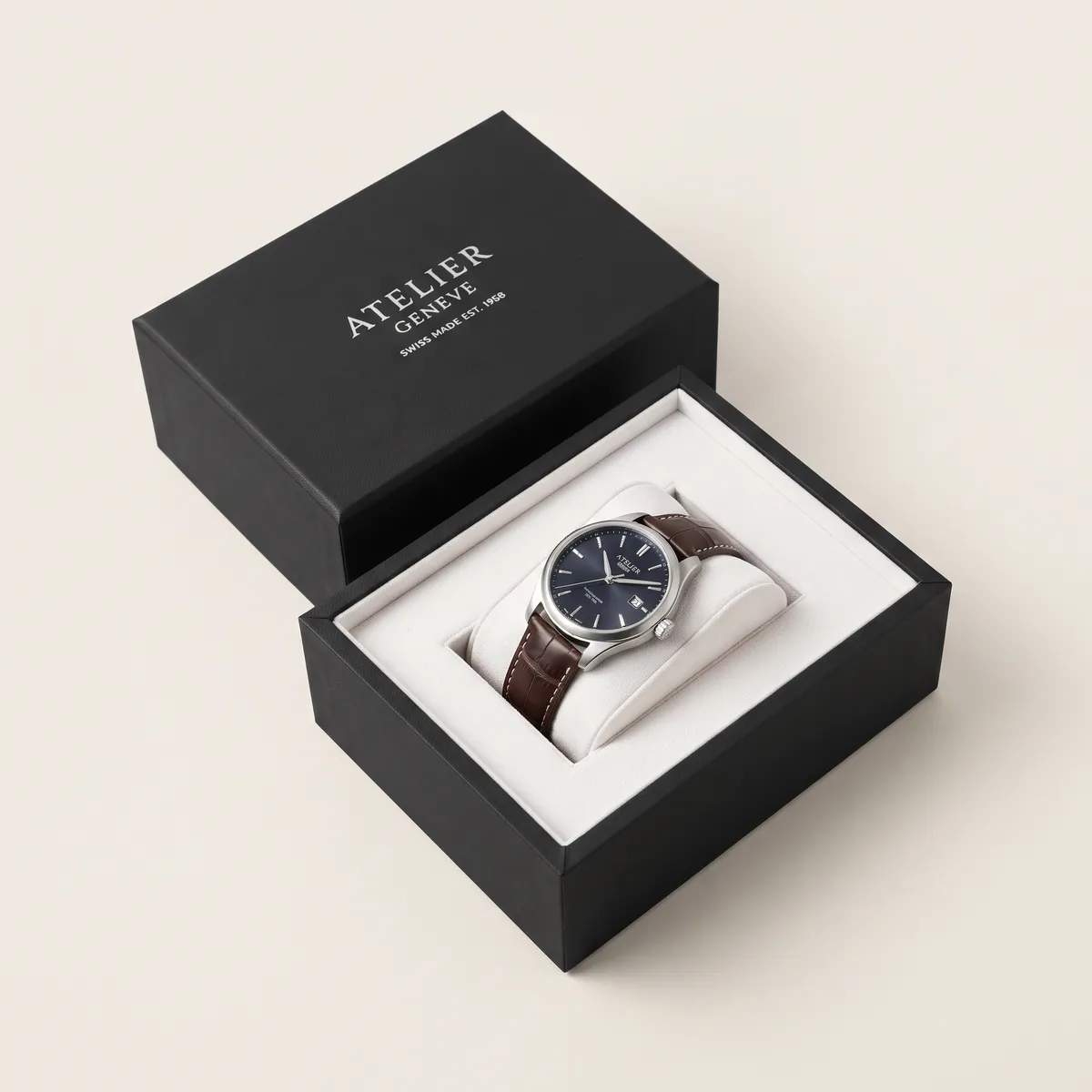
What Custom Luxury Boxes Have to Prove
Charge a premium and the box has to back it up. A thin carton on an expensive product doesn't just look cheap — it quietly argues against your price at the exact moment the customer is deciding whether they overpaid. That argument happens before anyone sees the product, and it's very hard to win back afterwards.
The brands on this page sell things where the price is built partly on how the purchase feels: fine jewelry, fragrance, premium confectionery, high-end skincare, corporate gifts, collector editions. For them, packaging isn't the wrapper around the product; it's part of what the customer is paying for. Custom luxury boxes do a specific job — make a small, expensive thing feel like an occasion, hold it securely enough to arrive flawless, and open in a way that's worth photographing. The failure they prevent is subtle and costly: not a broken product, but a buyer who quietly downgrades their opinion of the brand between the doorstep and the table. That's the same standard jewelry packaging has always had to meet.
Finishes That Earn Their Cost
The most common mistake in premium packaging is adding more. Foil, spot UV, emboss, and soft-touch all on one box reads busy rather than expensive, and each one adds tooling cost and slows the line. Restraint is what actually signals value.
What works is contrast, not accumulation. A matte or soft-touch field with a single foil mark. An uncoated wrap with one clean deboss. The flat surface is what makes the accent read as deliberate — a fully foiled panel has nothing to stand against, so it flattens into decoration. One well-placed effect on a quiet background outperforms four competing for attention, and costs considerably less.
Order of operations matters more than most people expect. Print first, then any laminate, then spot UV in register, and emboss last — because a later pass under pressure will crush a relief created earlier. Two combinations to avoid outright: soft-touch over a blind emboss, where the film softens the very detail the emboss created, and fine foil detail near a fold or a tight curve, where registration drift becomes visible. Deboss suits intricate marks better than emboss, since pressing in holds fine detail that raising tends to lose.
Then the trade-off nobody quotes upfront. Every die adds tooling and slows throughput, and each additional finish adds changeover time to the run. If you're working to a holiday deadline, that schedule cost often matters more than the unit price — which is a real argument for two finishes done well rather than four done in a rush. This is why rigid board is the starting point for any of it, and why categories like fragrance tend to settle on one signature treatment and repeat it rather than redesigning each season.
Who Buys Luxury Packaging
Premium packaging isn't confined to one industry. It appears wherever the price is built partly on how the purchase feels, and the same four structural principles apply across all of them.
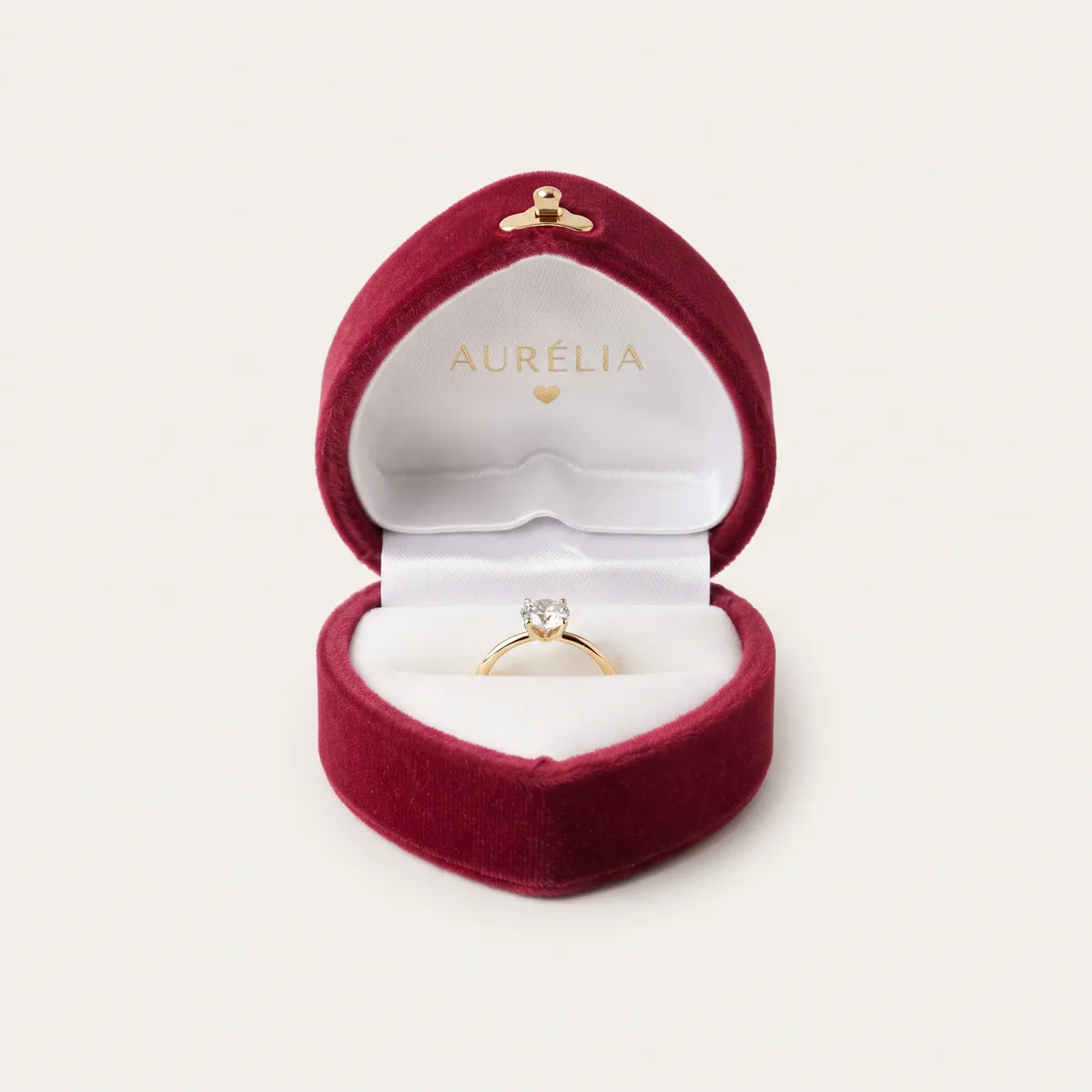
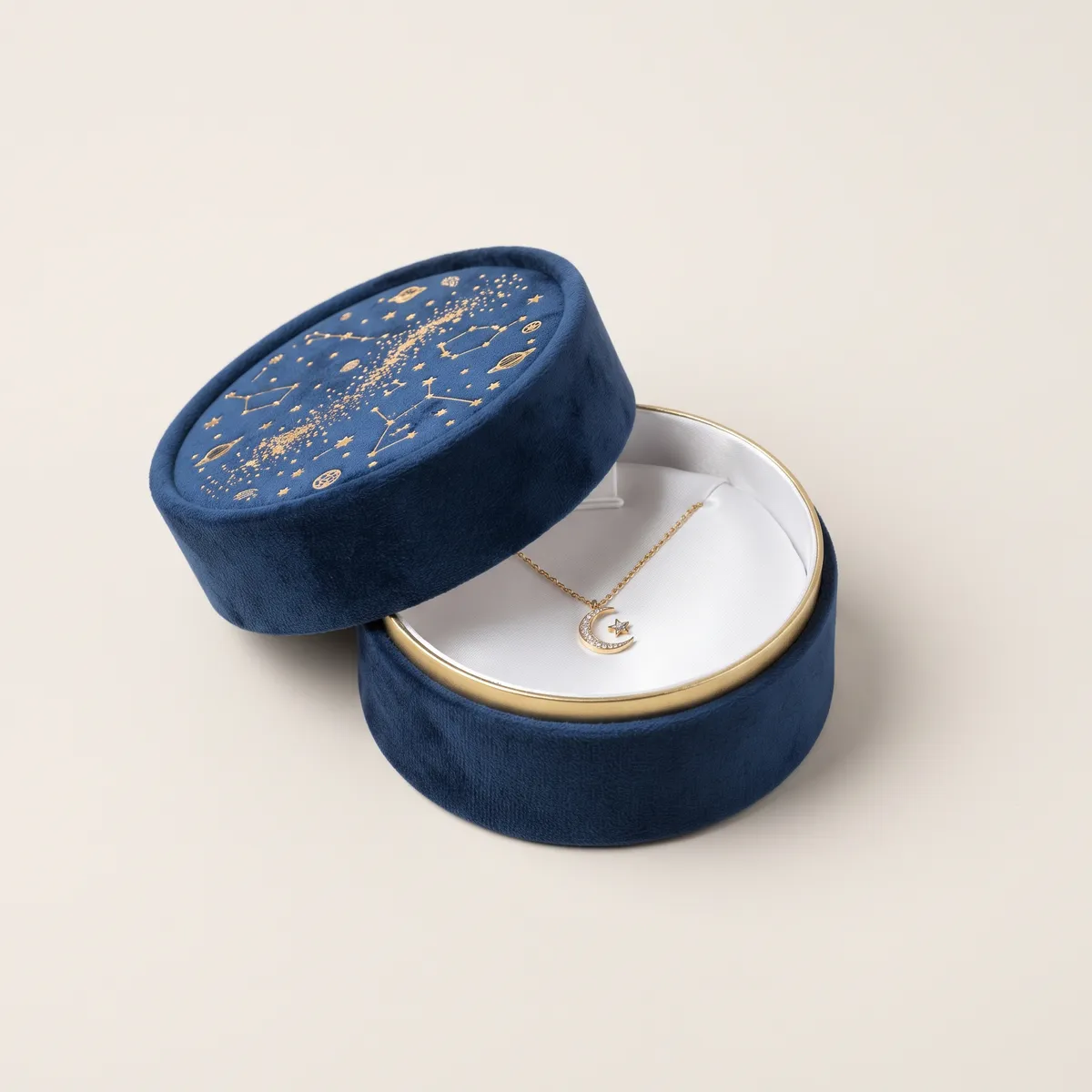
- Jewelry is the category where the box most directly sets perceived value. Small, expensive, and almost always gifted, so rigid builds with fitted inserts are effectively standard.
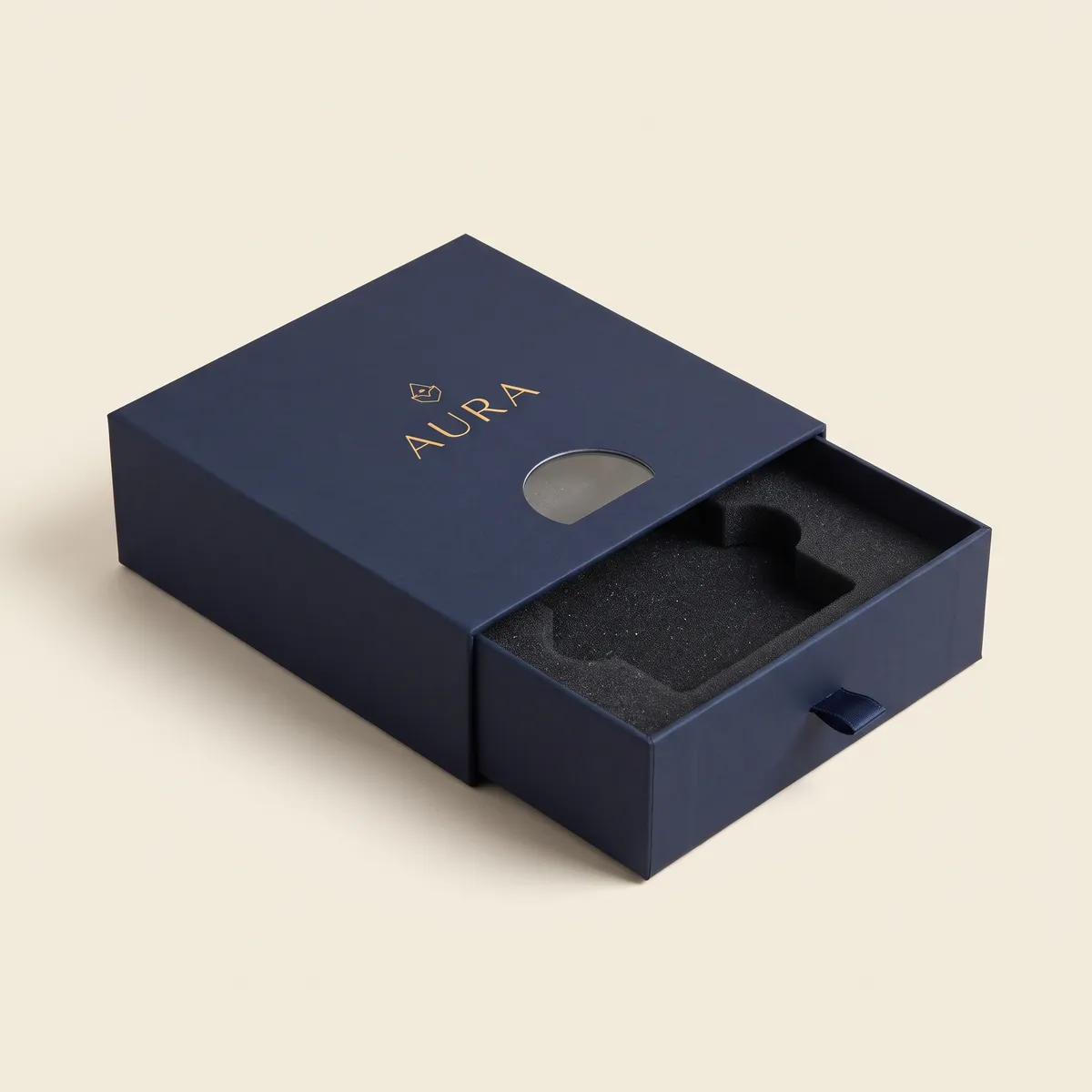
- Fragrance needs the box to cradle heavy glass and read as luxury simultaneously — a fitted insert doing protective and presentational work at once.
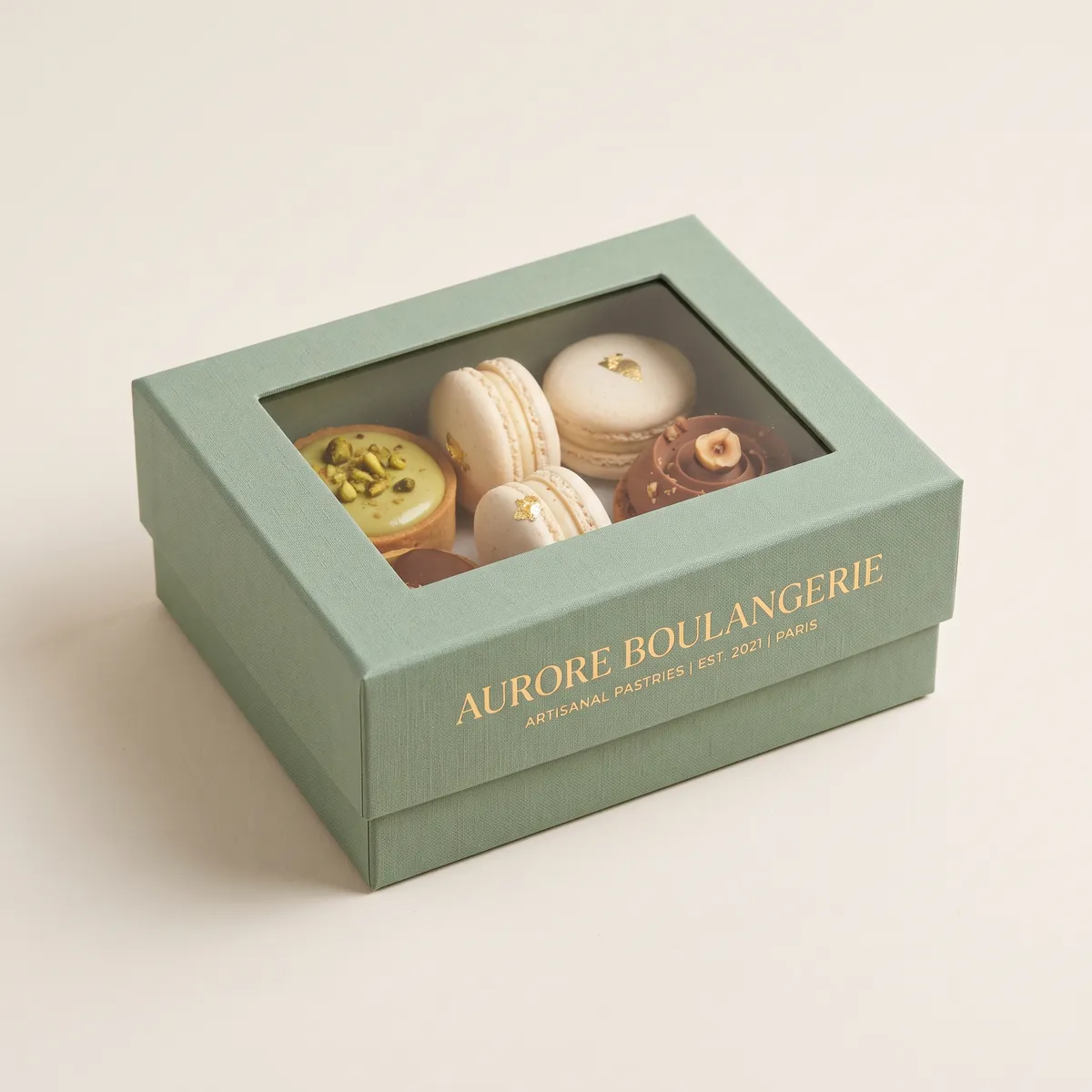
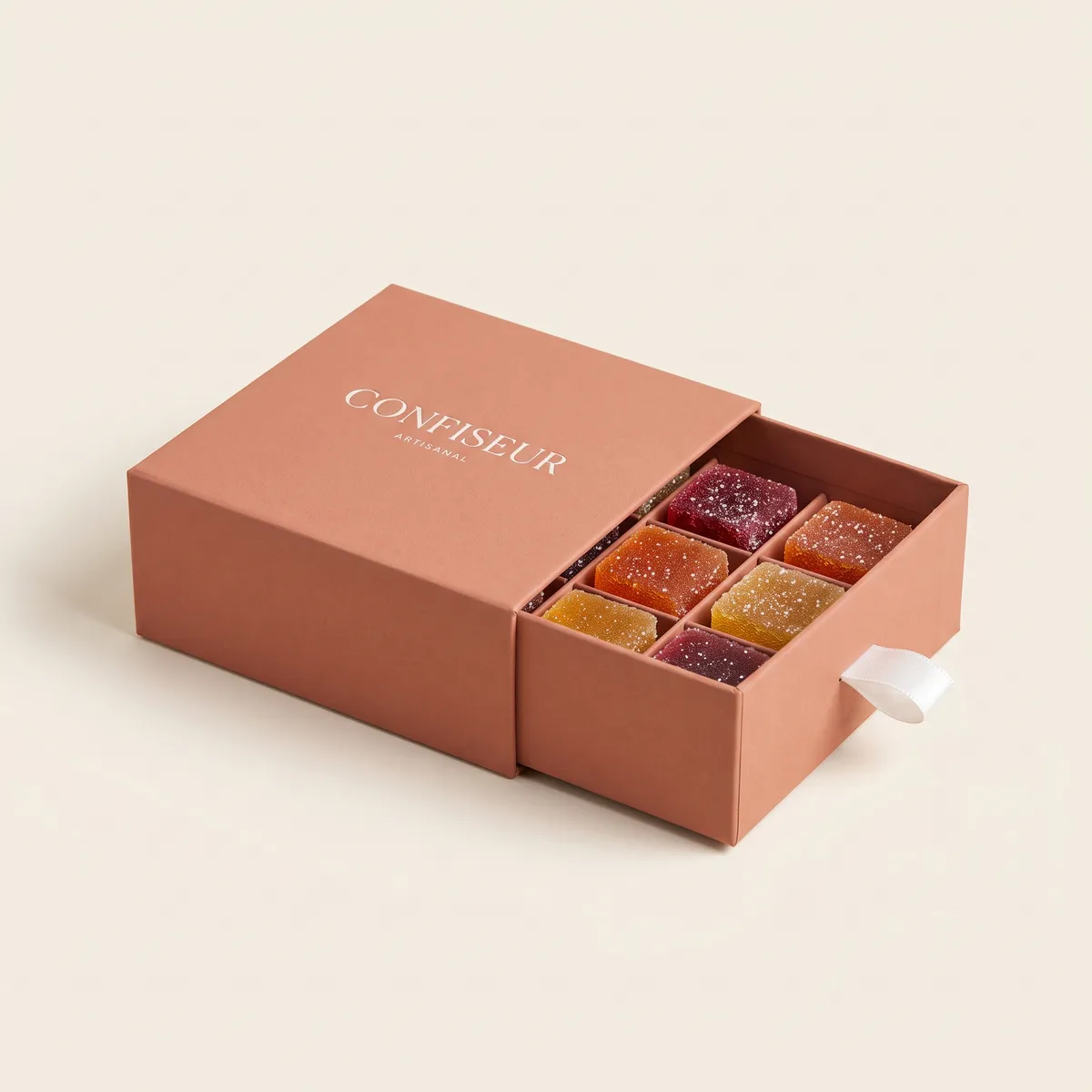
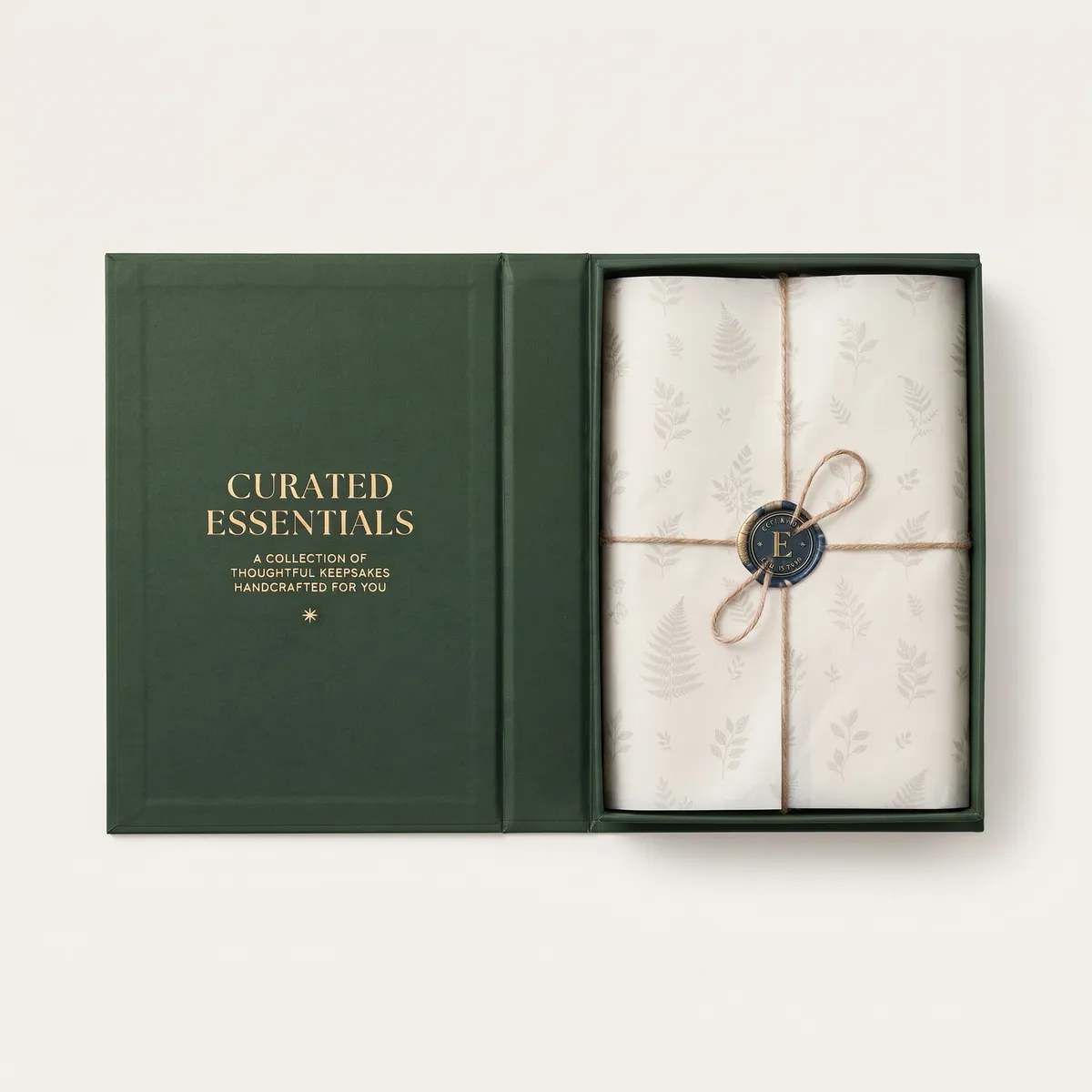
- Chocolate and confectionery sells overwhelmingly as a gift, where the tray layout and the reveal are most of what the buyer is paying for.
- Gifting and corporate is the broadest use, spanning any product that needs to arrive as an occasion rather than a delivery.
- Premium beauty and skincare uses it for hero SKUs and launch sets, where the box has to hold its own against established names on a shelf.
- Wine and spirits splits cleanly — a functional shipper for transit and a presentation box for gifting, with only the second one requiring this treatment.
- Electronics applies the same thinking with different language: restrained, matte, and minimal, but structurally identical in its demand for fit and a controlled open.
What connects them isn't the product. It's that in each case the customer decides whether the price was fair partly on the basis of how the packaging felt in their hands.
Deciding How Far to Take It
Not every product needs the full treatment, and knowing where to stop is most of the skill.
Match the tier to the price point. As a rough guide, a folding carton with a good insert serves products up to a moderate retail price; rigid earns its cost once the product is genuinely expensive, gifted, or kept afterwards. Paying for rigid on a low-price item doesn't lift perceived value — it just lowers your margin. Spend on structure before finish. A thick core, a fitted insert, and a closure with some resistance will read as premium with no decoration at all, while foil on a flexing box fools nobody. If the budget only stretches to one, make it the build. Then add one finish, not four. A single foil mark or clean deboss on a quiet field does more than a stack of competing effects, and costs considerably less in tooling and schedule.
Two places to hold back. If the box ships through a parcel network unprotected, soft-touch will arrive scuffed, so either protect it or choose a more durable finish. And if you run frequent seasonal variants, a printed sleeve over a standard rigid base gives you several looks for one set of tooling — the most efficient premium decision available.
On our side: send us the product dimensions and we'll build the dieline and insert cavity around them, confirming measurements in writing, because on premium packaging fit is most of the effect. Revisions before print are unlimited and free. Every box passes a three-stage check before it ships. If bulk misses your approved proof, we reprint at our cost. No hidden costs on the quote, guaranteed. From 100 units, free samples above 10,000, 8–12 business days, shipping included.
Unrivaled Support From Packaging Experts
From first sketch to full production, the same team carries your order through every stage.
Structural Engineering
We determine the right size, shape, and material for a snug fit and real protection.
Free Artwork Guidance
Our design team helps translate your brand into a box, at no added charge.
2D & 3D Mockups
See your box come to life before a single sheet of board is cut.
Quality Assurance
Every run is checked in-line against the digital proof or physical sample you approved, not just at the end.
Fast Turnaround
8–12 business days standard, with rush options when timing is tight.
Tracked Shipping
Palletized freight or drop-ship, tracked from our dock to yours.
What brands say about their luxury packaging boxes
They live there rather than here, where we can't edit them, delete them, or pick which ones you get to see. That is exactly what makes them worth reading.
Read all reviews on Trustpilot(opens in a new tab)Answers before you have to ask.
What actually makes a box count as luxury?
It's structural before it's decorative. A thick rigid core that doesn't flex, enough weight to feel substantial, an insert cut to the exact product, and a closure with some resistance so the box opens slowly. Foil and embossing sit on top of those four. A box that skips them feels ordinary however it's printed.
Do I need a rigid box, or can a folding carton look premium?
A well-made folding carton with a good insert reads premium up to a moderate price point, and it costs far less. Rigid earns its cost once the product is genuinely expensive, given as a gift, or kept afterwards. Paying for rigid on a low-price item lowers your margin without lifting perceived value.
How many finishes should I put on one box?
Fewer than you'd think. One well-placed effect on a quiet background reads more expensive than four competing for attention, and costs considerably less in tooling and schedule. Contrast is what works — a matte field with a single foil mark, or an uncoated wrap with one clean deboss.
How long do luxury boxes take to produce?
Rigid builds take 20 business days from proof approval, since the board is assembled and then wrapped; premium folding cartons take 8–12. Rush is available at an added cost, quoted before you commit, and shipping is included.
Can you help design a luxury box, or do I supply artwork?
Both. Send a print-ready file, or hand us your logo and the product dimensions and our team will design the box, the insert cavity and the finish, then send a proof before anything is cut. Design help is unlimited and free. Free samples on orders above 10,000 boxes.