
Custom Bakery Boxes, Soft inside. Sturdy outside.
Pastries are delicate, and the trip from your counter to the customer's kitchen is where they usually suffer — a weak box crushes the very thing people paid for. Custom bakery boxes pair grease-proof, food-grade board with a sturdy build that keeps every pastry fresh and intact. Reorder the same sizes in minutes, with fast turnarounds that keep pace with a busy bakery's week.
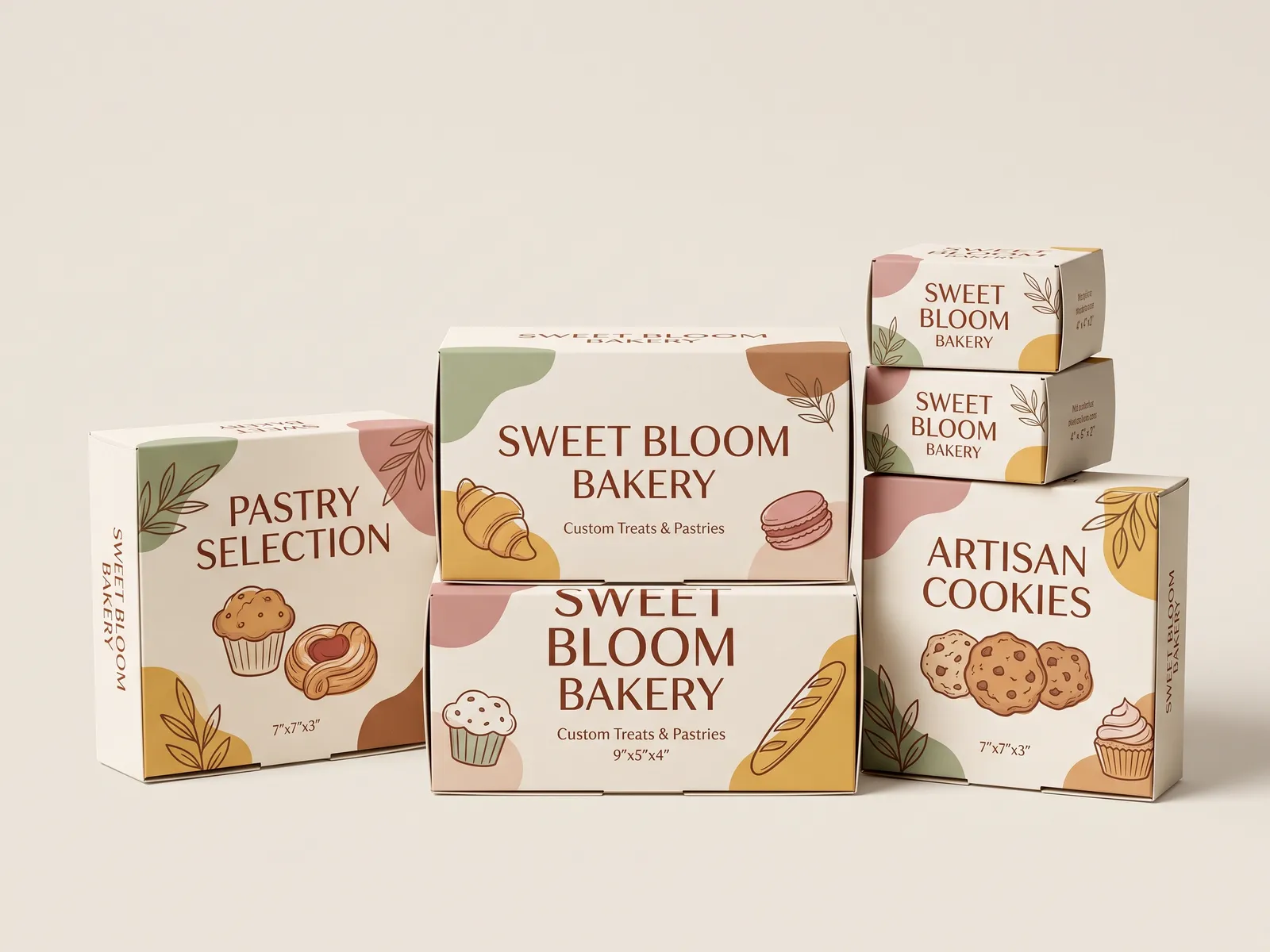
Materials & Options for Bakery Boxes
E-Flute Corrugated
Thin profile, strong crush resistance — the standard for most mailer boxes.
B-Flute Corrugated
A thicker flute for heavier contents or extra stacking strength.
Kraft Paper
Unbleached, natural-brown stock with an earthy, eco-forward texture.
SBS Board
Solid bleached sulfate board for a smooth, print-ready white surface.
Offset Printing
Exact color matching for large runs — the standard for big projects.
Digital Printing
Fast turnaround on shorter runs, with no minimum plate setup cost.
Flexographic Printing
Distortion-free output built for large-run corrugated jobs.
UV Printing
Instantly cured ink that resists scratches and solvents.
Matte Lamination
Soft, non-reflective finish that reads premium under any light.
Gloss Lamination
High-shine coating that makes bold colors and photography pop.
Soft-Touch Coating
A velvety exterior resistant to moisture and fingerprints.
Spot UV & Foil
Raised gloss detail or metallic foil for logos and accents.
Discover Our Most-Requested Bakery Box Styles
Every style below runs through the same structural engineering and quality process — pick a starting point and we'll adjust the details to your product.
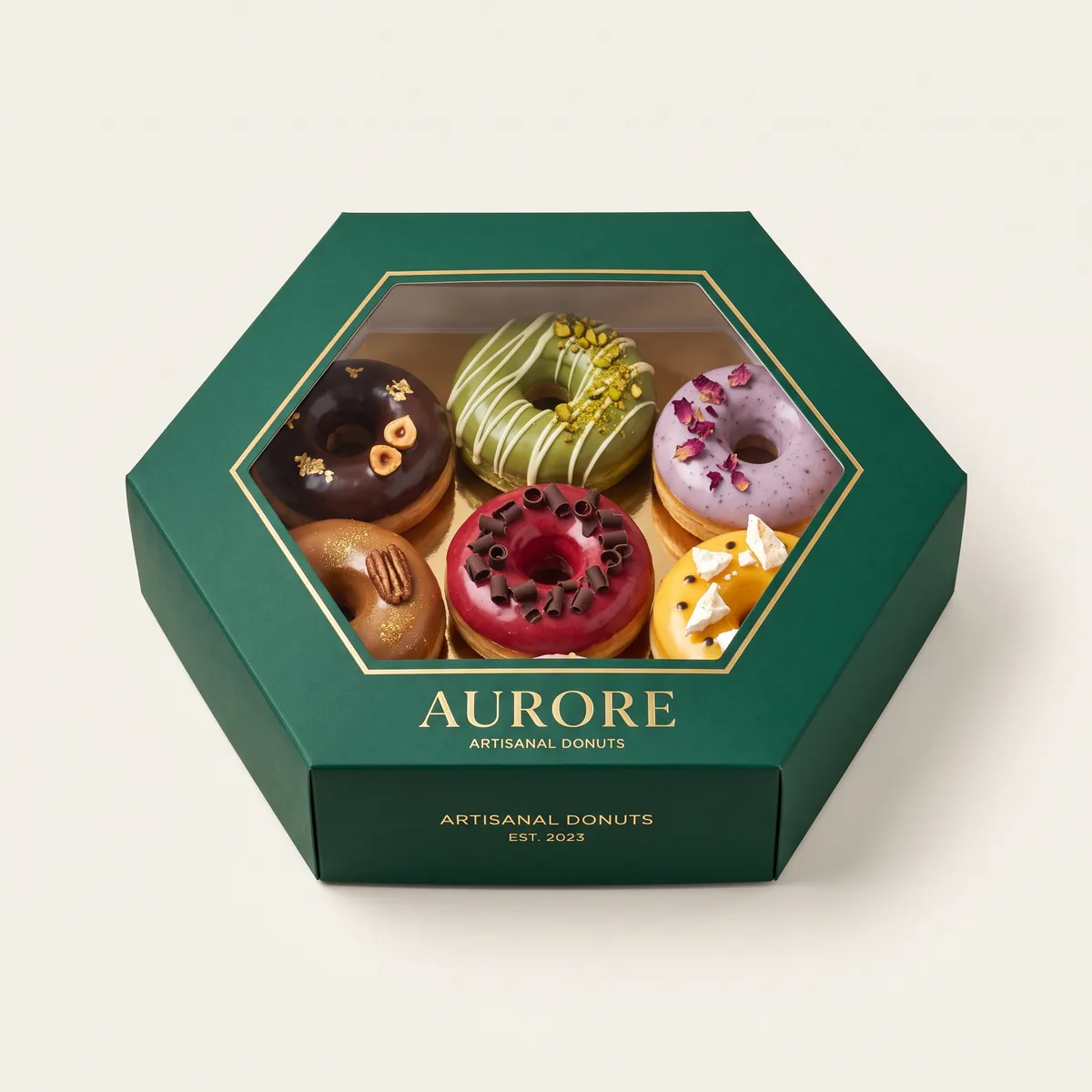
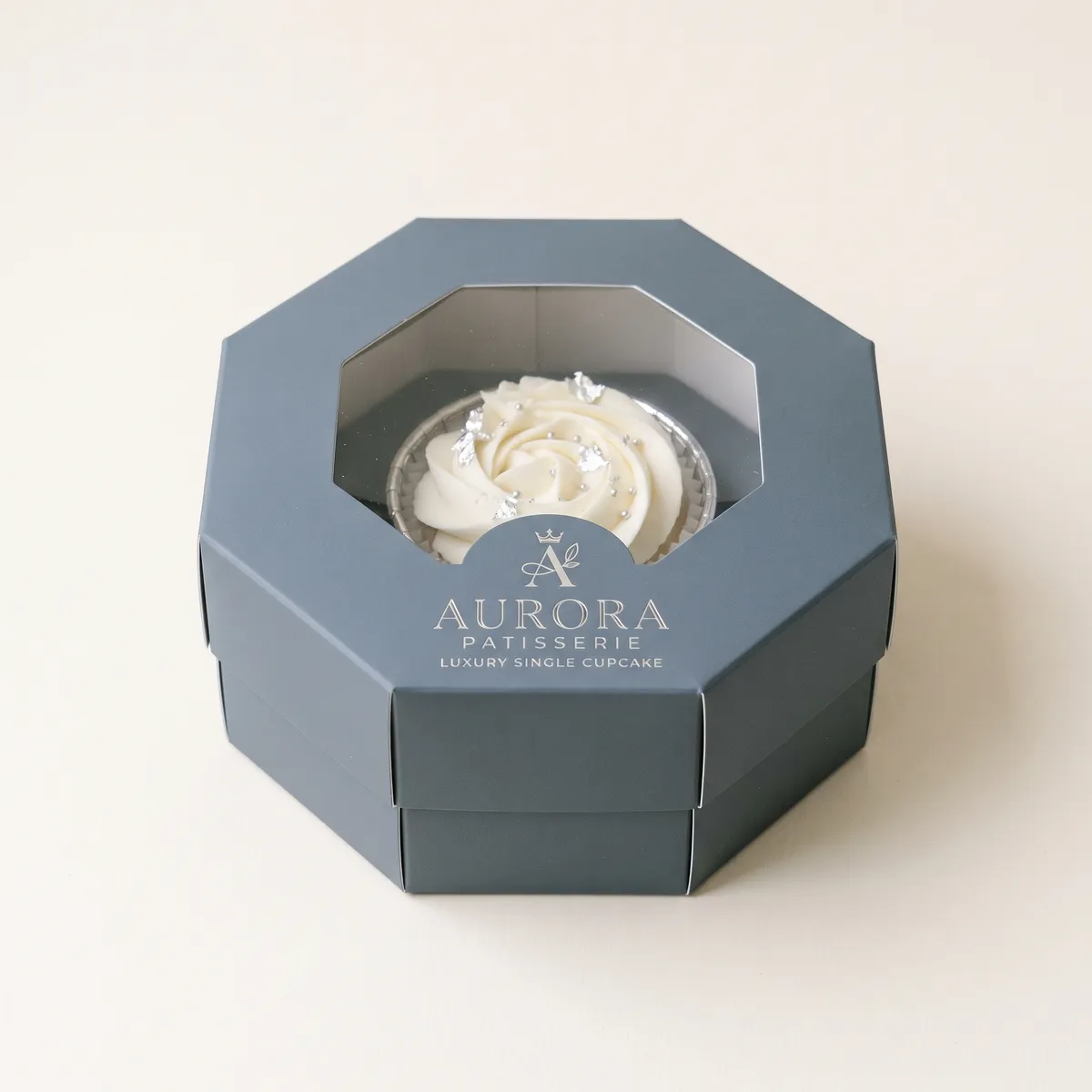
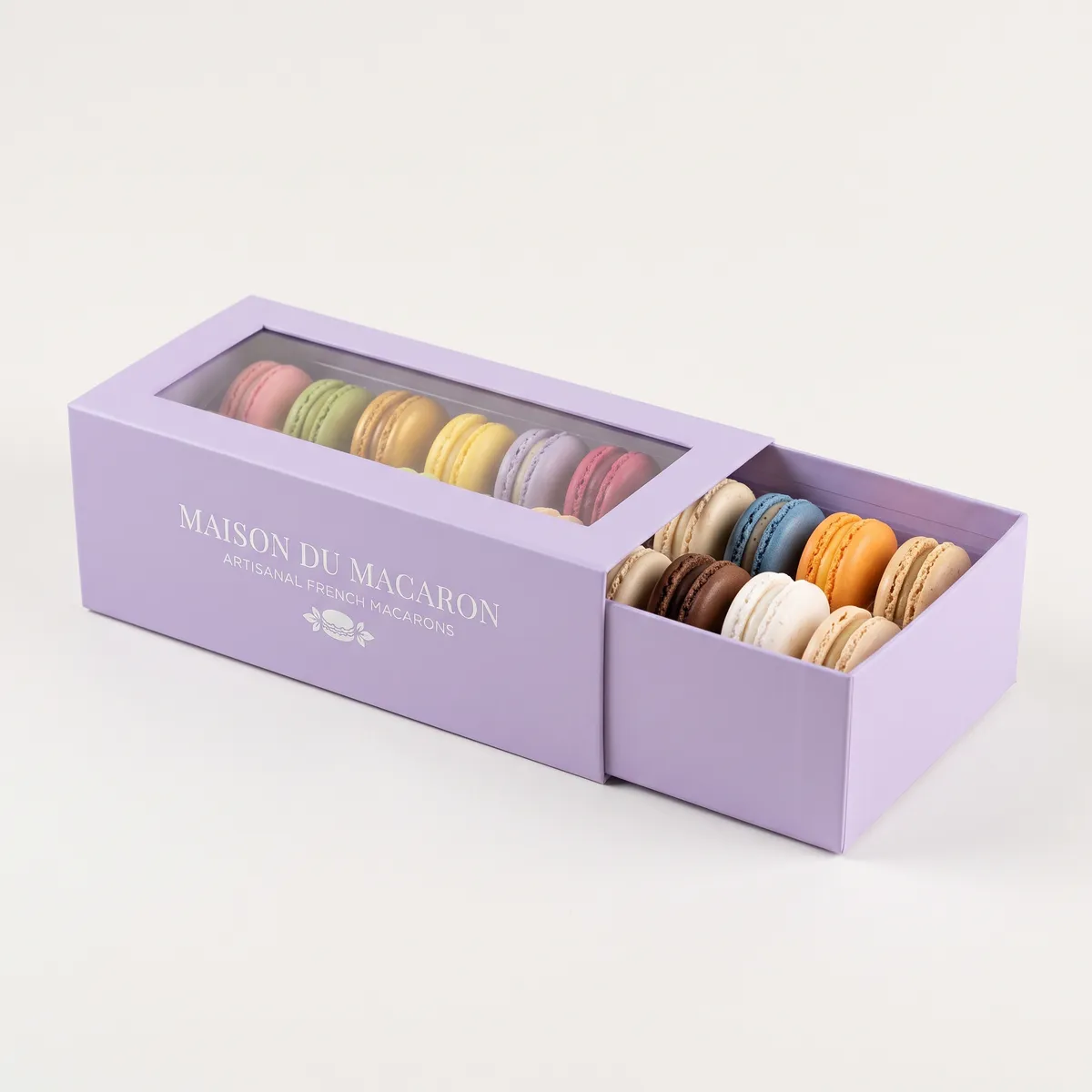
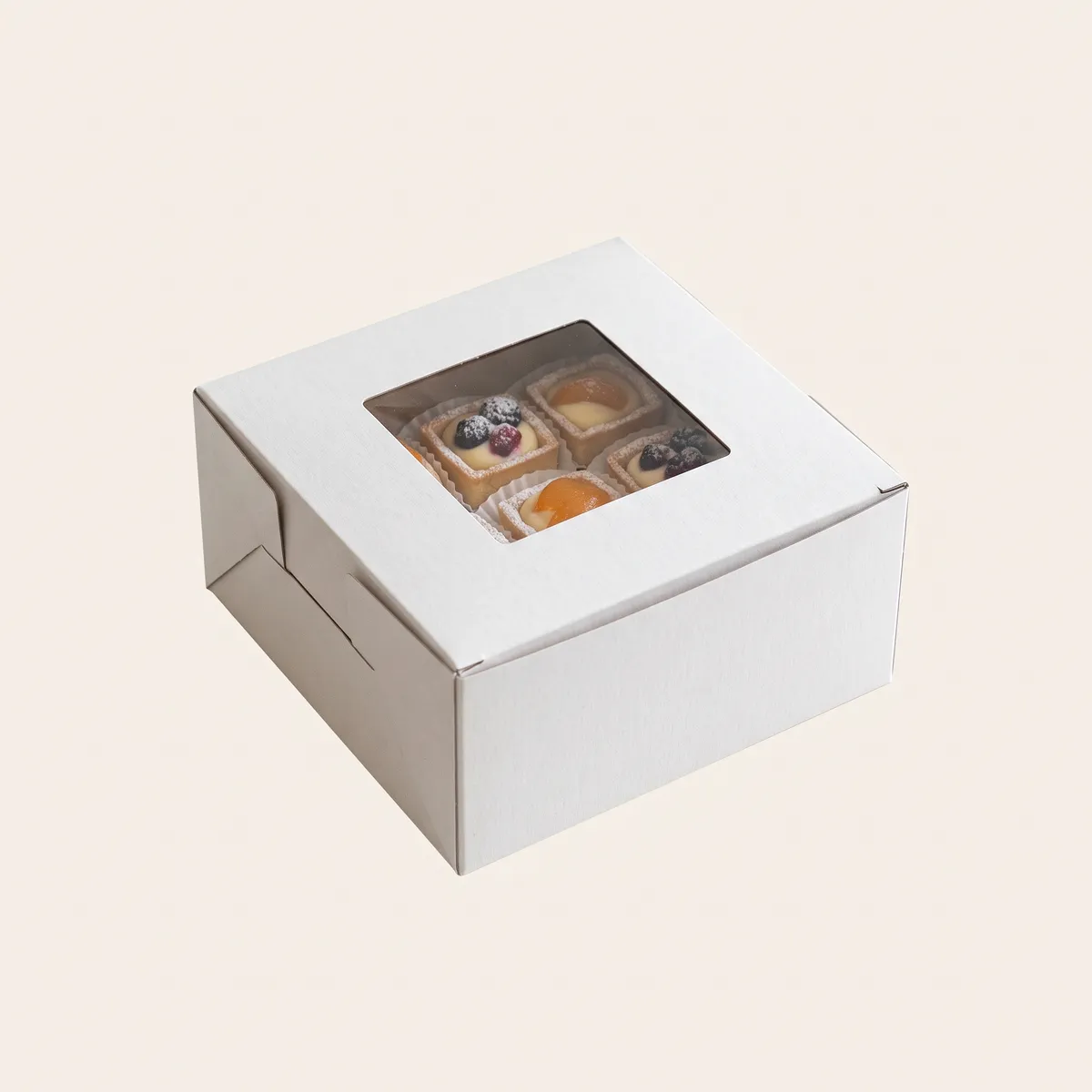
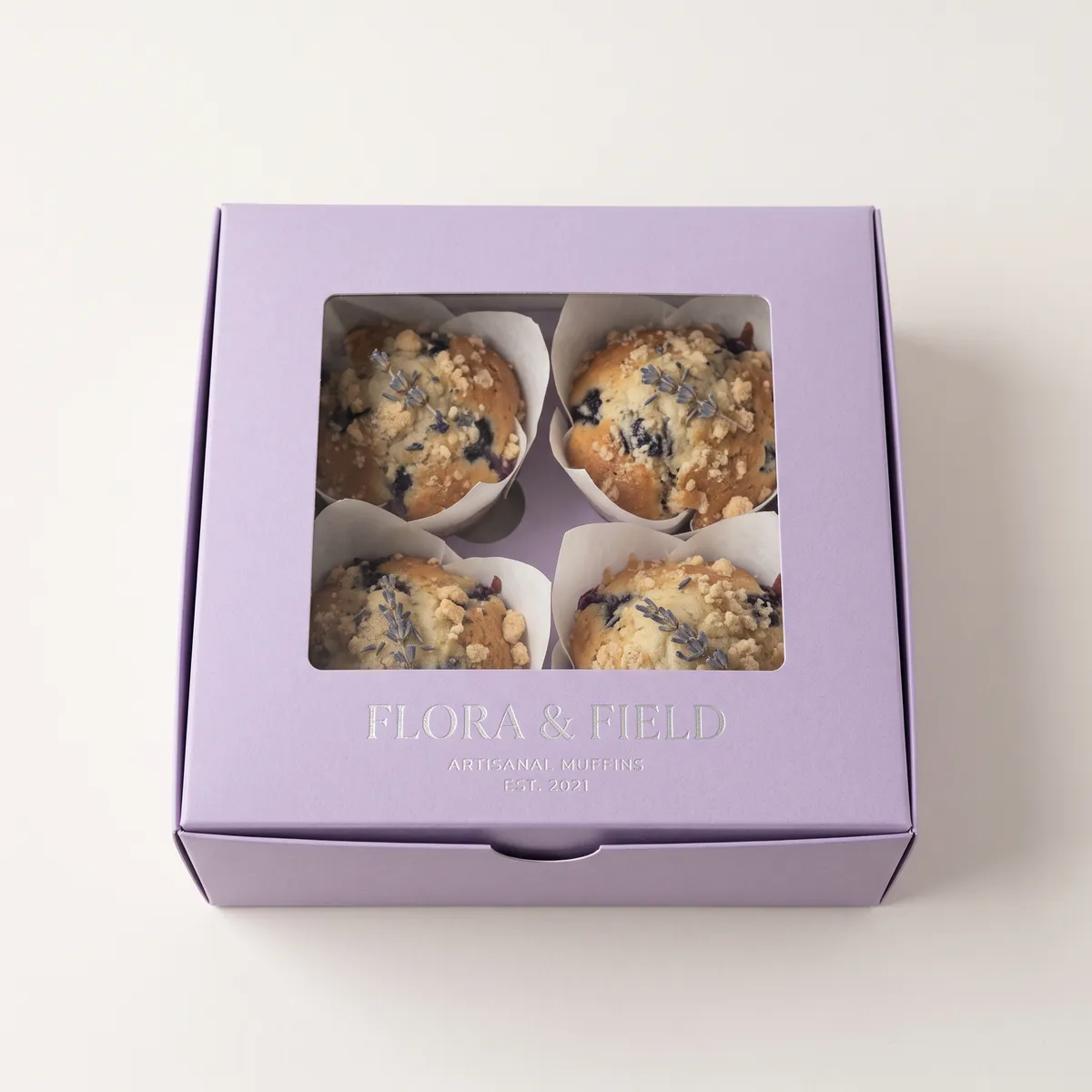
Where Pastries Meet Their End
The trip from the bakery counter to a customer's kitchen is where pastries usually meet their end — crushed against a lid that sits too low, sliding around in a box that's too big, or sweating in one that traps heat and moisture. A bakery box has to hold delicate, fresh product steady and keep it food-safe, without going soft from grease or collapsing under the weight of a full order. The buyers are bakeries, patisseries, cafés, and home-baking businesses whose entire reputation rides on the product arriving as good as it looked in the case. For them, packaging isn't overhead — it's the last step of the bake. The failure it prevents is heartbreaking in a small, specific way: a beautiful croissant that shows up dented, an éclair smudged across the lid, a box of macarons rattled into pieces. Each one is a refund and a customer who quietly doubts you next time. For taller and tiered work, the same thinking carries into cake boxes.
Grease-Resistant Board for Bakery Boxes
Bakery boxes have to stay food-safe and hold their shape under a full, sometimes warm load, so the board is food-grade kraft or clay-coated stock in the 18–24pt range for counter boxes. Larger or heavier orders — sheet cakes, multi-item boxes — step up to E- or B-flute corrugated for the extra stiffness that stops a base bowing when it's carried flat. A grease-resistant finish on the inside face keeps butter and oil from bleeding through and staining the box on the way to the customer. Sizes range from small single-pastry cartons up to large flat cake boxes, cut so the product sits without sliding. Construction is usually an auto-bottom or a fold-flat tuck that assembles in one motion during a rush. Hold a tolerance around ±1/16" (1.5mm) — enough that the lid closes flush over the product without pressing down on it, which is what causes the smudged, crushed arrival.
Every Crushed Pastry Is a Total Loss
For a bakery, the box's payoff is the product arriving sellable, and the cost of failure is total: a crushed pastry isn't discounted, it's a refund plus a wasted bake plus a dented reputation. A box with a load-bearing base and a lid that clears the product — a lid-and-tray build, say — keeps that from happening, so more of what you make actually gets paid for. That protection maps straight to fewer refunds and less waste, both direct margin on a business where ingredients and labor are already spent by the time the box fails. The presentation angle drives the softer number: a beautiful bake in a box that matches it earns the photo, the repeat order, and the recommendation, while the same bake smudged across a cheap lid quietly loses all three. Grease-resistant board also protects the box's own appearance in transit, so it still looks worth the price at handover. Protect the product, protect the reorder — that's where the spend comes back.
Why Most Bakery Finishes Aren't Worth It
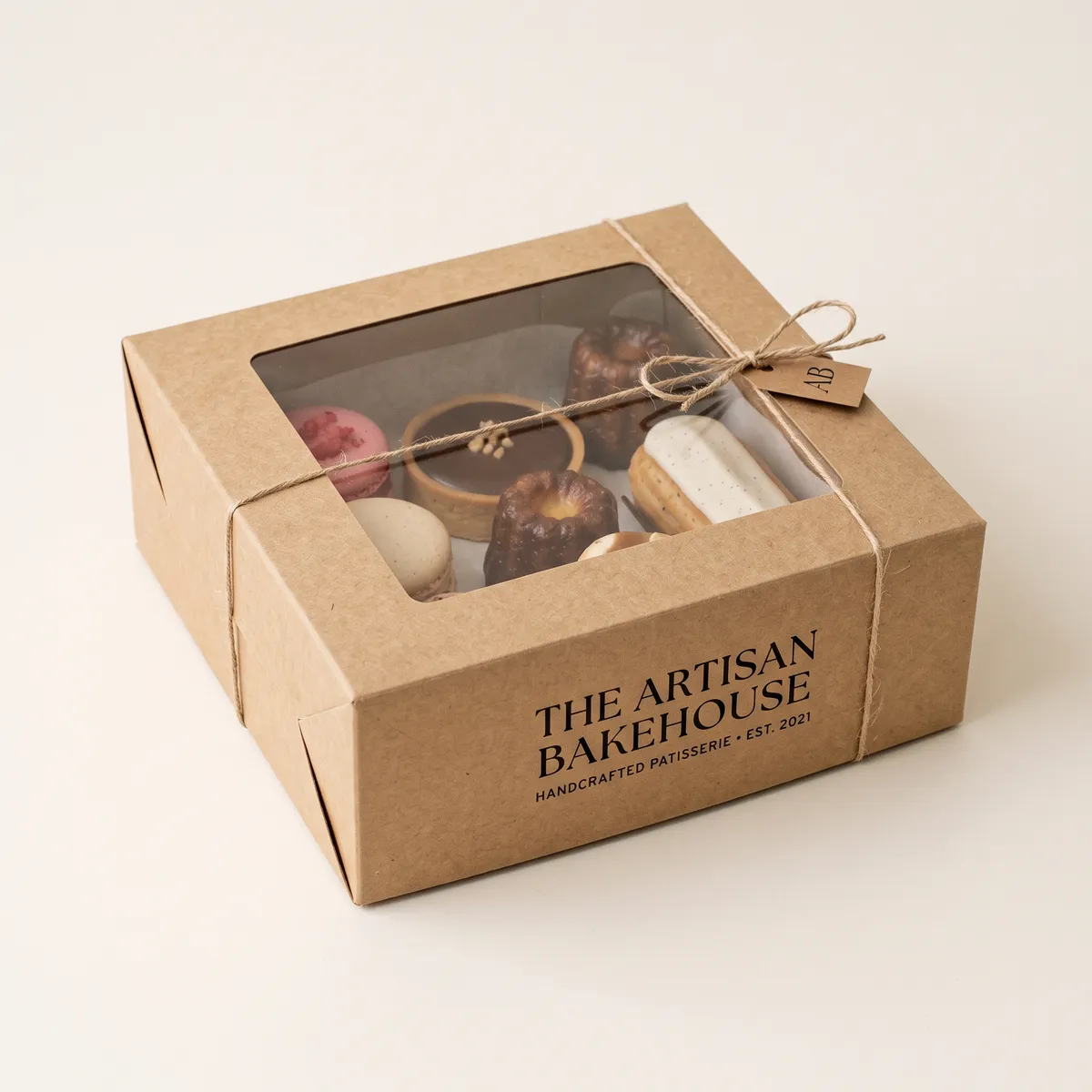
Bakery is a volume, low-margin print job, so the honest answer is that most premium finishes don't earn their place here. Flexo or offset in one to three colors on a food-grade cardboard or kraft carton gives you a clean, branded box at a price that works across thousands of units a month. Food-safe ink is a requirement, not an option, on anything touching product. The real finish decision is functional: you need grease resistance on the inside face, and that's a coating choice, not a decorative one. Avoid heavy gloss lamination on boxes carrying warm product — trapped moisture makes pastries sweat and the box go limp, which defeats the point. A window is usually a better investment than a surface finish, because it sells the product on a counter in a way that print can't. And a simple printed paper bag for smaller orders carries your branding at a lower unit cost than upgrading the carton. Spend on function; keep the decoration clean and cheap.
Bakery Box Formats for a Busy Counter
Bakeries buy for speed as much as looks, because someone is assembling these one-handed during a morning rush.
- Auto-bottom boxes — the workhorse. Pops open, locks its base, takes a pastry in one motion with no tape.
- Gable boxes — handle included, so a customer can carry without crushing the top. Suits cupcake boxes and picnic-style packs.
- Flat pastry and cake boxes — counter sales, usually with a window cut.
- Corrugated builds with separate lids — sheet cakes and larger orders.
Cupcakes need an insert regardless of outer style, or they slide and smear. Most bakeries settle on three or four sizes — a single-item box, a four or six, a dozen, and a flat cake box — which keeps unit costs down and simplifies the counter.
Assembly Speed Over Unit Price
Assembly speed is the decision most bakeries underweight. An auto-bottom costs a little more per unit and saves a second or two per box — across a morning rush that's real labor, and it's usually the right call over a tuck base. Board weight follows load: 18–24pt folding stock handles pastries and single items; step up to corrugated for sheet cakes and heavy multi-item orders where a base would bow. Don't over-specify caliper for light product, and don't laminate anything warm — trapped moisture will undo the box and the bake together. Most bakeries do best with three or four sizes rather than a dozen. If you also run cookie lines, cookies boxes share the same board; trays suit counter display.
Working with us: revisions before print are unlimited and free, so seasonal artwork changes don't cost you. Every box passes three separate checks before it ships — you shouldn't find a problem after a pallet arrives, and with us you won't. If a run misses your approved proof, the reprint is at our cost. There are no hidden charges on top of your quote, guaranteed. Reorders from 100 units, 8–12 business days, rush available with the premium stated upfront, and shipping is included in what you pay.
Unrivaled Support From Packaging Experts
From first sketch to full production, the same team carries your order through every stage.
Structural Engineering
We determine the right size, shape, and material for a snug fit and real protection.
Free Artwork Guidance
Our design team helps translate your brand into a box, at no added charge.
2D & 3D Mockups
See your box come to life before a single sheet of board is cut.
Quality Assurance
Every run is checked in-line against the digital proof or physical sample you approved, not just at the end.
Fast Turnaround
8–12 business days standard, with rush options when timing is tight.
Tracked Shipping
Palletized freight or drop-ship, tracked from our dock to yours.
Explore Other Box Styles
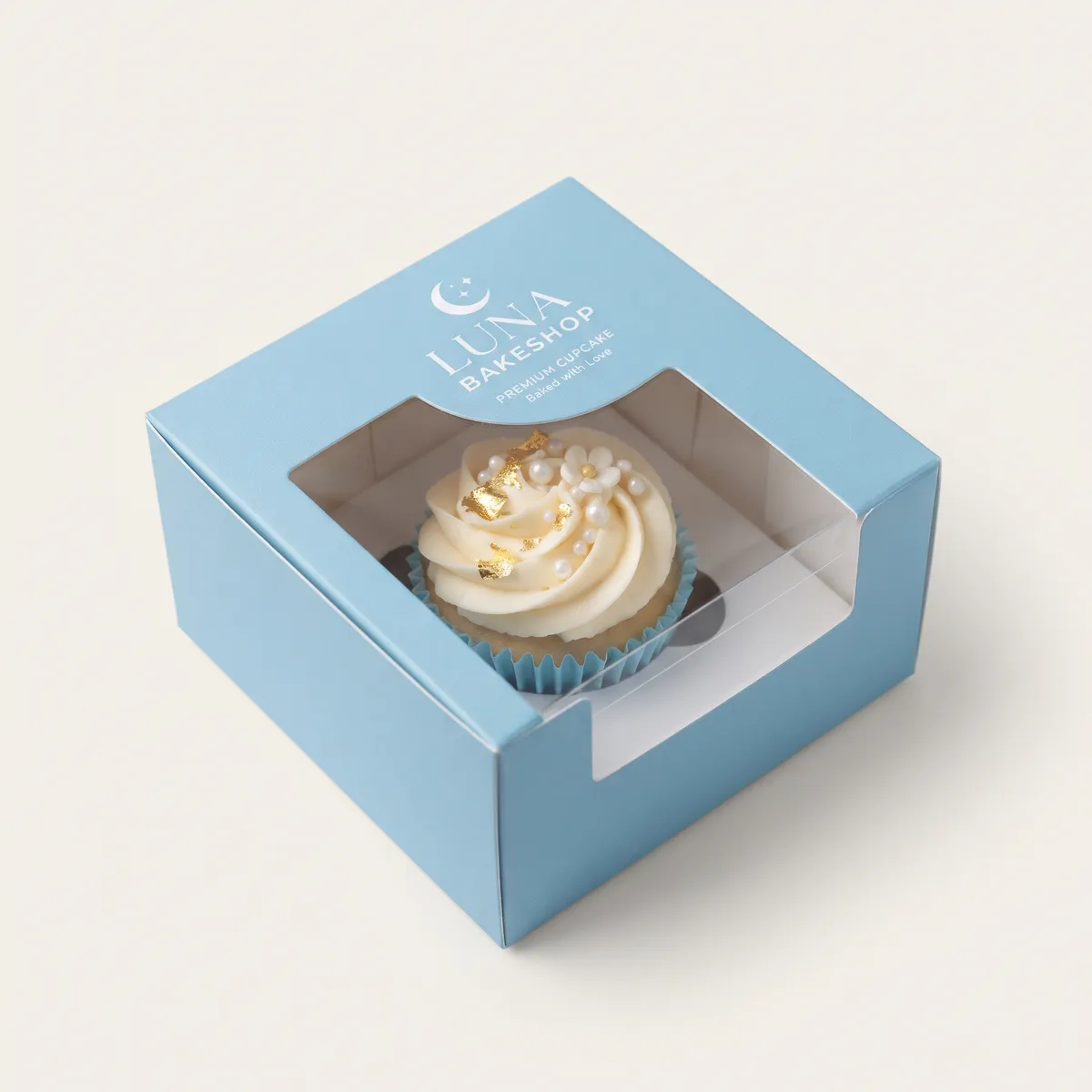
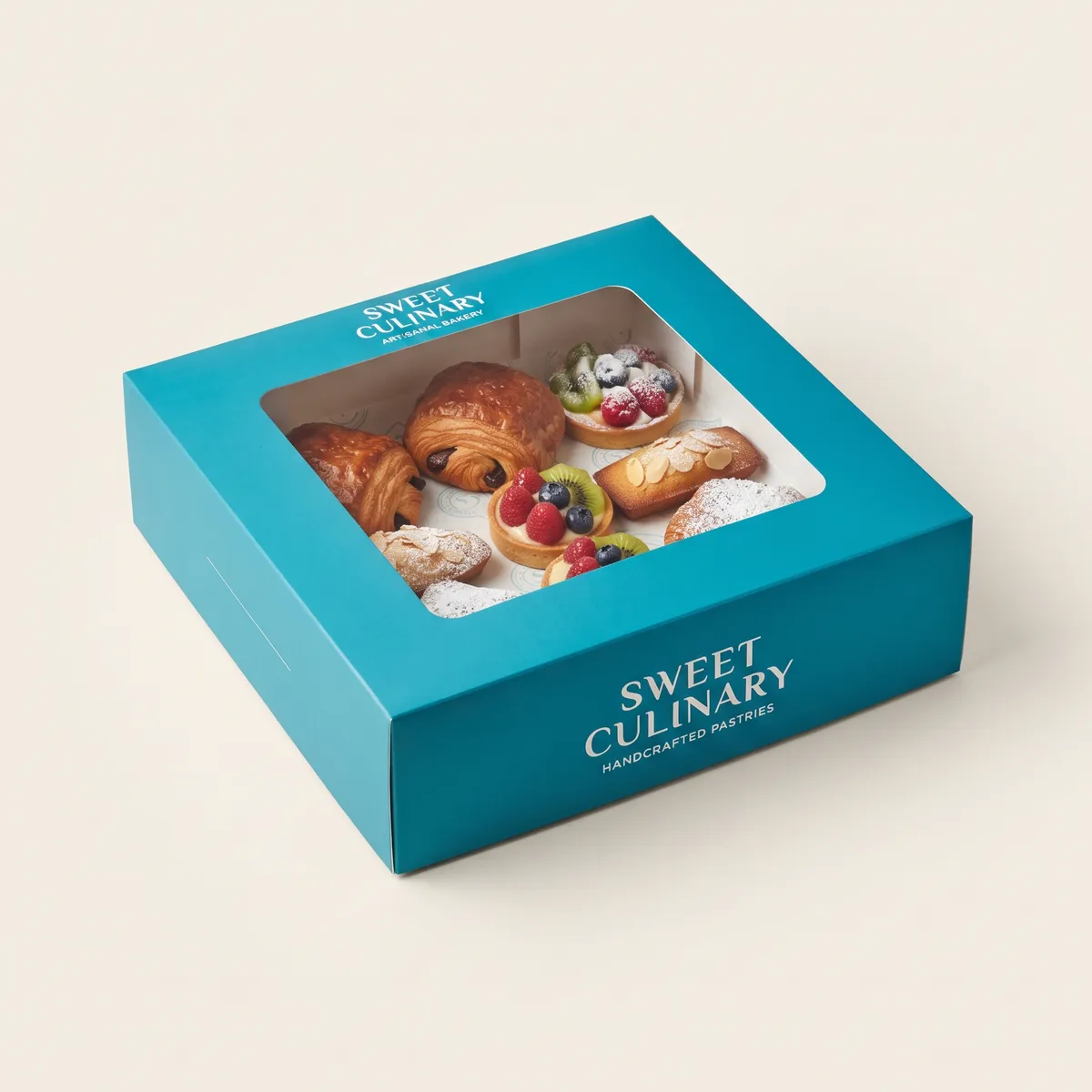
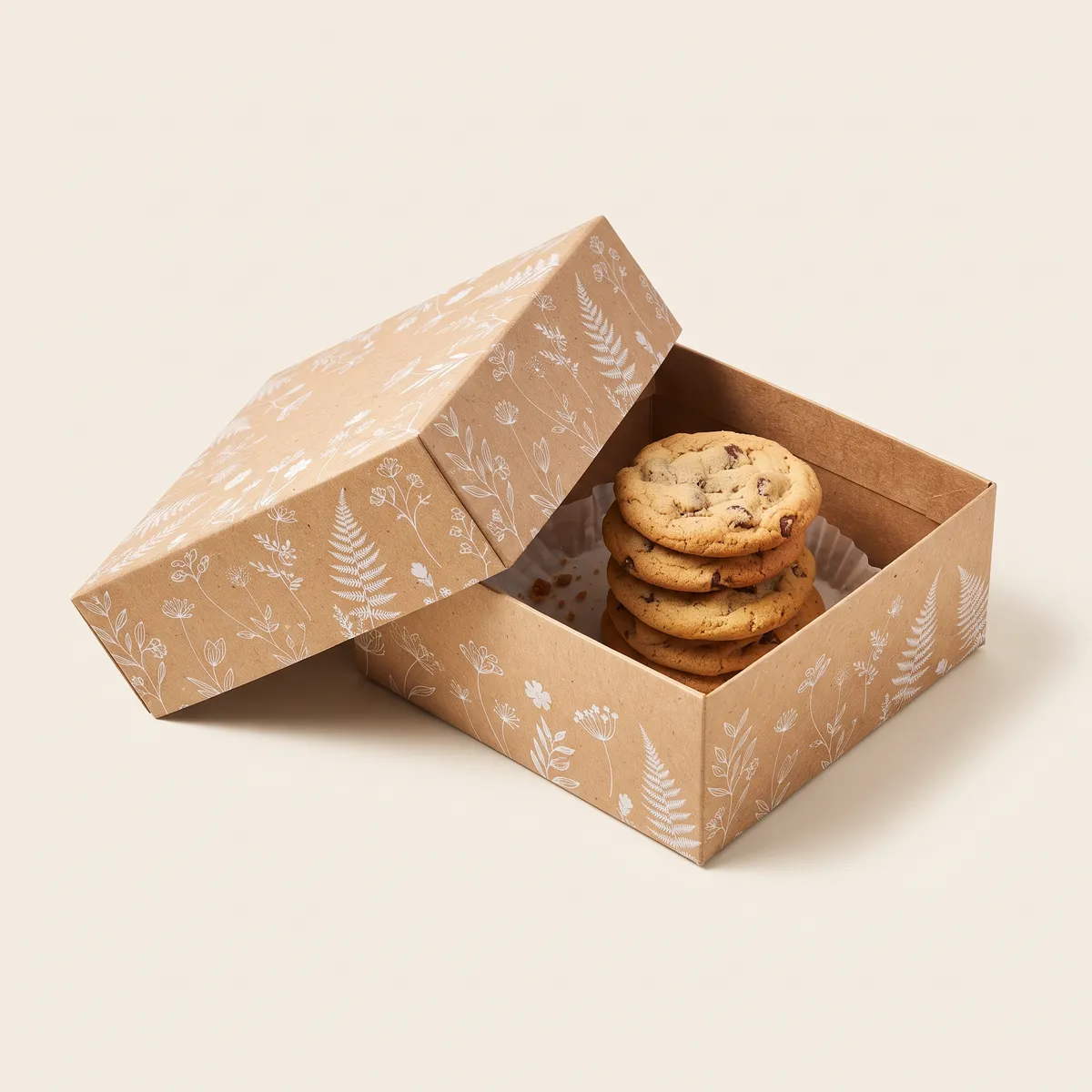
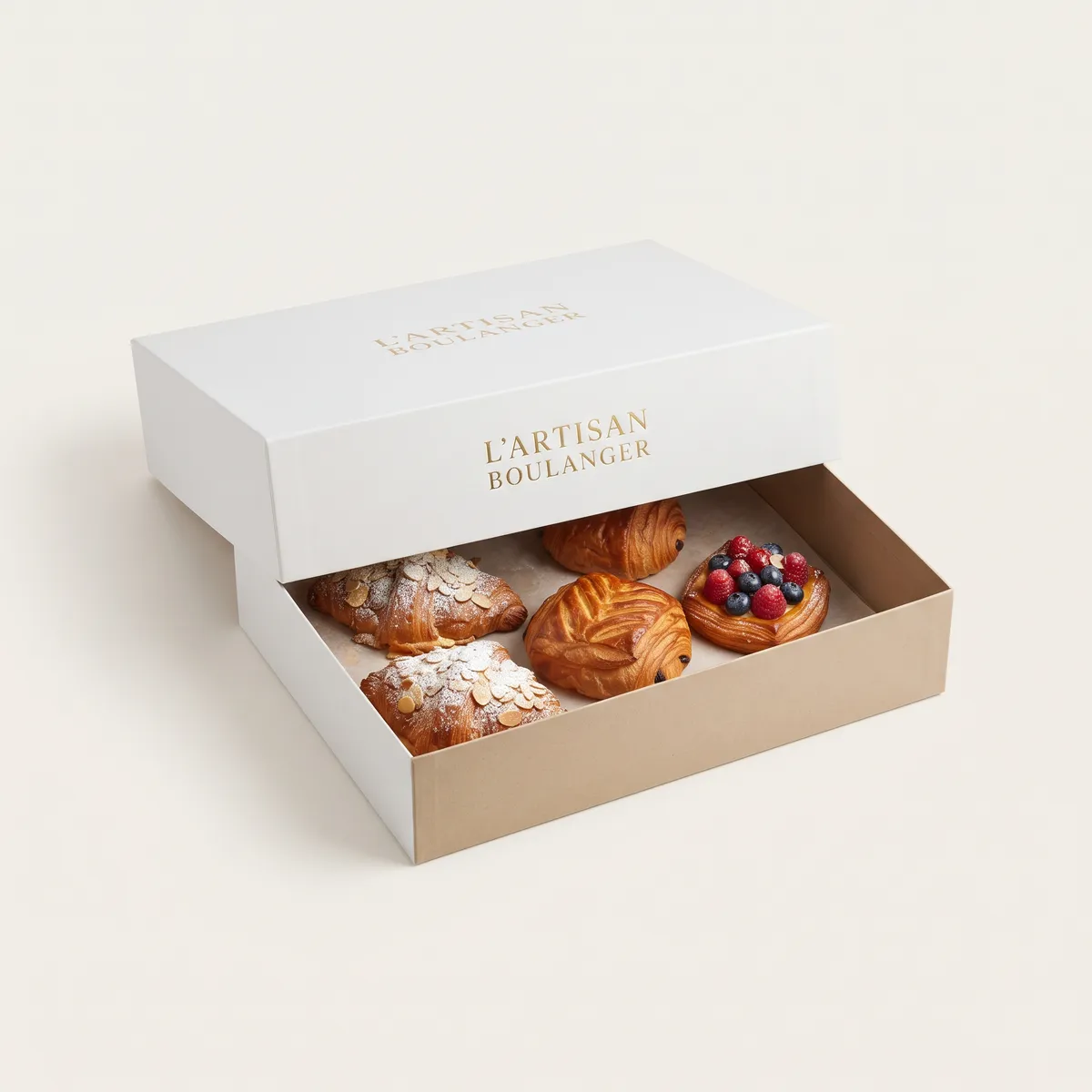
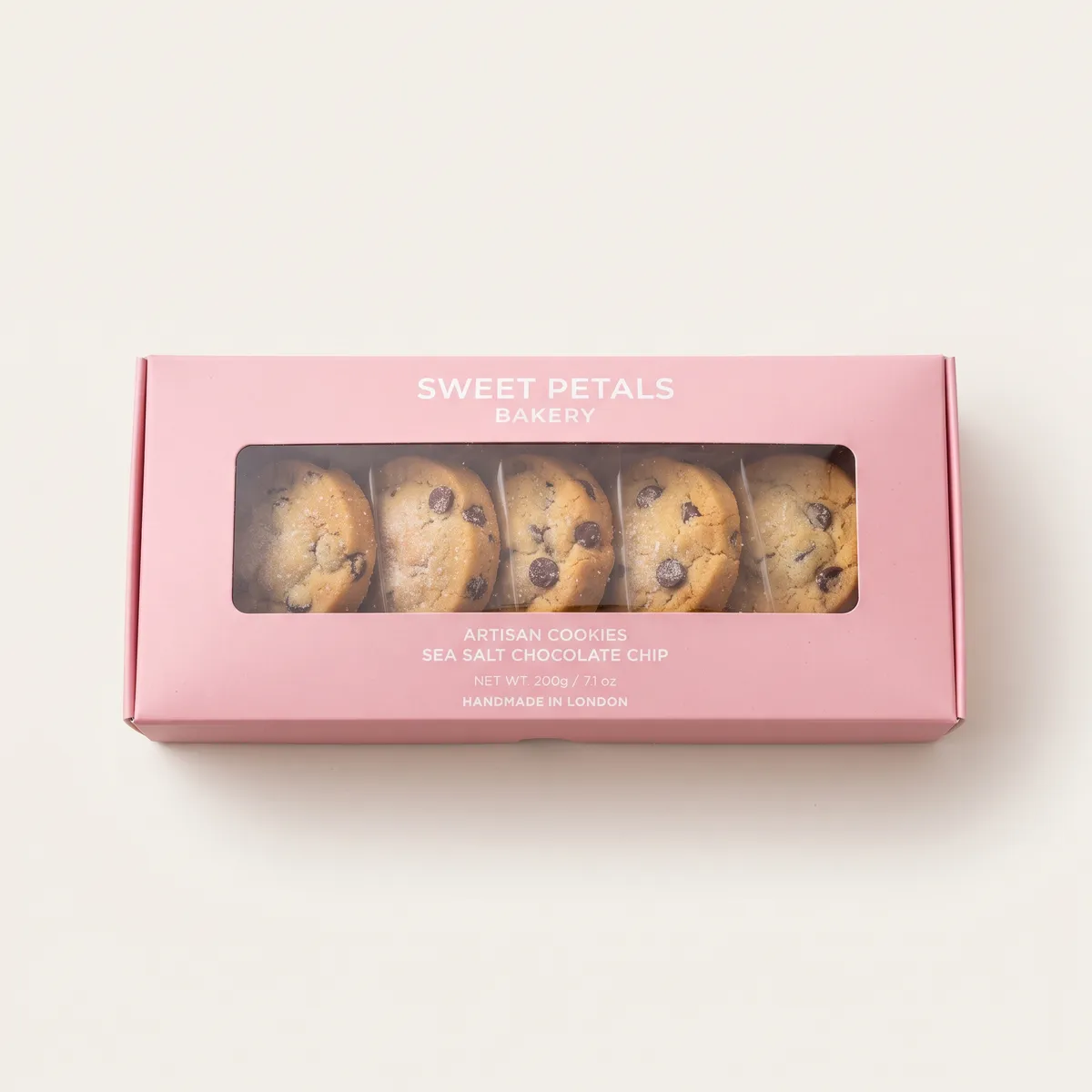
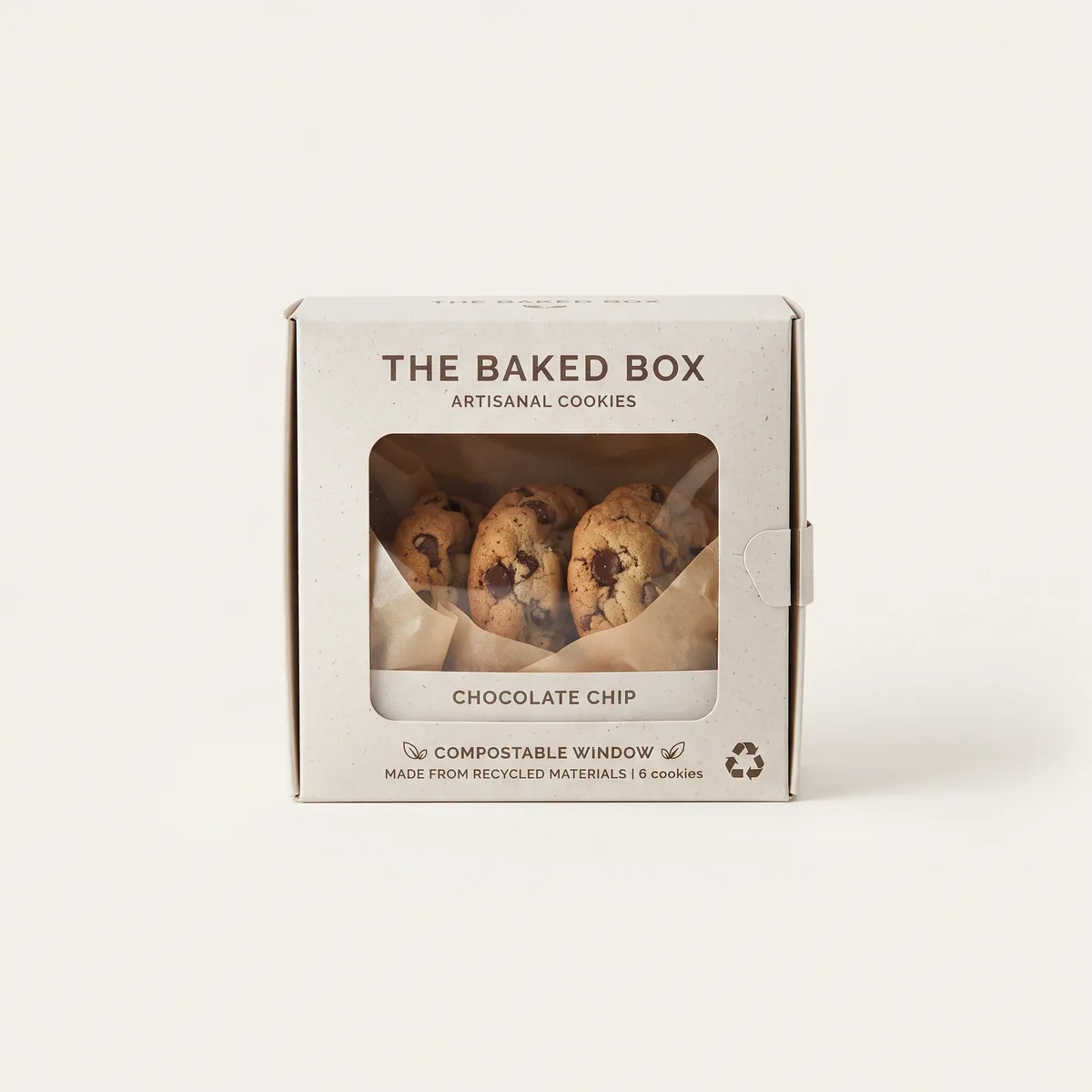
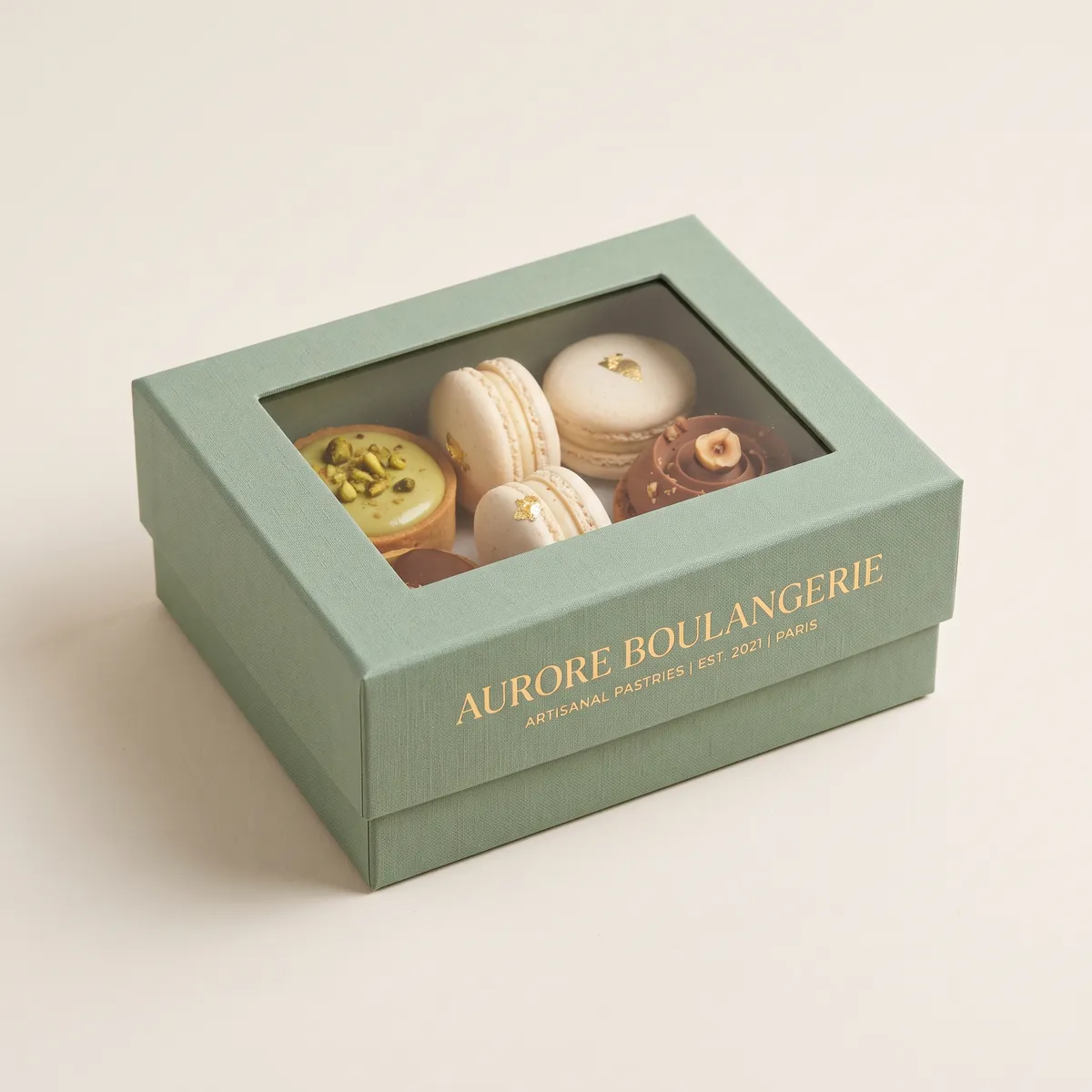
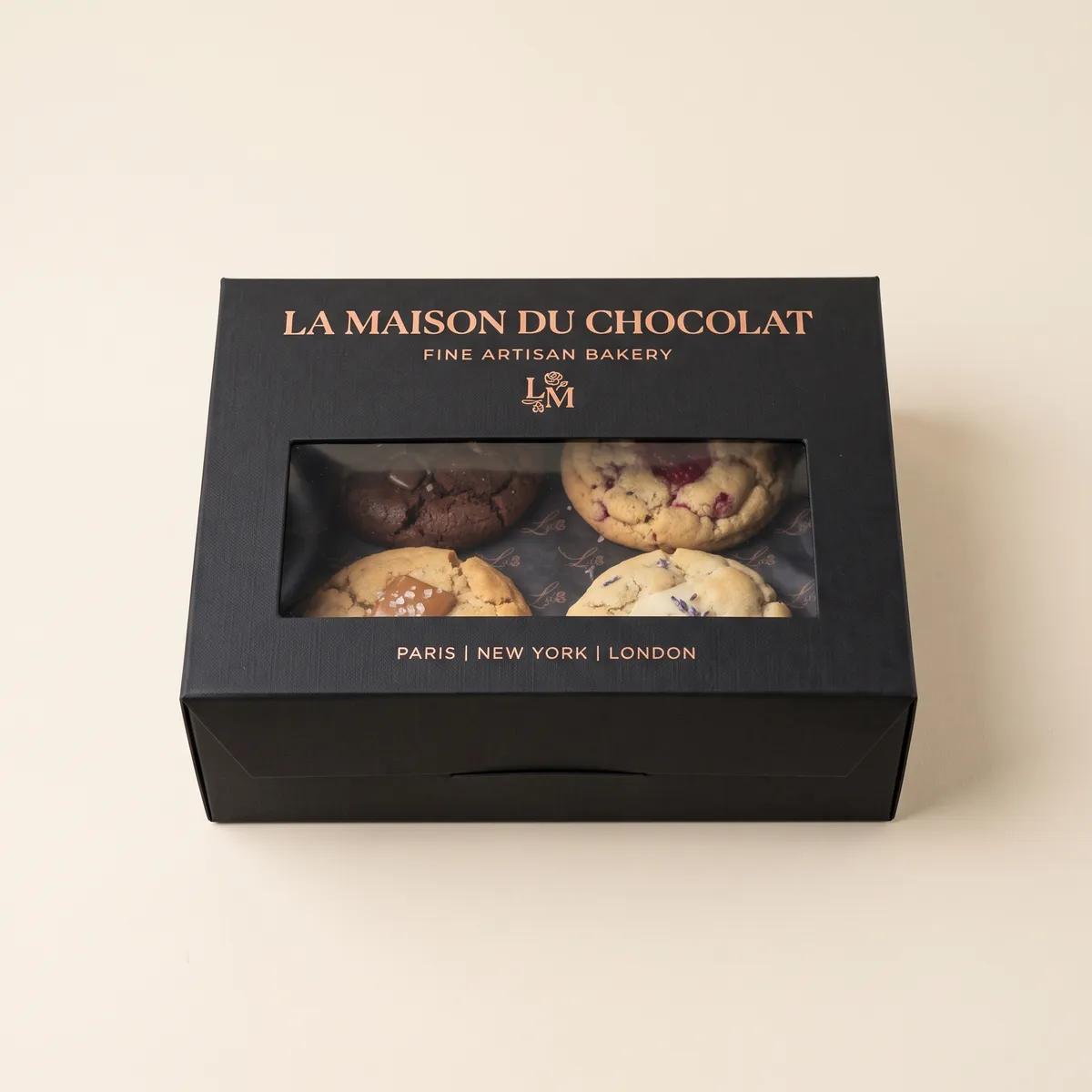
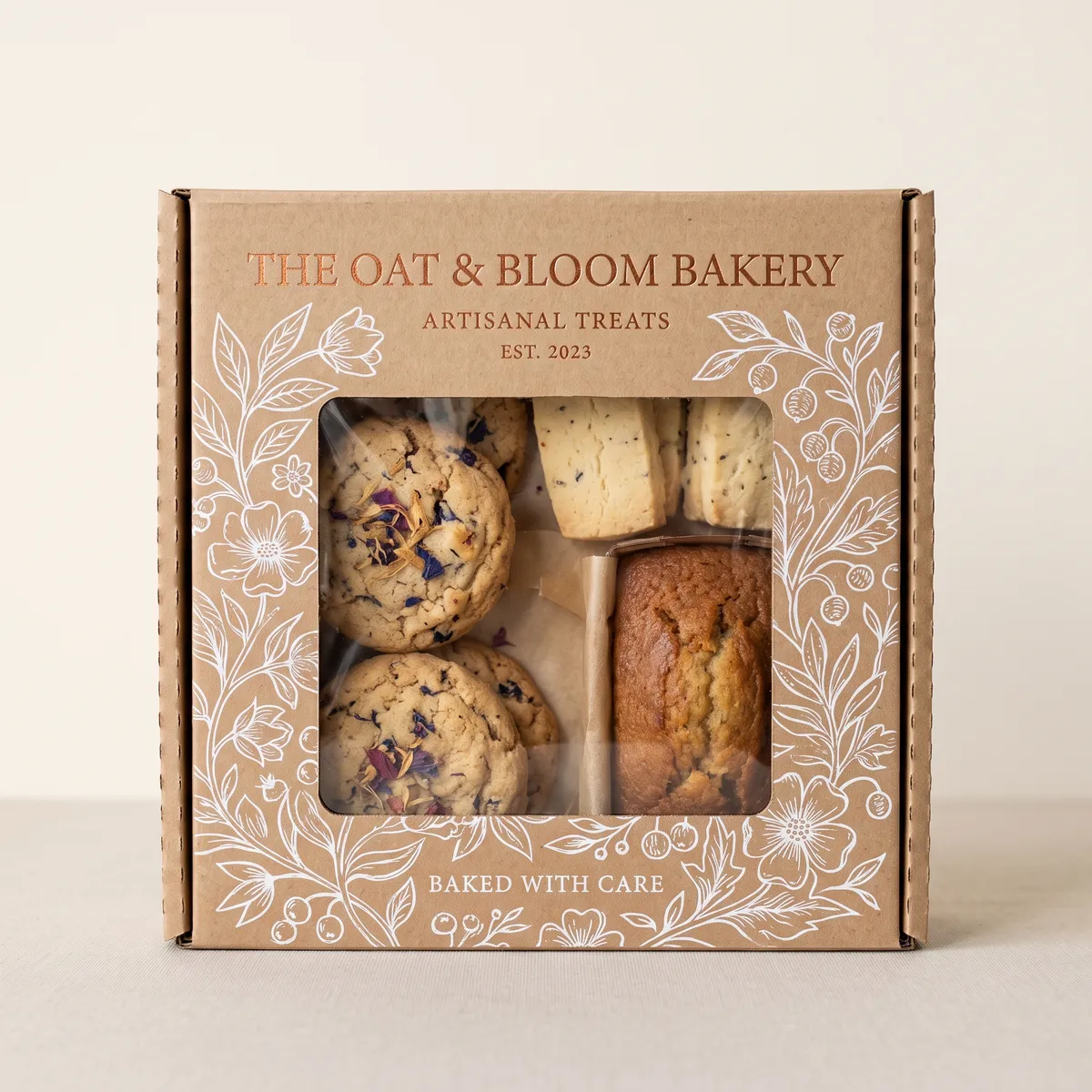
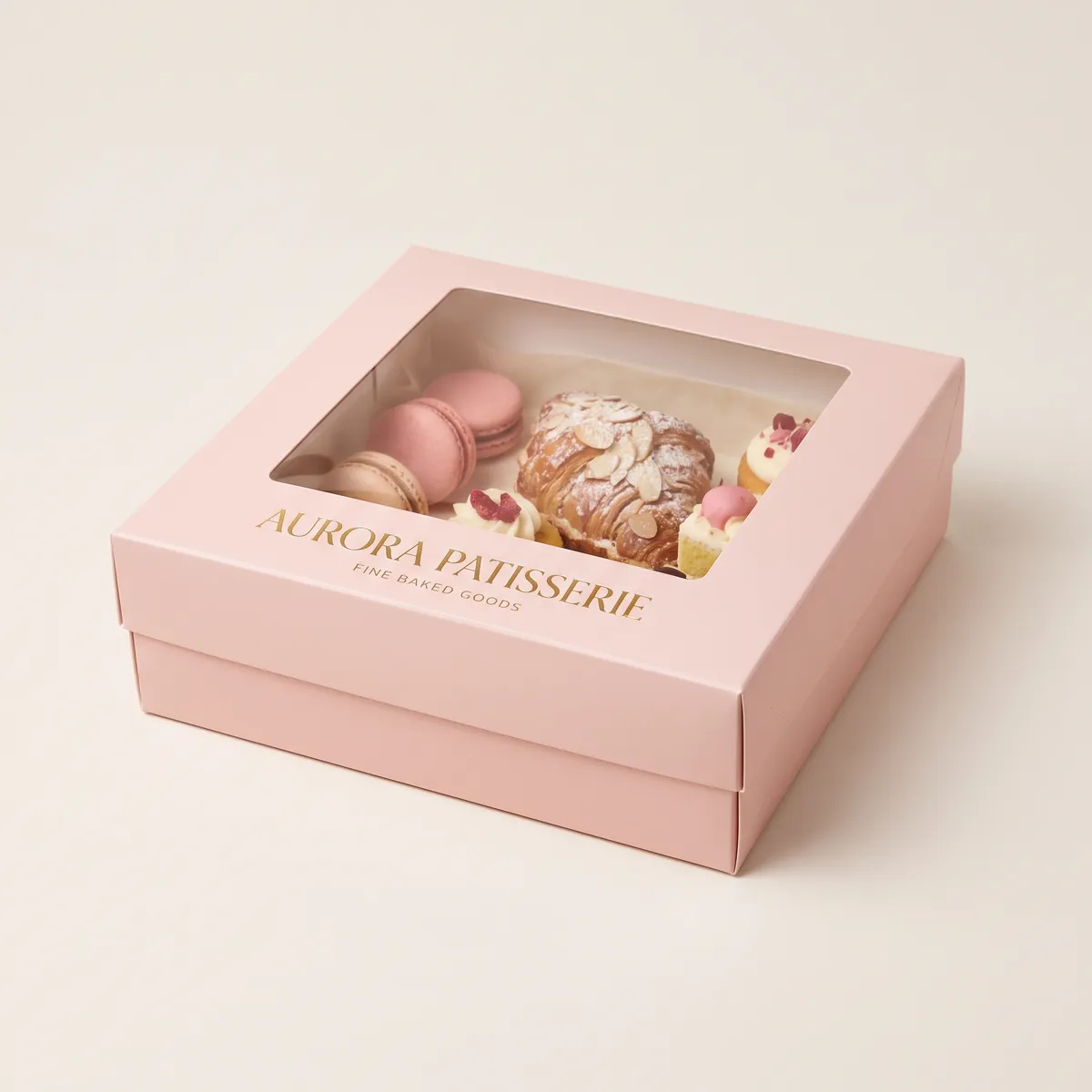
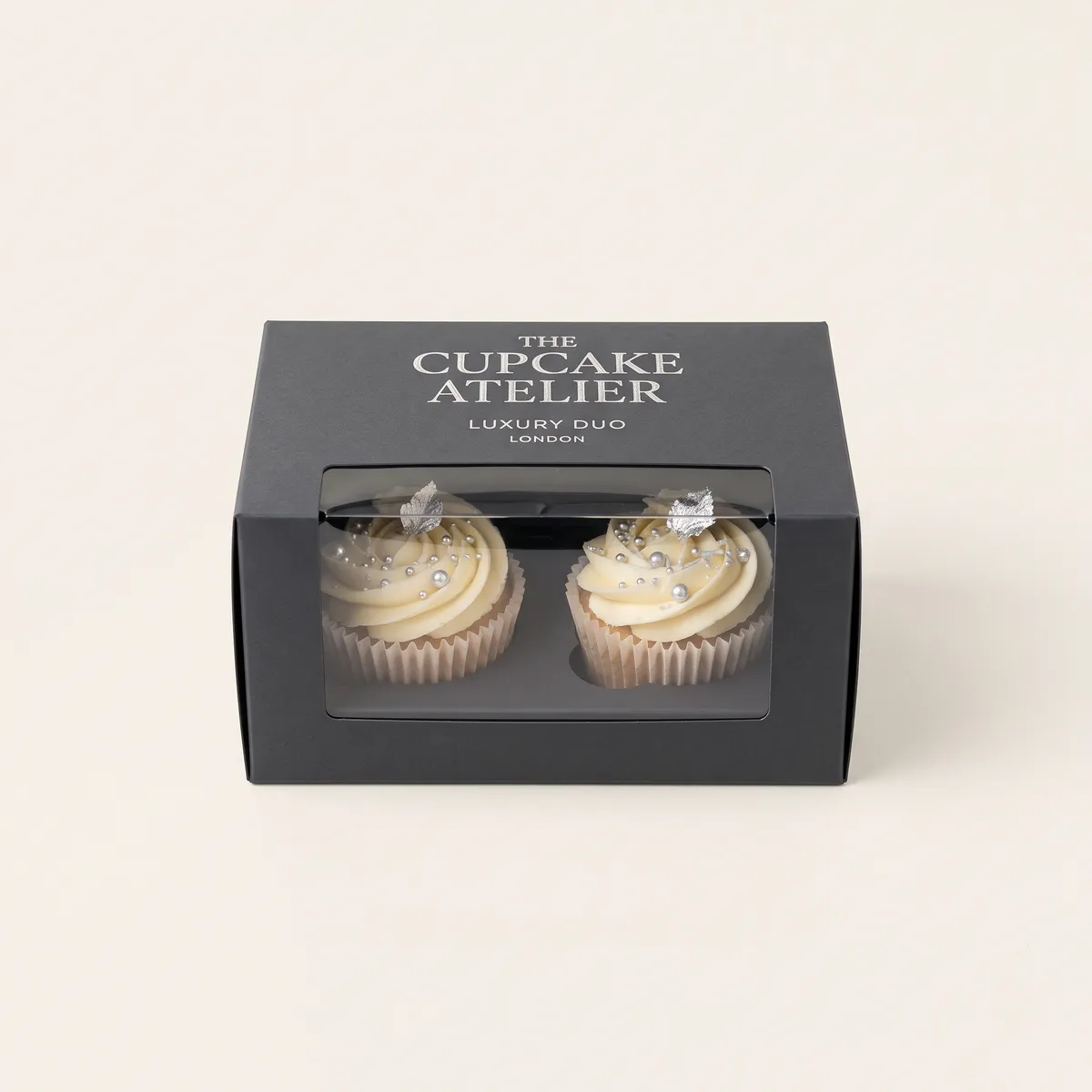
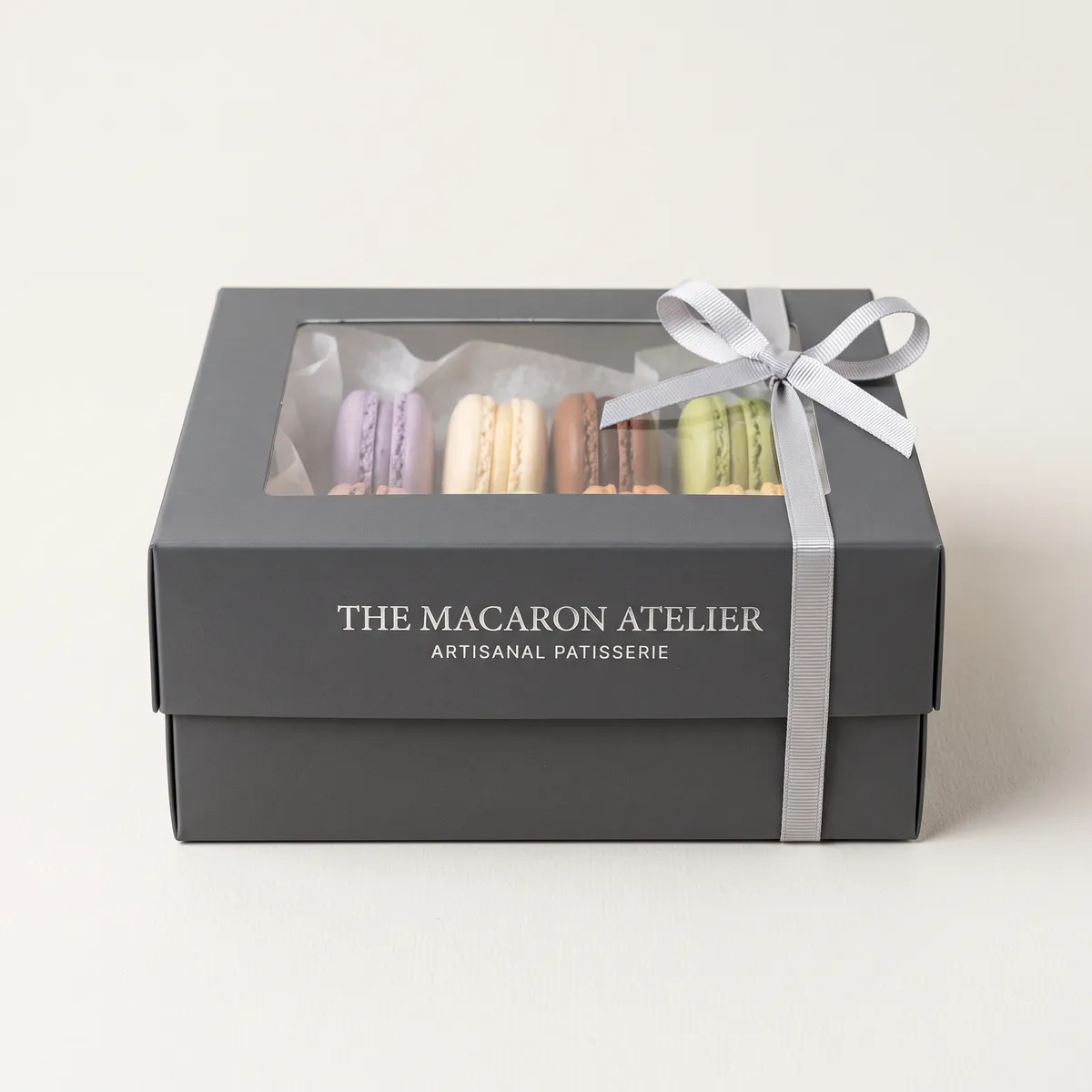
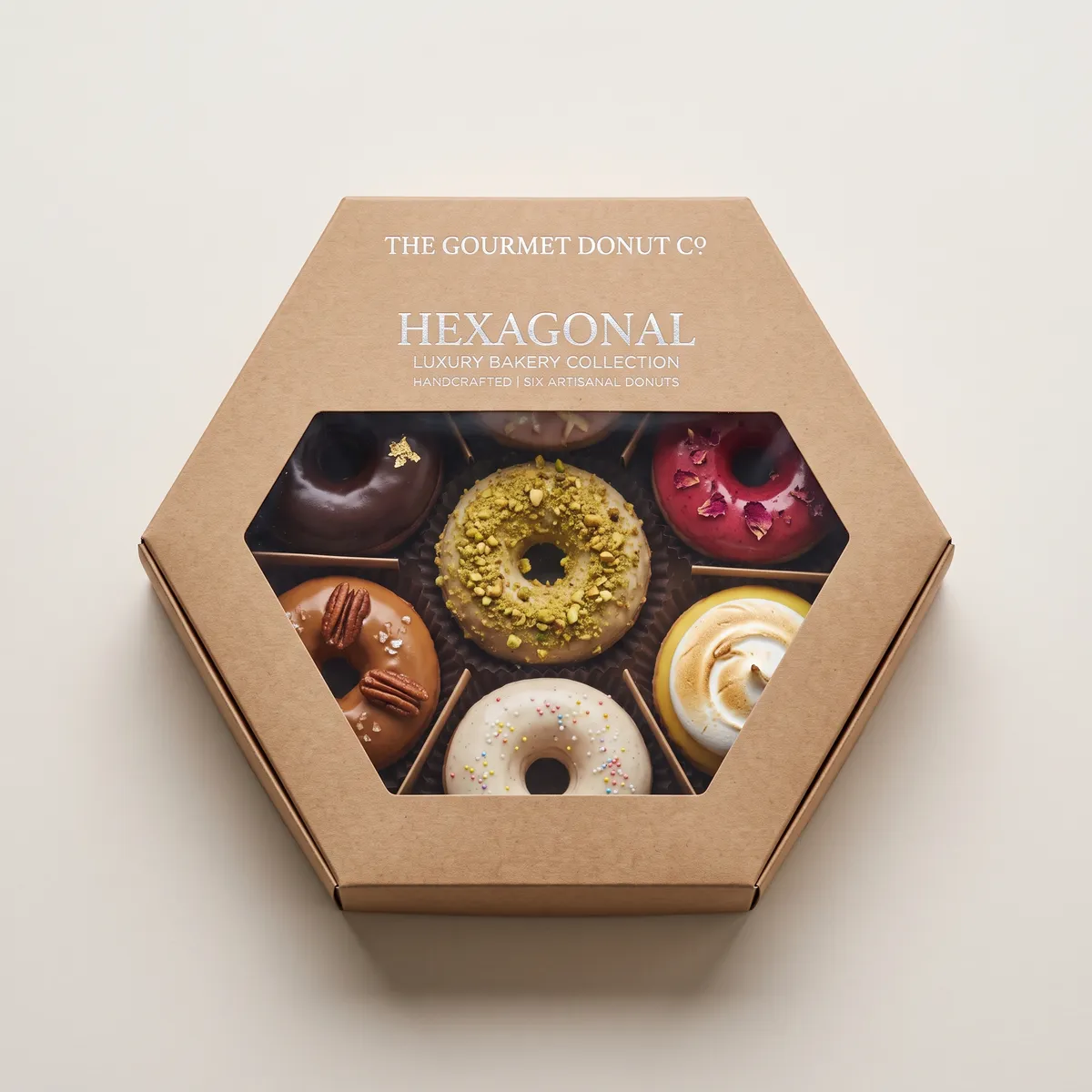
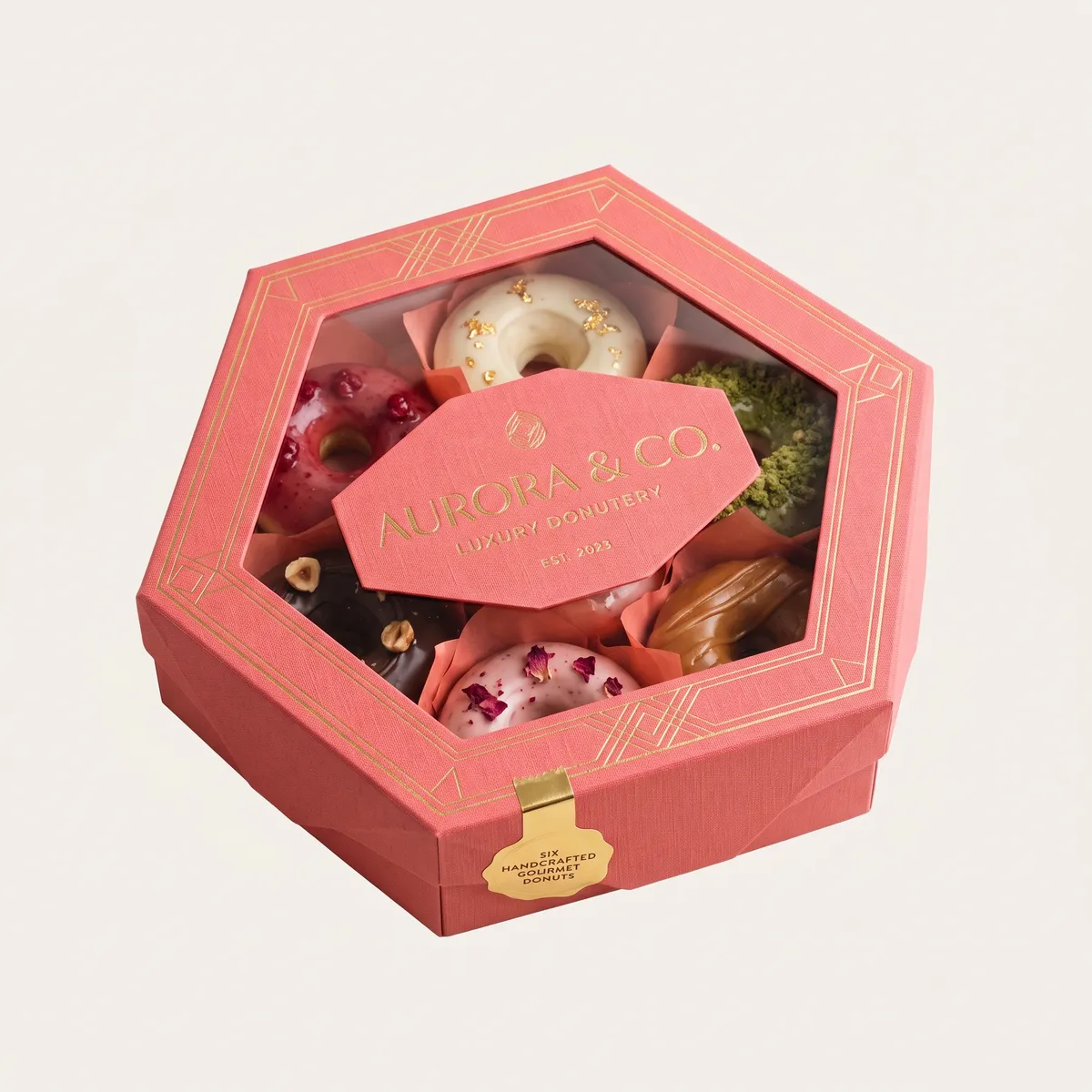
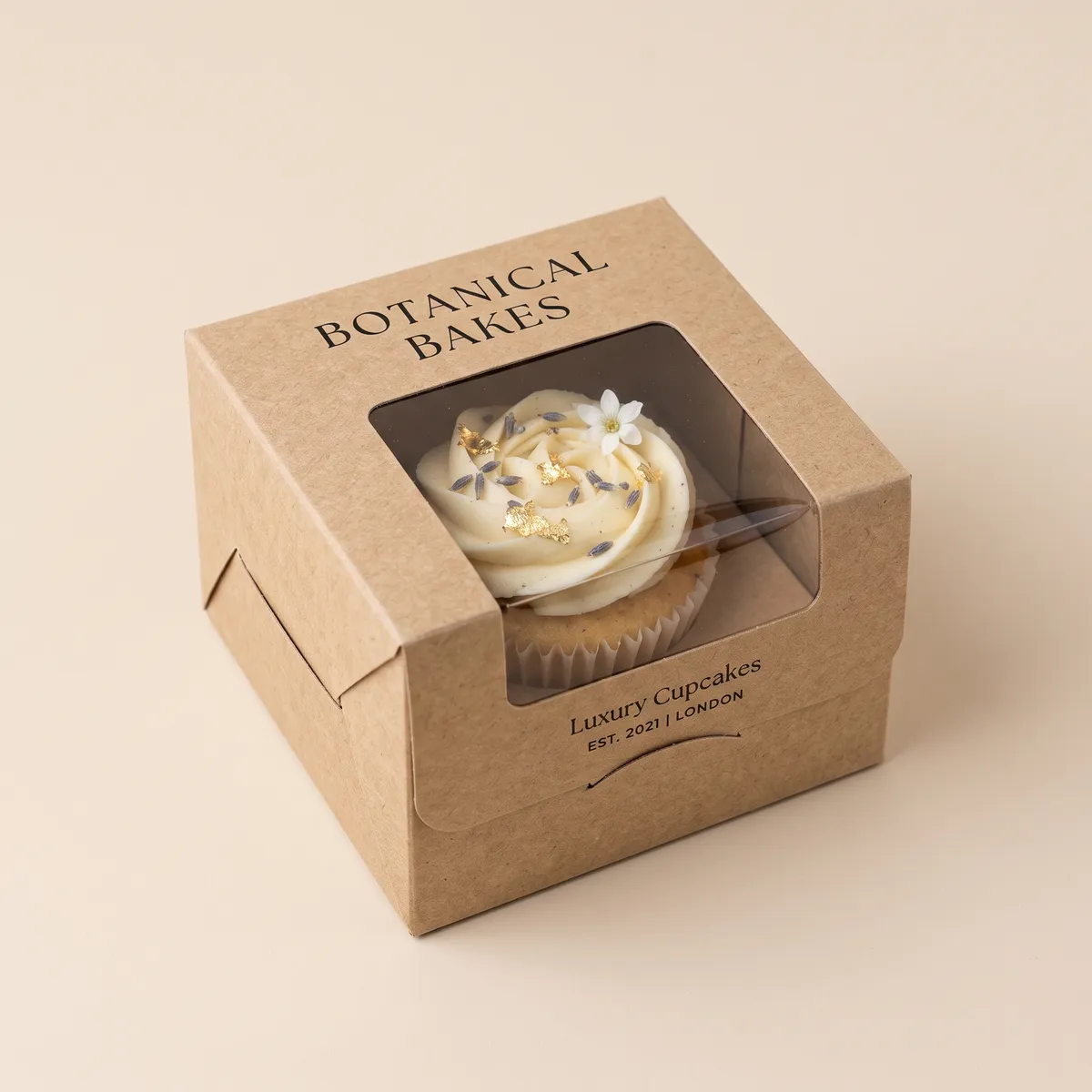
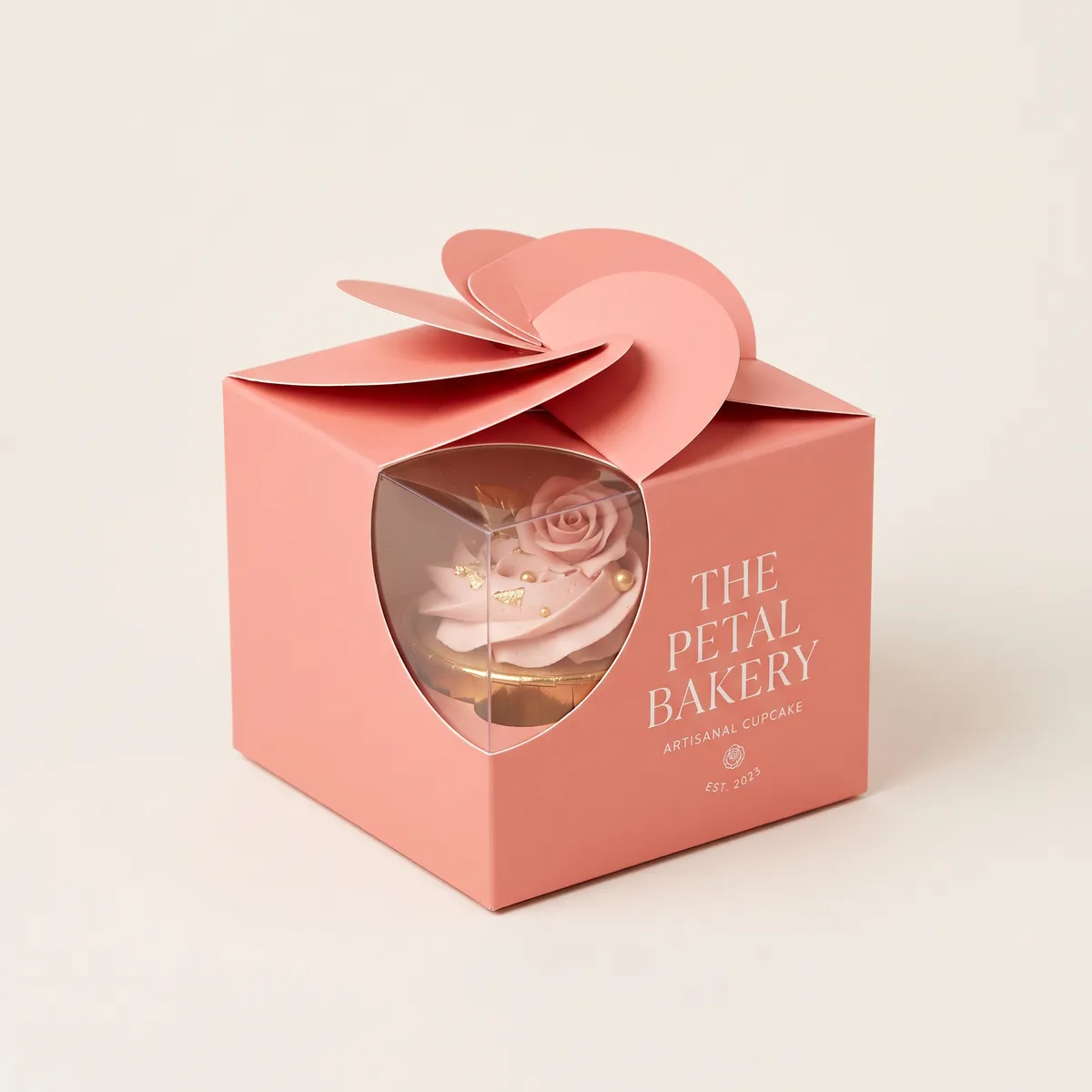
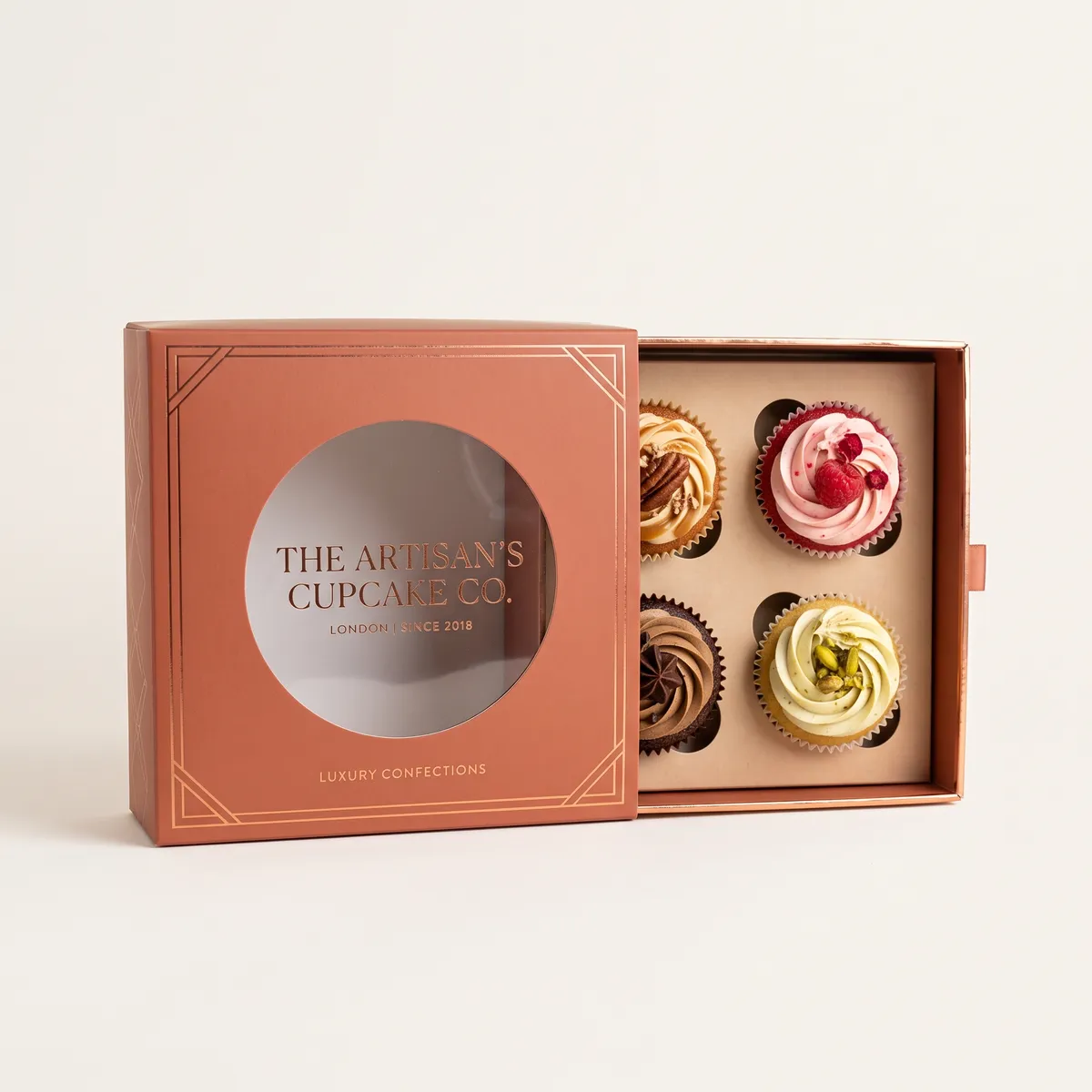
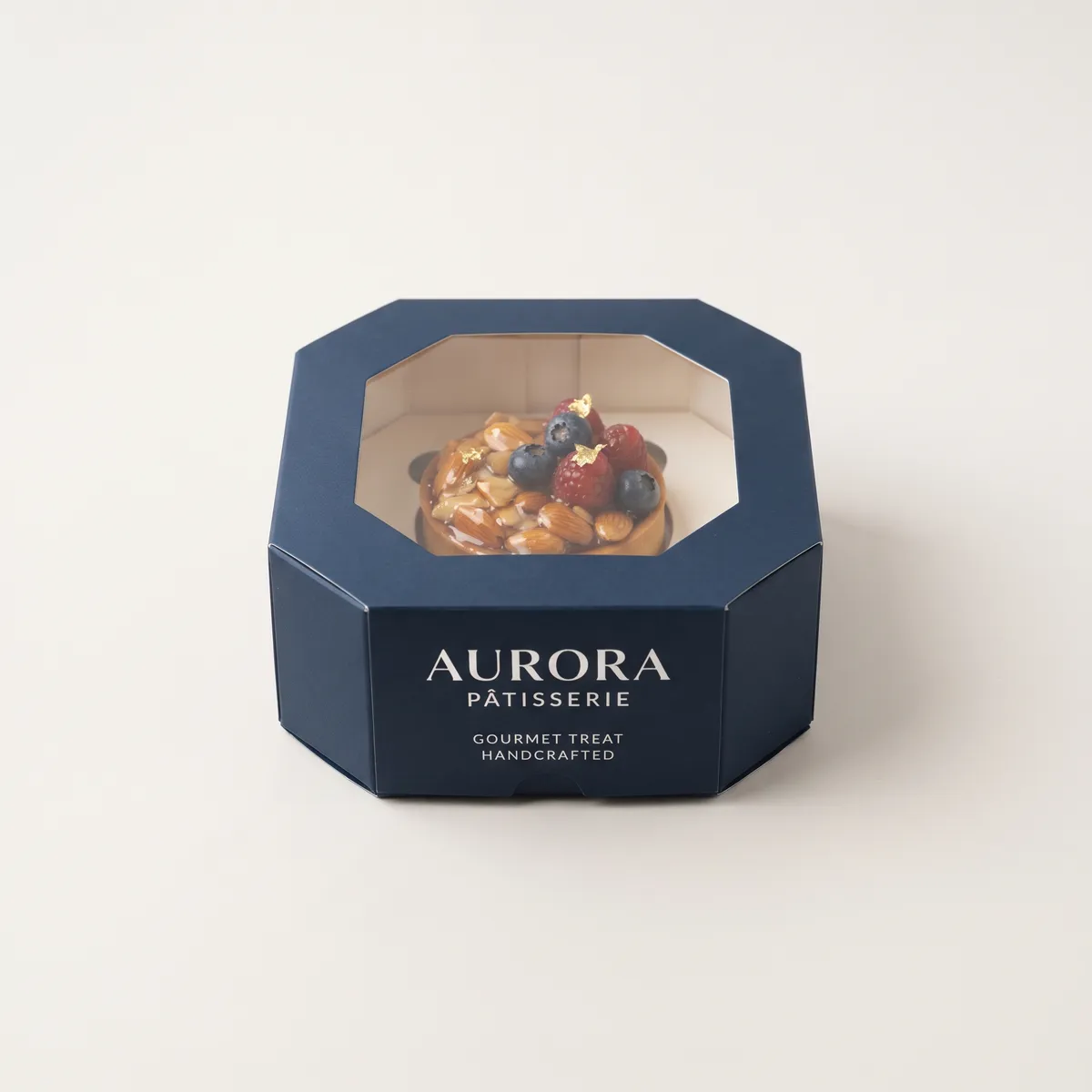
What brands say about their bakery boxes
They live there rather than here, where we can't edit them, delete them, or pick which ones you get to see. That is exactly what makes them worth reading.
Read all reviews on Trustpilot(opens in a new tab)Answers before you have to ask.
Will the box keep pastries from getting crushed?
Yes. Custom bakery boxes pair a sturdy build with a fold that holds its shape, so cakes, croissants, and pastries arrive looking the way they left your counter instead of squashed.
Are they grease-proof and food-safe?
They are. We use grease-resistant, food-grade board so butter and oil don't bleed through and stain the box, and food-safe inks so it's safe against direct contact.
Can I get a window cut to show the product?
Definitely. A window lets customers see the treat without opening the box, which helps sell it on a display counter. We cut the window to fit your product and box style.
How quickly can I reorder my bakery boxes?
Once your design is on file, reorders run about 8–12 business days, faster on a rush. Shipping's included, so restocking is one step.
Do I need to send a print-ready file?
No. Send finished artwork or just your logo, and our designers set up the layout and send you a proof to approve first — design help is unlimited and free.