
Custom Mailer Boxes
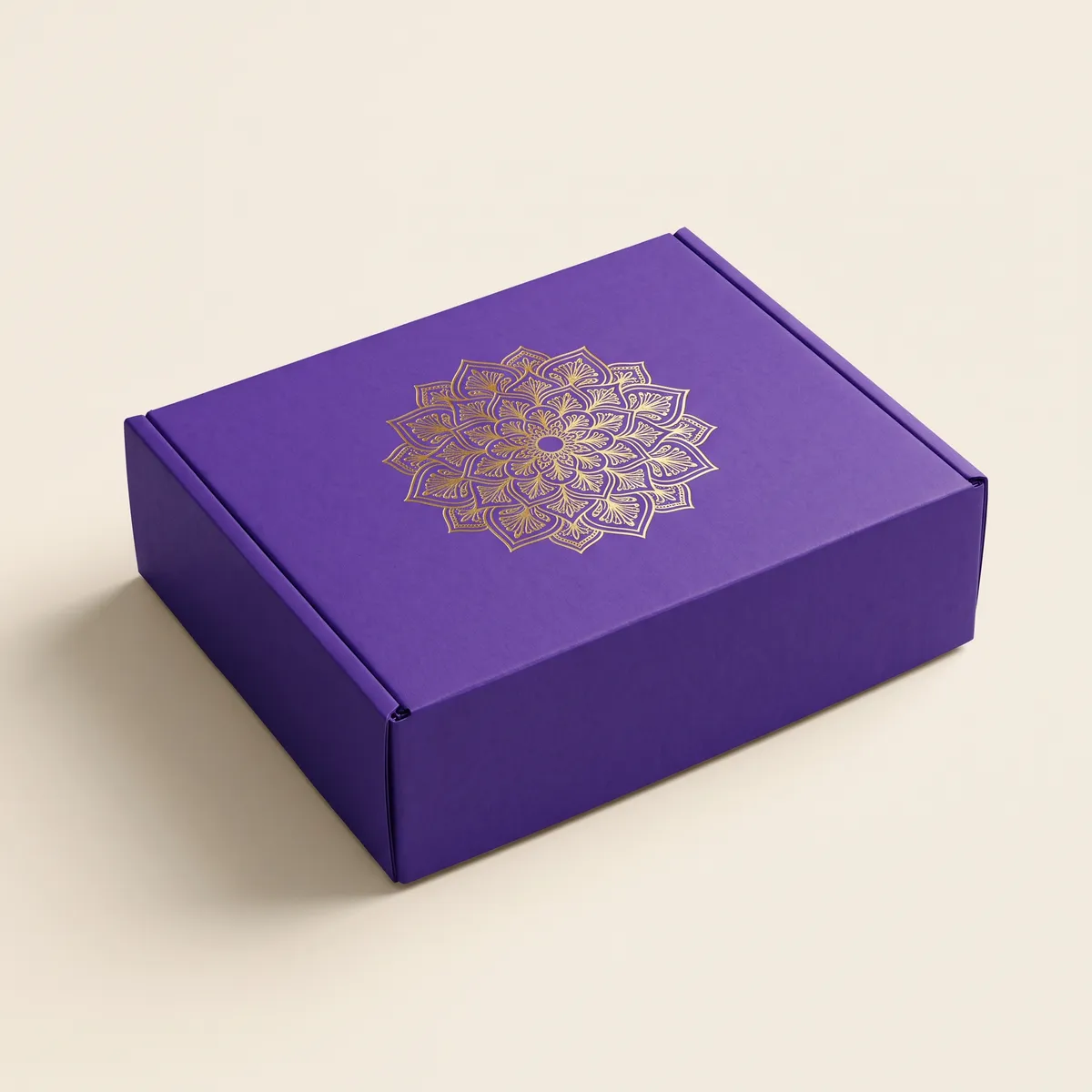
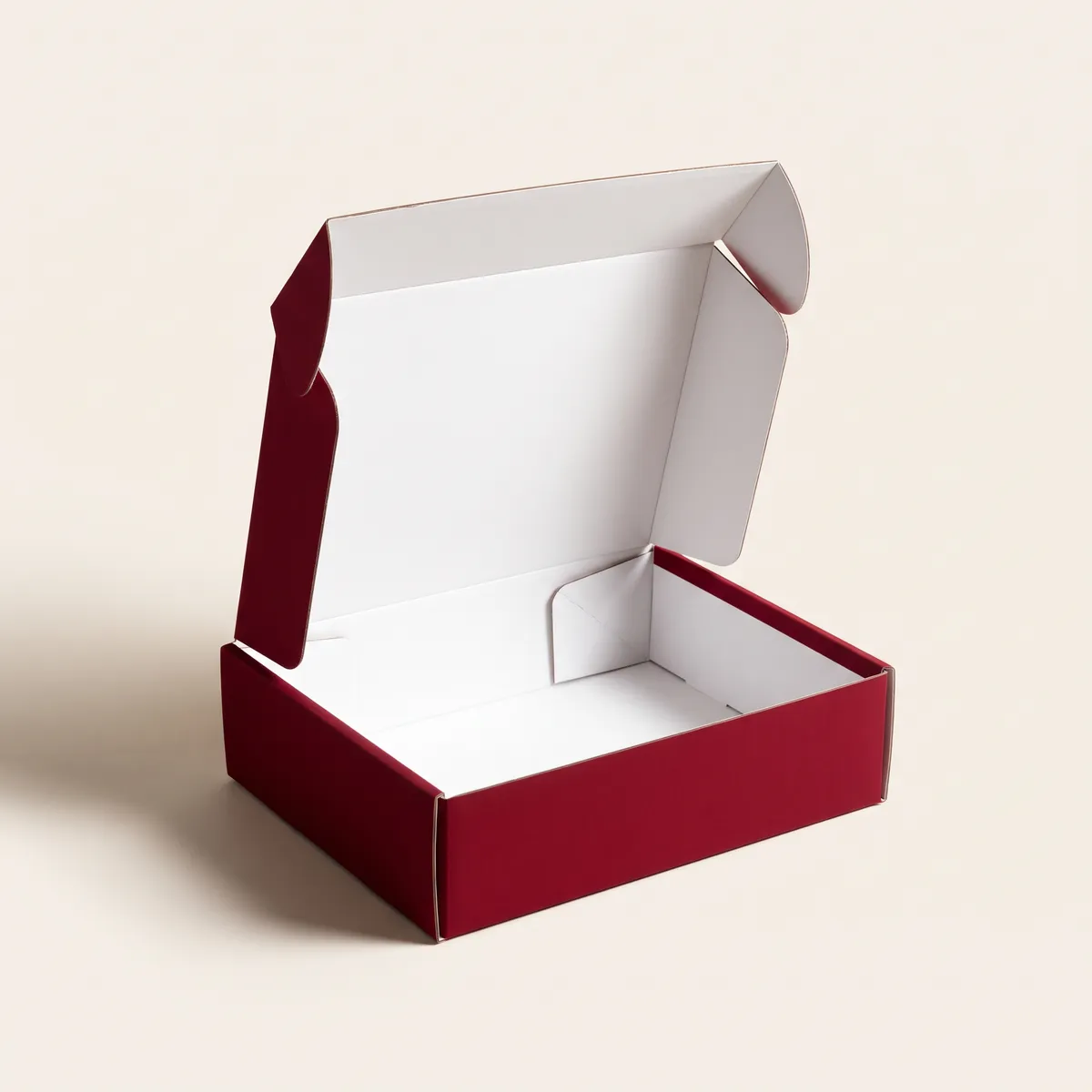
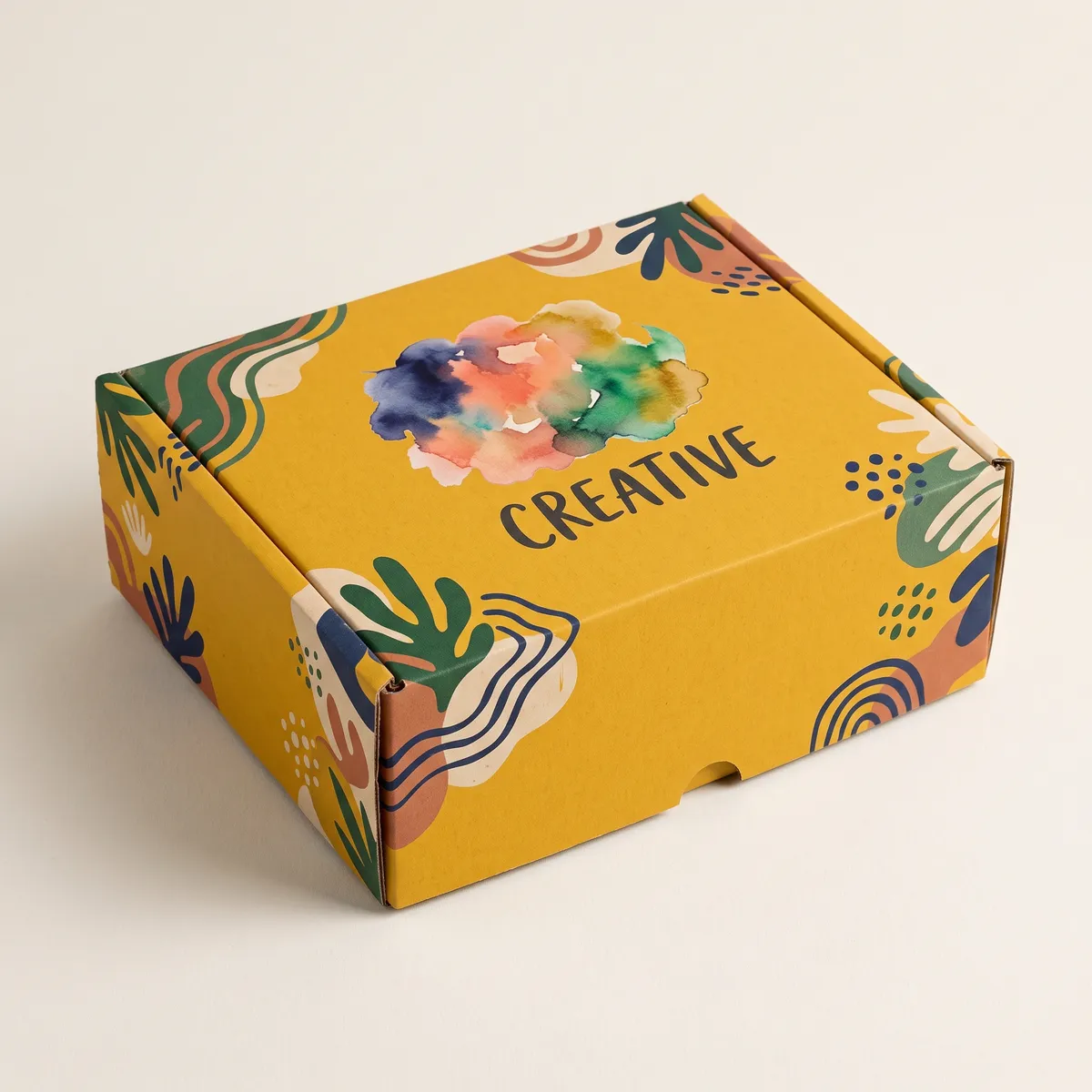
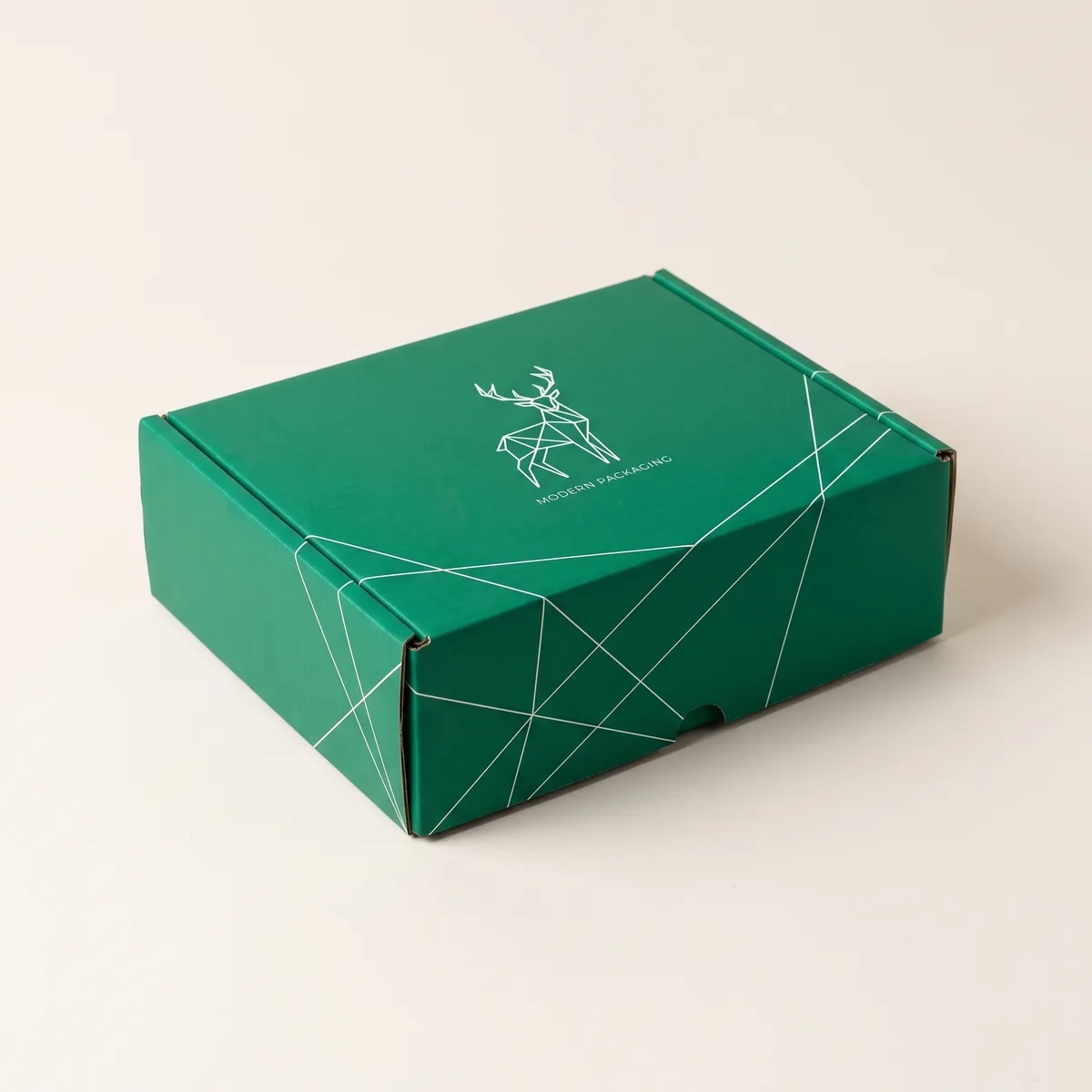
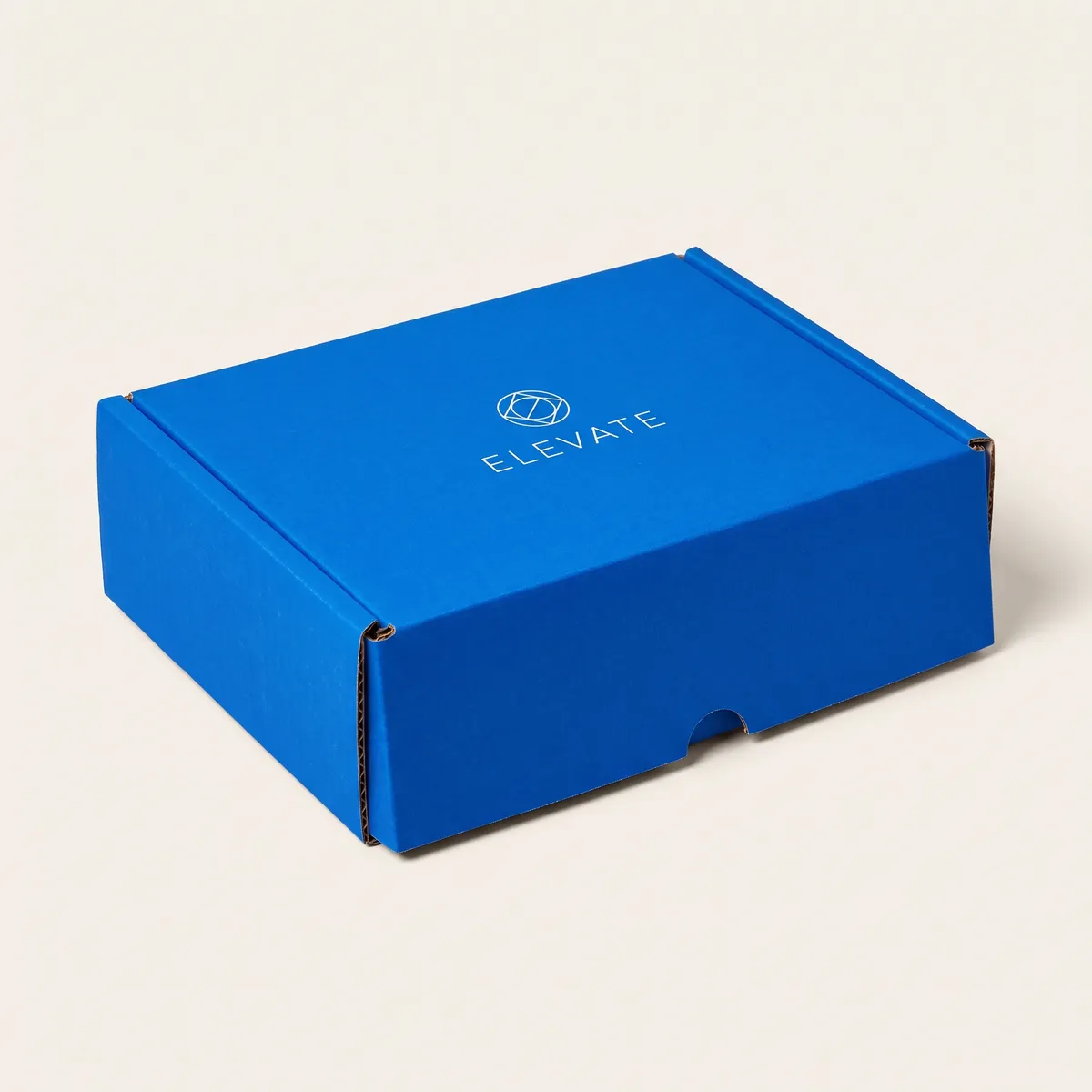
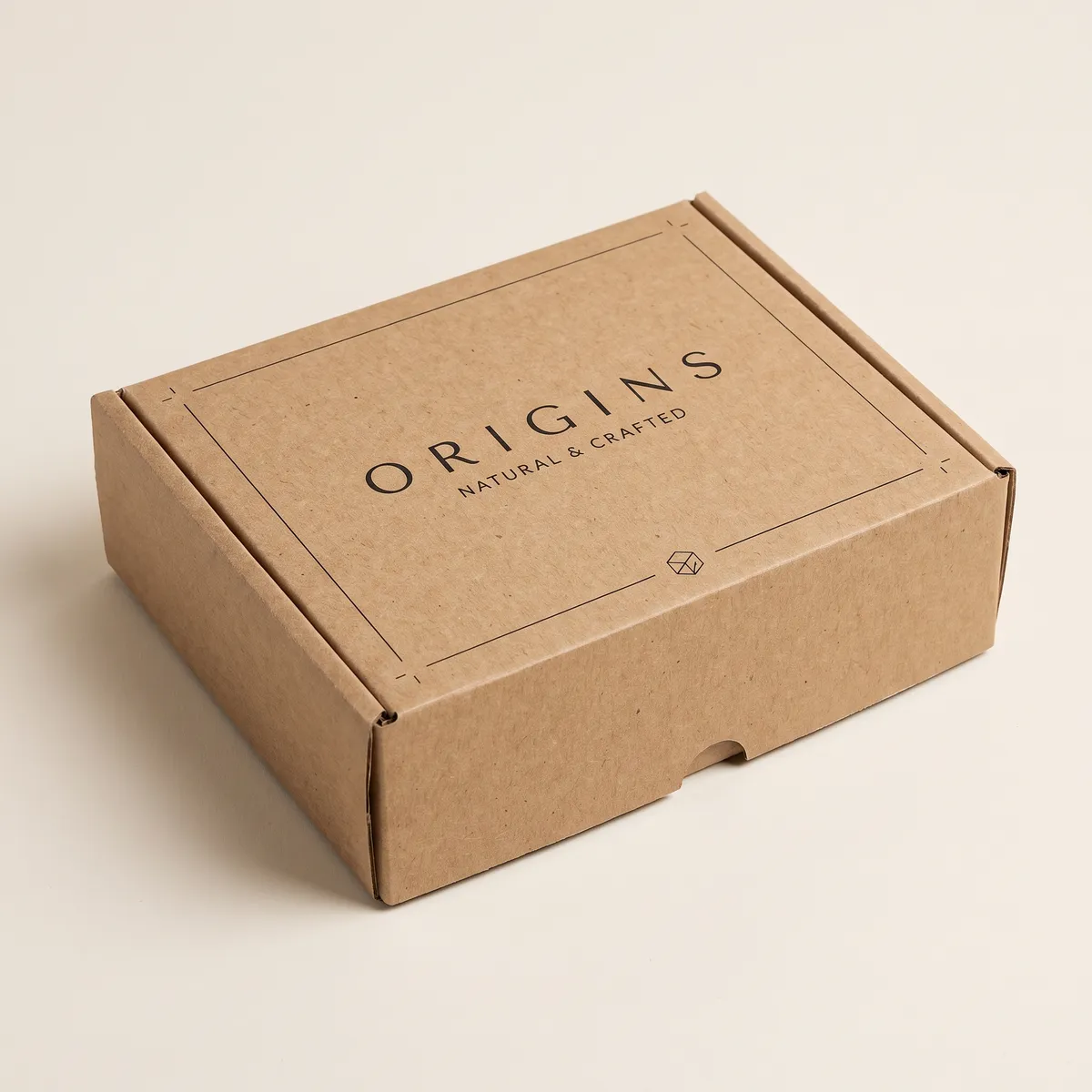
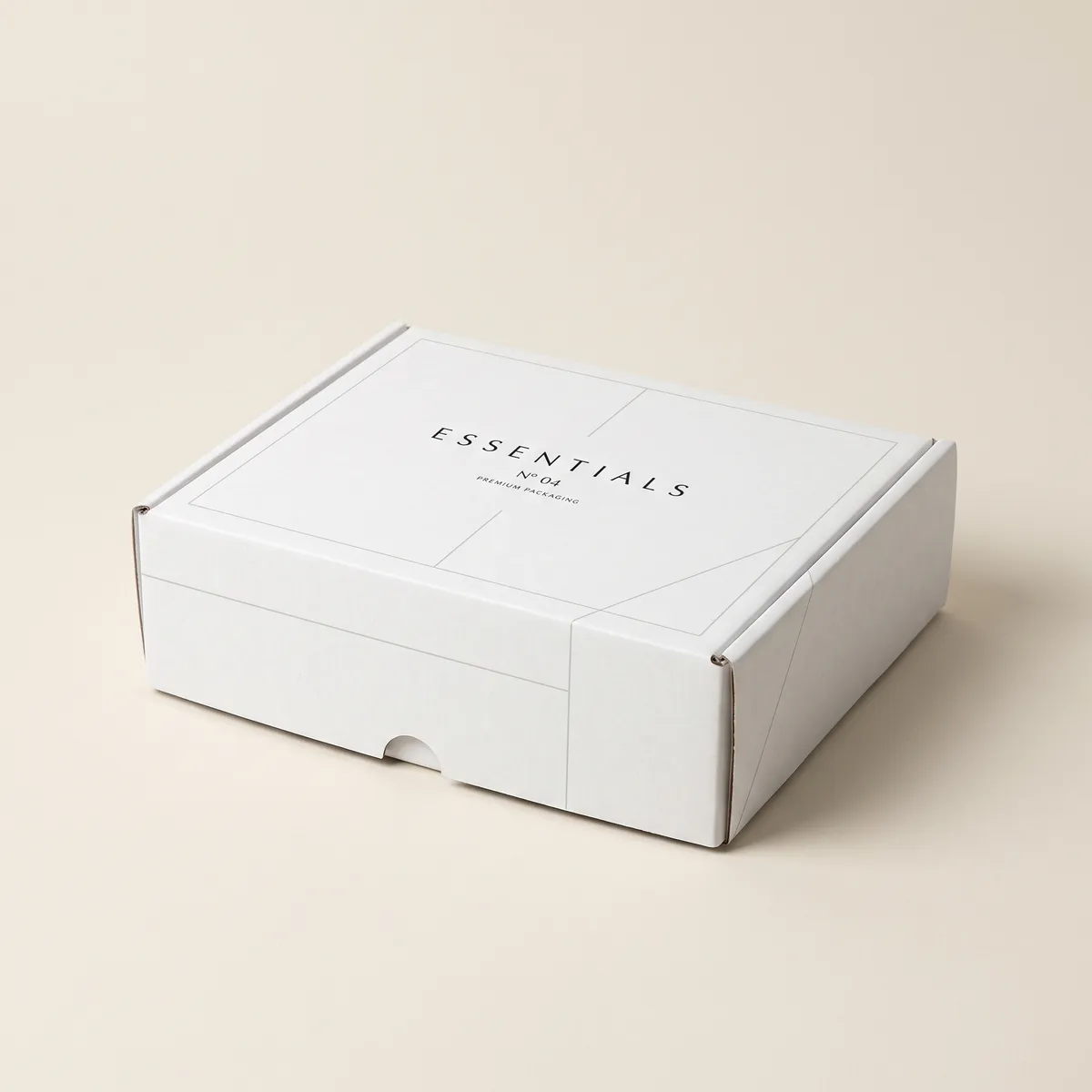
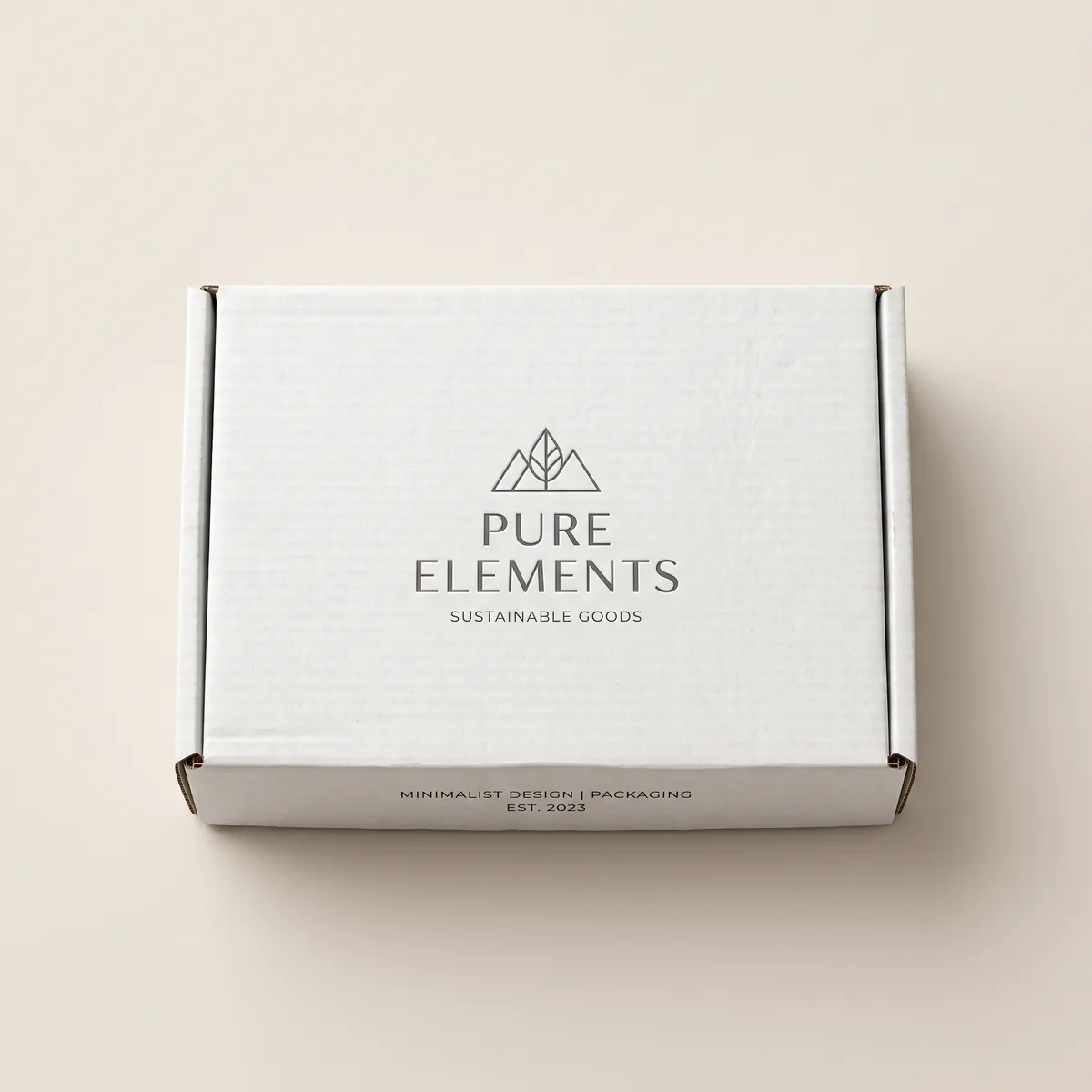
Custom mailer boxes are a style rather than a material: one piece of board folds into a tuck-front box whose flap locks into the base, so there's no tape and no adhesive. You choose the stock to suit the job, corrugated for transit strength, kraft for a natural look or coated cardboard for bright print. Interior printing usually earns more attention than the exterior.
Ours are on Trustpilot, where we can't edit them or choose which ones you see.
Read them on Trustpilot →(opens in a new tab)Four stages, twelve days
Quote confirmed
A specialist checks your spec against the board and comes back with a firm price inside 4 business hours.
Proof approved
You get a flat dieline and a 3D render. Nothing goes to press until you approve it in writing.
On press
Print, die-cut, glue, and fold. You get a press-side photo the day your job runs.
QC and delivery
Every pallet is sampled against the digital proof or physical sample you approved, then shipped with tracking to your dock or 3PL.
If a box doesn't match the digital proof or physical sample you approved, we reprint the run at no charge.
Read the reprint terms →Know exactly what you're ordering.
Custom Mailer Boxes When the Stock Is Still Undecided
Most people land on this page with half a decision made. They want a mailer, because it closes on its own and nobody on the team has to reach for the tape gun, but the stock, the color and the size are still open. That is what the custom mailer covers: the style itself, before any one variant has been chosen. You pick the board to suit how the box will be used, then decide on print, then size it to the product. Buyers here tend to be brands building their first box, teams replacing a taped carton, or anyone running several products who wants one structure across all of them.
One Tuck-Front Dieline, Three Stock Families
The structure stays the same whichever board it's cut from. What changes is how the box carries weight, how ink sits on the surface and how it looks unprinted. corrugated board with a fluted core takes the most load; kraft and coated cardboard are the lighter options.
| Attribute | Custom mailer |
|---|---|
| Construction | One piece, tuck-front, self-locking |
| Closure | Front flap tucks into the base, no tape or glue |
| Stock options | Corrugated, kraft or coated cardboard |
| Sizing | Cut to your product's dimensions |
| Measurements | Internal vs external confirmed in writing |
| Print area | Outside and inside |
Choose the stock by what the box has to do rather than by unit price alone. The cheapest board stops being cheap once a bowed base or a muddy print is counted.
Why the Mailer Style Comes Before Any Single Variant
The case for the mailer style is made at the packing bench, not in the photo. A taped carton needs two hands, a tape gun and a second pass to close. A tuck-front mailer is folded and locked in one movement, so a team clears more orders an hour. It also opens cleanly, the lid lifting from the front like a hinged case, which gives you a printed interior to use at the moment it matters. That combination is why folded-garment labels rely on the style so heavily: tees, knitwear and accessories lie flat, the lid closes without crushing them, and the reveal becomes part of the purchase. A carton still makes sense on a retail shelf. The mailer is for boxes someone opens at home.
Which Print Options Carry Across Every Mailer Stock
Some print options travel to any board you pick, and some depend on it. Full-color print runs on all three stocks, though it looks sharpest on coated white, reads muted on kraft and needs bolder artwork on corrugated, where the flute softens fine lines. Foil is offered and looks its best against kraft or a dark field. Blind embossing suits kraft, adding a raised mark with no ink. Matte, gloss and soft-touch lamination belong on coated board. The inside is printable on every version, and on a mailer that is often where the money earns more, because the lid lifts to show it. One limit worth knowing: a finish that suits one board can look wrong on another, so the proof is made against the stock you've chosen.
Custom Mailers for Launch Kits, Subscriptions and Direct Orders
Product launches are a common starting point. A press or influencer kit needs a box that looks finished when it's opened and doesn't need taping on the day it's packed. Subscription brands use the style for recurring boxes, changing the printed interior from one season to the next. Online stores selling apparel, beauty, candles or small homeware use it as their standard order box, usually in corrugated when orders go out by post. Gift and corporate programs use it where several items share one box, often with an insert. Candle and soap makers use kraft versions for gift pairs. If what you need is a plain, stackable carton for moving stock rather than a box a customer opens, our dedicated shipping box line is the better place to look.
Placing a First Mailer Order Across Several Stocks
Many first orders mix stocks: corrugated for the larger products, coated white for a launch kit, kraft for a gift range. That works, and every stock and size carries the same 100-box minimum. Send the dimensions of each product and we'll build the dielines, confirming internal versus external measurements in writing before anything is cut. Design help is free and has no limit on revisions; each change comes back to you as a proof until you sign it off. Production runs 8–12 business days from approval, and rush is available at extra cost, quoted upfront. Shipping is included, dies and plates sit inside the quote, and if the bulk run doesn't match the proof you approved, we reprint it at our cost.
One connected process, start to finish.
Structural Design
Dieline drafted to your exact fit and freight tolerances.
Proof & Sample
Sign off on a digital proof, or request a physical sample.
Tooling
Dies and plates are cut for your job and archived on file.
Production
Print, die-cut, and assembly run under in-line quality checks.
Ship & Reorder
Freight goes out, and the cycle resets for your next run.
Steady process. Powerful results.
Like everything we build, our process is engineered to hold up — no shortcuts, no surprises. Five dependable stages that run the same way every single time, so reorders are just as fast as the first order.
- One dedicated teamFrom first sketch to final freight, the same people carry your order start to finish.
- Dies archived on fileReorders skip tooling and re-setup entirely — we already have your exact spec.
- Checked against your sign-offEvery run is inspected against the digital proof or physical sample you approved.
Set up your file once, correctly
Nine in ten delayed jobs are delayed by artwork, not production. Match these four rules and your proof lands the next morning.
- Bleed1/8 in (3 mm) past every cut line
- Safe ZoneKeep text 1/4 in clear of every crease
- ColourCMYK or named Pantone. No RGB.
- Resolution300 dpi at final size, fonts outlined
No print-ready file?
Send a logo and a rough idea. Our studio builds the production file free with any order over 500 units — you keep the source file either way.
Ask the StudioBackground art must run all the way to the outer bleed edge. Anything inside the white dashed line survives fold tolerance.
What brands say about this box
They live there rather than here, where we can't edit them, delete them, or pick which ones you get to see. That is exactly what makes them worth reading.
Read all reviews on Trustpilot(opens in a new tab)Answers before you have to ask.
What makes a mailer different from a regular box?
A mailer is a tuck-front style that folds from one piece and locks shut without tape. The front flap tucks into the base, so there's no taping step and no glue. That's what separates it from a standard carton — it's a build, and you can have it on any stock you like.
Can I have a mailer in any material?
Yes. The mailer is a style, not a stock, so you can have it in corrugated for transit strength, kraft for a natural look, or coated cardboard for bright print. Tell us how the box will be used and we'll recommend which stock suits it best.
Do mailers need tape or glue to assemble?
No. The front flap tucks into the base and holds itself closed, which is the whole appeal of the style — your team folds it in one motion and it's done. That saves real time on a pack bench compared with a carton that needs taping.
How long will my mailer boxes take?
Most orders are ready in about 8–12 business days once you approve the proof. Rush production is available at an extra cost, and we'll quote that premium upfront if you ask. Shipping is included either way.
What's your minimum order for mailer boxes?
100 boxes. That's low enough to test a design or launch a small range without committing to thousands, and it's the same minimum across every stock and size. Design help is unlimited and free, whatever quantity you order.