
Linen Boxes
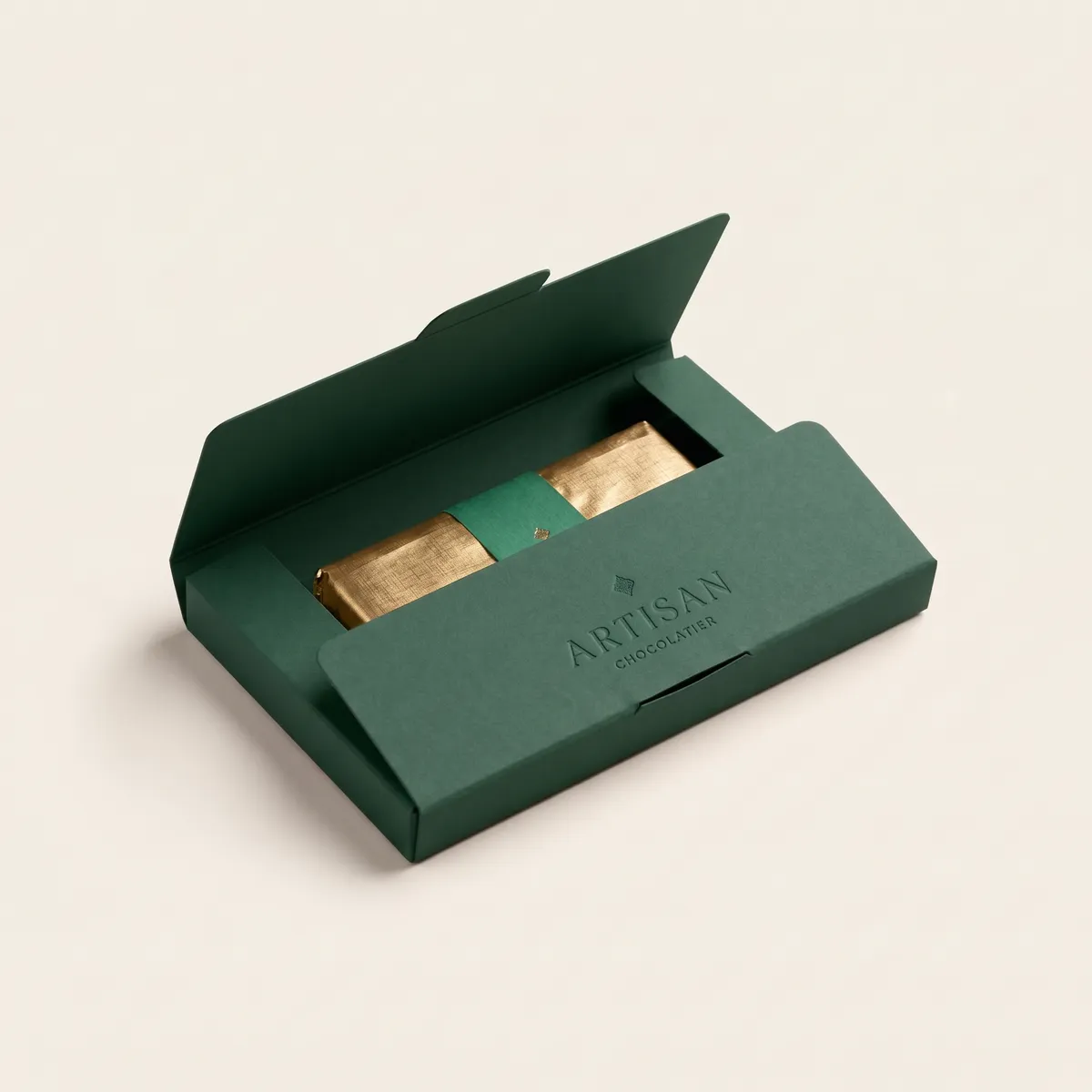
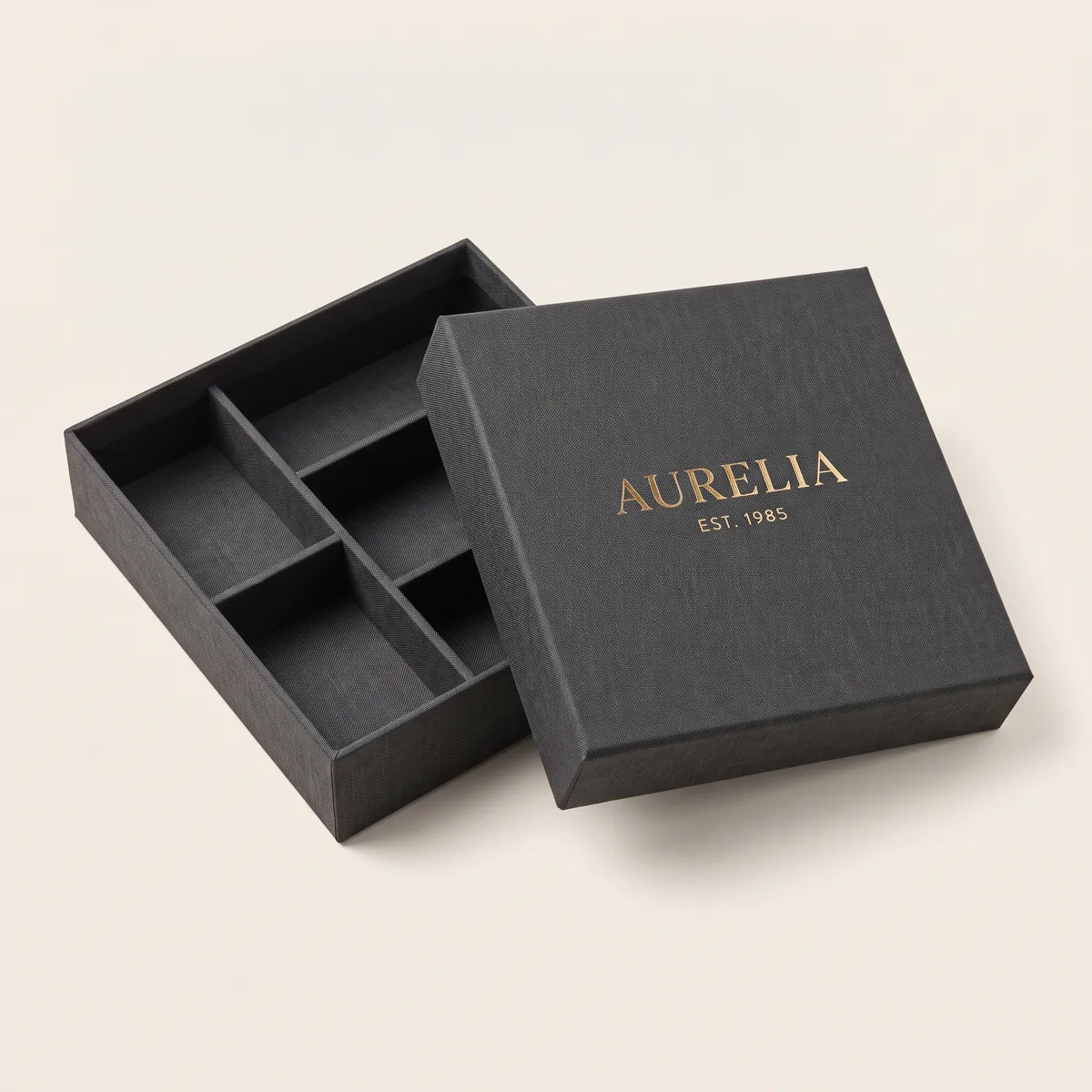
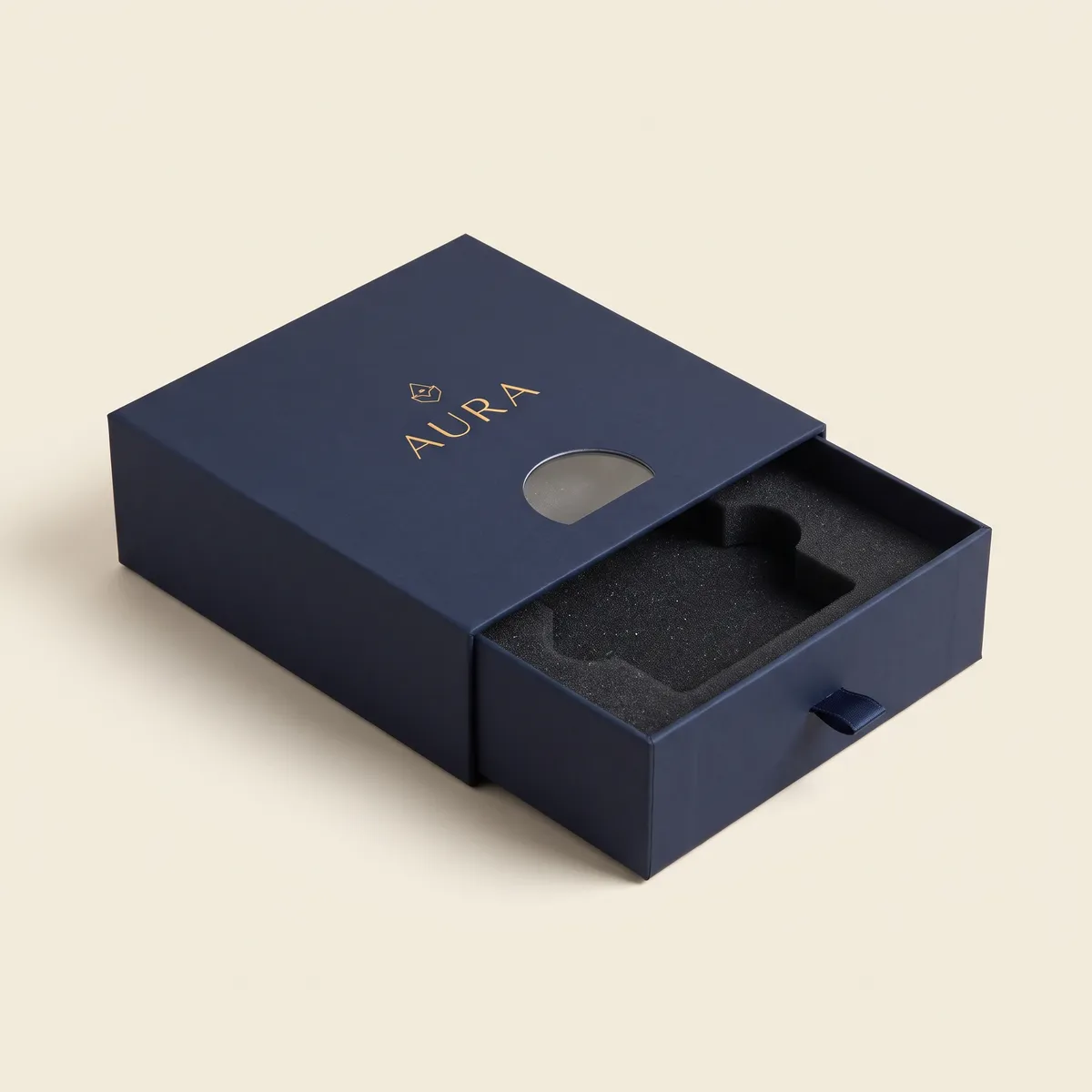
Linen packaging isn't fabric: it's paper with a woven texture embossed or manufactured into it, wrapped over rigid board so a box feels textile without being one. That texture interrupts fine print and makes solid coverage look uneven, which is why foil stamping and debossing are the usual finishes. Learn how linen wraps are applied, how they recycle, and when the tactile cost is justified.

Ours are on Trustpilot, where we can't edit them or choose which ones you see.
Read them on Trustpilot →(opens in a new tab)Four stages, twelve days
Quote confirmed
A specialist checks your spec against the board and comes back with a firm price inside 4 business hours.
Proof approved
You get a flat dieline and a 3D render. Nothing goes to press until you approve it in writing.
On press
Print, die-cut, glue, and fold. You get a press-side photo the day your job runs.
QC and delivery
Every pallet is sampled against the digital proof or physical sample you approved, then shipped with tracking to your dock or 3PL.
If a box doesn't match the digital proof or physical sample you approved, we reprint the run at no charge.
Read the reprint terms →Know exactly what you're ordering.
Who Specifies a Linen Wrap, and Why
Linen gets specified by people who expect the box to be picked up more than once. A fragrance house, a fine jeweler or a corporate gifting team is buying a surface that registers in the fingertips before the eye has finished reading the lid. That makes the useful question simple: will someone actually handle this box often enough for texture to matter? A presentation box that stays on a dresser, gets reopened and is passed around passes the test easily. A carton torn open once and recycled does not, and on that packaging linen is cost with no return. Buyers researching it are usually choosing between a textured wrap and a printed paper wrap for a rigid build, which is the comparison the rest of this page works through.
Linen Wrap Characteristics
Linen is a covering, so its specification sits alongside the rigid build rather than replacing it.
| Property | Linen wrap |
|---|---|
| Base | A paper sheet carrying a woven-look surface |
| Role | Covers a rigid box and never carries load |
| Fine detail breaks up; solid areas look patchy | |
| Usual finishes | Foil stamping and debossing |
| Recycling | Uncoated recycles as paper; laminated usually needs separating |
Thickness, stiffness and strength all come from the board underneath, so the rigid specification governs how the box performs. The linen decides how it looks and feels. Treat the two as separate decisions on a quote: settle the board and style first, then choose the wrap and its finishing.
Linen Versus a Printed Paper Wrap
The choice is between texture and image. A printed paper wrap can carry photography, gradients and full-coverage brand color; linen can't do any of that well, but it gives a box a hand-feel that print cannot imitate. When the identity is a mark rather than a picture, linen usually wins, because a single foil monogram on woven texture reads more considered than the same logo on smooth paper. It works especially well on a linen-wrapped magnetic flap box, where the lid is opened and closed repeatedly and the surface gets touched every time. If the design relies on imagery, or the box will be thrown away after one opening, stay with printed paper and spend the difference on the insert or the closure instead.
Foil, Deboss and Little Else on Linen
Finishing linen is mostly about what to leave out. Foil stamping sits on top of the weave and catches light against it, which is why a single metallic mark is the standard treatment. Debossing presses the mark into the surface and works with the weave, not on top of it. Small text and hairline rules are the weak point: the weave breaks them up, so keep wording short and marks bold. Large printed areas tend to look blotchy, and layering spot UV or heavy ink on top competes with the very thing being paid for. Lamination is possible but changes the feel and makes the wrap harder to recycle, so it is usually skipped. Foil needs an even surface, which is why texture affects how cleanly a fine edge stamps.
Where a Textured Surface Pays Back
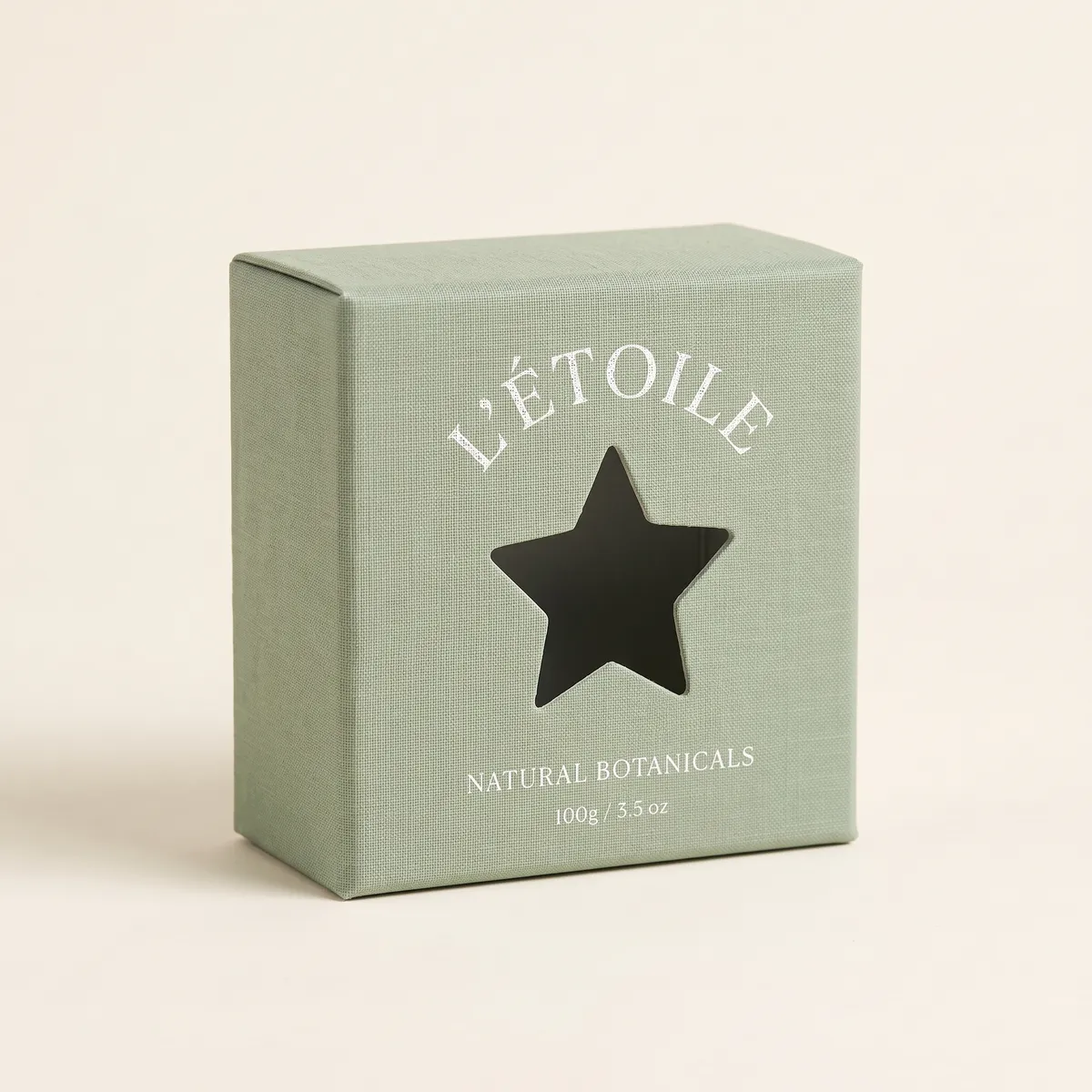
Fragrance is the most common home for linen, where a textured outer box frames a bottle sold partly on presentation. Fine jewelry follows, with linen wrapping ring and necklace cases that buyers keep long after the purchase. Wedding and corporate gifting use it for tactile premium presentation that has to feel considered without relying on loud print. Prestige soap lines sometimes choose a linen-wrapped box so the packaging reads handmade rather than mass-produced. In every case the box is handled, kept or reopened. Where that isn't true, as with a high-volume retail carton or anything sent through the post without an outer case, the texture goes unnoticed and the extra cost buys nothing the customer will register.
Briefing a Linen Wrap Clearly
A linen brief needs a few details that a printed wrap doesn't. Say whether the wrap should stay uncoated, because that affects both the feel and how the box recycles. Supply the logo as clean vector artwork with no hairlines, so the foil or deboss die holds its edges. State where the mark sits and roughly how large it is, since the weave limits how small detail can go. Confirm the rigid build underneath separately: board, style and dimensions, stated as internal or external and confirmed in writing. Finally, ask to see the foil proofed on the actual linen rather than on a smooth sample, because texture changes how the stamp lands. Learn how texture, foil and the box style underneath combine before settling on a premium wrap.
One connected process, start to finish.
Structural Design
Dieline drafted to your exact fit and freight tolerances.
Proof & Sample
Sign off on a digital proof, or request a physical sample.
Tooling
Dies and plates are cut for your job and archived on file.
Production
Print, die-cut, and assembly run under in-line quality checks.
Ship & Reorder
Freight goes out, and the cycle resets for your next run.
Steady process. Powerful results.
Like everything we build, our process is engineered to hold up — no shortcuts, no surprises. Five dependable stages that run the same way every single time, so reorders are just as fast as the first order.
- One dedicated teamFrom first sketch to final freight, the same people carry your order start to finish.
- Dies archived on fileReorders skip tooling and re-setup entirely — we already have your exact spec.
- Checked against your sign-offEvery run is inspected against the digital proof or physical sample you approved.
Set up your file once, correctly
Nine in ten delayed jobs are delayed by artwork, not production. Match these four rules and your proof lands the next morning.
- Bleed1/8 in (3 mm) past every cut line
- Safe ZoneKeep text 1/4 in clear of every crease
- ColourCMYK or named Pantone. No RGB.
- Resolution300 dpi at final size, fonts outlined
No print-ready file?
Send a logo and a rough idea. Our studio builds the production file free with any order over 500 units — you keep the source file either way.
Ask the StudioBackground art must run all the way to the outer bleed edge. Anything inside the white dashed line survives fold tolerance.



What brands say about this box
They live there rather than here, where we can't edit them, delete them, or pick which ones you get to see. That is exactly what makes them worth reading.
Read all reviews on Trustpilot(opens in a new tab)Answers before you have to ask.
Is linen a fabric or a paper?
Neither, strictly. Packaging linen is a paper with a woven texture embossed or manufactured into it, so it feels like fabric without being one. It's used as a wrap over rigid board rather than as a structure itself.
Can linen be printed on directly?
It can, but the texture interrupts fine detail and solid coverage looks uneven. Most linen is used with foil stamping or a simple deboss instead, which work with the texture rather than against it.
What finishes suit linen?
Foil stamping and debossing, mostly. The texture already provides visual interest, so heavy print competes with it. A foil monogram on a linen wrap is the classic premium combination.
Is linen recyclable?
It depends on the paper beneath the texture and whether it's been laminated. Uncoated linen paper recycles like other paper; a laminated linen wrap over rigid board usually doesn't, without separation.
When should linen be specified?
Premium rigid builds where the box is handled and kept — fragrance, fine jewelry and luxury gifting. Its value is tactile, so it's wasted on packaging that gets opened once and discarded.