
Custom Candle Boxes, Fragile, and we act like it.
A candle is glass, wax, and scent — three things that don't survive a loose box. Let it rattle in transit and the sale turns into a refund request. Custom candle boxes hold every jar snug in a rigid build made to fit, so nothing shifts and nothing chips. Send your jar measurements and we'll build the insert around them, printed however your line needs.
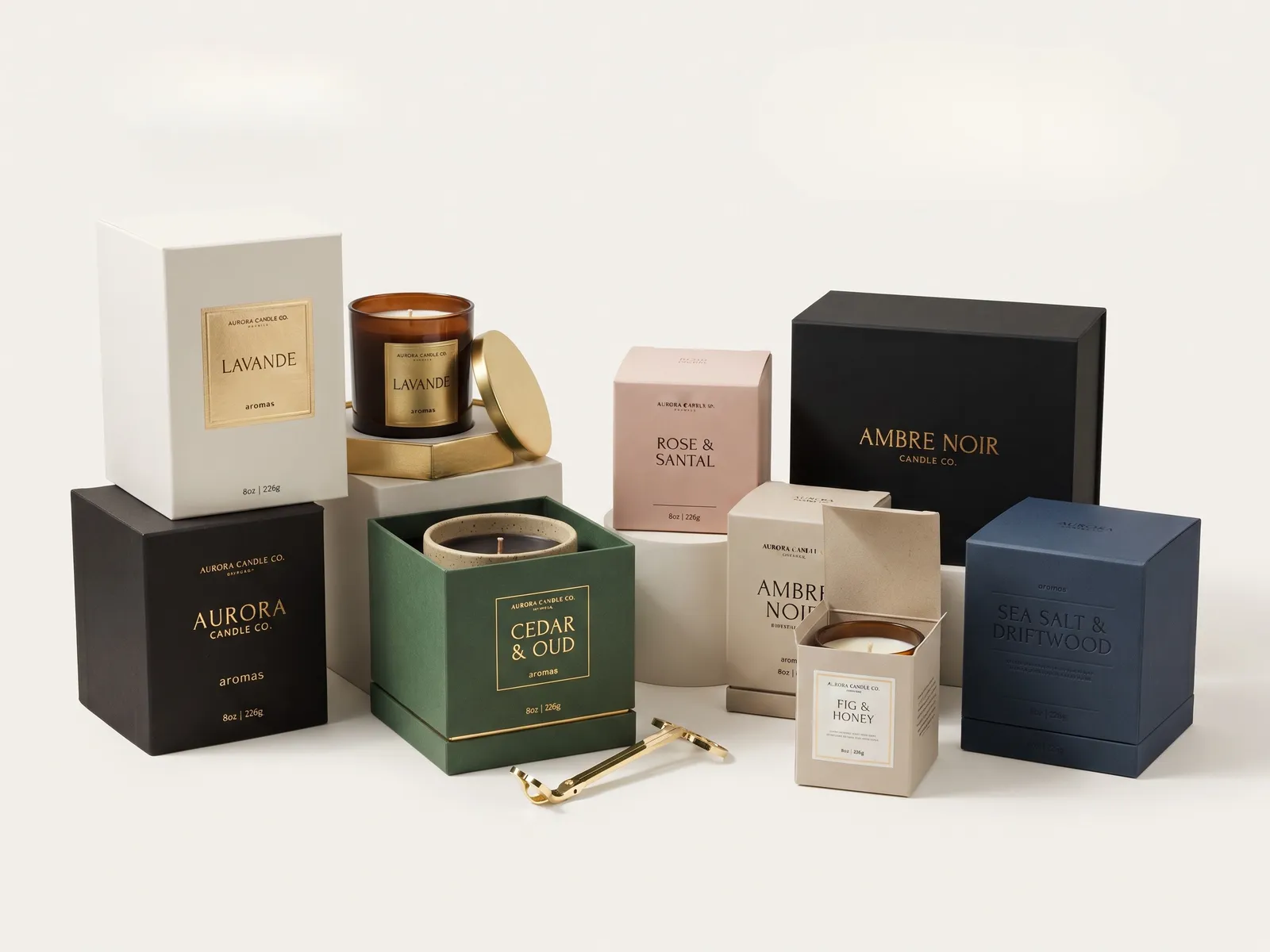
Materials & Options for Candle Boxes
E-Flute Corrugated
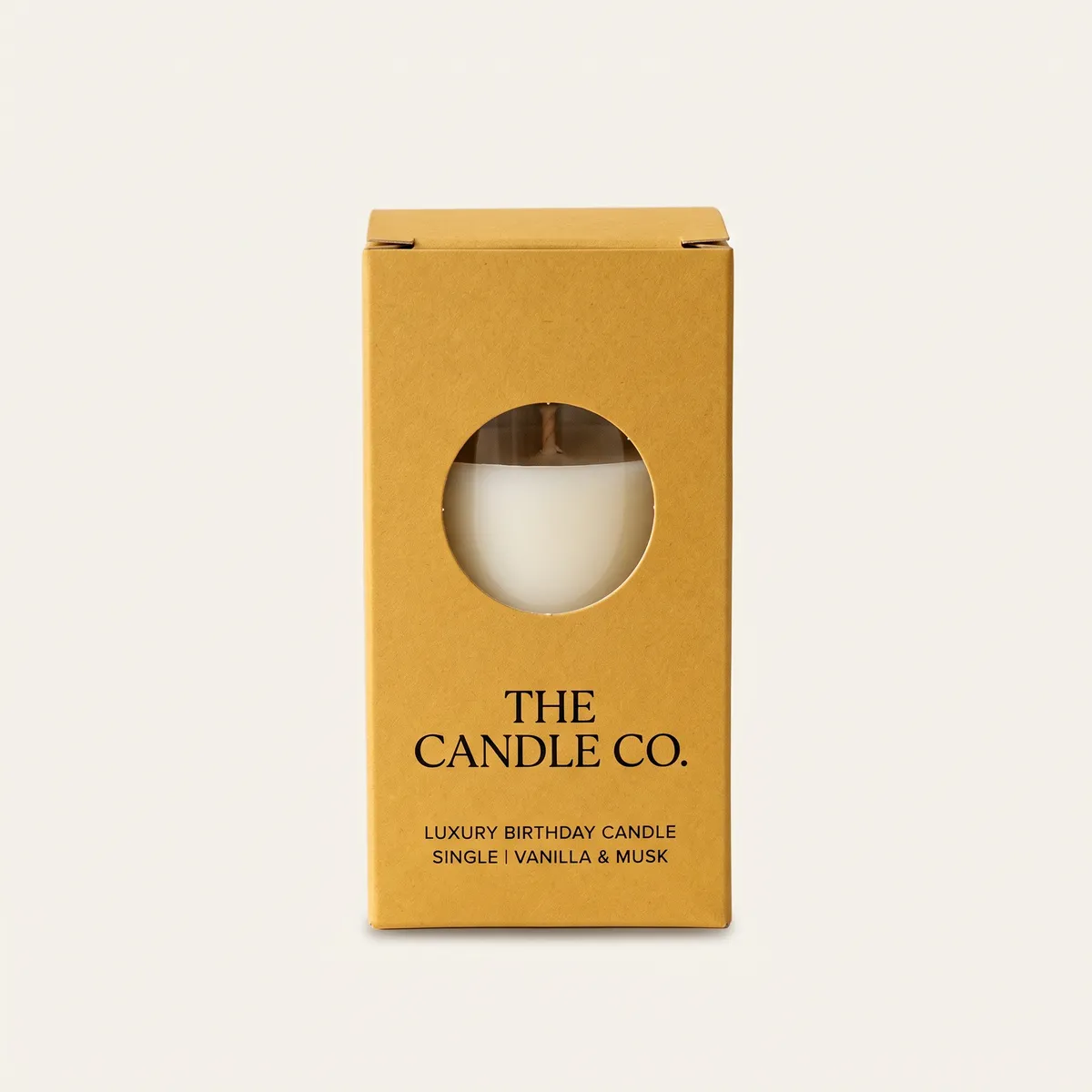
Thin profile, strong crush resistance — the standard for most mailer boxes.
B-Flute Corrugated
A thicker flute for heavier contents or extra stacking strength.
Kraft Paper
Unbleached, natural-brown stock with an earthy, eco-forward texture.
SBS Board
Solid bleached sulfate board for a smooth, print-ready white surface.
Offset Printing
Exact color matching for large runs — the standard for big projects.
Digital Printing
Fast turnaround on shorter runs, with no minimum plate setup cost.
Flexographic Printing
Distortion-free output built for large-run corrugated jobs.
UV Printing
Instantly cured ink that resists scratches and solvents.
Matte Lamination
Soft, non-reflective finish that reads premium under any light.
Gloss Lamination
High-shine coating that makes bold colors and photography pop.
Soft-Touch Coating
A velvety exterior resistant to moisture and fingerprints.
Spot UV & Foil
Raised gloss detail or metallic foil for logos and accents.
Discover Our Most-Requested Candle Box Styles
Every style below runs through the same structural engineering and quality process — pick a starting point and we'll adjust the details to your product.
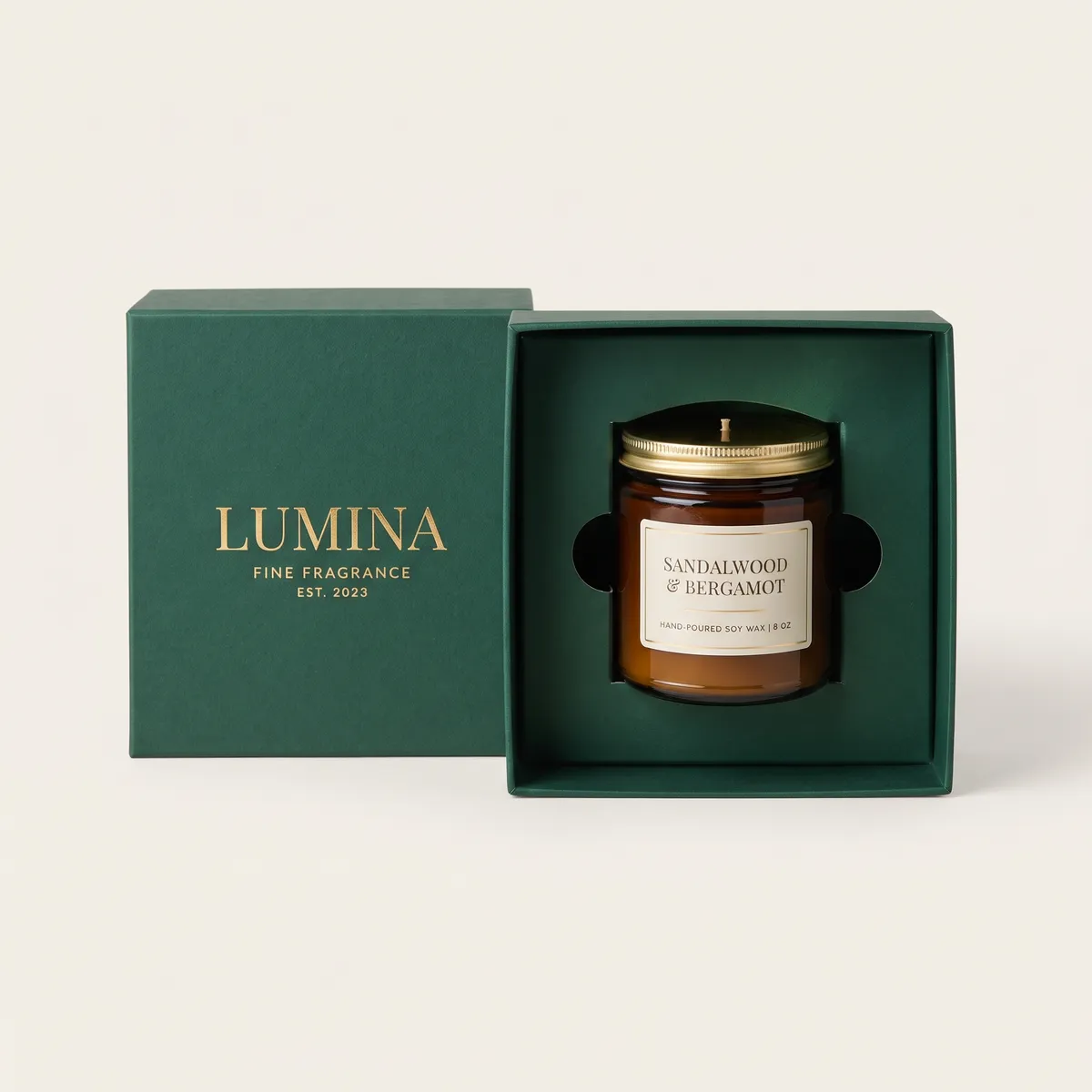
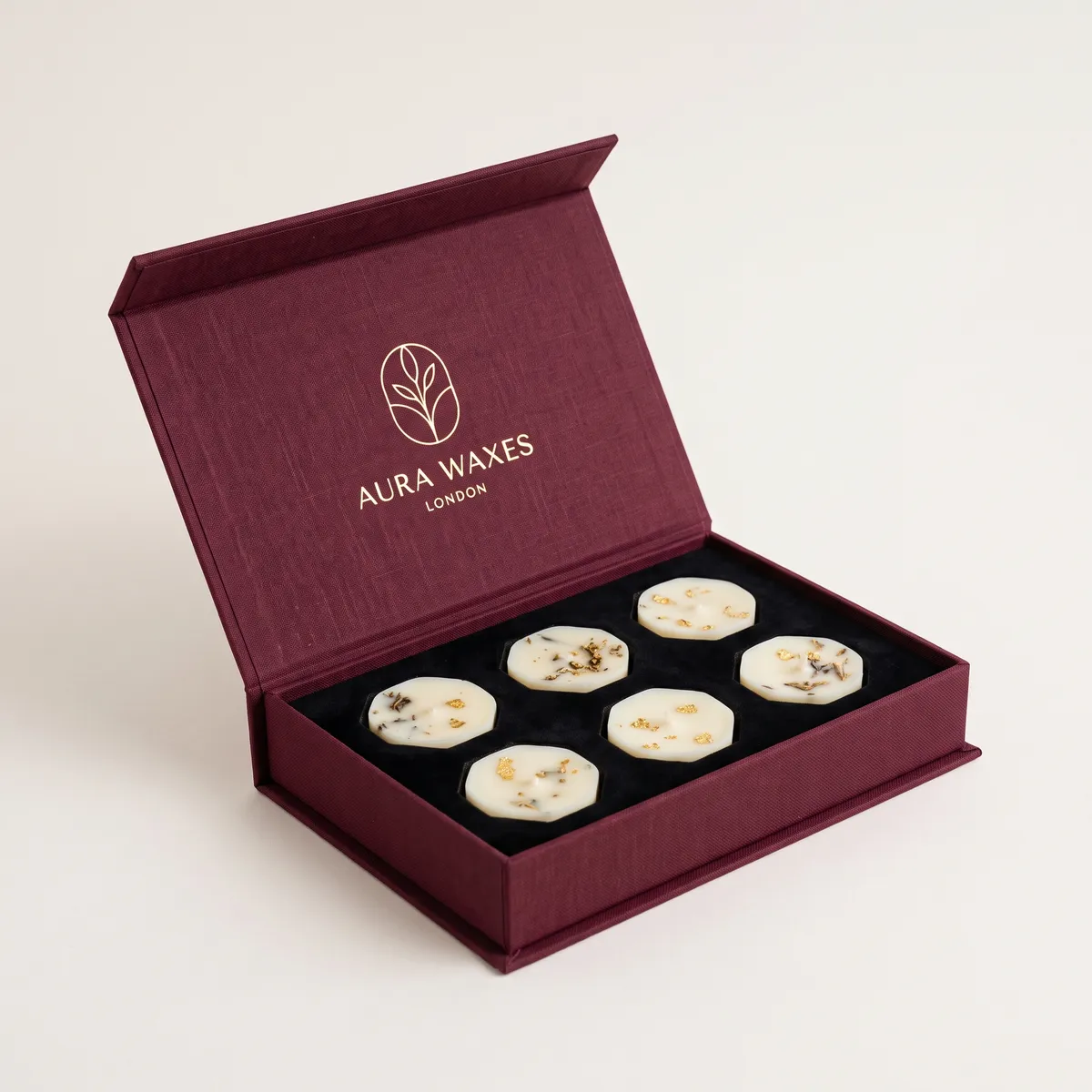
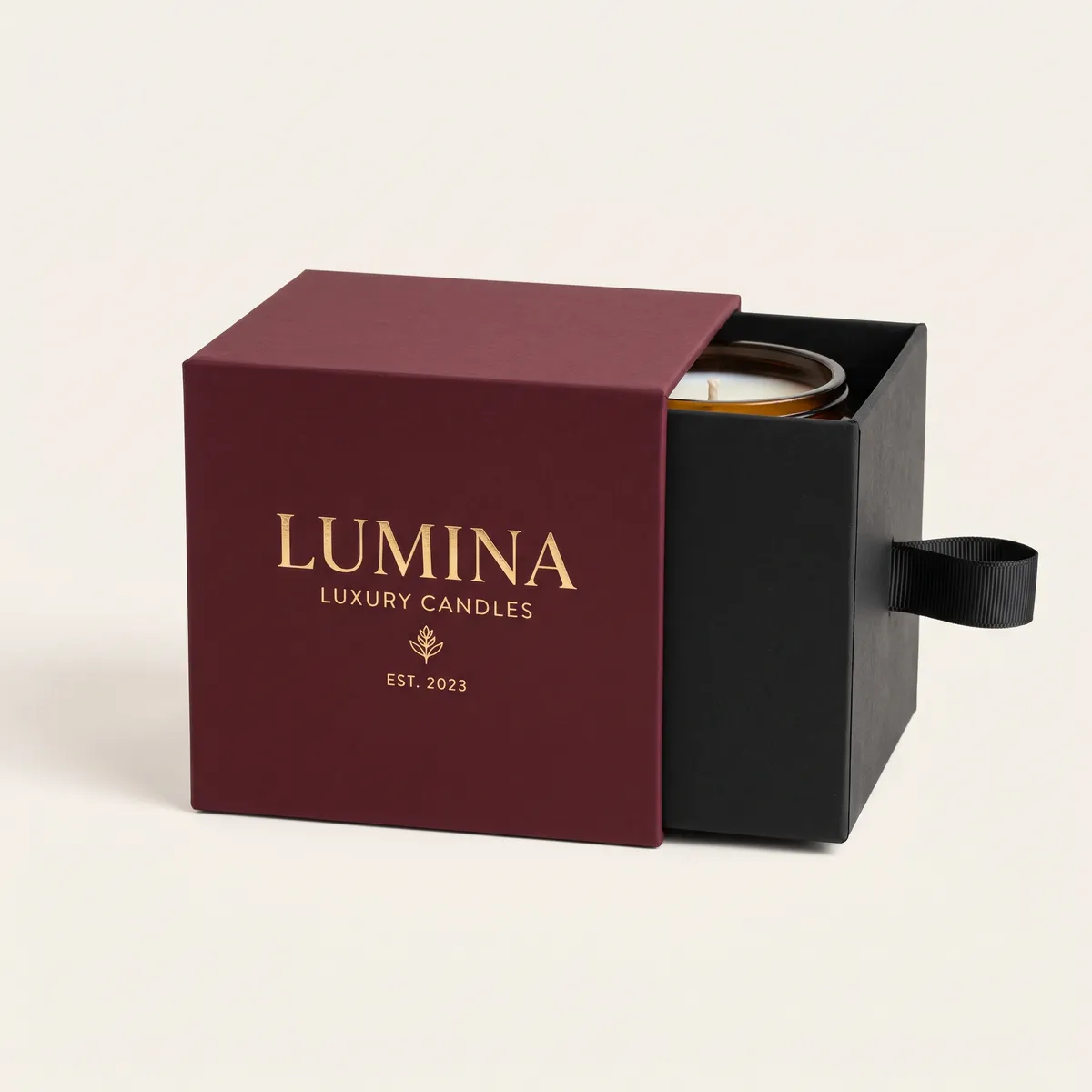
Glass, Wax and a Box That Can't Move
A candle is glass, wax, and scent, and none of the three survives a loose box. Let the jar rattle around in transit and it chips at the rim, cracks at the base, or arrives with the wax knocked loose from the vessel — and a chipped candle is an instant refund, not a second chance. The job here is two-fold and equally weighted: hold the vessel dead still with an insert cut to its exact size, and present it well enough to justify the price on a retail shelf or under a tree. The buyers are candle makers of every size, from market-stall soy pourers to prestige home-fragrance brands whose jars cost more than the shipping. What ties them together is fragility — a heavy glass vessel is one of the easier things to break in the post, and the damage is almost always movement inside the box, not the drop itself. The failure it prevents is the one that turns a sale into a return and a shipping claim. Makers in the same artisan corner often package their soap to match.
Vessel Measurement and Insert Tolerance
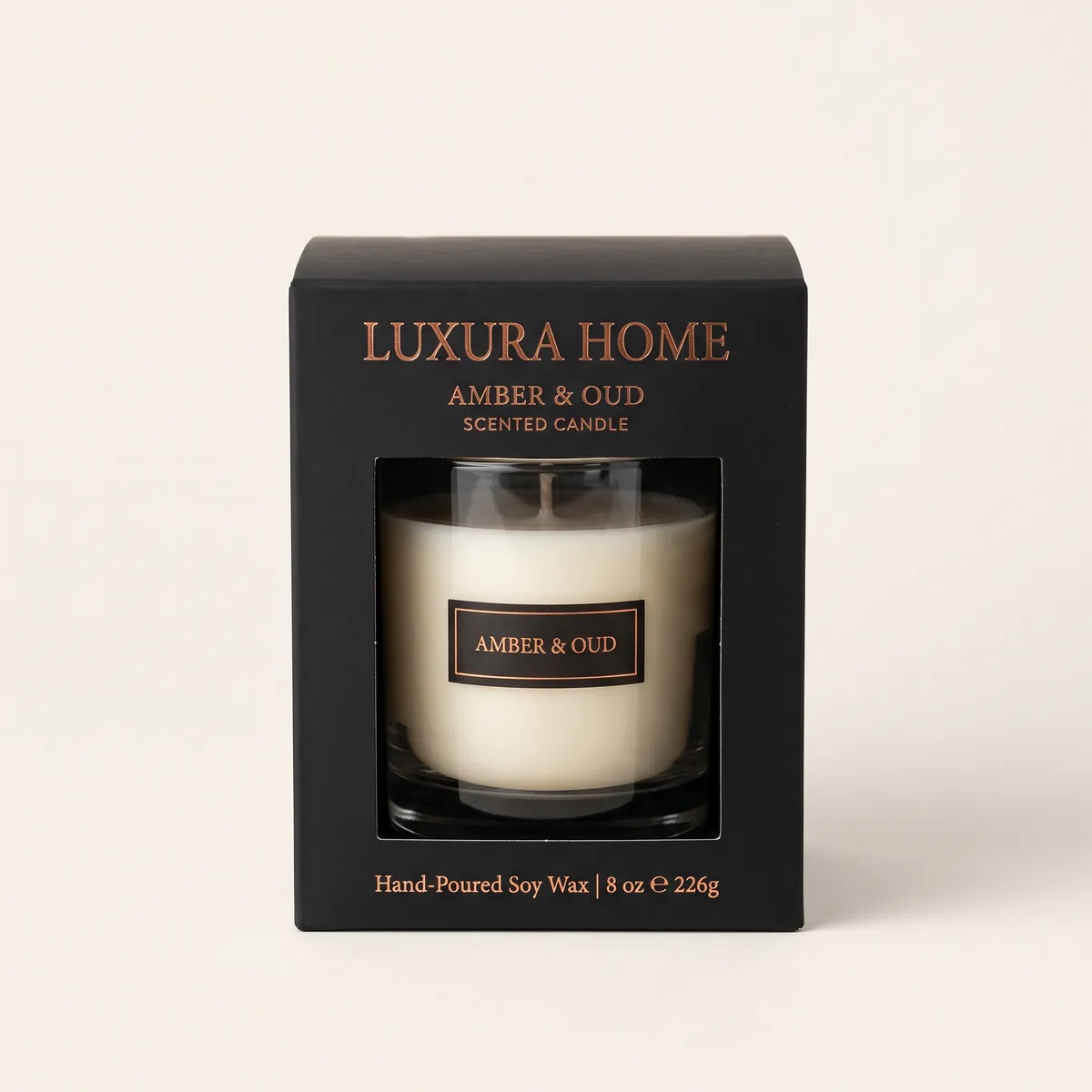
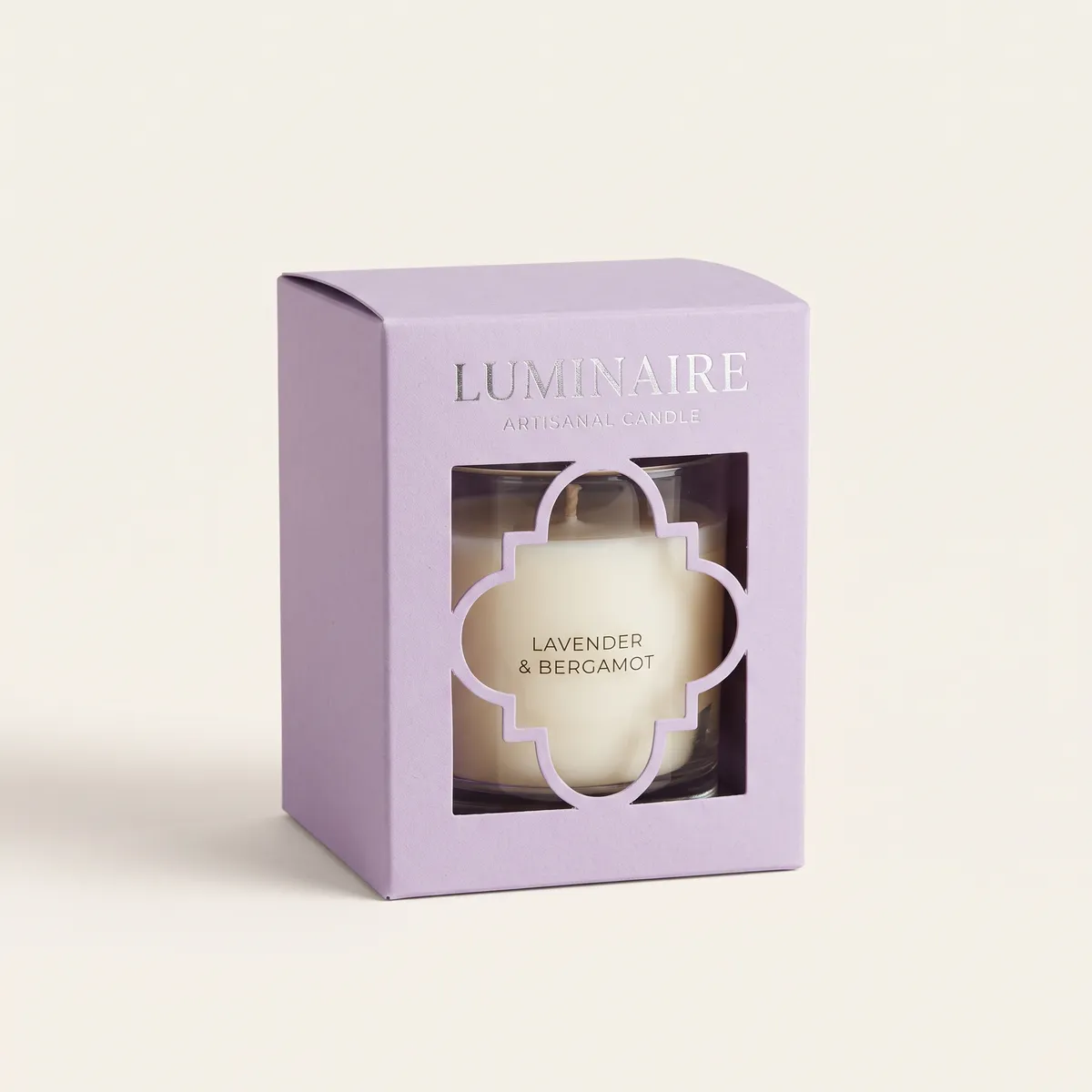
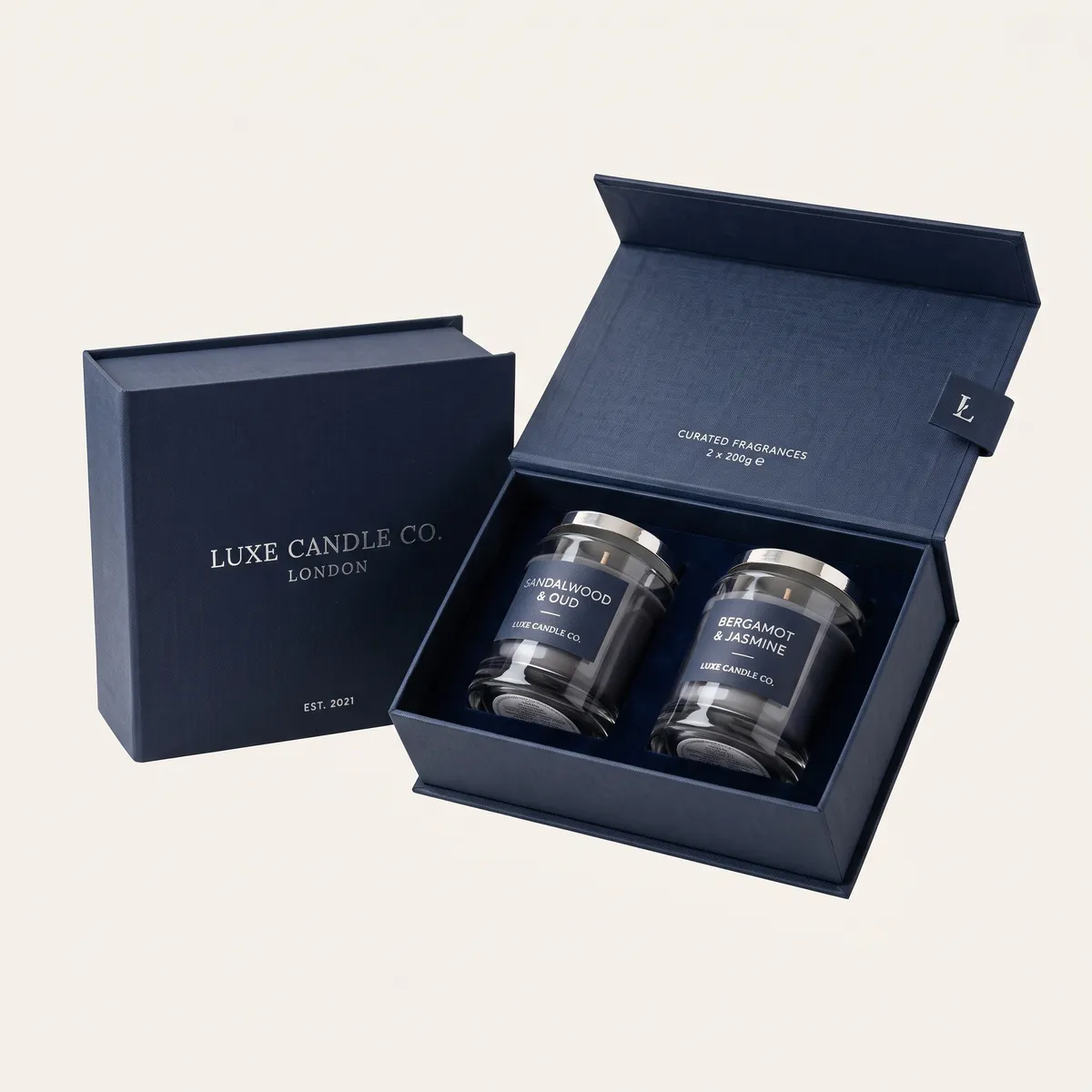
Candle packaging is chosen around the vessel, and the spec splits by tier. Prestige jar candles go into a rigid build — 2–3mm greyboard wrapped and fitted with a die-cut insert cut to the jar's exact diameter and height — because a heavy glass vessel needs to be held dead still. Soy, natural, and clean-fragrance lines usually sit in kraft folding cartons around 18–24pt, matching the eco positioning while still giving enough stiffness to protect the jar. For shipping heavier multi-jar sets, corrugated with cavity inserts comes in. The insert is the real engineering here: get its diameter wrong by a millimeter and the jar either won't seat or rattles loose. Sizes follow standard vessel dimensions, so hold a tolerance around ±0.5mm on the insert and ±1mm on the box. Construction ranges from a simple tuck for market lines to a two-piece rigid or magnetic build for gifting.
Breakage Is the Number That Matters
The clearest payoff in candle packaging is the breakage rate. A heavy glass vessel is one of the easier things to break in the post, and the damage is almost always movement inside the box — so an insert cut to the exact jar, whether in a round box or a fitted carton, turns "arrived chipped" refunds into deliveries that stick. Every prevented breakage is a saved product, saved return shipping, and a customer kept. On the revenue side, the presentation carries real weight in a category where candles are bought as gifts and impulse treats: a box that reads as considered supports a higher price and earns the unboxing photo that brings the next buyer in for free. There's a shelf angle too — packaging that shows or signals the fragrance and finish lifts pickup against a wall of competitors. So the box protects margin two ways at once: it cuts the returns that quietly bleed a fragile product, and it holds up the price and the reach that grow it.
Finish by Candle Tier
Candle brands split cleanly by tier, and the finish should follow. Natural and soy lines do best with minimal decoration — blind emboss or a single-color print on kraft, which matches the clean-fragrance positioning and costs little. Prestige home fragrance is where finish earns back: soft-touch lamination over a matte field, a small foil mark, or an embossed monogram on a linen-wrapped rigid box. The combination to be careful with is soft-touch plus blind emboss on the same element — the velvety film softens the very detail the emboss is creating, so separate them. Soft-touch also scuffs easily, and a candle box often sits on a shelf being picked up repeatedly, so ask for an anti-scuff film if that's the setting. Since candle brands run frequent seasonal scents, digital printing usually wins on schedule: changeover is minutes rather than new plates for every limited edition. Reserve foil and a magnetic-closure build for hero SKUs and gift sets where the higher price actually supports the tooling.
Candle Box Builds by Price Point
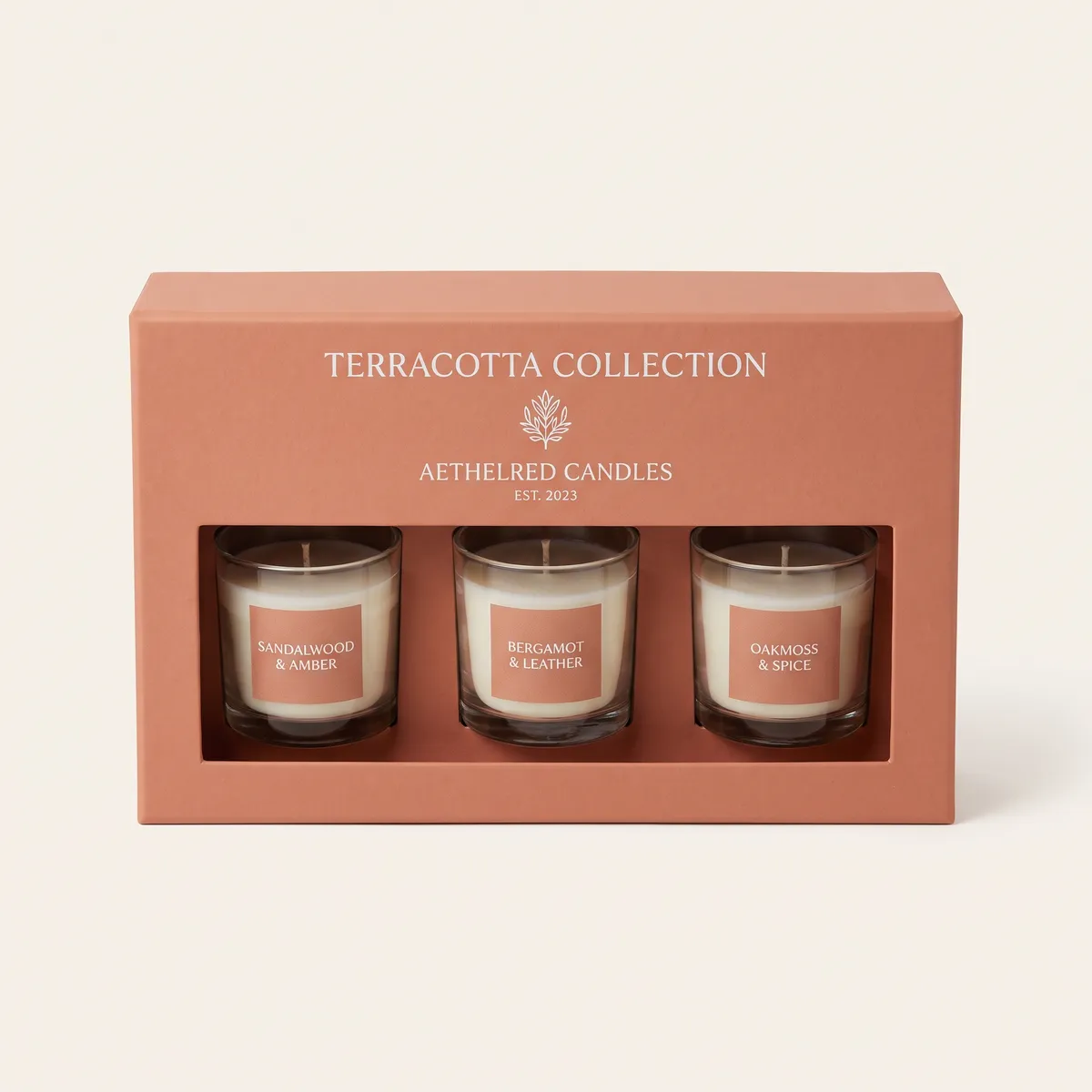
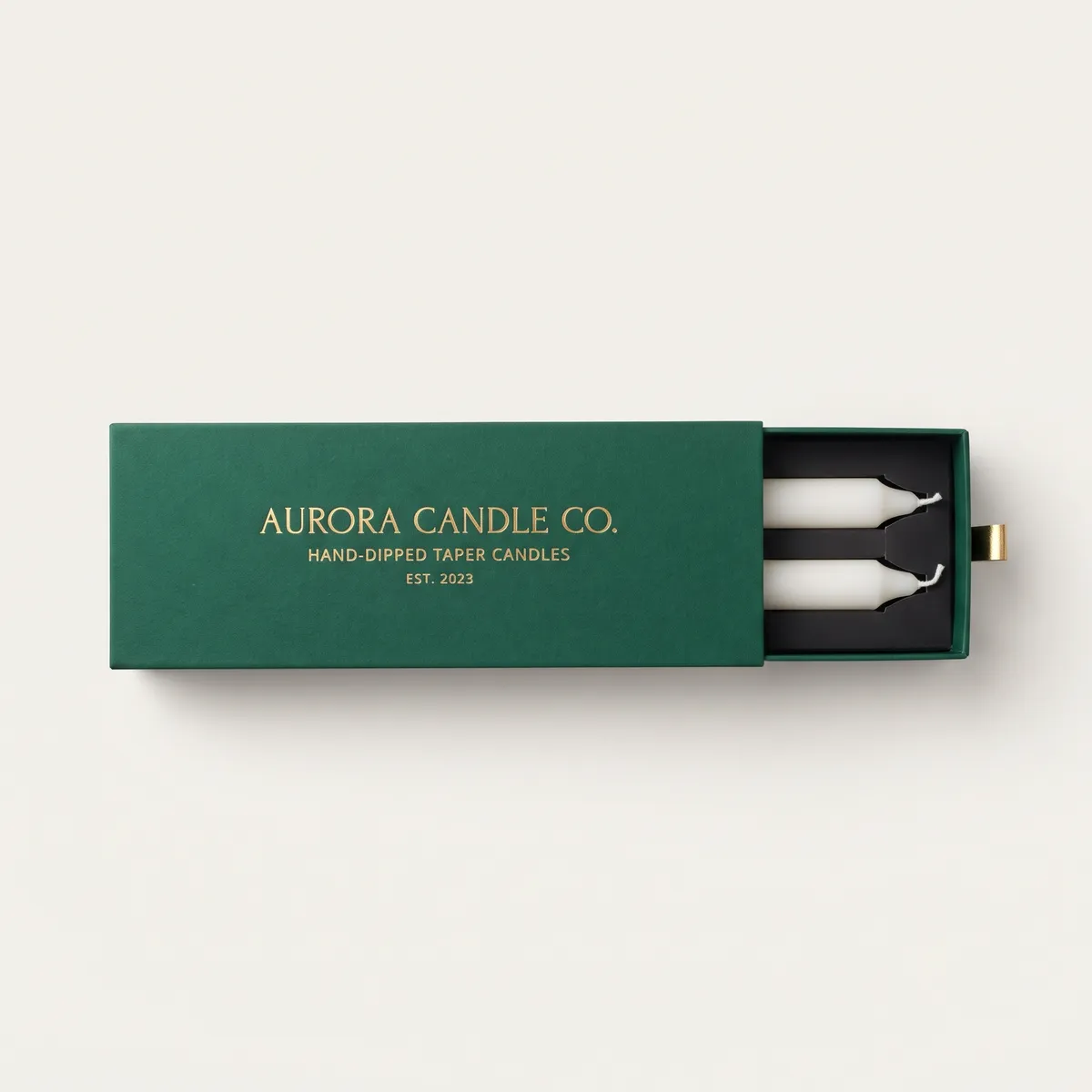
Candle packaging follows the vessel, and the style splits cleanly by price point.
- Straight tuck cartons — everyday and market lines. Economical, flat-packing, fine for a jar that isn't traveling far.
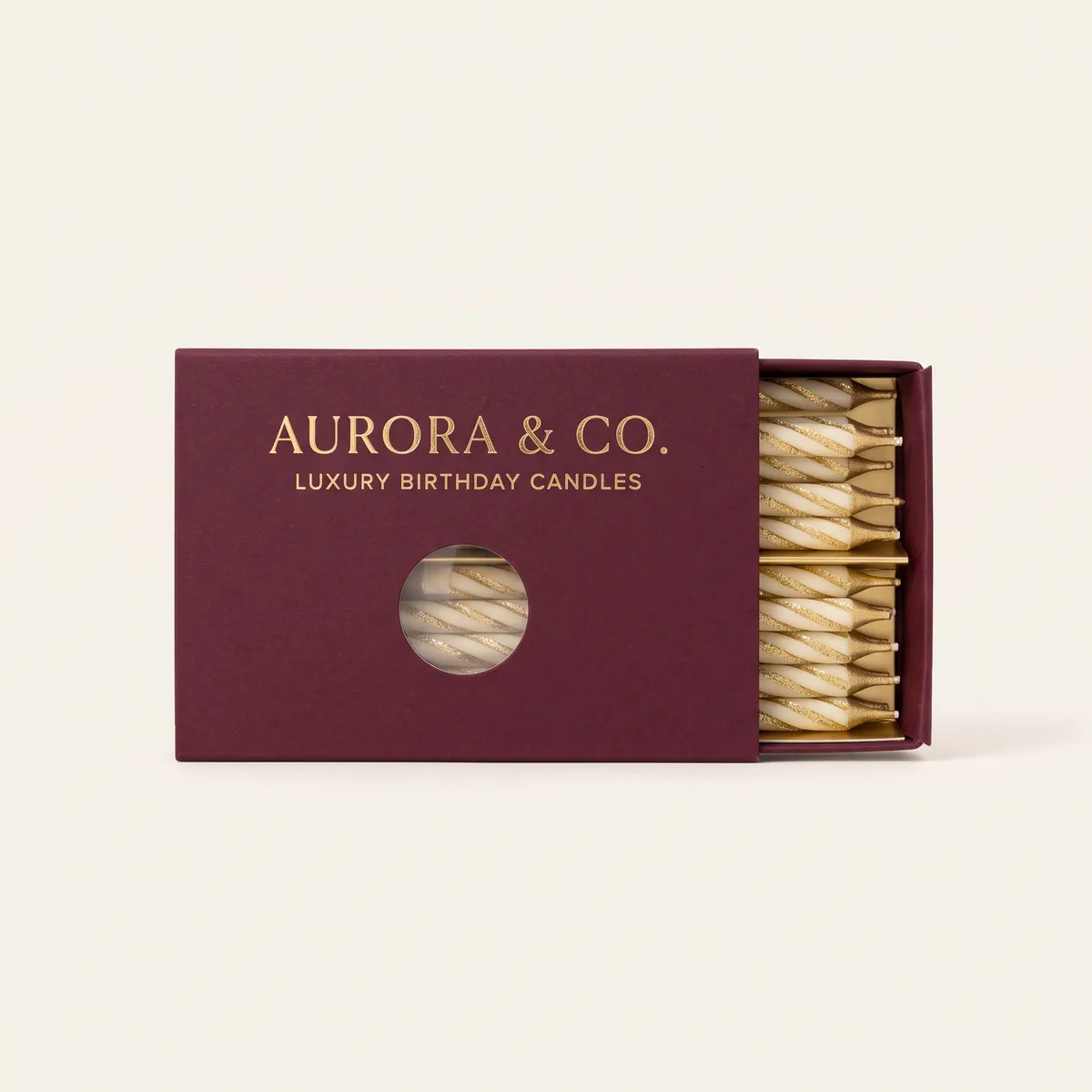
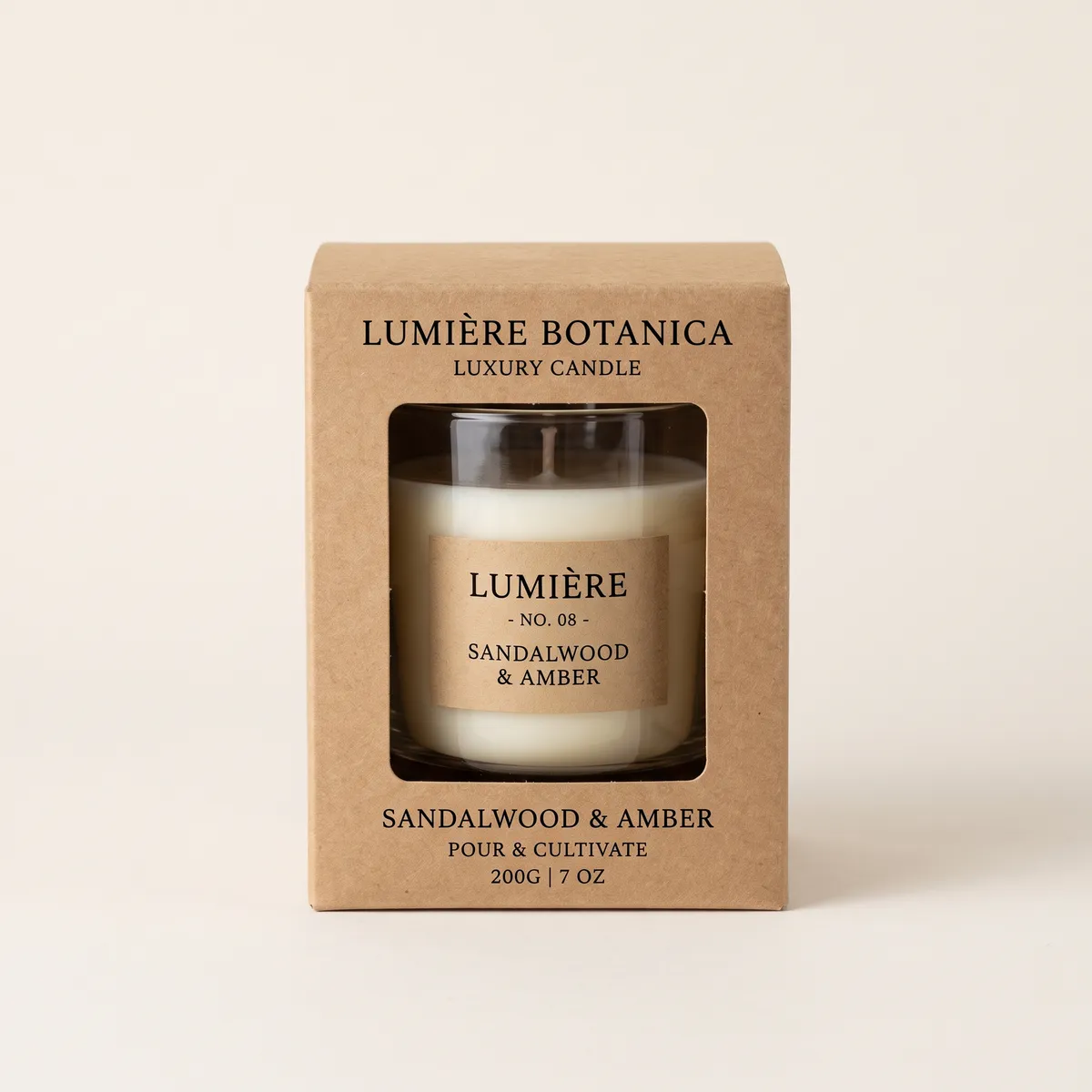
- Lid-and-tray rigid boxes — gift and prestige tiers. A fitted cavity insert holds the jar dead still and the lid lifts with ceremony.
- Round boxes — suit round vessels neatly and waste less space than forcing a cylinder into a square carton.
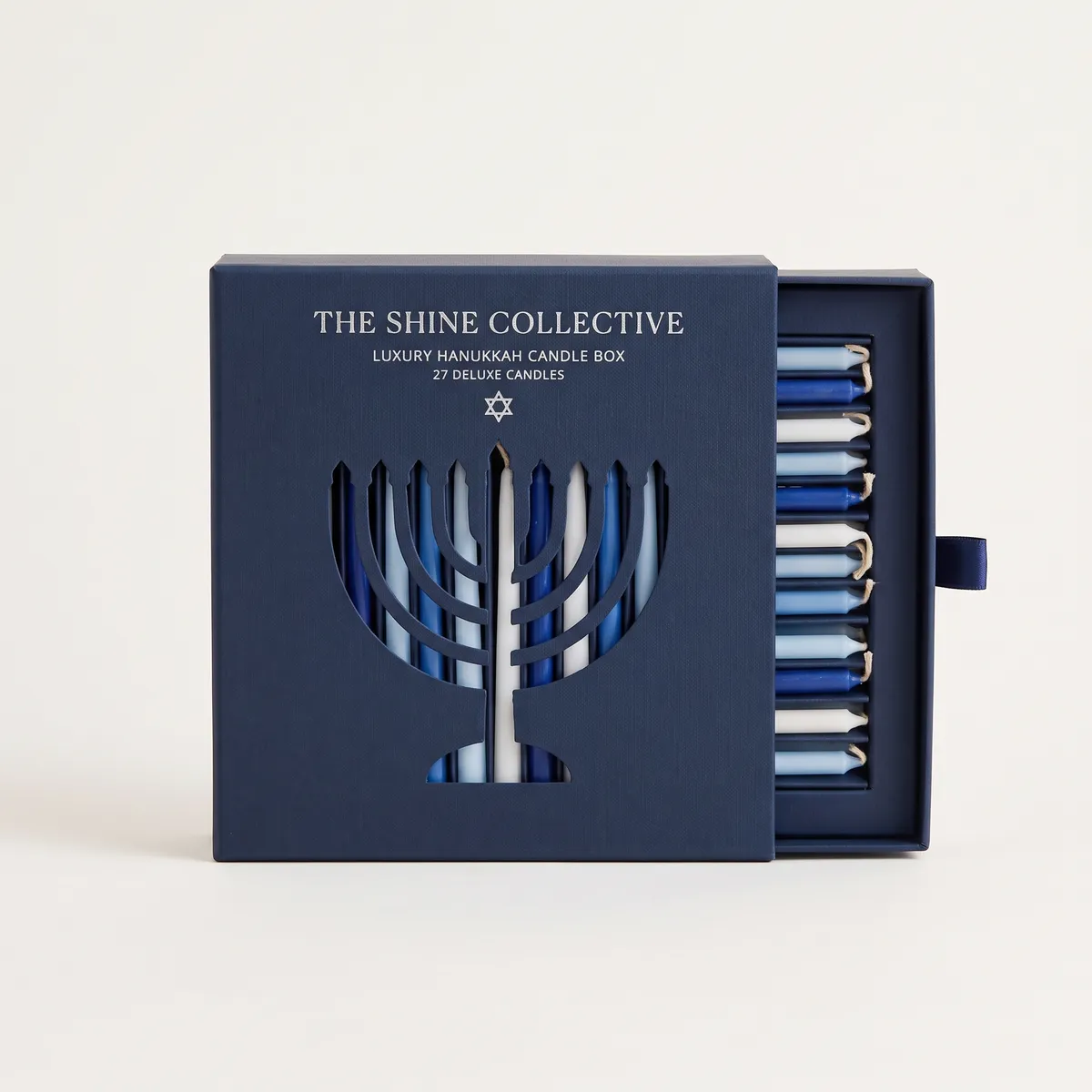
- Sleeves — tins and travel sizes, where you want the vessel partly visible.
- Trays with cut cavities — multi-jar gift sets, or the jars knock together in transit.
Whichever outer style you choose, the insert does the protective work — so decide the insert and the vessel dimensions before the box.
Measure the Vessel Before the Box
The insert decides more than the box does. Get the vessel diameter and height measured properly first, because a cavity that's a millimeter off either won't seat or will let the jar rattle, and rattling is what chips glass. After that, the choice is folding carton for everyday and market lines versus rigid for gift and prestige tiers — and the honest line is that a $20 candle doesn't need a rigid box, while a $60 one does. For shipping multi-jar sets or heavier vessels, step up to corrugated with cavity inserts rather than trusting a folding carton with that weight. If your candles sell primarily as presents, gift packaging is worth a look.
On our side: send us the jar dimensions and we'll build the box and the insert around them, confirming internal versus external measurements in writing so the fit is right the first time. Revisions before print are unlimited and free — helpful when you're launching seasonal scents off one structure. Every box passes three checks before it ships. If a run doesn't match your approved proof, we reprint at our cost. No hidden fees on top of the quote, guaranteed. From 100 units, 8–12 business days, shipping included.
Unrivaled Support From Packaging Experts
From first sketch to full production, the same team carries your order through every stage.
Structural Engineering
We determine the right size, shape, and material for a snug fit and real protection.
Free Artwork Guidance
Our design team helps translate your brand into a box, at no added charge.
2D & 3D Mockups
See your box come to life before a single sheet of board is cut.
Quality Assurance
Every run is checked in-line against the digital proof or physical sample you approved, not just at the end.
Fast Turnaround
8–12 business days standard, with rush options when timing is tight.
Tracked Shipping
Palletized freight or drop-ship, tracked from our dock to yours.
What brands say about their candle boxes
They live there rather than here, where we can't edit them, delete them, or pick which ones you get to see. That is exactly what makes them worth reading.
Read all reviews on Trustpilot(opens in a new tab)Answers before you have to ask.
Will the box hold a heavy glass jar without it moving?
Yes — the insert is what matters here. We die-cut inserts to your exact vessel diameter and height so the jar sits snug and doesn't rattle or chip, which is the most common candle shipping complaint.
Can you fit odd vessel shapes or sizes?
We can. Send the diameter and height of your jar, tin, or pillar and we'll build the box and insert around it, so it fits properly instead of loose in a generic box.
Should I go rigid, kraft, or corrugated?
Depends on the goal: rigid for luxury and gifting, kraft for soy and clean-fragrance brands, corrugated for shipping heavier jars safely. Tell us your line and we'll recommend the right one.
How long do custom candle boxes take?
Most custom candle boxes are ready in about 8–12 business days after proof approval, and we run a rush lane when you're on a deadline. Shipping's included.
Do I need a print-ready design?
No. Send finished artwork or just your logo and jar measurements, and our team designs the box, insert included, and sends a proof to sign off — design help is unlimited and free. Our minimum order is 100 boxes, so you can start with a manageable run rather than committing to thousands upfront.