
Custom Jewelry Boxes, Carats, cased.
A ring says one thing in a padded envelope and another in a box that feels like an occasion — for jewelry, presentation is part of the purchase. Custom jewelry boxes give rings, necklaces, and every fine piece a rigid, protective home that reads as luxury the moment it opens. Add inserts, foil stamping, or a magnetic close to make the reveal match the price tag.
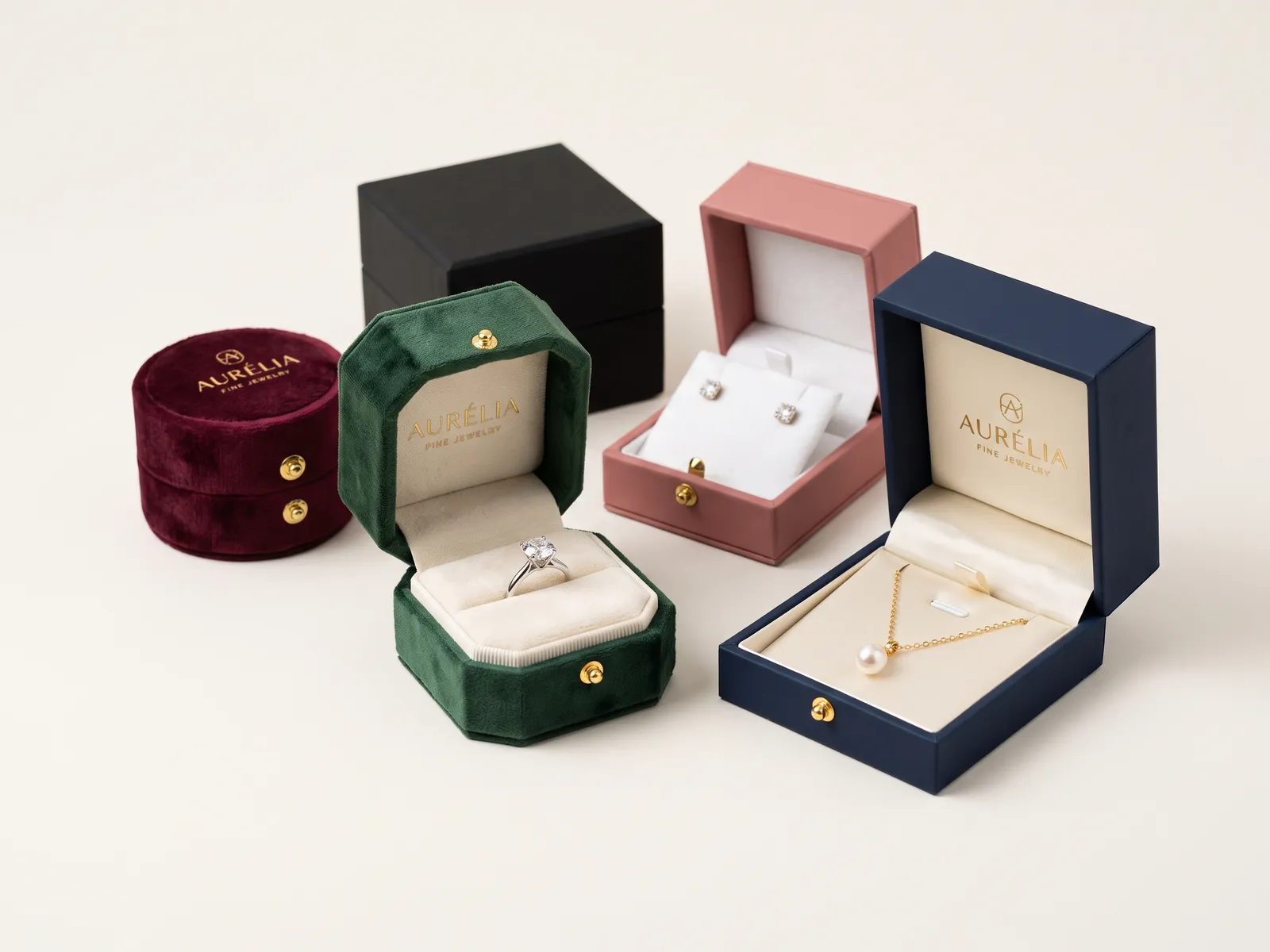
Materials & Options for Jewelry Boxes
E-Flute Corrugated
Thin profile, strong crush resistance — the standard for most mailer boxes.
B-Flute Corrugated
A thicker flute for heavier contents or extra stacking strength.
Kraft Paper
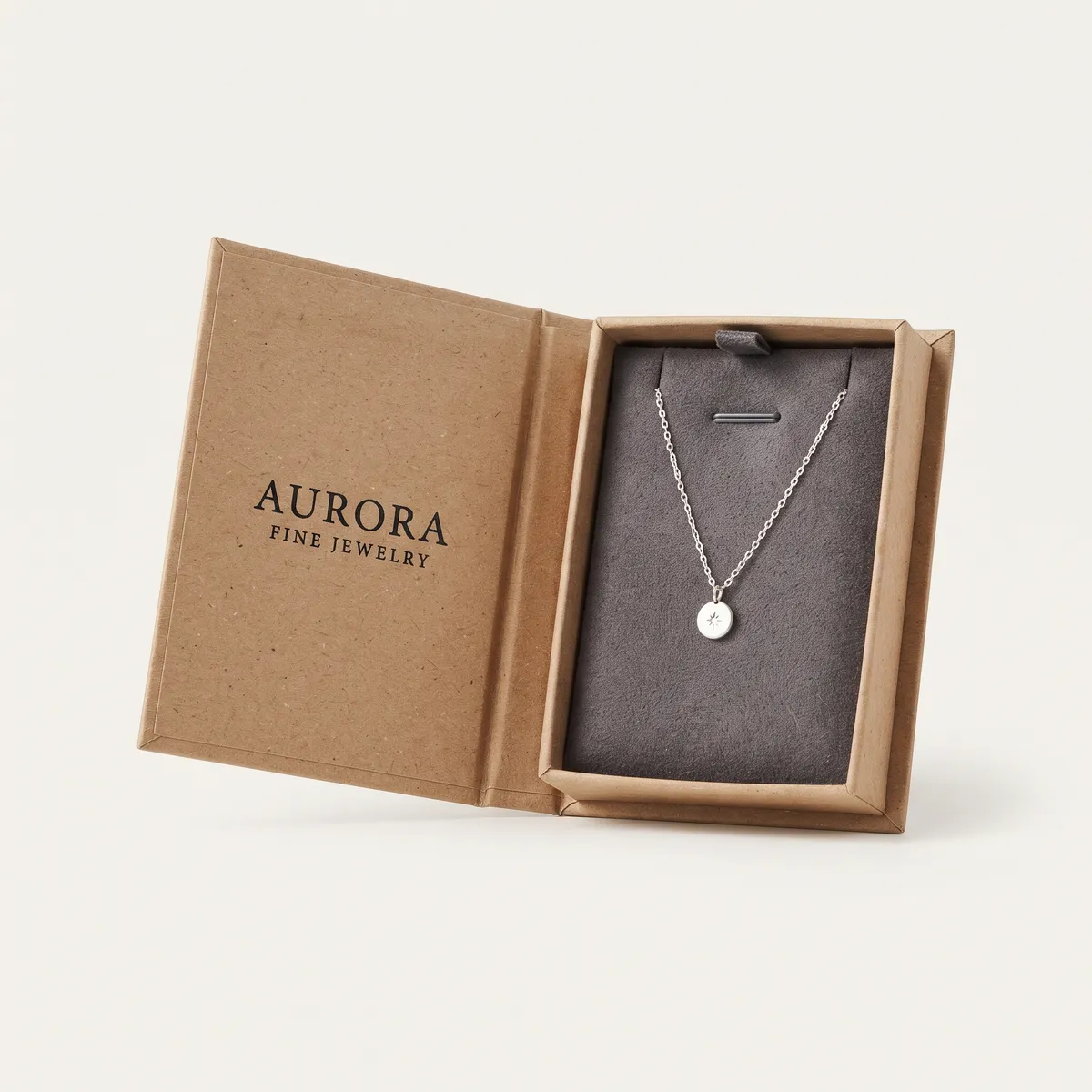
Unbleached, natural-brown stock with an earthy, eco-forward texture.
SBS Board
Solid bleached sulfate board for a smooth, print-ready white surface.
Offset Printing
Exact color matching for large runs — the standard for big projects.
Digital Printing
Fast turnaround on shorter runs, with no minimum plate setup cost.
Flexographic Printing
Distortion-free output built for large-run corrugated jobs.
UV Printing
Instantly cured ink that resists scratches and solvents.
Matte Lamination
Soft, non-reflective finish that reads premium under any light.
Gloss Lamination
High-shine coating that makes bold colors and photography pop.
Soft-Touch Coating
A velvety exterior resistant to moisture and fingerprints.
Spot UV & Foil
Raised gloss detail or metallic foil for logos and accents.
Discover Our Most-Requested Jewelry Box Styles
Every style below runs through the same structural engineering and quality process — pick a starting point and we'll adjust the details to your product.
The Box Sets the Price Before the Piece Does
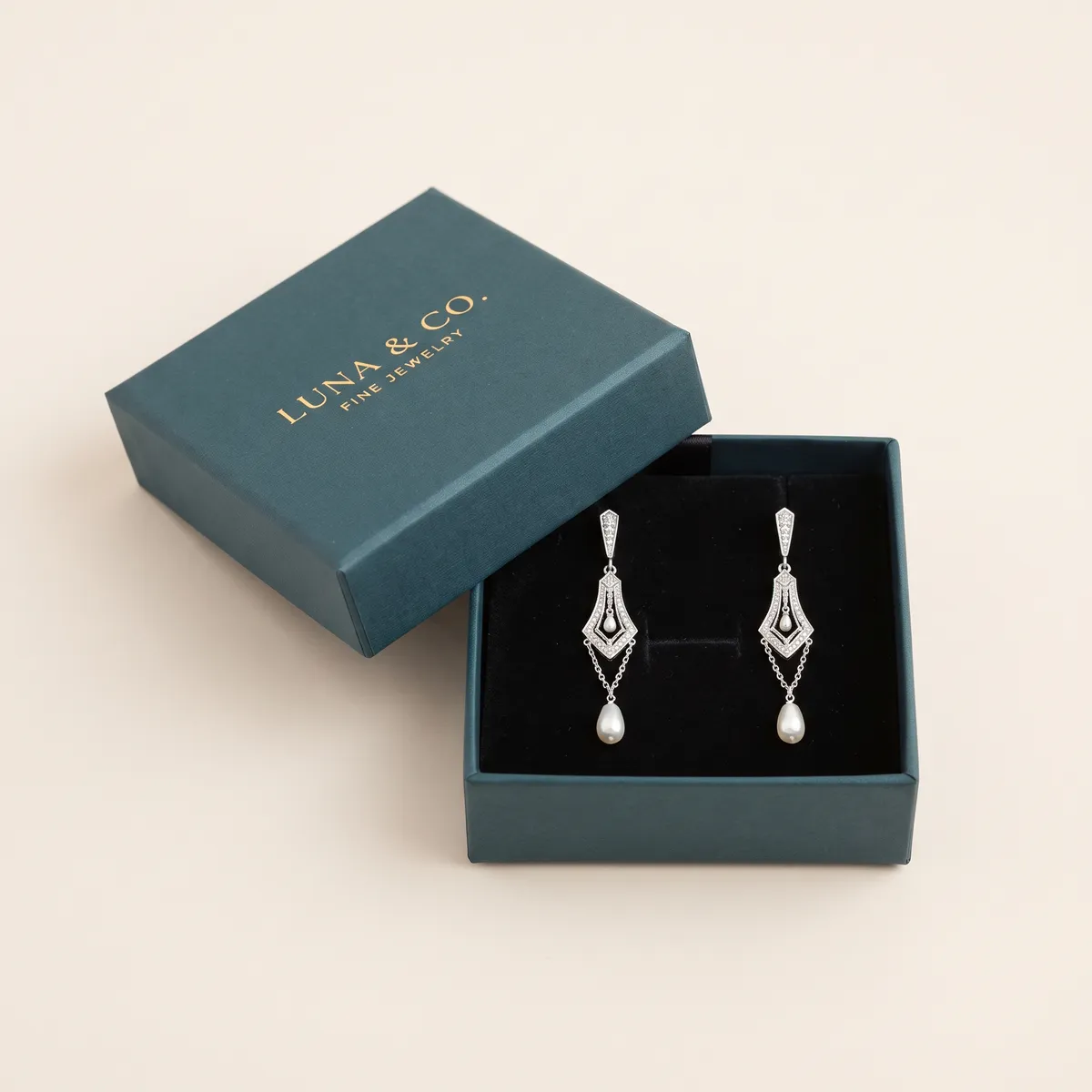
A ring in a padded envelope and the same ring in a proper box are, to the buyer, two different purchases at two different prices. For jewelry, the box is part of what someone pays for — it sets the perceived value of the piece before the lid is even lifted, and it frames the moment the piece is first seen. That's the job: make a small, expensive thing feel like an occasion, and hold it securely enough that it arrives without a single scratch on the finish. The people buying these are jewelers, fine and fashion jewelry brands, and anyone selling a piece where the reveal matters as much as the metal. A thin, hollow-feeling box quietly tells a customer the piece inside isn't worth much, which is the last thing you want attached to something you're charging a premium for. And a loose interior lets a chain tangle or a stone knock, turning a gift into a complaint. Since so many pieces are bought to be given, it overlaps closely with gift packaging.
Rigid Cores, Wraps and Insert Tolerances
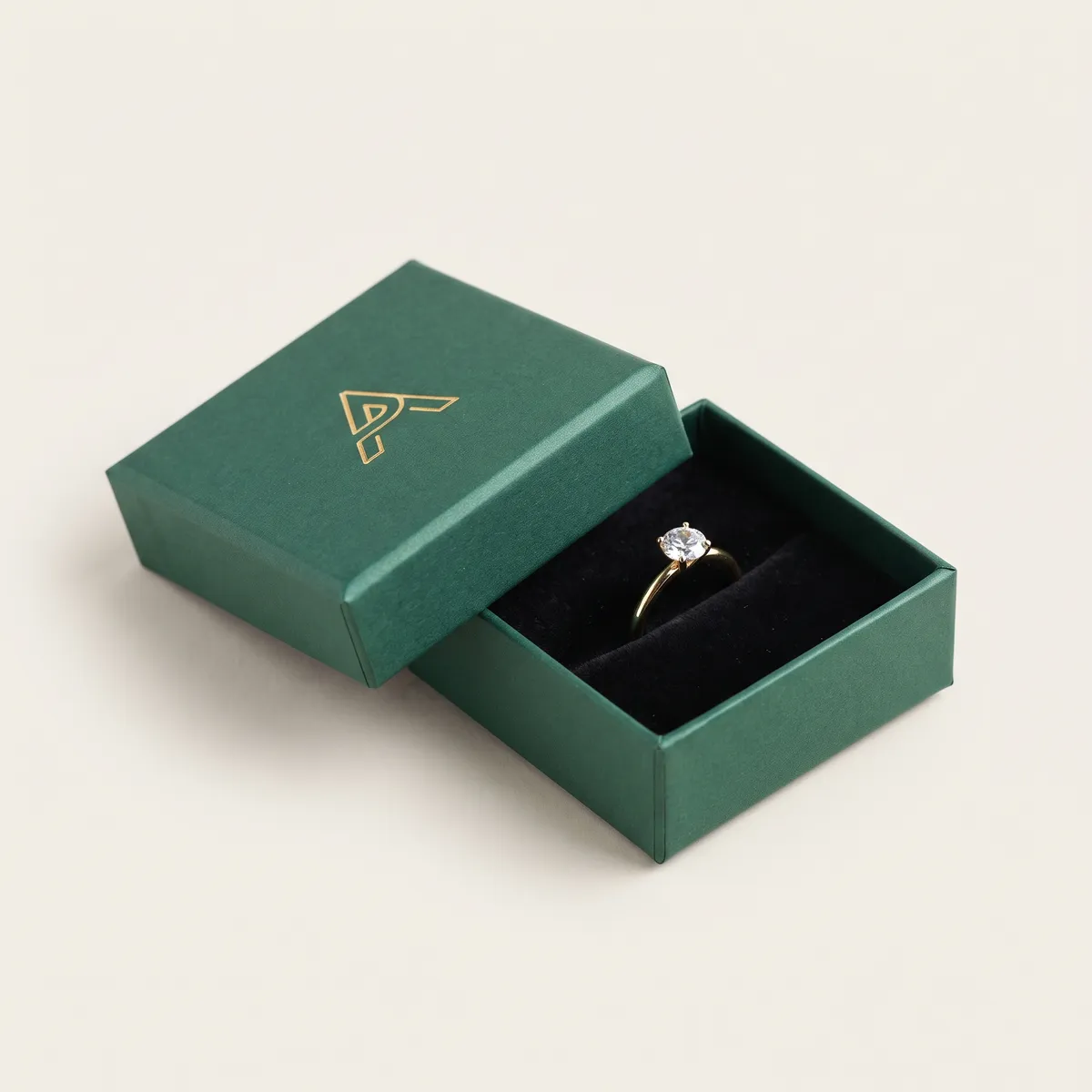
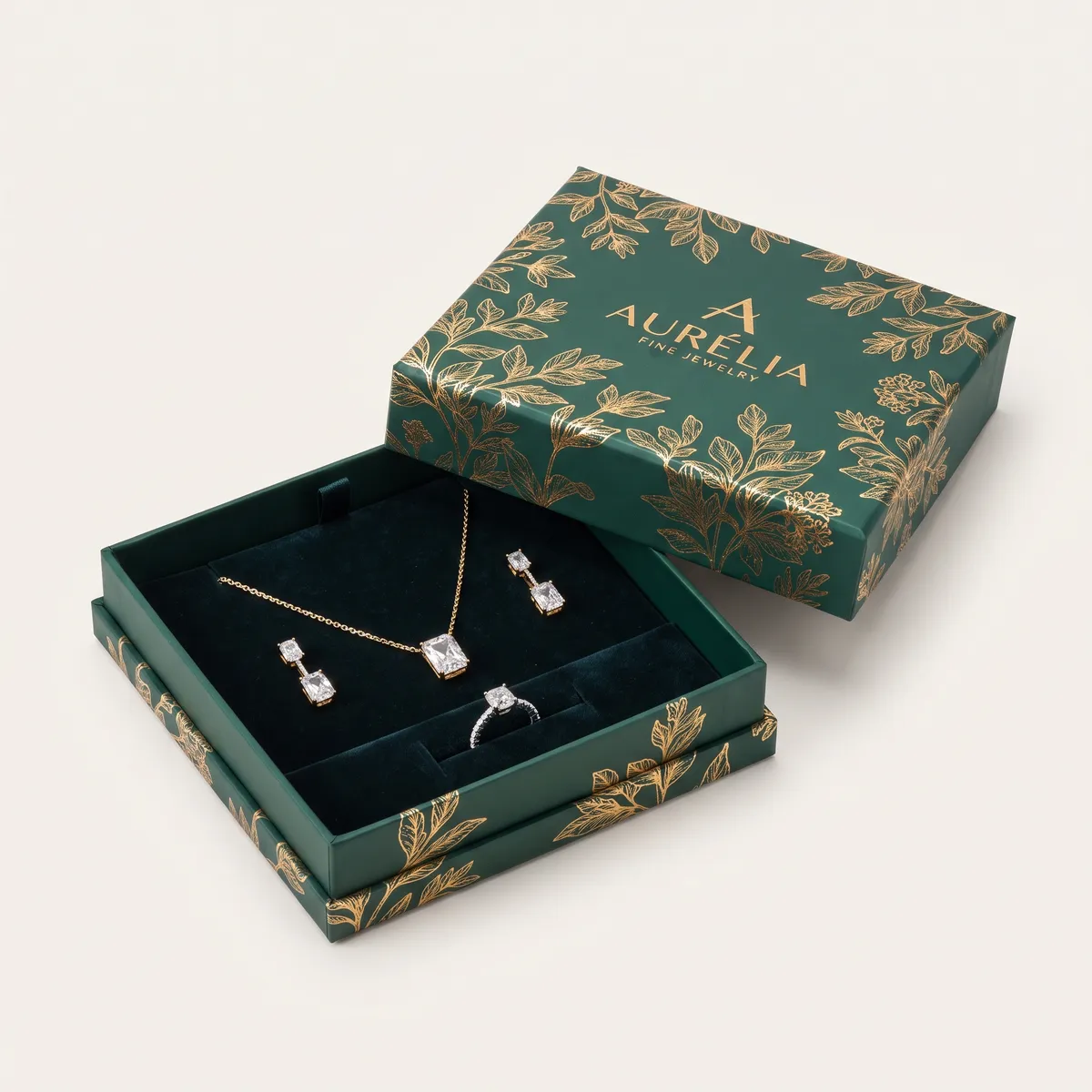
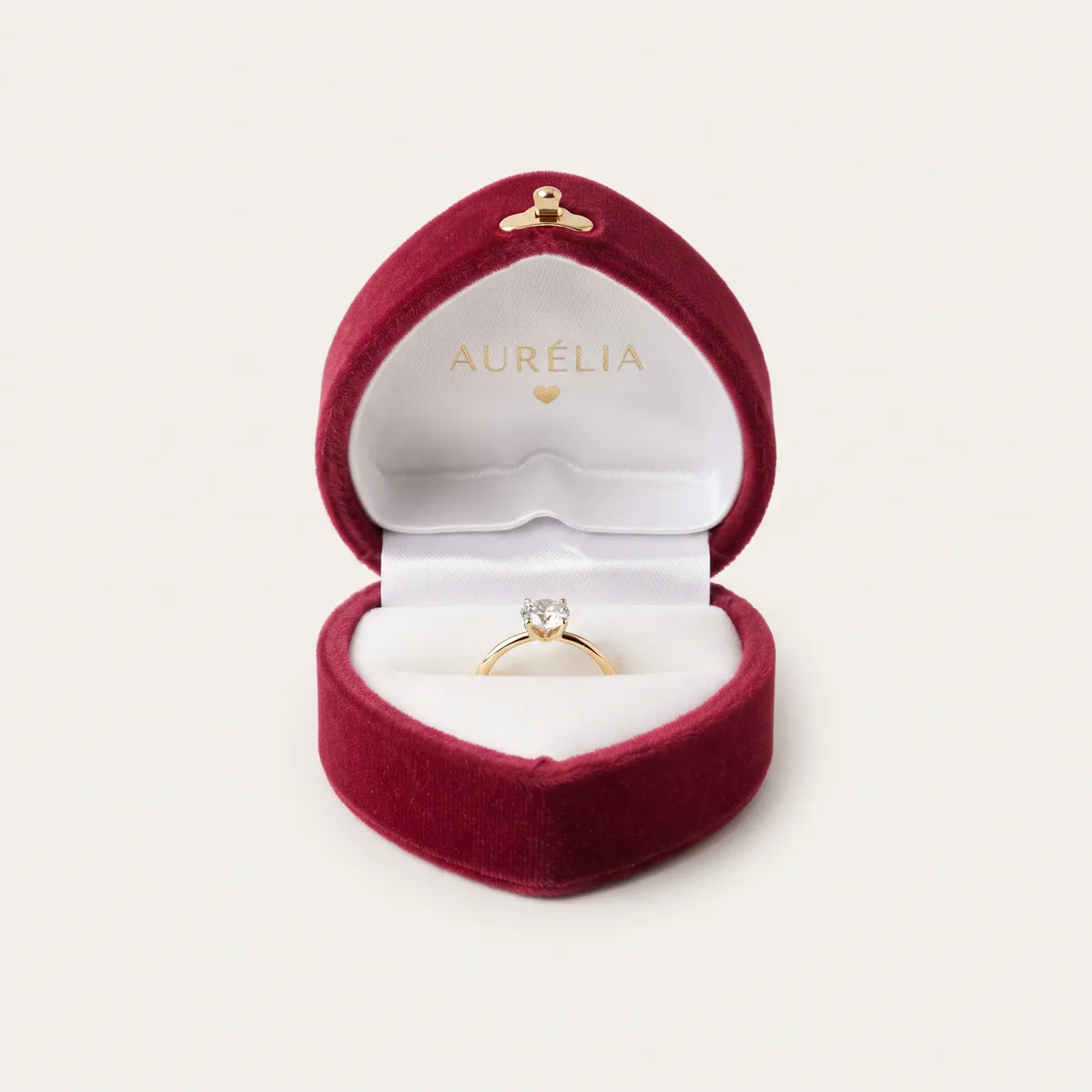
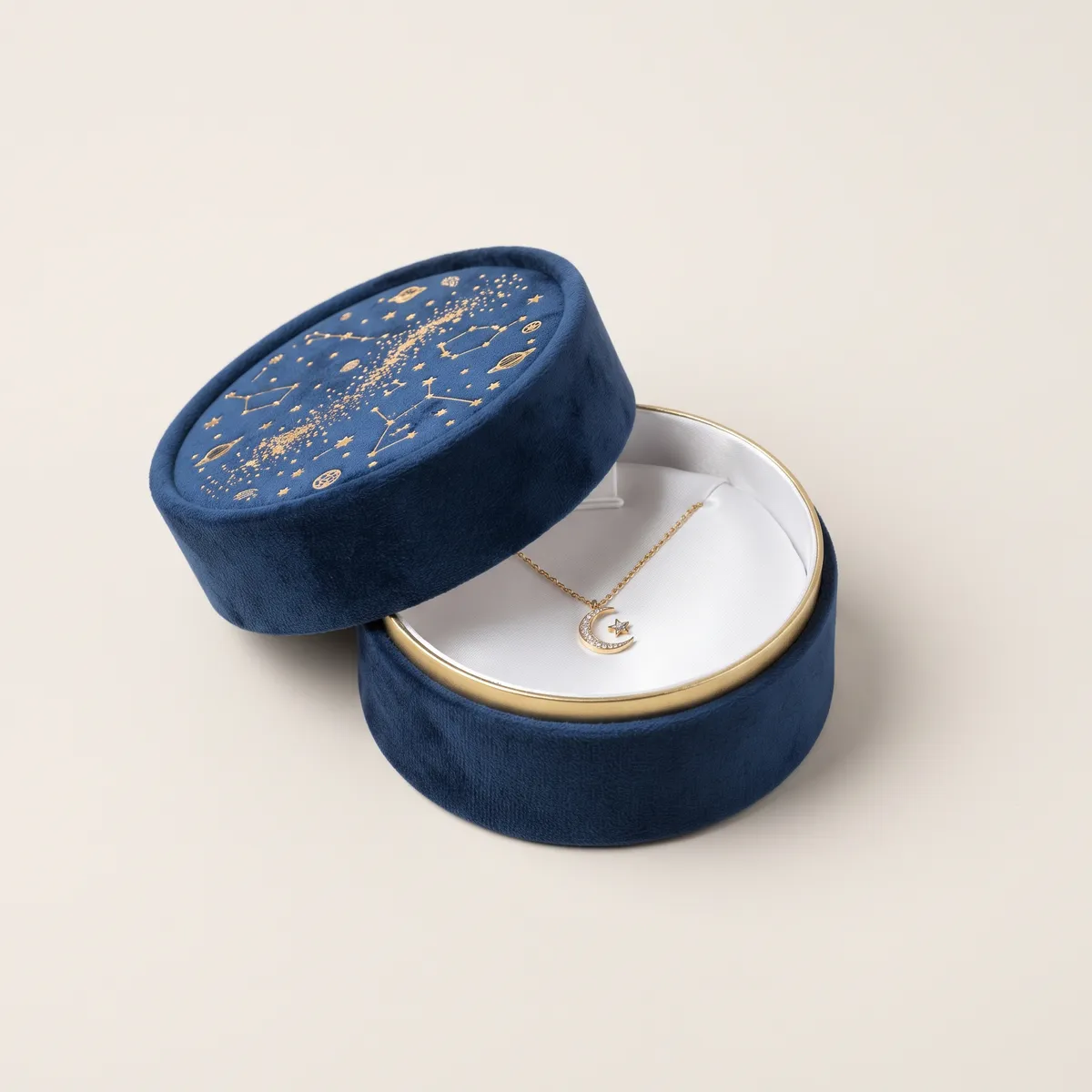
Jewelry boxes are where a rigid build earns its keep. The core is a greyboard or buxboard base, typically 2–3mm thick, wrapped in printed paper, leatherette, or a textured stock — this is what gives the box its weight, its clean square edges, and the reassuring snap of a lid that doesn't flex. Inside sits a die-cut foam or paper insert cut to the exact piece, so a ring holds upright and a chain doesn't tangle. Sizes are small and exacting: a ring box might be 2 inches square, so the tolerance has to be tight, around ±0.5mm, or the lid won't seat and the insert won't drop in true. Construction is a two-piece lid-and-base or a hinged rigid build, sometimes with a magnetic closure for the higher tiers. Because the piece inside carries real value, the box is built to protect and to perform the reveal, not just to contain.
Foil, Deboss and Small-Format Detail
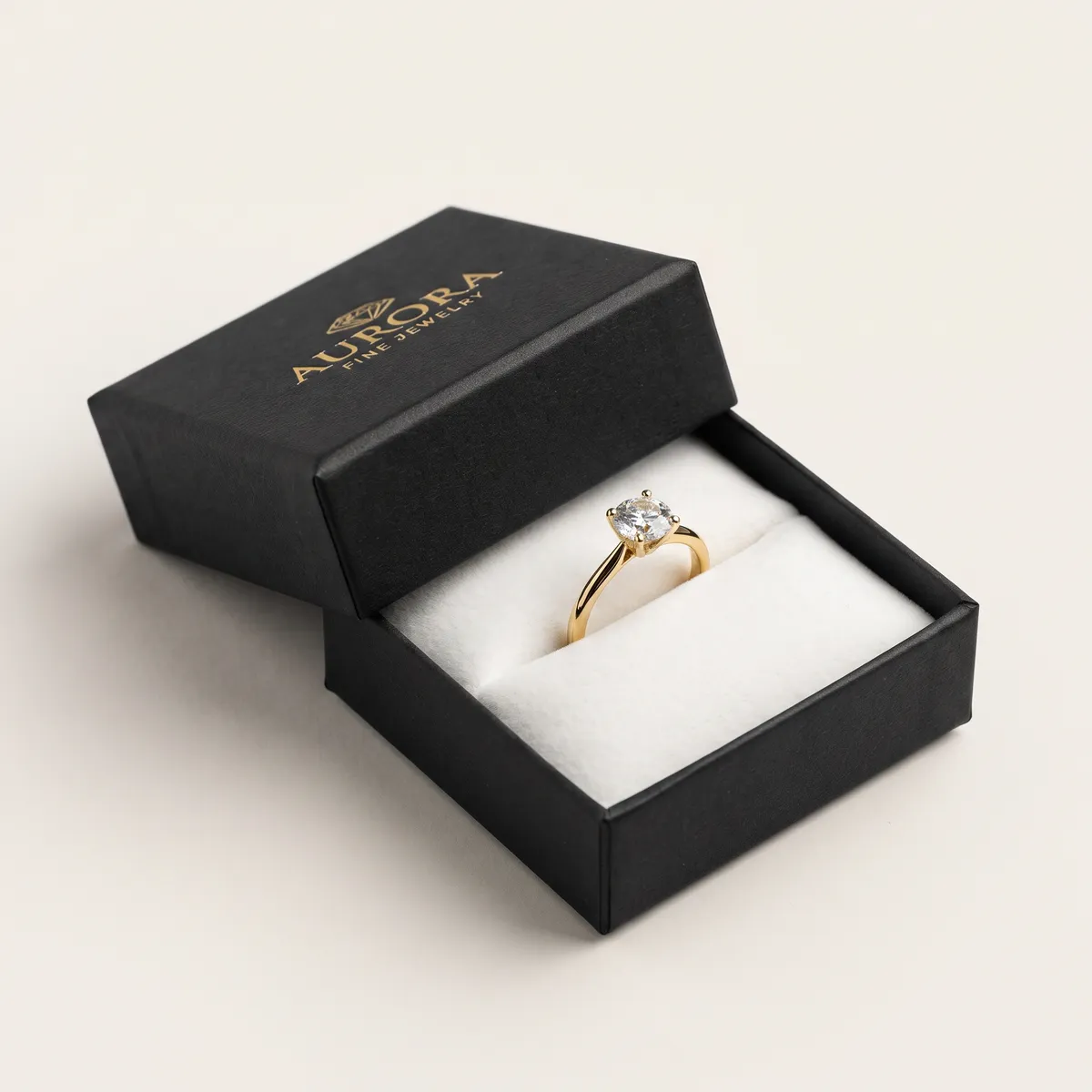
Jewelry is one of the few categories where the most expensive finishes genuinely pay back, because the box is defending a price built on how the piece feels. Foil stamping on a matte or linen-wrapped base is the classic: the flat surface makes the metallic look like it glows, and a single small crest reads richer than a large foiled area, which tends to flatten. Debossing suits fine or intricate marks better than embossing, since pressing in holds detail that raising tends to lose. Two practical limits. Emboss needs board with enough caliper behind it — on thin stock it cracks or tears through, so this is a rigid-board technique, not a folding-carton one. And foil near a fold or a tight curve is where registration problems show up first, so keep it on flat panels. Because runs here are usually small, digital or short-run offset with offline foiling is normally the sensible economics. A matching foiled hang tag extends the same finish to the piece itself at almost no extra tooling.
Jewelry Box Builds by Piece Type
Jewelry is a rigid-box category, and two builds dominate. Beneath the outer style, the insert is what really varies.
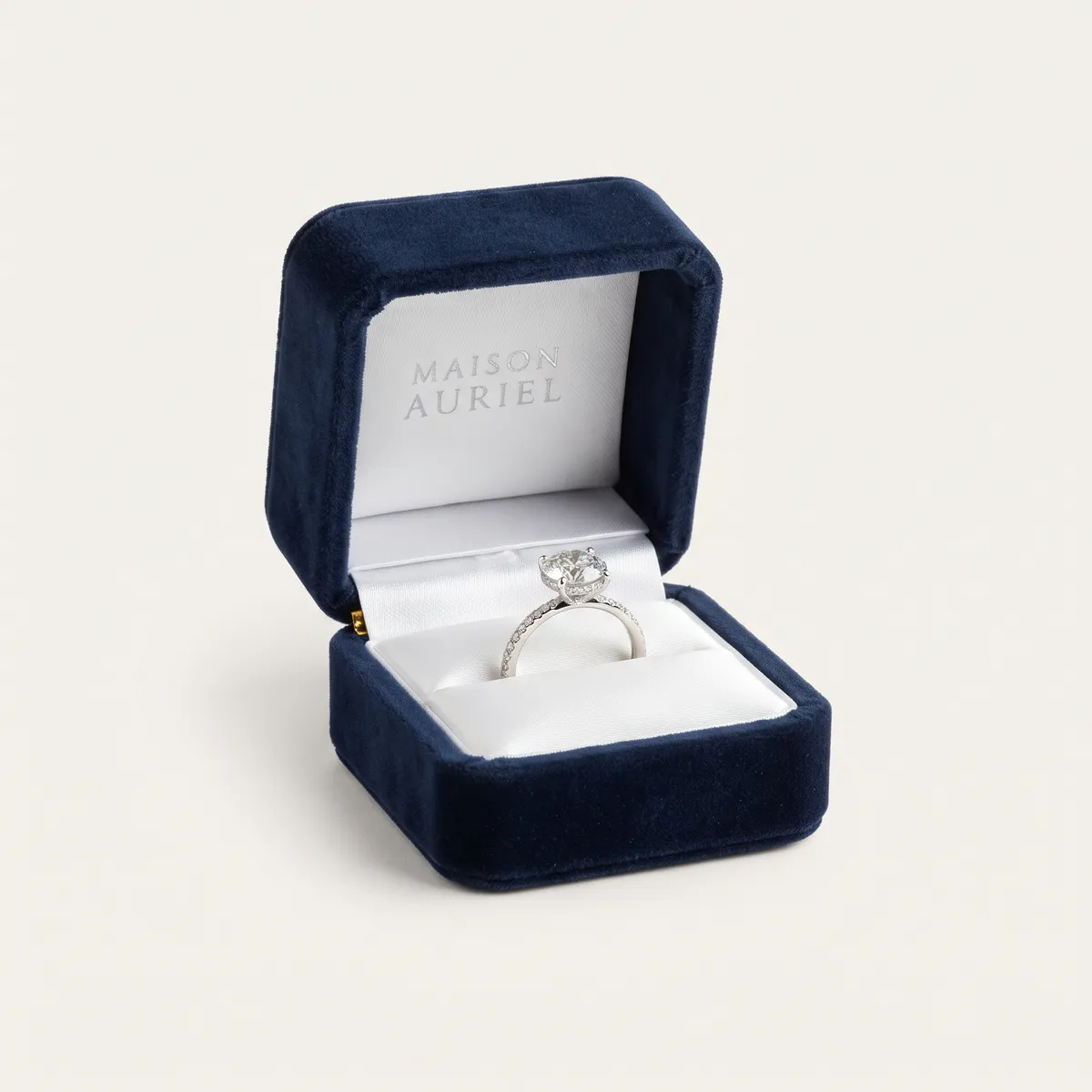
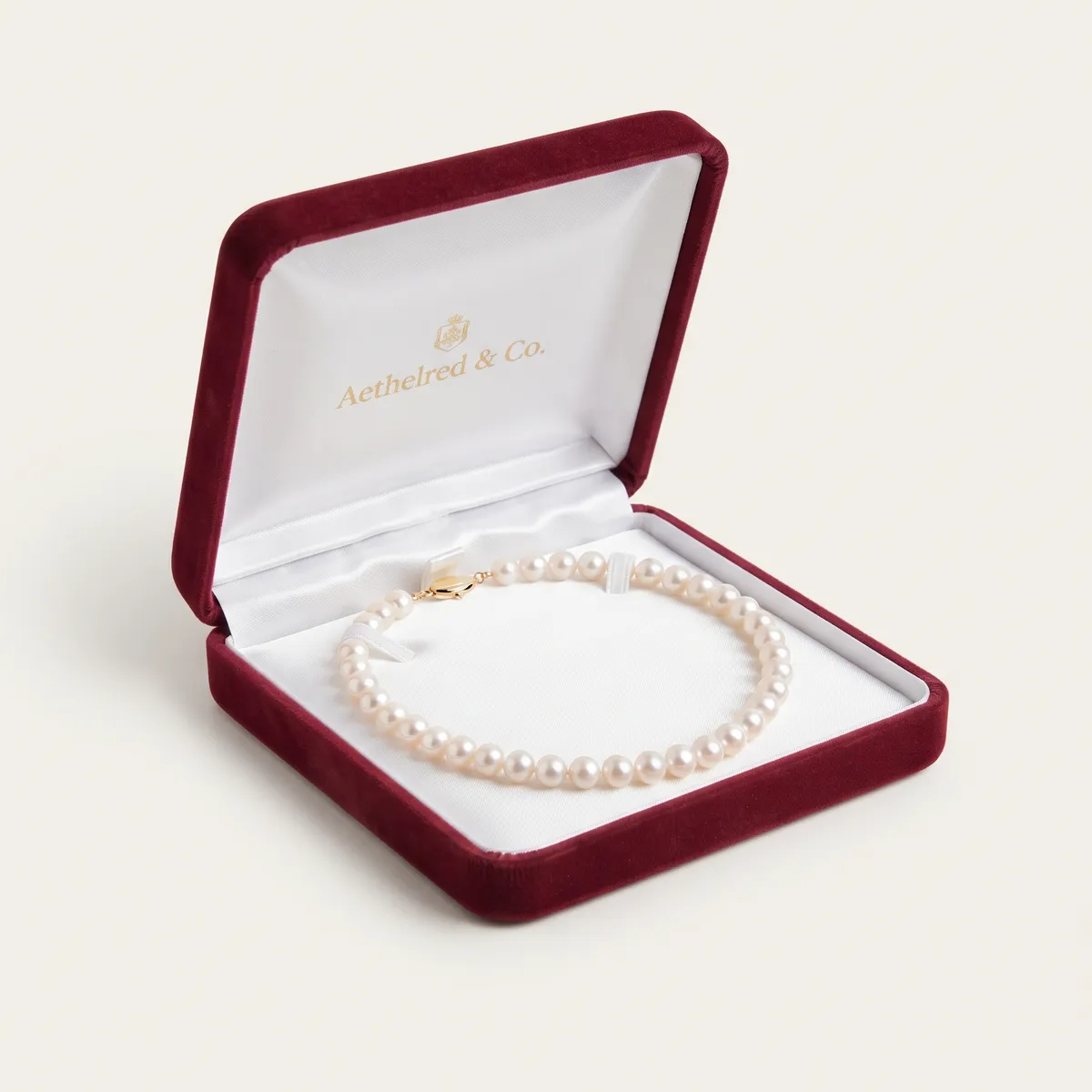
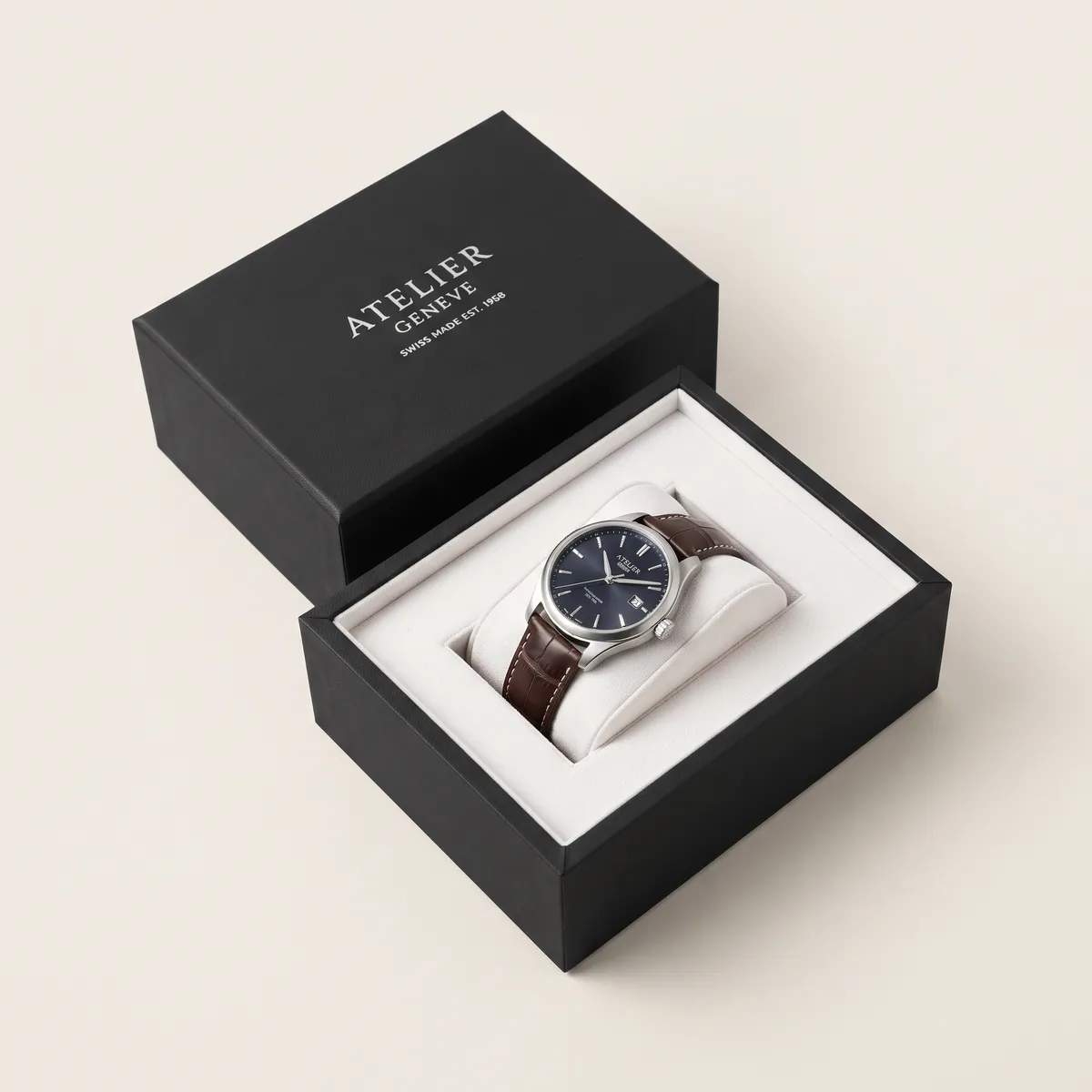
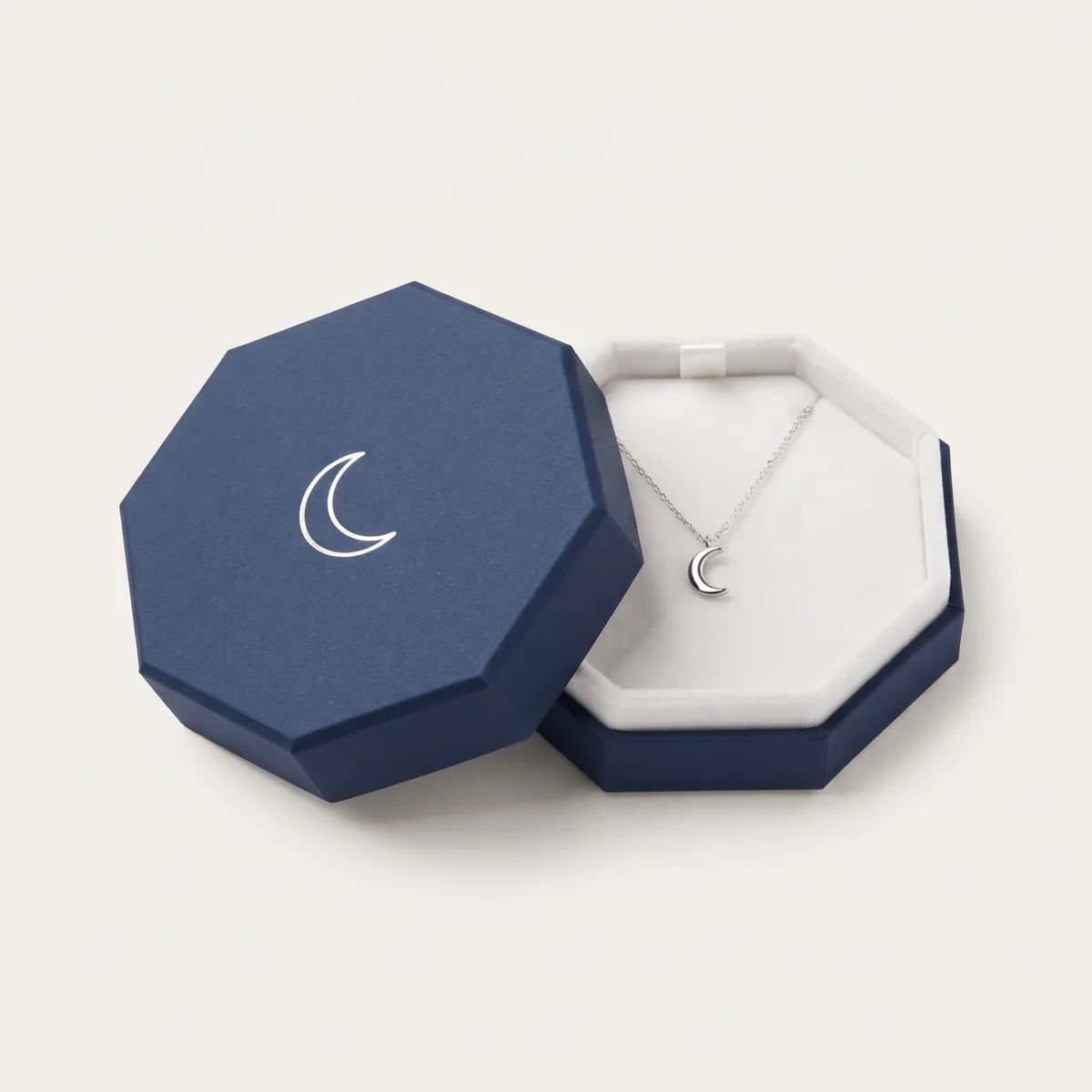
- Lid-and-tray two-piece — the classic. A base holding a fitted insert, a lid that lifts with slight resistance. Suits rings, earrings and pendants, and photographs well.
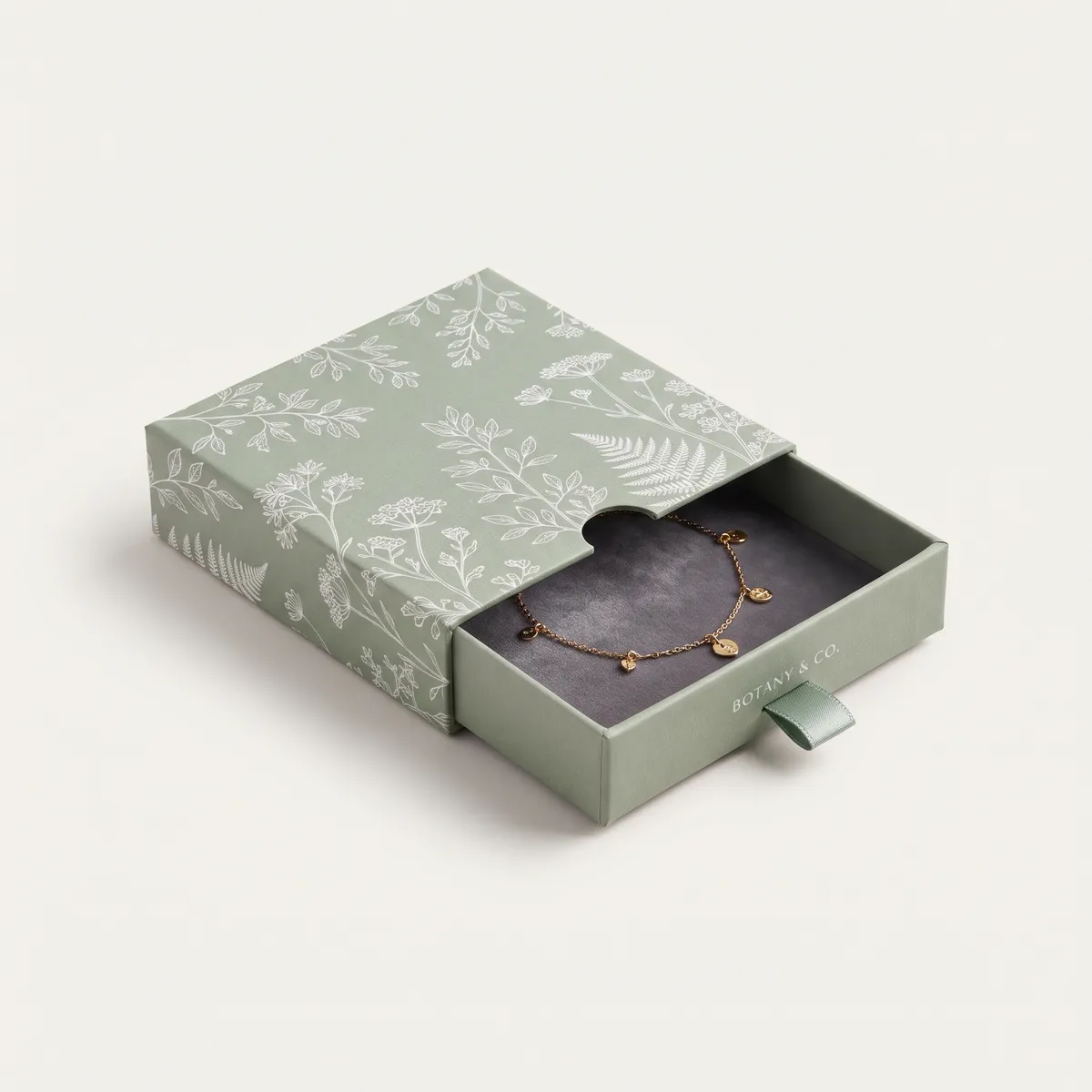
- Drawer boxes — slide out of an outer shell to show the piece bedded in foam. Best for bracelets and watches, where the piece is longer than it is deep.
- Magnetic-closure builds — add a snap that reads premium on higher tiers.
- Inserts — slotted foam for rings, a padded roll for bracelets, hook and card for chains so nothing tangles.
Pouches and travel cases often run alongside as a second SKU. Whichever you pick, size it to the specific piece — a box that's too roomy makes an expensive item feel cheap.
Sizing a Jewelry Box to the Piece
Rigid versus folding is barely a choice in jewelry — a folding carton undercuts the piece inside, and buyers read that instantly. The real decisions are which rigid build and what goes in it. Two-piece lid-and-tray suits rings, earrings, and pendants; a drawer build suits bracelets and watches where the piece is long. Magnetic closures make sense when the box gets opened more than once, or ships rather than gets handed over. Size down, not up: an oversized box makes an expensive piece feel lost, so cut the insert to the exact piece. A round build is worth considering for bangles and single statement pieces. The same rigid-and-insert thinking drives perfume packaging if you carry both.
On our side: send us the piece dimensions and we'll build the dieline and the insert cavity around them, confirming measurements in writing so nothing sits loose. Revisions before print are unlimited and free. Every box goes through a three-stage check, because on a product this small, a lid that doesn't seat is immediately obvious. If a run doesn't match your approved proof, we reprint it at our cost. Pricing is all-in with no fees surfacing later — that's guaranteed. Minimum order is 100, turnaround 8–12 business days, shipping included.
Unrivaled Support From Packaging Experts
From first sketch to full production, the same team carries your order through every stage.
Structural Engineering
We determine the right size, shape, and material for a snug fit and real protection.
Free Artwork Guidance
Our design team helps translate your brand into a box, at no added charge.
2D & 3D Mockups
See your box come to life before a single sheet of board is cut.
Quality Assurance
Every run is checked in-line against the digital proof or physical sample you approved, not just at the end.
Fast Turnaround
8–12 business days standard, with rush options when timing is tight.
Tracked Shipping
Palletized freight or drop-ship, tracked from our dock to yours.
What brands say about their jewelry boxes
They live there rather than here, where we can't edit them, delete them, or pick which ones you get to see. That is exactly what makes them worth reading.
Read all reviews on Trustpilot(opens in a new tab)Answers before you have to ask.
Will the box feel premium enough for what's inside?
That's the point of a rigid build. Custom jewelry boxes use sturdy rigid board that gives the weight and snap-shut feel buyers associate with fine pieces, so the packaging matches the price tag.
Can you add a foam or satin insert to hold the piece?
Yes. We cut inserts to cradle a ring, chain, or bracelet so it sits perfectly and doesn't slide around, which protects the piece and makes the reveal feel deliberate.
Can I add foil stamping or embossing to the logo?
You can. Foil, embossing, and debossing give the logo a raised, metallic finish that reads as luxury — a popular choice for jewelry brands that want the box to feel like part of the gift.
How soon can I get my jewelry boxes?
Rigid boxes take 20 business days from proof approval, and folding cartons take 8–12. Rush is available at extra cost, quoted upfront, when you need them sooner. We'll confirm a firm date, and shipping's included.
Do you need a finished design from me?
Not necessarily. Send print-ready artwork if you have it, or just your logo, and our team designs the box and sends a proof before it goes to print — design help is unlimited and free.