
Chipboard Boxes
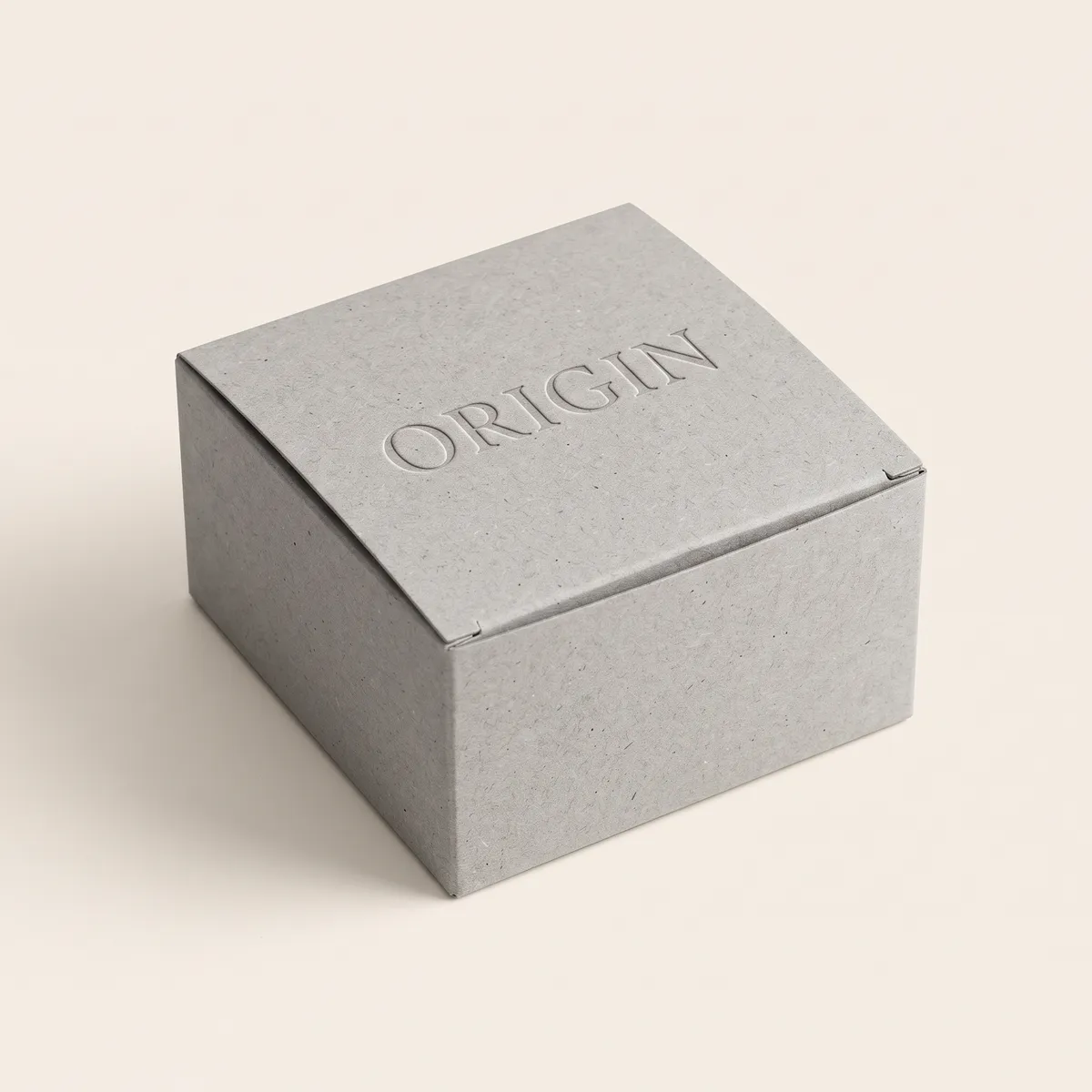
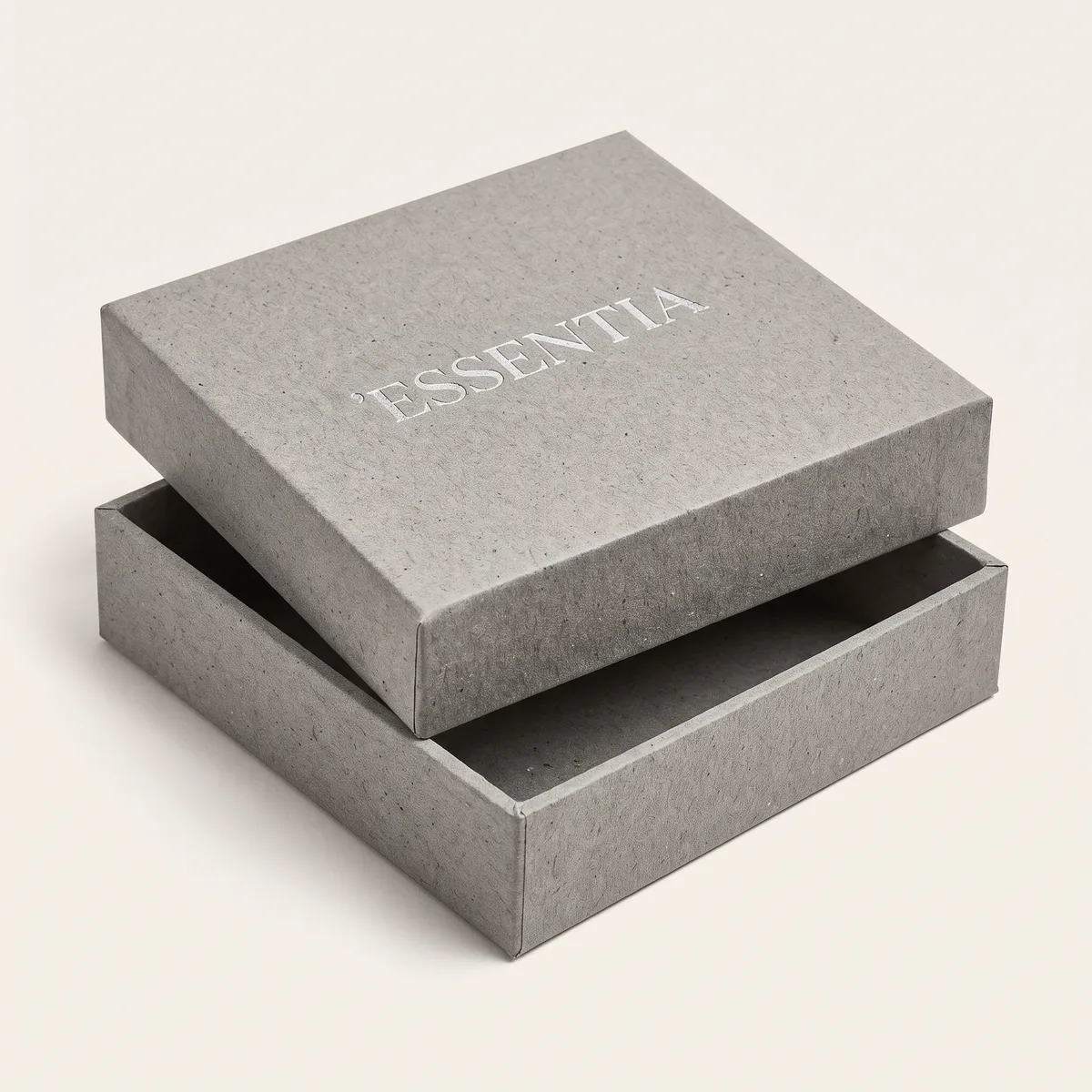
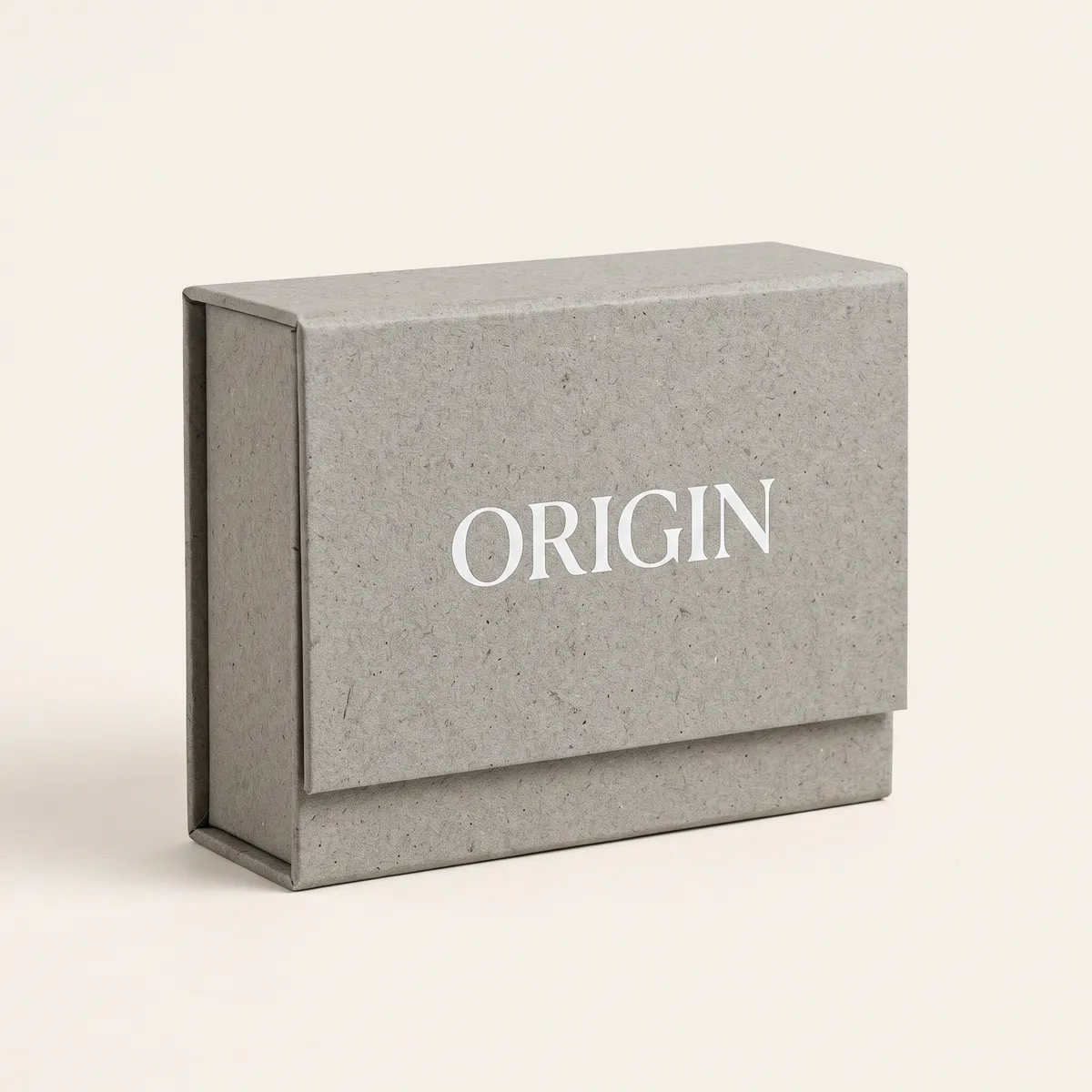
Chipboard is recycled paper fiber pressed into a thin, dense sheet, which makes it one of the most circular materials in packaging and cheaper than bleached board. Its gray, absorbent surface prints duller and won't hold foil or lamination reliably, so it's specified for structure rather than appearance. Learn where chipboard does the internal work: inserts, dividers, trays and slim packs.
Ours are on Trustpilot, where we can't edit them or choose which ones you see.
Read them on Trustpilot →(opens in a new tab)Four stages, twelve days
Quote confirmed
A specialist checks your spec against the board and comes back with a firm price inside 4 business hours.
Proof approved
You get a flat dieline and a 3D render. Nothing goes to press until you approve it in writing.
On press
Print, die-cut, glue, and fold. You get a press-side photo the day your job runs.
QC and delivery
Every pallet is sampled against the digital proof or physical sample you approved, then shipped with tracking to your dock or 3PL.
If a box doesn't match the digital proof or physical sample you approved, we reprint the run at no charge.
Read the reprint terms →Know exactly what you're ordering.
Chipboard Does the Job Customers Feel but Never See
Open a box of chocolates, a phone accessory kit or a set of taper candles, and the part holding everything in place is often chipboard. Customers rarely notice it directly. They notice that nothing slid, nothing chipped and every piece sat where it should when the lid came off. That is the job: internal structure that makes a box feel well made without drawing attention to itself. Brands researching chipboard are usually trying to solve a specific problem, such as a product rattling in transit or a kit arriving jumbled, and wondering whether a thicker outer box would fix it. It usually won't. A better-fitted internal piece normally does, and that is where this material comes in.
Chipboard Sheet Specifications
Chipboard's properties are mostly about cutting and fit, because it is chosen for what it has to hold.
| Property | Chipboard |
|---|---|
| Source fiber | Recycled paper, largely paper waste, not fresh pulp |
| Form | A thin, dense sheet that cuts and folds precisely |
| Surface | Gray and absorbent, so print reads dull |
| Takes well | Die-cutting, slotting and basic print |
| Struggles with | Foil and lamination |
| Sizing | Cut to your product's dimensions |
Its thinness is an advantage for internal parts. It cuts into tight cavities and slots without bulking out the box, which lets a fitted tray or divider take up little room while still holding each piece apart.
Fit Beats Thickness for Internal Parts
When something moves inside a box, the instinct is to upgrade the box. That usually adds weight and cost without solving the problem, because the outer wall was never the issue. Movement is fixed by fit, and chipboard is the material that delivers fit cheaply. Thin enough to cut into tight cavities and slots, firm enough to hold a piece in place, it turns an ordinary outer carton into protective packaging. Most of it ends up as fitted internal trays, dividers or card supports cut to the product's shape. The trade-off is appearance. A gray recycled surface is fine hidden inside but rarely right on a visible face, and where the insert is part of the reveal, a wrapped or coated alternative will look better.
Keeping Print Simple on Gray Board
Most chipboard is never printed at all, and that is usually correct. Its gray, absorbent surface takes simple one-color marks and basic text, but colors land dull and fine detail softens, so full-color artwork is wasted on it. Foil won't adhere reliably and lamination doesn't bond cleanly, which rules out the finishing used on outer boxes. When an insert does need to look presentable, there are two practical routes: face the chipboard with a printed sheet, or switch that visible piece to coated board and keep chipboard for the parts nobody sees. A small printed instruction or logo on a divider is fine. Treat chipboard as structure, and spend the print budget on the surfaces customers actually look at.
Inserts, Dividers and Slim Packs in Practice
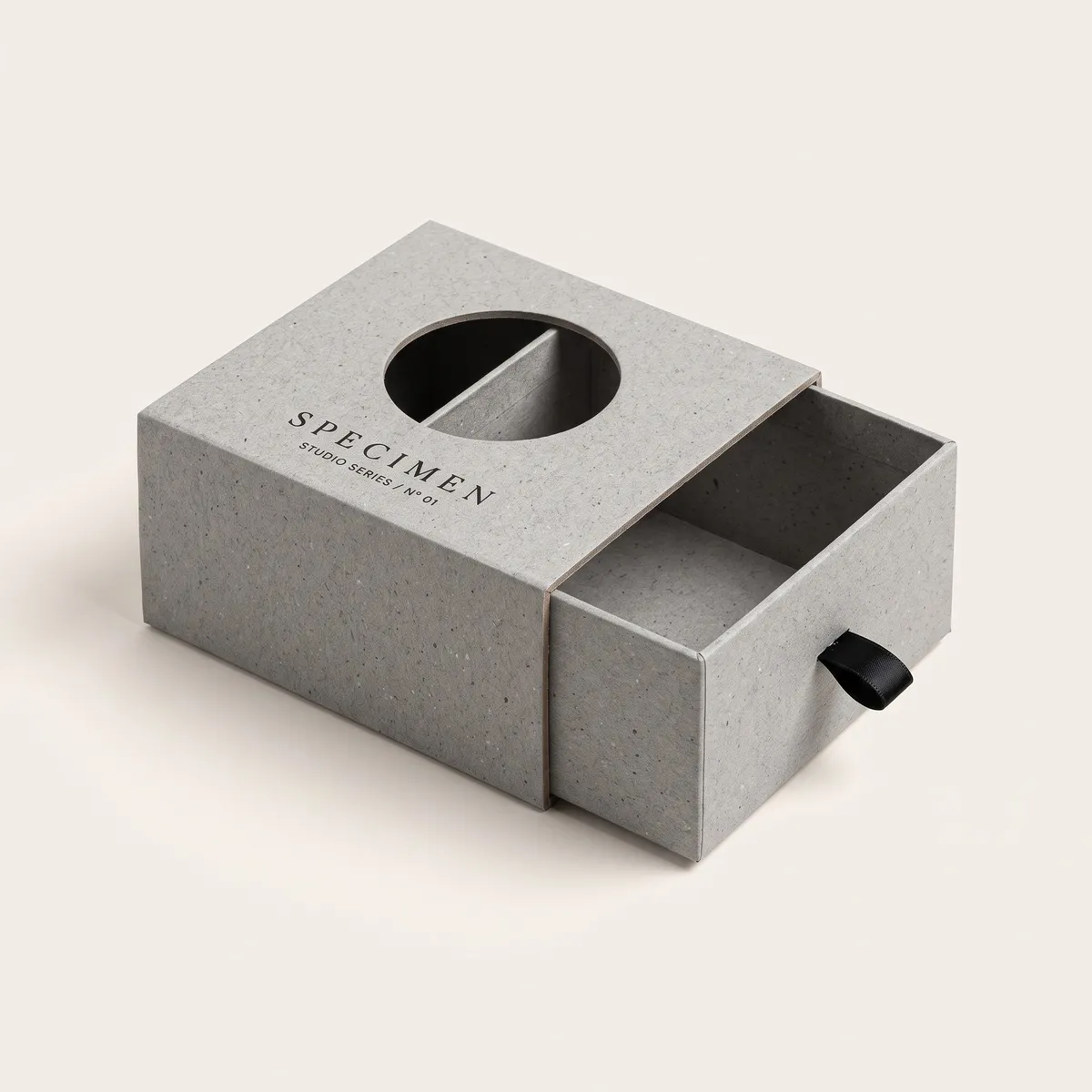
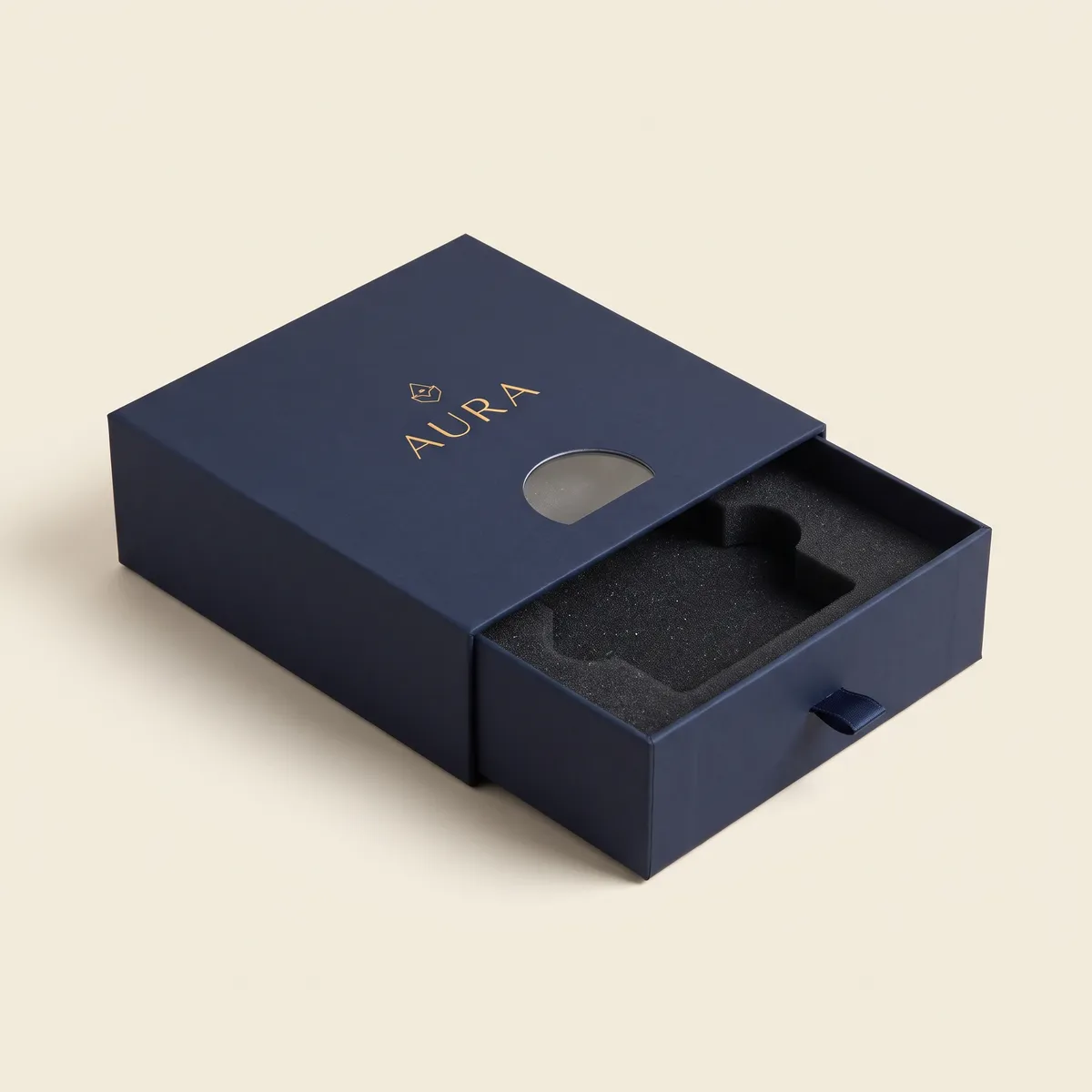
Electronics kits are a natural fit: gadget packaging with cut inserts holds a device, its charger and its cable in separate cavities so nothing scratches and the kit looks complete when opened. Confectioners and bakers use chipboard dividers and trays to keep macarons, biscuits and cookies apart. Candle brands cut it to hold tapers and jars still. Perfume tester sets, vape batteries and cupcake inserts rely on the same precise cavities. Slim, precise packs such as cigarette formats use it where a thin wall matters more than print. It also appears as the board inside some rigid builds. The pattern holds throughout: wherever a product has several parts or a fragile shape, chipboard does the holding.
Measuring for a Chipboard Insert
An insert is only as good as the measurements it is cut from. Measure the product itself, not its current box, and include every piece that has to sit in the tray: cables, droppers, spare parts. Note anything with an irregular shape, because a cavity that is a millimeter off either won't seat the piece or lets it rattle. State whether the outer box dimensions you're giving are internal or external, and have that confirmed in writing so the insert and box are drawn to the same reference. Then check the proof as a question of physical fit rather than print. Learn how a well-cut tray changes a box's protection by planning the cavities around the product first and the outer carton second.
One connected process, start to finish.
Structural Design
Dieline drafted to your exact fit and freight tolerances.
Proof & Sample
Sign off on a digital proof, or request a physical sample.
Tooling
Dies and plates are cut for your job and archived on file.
Production
Print, die-cut, and assembly run under in-line quality checks.
Ship & Reorder
Freight goes out, and the cycle resets for your next run.
Steady process. Powerful results.
Like everything we build, our process is engineered to hold up — no shortcuts, no surprises. Five dependable stages that run the same way every single time, so reorders are just as fast as the first order.
- One dedicated teamFrom first sketch to final freight, the same people carry your order start to finish.
- Dies archived on fileReorders skip tooling and re-setup entirely — we already have your exact spec.
- Checked against your sign-offEvery run is inspected against the digital proof or physical sample you approved.
Set up your file once, correctly
Nine in ten delayed jobs are delayed by artwork, not production. Match these four rules and your proof lands the next morning.
- Bleed1/8 in (3 mm) past every cut line
- Safe ZoneKeep text 1/4 in clear of every crease
- ColourCMYK or named Pantone. No RGB.
- Resolution300 dpi at final size, fonts outlined
No print-ready file?
Send a logo and a rough idea. Our studio builds the production file free with any order over 500 units — you keep the source file either way.
Ask the StudioBackground art must run all the way to the outer bleed edge. Anything inside the white dashed line survives fold tolerance.


What brands say about this box
They live there rather than here, where we can't edit them, delete them, or pick which ones you get to see. That is exactly what makes them worth reading.
Read all reviews on Trustpilot(opens in a new tab)Answers before you have to ask.
What is chipboard made from?
Recycled paper fiber pressed into a thin, dense sheet. It's one of the most recycled materials in packaging, made largely from paper waste rather than virgin pulp, which is why it costs less than bleached board.
Can chipboard be printed?
Yes, though with limitations. The surface is grayer and rougher than bleached board, so colors read duller. It's typically used for inserts and internal structure where print matters less.
Does chipboard take any finishing?
Limited. It can take basic printing and die-cutting, but its rough, absorbent surface doesn't hold foil reliably or laminate cleanly. It's specified for structure rather than appearance.
Is chipboard recyclable?
Yes, and it's already made largely from recycled content, which makes it one of the more circular materials in packaging. Uncoated chipboard recycles easily in standard paper streams.
Where is chipboard most useful?
Inserts, dividers, trays and thin precision packs where structure matters more than appearance. It's the material doing the internal work that customers rarely see but always feel the benefit of.