
Reverse Tuck Boxes
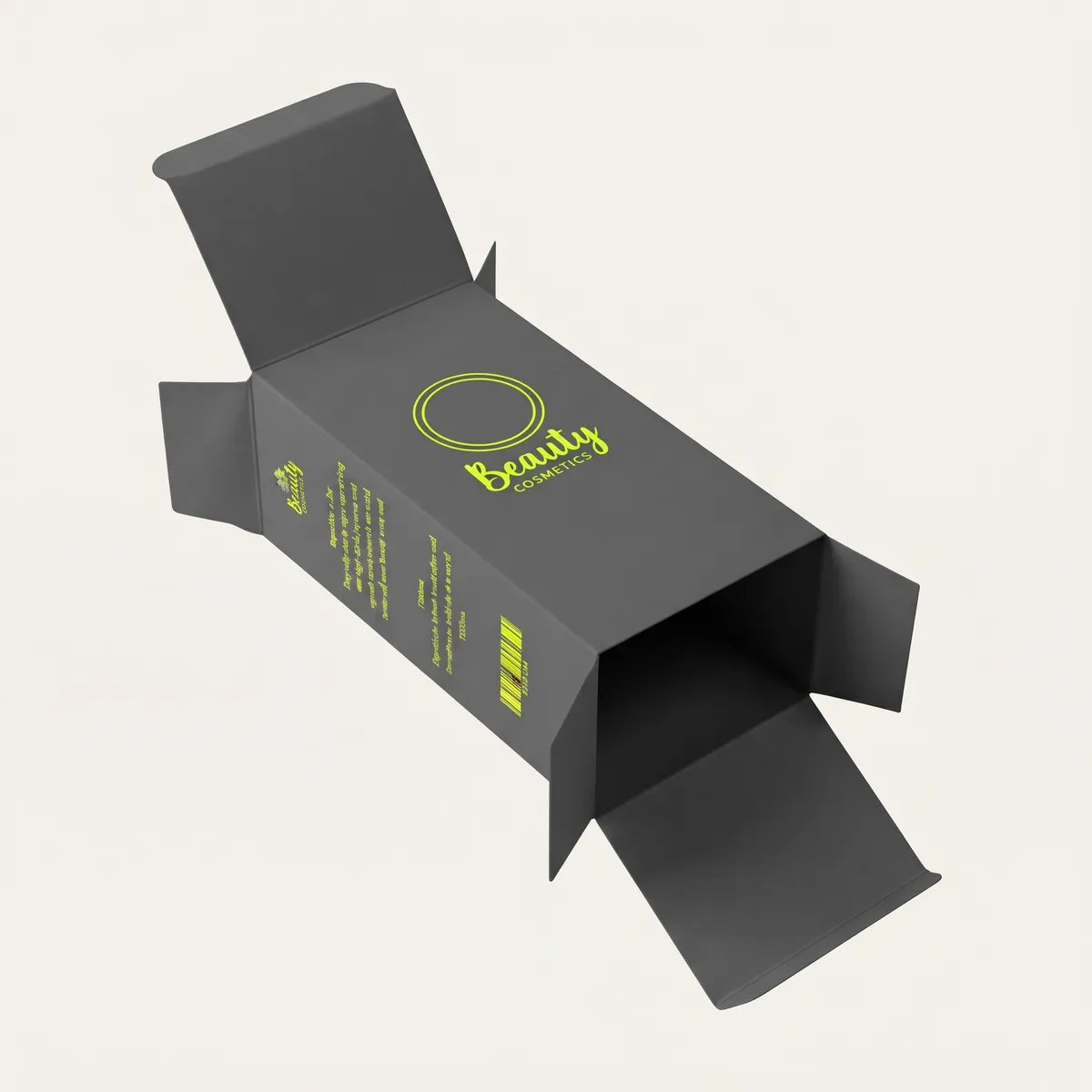
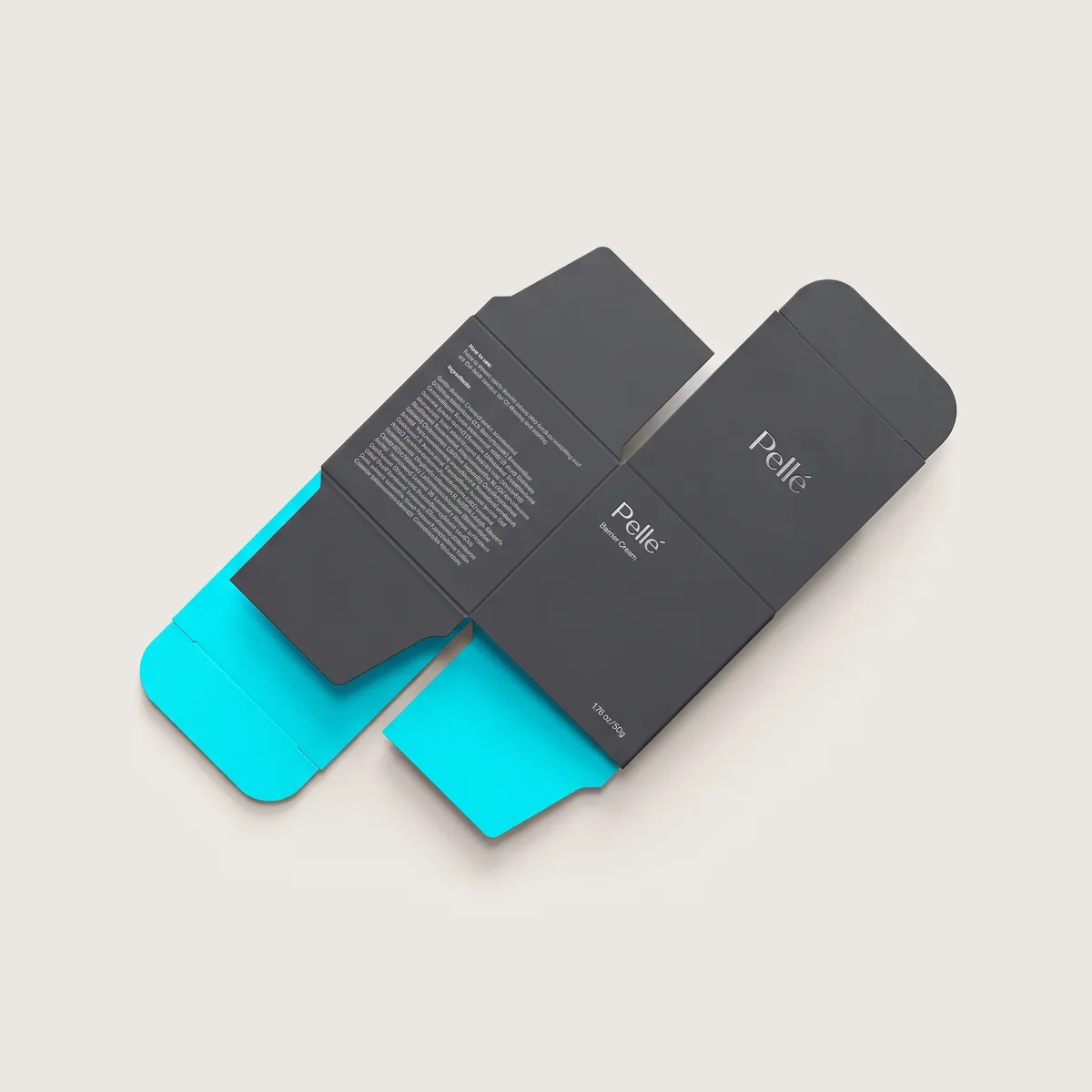
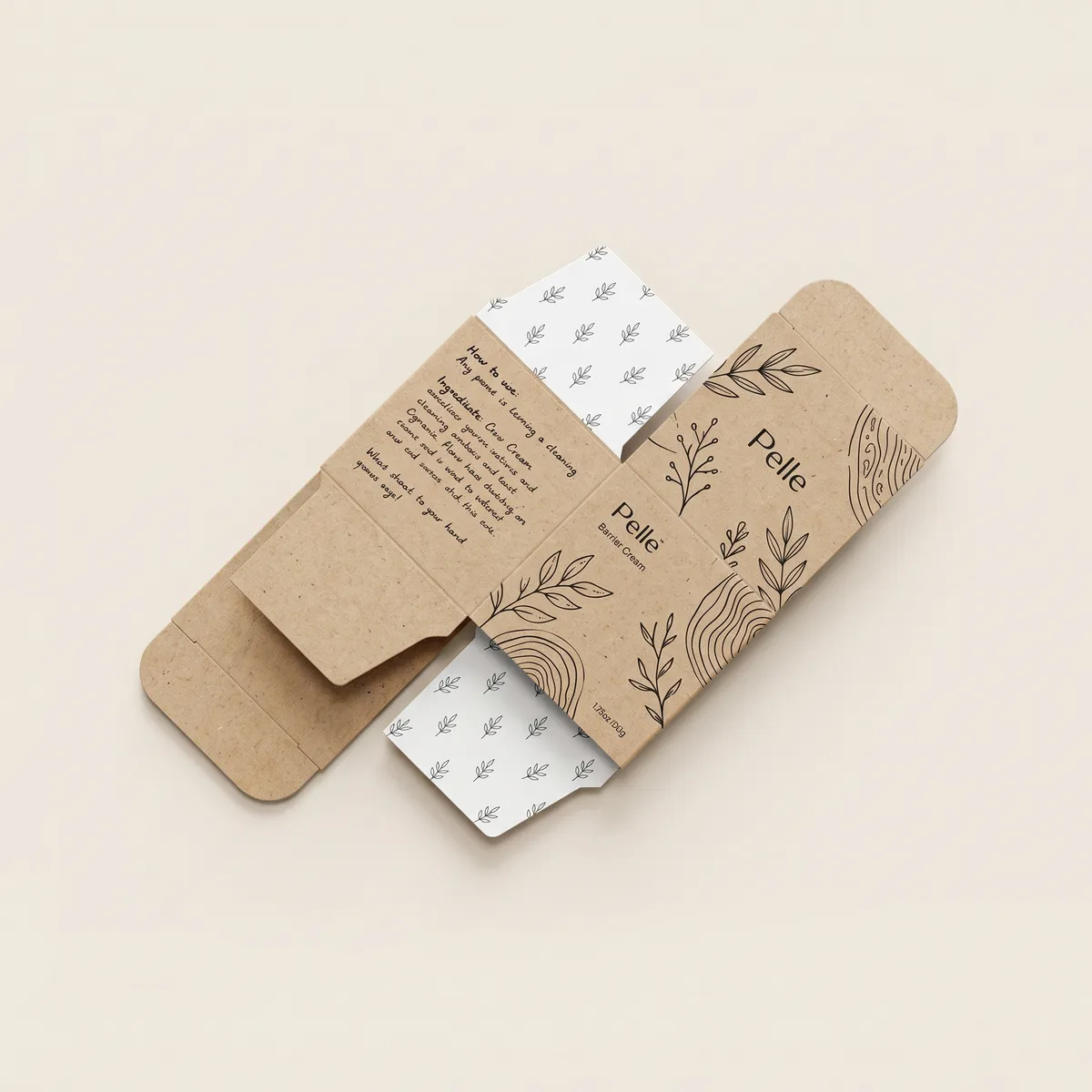
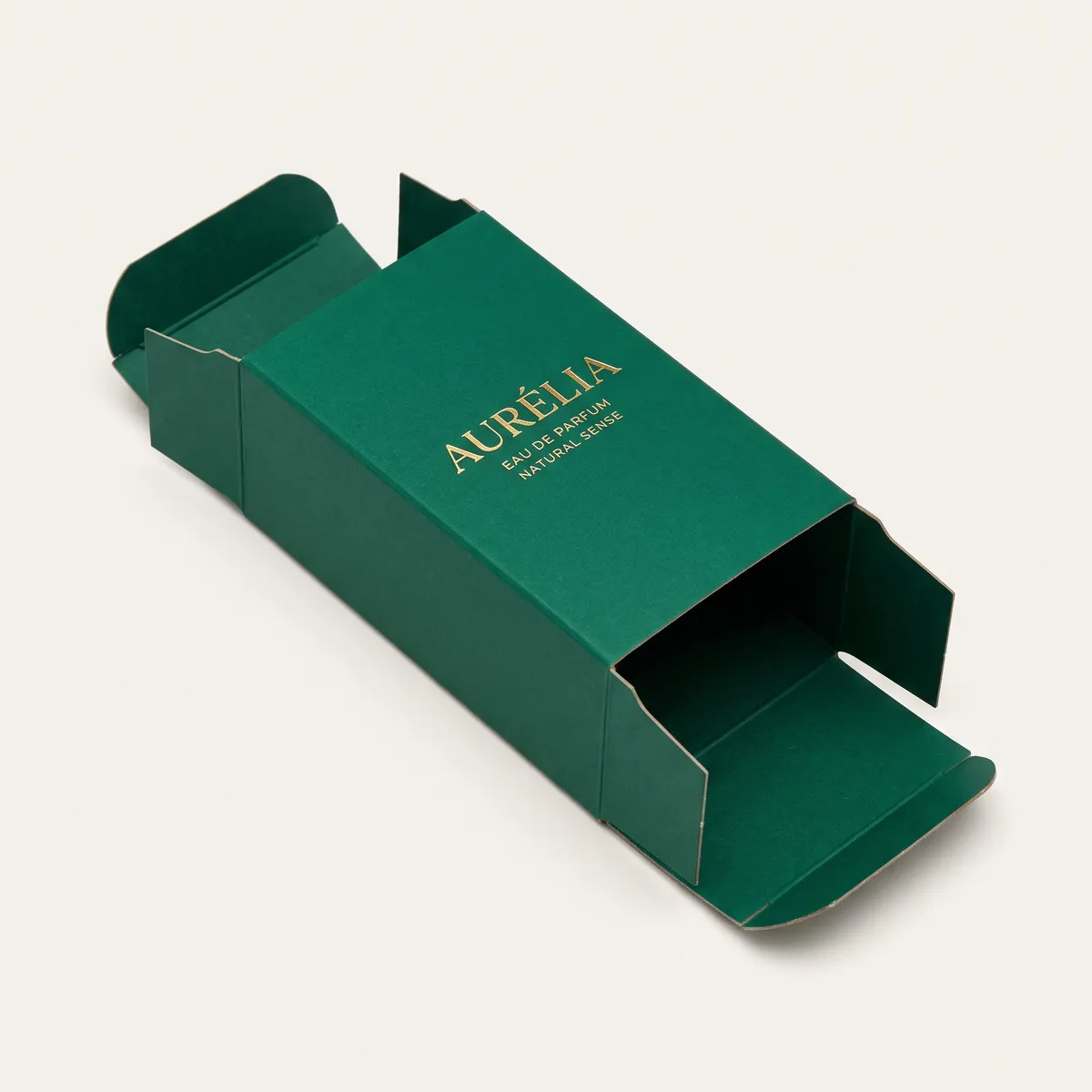
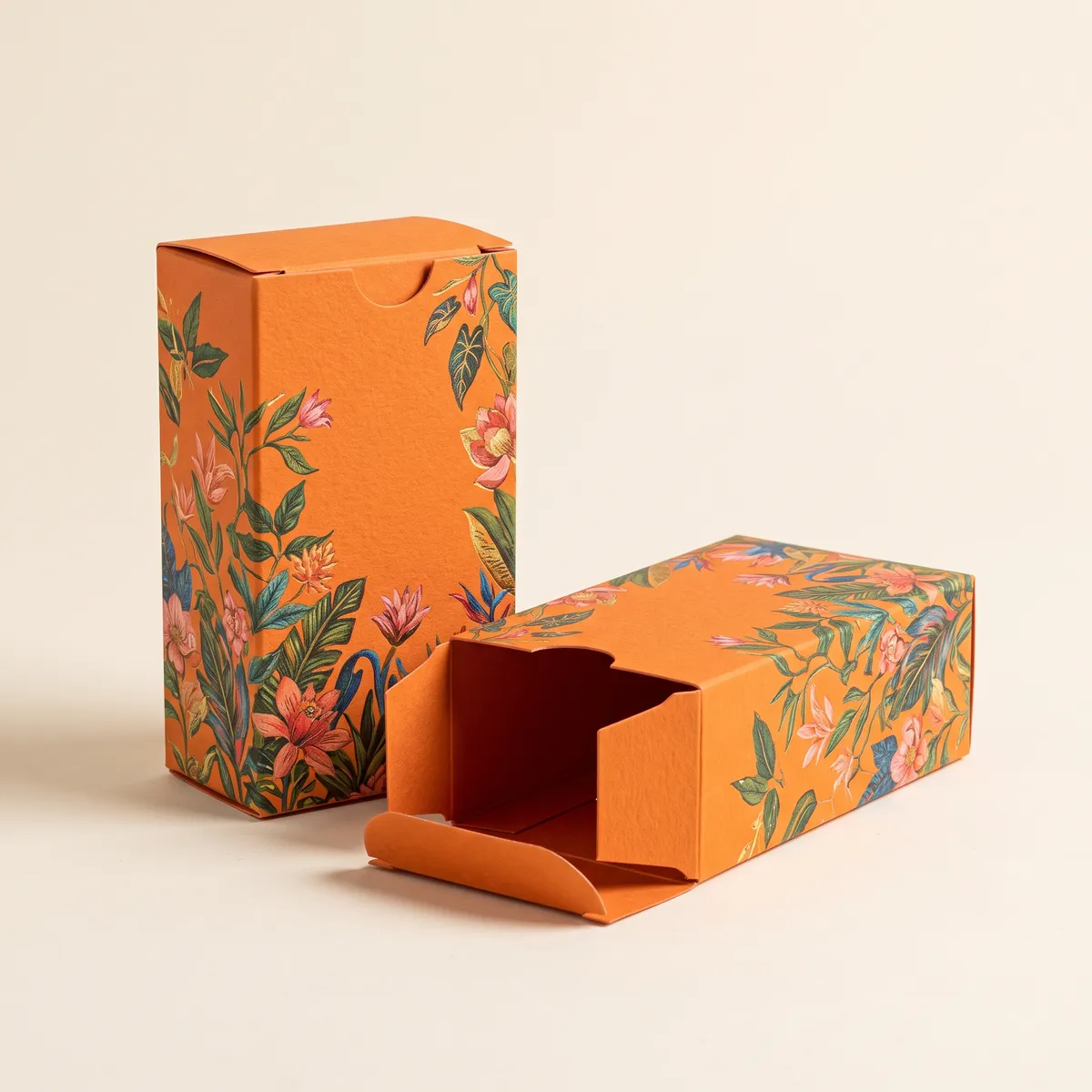
Reverse tuck boxes fold their top and bottom flaps in opposite directions, so the closure edge sits away from the display face and the front panel stays clean. That also leaves room for a window without the cut interfering with a flap. The board layout is marginally less efficient than straight tuck, a small cost difference usually worth paying when your front panel matters.

Ours are on Trustpilot, where we can't edit them or choose which ones you see.
Read them on Trustpilot →(opens in a new tab)Four stages, twelve days
Quote confirmed
A specialist checks your spec against the board and comes back with a firm price inside 4 business hours.
Proof approved
You get a flat dieline and a 3D render. Nothing goes to press until you approve it in writing.
On press
Print, die-cut, glue, and fold. You get a press-side photo the day your job runs.
QC and delivery
Every pallet is sampled against the digital proof or physical sample you approved, then shipped with tracking to your dock or 3PL.
If a box doesn't match the digital proof or physical sample you approved, we reprint the run at no charge.
Read the reprint terms →Know exactly what you're ordering.
Reverse Tuck Boxes for Cartons Sold Face-Out
A carton that faces outward on a shelf spends its whole retail life showing one panel. Reverse tuck boxes are built around protecting that panel. Because the top and bottom closures hinge from opposite sides, the face you turn toward the shopper carries no tuck edge and no flap line across the artwork.
The buyers are brands whose front panel is the main sales argument: a skincare tube in a pharmacy row, a cartridge behind a counter, a fragrance sample next to the till. If the carton will mostly be seen from the front and handled only at the moment of purchase, this is the tuck to start with. If it will be turned over and read on every side, the choice matters less.
Reverse Tuck Dieline, Flap Order and Board Specs
The dieline is a single sheet with a glued side seam and two tuck ends that close in opposite directions. Here is what gets set per order.
| Spec | Detail |
|---|---|
| Closure | Top and bottom tucks fold opposite ways |
| Display face | Kept clear of tuck edges |
| Board | Coated white, kraft or recycled stock |
| Caliper | Matched to product weight |
| Window | Optional die-cut on the front panel |
| Sizing | Internal dimensions, cut to your product |
Most reverse tuck cartons run on coated folding board, since a clean front panel is usually there to carry color. Tell us which panel faces out on the shelf, and whether the carton stands, lies flat or sits in a tray, so the dieline puts the glue seam and both tucks where you want them.
What Moving the Closure Off the Front Panel Buys You
The case for reverse tuck is about where the eye lands. A shopper scanning a shelf reads the front panel first and often only, so a tuck line across it is a small flaw seen by everyone who walks past. Moving the closure away from that face carries a small premium on the die layout; the carton still folds, stores flat and assembles the same way.
It's worth paying for when the front carries the brand, the product name and the main claim, which describes most retail skincare and makeup cartons. It isn't worth paying for when the carton travels inside another box, sits spine-out, or carries a simple label panel nobody studies. In those cases a straight tuck does the same job for less.
Using an Unbroken Front Panel for Print and Windows
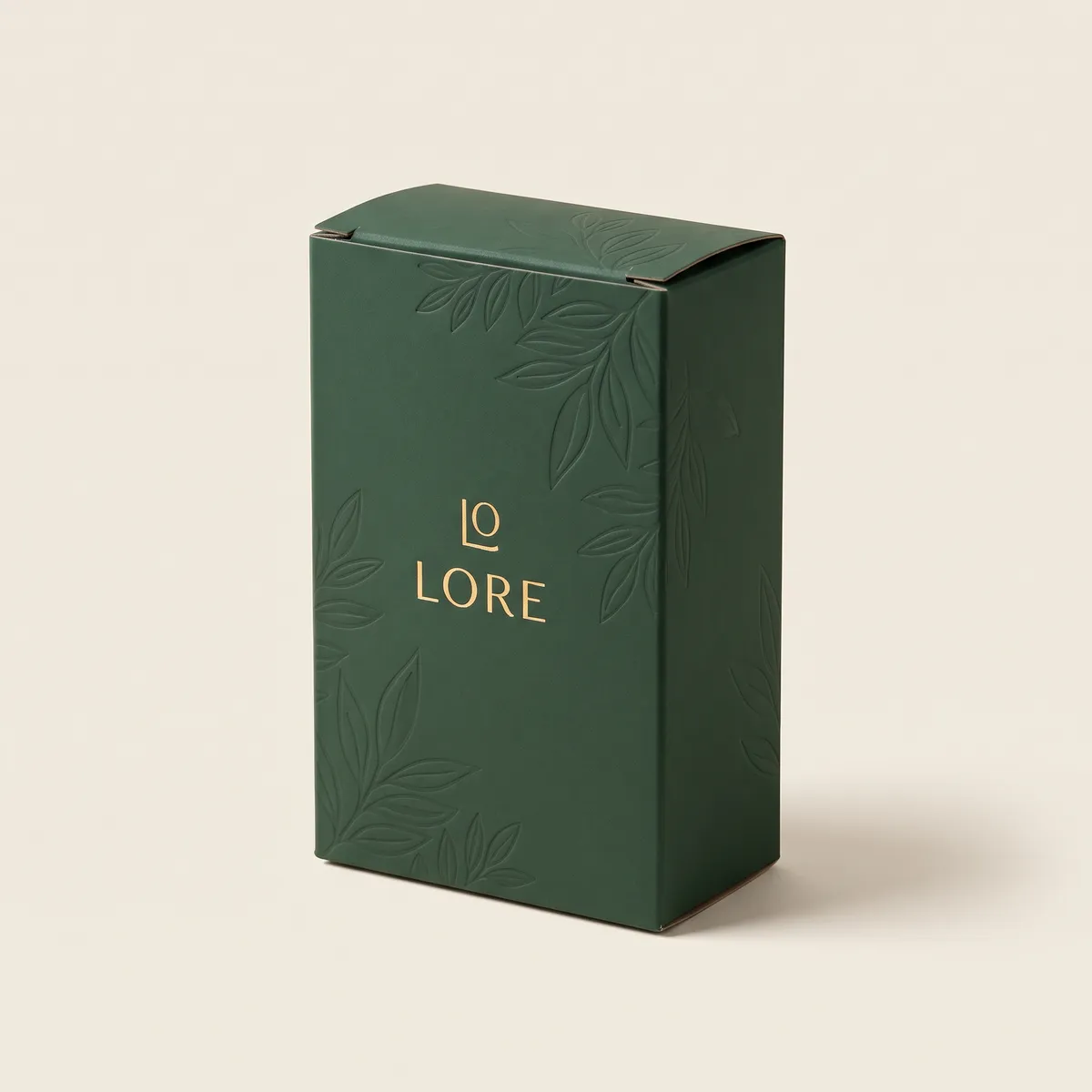
With no flap crossing the front, the whole panel is usable edge to edge. Full-bleed color can run to the scores on all four sides. A foil or spot UV logo can sit near the top of the panel without being split by a tuck line each time the box is opened.
Soft-touch or matte film suits the front-facing beauty work this style is chosen for. If you add a window, plan it with the artwork rather than after: the cut takes printable space, and the product behind it becomes part of the design.
Keep the required text, barcode and batch details on the side and back panels. That leaves the front for the brand.
Reverse Tuck Cartons for Beauty Shelves and Cartridge Packs
Beauty shelves are the obvious home: tubes, droppers, compacts and minis sold face-out in pharmacies and boutiques. Fragrance samples and gift-set inners use the style for the same reason.
Vape brands use reverse tuck for cartridge and e-liquid packaging, where the front carries the brand and the side and back panels hold warnings and batch information. The layout gives that copy its own space without crowding the front. Confirming which warnings, symbols and closures your market requires is your job; we lay the panels out to the copy you supply, and a carton can't make a product legal to sell on its own.
Gift-shop sellers of candles and soap choose it when the front panel carries illustration they don't want interrupted.
Deciding Tuck Direction Before the Die Is Cut
The die fixes the carton's geometry, so the useful work happens before it's made. Tell us which panel faces the shopper, where any window sits, and how the carton is displayed. We build the dieline from your product's dimensions and confirm internal and external measurements in writing.
Once you approve the proof, production runs 8–12 business days. Rush is available at an extra cost, stated before you commit. Every carton goes through a three-stage check, so a front panel printed off-center or a tuck that doesn't seat properly is caught on our side rather than at the store. If the bulk run doesn't match the proof you signed off, we reprint it at our cost. Orders start at 100, and the quoted price includes shipping.
One connected process, start to finish.
Structural Design
Dieline drafted to your exact fit and freight tolerances.
Proof & Sample
Sign off on a digital proof, or request a physical sample.
Tooling
Dies and plates are cut for your job and archived on file.
Production
Print, die-cut, and assembly run under in-line quality checks.
Ship & Reorder
Freight goes out, and the cycle resets for your next run.
Steady process. Powerful results.
Like everything we build, our process is engineered to hold up — no shortcuts, no surprises. Five dependable stages that run the same way every single time, so reorders are just as fast as the first order.
- One dedicated teamFrom first sketch to final freight, the same people carry your order start to finish.
- Dies archived on fileReorders skip tooling and re-setup entirely — we already have your exact spec.
- Checked against your sign-offEvery run is inspected against the digital proof or physical sample you approved.
Set up your file once, correctly
Nine in ten delayed jobs are delayed by artwork, not production. Match these four rules and your proof lands the next morning.
- Bleed1/8 in (3 mm) past every cut line
- Safe ZoneKeep text 1/4 in clear of every crease
- ColourCMYK or named Pantone. No RGB.
- Resolution300 dpi at final size, fonts outlined
No print-ready file?
Send a logo and a rough idea. Our studio builds the production file free with any order over 500 units — you keep the source file either way.
Ask the StudioBackground art must run all the way to the outer bleed edge. Anything inside the white dashed line survives fold tolerance.
What brands say about this box
They live there rather than here, where we can't edit them, delete them, or pick which ones you get to see. That is exactly what makes them worth reading.
Read all reviews on Trustpilot(opens in a new tab)Answers before you have to ask.
What is a reverse tuck and when should I use it?
Reverse tuck means the top and bottom flaps fold in opposite directions. The advantage is that the closure edge sits away from your display face, so the front panel stays clean and uninterrupted.
Can reverse tuck boxes have a window?
Yes. Because the closure sits away from the front, reverse tuck gives you a clean panel for a window without the cut interfering with the flap. It's a common pairing for that reason.
Is reverse tuck more expensive than straight tuck?
Slightly, since the flaps folding opposite ways means a marginally less efficient board layout. The difference is small, and usually worth it if your front panel matters.
What's the turnaround on reverse tuck boxes?
Around 8–12 business days from proof approval. The flap direction doesn't affect the timeline. Rush is available at an added cost stated before you order.
Can I switch between tuck styles on a reorder?
Yes, though it needs a new die since the flap configuration changes. If you think you might switch, it's worth deciding before the first run rather than paying for tooling twice.