
Custom Auto Bottom Boxes
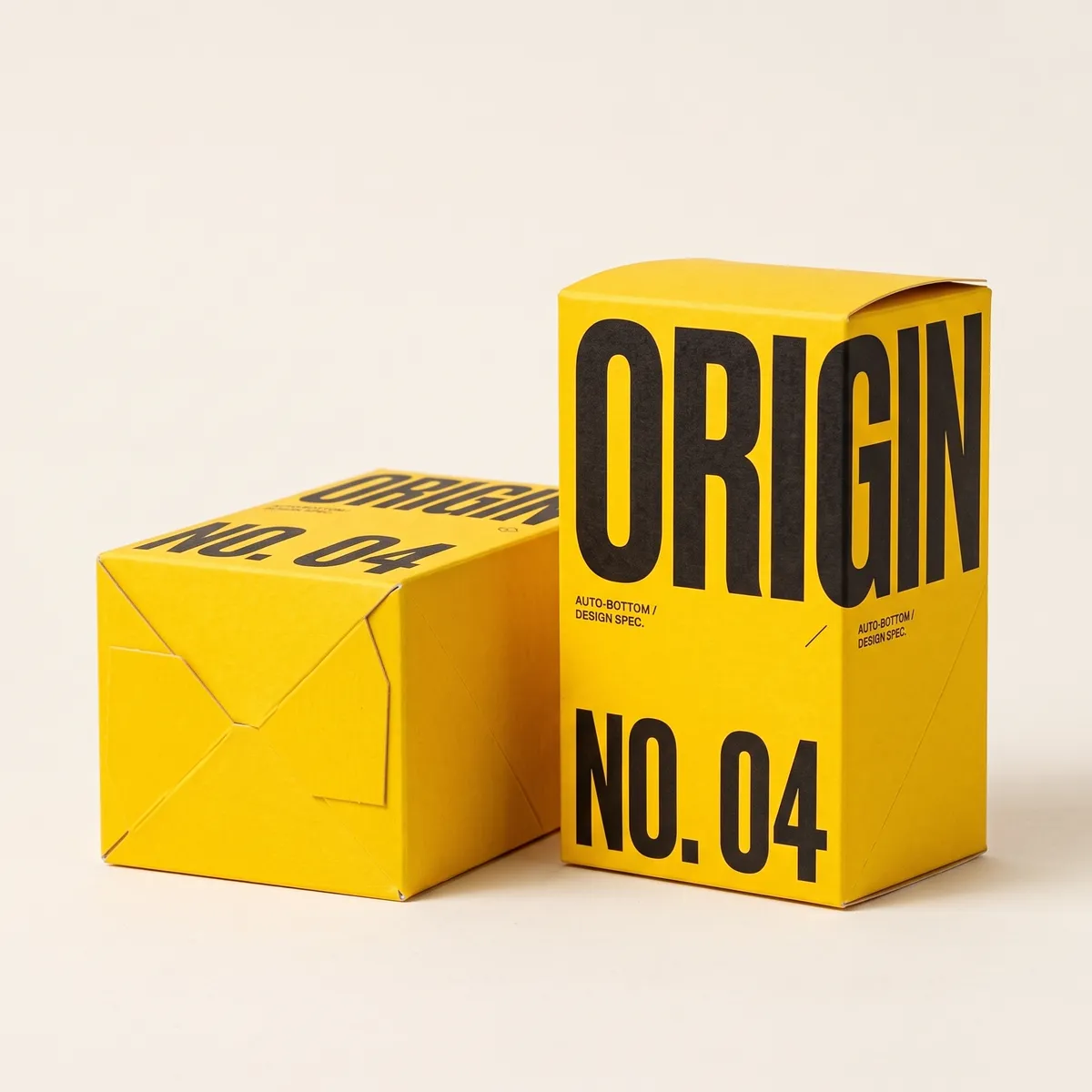
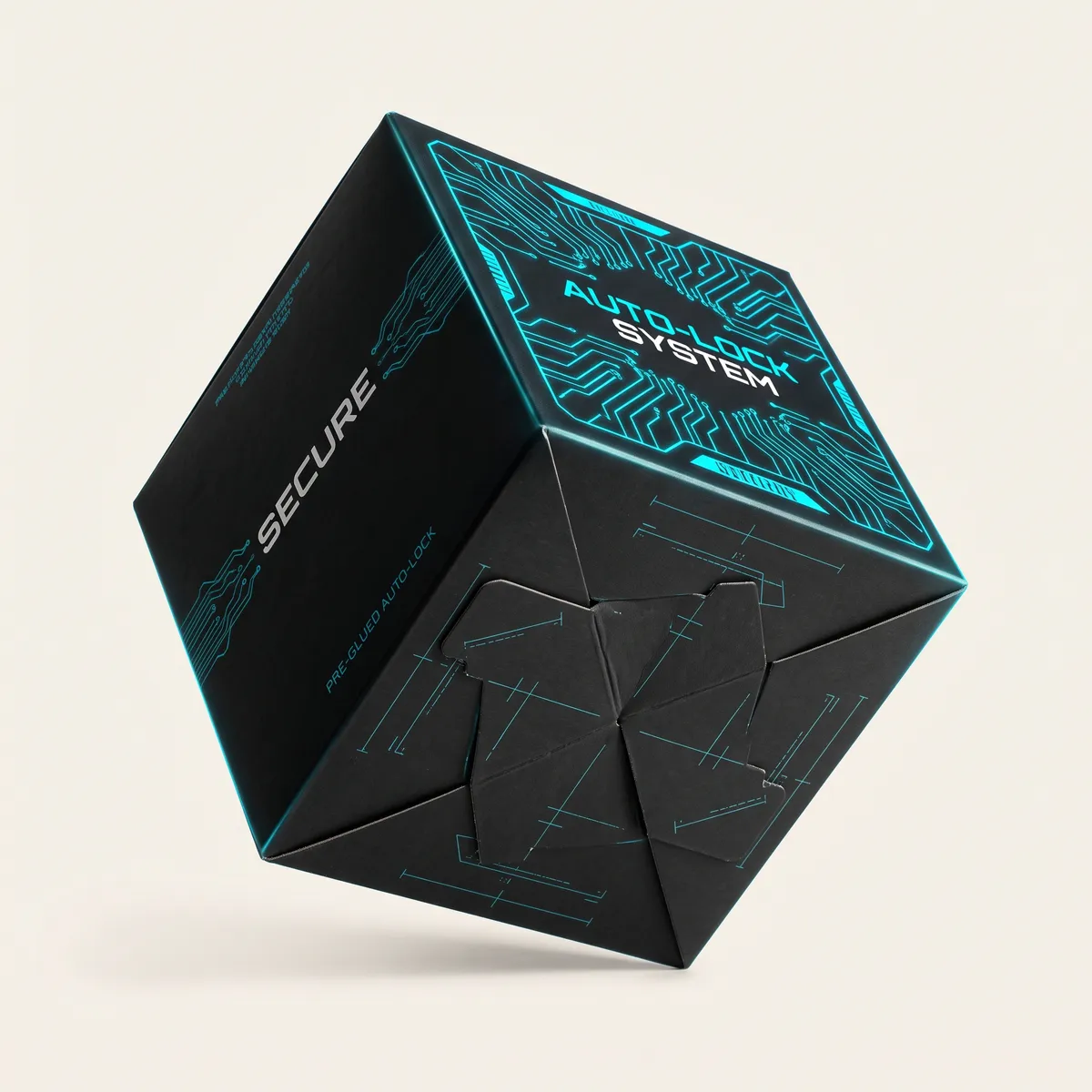
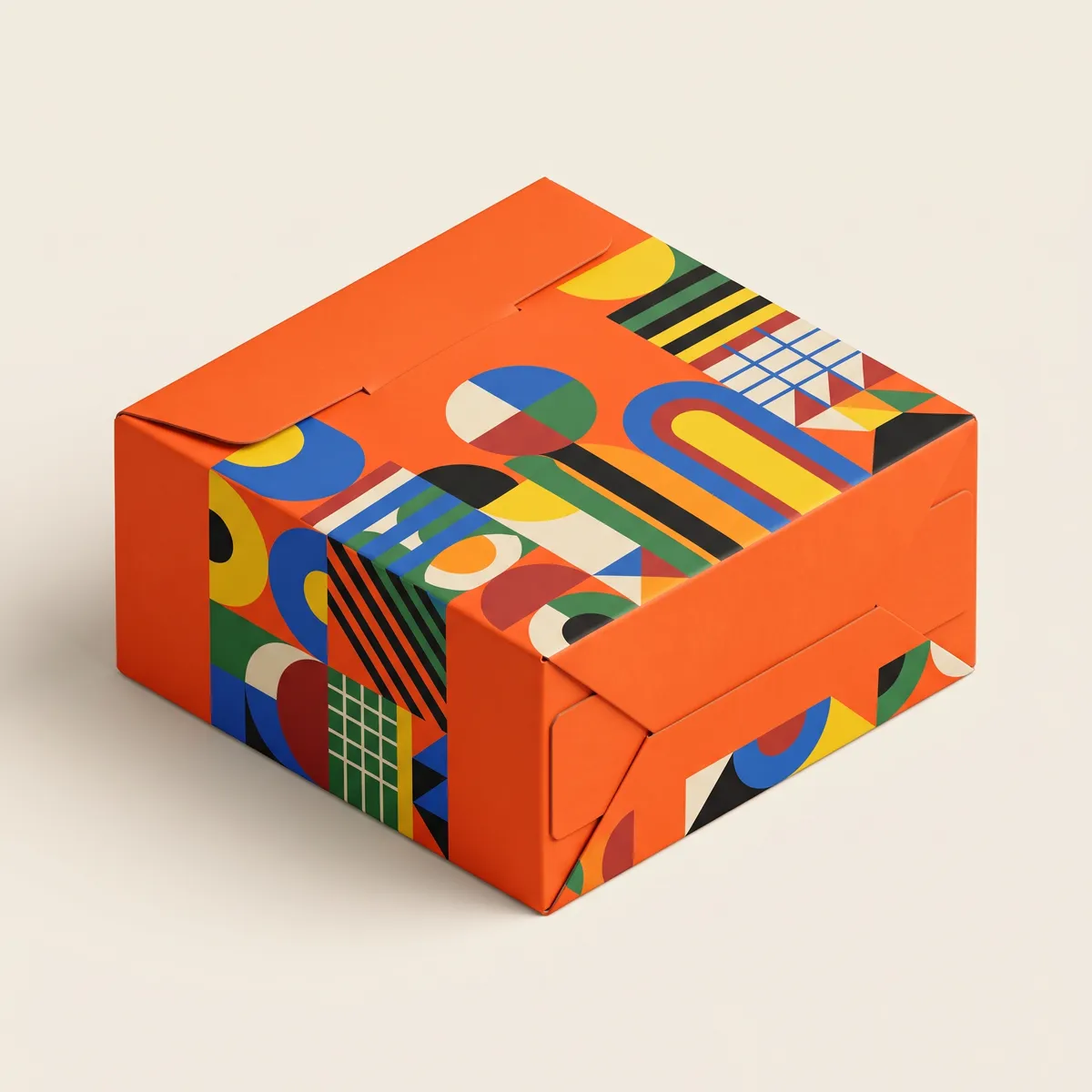
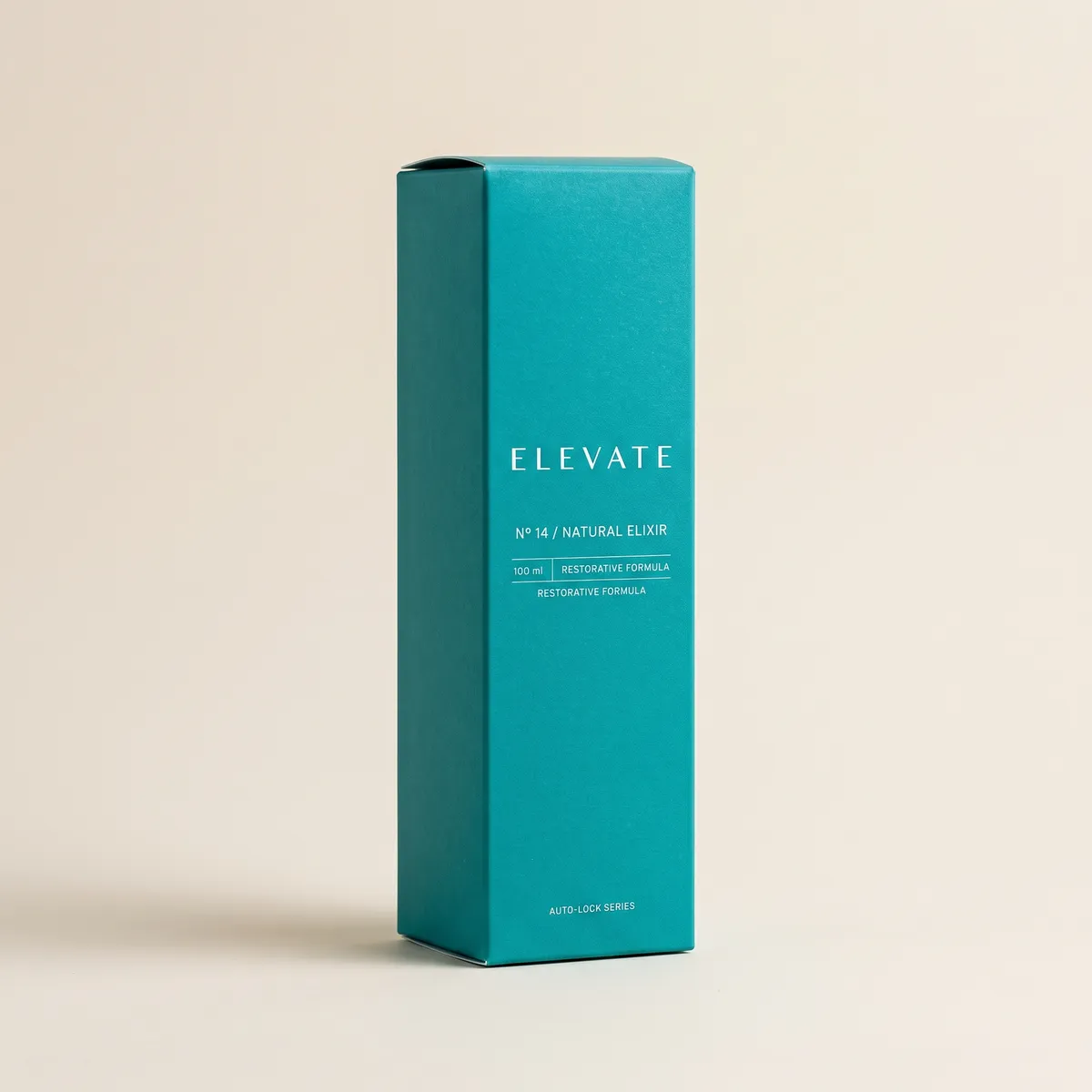
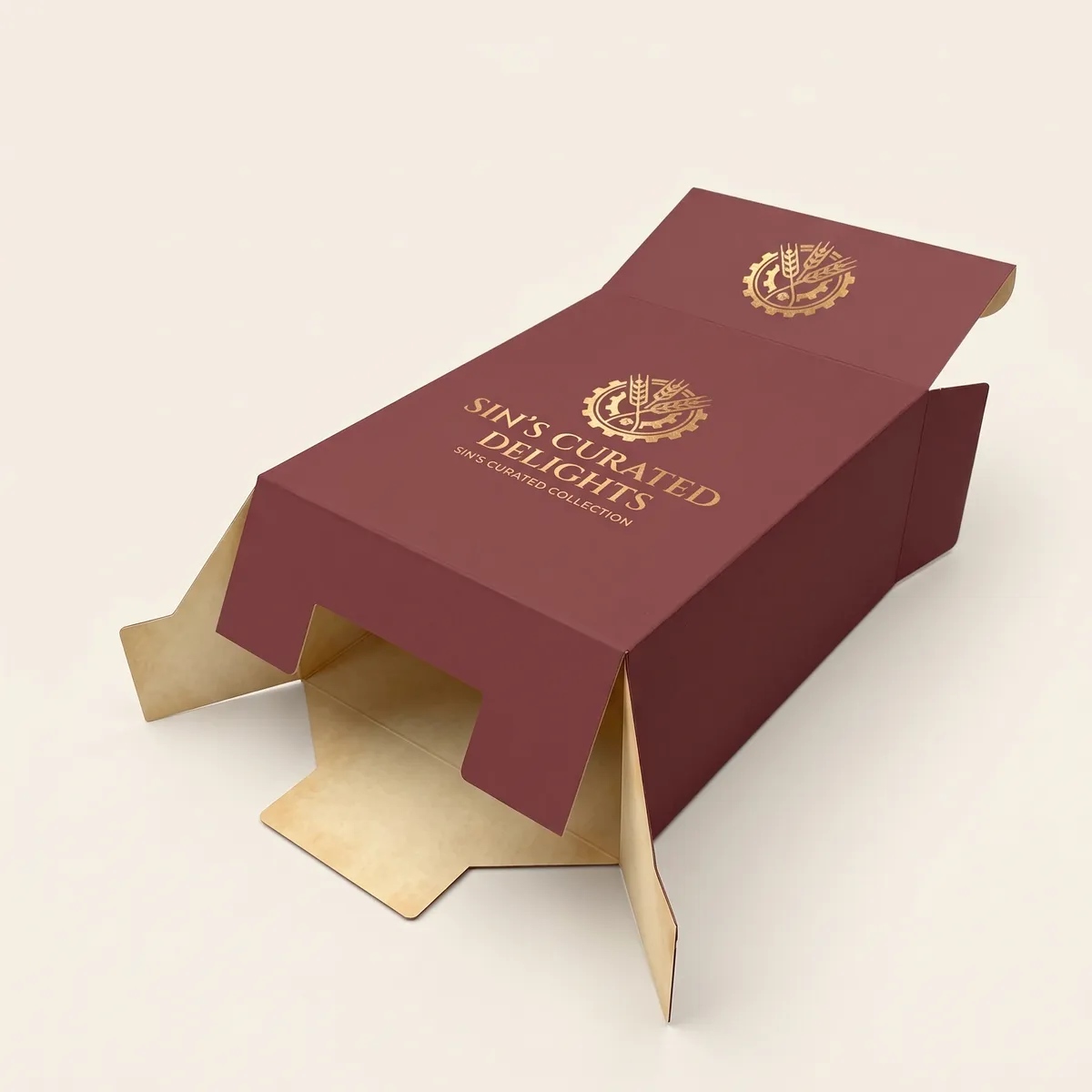
Custom auto bottom boxes have a pre-glued base that folds and locks square the moment the flat box is opened, with no folding sequence and no taping. It costs slightly more per unit than a hand-folded base, but at a few hundred boxes a day the packing labor saved outweighs the difference. The base works in kraft, coated cardboard or corrugated, starting from 100 boxes.
Ours are on Trustpilot, where we can't edit them or choose which ones you see.
Read them on Trustpilot →(opens in a new tab)Four stages, twelve days
Quote confirmed
A specialist checks your spec against the board and comes back with a firm price inside 4 business hours.
Proof approved
You get a flat dieline and a 3D render. Nothing goes to press until you approve it in writing.
On press
Print, die-cut, glue, and fold. You get a press-side photo the day your job runs.
QC and delivery
Every pallet is sampled against the digital proof or physical sample you approved, then shipped with tracking to your dock or 3PL.
If a box doesn't match the digital proof or physical sample you approved, we reprint the run at no charge.
Read the reprint terms →Know exactly what you're ordering.
Custom Auto Bottom Boxes for Packing Lines That Can't Stop to Fold
Watch a packer working through an order queue and the slow part is rarely the product. It's the box. Every carton that has to be squared and flapped before anything goes in is a pause, and on a line running all day those pauses add up to the shift. Custom auto bottom boxes are bought to take that pause out. The stack arrives flat, the packer pulls one off, and by the time it's upright the base is already holding. The buyers are the people who count boxes per hour: bakery and takeout counters during a rush, fulfillment benches clearing daily orders, and retail brands packing cartons at volume. If your team boxes a handful of orders a day, this probably isn't the base for you.
Auto Bottom Base Specs: Glue Panels, Stock and Sizing
| Spec | Detail |
|---|---|
| Base | Pre-glued panels that lock square as the box opens |
| Stock | Kraft, coated cardboard or corrugated |
| Delivered | Flat, with the base already glued |
| Glue seam | On a side panel, kept off display faces |
| Dimensions | Cut to your product's dimensions |
| Dieline | Built from your measurements, internal vs external confirmed in writing |
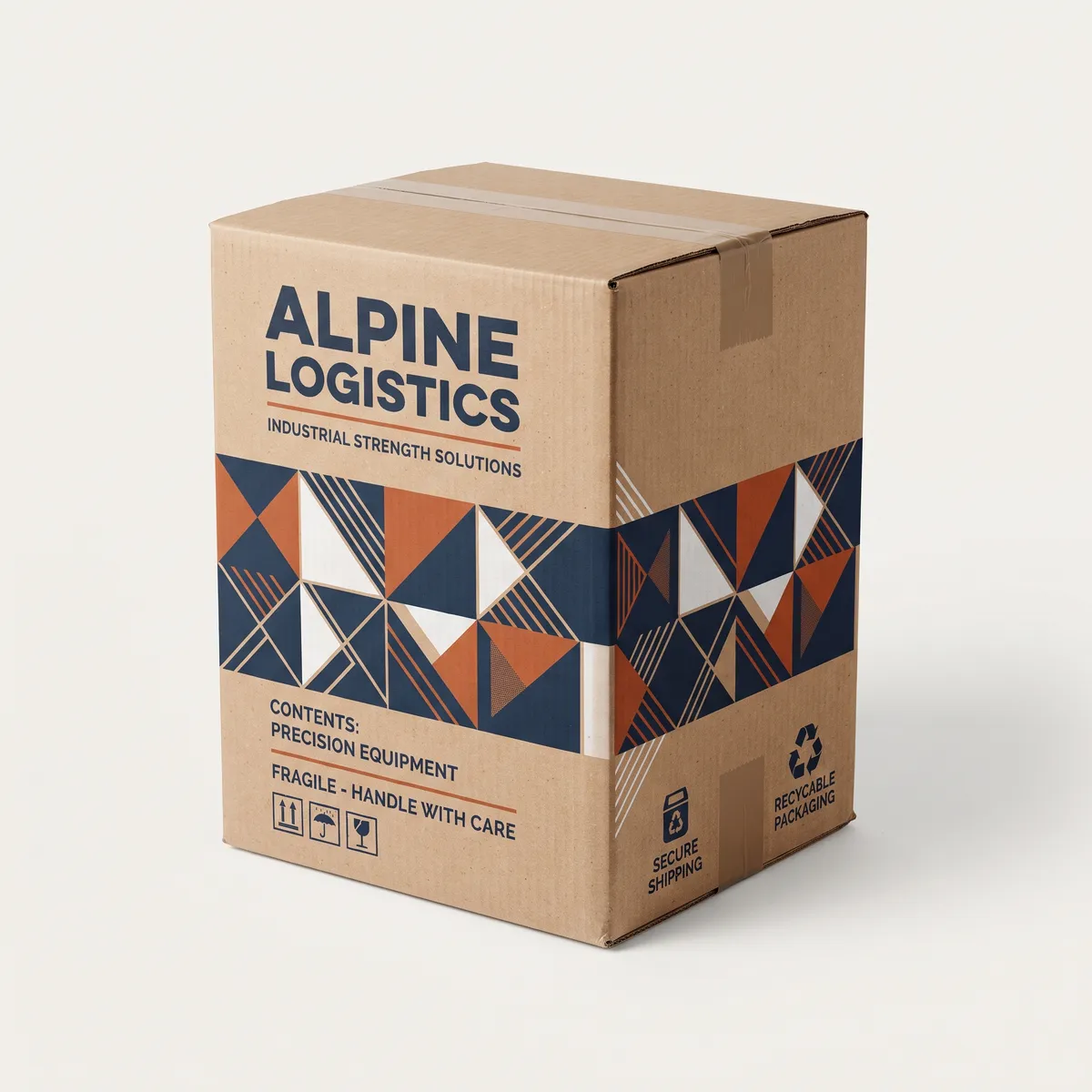
The base mechanism is the same on every stock. What changes is what the box carries and how it looks. Pre-glued kraft carton board suits food counters and natural ranges, coated cardboard takes full-color retail artwork, and corrugated is the choice when the contents are heavy or the box travels without an outer carton. Sizes are quoted as internal dimensions unless stated otherwise, because the product has to fit the inside.
Why a Pre-Glued Base Over a Hand-Folded Snap Lock
Two bases here carry real weight, and the choice comes down to who does the work. A snap lock interlocks four flaps that someone folds by hand, which keeps the unit price down because nothing is glued before delivery. An auto bottom does that work before the box reaches you. You pay slightly more per carton, and in return the folding drops out of the packing step entirely. The glued base is also a little more rigid; for most loads the difference doesn't register, but under heavy contents it does. The honest rule is volume. A shop packing a few dozen boxes a day should buy the snap lock and keep the saving. The glued base earns its price on bakery lines packing hundreds of boxes a day.
Printing Around the Glued Base and Its Scores
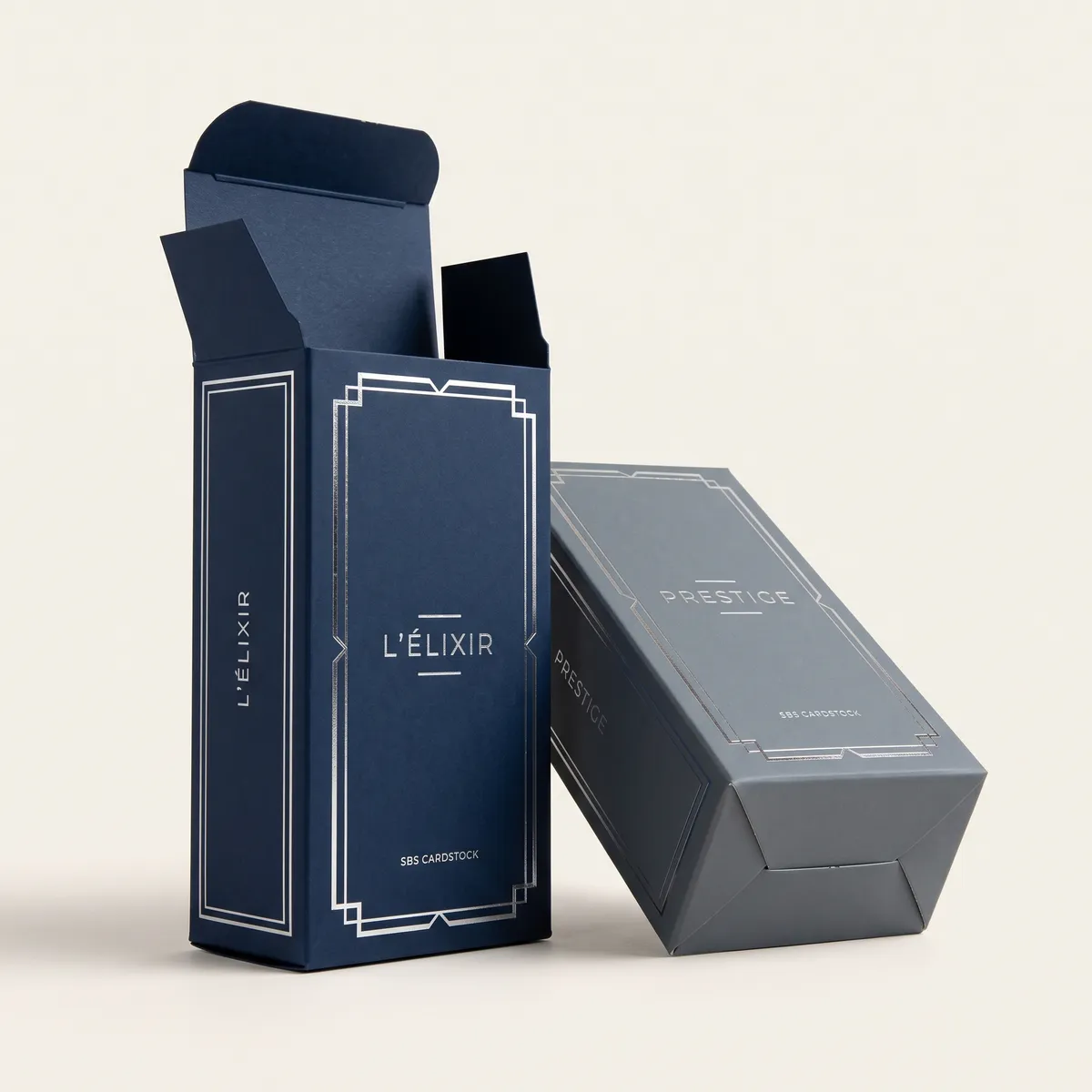
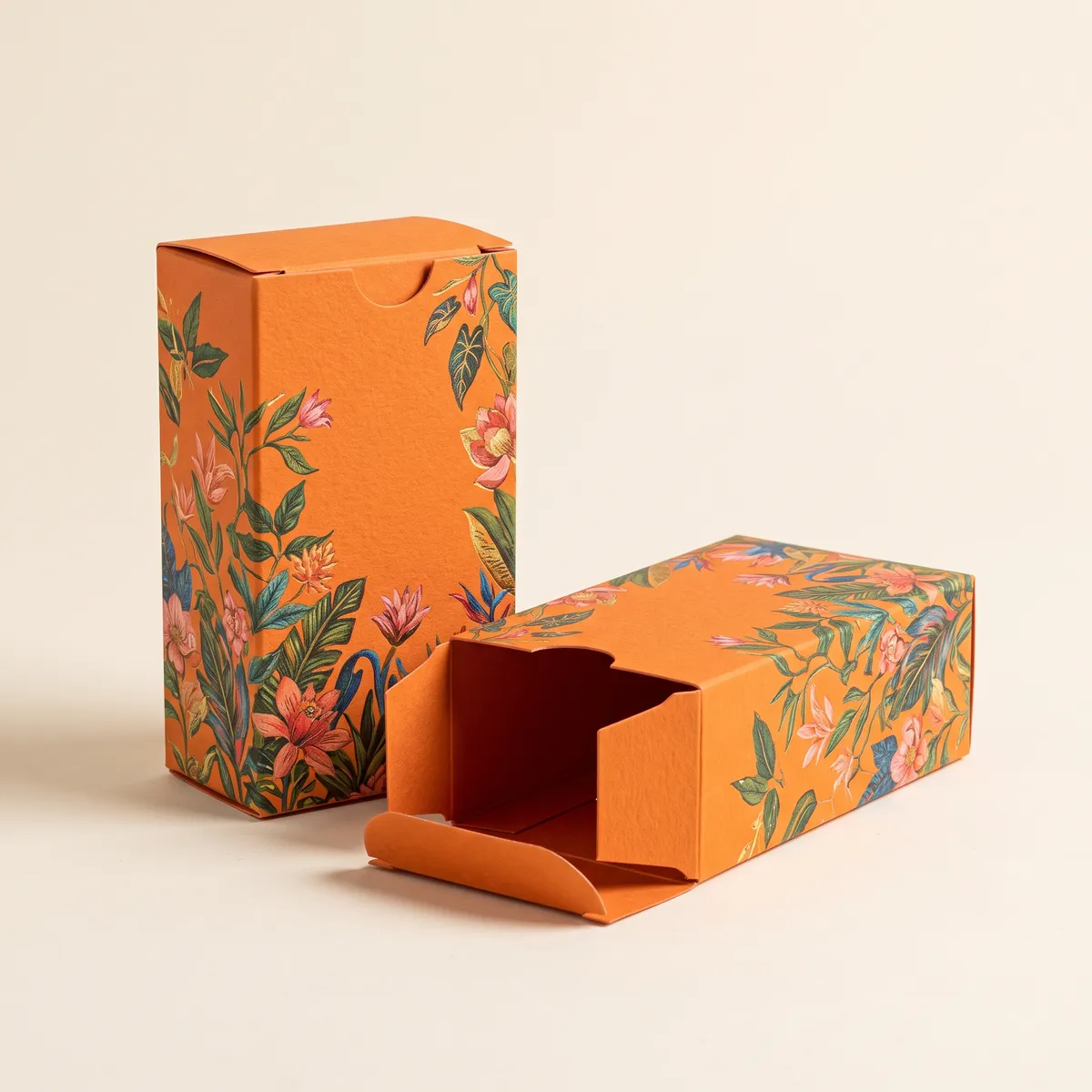
The auto bottom changes what the base does, not what the panels can carry, so print options follow the stock you choose. On coated cardboard, full-color artwork reproduces accurately, and lamination or spot UV work as they would on any carton. On kraft, ink absorbs into the board and colors read warmer and more muted, so one or two colors usually look better than a full-color attempt. On corrugated, the flute shows through and softens small type, so keep logos bold. Two limits come from the structure itself. A base is a set of scores, and foil or heavy solid color laid across a fold line cracks, so keep metallics on flat panels. Windows are die-cut and need clearance around them. Skip decorating the underside.
Auto Bottom Cartons in Bakery, Takeout and Retail Packs
Food counters are the biggest users, because they box to order while a queue waits. Donut, pastry and cookie boxes are commonly made with this base, as are window boxes for cakes and pastries. Tall cake boxes take it on corrugated, where the cake's weight needs the stiffer board. Takeout kitchens assembling boxes mid-service choose it for the same reason a bakery does: nobody has spare hands during the lunch rush. Outside food, cosmetics brands use it for lotion cartons packed in volume, and larger shipping boxes carry it on corrugated so the base holds from the moment the box is opened. If you're comparing bases for a bakery or takeout counter, this is the one built around packing speed. For a slow range, it's more box than needed.
Ordering Auto Bottom Boxes Sized to Your Daily Volume
Start with two numbers: product dimensions and how many boxes you pack daily. The first lets us build the dieline and confirm internal against external measurements in writing. The second tells us whether this base is the right call, or whether a hand-folded one would save you money. Design help is free and unlimited, and nothing goes to print until you approve the proof. Orders start at 100 boxes. Production runs 8–12 business days from approval, and rush is available at an extra cost we quote upfront. Every box passes a three-stage check, and if the bulk run doesn't match your approved proof, we reprint it at our cost. Dies, plates and setup are in the quote, shipping is included, and free samples come with orders above 10,000.
One connected process, start to finish.
Structural Design
Dieline drafted to your exact fit and freight tolerances.
Proof & Sample
Sign off on a digital proof, or request a physical sample.
Tooling
Dies and plates are cut for your job and archived on file.
Production
Print, die-cut, and assembly run under in-line quality checks.
Ship & Reorder
Freight goes out, and the cycle resets for your next run.
Steady process. Powerful results.
Like everything we build, our process is engineered to hold up — no shortcuts, no surprises. Five dependable stages that run the same way every single time, so reorders are just as fast as the first order.
- One dedicated teamFrom first sketch to final freight, the same people carry your order start to finish.
- Dies archived on fileReorders skip tooling and re-setup entirely — we already have your exact spec.
- Checked against your sign-offEvery run is inspected against the digital proof or physical sample you approved.
Set up your file once, correctly
Nine in ten delayed jobs are delayed by artwork, not production. Match these four rules and your proof lands the next morning.
- Bleed1/8 in (3 mm) past every cut line
- Safe ZoneKeep text 1/4 in clear of every crease
- ColourCMYK or named Pantone. No RGB.
- Resolution300 dpi at final size, fonts outlined
No print-ready file?
Send a logo and a rough idea. Our studio builds the production file free with any order over 500 units — you keep the source file either way.
Ask the StudioBackground art must run all the way to the outer bleed edge. Anything inside the white dashed line survives fold tolerance.
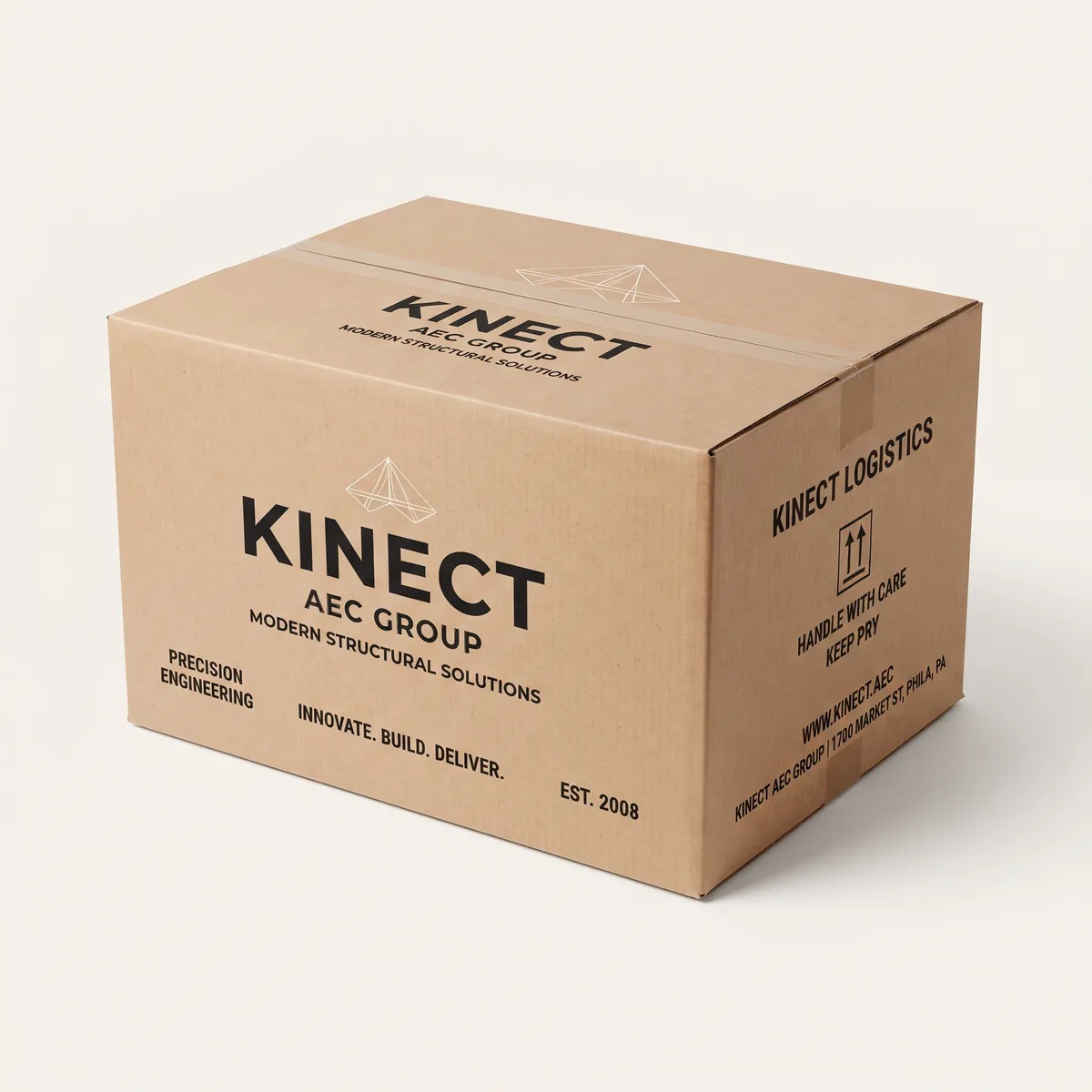
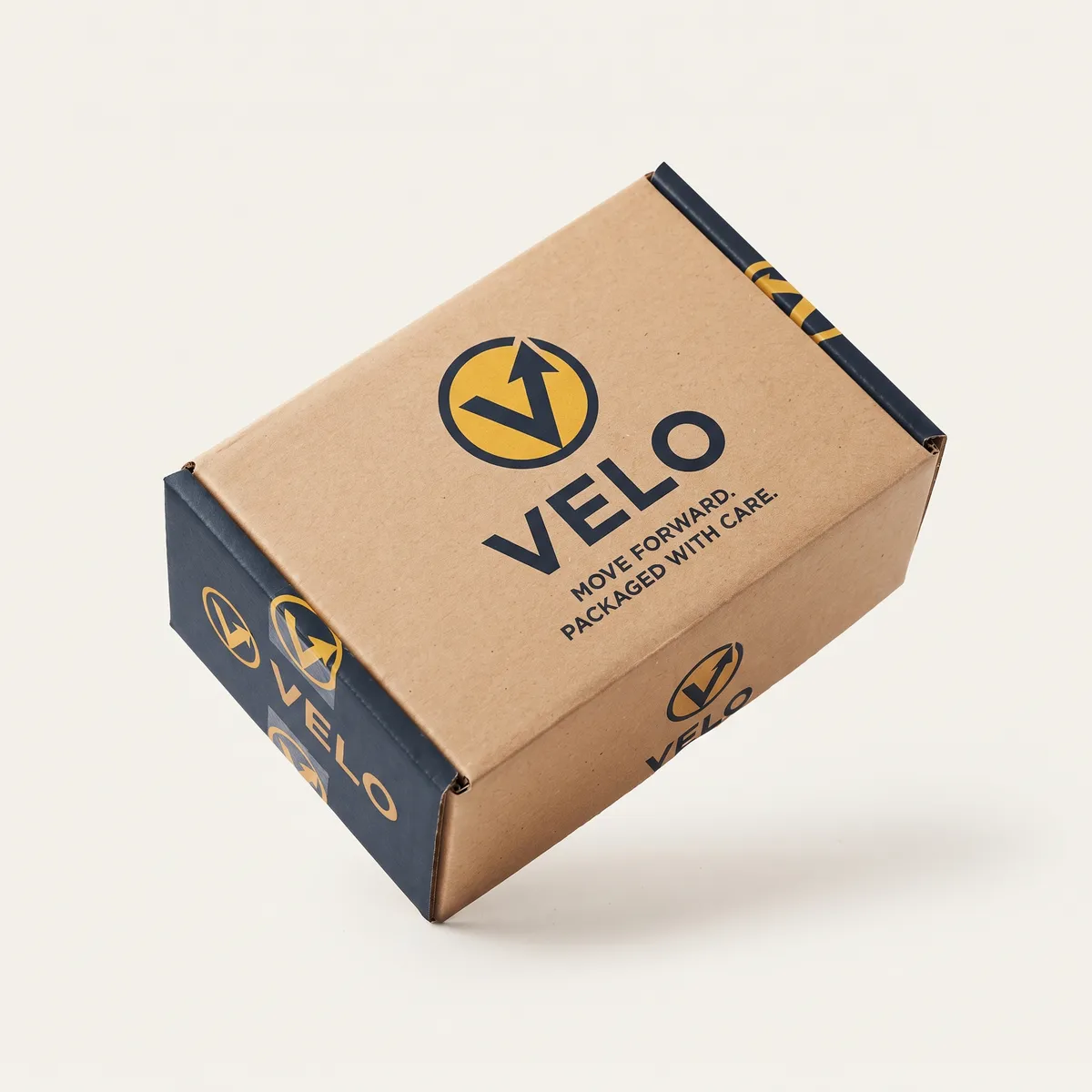
What brands say about this box
They live there rather than here, where we can't edit them, delete them, or pick which ones you get to see. That is exactly what makes them worth reading.
Read all reviews on Trustpilot(opens in a new tab)Answers before you have to ask.
How does an auto bottom base actually work?
The base panels are pre-glued before delivery, so when you open the flat box the base folds and locks itself square in one motion. There's no folding sequence and no tape — you open it and it's ready to fill.
Can auto bottom boxes be made in any stock?
Yes. Auto bottom describes the base construction, not the material, so you can have it in kraft, coated cardboard or corrugated. The stock is chosen for the load and the look you need.
Is an auto bottom worth the extra cost?
Past a few hundred boxes a day, almost always. It costs a little more per unit and saves a second or two per box, and at volume that labor saving outweighs the difference comfortably.
How long do auto bottom boxes take?
Most orders are ready in about 8–12 business days once you approve the proof. Rush production is available at an extra cost, quoted upfront, with shipping included in the price.
What's the minimum order for auto bottom boxes?
100 boxes, across every stock. That's low enough to trial an auto bottom against your current base before switching a range over, and design help is unlimited and free.