
Large Shipping Boxes
Large shipping boxes face two problems smaller ones don't: a wide base that flexes under its own contents, and dimensional weight charges that climb with every additional inch of empty space. We match the flute or wall construction to the span instead of scaling up a smaller build, then cut the box precisely to your item. Several sizes can run together, keeping per-unit pricing down.
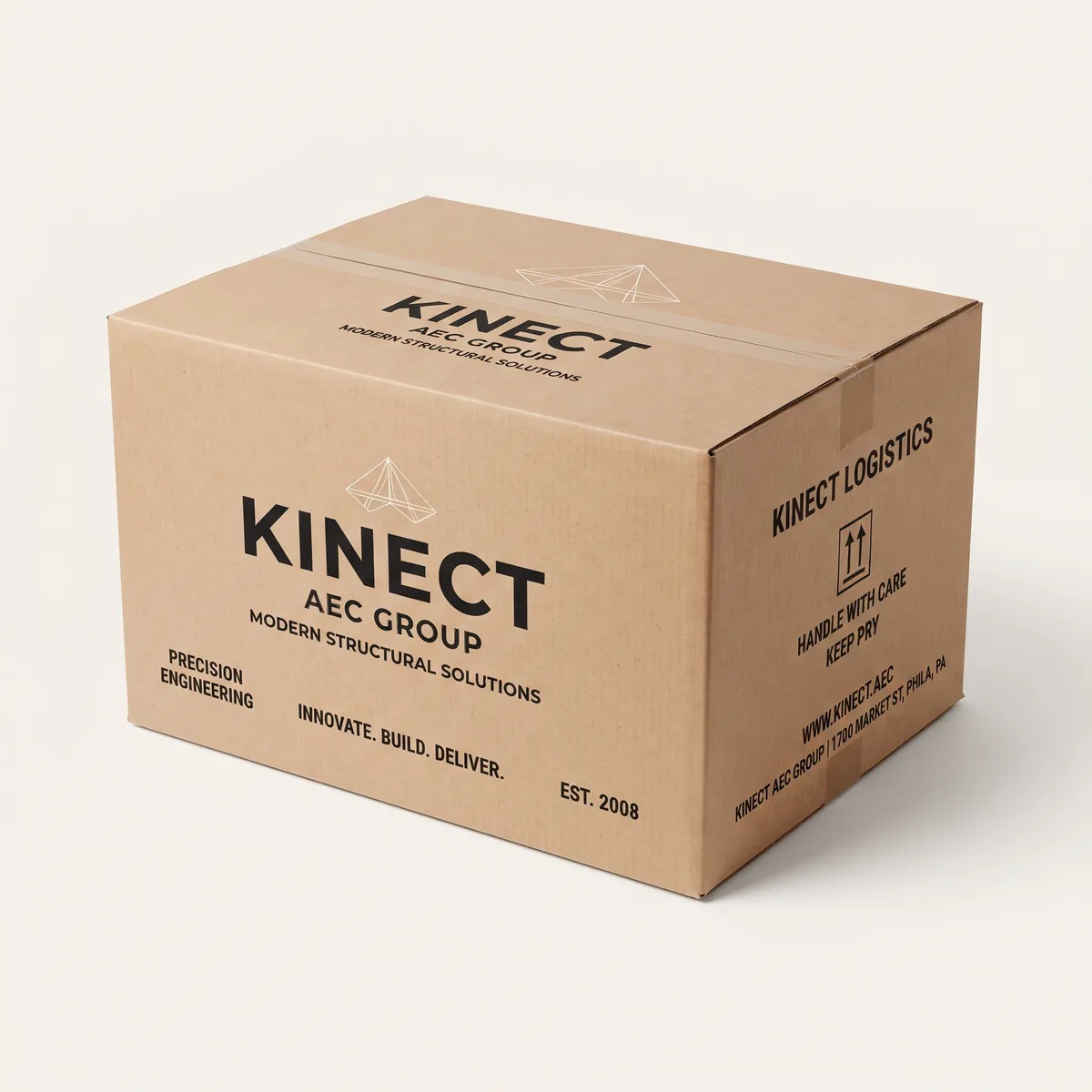
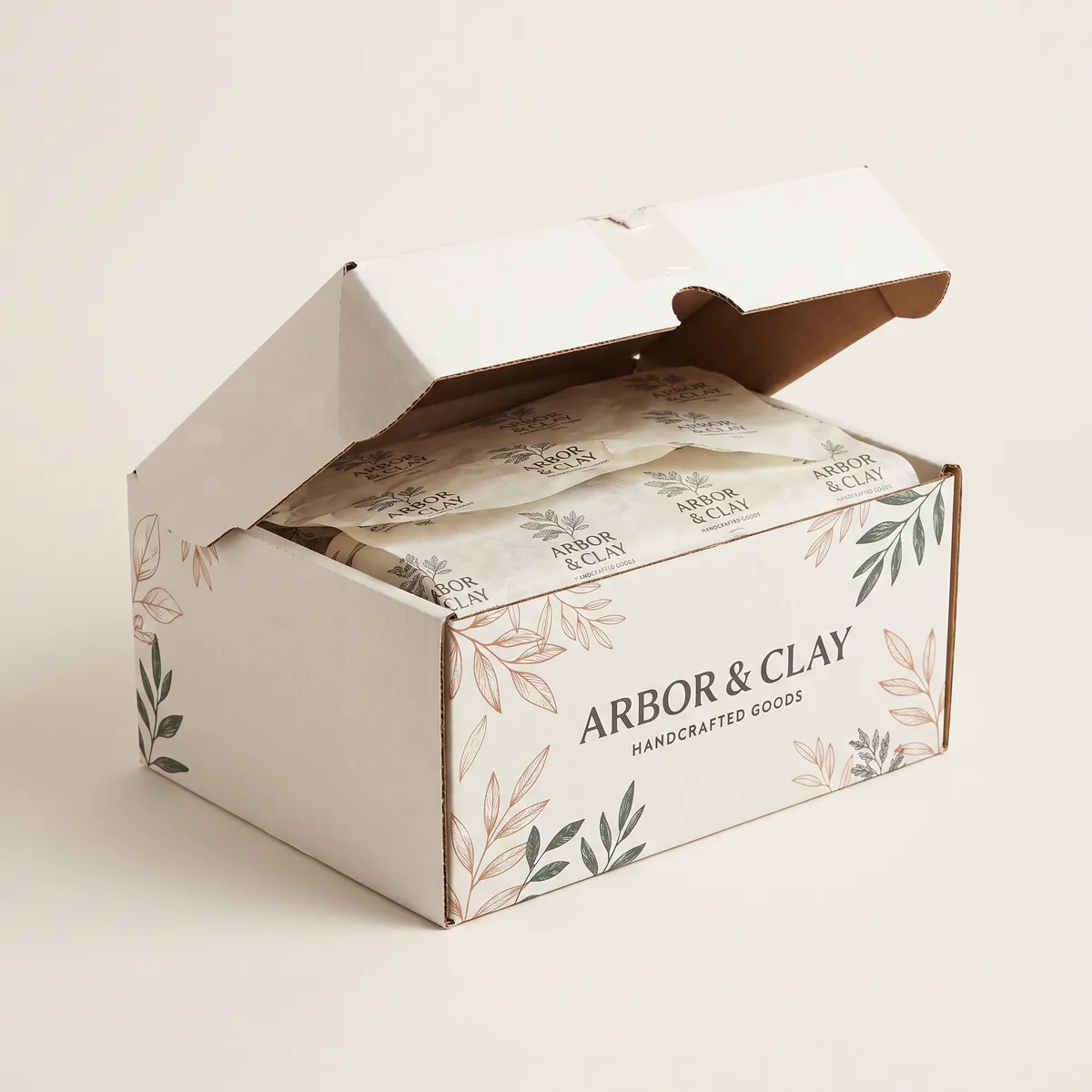


Ours are on Trustpilot, where we can't edit them or choose which ones you see.
Read them on Trustpilot →(opens in a new tab)Four stages, twelve days
Quote confirmed
A specialist checks your spec against the board and comes back with a firm price inside 4 business hours.
Proof approved
You get a flat dieline and a 3D render. Nothing goes to press until you approve it in writing.
On press
Print, die-cut, glue, and fold. You get a press-side photo the day your job runs.
QC and delivery
Every pallet is sampled against the digital proof or physical sample you approved, then shipped with tracking to your dock or 3PL.
If a box doesn't match the digital proof or physical sample you approved, we reprint the run at no charge.
Read the reprint terms →Know exactly what you're ordering.
Large Shipping Boxes for Bulky and Oversized Products
Watch someone pack a big box and you'll see where it fails. They fill it, fold the flaps and lift it by the sides, and the base sags in the middle before the box is even sealed. Put that box on a conveyor or a van floor and the sag becomes a split. Large shipping boxes are built for products where that happens: duvets, lamps, boxed furniture parts and multi-item kits. The box is cut to the item rather than the nearest stock size, and the board is chosen for the footprint. Either liner is available, white or brown, so a large box can carry the same look as the rest of your range.
Large Shipping Box Sizes, Board Steps and Dimensions
Large boxes run into the 24-inch-plus range, on board that scales with the box rather than staying fixed as the dimensions grow.
| Spec | Options |
|---|---|
| Size | Cut to your product, into the 24-inch-plus range |
| Flute | C-flute (about 4mm) single-wall, or BC double-wall as the base widens |
| Rating | About 32 ECT single-wall, 44 ECT and up double-wall |
| Liners | Coated white or brown kraft |
| Tolerance | About ±1/16" (1.5mm) |
We build the dieline from your product dimensions and confirm in writing which figures are internal and which are external. At this size, mixing the two up can waste inches of space that you then pay to ship on every parcel.
Why Large Boxes Need Their Own Board Spec
A large box fails differently from a small one. Even with light contents like bedding, a wide panel bends when other parcels are stacked on it, and a tall box tips over and lands on its edge. That's why the spec for a large box comes from its footprint and height as much as from what goes inside. Sometimes the honest answer is that a box this size shouldn't exist: two medium boxes, or a product redesigned to pack flat, can cost less to ship. Where one large box is the right call, building it with a base that locks itself open means your packer isn't taping a wide bottom seam while holding the sides square.
What Printing Looks Like Across a Large Panel
Large panels give you room, which is both the appeal and the risk. A logo that looks right on a small mailer can look lost in the middle of a big side, so artwork is usually scaled up or repeated across panels. Flexo in one or two colors is the economical choice at volume. Digital suits short runs or artwork that changes. A coated white liner takes full CMYK, while a brown kraft liner suits simple, bold marks. Solid color across a whole large panel shows every scrape from a van floor, so we'd usually keep outside coverage lighter and put any detailed artwork on the inside, where it reaches the customer undamaged.
Large Shipping Boxes for Toys, Homeware and Kits
Ride-on toys, playsets and boxed building kits are some of the bulkiest items sent to homes, and toy and game sets often need a large outer shipper around their own retail packaging. Homeware sellers ship bedding, rugs, lamps and cushions, which are light but take up space. Fitness brands send mats and benches. Meal-kit and hamper companies pack several items into one box. Retailers consolidating multi-item orders use a single large size instead of sending three separate parcels. Furniture brands use them for flat-packed parts and the cushions or fittings that go with them.
Getting Large Shipping Boxes Quoted and Made
Send the product dimensions, the packed weight and a rough monthly volume, and we'll quote the box with the board already set. Dies, plates and setup are inside that quote, which matters on large boxes, where the cutting die is bigger than usual. The minimum is 100 boxes. After you approve the proof, production takes 8–12 business days. Rush is available at extra cost, quoted upfront. Shipping is included, so a pallet of large flat-packed boxes arrives without a freight charge you didn't expect. Design help is free and unlimited if you want your artwork rescaled for the bigger panels.
One connected process, start to finish.
Structural Design
Dieline drafted to your exact fit and freight tolerances.
Proof & Sample
Sign off on a digital proof, or request a physical sample.
Tooling
Dies and plates are cut for your job and archived on file.
Production
Print, die-cut, and assembly run under in-line quality checks.
Ship & Reorder
Freight goes out, and the cycle resets for your next run.
Steady process. Powerful results.
Like everything we build, our process is engineered to hold up — no shortcuts, no surprises. Five dependable stages that run the same way every single time, so reorders are just as fast as the first order.
- One dedicated teamFrom first sketch to final freight, the same people carry your order start to finish.
- Dies archived on fileReorders skip tooling and re-setup entirely — we already have your exact spec.
- Checked against your sign-offEvery run is inspected against the digital proof or physical sample you approved.
Set up your file once, correctly
Nine in ten delayed jobs are delayed by artwork, not production. Match these four rules and your proof lands the next morning.
- Bleed1/8 in (3 mm) past every cut line
- Safe ZoneKeep text 1/4 in clear of every crease
- ColourCMYK or named Pantone. No RGB.
- Resolution300 dpi at final size, fonts outlined
No print-ready file?
Send a logo and a rough idea. Our studio builds the production file free with any order over 500 units — you keep the source file either way.
Ask the StudioBackground art must run all the way to the outer bleed edge. Anything inside the white dashed line survives fold tolerance.
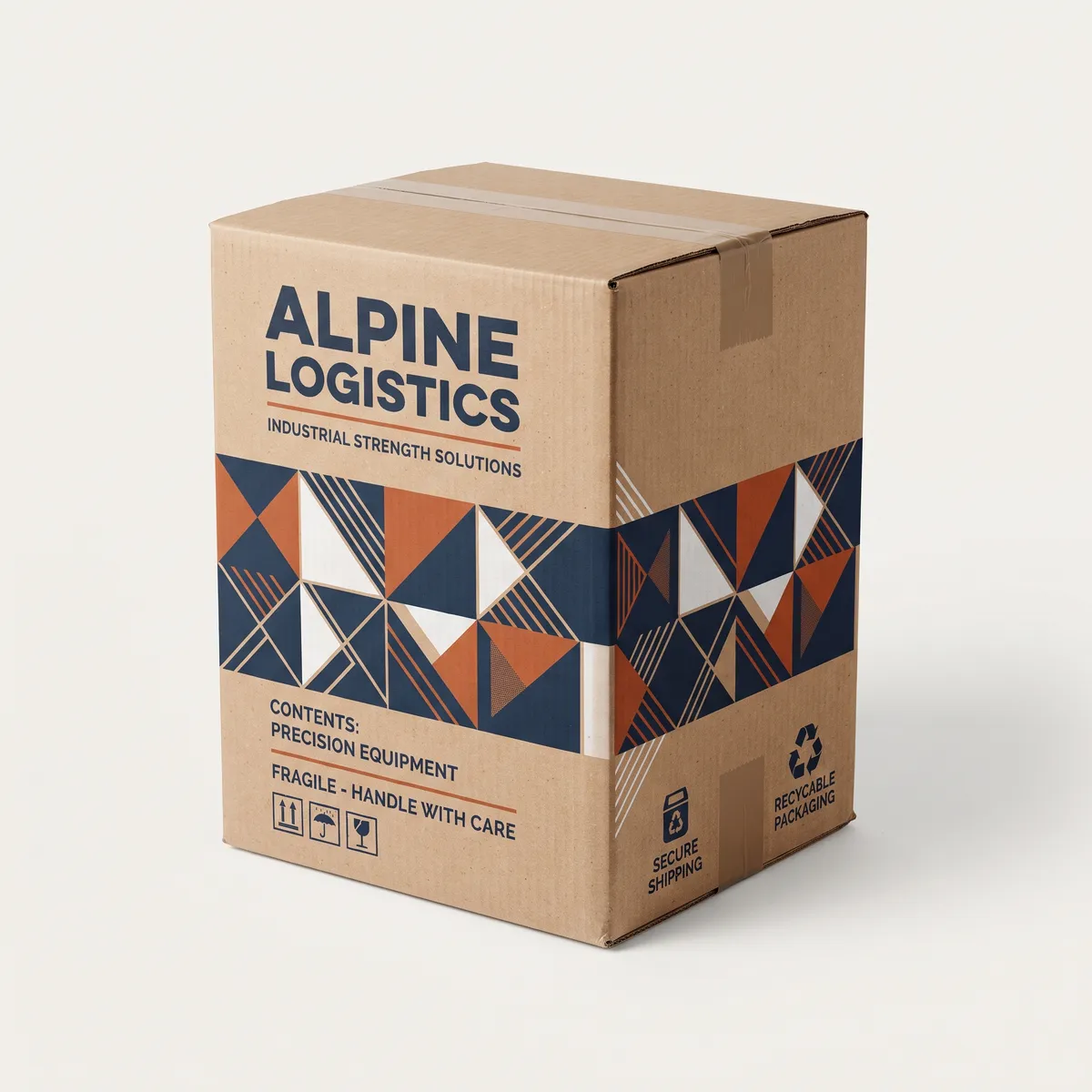
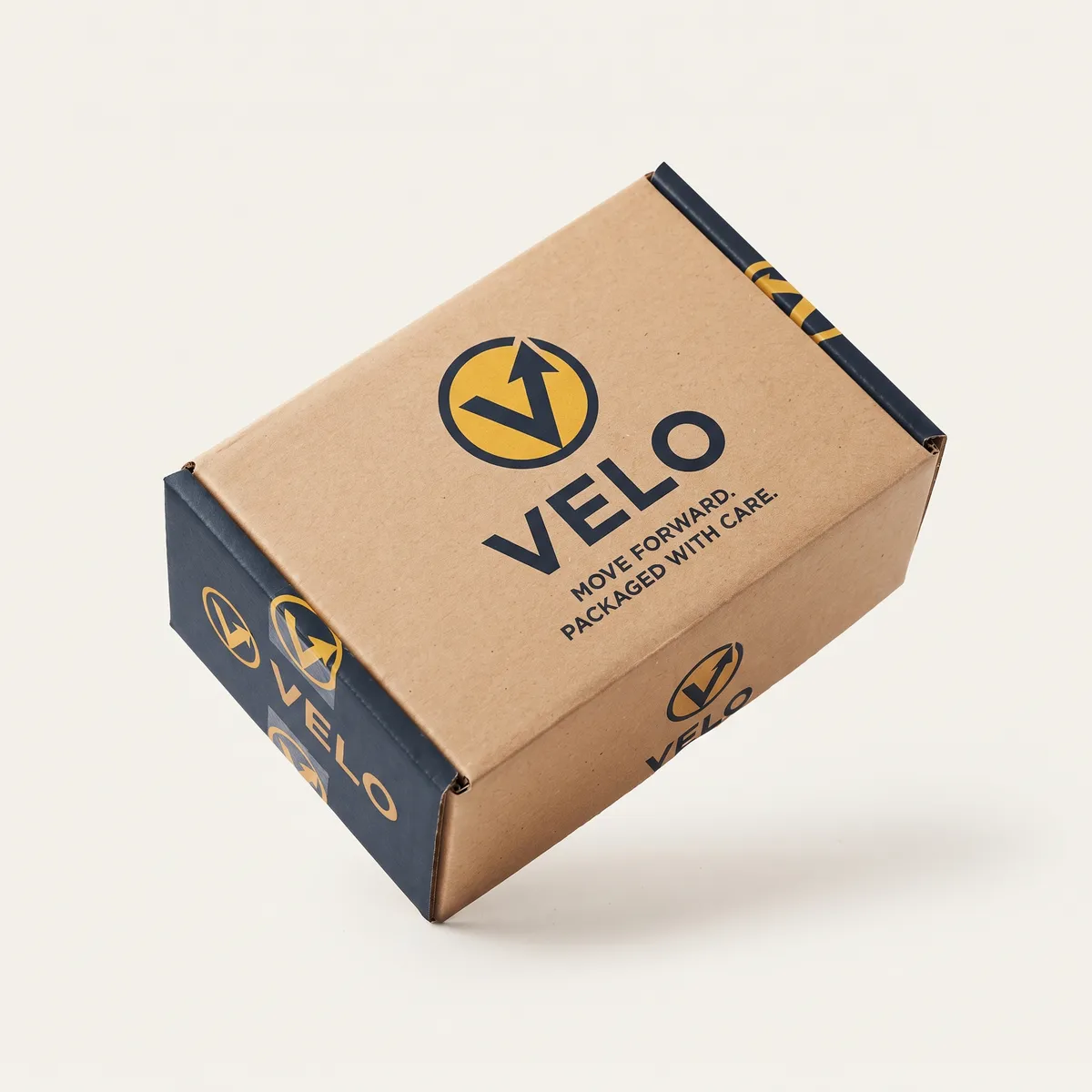



What brands say about this box
They live there rather than here, where we can't edit them, delete them, or pick which ones you get to see. That is exactly what makes them worth reading.
Read all reviews on Trustpilot(opens in a new tab)Answers before you have to ask.
How large can a shipping box go before it needs double-wall?
It's less about a fixed dimension and more about unsupported span. The wider the base, the more it flexes under its own contents, so a size that works in single-wall will bow when scaled up. Send us dimensions and weight and we'll tell you where the line falls.
Do large boxes cost more to ship?
They do, because carriers bill on dimensional weight rather than just actual weight. That's why sizing to the product matters more at the large end than anywhere else — an oversized large box charges you for empty space on every shipment.
Do large boxes need extra reinforcement?
Often, yes. Reinforcement comes from moving to a heavier flute or double-wall rather than adding anything to the box, since a wider base has more unsupported span. We spec the board to the dimensions rather than simply enlarging the same build.
How long do large shipping boxes take to produce?
Expect about 8–12 business days after proof approval, the same as any other size. Rush production is available at an added cost we'll quote first. Shipping is included whatever dimensions you order.
Can I order several large sizes together?
Yes, and it's usually the smarter approach. Most brands find two or three sizes serve their range better than one compromise, and running them together keeps the per-unit price down while cutting what you pay in dimensional weight.