
Straight Tuck Boxes
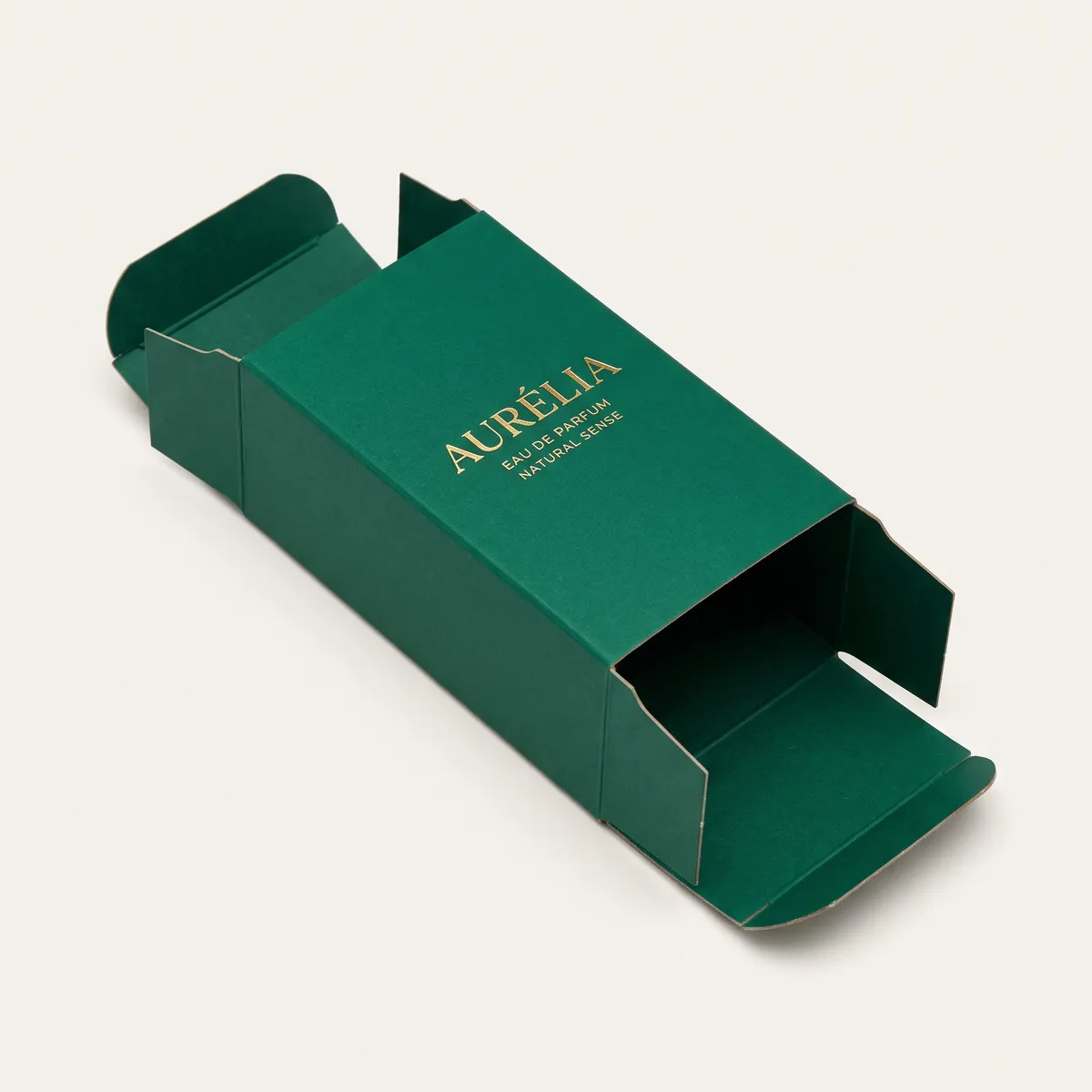
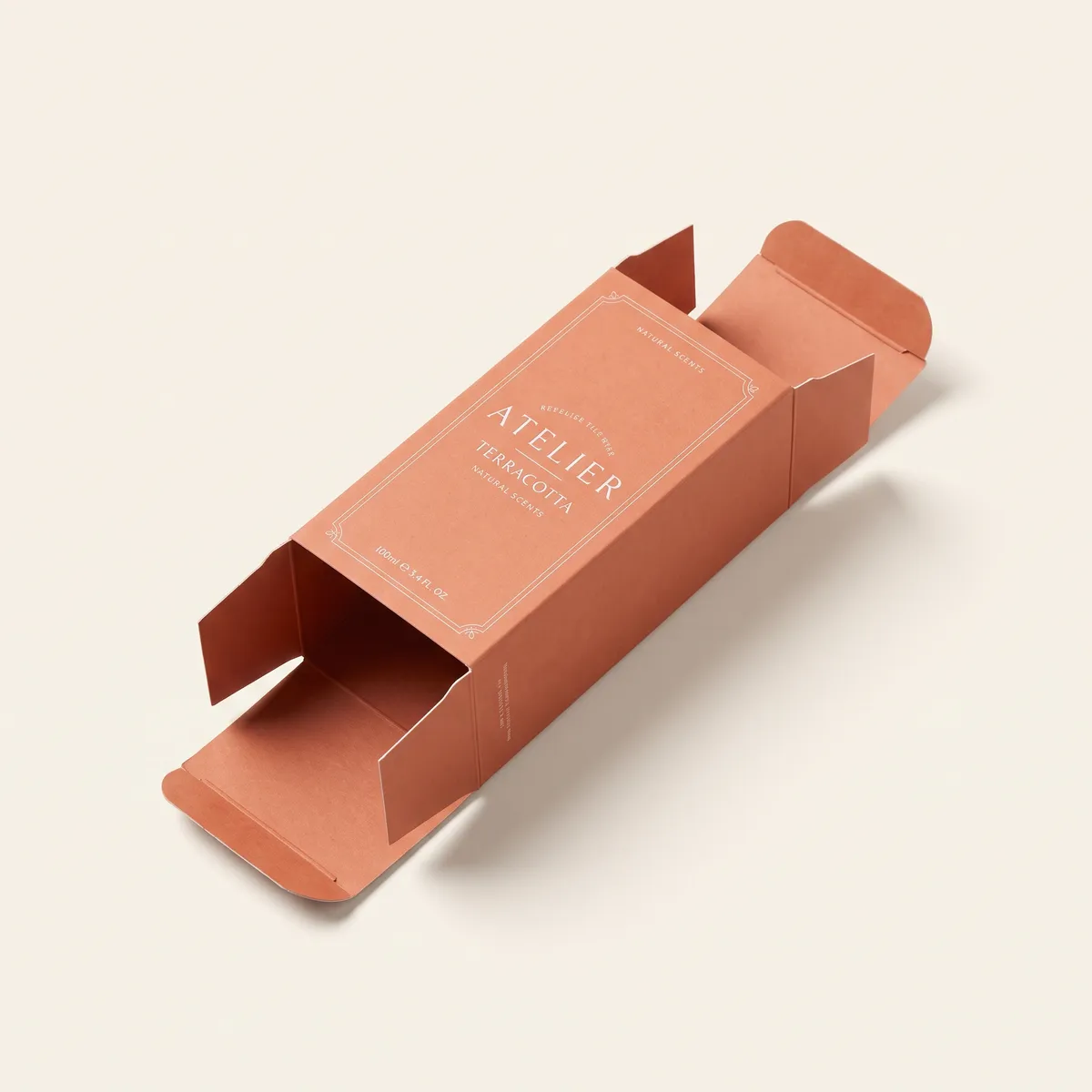
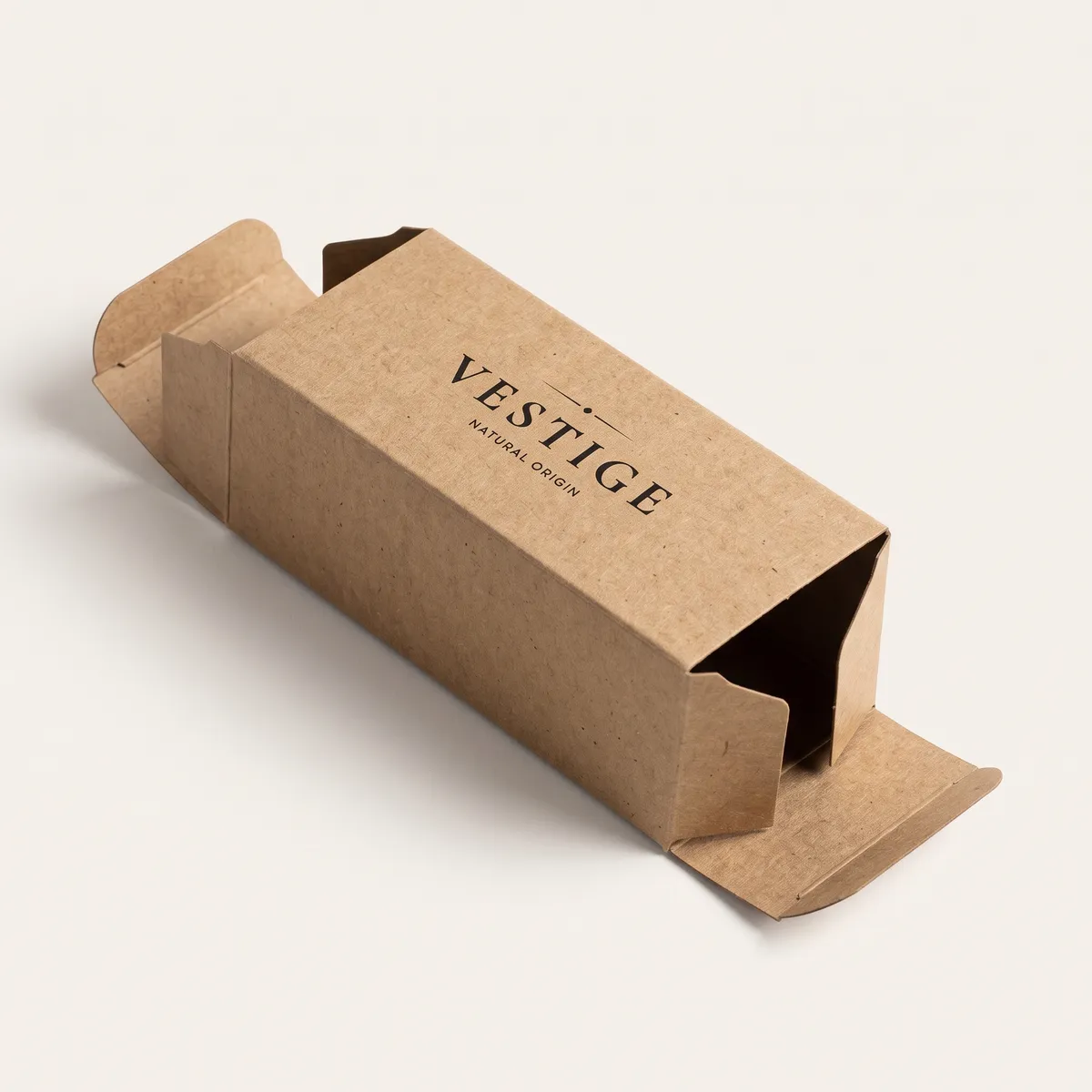
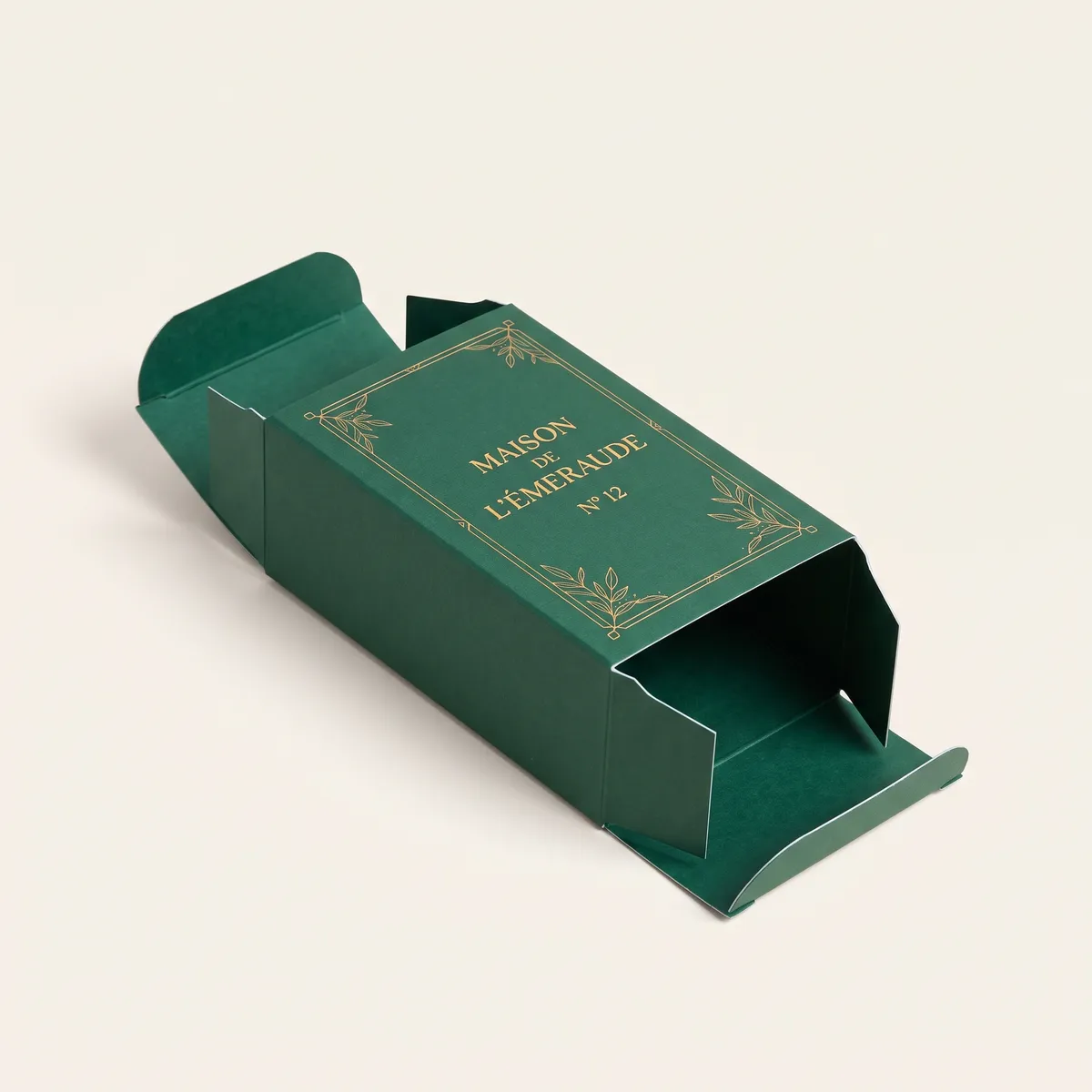
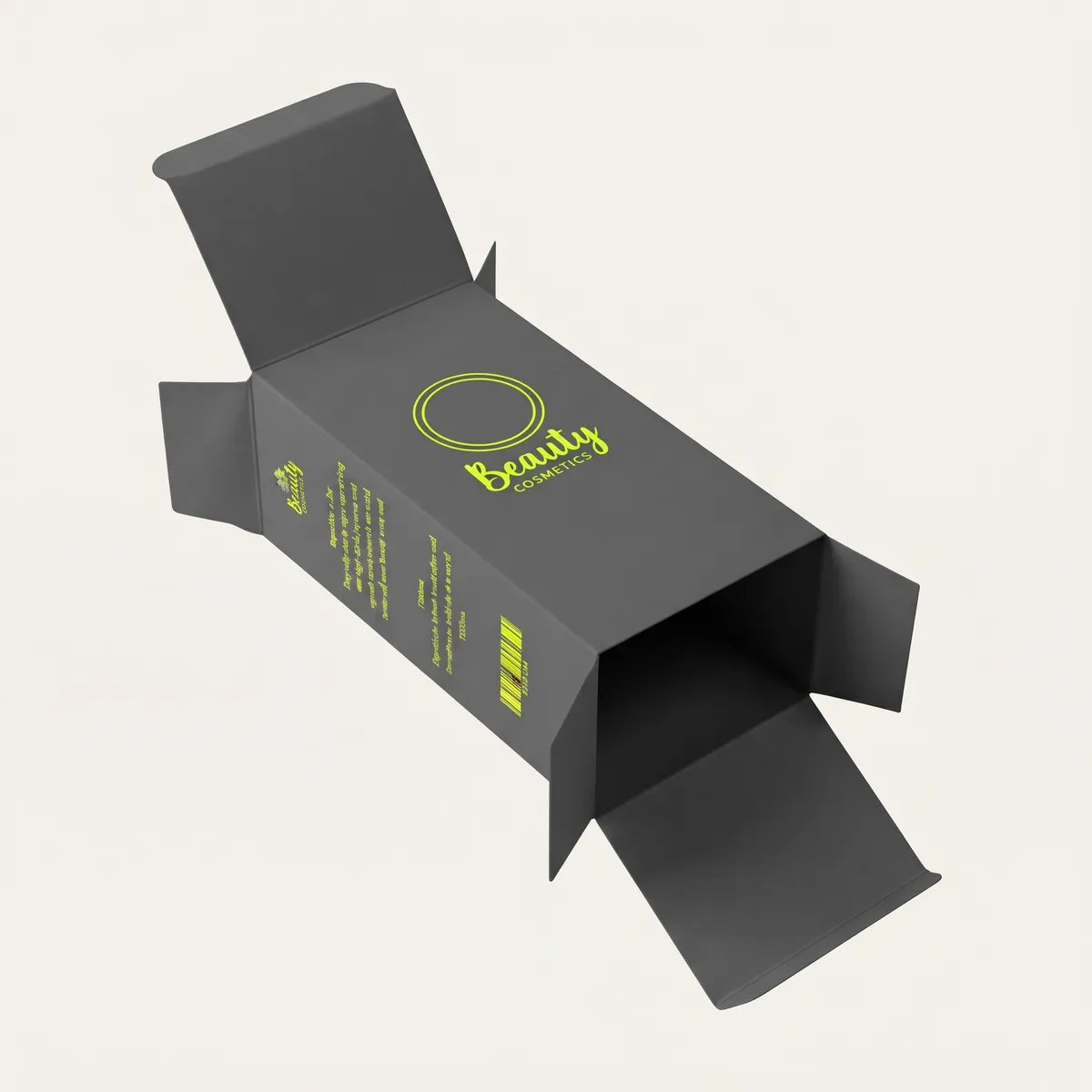
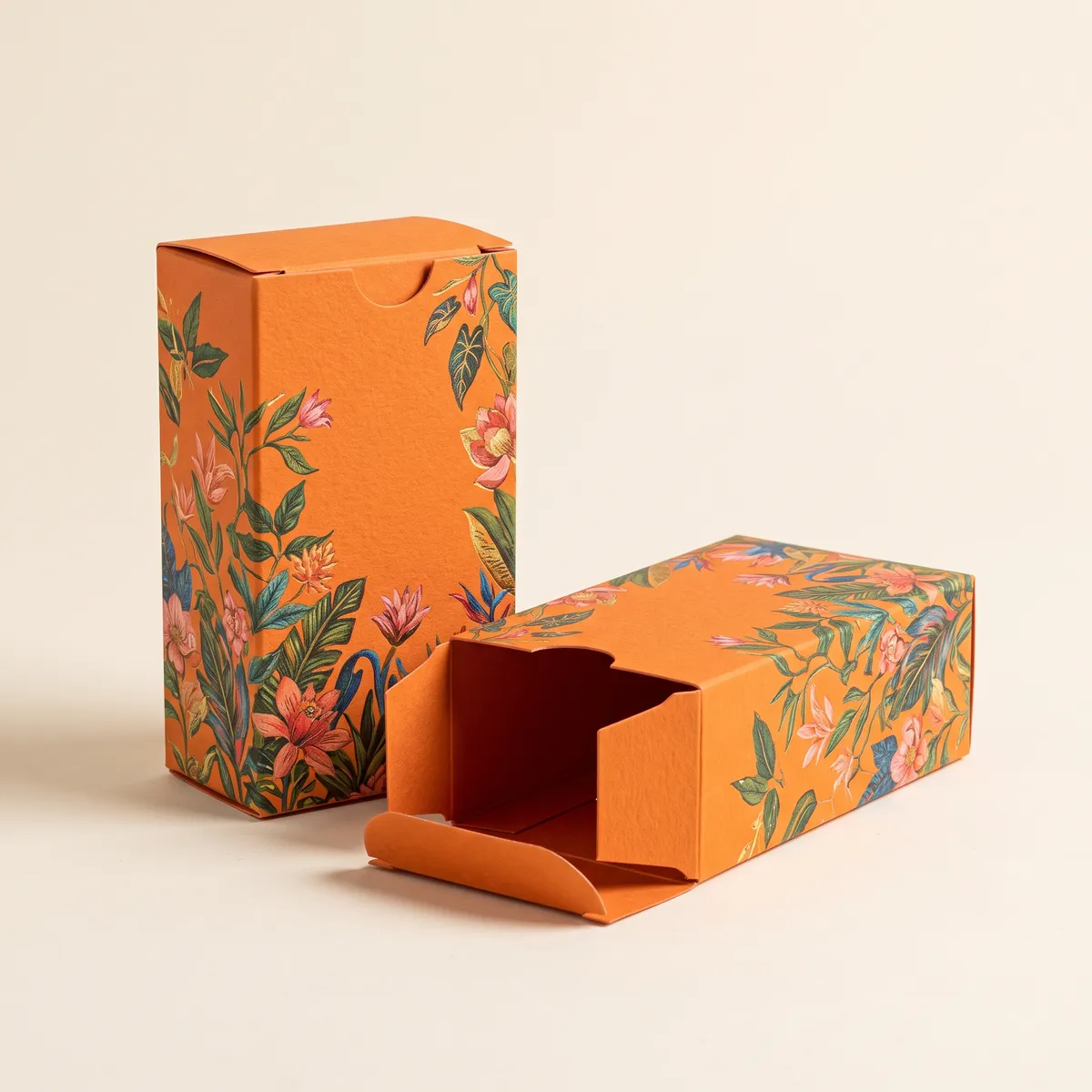
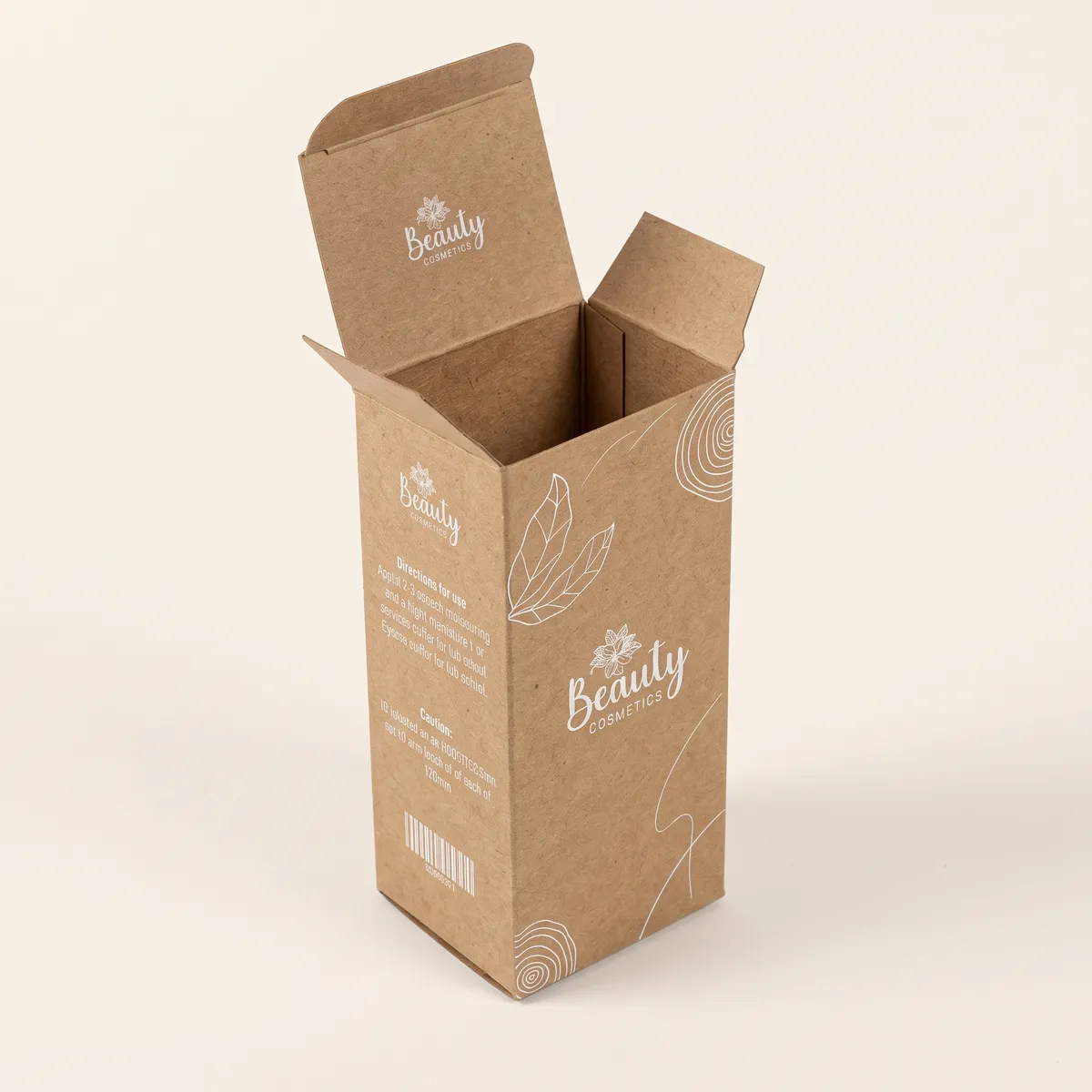
Straight tuck boxes fold both flaps the same direction, which simplifies the die and makes the board layout more efficient; that's where the saving comes from, not any drop in quality. Customers genuinely won't notice which way the flaps fold. Choose it when a closure on the back panel doesn't concern you. Switching tuck styles later requires a completely new cutting die.
Ours are on Trustpilot, where we can't edit them or choose which ones you see.
Read them on Trustpilot →(opens in a new tab)Four stages, twelve days
Quote confirmed
A specialist checks your spec against the board and comes back with a firm price inside 4 business hours.
Proof approved
You get a flat dieline and a 3D render. Nothing goes to press until you approve it in writing.
On press
Print, die-cut, glue, and fold. You get a press-side photo the day your job runs.
QC and delivery
Every pallet is sampled against the digital proof or physical sample you approved, then shipped with tracking to your dock or 3PL.
If a box doesn't match the digital proof or physical sample you approved, we reprint the run at no charge.
Read the reprint terms →Know exactly what you're ordering.
Straight Tuck Boxes When Unit Cost Leads the Brief
Ranges with twenty flavors, scents or sizes feel every cent on the carton, because the unit price is multiplied across the whole catalog. Straight tuck boxes are the carton for that brief. Both tuck ends close from the same side, so the closure lands on the back panel and the front stays printed and easy to read.
The buyers are confectioners, soap makers, tea and snack brands, and private-label lines filling a shelf with many similar SKUs. They tend to know their product well and their margin better, and they want a carton that looks finished without paying for features nobody looks at. If the back of the box faces the wall on the shelf, or carries only ingredients and a barcode, this is the place to start.
Straight Tuck Layout, Sheet Nesting and Board
With both tucks hinged alike, cartons sit in tidy rows on the press sheet with less offcut between them. These are the settings we confirm per order.
| Spec | Detail |
|---|---|
| Tuck ends | Both close from the same side |
| Closure position | Back panel |
| Board | Coated white, kraft or recycled stock |
| Caliper | Matched to product weight |
| Glue seam | Side panel |
| Sizing | Internal dimensions, cut to each product |
Most straight tuck runs use coated board in standard carton weights, which holds a consistent print across a long range of flavors or scents. If a product is heavy enough that a tuck end might give way, we'll flag it when we see the weight and suggest a locking base instead.
Why Fold Both Flaps the Same Way
The trade is easy to state: you give up a clean back panel and keep the money. On a carton that sits front-out on a shelf, the back is where ingredients, barcode and directions go anyway, and a tuck edge among them goes unnoticed. Across a range of thirty SKUs, a small per-unit saving turns into a line on the budget.
Where the back panel is a selling surface, as with a carton picked up and turned in the hand before purchase or displayed so it's seen from all sides, a reverse tuck earns its premium. Confectioners packing boxed chocolates and sweets in many flavors are the textbook straight tuck buyer: the front sells, the back informs, and the price per box decides the margin.
Print Placement When the Closure Sits on the Back
Plan the back panel around the closure. Keep the barcode and the smallest type clear of the tuck, so they aren't creased or hidden when the box is opened and closed. Front and side panels take full color without interruption.
A spot UV or foil logo on the front works as well here as on any carton, since the tuck direction doesn't change what the face can carry. On long ranges, many brands run one shared design and change only a color band or flavor name per SKU. That keeps proofing quick and the shelf looking related.
Skip lamination on cartons that are opened once and thrown away. The money is better spent on board that holds its edges on the shelf.
Straight Tuck Cartons for Bars, Sweets and Everyday Retail
Confectionery, tea and snack lines run straight tuck because they carry wide flavor ranges and replenish often. Makers of handmade bar soap ranges use it for scented bars stocked at markets and gift shops, where a printed carton has to cost little more than a paper wrap.
Own-label pharmacy lines, stationery, small hardware and other everyday retail packs end up here for the same reason: the carton has to inform, stand up on a shelf and price well, but nobody photographs it.
It also suits brands testing a new product. A low-cost printed carton from 100 units puts a real package in front of buyers and stockists before you commit to a more expensive build, and the dieline carries over if the product stays in the range.
Getting a Straight Tuck Quote With Tooling Already Counted
Straight tuck is chosen on price, so the quote has to be the whole price. Ours includes the cutting die, the printing plates and setup, with nothing added after you approve, and shipping is already in the figure.
If you're pricing several sizes, send dimensions for each and we'll build every dieline from them, noting whether each figure is internal or external. Design help is free and unlimited if the artwork needs adapting across sizes or flavors.
Production takes 8–12 business days from proof approval. Rush is possible at an extra cost, quoted before you place the order. Orders start at 100 boxes, and on orders above 10,000 we send free samples first, so you can check the build before the full quantity runs.
One connected process, start to finish.
Structural Design
Dieline drafted to your exact fit and freight tolerances.
Proof & Sample
Sign off on a digital proof, or request a physical sample.
Tooling
Dies and plates are cut for your job and archived on file.
Production
Print, die-cut, and assembly run under in-line quality checks.
Ship & Reorder
Freight goes out, and the cycle resets for your next run.
Steady process. Powerful results.
Like everything we build, our process is engineered to hold up — no shortcuts, no surprises. Five dependable stages that run the same way every single time, so reorders are just as fast as the first order.
- One dedicated teamFrom first sketch to final freight, the same people carry your order start to finish.
- Dies archived on fileReorders skip tooling and re-setup entirely — we already have your exact spec.
- Checked against your sign-offEvery run is inspected against the digital proof or physical sample you approved.
Set up your file once, correctly
Nine in ten delayed jobs are delayed by artwork, not production. Match these four rules and your proof lands the next morning.
- Bleed1/8 in (3 mm) past every cut line
- Safe ZoneKeep text 1/4 in clear of every crease
- ColourCMYK or named Pantone. No RGB.
- Resolution300 dpi at final size, fonts outlined
No print-ready file?
Send a logo and a rough idea. Our studio builds the production file free with any order over 500 units — you keep the source file either way.
Ask the StudioBackground art must run all the way to the outer bleed edge. Anything inside the white dashed line survives fold tolerance.

What brands say about this box
They live there rather than here, where we can't edit them, delete them, or pick which ones you get to see. That is exactly what makes them worth reading.
Read all reviews on Trustpilot(opens in a new tab)Answers before you have to ask.
What is a straight tuck and why is it cheaper?
Straight tuck means both flaps fold the same direction, which makes the die simpler and the board layout more efficient. That efficiency is where the saving comes from rather than any reduction in quality.
Can straight tuck boxes be printed inside?
Yes, and it's worth doing on retail and gift cartons. The interior shows as the flap lifts, and interior print costs far less than most brands expect at folding carton volumes.
Does straight tuck look cheaper on shelf?
Not if it's well printed. The difference is structural rather than visual — a customer won't notice which way the flaps fold. Choose straight tuck when the back panel closure doesn't bother you.
How soon can straight tuck boxes be made?
About 8–12 business days once the proof is approved, often at the faster end given the simpler die. Rush production is available at a quoted premium.
Can straight tuck boxes be ordered in several sizes?
Yes, and most brands need several. Running them together shares setup, and keeping one printed design across sizes gives a range a consistent look.