
Custom Coffee & Tea Boxes, Made for the blend inside.
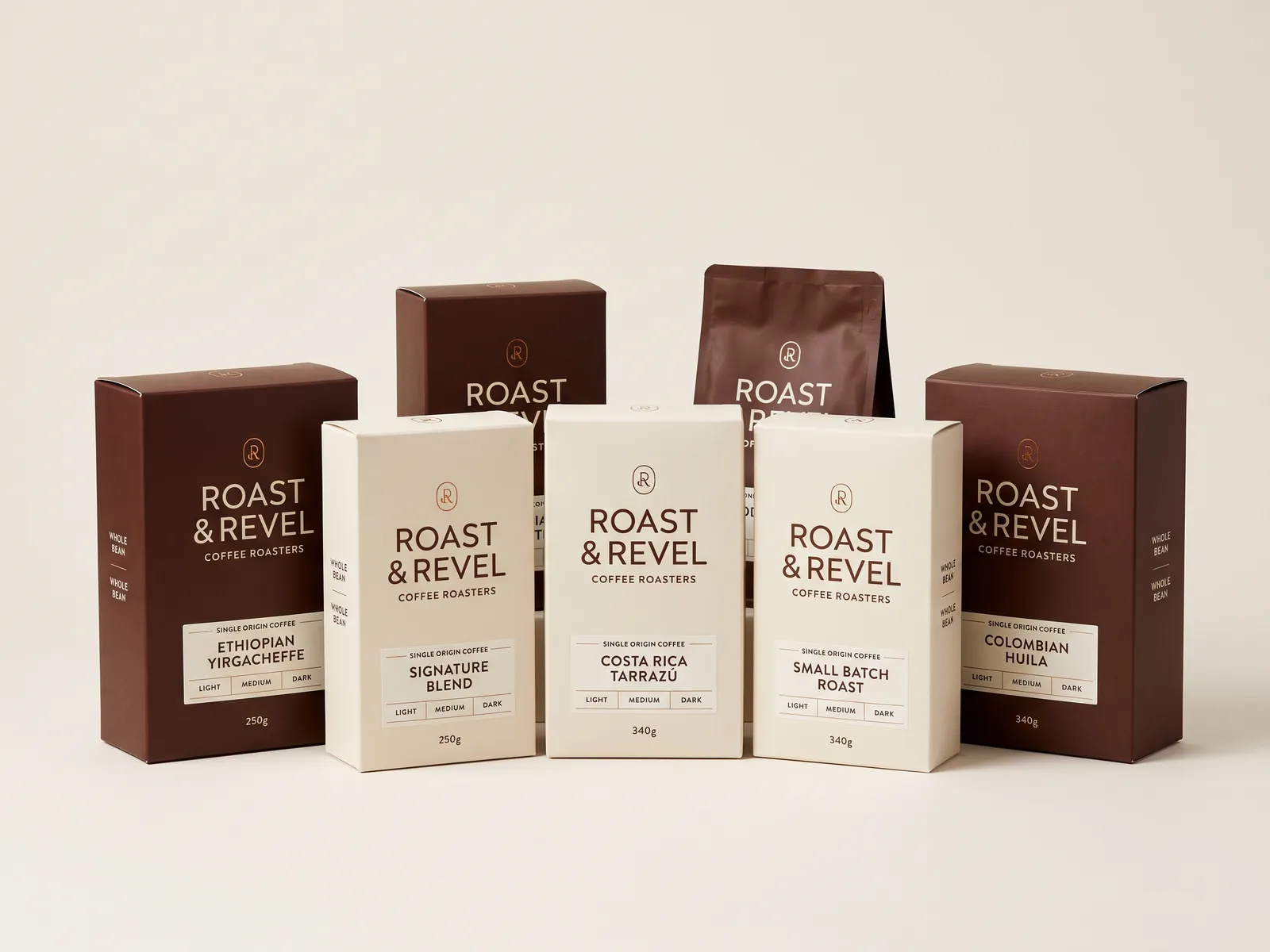
Freshness is what people pay for in coffee and tea, and the wrong packaging lets it drift away before the first cup. Once the aroma's gone, so is the reason to reorder. Our custom coffee and tea boxes are built around the inner bag or tin that actually holds that freshness, in kraft or printed stock, branded with your logo and sized to every blend.
Materials & Options for Coffee & Tea Boxes
E-Flute Corrugated
Thin profile, strong crush resistance — the standard for most mailer boxes.
B-Flute Corrugated
A thicker flute for heavier contents or extra stacking strength.
Kraft Paper
Unbleached, natural-brown stock with an earthy, eco-forward texture.
SBS Board
Solid bleached sulfate board for a smooth, print-ready white surface.
Offset Printing
Exact color matching for large runs — the standard for big projects.
Digital Printing
Fast turnaround on shorter runs, with no minimum plate setup cost.
Flexographic Printing
Distortion-free output built for large-run corrugated jobs.
UV Printing
Instantly cured ink that resists scratches and solvents.
Matte Lamination
Soft, non-reflective finish that reads premium under any light.
Gloss Lamination
High-shine coating that makes bold colors and photography pop.
Soft-Touch Coating
A velvety exterior resistant to moisture and fingerprints.
Spot UV & Foil
Raised gloss detail or metallic foil for logos and accents.
Discover Our Most-Requested Coffee & Tea Box Styles
Every style below runs through the same structural engineering and quality process — pick a starting point and we'll adjust the details to your product.
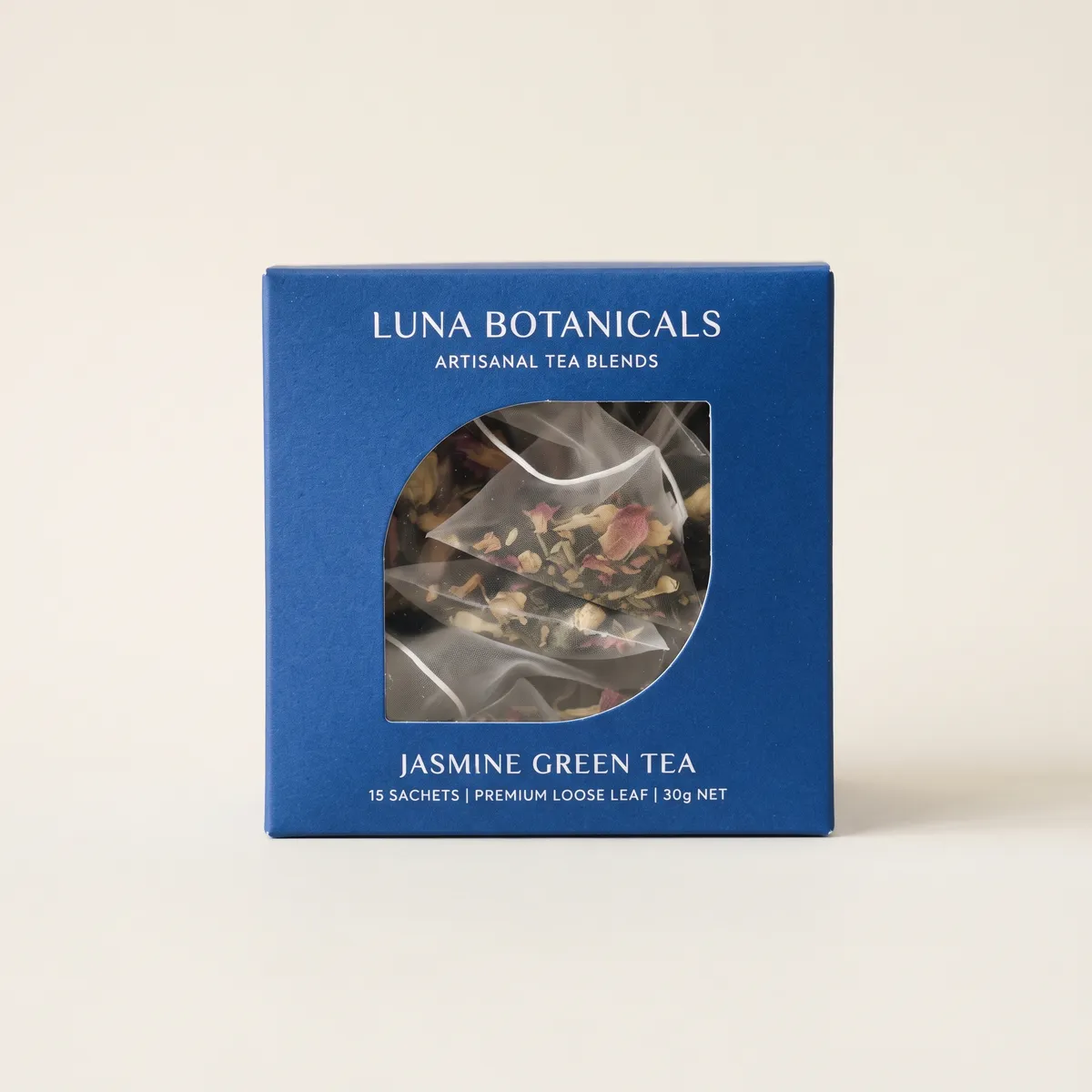
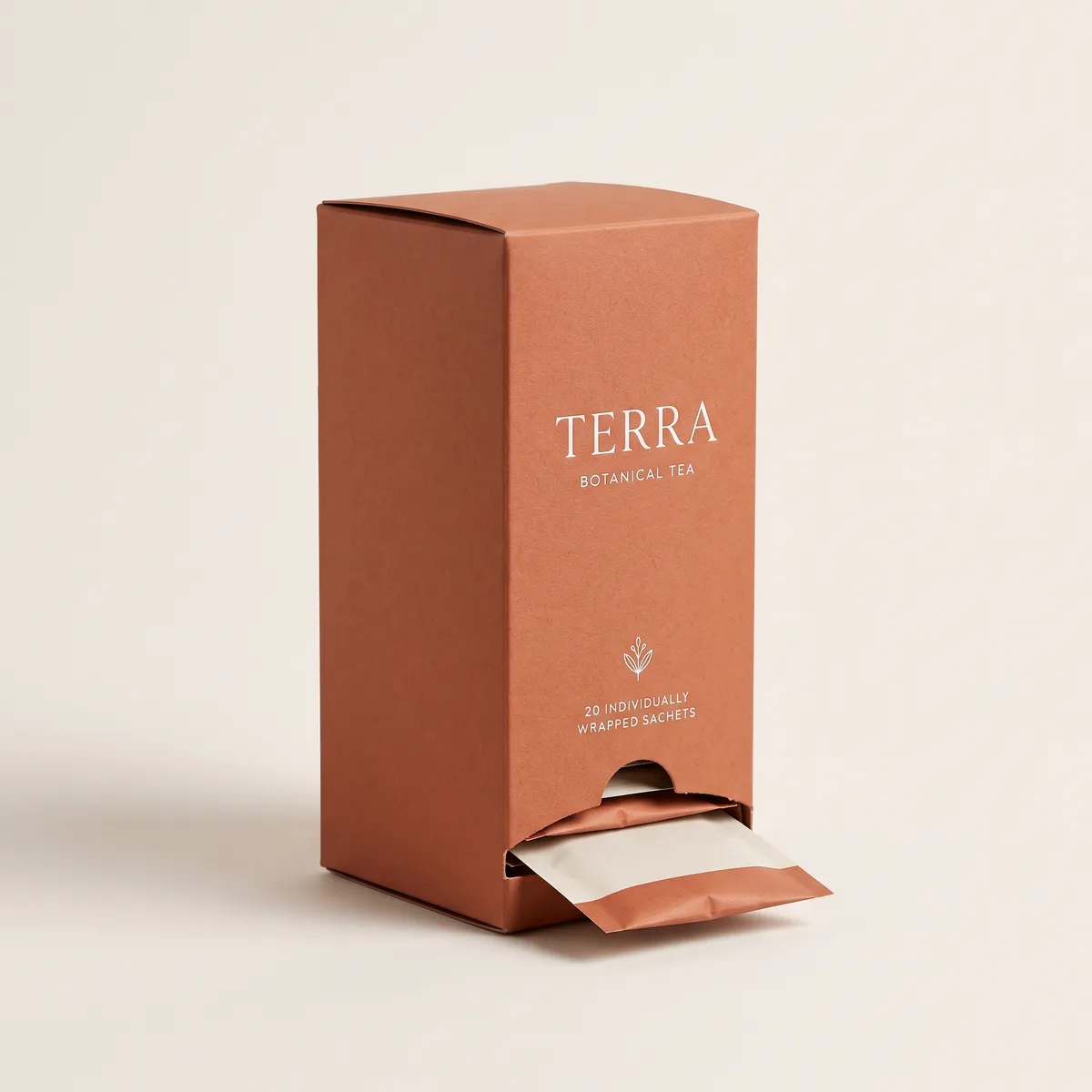
Freshness Is the Whole Promise
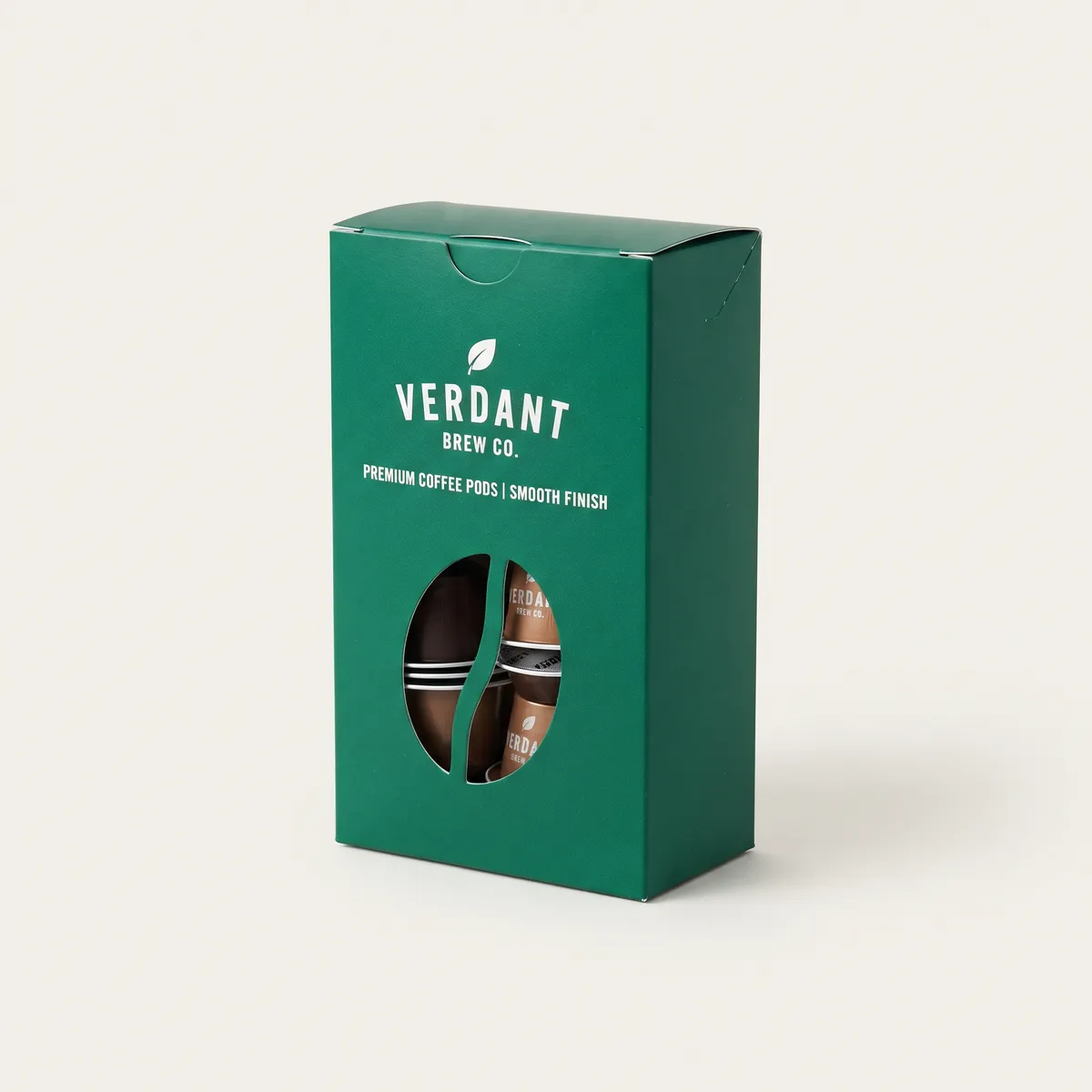
Freshness is the whole promise in coffee and tea, and packaging is what keeps that promise or quietly breaks it. The box has to protect the product, carry the brand on a crowded specialty shelf, and work alongside a liner or inner bag that actually holds the aroma people paid a premium for. The buyers are roasters, tea blenders, and café brands selling a range of blends, where consistency across the whole line matters as much as any single box — a shelf of your products should read as a set, not a jumble. The failure it prevents is the flat first cup: the one where the aroma faded on a shelf or in a poorly sealed pack, the customer notices, and the reorder simply never comes. In a category built entirely on taste and smell, packaging that lets either escape is working against you. As a consumable sold on quality and repeat purchase, it sits close to the wider food category.
Carton Stock Around an Inner Bag
Coffee and tea cartons usually wrap an inner bag or liner, so the box itself is folding-carton kraft or cardboard in the 16–24pt range — sturdy enough to stack on a specialty shelf and hold its edges, printable enough to carry brand and blend detail cleanly. Kraft suits the natural, single-origin look; a coated white cardboard gives brighter color for a fuller range. The box's job is structure and shelf presence; the freshness barrier comes from the foil or lined bag inside, which the carton is sized to hold snugly. Sizes are standardized around common bag weights — 250g, 500g, 1kg — so a range reads as a coordinated set. Construction is typically a straight or reverse tuck, or an auto-bottom for heavier bags. Hold a tolerance around ±0.5–1mm so the inner bag drops in without slack and the tuck closes flush. Consistent caliper across the range keeps every SKU looking like it belongs.
Coffee Packaging and Repeat Purchase
Coffee and tea run on reorder rate, and packaging protects it two ways. First, freshness: paired with the right liner, a well-built carton keeps the aroma the customer paid for, and a flat first cup is the quiet end of a reorder in a category sold entirely on taste and smell. Second, range coherence — a shelf of blends that reads as one coordinated set, even a tidy dispenser box for tea, lifts the perceived quality of the whole line and makes cross-buying across your SKUs feel natural. Both feed the number that matters: a customer who comes back and buys more of the range. On the cost side, a carton sized to hold its inner bag snugly cuts damage and the odd leak that triggers a refund. And consistent, printable packaging builds the shelf recognition that earns repeat pickup without a marketing spend behind every purchase. So the box guards freshness, ties the range together, and cuts damage — all pointing at the repeat-purchase rate a coffee or tea brand is built on.
Print Economics Across a Blend Range
Coffee and tea brands usually print across a range rather than a single SKU, and that changes the print economics entirely. If you run eight blends at moderate volume each, digital's fast changeover often beats offset even though offset wins per-unit at scale — the plate cost multiplies by every SKU. Work out the math per blend, not per order. On kraft, expect color to read warmer and more muted than your proof, which is why so many specialty brands either underprint white or design around the natural tone with white and single-color ink. Matte finishes suit the category better than gloss, which can read commodity rather than craft. Keep the finish system consistent across the range so the shelf looks like a coordinated set — that coherence sells more than any individual box's decoration. Foil is worth it for a limited-edition or reserve lot, not for the everyday line. A printed paper bag for café handover and a counter display unit extend the same look for far less than upgrading every carton.
Coffee and Tea Cartons by Format
Coffee and tea cartons are mostly folding builds sized around the inner bag, with weight deciding the base.
- Straight or reverse tuck cartons — tea bags, sachets and lighter retail packs. Prints well, flat-packs, costs little across a range of blends.
- Auto-bottom builds — heavier coffee, particularly 500g and 1kg, where a tuck base can give way and drop the bag.
- Dispenser-style cartons — tea bags and single-serve sachets sold from a counter, pulled one at a time.
- Slim cartons and sleeves — sample and subscription packs that need to fit a letterbox.
- Trays with cavities — gift sets and tasting flights.
Because most roasters carry a range, the biggest win is standardizing one or two carton sizes across every blend so only the print changes.
Costing Coffee Boxes per Blend
Work out the economics per blend, not per order — it's the mistake that costs roasters the most. Plate costs multiply across every SKU, so eight blends at moderate volume often favor digital even though offset wins per-unit at scale. Structurally, a tuck carton handles tea and lighter retail packs, while 500g and 1kg coffee needs an auto-bottom base that won't give way. Standardize on one or two carton sizes across your whole range so only the print changes; that single decision does more for your unit cost than any material change. For gift sets and tasting flights, a rigid build with cavity trays presents better. Chocolate and candy packaging solves similar gifting problems.
On our side: revisions before print are unlimited and free, which matters when you're setting up artwork across a whole range and refining as you go. Every order passes a three-stage check, so color or print issues across a multi-blend run are caught before dispatch rather than discovered on a shelf. If bulk doesn't match your approved proof, we reprint at our cost. Pricing is all-in, with no hidden charges — guaranteed. Minimum 100 units, free samples above 10,000, 8–12 business days, shipping included.
Unrivaled Support From Packaging Experts
From first sketch to full production, the same team carries your order through every stage.
Structural Engineering
We determine the right size, shape, and material for a snug fit and real protection.
Free Artwork Guidance
Our design team helps translate your brand into a box, at no added charge.
2D & 3D Mockups
See your box come to life before a single sheet of board is cut.
Quality Assurance
Every run is checked in-line against the digital proof or physical sample you approved, not just at the end.
Fast Turnaround
8–12 business days standard, with rush options when timing is tight.
Tracked Shipping
Palletized freight or drop-ship, tracked from our dock to yours.
What brands say about their coffee & tea boxes
They live there rather than here, where we can't edit them, delete them, or pick which ones you get to see. That is exactly what makes them worth reading.
Read all reviews on Trustpilot(opens in a new tab)Answers before you have to ask.
Will the box actually keep the product fresh?
The box protects and brands; freshness really comes from the inner bag or liner, so we'll pair your custom coffee and tea boxes with the right liner or recommend a foil-lined option so aroma doesn't drift off before the first cup.
Can I get boxes for different blends in one order?
Yes. Run several blends in a single order and we'll keep the artwork consistent across all of them, so your range looks like a set on the shelf.
Can you match my brand's exact colors?
We can. We print in CMYK with a proof so you approve the color before the run, on kraft for a natural look or coated stock for brighter color.
How long do coffee and tea boxes take?
Most orders are ready in about 8–12 business days from proof approval, with a rush option when you're low. Shipping is included.
Do you need a finished design?
Either way works. Send print-ready artwork, or give us your logo and we'll build the layout and send a proof before printing — design help is unlimited and free.