
Tea Bag Boxes
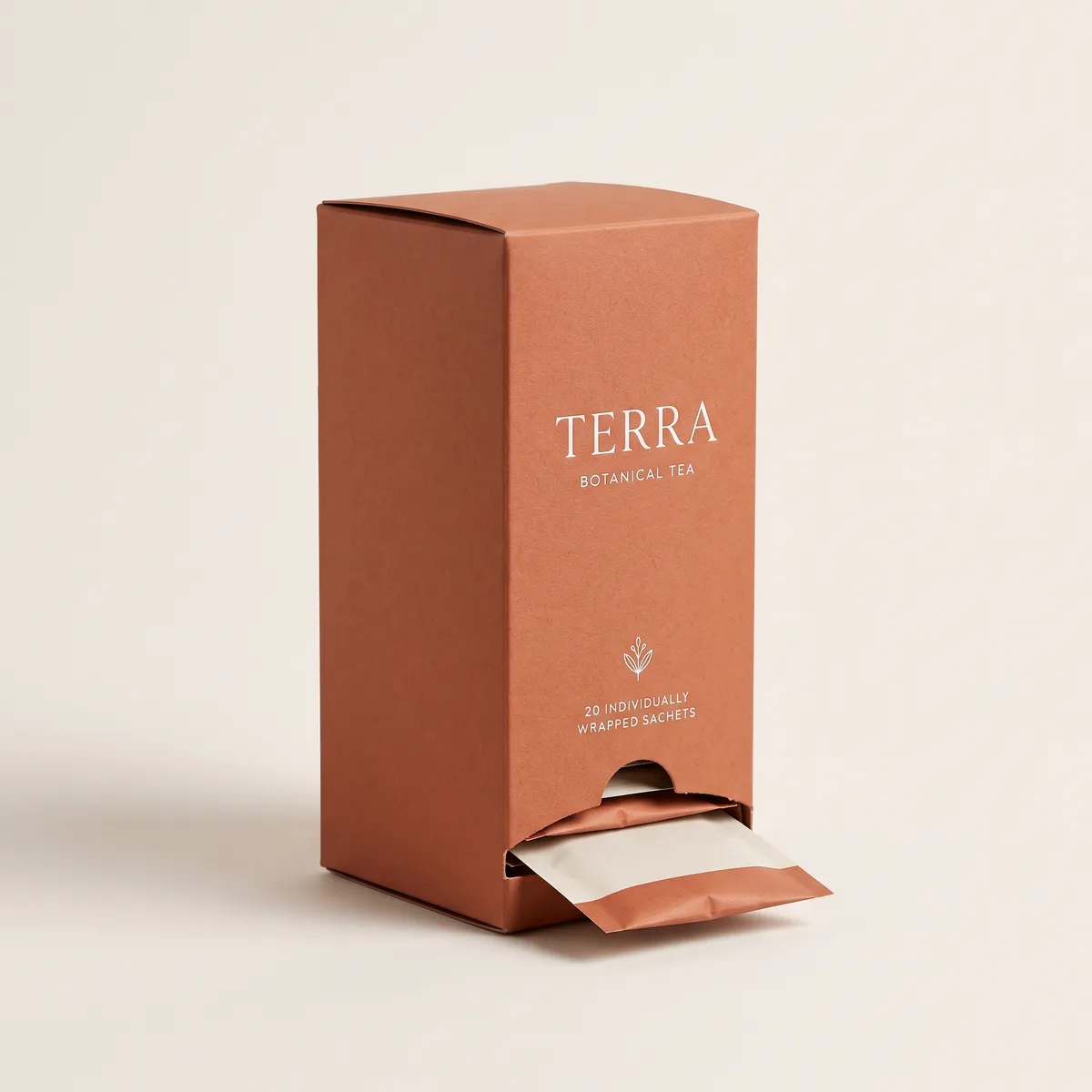
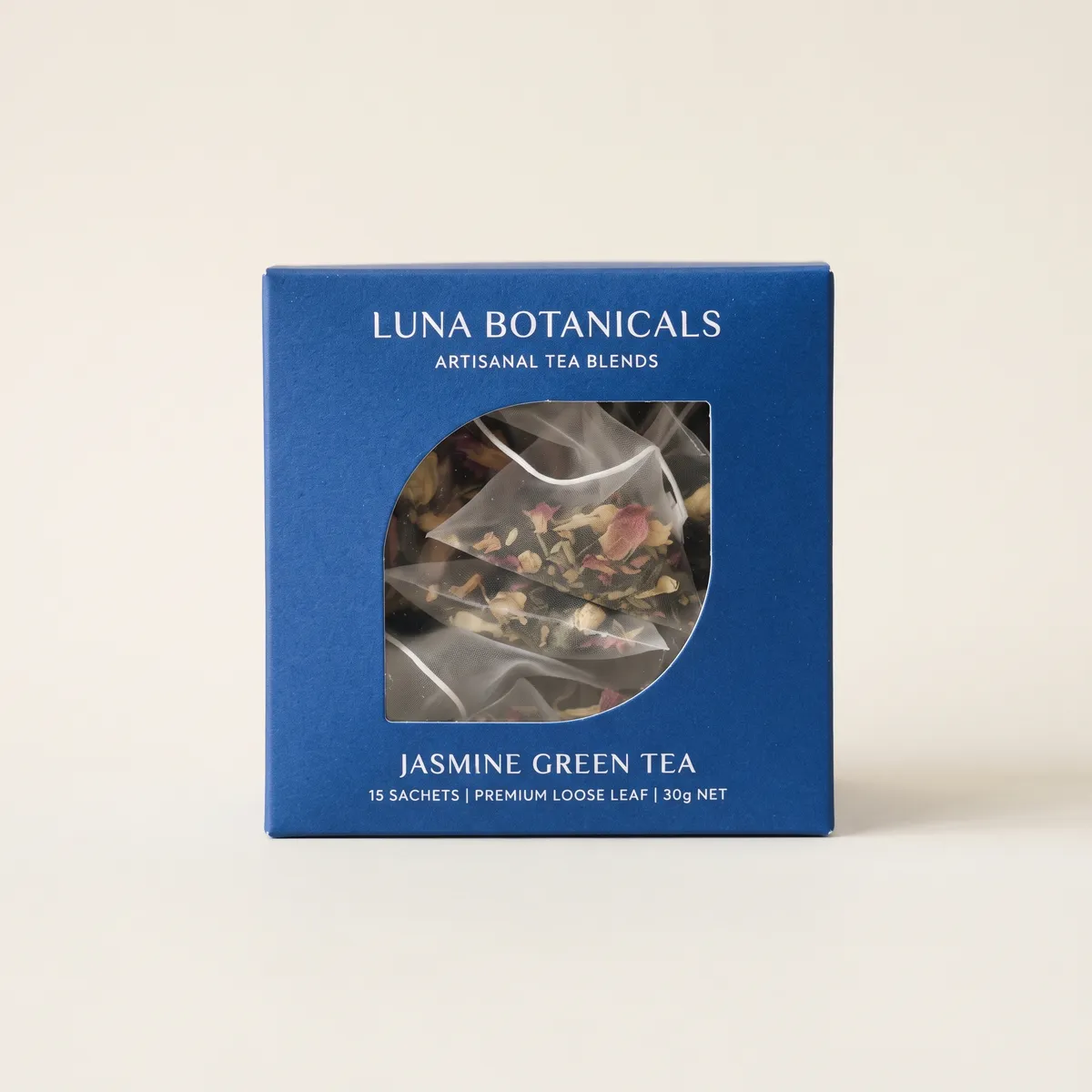
Tea bag boxes package counts such as 20, 40 or 80, and whether bags are individually enveloped decides the construction. Enveloped bags can sit loose; unwrapped bags need a liner or food-safe coating, so the board doesn't absorb aroma. A perforated dispenser opening lets customers take one bag at a time, which suits hospitality counter service and office supply cupboards.
Ours are on Trustpilot, where we can't edit them or choose which ones you see.
Read them on Trustpilot →(opens in a new tab)Four stages, twelve days
Quote confirmed
A specialist checks your spec against the board and comes back with a firm price inside 4 business hours.
Proof approved
You get a flat dieline and a 3D render. Nothing goes to press until you approve it in writing.
On press
Print, die-cut, glue, and fold. You get a press-side photo the day your job runs.
QC and delivery
Every pallet is sampled against the digital proof or physical sample you approved, then shipped with tracking to your dock or 3PL.
If a box doesn't match the digital proof or physical sample you approved, we reprint the run at no charge.
Read the reprint terms →Know exactly what you're ordering.
Tea Bag Boxes Sized by How Many Bags Go In
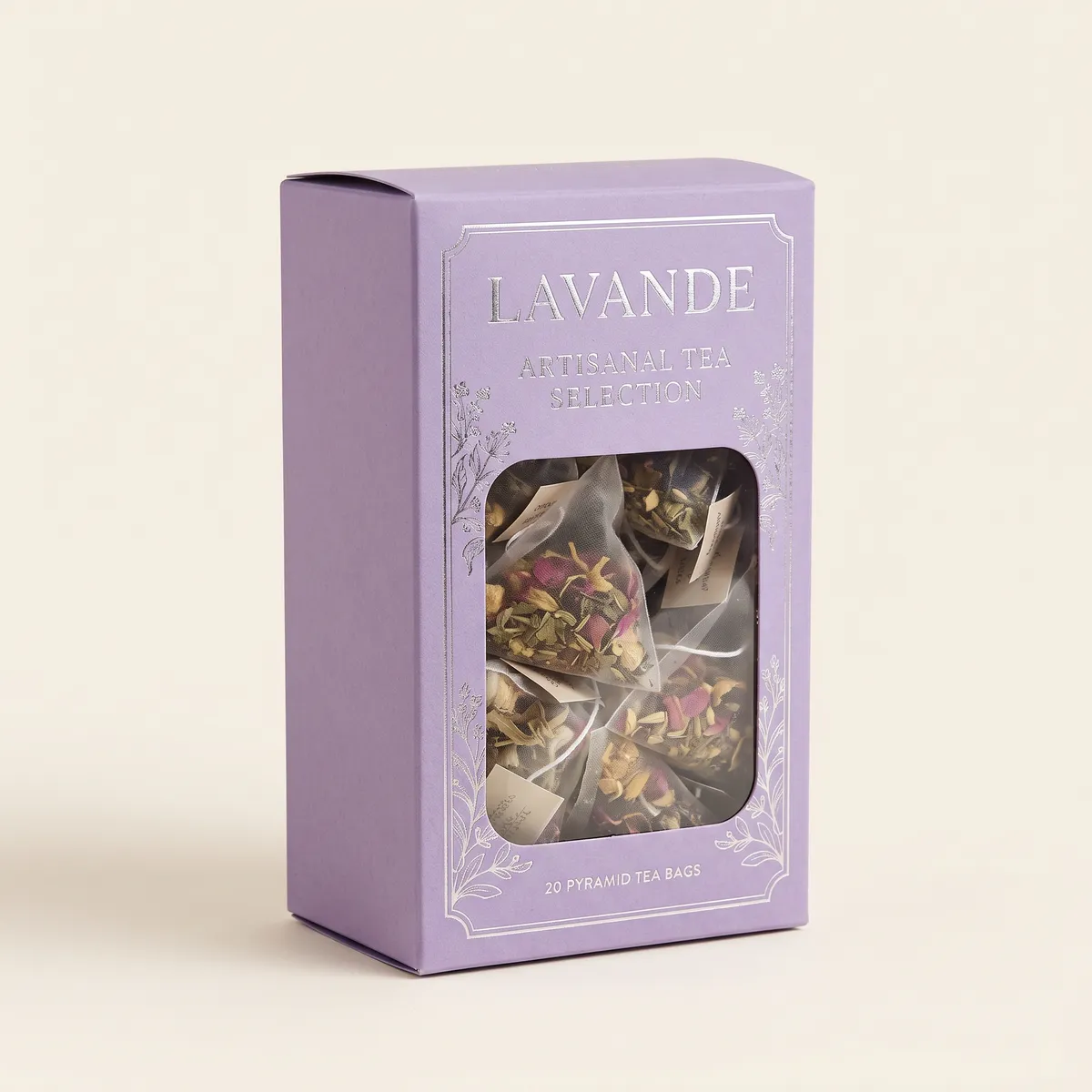
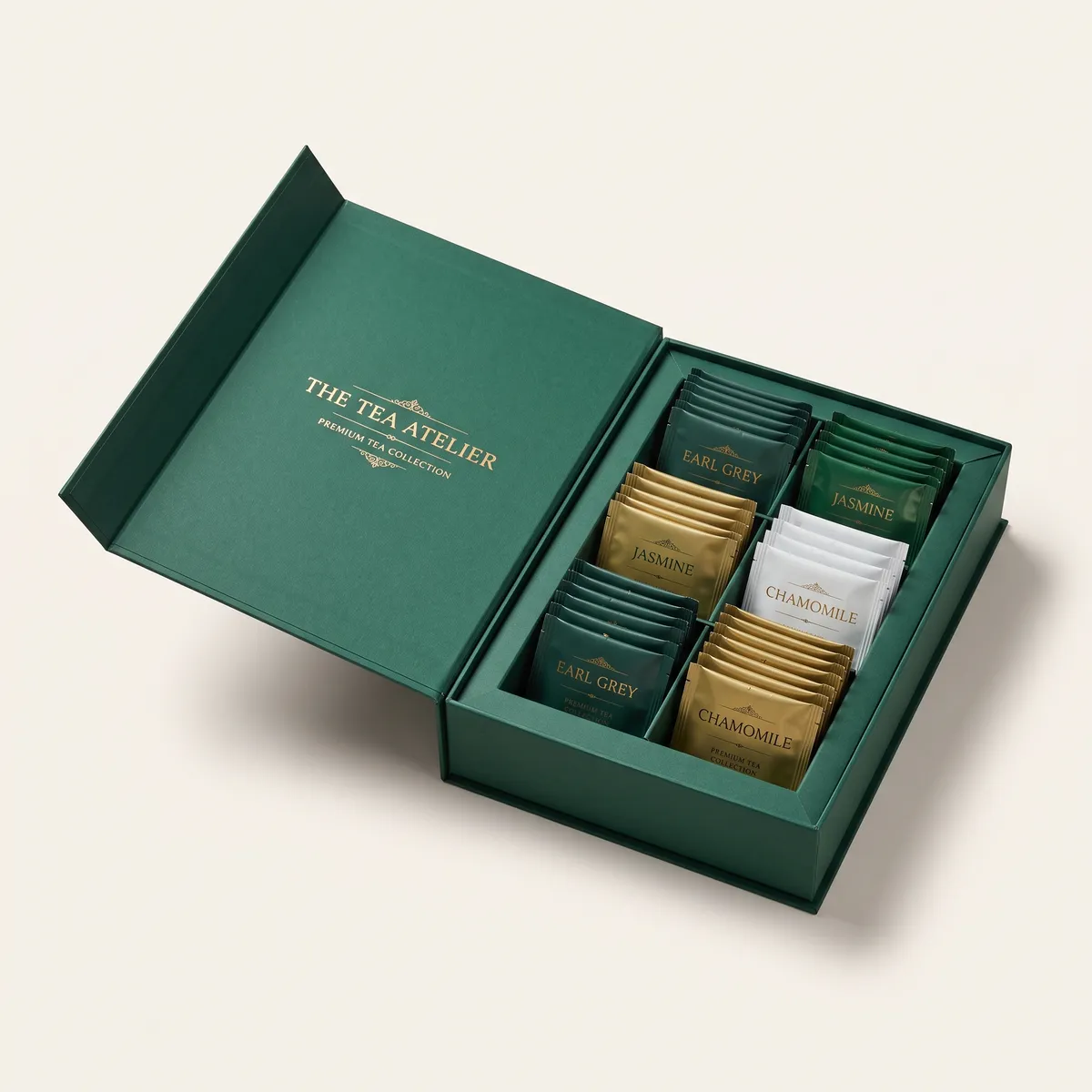
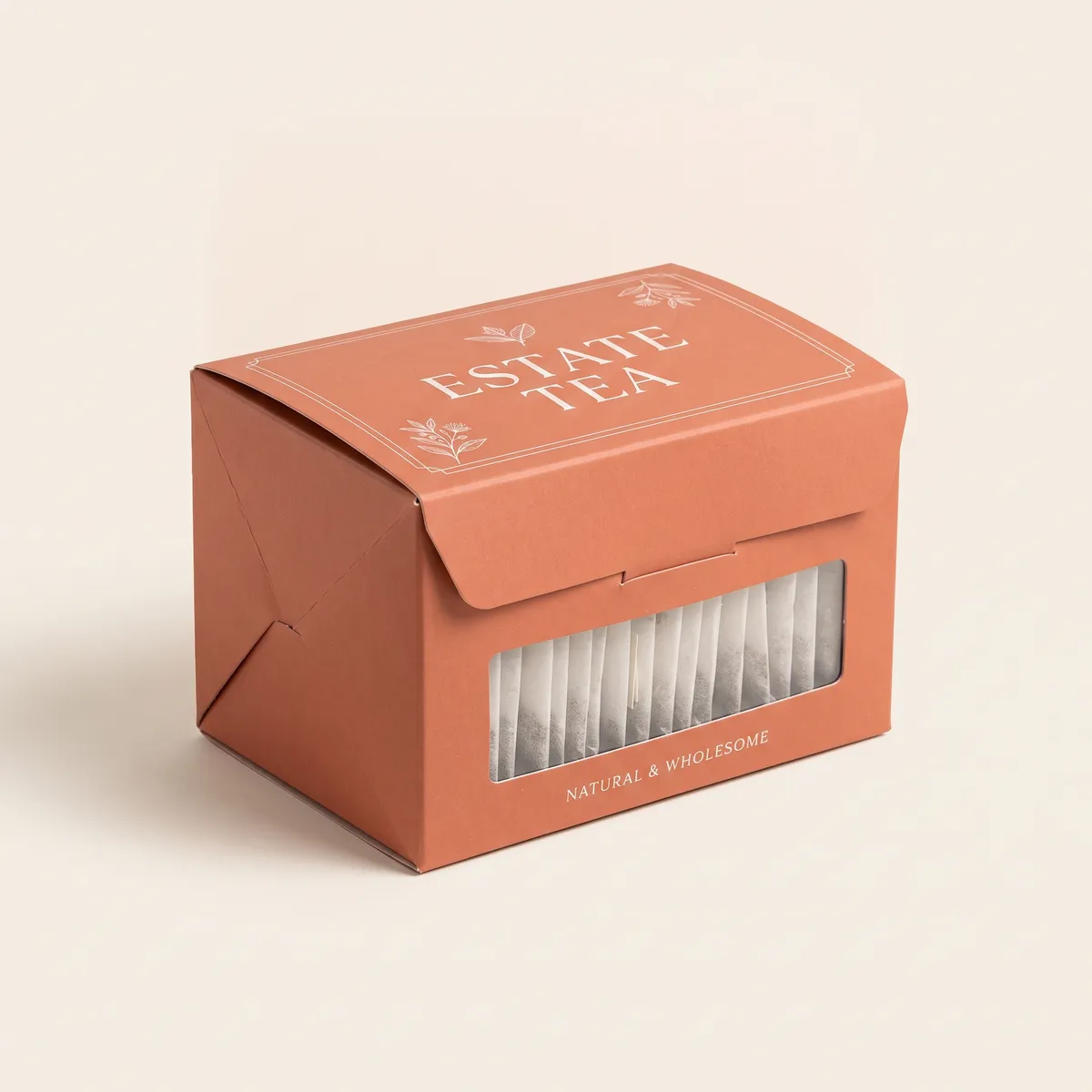
A tea bag box is sized from the inside out: the size of one bag, whether it has an envelope, and how many go in. Those three figures fix the footprint and depth before any design work starts. A box that's too generous lets bags fall over and look untidy when it's opened; one that's too tight crushes tags and kinks strings. Tea brands selling bagged blends, retailers with own-label tea, hospitality suppliers stocking hotel rooms and breakfast buffets, and office supply companies all order them. Many need two or three counts of the same blend, so the box is usually planned as a small family of sizes that share one design and one set of panel copy.
Tea Bag Box Board, Coating and Count Layout
Specs follow the bag, its wrapping and the count.
| Spec | Tea bag box |
|---|---|
| Board | Coated cardboard, 16–24pt |
| Tolerance | ±0.5–1mm |
| Interior | Set by bag size, envelope and count |
| Bag layout | Rows standing on edge, or stacked flat |
| Opening | Tuck end or dispenser perforation |
Most tea bag boxes run on white carton board with a food-safe coat, which prints blend colors cleanly and suits boxes where bags sit directly against the board. Envelopes add bulk, so the same count needs a slightly larger box enveloped than unwrapped. Measure a finished bag, tag and string included, rather than the bag material before it's filled.
Why a Dispenser Front Suits a Box Opened Forty Times
A tea bag box is opened once per cup, which on a 40-count box means forty times. A standard tuck end handles that poorly: the flap creases, softens and eventually stops closing, and the box ends up sitting open on the counter anyway. A pull-through dispenser front is built for repeated access. The customer tears the panel out once, and from then on the box stays the same shape no matter how many times a hand reaches in. On a hotel tray or a shared office shelf, that keeps it looking tidy until the last bag. The trade-off is that a dispenser box can't be fully closed again, so for unwrapped bags in a humid kitchen, a tuck end with an inner liner may serve better.
Printing Around a Tear-Out Dispenser Panel
A dispenser panel is printed like the rest of the box and then torn away, so whatever sits on it disappears after first use. Keep the blend name, logo and count off the perforated area, and give that panel something disposable, such as an opening instruction or a seasonal message. Full-color print on coated board handles color-coded blend systems; one or two spot colors keep costs down on high-volume hospitality lines. The top panel matters more than usual, since dispenser boxes are often seen from above on a tray or shelf. A matte finish hides fingerprints on a box handled many times a day. The proof shows exactly where the tear line falls against your artwork, so nothing important ends up in the bin.
Tea Bag Boxes for Hotels, Offices and Supermarket Shelves
Hotels and guesthouses stock small counts in rooms and larger dispenser boxes on breakfast buffets. Facilities teams and office suppliers order bulk counts for shared kitchens, where a dispenser front keeps one box usable by a whole floor. Tea brands selling through supermarkets use the standard retail carton, with brewing and ingredient panels on the sides. Cafés and restaurants buy lightly branded boxes for back-of-house use. Conference venues and catering companies use small counts on refreshment stations. Grocers selling own-label tea next to other breakfast and pantry staples often run a larger family-pack count beside the standard box.
Placing a Tea Bag Box Order With a Dispenser Cut
Send a finished bag, in its envelope if it has one, the counts you need, and whether each count gets a dispenser front or a tuck end. We draft the dieline and send a proof showing where the perforation falls. Once you approve it, production takes 8–12 business days, and rush is available at an extra cost quoted upfront. The minimum is 100 boxes. A faulty perforation gets caught by our three-stage check rather than by a guest at breakfast. Delivery costs nothing extra, and a run above 10,000 boxes earns free samples before production.
One connected process, start to finish.
Structural Design
Dieline drafted to your exact fit and freight tolerances.
Proof & Sample
Sign off on a digital proof, or request a physical sample.
Tooling
Dies and plates are cut for your job and archived on file.
Production
Print, die-cut, and assembly run under in-line quality checks.
Ship & Reorder
Freight goes out, and the cycle resets for your next run.
Steady process. Powerful results.
Like everything we build, our process is engineered to hold up — no shortcuts, no surprises. Five dependable stages that run the same way every single time, so reorders are just as fast as the first order.
- One dedicated teamFrom first sketch to final freight, the same people carry your order start to finish.
- Dies archived on fileReorders skip tooling and re-setup entirely — we already have your exact spec.
- Checked against your sign-offEvery run is inspected against the digital proof or physical sample you approved.
Set up your file once, correctly
Nine in ten delayed jobs are delayed by artwork, not production. Match these four rules and your proof lands the next morning.
- Bleed1/8 in (3 mm) past every cut line
- Safe ZoneKeep text 1/4 in clear of every crease
- ColourCMYK or named Pantone. No RGB.
- Resolution300 dpi at final size, fonts outlined
No print-ready file?
Send a logo and a rough idea. Our studio builds the production file free with any order over 500 units — you keep the source file either way.
Ask the StudioBackground art must run all the way to the outer bleed edge. Anything inside the white dashed line survives fold tolerance.
What brands say about this box
They live there rather than here, where we can't edit them, delete them, or pick which ones you get to see. That is exactly what makes them worth reading.
Read all reviews on Trustpilot(opens in a new tab)Answers before you have to ask.
How many tea bags does a box hold?
Whatever you package, though 20, 40 and 80 are common. If bags are individually enveloped they can sit loose. Unwrapped bags need a liner or inner bag to keep them fresh and clean.
Can tea bag boxes have a dispenser opening?
Yes. A perforated or die-cut opening lets customers take one bag at a time without emptying the box, which suits counter service and office supply. It also keeps the remaining bags cleaner.
Do tea bag boxes need a coating?
For enveloped bags, not really. For unwrapped bags sitting against the board, yes — a food-safe coating or inner liner keeps them clean and stops the board absorbing aroma from the tea.
What's the lead time on tea bag boxes?
Around 8–12 business days once you approve the proof, including any dispenser cut. Rush is available at a premium stated upfront, and shipping comes included.
What's the minimum on tea bag boxes?
100 boxes per count. Design help is unlimited and free, which is worth using here since dispenser openings need positioning carefully against the artwork.