
Frozen Food Boxes
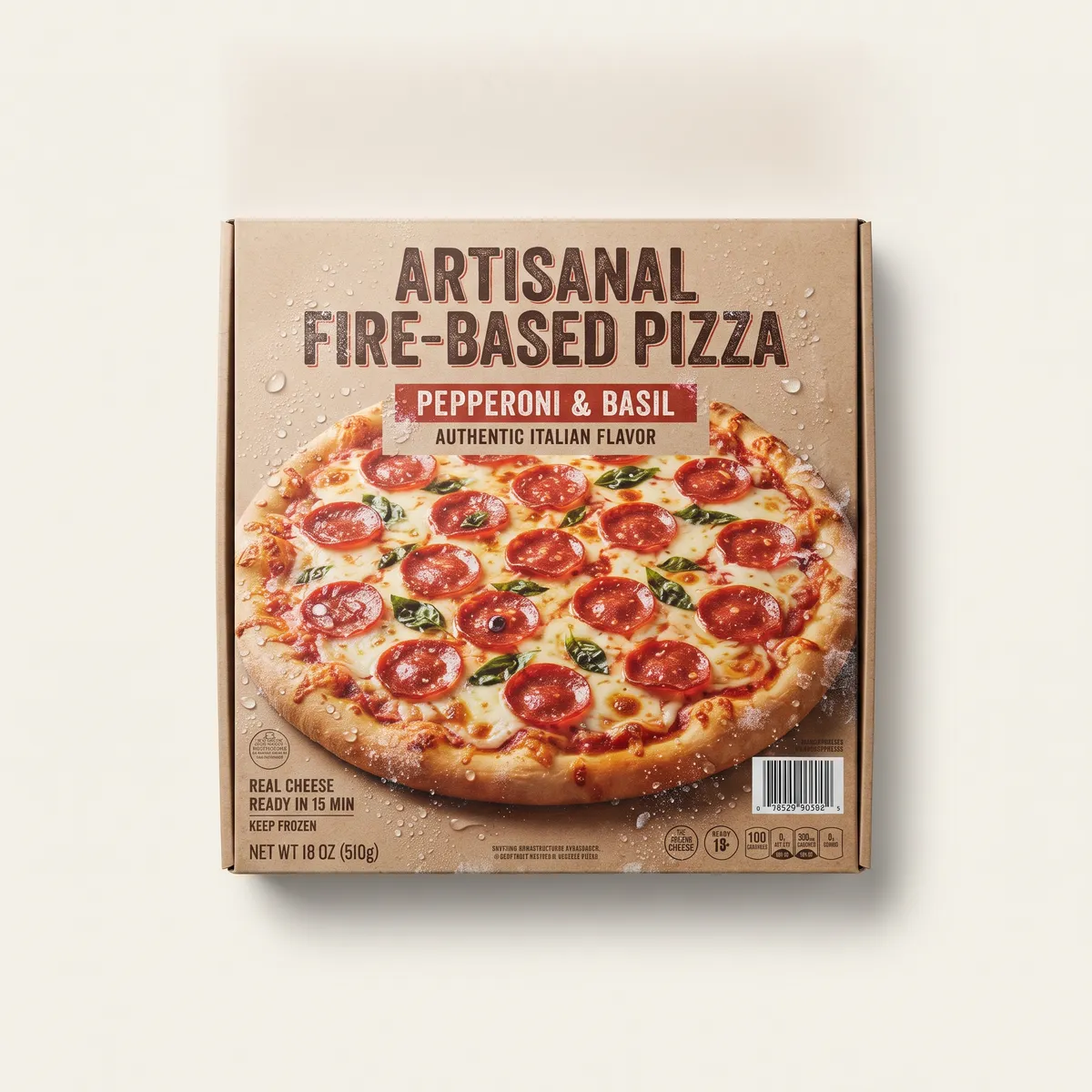
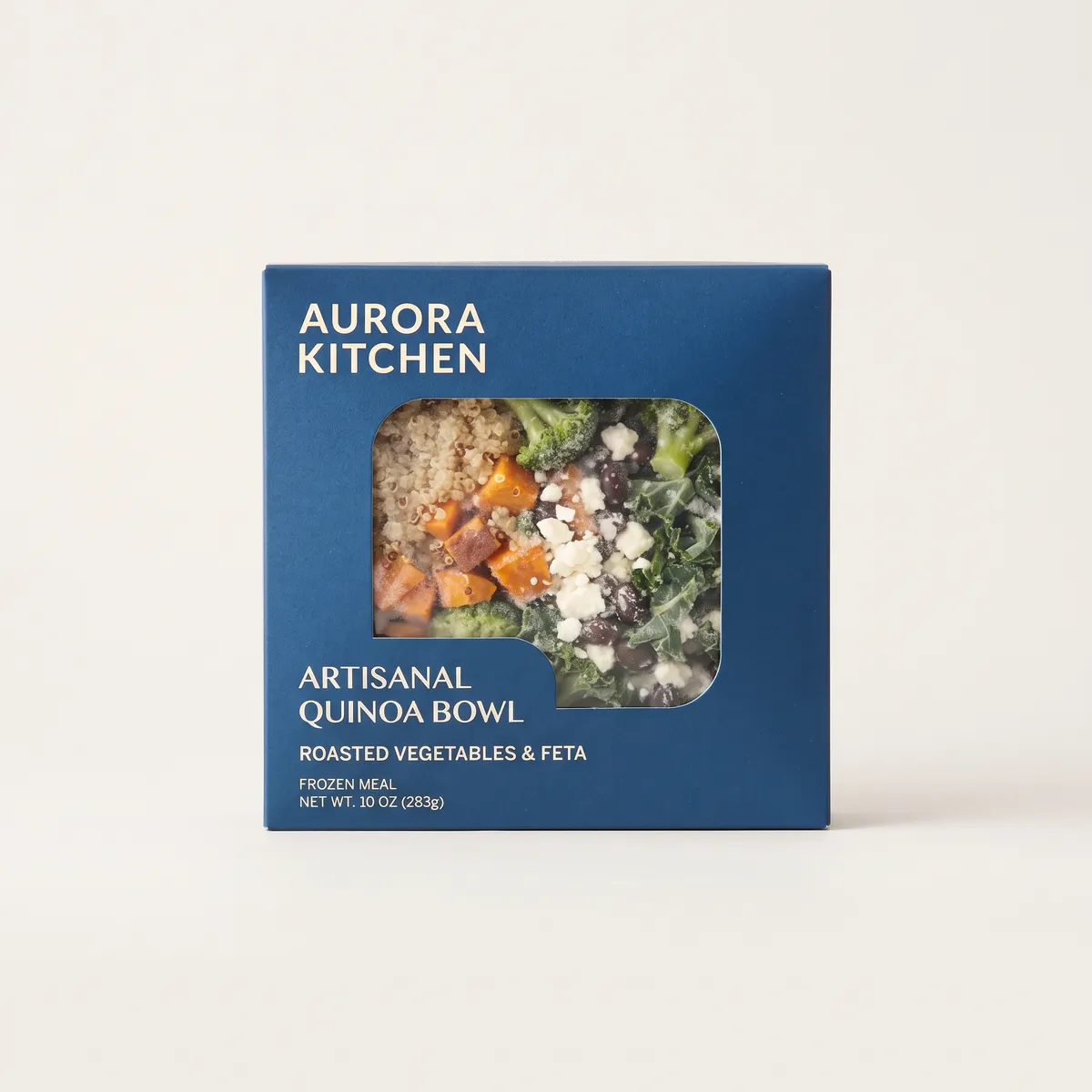
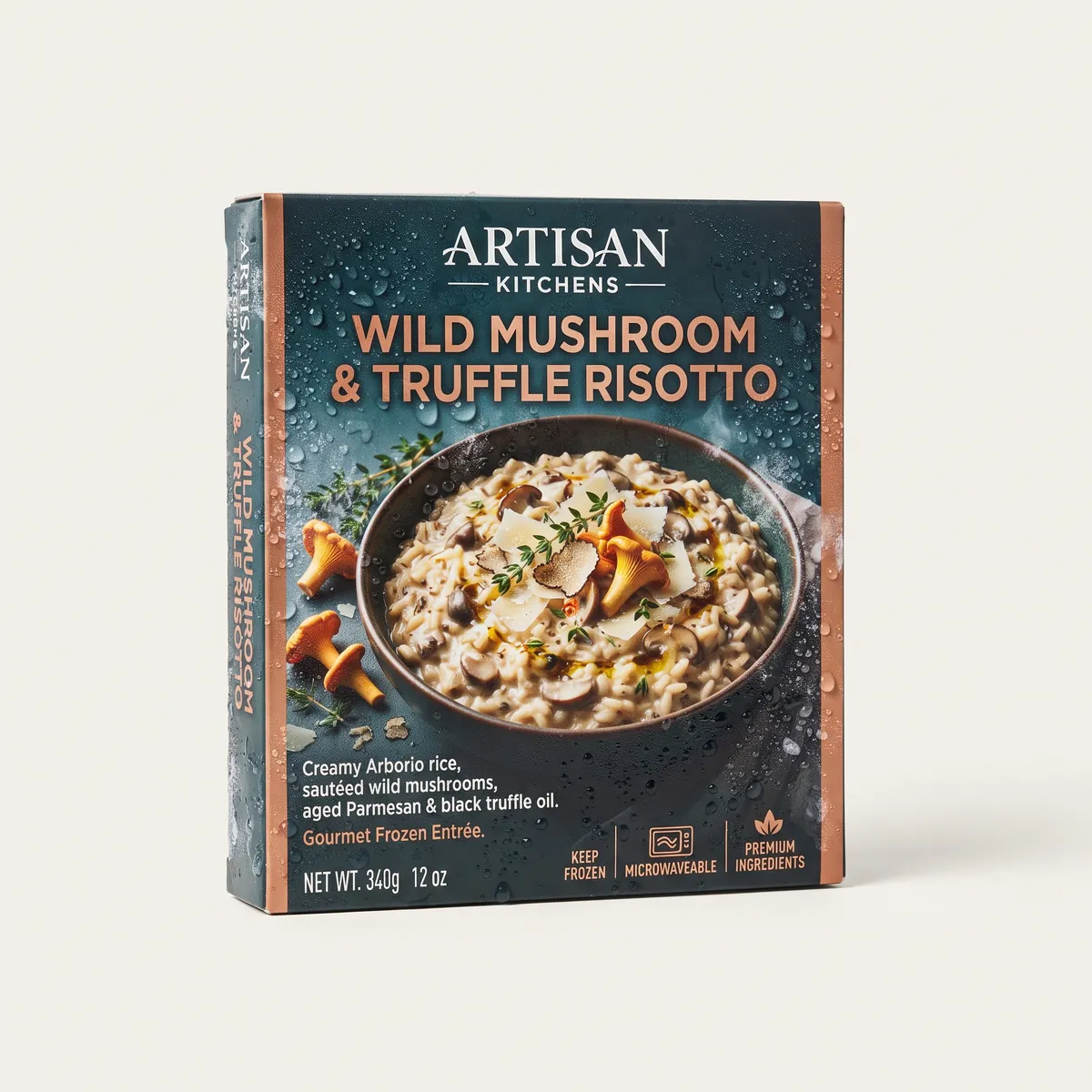
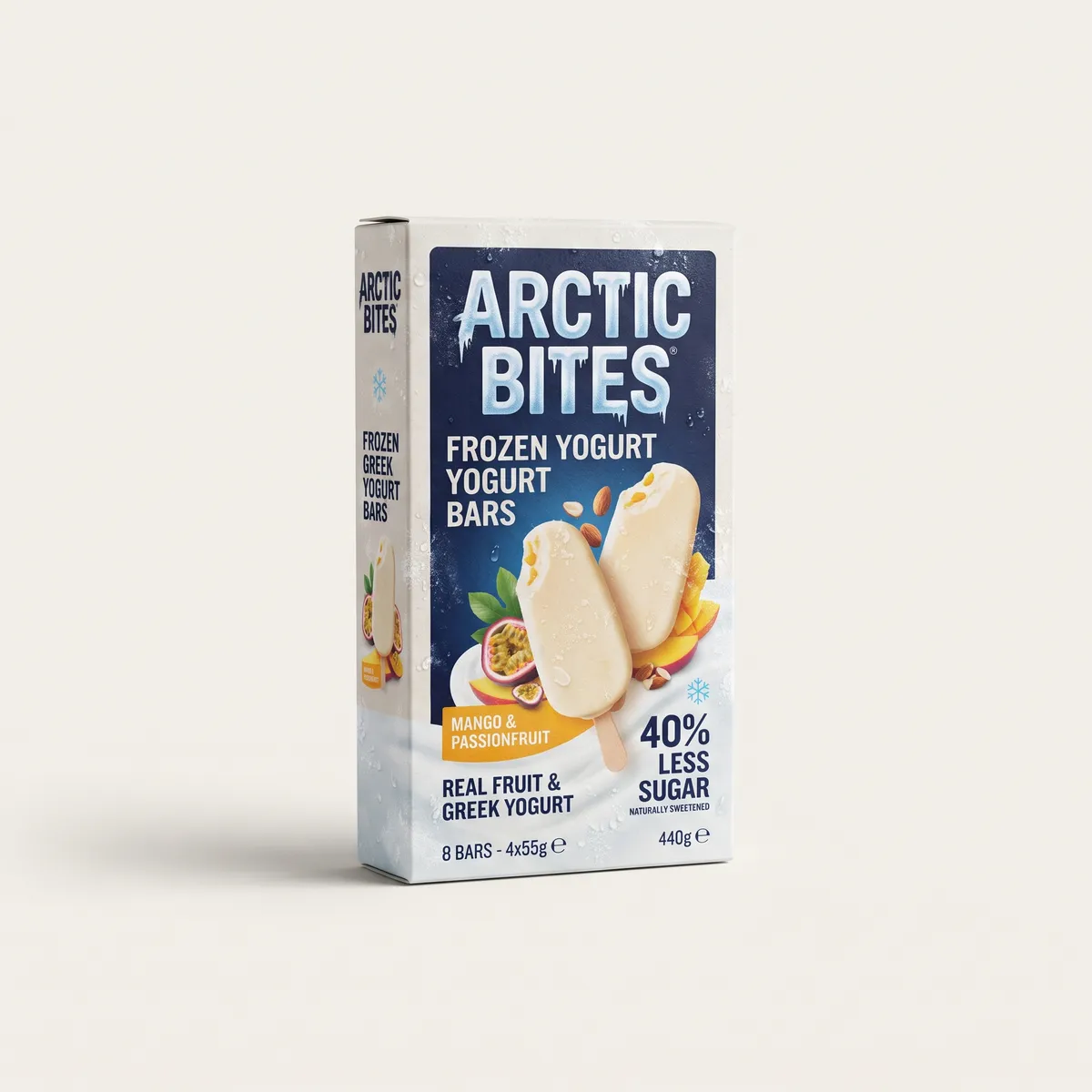
Condensation softens ordinary board and makes printing blister as a carton thaws, so frozen food boxes use coated stock with a moisture barrier, plus inks and coatings specifically chosen for cold storage. Cold and damp also weaken board, so we rate the flute and wall count for freezer stacking. Two or three sizes can run together as one order, with shipping always included.
Ours are on Trustpilot, where we can't edit them or choose which ones you see.
Read them on Trustpilot →(opens in a new tab)Four stages, twelve days
Quote confirmed
A specialist checks your spec against the board and comes back with a firm price inside 4 business hours.
Proof approved
You get a flat dieline and a 3D render. Nothing goes to press until you approve it in writing.
On press
Print, die-cut, glue, and fold. You get a press-side photo the day your job runs.
QC and delivery
Every pallet is sampled against the digital proof or physical sample you approved, then shipped with tracking to your dock or 3PL.
If a box doesn't match the digital proof or physical sample you approved, we reprint the run at no charge.
Read the reprint terms →Know exactly what you're ordering.
Built for the Thaw, Not Just the Freezer
A frozen food box lives through more than one climate. It's filled at room temperature, frozen, held for weeks in storage, moved in a cold truck and set out in a display freezer. Then it's carried home in a warm car and left on a kitchen counter.
Every change of temperature puts water on the board, and the worst of it arrives last, when the box is already in the customer's hands. So the spec starts from the coldest, wettest point of that journey rather than the average day. Buyers include ready-meal producers, dumpling and pastry makers, frozen dessert brands and butchers selling portioned cuts. Most want the box to look as good on the last day of its shelf life as on the first.
Freezer Carton Specs: Barrier, Board and Flute
Most frozen food cartons start from a clay-coated stock with a moisture barrier added to it.
| Spec | Detail |
|---|---|
| Retail cartons | Coated folding board, weight set by product and stacking |
| Deep stacks and outer cases | E- or B-flute corrugated |
| Moisture protection | Barrier coating on the food-contact face |
| Inks and outer coating | Selected for cold and condensation |
| Tolerance | ±1/16" (1.5mm) |
| Size | Cut to your product's dimensions |
Corrugated comes in when cartons are stacked deep in a chest freezer or shipped as cases to a retailer. A single retail carton rarely needs it, so don't pay for flute on a box that sits one high in a door case.
Why a Freezer Carton Can't Be an Ordinary One
An ordinary carton is designed for a dry shelf at room temperature. In a freezer it seems fine for a while. The damage shows later, when water from the thaw is drawn into the board, the corners round off and a stack of boxes begins to lean.
The cold protection lives in the board and its coating, not in a complicated structure. That's where the money should go. The structure itself can stay simple: a straight-tuck carton build suits most frozen retail packs and closes quickly on a packing line. If your product is chilled rather than frozen and sold within a few days, say so before we quote. A lighter specification may do the job, and there's no point paying for freezer protection the product never needs.
Inks and Coatings Chosen for Cold Storage
Print on a frozen carton has to survive the same water the board does. Standard inks and some outer coatings lift or cloud after repeated cold-to-warm cycles, so ours are chosen for freezer use before the artwork is finalized rather than swapped in later.
Full color is available on coated board. Display freezers are crowded and viewed through glass, so a bold front panel with a clear product name and photo usually sells better than fine detail, and generous type stays readable when the glass frosts over. Leave room for cooking and storage instructions; that wording is yours to supply and check. Every run passes a three-stage check, and if the bulk print misses your approved proof, we reprint at our cost.
From Ready Meals to Frozen Desserts
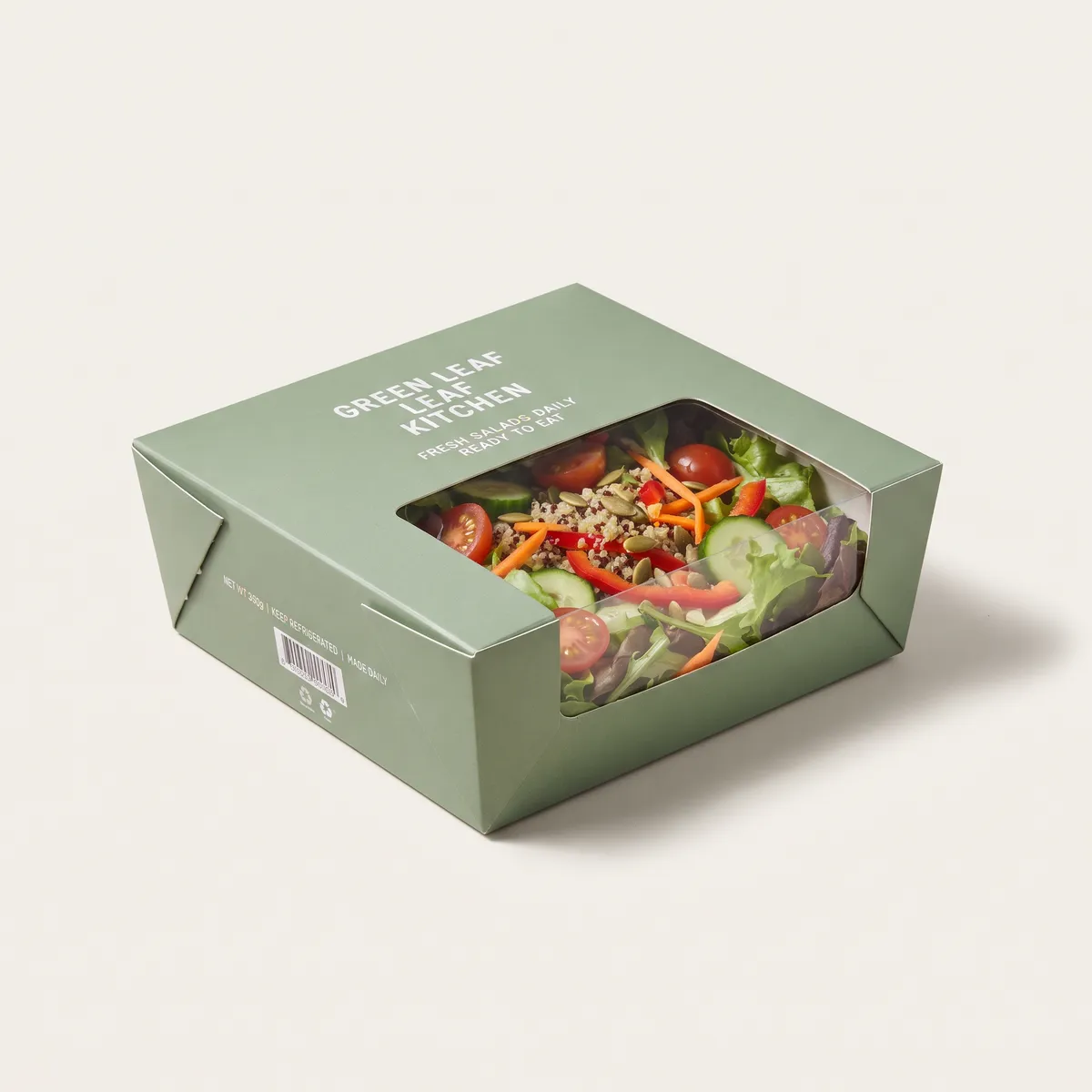
Ready meals are the largest group: lasagnas, curries, pies and casseroles in a full carton or a printed sleeve around a tray. Dumplings, spring rolls, pierogi and filled pastries are another, usually sold as multi-portion packs.
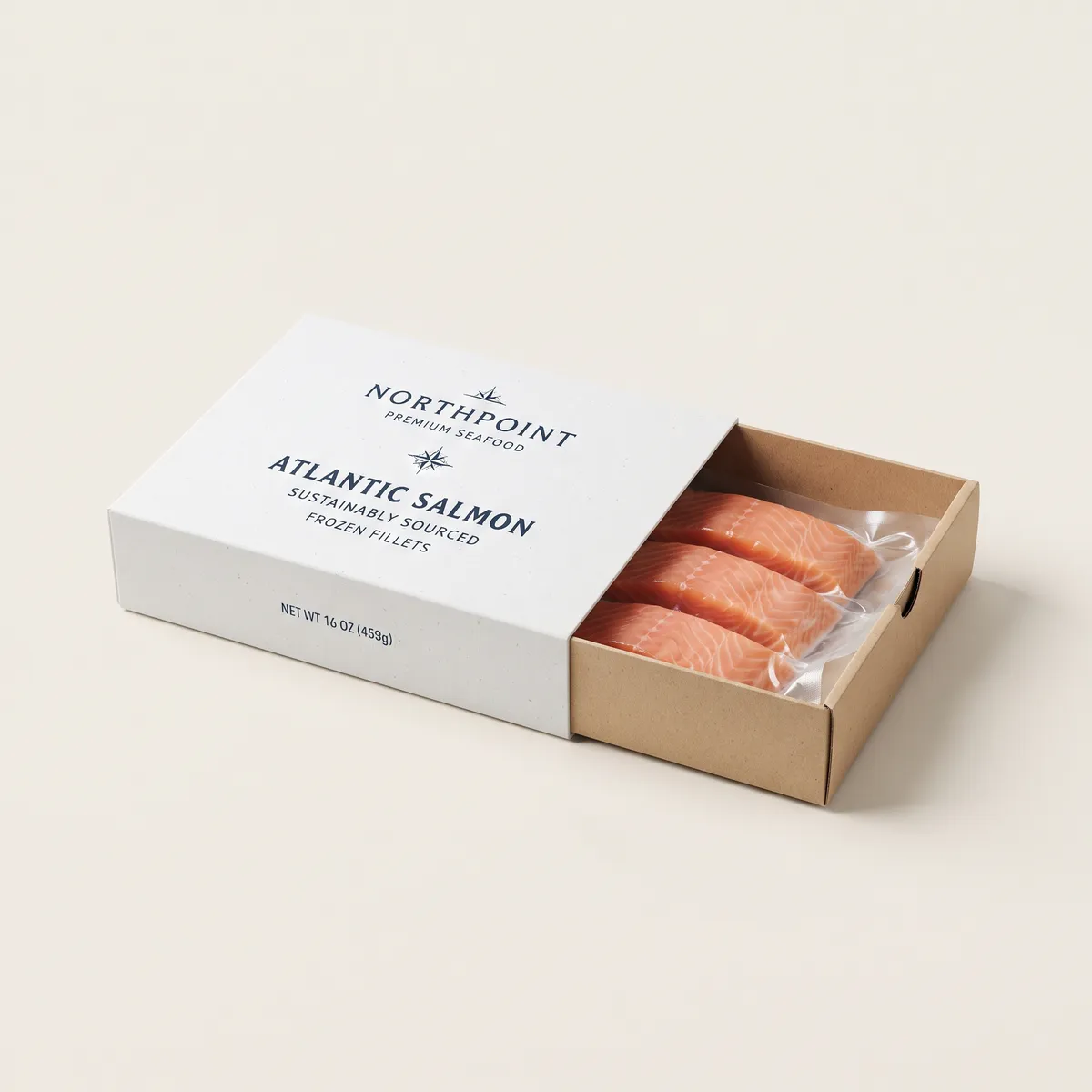
Dessert makers use frozen cartons for cheesecakes, tarts and ice cream cakes, and bakers moving frozen and chilled cakes from a central kitchen to their shops use the same build. Butchers pack portioned cuts and burgers in them, often around a wrapped inner tray. Meal-prep services that deliver a week of frozen dishes at once tend to run a small set of sizes, so every dish travels in a box that fits it instead of rattling in one that doesn't.
Getting Frozen Food Boxes Specified and Made
Before we quote, tell us three things: how cold the product is held, how long it stays frozen and how high the boxes stack. Those answers set the barrier and the board.
Send the product dimensions and we'll build the dieline, confirming internal against external measurements in writing, so a frozen tray slides in without forcing the carton open. Production takes 8–12 business days from proof approval, barrier included. Rush is available at extra cost and quoted upfront. The minimum is 100 boxes, design help is free and unlimited, and shipping is included in the price, so the quote you approve is the full cost of getting the boxes to your door.
One connected process, start to finish.
Structural Design
Dieline drafted to your exact fit and freight tolerances.
Proof & Sample
Sign off on a digital proof, or request a physical sample.
Tooling
Dies and plates are cut for your job and archived on file.
Production
Print, die-cut, and assembly run under in-line quality checks.
Ship & Reorder
Freight goes out, and the cycle resets for your next run.
Steady process. Powerful results.
Like everything we build, our process is engineered to hold up — no shortcuts, no surprises. Five dependable stages that run the same way every single time, so reorders are just as fast as the first order.
- One dedicated teamFrom first sketch to final freight, the same people carry your order start to finish.
- Dies archived on fileReorders skip tooling and re-setup entirely — we already have your exact spec.
- Checked against your sign-offEvery run is inspected against the digital proof or physical sample you approved.
Set up your file once, correctly
Nine in ten delayed jobs are delayed by artwork, not production. Match these four rules and your proof lands the next morning.
- Bleed1/8 in (3 mm) past every cut line
- Safe ZoneKeep text 1/4 in clear of every crease
- ColourCMYK or named Pantone. No RGB.
- Resolution300 dpi at final size, fonts outlined
No print-ready file?
Send a logo and a rough idea. Our studio builds the production file free with any order over 500 units — you keep the source file either way.
Ask the StudioBackground art must run all the way to the outer bleed edge. Anything inside the white dashed line survives fold tolerance.
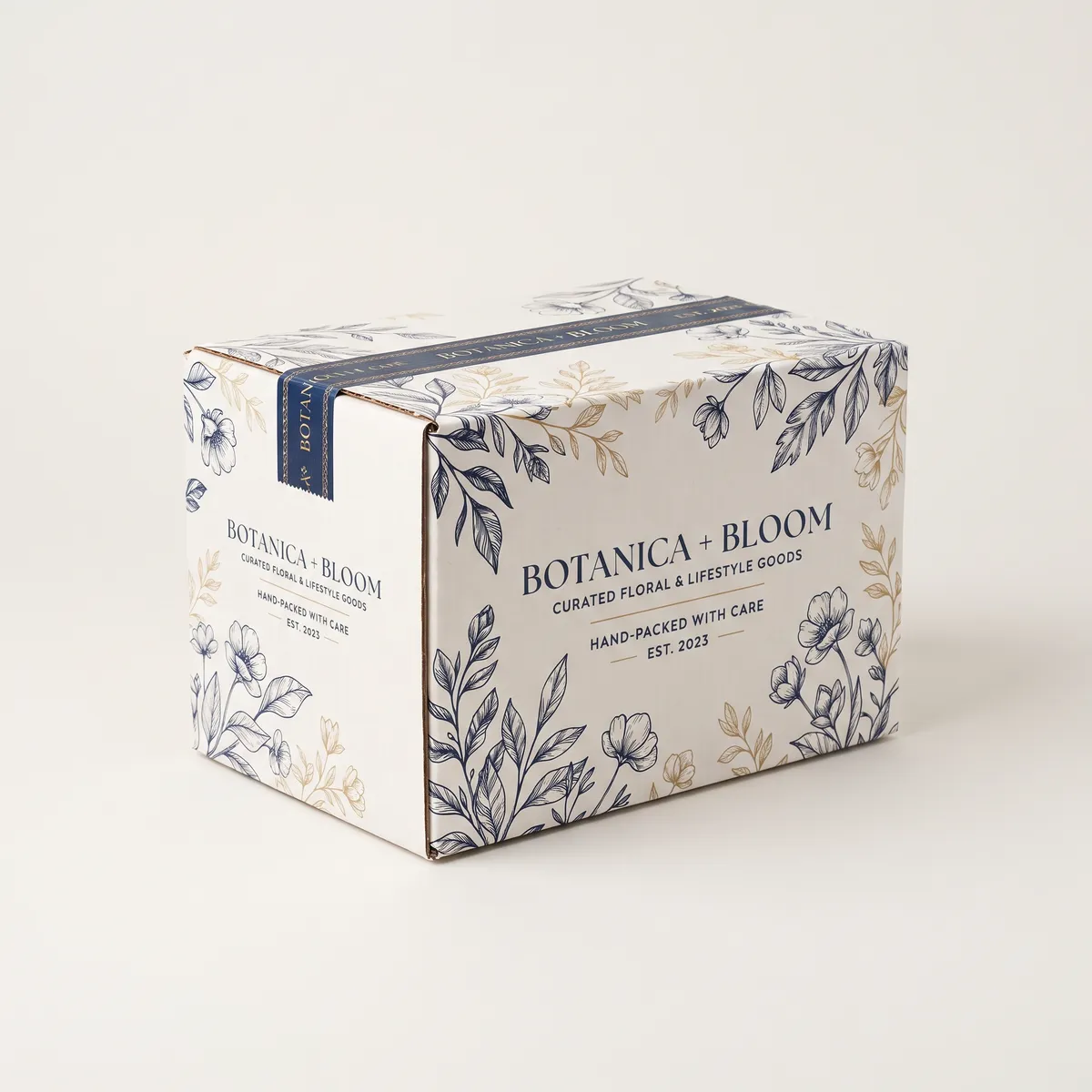
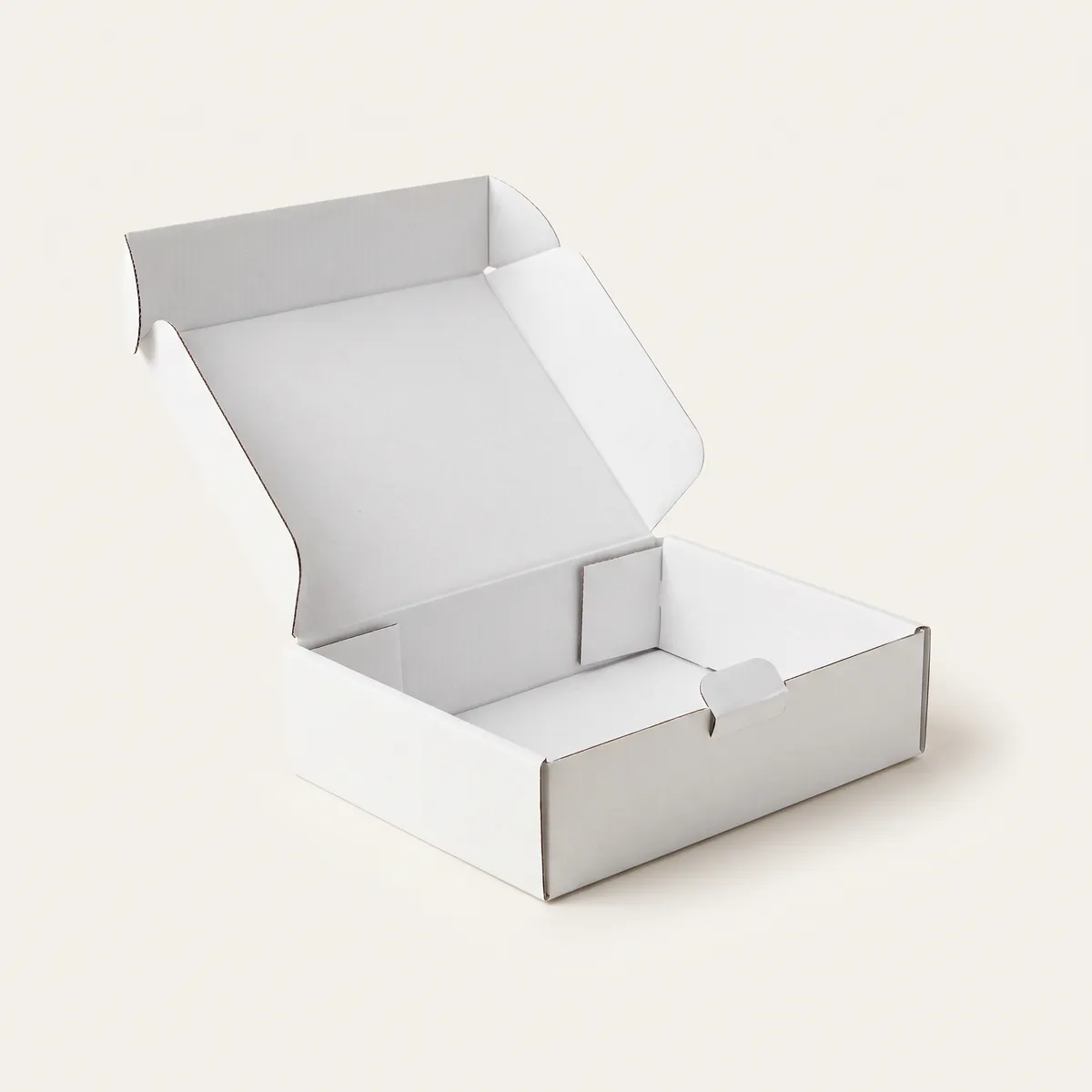
What brands say about this box
They live there rather than here, where we can't edit them, delete them, or pick which ones you get to see. That is exactly what makes them worth reading.
Read all reviews on Trustpilot(opens in a new tab)Answers before you have to ask.
Will the box hold up to condensation in a freezer?
Yes, if specified for it. Freezer conditions cause condensation, which softens ordinary board. We use coated stock with a moisture barrier so the box keeps its structure and the print doesn't blister or lift when it thaws.
Can frozen food boxes be printed?
Yes, with inks and coatings suited to cold and moisture. Standard print can lift or blister as condensation forms, so we specify for freezer conditions from the start rather than treating it as an ordinary carton.
Can frozen boxes be stacked in a freezer?
Yes, if the board is rated for it. Cold and damp reduce board strength, so a box that stacks fine at room temperature can bow in a freezer. We spec the flute and wall count with those conditions in mind.
How soon can frozen food boxes be made?
About 8–12 business days once the proof is approved, including the moisture barrier. Rush is available at a premium we quote first. Shipping is included on every order.
Can I order several frozen box sizes together?
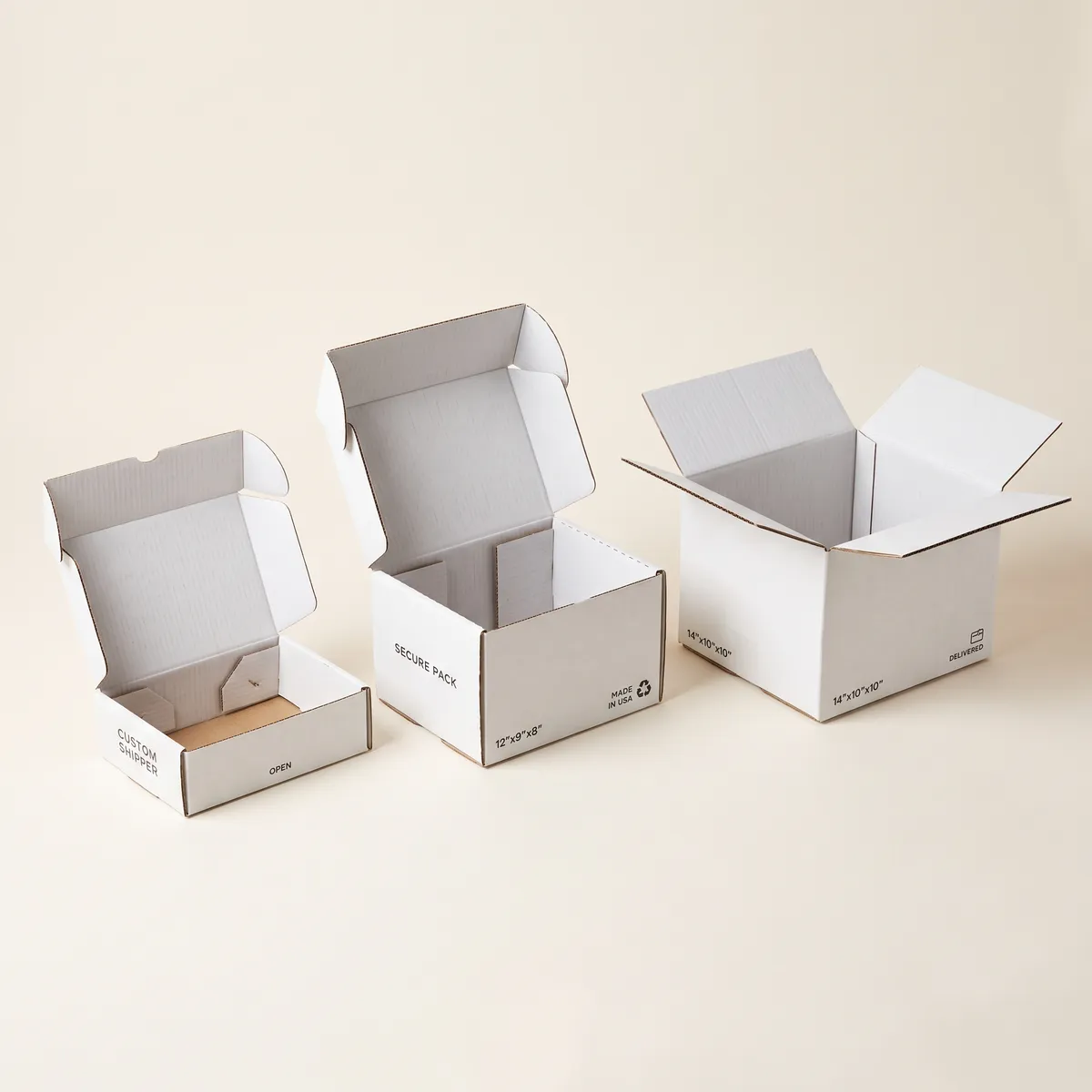
Yes, and most ranges need two or three. A box cut to each product protects better and costs less in dimensional weight than forcing everything into one. We'll quote the sizes together as a single job.