
Cardboard Boxes
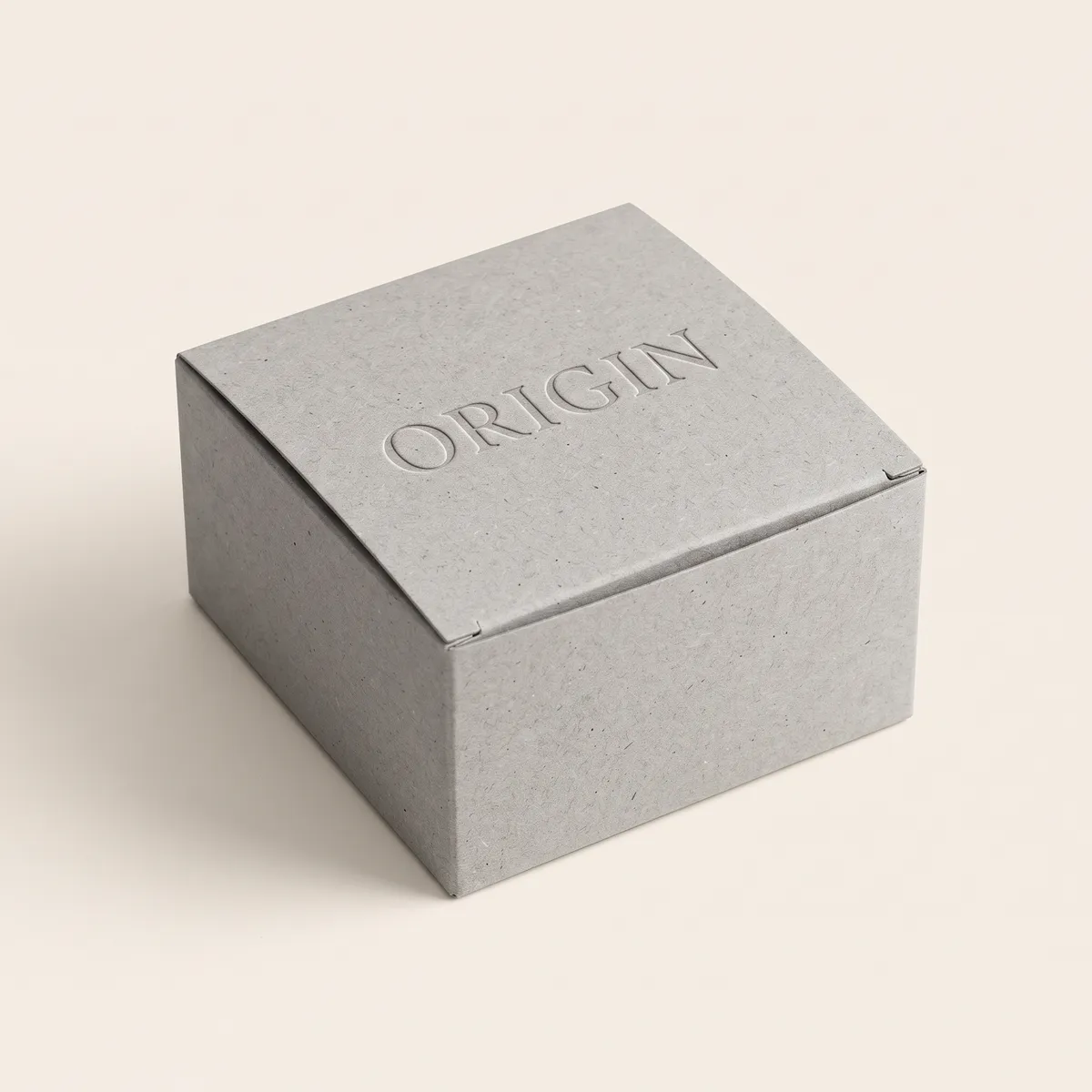
Cardboard is one of the most misused words in packaging: in trade terms it usually means paperboard, a single layer of pressed pulp, typically bleached and coated on one side, not the fluted board people often picture. That coated surface holds ink on top rather than absorbing it, which is why it's the default for accurate brand color. Learn how cardboard prints, laminates and folds.

Ours are on Trustpilot, where we can't edit them or choose which ones you see.
Read them on Trustpilot →(opens in a new tab)Four stages, twelve days
Quote confirmed
A specialist checks your spec against the board and comes back with a firm price inside 4 business hours.
Proof approved
You get a flat dieline and a 3D render. Nothing goes to press until you approve it in writing.
On press
Print, die-cut, glue, and fold. You get a press-side photo the day your job runs.
QC and delivery
Every pallet is sampled against the digital proof or physical sample you approved, then shipped with tracking to your dock or 3PL.
If a box doesn't match the digital proof or physical sample you approved, we reprint the run at no charge.
Read the reprint terms →Know exactly what you're ordering.
What Buyers Mean When They Ask for Cardboard
Write "cardboard" on a packaging brief and two very different quotes can come back: one for a printed folding carton, one for a fluted shipper. The second describes another material entirely, heavier, with a wave in its core that softens print. Buyers who want shelf cartons avoid that mix-up by naming the stock precisely: coated paperboard, with the coated face specified as the outside of the box. That last detail matters more than most people expect. The reverse is left uncoated, so anything printed on the inside panels soaks in and reads flatter than the exterior. This page is for brand and purchasing teams comparing printable stocks for retail cartons, where the box sits beside competitors and color is part of how the product gets chosen.
Coated Paperboard at a Glance
The table below covers what coated cardboard is and what it isn't.
| Property | Coated paperboard |
|---|---|
| Structure | One pressed layer of pulp, with no flute |
| Surface | Usually bleached, coated on one face |
| Ink behavior | Held on the coated face, so hues stay saturated |
| Reverse side | Uncoated, so inside print reads flatter |
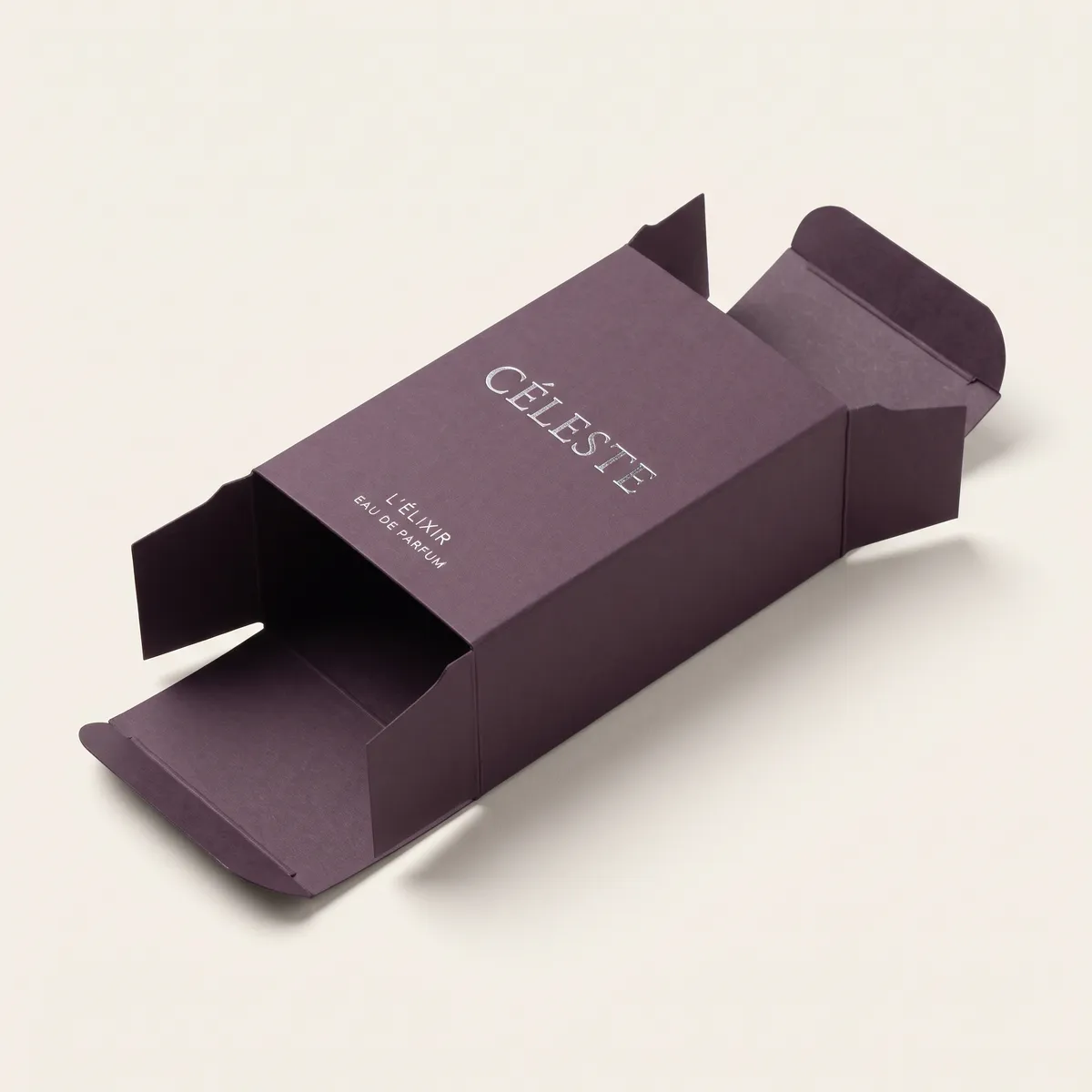
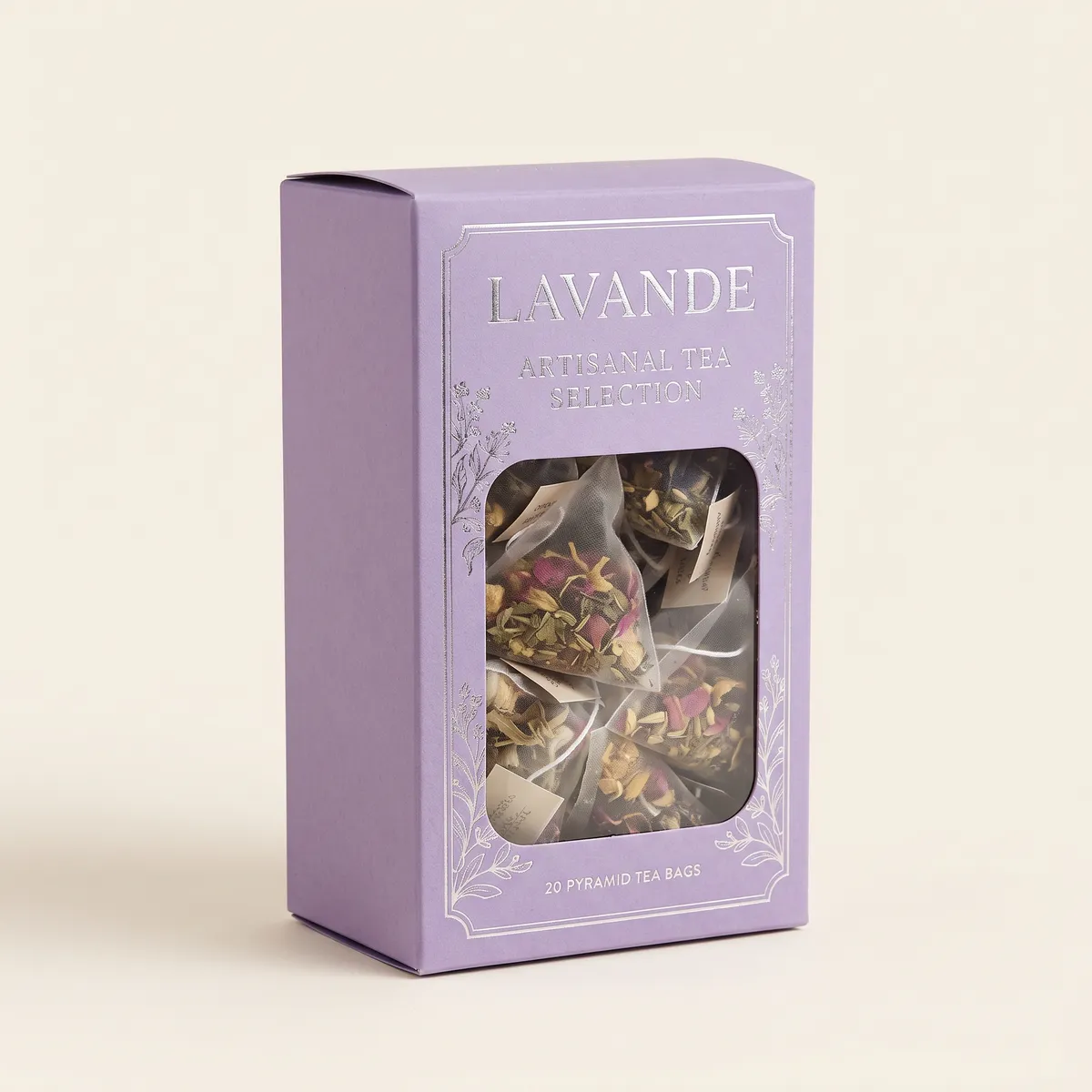
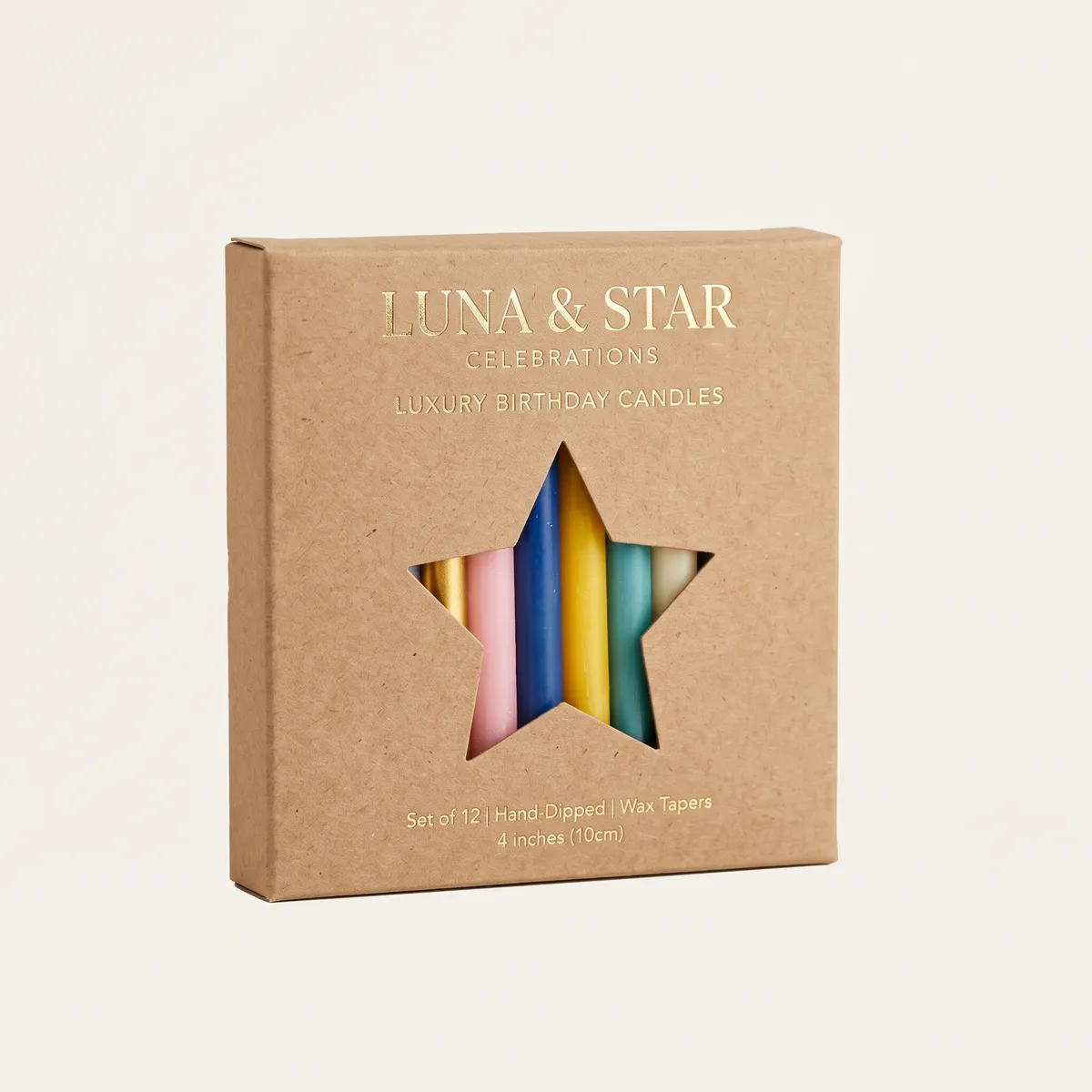
| Films and foil | Gloss or matte laminate, soft-touch film, foil stamping |
| Sizing | Cut to your product's dimensions |
Strength comes from the thickness of the sheet and the way the carton is folded, not from the coating. The coating is there for print. If a quote lists a flute letter or a crush rating, it is describing corrugated, not cardboard, and the two should not be compared line for line.
Why Coated Board Wins on Color Over Kraft or Corrugated
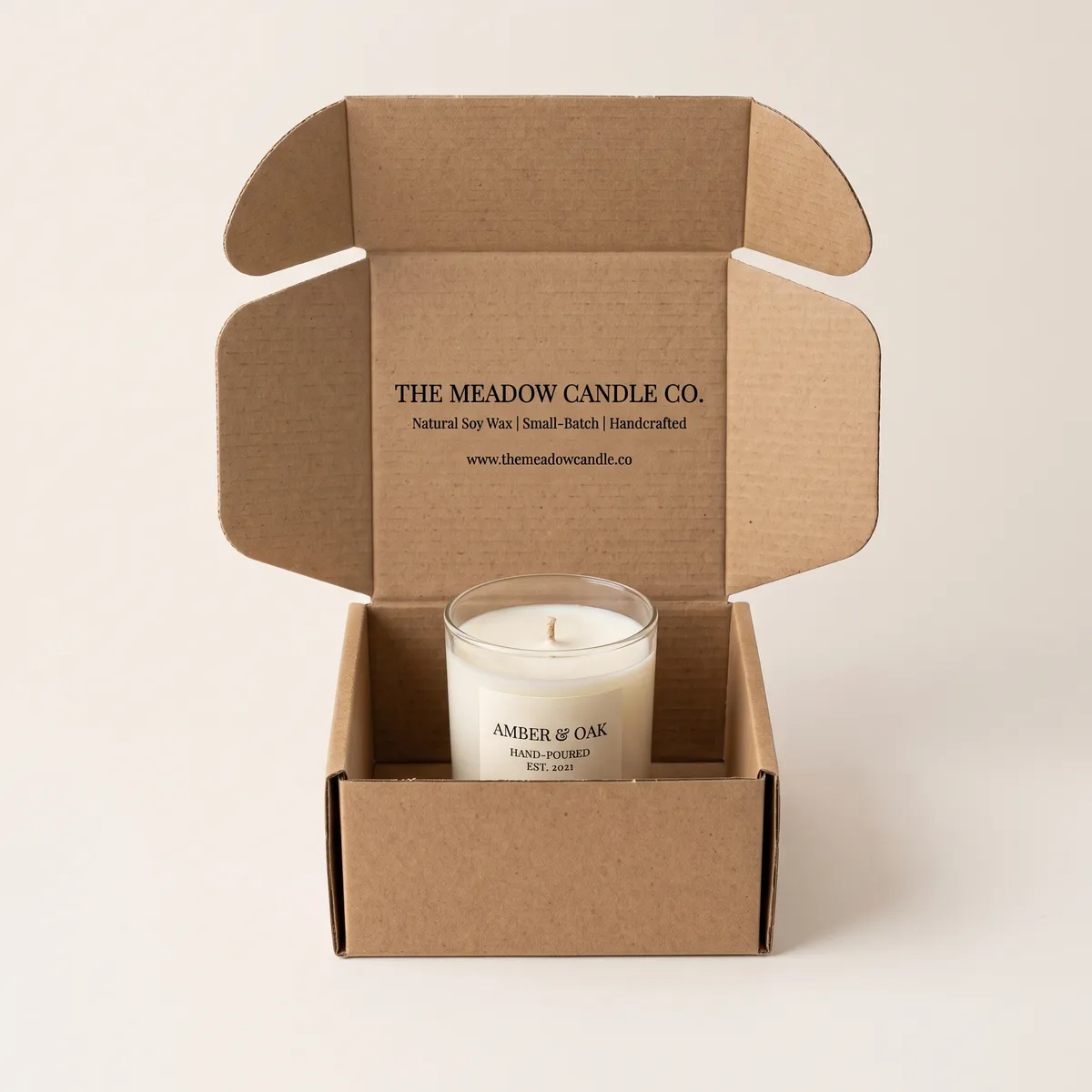
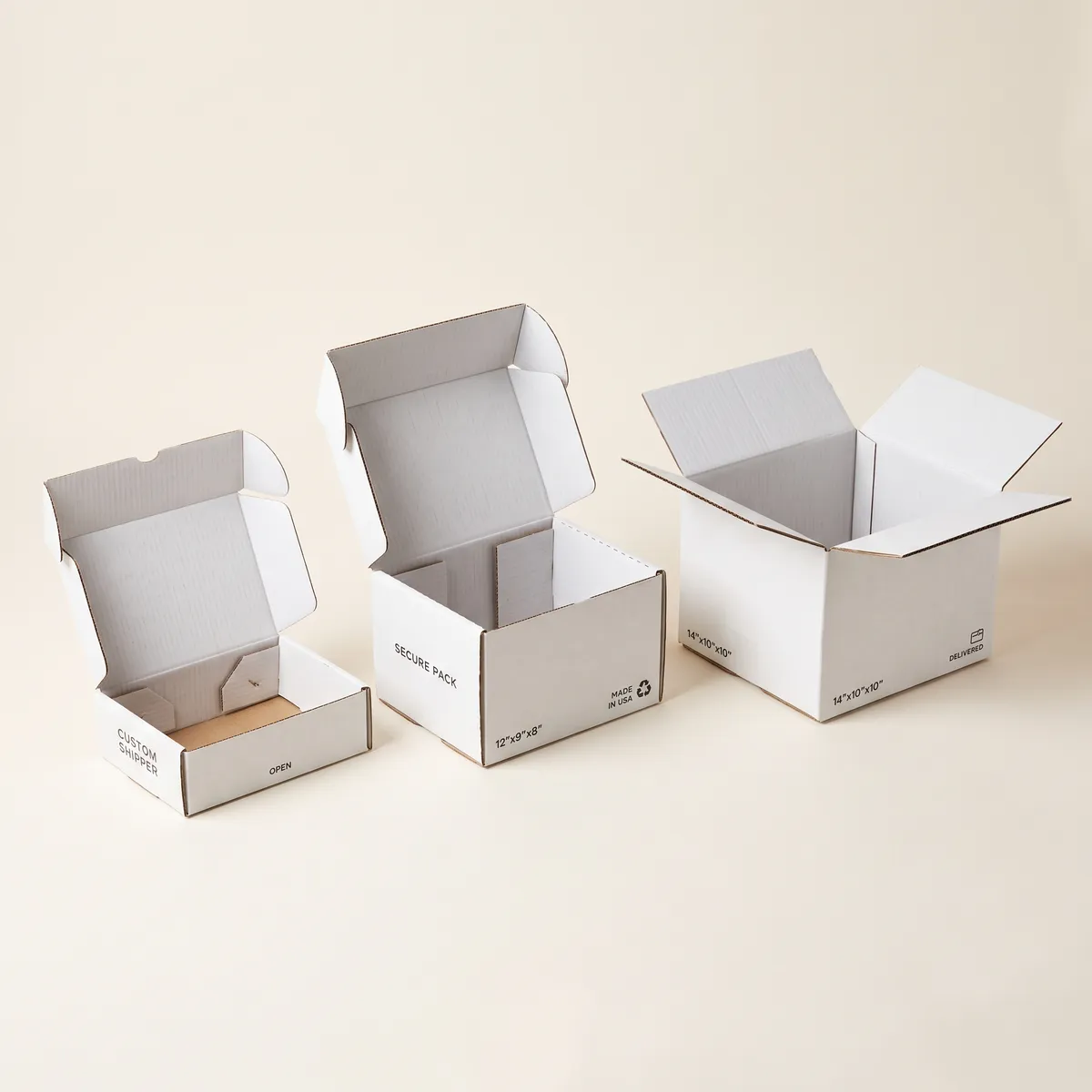
Pick coated cardboard when the box has to carry a brand color exactly, and accept what that costs you in strength. Kraft absorbs ink and pulls every hue toward brown. Corrugated puts a flute under the print that blurs small type. Coated board avoids both, which is why it ends up as the default for coated-board folding cartons on retail shelves. What it won't do is carry real weight on its own. A single pressed sheet has no flute to cushion an impact or resist stacking, so a heavy or fragile product needs corrugated around it. Many brands run both: coated cartons for the shelf and a plainer corrugated case outside. Choosing cardboard for a structural job is the mistake to avoid. Choosing it for print is rarely wrong.
Inks and Films That Coated Cardboard Handles Well
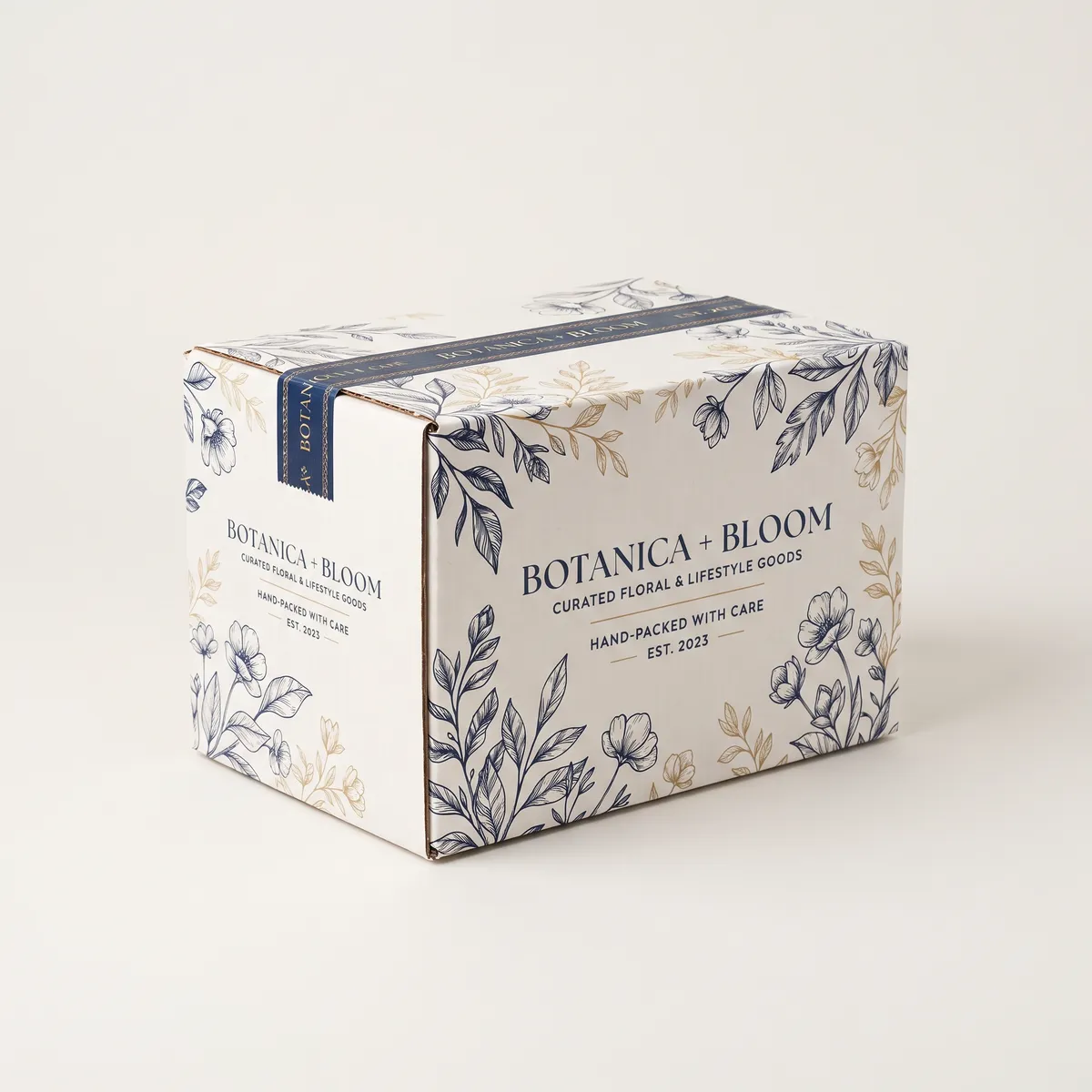
Coated board accepts nearly every finish, so the useful advice is about sequence and restraint. Soft-touch lamination shifts printed color slightly, which means brand hues should be proofed after the film goes on, not before. It also scuffs on shelves where boxes get picked up repeatedly, so an anti-scuff film is worth adding for handled cartons. Foil lays down evenly on the smooth face; keep it on flat panels, away from folds, where registration slips first. Spot UV reads best as a contrast against a matte field. Embossing needs caliper behind it, so lighter cartons can crack under a deep die. The usual mistake is stacking three or four effects on one panel, when one foil accent over matte tends to look more expensive than everything at once.
Shelf Products Where Cardboard Does Its Best Work
Beauty is where coated board earns its keep. A shade printed on the carton has to match the product inside, and cosmetics retail packs judged on color leave no room for a muddy hue. Confectionery follows close behind, with saturated artwork competing at the checkout. Toy and game cartons use it for the crisp detail that character art and small print need. Cereal cartons, frozen food packs, playing card cases and small electronics accessories fill out the list wherever the box is a printed retail face rather than an outer case. The common thread is a light product sold on a shelf. Once the product gets heavy or travels alone, the job passes to a sturdier stock, and the coated carton becomes the inner layer rather than the whole package.
Writing Cardboard Into a Quote
Three lines on a quote decide whether a cardboard carton comes back right. Name the stock as coated paperboard rather than cardboard, so nobody prices a fluted board by mistake. State whether the dimensions you're giving are internal or external, since board thickness sits between the two; a dieline built from your product's measurements should confirm which one in writing. Then ask for the proof on the coated stock you'll actually run, with any laminate included, because a film changes color and a proof without it shows a box that won't exist. Tolerance is worth raising too. Every material has a variance range, and knowing it upfront beats hearing it as an explanation later. Learn how each of those choices shows up on a printed proof before printing.
One connected process, start to finish.
Structural Design
Dieline drafted to your exact fit and freight tolerances.
Proof & Sample
Sign off on a digital proof, or request a physical sample.
Tooling
Dies and plates are cut for your job and archived on file.
Production
Print, die-cut, and assembly run under in-line quality checks.
Ship & Reorder
Freight goes out, and the cycle resets for your next run.
Steady process. Powerful results.
Like everything we build, our process is engineered to hold up — no shortcuts, no surprises. Five dependable stages that run the same way every single time, so reorders are just as fast as the first order.
- One dedicated teamFrom first sketch to final freight, the same people carry your order start to finish.
- Dies archived on fileReorders skip tooling and re-setup entirely — we already have your exact spec.
- Checked against your sign-offEvery run is inspected against the digital proof or physical sample you approved.
Set up your file once, correctly
Nine in ten delayed jobs are delayed by artwork, not production. Match these four rules and your proof lands the next morning.
- Bleed1/8 in (3 mm) past every cut line
- Safe ZoneKeep text 1/4 in clear of every crease
- ColourCMYK or named Pantone. No RGB.
- Resolution300 dpi at final size, fonts outlined
No print-ready file?
Send a logo and a rough idea. Our studio builds the production file free with any order over 500 units — you keep the source file either way.
Ask the StudioBackground art must run all the way to the outer bleed edge. Anything inside the white dashed line survives fold tolerance.
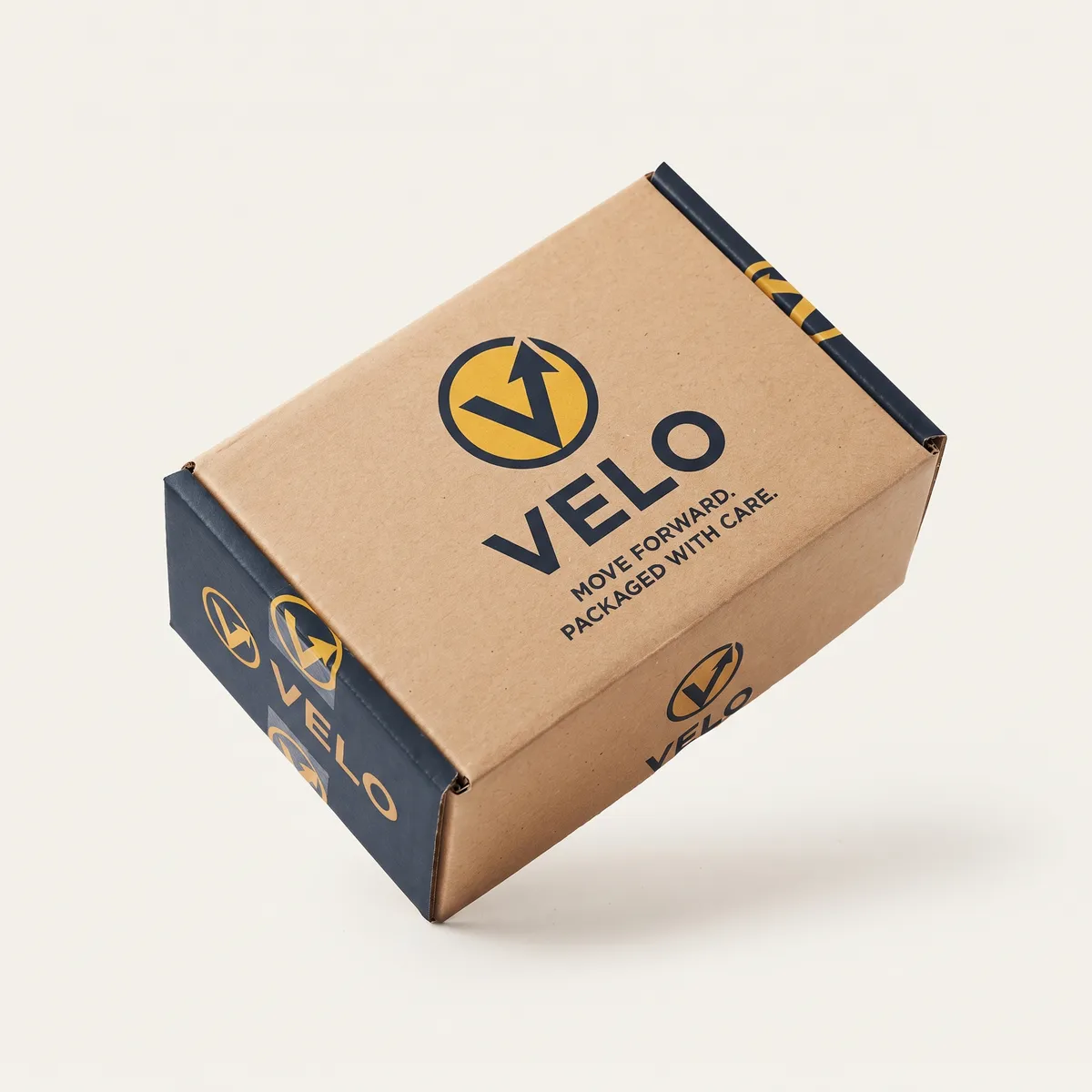
What brands say about this box
They live there rather than here, where we can't edit them, delete them, or pick which ones you get to see. That is exactly what makes them worth reading.
Read all reviews on Trustpilot(opens in a new tab)Answers before you have to ask.
What exactly is cardboard in packaging terms?
In packaging, cardboard usually means paperboard — a single layer of pressed pulp, typically bleached and coated on one side. It's not corrugated, which has a fluted layer. The term gets used loosely, which causes confusion.
How well does cardboard hold printed color?
Very well, which is its main advantage. The coated surface holds ink on top rather than absorbing it, so colors stay saturated and fine detail stays crisp. It's the standard choice for accurate brand color.
Can cardboard be laminated or foiled?
Both, and it takes them better than most stocks. Gloss, matte and soft-touch films all apply cleanly to a coated surface, and foil adheres well. It's the most finish-friendly of the common board stocks.
Is cardboard recyclable?
Generally yes, and widely accepted in curbside collection. Coatings and laminates complicate it — a heavy plastic film can make a box unrecyclable in some facilities, so the finish matters as much as the board.
What products suit cardboard best?
Retail cartons where brand color has to be accurate — cosmetics, confectionery, toys and anything competing visually on a shelf. It's the default where print quality matters more than structural strength.