
Tube Packaging
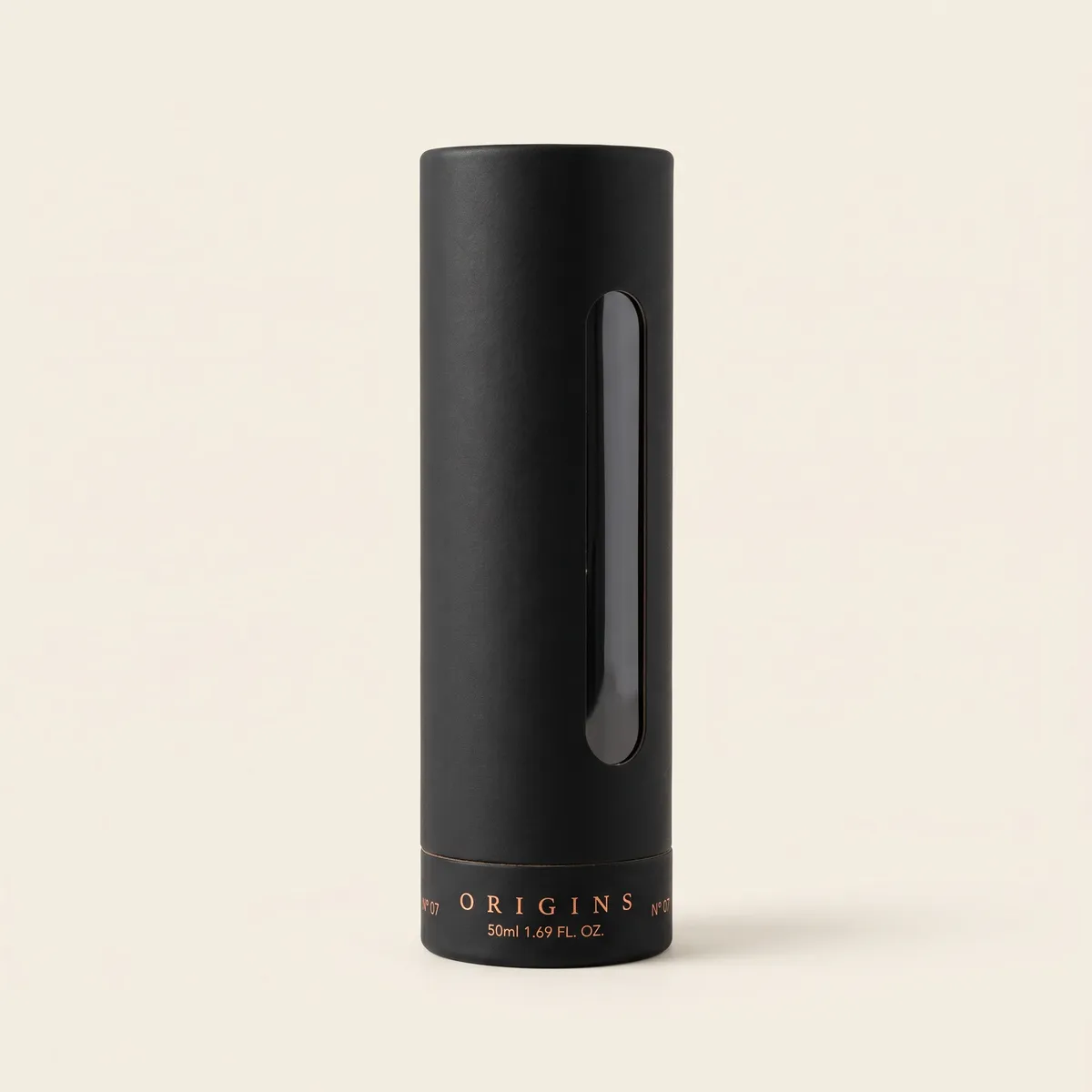
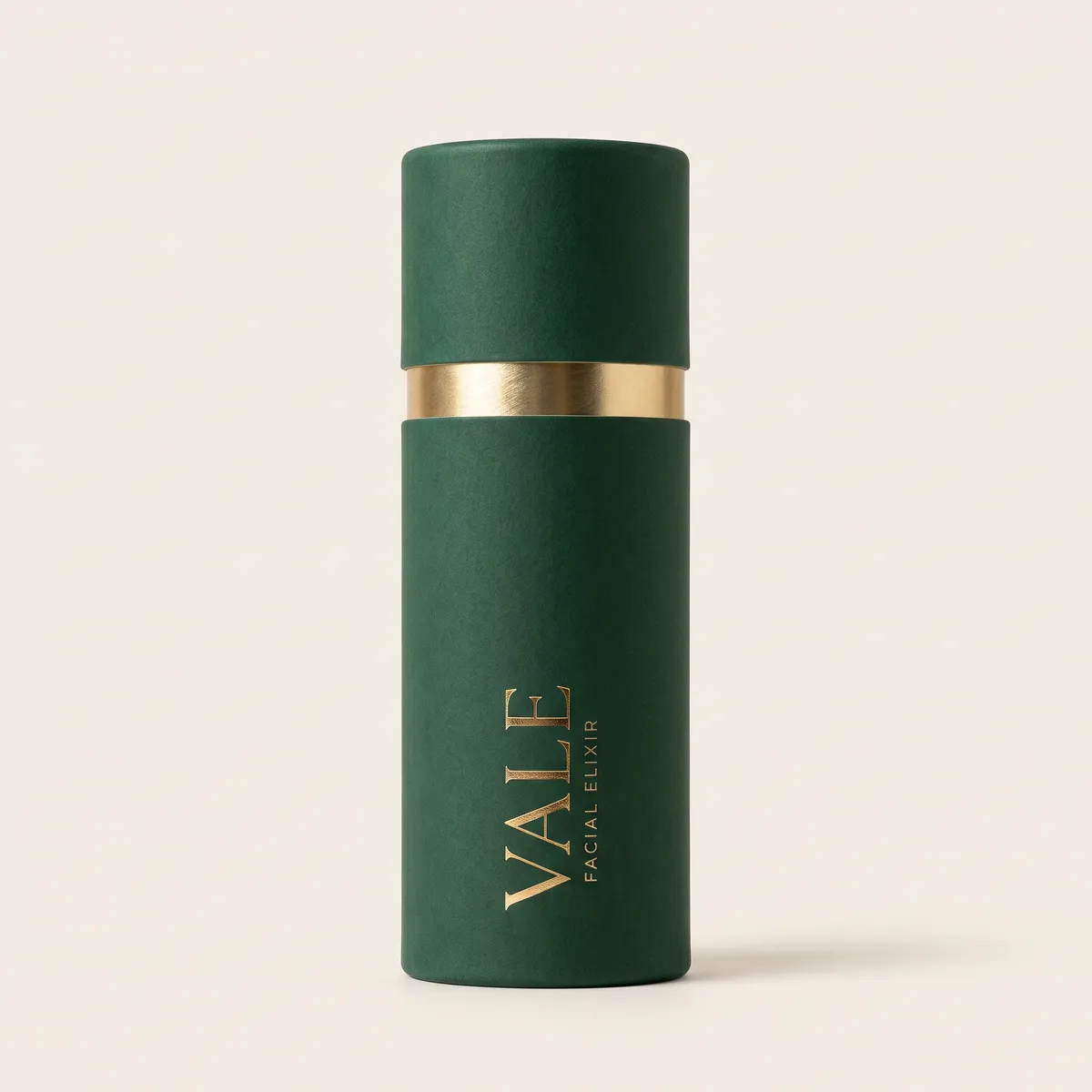
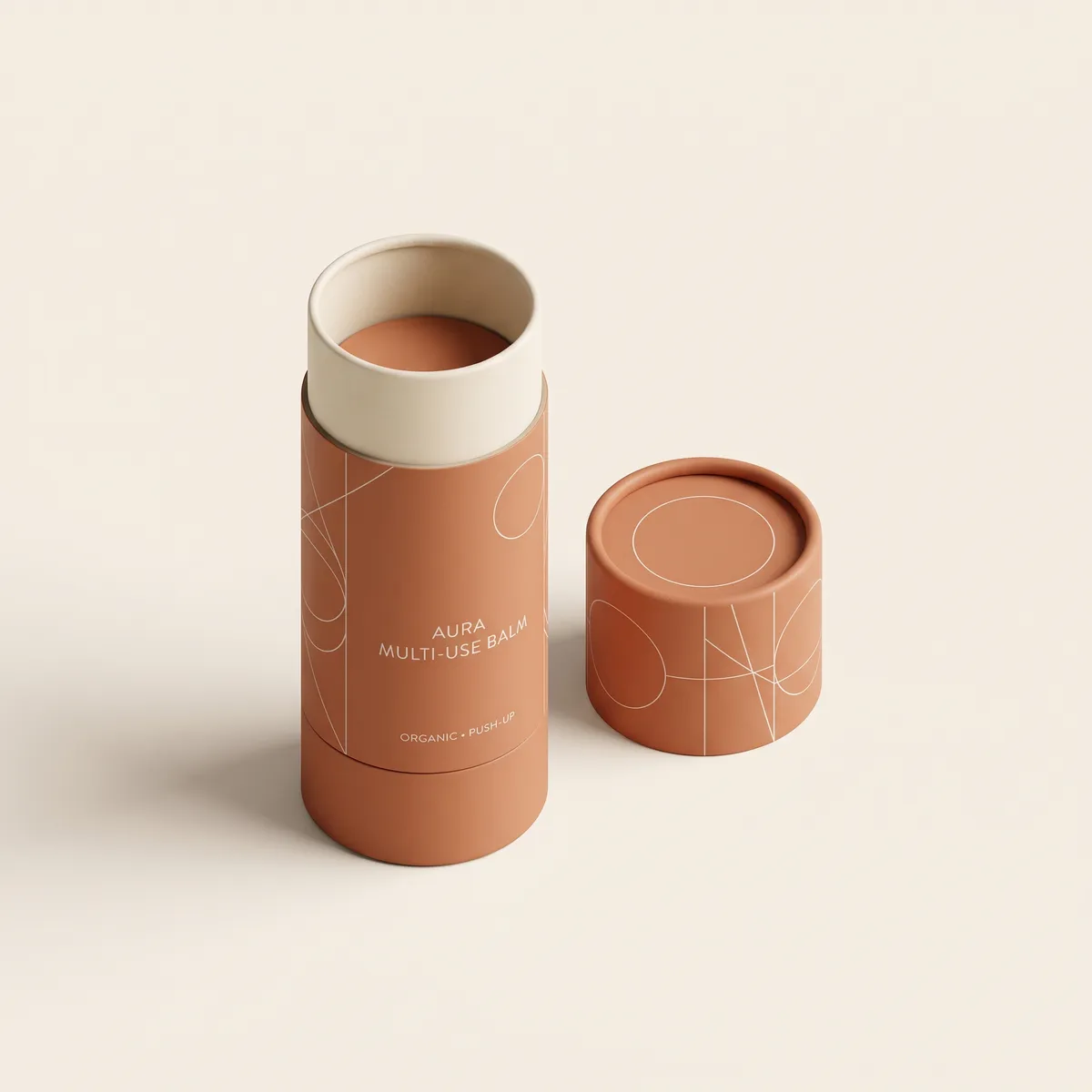
Tube packaging runs longer than a round box, with end caps instead of a lifting lid, built for posters, textiles and slender goods rather than a presentation reveal. The longer form and end caps make tubes more rigid along their length. Artwork is printed flat before the tube is formed, so we allow for the seam during artwork preparation. Trial runs start at 100 units.

Ours are on Trustpilot, where we can't edit them or choose which ones you see.
Read them on Trustpilot →(opens in a new tab)Four stages, twelve days
Quote confirmed
A specialist checks your spec against the board and comes back with a firm price inside 4 business hours.
Proof approved
You get a flat dieline and a 3D render. Nothing goes to press until you approve it in writing.
On press
Print, die-cut, glue, and fold. You get a press-side photo the day your job runs.
QC and delivery
Every pallet is sampled against the digital proof or physical sample you approved, then shipped with tracking to your dock or 3PL.
If a box doesn't match the digital proof or physical sample you approved, we reprint the run at no charge.
Read the reprint terms →Know exactly what you're ordering.
For Goods That Roll, Not Fold
Some products are damaged by folding. A poster takes a permanent crease, a silk scarf keeps a sharp line, a canvas print cracks along the fold. For these, a box is the wrong shape, and a flat package big enough to hold them unfolded is expensive and awkward to handle. A tube lets them roll instead, which is often how they were stored before they reached you anyway. Buyers here are print shops and artists, textile and scarf brands, map and calendar sellers, and anyone sending long, narrow items such as architectural plans or incense. It also suits products that are simply long and thin. If your product folds without harm, a flat box is usually the cheaper and simpler choice.
Tube Specs: Length, Diameter and End Cap Fit
Tubes are made from corrugated tube stock, formed into a cylinder and closed at each end with a cap.
| Attribute | Specification |
|---|---|
| Body | Corrugated board formed into a cylinder |
| Length | Cut to your product |
| Diameter | Set by the rolled product's thickness |
| Closure | End caps at both ends |
| Full color, printed flat before forming | |
| Seam | Allowance set at artwork stage |
Measure the product rolled, not flat, and add the length of anything that sticks out, such as a dowel, a hanger or a protective sleeve, before you send the figures, so the caps close without pressing on the ends.
Why Textiles and Prints Travel Better Rolled Than Folded
A fold puts stress on one line, and that line is where damage shows. Rolling spreads the bend across the whole item, so the piece unrolls without a fixed line across it. For rolled scarves and textiles, that means a silk or wool piece arrives ready to wear without steaming. For art prints, it means no mark across the image. The shape protects in transit too: a flat package can bend in a sorting bin, while a cylinder has no flat face to fold across. The trade is size. A tube is longer than a folded box, and carriers charge on dimensions, so for small items that fold safely a box ships cheaper. Use a tube when a fold would cost you the product.
Artwork That Wraps a Seam and Meets an End Cap
Tubes give you a long panel that wraps all the way round, so a design can run its length like a banner or repeat to read from any angle. The seam is planned at artwork stage, so keep logos and text clear of it. Because the body is corrugated, flute telegraphing blurs hairlines and very small type, which is why bold marks and larger text hold up best. Think about the ends as well: tubes are often stored or displayed with only the ends facing out, so put the product name on the body close to each cap, where it stays readable. A one- or two-color design keeps cost down on longer runs; full color suits art prints and gift tubes.
Tubes for Posters, Puzzles and Play Mats
Print shops and artists send posters and art prints in them, often signed and numbered. Toy brands use them for jigsaws, posters and play mats that roll, and for long items such as kites and craft sets. Map makers and calendar publishers use them for wall pieces. Textile brands send scarves, table runners and tea towels rolled. Architects and design studios use them for plans and presentation boards. Gift brands package a rolled blanket or throw in a printed tube with a tag tied around it. Incense makers and other sellers of long, slim products use them because nothing else holds the shape as neatly. In every case, the length of the product decided the format before anything else did.
What a Tube Order Covers, From Proof to Delivery
Send the product's rolled diameter and length, and we'll build the dieline and confirm in writing whether those figures are internal or external. Design help is free and unlimited, with a proof to approve before production. Tubes run 8–12 business days from approval. If a date is fixed, we can quote a rush run; it costs extra, and you see the figure first. Your quote includes dies, plates and setup, so there are no extra charges once the order is placed, and shipping is included in the price. Each tube is checked at three stages before it leaves, and if the bulk run doesn't match the approved proof, we reprint at our cost. The minimum order is 100 units, and above 10,000 units samples are free.
One connected process, start to finish.
Structural Design
Dieline drafted to your exact fit and freight tolerances.
Proof & Sample
Sign off on a digital proof, or request a physical sample.
Tooling
Dies and plates are cut for your job and archived on file.
Production
Print, die-cut, and assembly run under in-line quality checks.
Ship & Reorder
Freight goes out, and the cycle resets for your next run.
Steady process. Powerful results.
Like everything we build, our process is engineered to hold up — no shortcuts, no surprises. Five dependable stages that run the same way every single time, so reorders are just as fast as the first order.
- One dedicated teamFrom first sketch to final freight, the same people carry your order start to finish.
- Dies archived on fileReorders skip tooling and re-setup entirely — we already have your exact spec.
- Checked against your sign-offEvery run is inspected against the digital proof or physical sample you approved.
Set up your file once, correctly
Nine in ten delayed jobs are delayed by artwork, not production. Match these four rules and your proof lands the next morning.
- Bleed1/8 in (3 mm) past every cut line
- Safe ZoneKeep text 1/4 in clear of every crease
- ColourCMYK or named Pantone. No RGB.
- Resolution300 dpi at final size, fonts outlined
No print-ready file?
Send a logo and a rough idea. Our studio builds the production file free with any order over 500 units — you keep the source file either way.
Ask the StudioBackground art must run all the way to the outer bleed edge. Anything inside the white dashed line survives fold tolerance.


What brands say about this box
They live there rather than here, where we can't edit them, delete them, or pick which ones you get to see. That is exactly what makes them worth reading.
Read all reviews on Trustpilot(opens in a new tab)Answers before you have to ask.
How does tube packaging differ from a round box?
Mainly proportion and closure. A round box is shorter with a lifting lid. A tube runs longer with end caps, built for posters, textiles and slim goods rather than products needing a reveal.
Can tubes be printed in full color?
Yes, though the print is applied to a flat sheet before the tube is formed, so artwork needs allowance at the seam. We handle that at artwork stage rather than leaving it to chance.
Are tubes stronger than round boxes?
Generally, since the longer form and end caps make them more rigid along their length. They're built for transit where round boxes are more often built for presentation.
How long does tube packaging take?
Usually 8–12 business days from proof approval, end caps included. Rush is available at an extra cost we'll state upfront, with shipping included.
What's the minimum on tube packaging?
100 units. Tubes are often used for specific product lines rather than across a range, so the low minimum makes trialing the format practical.