
Clothing Hang Tags
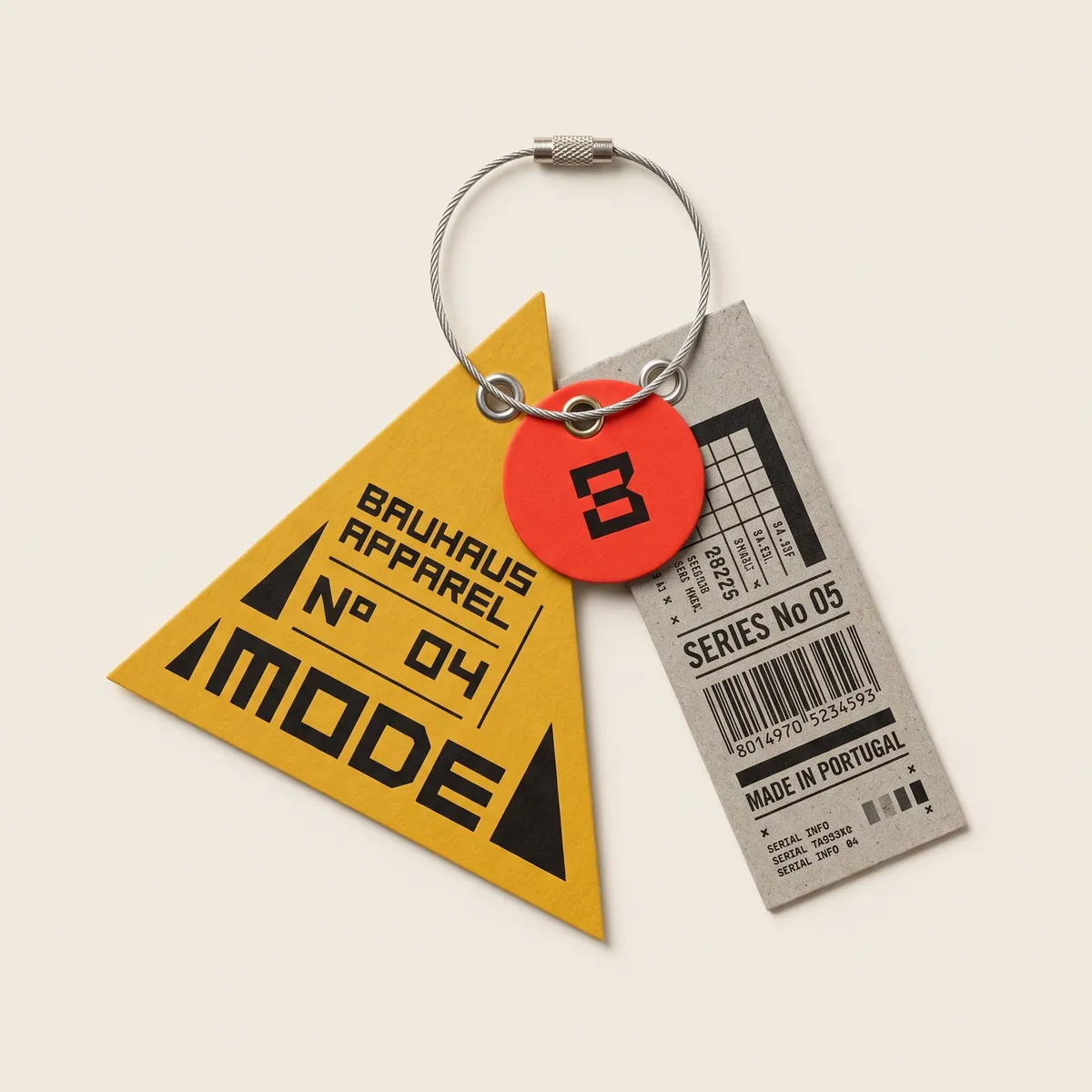
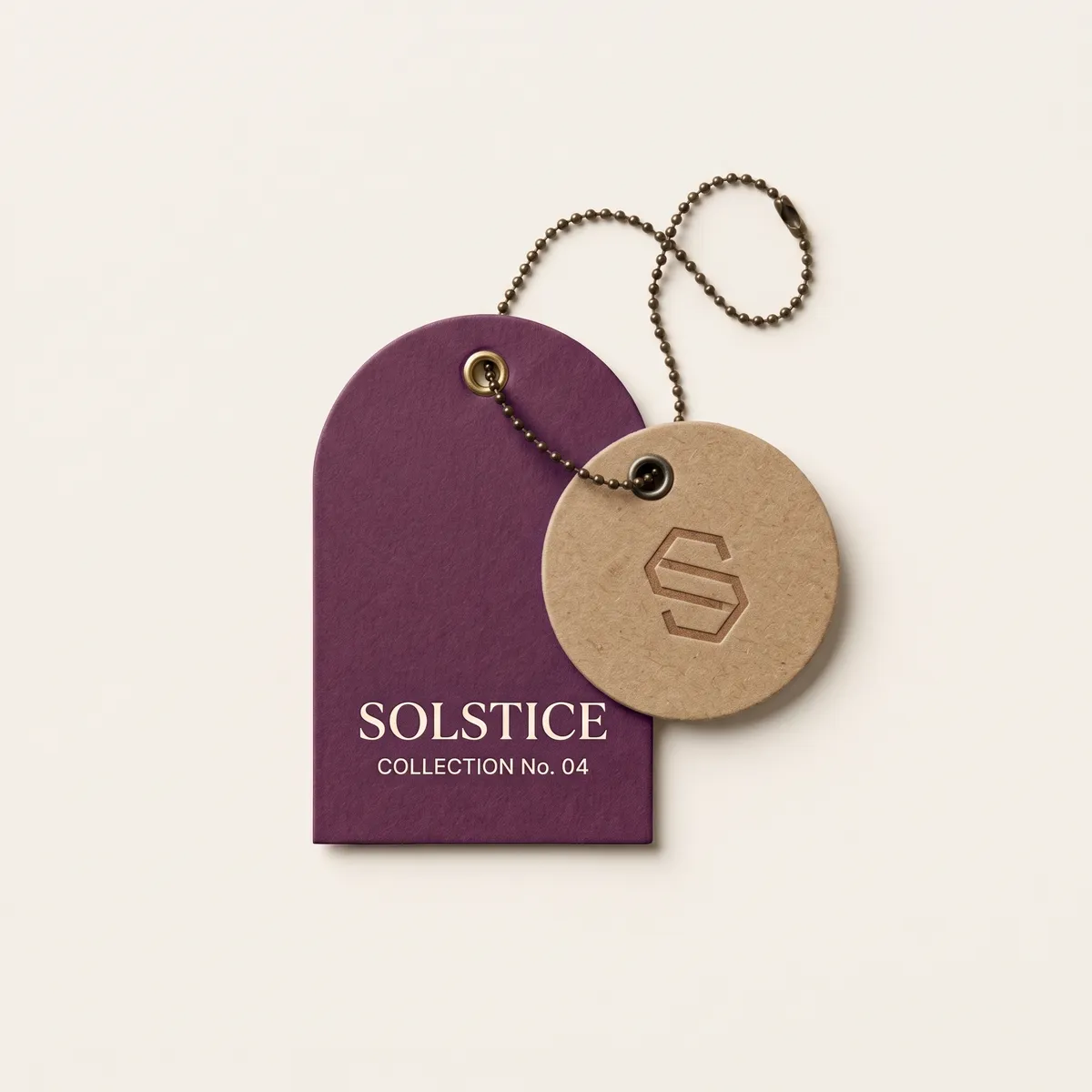
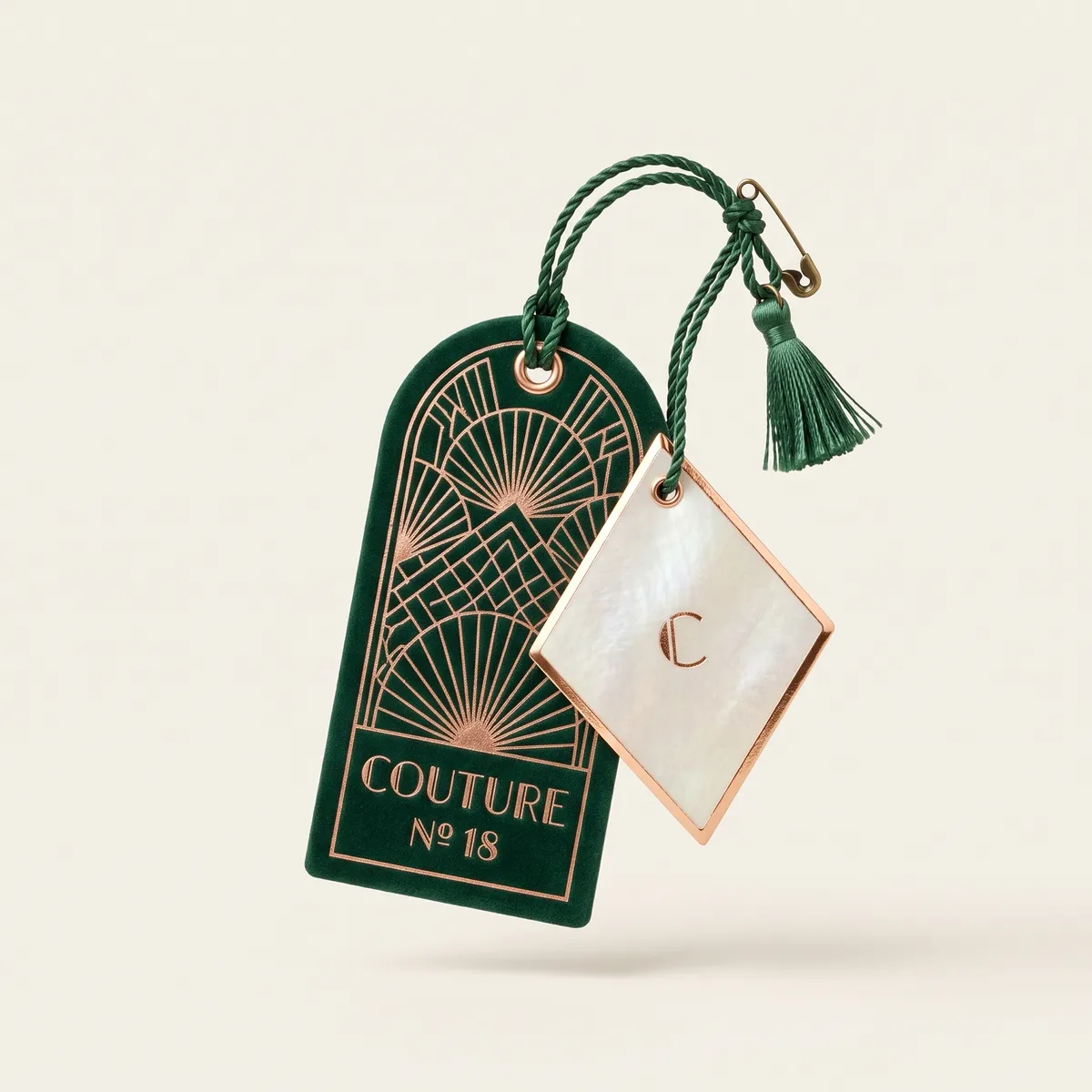
Clothing hang tags carry size, price, care instructions and fiber content alongside your brand mark, and since some of that is legally required in certain markets, check what applies wherever you sell. Barcodes get a surrounding quiet zone so they scan reliably at checkout. Tags handled constantly on rails need thicker stock, or they look worn before the garment sells.

Ours are on Trustpilot, where we can't edit them or choose which ones you see.
Read them on Trustpilot →(opens in a new tab)Four stages, twelve days
Quote confirmed
A specialist checks your spec against the board and comes back with a firm price inside 4 business hours.
Proof approved
You get a flat dieline and a 3D render. Nothing goes to press until you approve it in writing.
On press
Print, die-cut, glue, and fold. You get a press-side photo the day your job runs.
QC and delivery
Every pallet is sampled against the digital proof or physical sample you approved, then shipped with tracking to your dock or 3PL.
If a box doesn't match the digital proof or physical sample you approved, we reprint the run at no charge.
Read the reprint terms →Know exactly what you're ordering.
A Tag Shoppers Read Before They Try Anything On
On a busy rail, the tag decides whether a garment makes it to the fitting room. A shopper checks the size and the price, then the fiber content, and puts the item back if any of it is hard to find. Later the same tag gets scanned at the register and read again by whoever restocks the rail.
That's three readers with three different needs, and a clothing tag has to serve all of them from a few square inches of board. It works when each detail sits where its reader expects to find it.
This page is for fashion labels, boutiques and uniform suppliers who tag every garment and need the tag to look new on the season's last day.
Clothing Tag Stock, Attachment and Barcode Placement
Garment tags are cut from heavier card that survives a clothing rail, since a thin tag is bent out of shape long before the item sells.
| Attribute | Clothing tag spec |
|---|---|
| Stock | Thicker coated cardboard as standard |
| Attachment | String or ribbon, strung before delivery if you ask |
| Barcode | Placed with clear space around it |
| Both sides: brand on the front, details on the back | |
| Content | Size, price, care and fiber content, as you supply them |
| Size | Cut to your layout and the amount of text it carries |
The text you supply decides the tag's size more than anything else. A tag carrying care instructions in two languages needs far more room than one with a logo and a price, so we size the die to the copy.
Why Garment Tags Need Their Own Spec
A general-purpose tag is designed to look good. A clothing tag also has to survive being handled dozens of times before anyone buys it. It's tugged when a shopper turns the garment over, crushed when hangers are pushed along the rail, and pulled through a sleeve and rehung after every try-on. A tag built for a candle jar wouldn't last a week of that.
That's why the clothing build starts with thicker board, keeps the hole well clear of the edge so it doesn't tear through, and gives the barcode its clearance from the start. For apparel brands selling off a rail, a creased, worn tag makes new stock look like returns. A slightly heavier board costs less than marking down garments that look handled.
Front for the Brand, Back for the Care Details
Most clothing tags split the work by side. The front carries the brand mark and sometimes the collection name, and that's where any foil or deboss belongs. The back carries size, price, fiber content, care symbols and the barcode, set in plain type at a size people can read without squinting.
Keep the barcode in solid black on a light ground. A colored barcode on a tinted tag is a frequent reason one fails to scan at the register.
Ribbon suits formalwear and bridal, while plain string fits most everyday ranges. Uncoated stock gives a softer, natural feel, though small care text prints sharper on coated board, so a natural-looking range may want coated board with an earthy color rather than raw stock.
Boutique Rails, Pop-Up Racks and Garments Given as Gifts
Independent boutiques use clothing tags to make a rail of mixed brands look like one shop. Fashion labels selling through stockists tag every piece so the brand travels with the garment into someone else's store. Pop-up and market sellers rely on tags more than most, because a rack in a tent has no shelf signage to do the job.
Knitwear and accessory brands tag scarves, hats and gloves, where a sewn label is too small to read. Uniform and workwear suppliers use tags for sizes and order codes. For clothing given as a present, a tag with a short note on the reverse stays with the garment, so the person opening it sees the brand, not just the wrapping.
From Proof to Rail: Ordering Clothing Tags
Start by sending your layout, or just the text: brand mark, size range, care details and barcode numbers. Design help is free and unlimited, so if you only have a logo, we'll lay out the rest and send a proof for approval.
The minimum is 100 tags. Once you approve, production runs 8–12 business days, and rush is available at an added cost quoted before you commit. Every order passes a three-stage check, and if the delivered tags don't match the approved proof, we reprint them at our cost. Shipping is included in the price.
Before you sign off, check the barcode digits and care symbols on the proof one more time. It's the last point where a change costs nothing.
One connected process, start to finish.
Structural Design
Dieline drafted to your exact fit and freight tolerances.
Proof & Sample
Sign off on a digital proof, or request a physical sample.
Tooling
Dies and plates are cut for your job and archived on file.
Production
Print, die-cut, and assembly run under in-line quality checks.
Ship & Reorder
Freight goes out, and the cycle resets for your next run.
Steady process. Powerful results.
Like everything we build, our process is engineered to hold up — no shortcuts, no surprises. Five dependable stages that run the same way every single time, so reorders are just as fast as the first order.
- One dedicated teamFrom first sketch to final freight, the same people carry your order start to finish.
- Dies archived on fileReorders skip tooling and re-setup entirely — we already have your exact spec.
- Checked against your sign-offEvery run is inspected against the digital proof or physical sample you approved.
Set up your file once, correctly
Nine in ten delayed jobs are delayed by artwork, not production. Match these four rules and your proof lands the next morning.
- Bleed1/8 in (3 mm) past every cut line
- Safe ZoneKeep text 1/4 in clear of every crease
- ColourCMYK or named Pantone. No RGB.
- Resolution300 dpi at final size, fonts outlined
No print-ready file?
Send a logo and a rough idea. Our studio builds the production file free with any order over 500 units — you keep the source file either way.
Ask the StudioBackground art must run all the way to the outer bleed edge. Anything inside the white dashed line survives fold tolerance.

What brands say about this box
They live there rather than here, where we can't edit them, delete them, or pick which ones you get to see. That is exactly what makes them worth reading.
Read all reviews on Trustpilot(opens in a new tab)Answers before you have to ask.
What information belongs on a clothing tag?
Typically size, price, care instructions, fiber content and your brand mark. Requirements vary by market, and some are legally required, so it's worth checking what applies where you sell.
Can clothing tags include a barcode?
Yes, and most retail tags do. Barcodes need a quiet zone around them and enough contrast to scan reliably, so we position them with that clearance rather than fitting them into leftover space.
Do clothing tags need to be thicker?
Usually. A clothing tag is handled constantly on a rail and has to survive shipping, trying on and re-hanging. Thin tags bend and look worn before the garment sells.
What's the turnaround on clothing hang tags?
About 8–12 business days from proof approval, including barcodes and stringing if specified. Rush is available at an extra cost stated before you commit.
Can clothing tags be ordered per size range?
Yes, and most brands do. Keeping one tag shape while changing the printed size or range keeps costs down while the collection stays visually consistent.