
Custom Fast Food & Takeout Boxes, Survives the drive home.
Takeout has one job: arrive at the door as good as it left the kitchen. A box that leaks or collapses on the drive turns a repeat customer into a one-time order. Our custom fast food and takeout boxes are food-grade, with grease-resistant faces and seams placed to keep sauces in, printed with your brand and sized to whatever's on the menu.
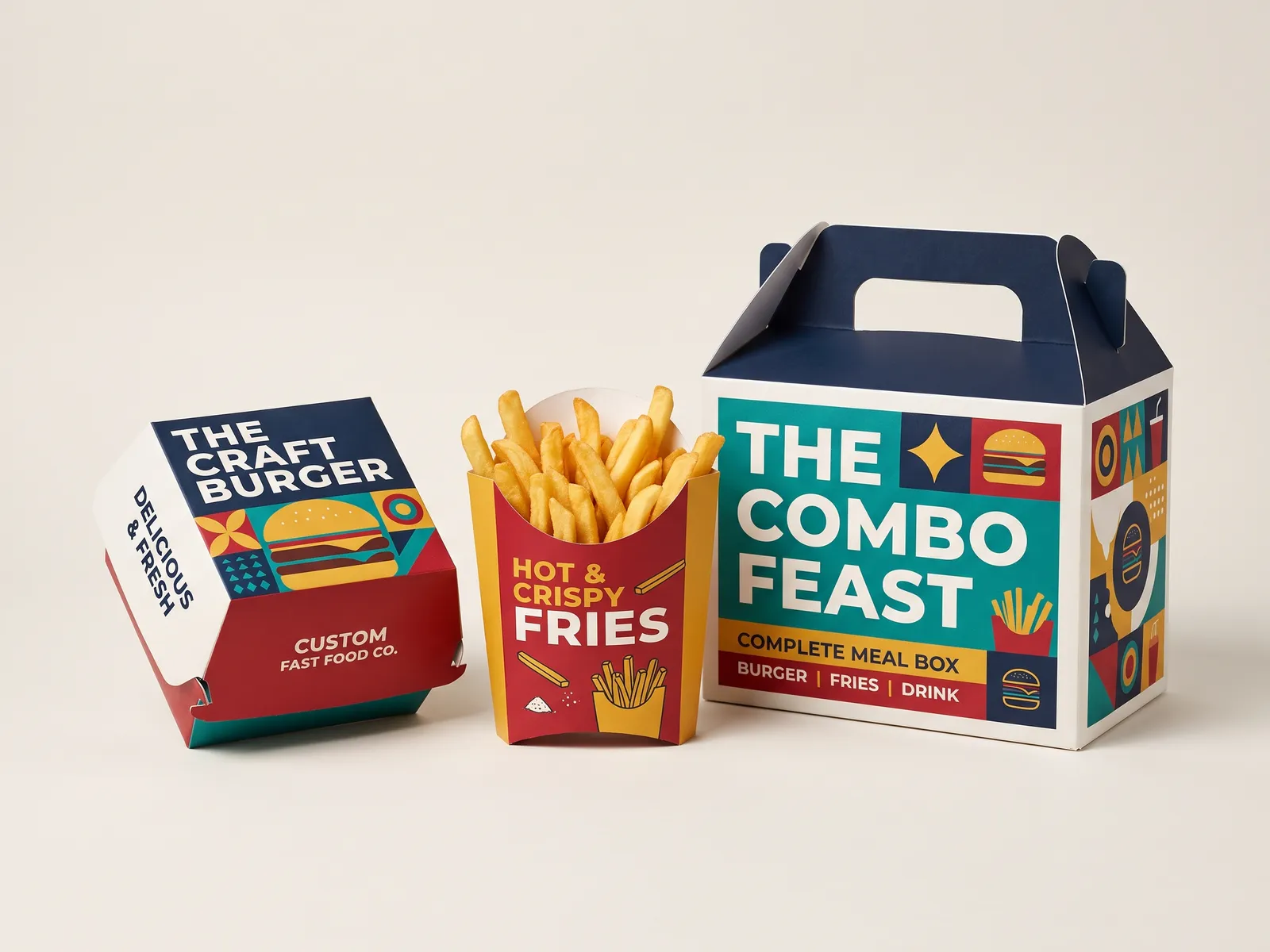
Materials & Options for Fast Food & Takeout Boxes
E-Flute Corrugated
Thin profile, strong crush resistance — the standard for most mailer boxes.
B-Flute Corrugated
A thicker flute for heavier contents or extra stacking strength.
Kraft Paper
Unbleached, natural-brown stock with an earthy, eco-forward texture.
SBS Board
Solid bleached sulfate board for a smooth, print-ready white surface.
Offset Printing
Exact color matching for large runs — the standard for big projects.
Digital Printing
Fast turnaround on shorter runs, with no minimum plate setup cost.
Flexographic Printing
Distortion-free output built for large-run corrugated jobs.
UV Printing
Instantly cured ink that resists scratches and solvents.
Matte Lamination
Soft, non-reflective finish that reads premium under any light.
Gloss Lamination
High-shine coating that makes bold colors and photography pop.
Soft-Touch Coating
A velvety exterior resistant to moisture and fingerprints.
Spot UV & Foil
Raised gloss detail or metallic foil for logos and accents.
Discover Our Most-Requested Fast Food & Takeout Box Styles
Every style below runs through the same structural engineering and quality process — pick a starting point and we'll adjust the details to your product.
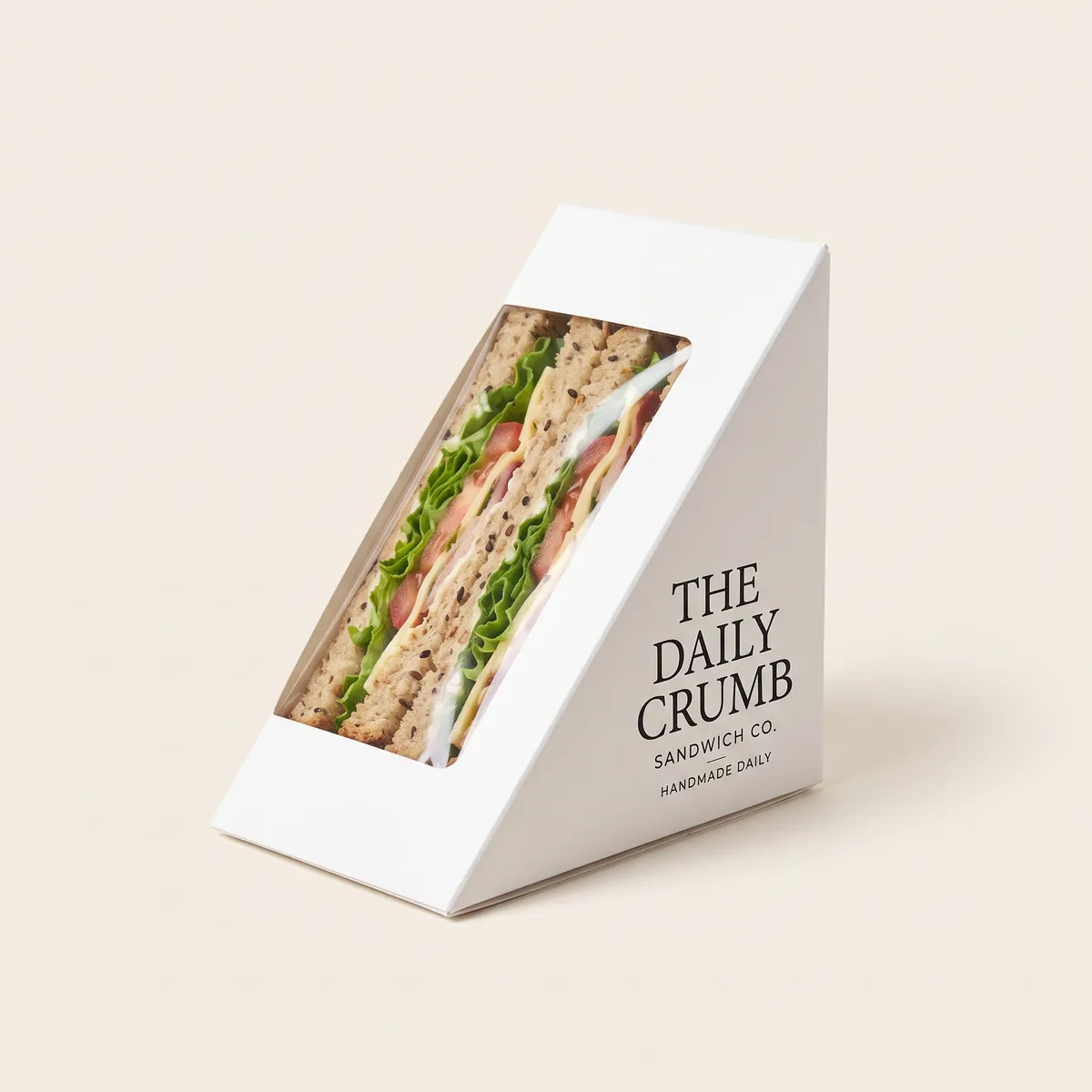
One Job: Arrive as It Left the Kitchen
Takeout has one job: arrive as good as it left the kitchen. That sounds simple until you add a fifteen-minute drive, a delivery bag stacked three orders deep, and a customer who remembers a leak far longer than they remember a good meal. The box has to stay leak-proof at the seams, keep food safe for direct contact, hold heat where it matters, and keep its shape through the whole trip without going soft or splitting. The buyers are quick-service restaurants, takeout counters, food trucks, and delivery-first kitchens moving real volume every single service, where packaging is a running cost that has to perform every time or it isn't worth it. The failure it prevents is the order that turns a regular into a one-time customer over a soggy base, a spilled side, or a lid that gave way in the bag — small failures that never make it into a complaint but absolutely make it into the decision not to reorder. It shares most of that fight with pizza packaging.
Leak Resistance and Food-Grade Stock
Takeout packaging is a food-grade job first, so the board is kraft or clay-coated stock certified for direct contact, printed with food-safe inks, and treated on the inside face against grease and moisture. Clamshells, fry boxes, and meal boxes are usually a folding stock around 18–24pt; heavier or hotter items step onto E- or B-flute corrugated for rigidity and a bit of insulation. Leak-resistant seams and a PE or grease-resistant liner keep sauces and oils from bleeding through. Sizes span small side boxes to large meal containers, standardized around portion sizes so a kitchen can stock a tidy range. Construction is built for speed — auto-lock bases and one-motion folds that assemble mid-service without glue or tools. Hold a tolerance around ±1/16" (1.5mm) so lids seat, tabs lock, and nothing pops open in a delivery bag. The whole spec is chosen so the box performs hot, greasy, and jostled — the real conditions it ships in.
Labor Saved and Customers Kept
Takeout packaging pays off in repeat customers and labor saved. A leak-proof, food-grade box that arrives intact protects the experience that decides whether the customer orders again — and in a delivery-driven business, reorder rate is the number that compounds. The failure is quiet and costly: a spilled side or a soggy base rarely earns a complaint, it earns a switch to the next app listing, and you never learn why. A gable box or a fast auto-lock build also saves real staff time at peak service, when every second per assembly multiplies across hundreds of orders and labor is your tightest cost. Leak-resistant seams cut the refunds and remakes that eat straight into margin. And a clean, branded box lands a brand impression in the customer's home, which does quiet work for the next order. So the spend defends reorder rate, trims peak labor, and cuts remakes — three levers on the margin of a business where every order is thin and volume is everything.
Cheap, Fast and Food-Safe Printing
Takeout packaging is bought in enormous volume and used once, so the finish brief is ruthless: cheap, fast, food-safe, and grease-resistant. Flexo or offset in one to three colors on a food-grade cardboard or kraft stock is almost always correct. The functional coating matters far more than any decorative one — you need grease and moisture resistance on the food-contact face, and that has to be specified as a food-safe system, not just any laminate. Avoid gloss films on hot items, where trapped steam softens the board and makes the whole container sag. Premium finishes return nothing here; the customer opens the box, eats, and recycles it within the hour. Where branding does travel is the printed paper bag, which lives on a kitchen counter longer than any container and costs very little to print. If you run multiple locations, lock one print spec and reorder it — consistency across sites is worth more than variation, and repeat runs of the same plate are where the unit cost really drops.
Takeout Formats a Kitchen Actually Uses
Takeout is high-volume and speed-driven, and every format in your range has to fold in one motion during a rush.
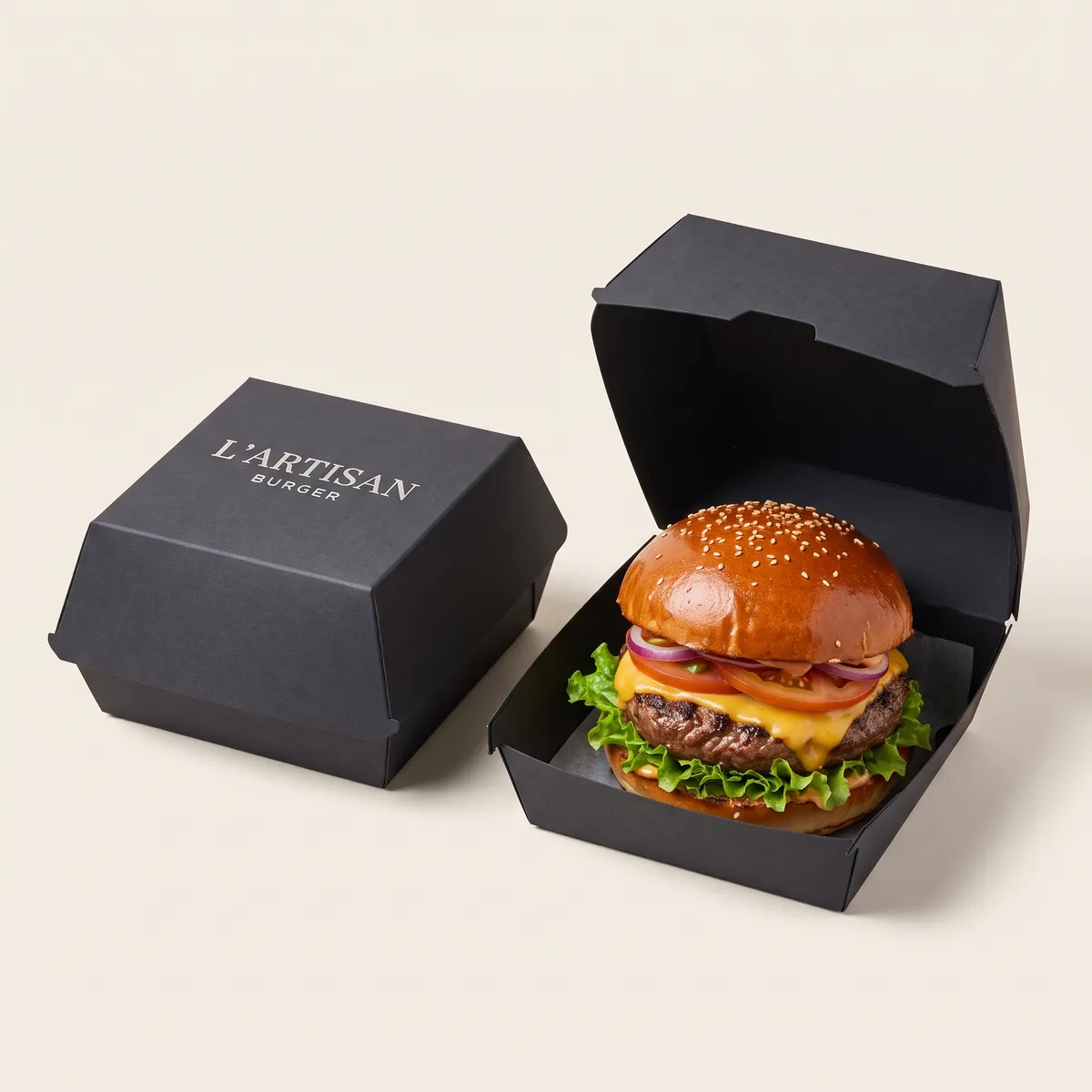
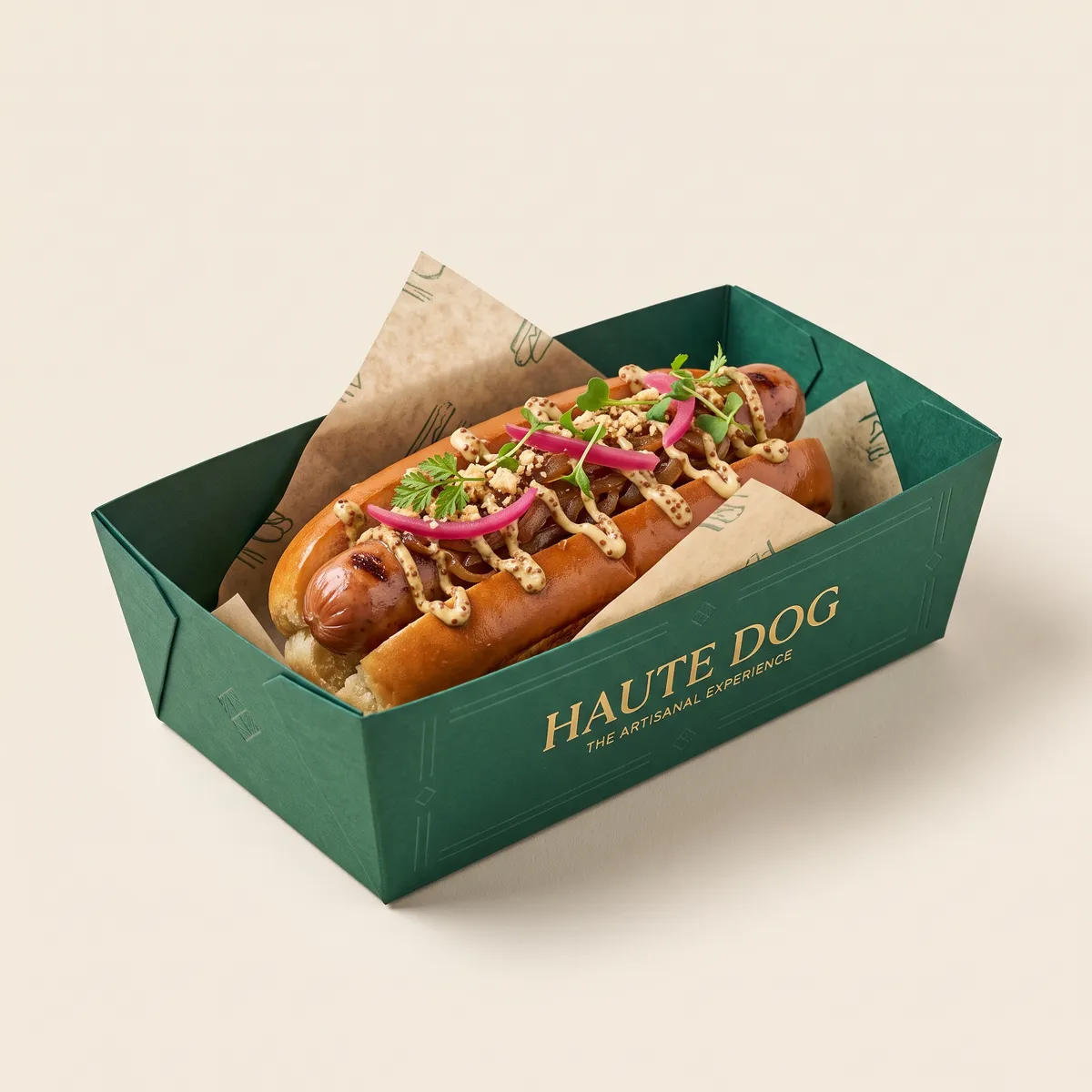
- Food trays and clamshells — burgers, wraps and meal portions. Built to be loaded fast and closed one-handed.
- Auto-bottom builds — wherever a container holds weight without collapsing, which is most hot meal boxes and heavier sides.
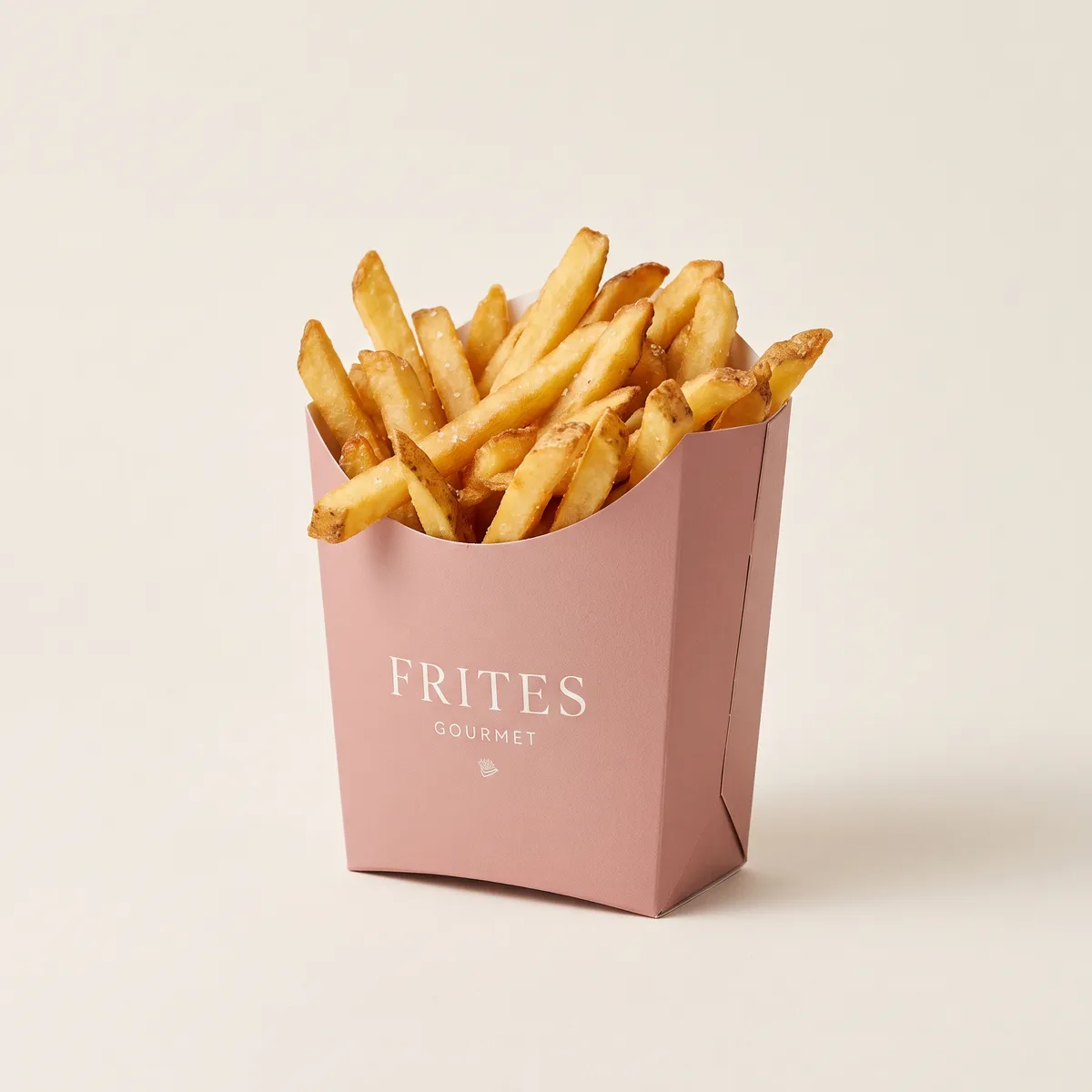
- Fry boxes and scoops — simple die-cut folds.
- Gable boxes with handles — kids' meals and combos a customer carries out.
- Pail-style containers — noodles and rice, sealing at the top.
- Small cartons and cups — sides, dips and sauces, sized to portions.
A container needing two hands and five seconds costs more in labor than it saves in material. Most operations settle on a tight range of five or six formats.
Judging Takeout Packaging by Assembly Time
Judge every format by how fast it assembles, because labor costs more than board. A container that needs two hands and five seconds during a rush is the wrong container even if it's cheaper per unit. Auto-lock and one-motion folds pay for themselves in a busy service. On material, a grease-resistant food-grade face is the requirement; heavier board is only needed where weight or heat demands it, and over-specifying is common. Keep your format range tight — five or six is plenty, and consolidating drives your price down. A snap-lock base suits lighter items that still need to hold shape. Broader food packaging covers your retail and packaged lines.
Working with us: pricing is genuinely all-in — dies, plates, and setup are in the quote and nothing surfaces afterwards, which we guarantee. Every order passes three separate checks before it ships, so a fault doesn't turn up mid-service across thousands of units. If a run misses your approved proof, we reprint at our cost. Revisions before print are unlimited and free. Reorder from 100 units, free samples above 10,000, 8–12 business days with a rush option priced upfront, and shipping is included.
Unrivaled Support From Packaging Experts
From first sketch to full production, the same team carries your order through every stage.
Structural Engineering
We determine the right size, shape, and material for a snug fit and real protection.
Free Artwork Guidance
Our design team helps translate your brand into a box, at no added charge.
2D & 3D Mockups
See your box come to life before a single sheet of board is cut.
Quality Assurance
Every run is checked in-line against the digital proof or physical sample you approved, not just at the end.
Fast Turnaround
8–12 business days standard, with rush options when timing is tight.
Tracked Shipping
Palletized freight or drop-ship, tracked from our dock to yours.
What brands say about their fast food & takeout boxes
They live there rather than here, where we can't edit them, delete them, or pick which ones you get to see. That is exactly what makes them worth reading.
Read all reviews on Trustpilot(opens in a new tab)Answers before you have to ask.
Will these leak or fall apart on the drive?
Not with the right build. Custom takeout boxes use food-grade board with grease-resistant faces and seams placed above the fill line, so an order arrives at the door in the same shape it left the kitchen.
Are they safe for hot, greasy food?
Yes. We use grease-resistant, food-grade stock and food-safe inks, so oil doesn't soak through and nothing unsafe touches the food, even when it's hot.
Can I order in bulk for multiple locations?
You can. Bulk runs keep busy or multi-site operations stocked, and we hold your design on file so reorders are quick and consistent across every location.
How fast can I get takeout boxes?
Most orders are ready in about 8–12 business days after proof approval, with a rush lane for high-volume needs. Shipping's included.
Do I need a print-ready file?
No. Send finished artwork or just your logo, and our designers set up the box and send you a proof first — design help is unlimited and free. Our minimum order is 100 boxes, so you can start with a manageable run rather than committing to thousands upfront.