
Sandwich Boxes
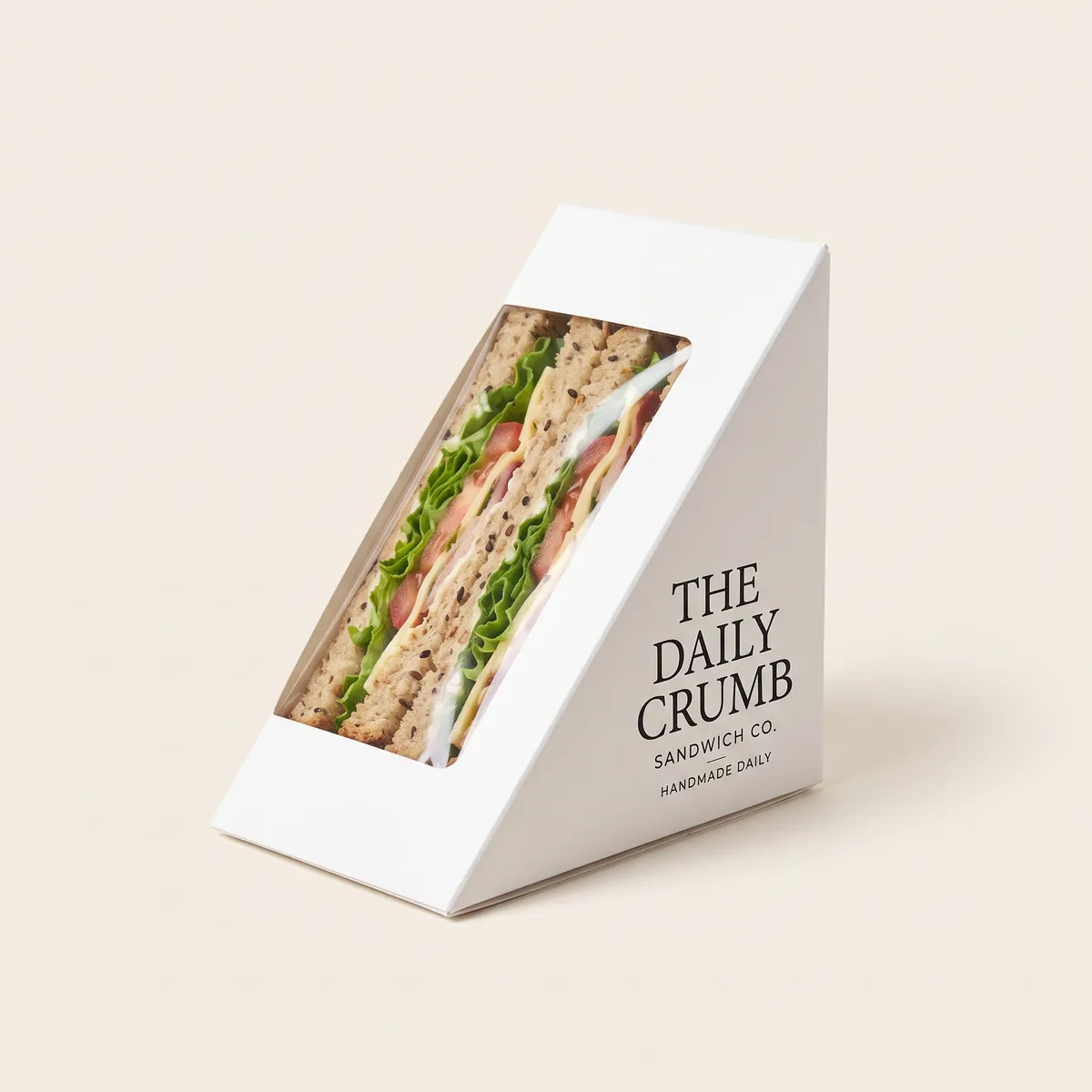
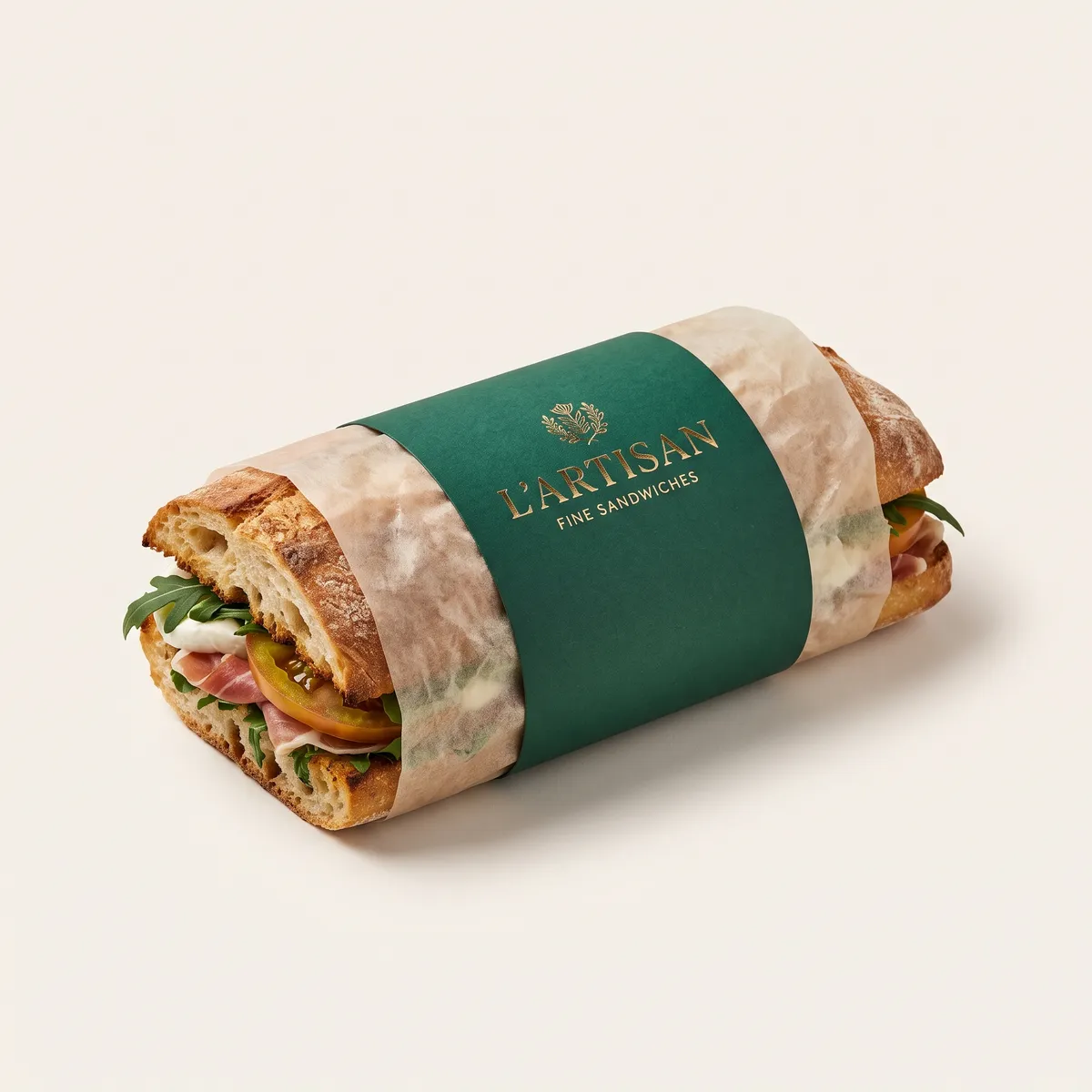
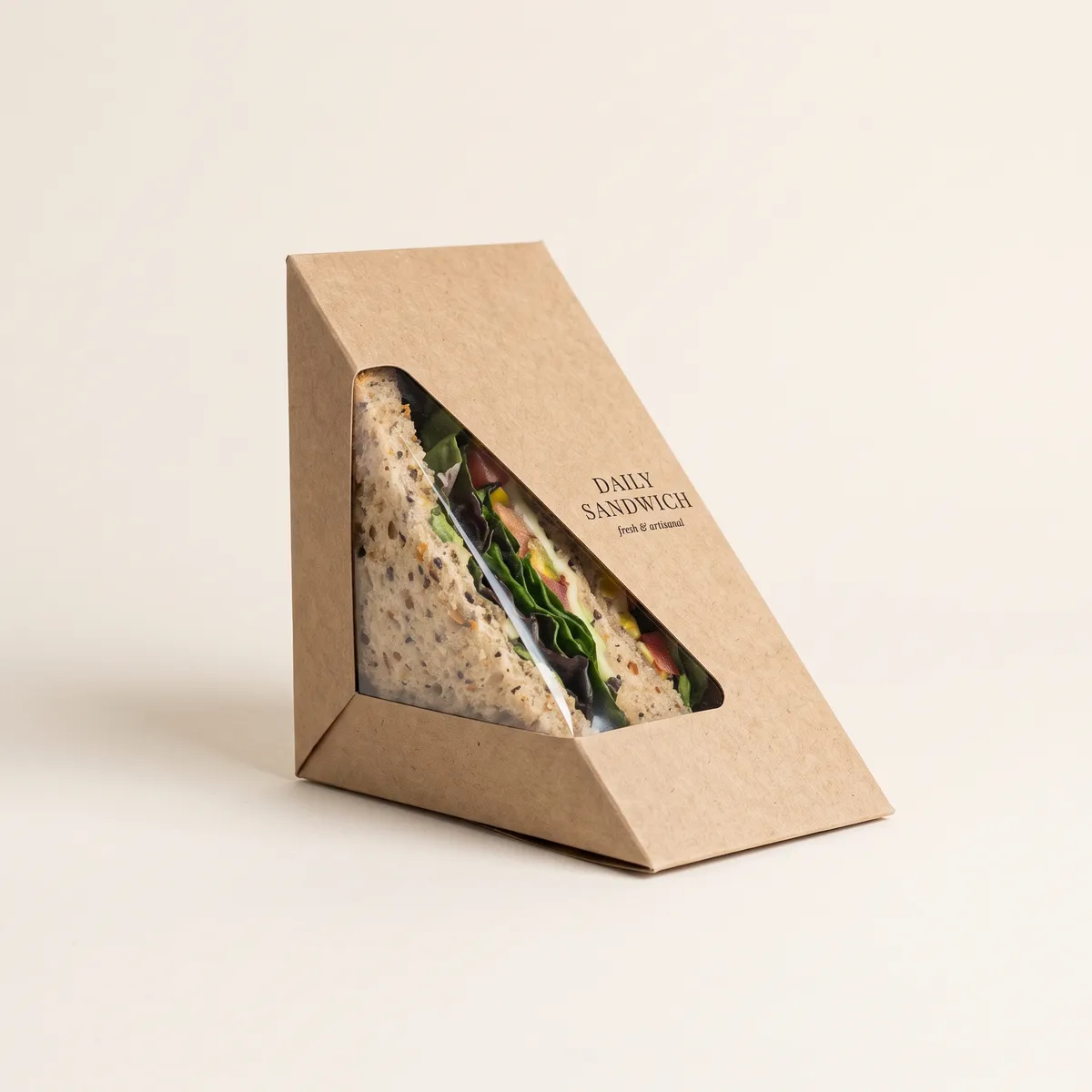
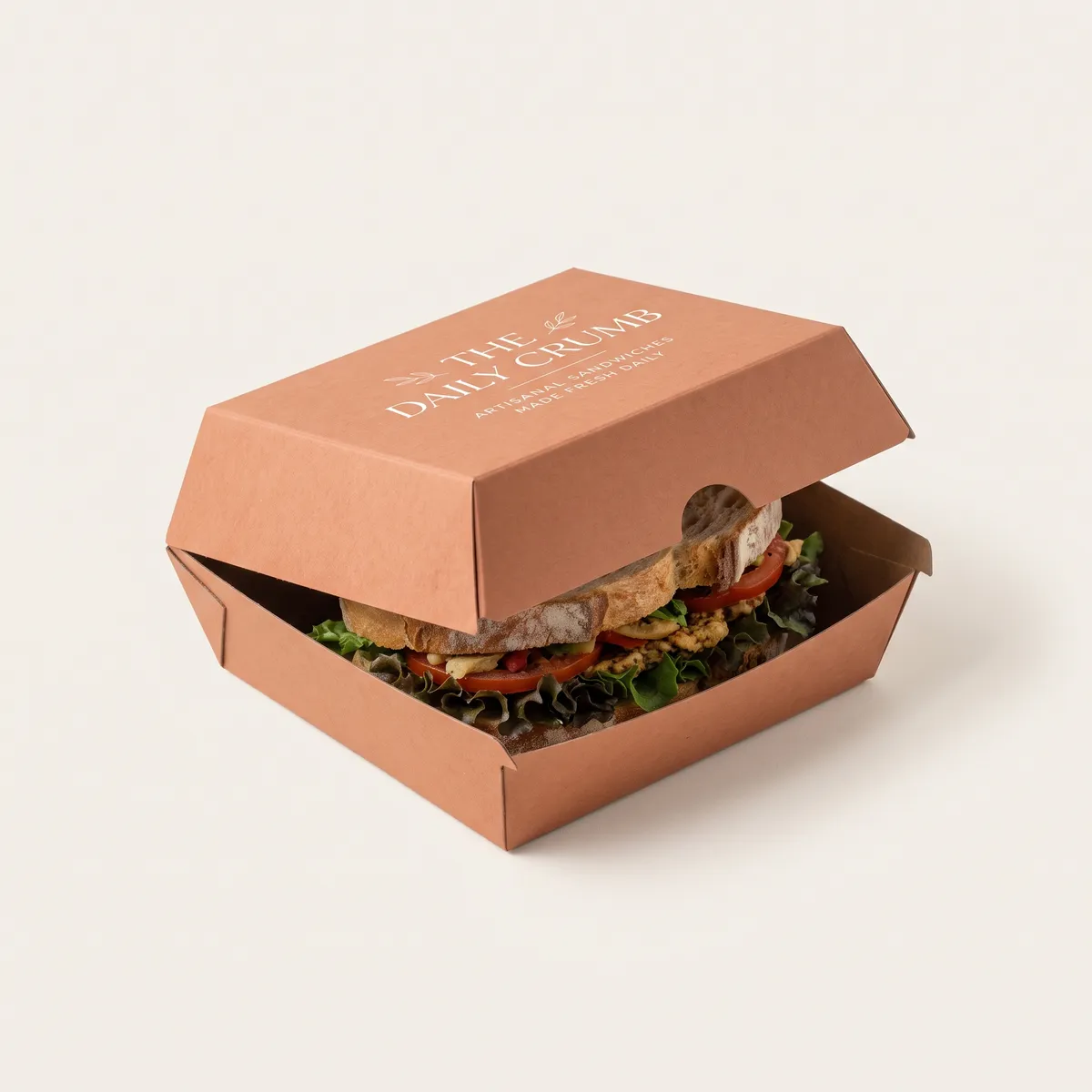
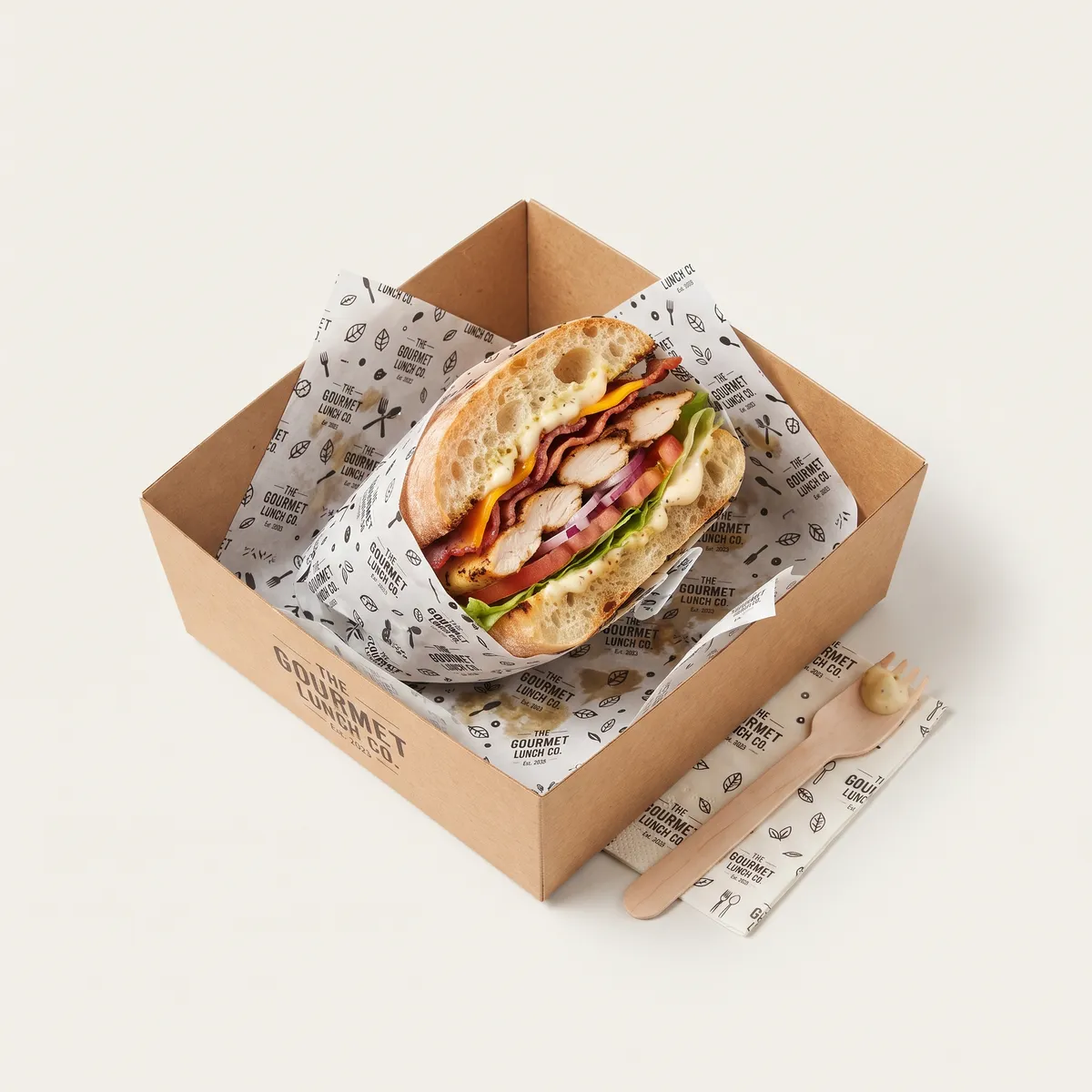
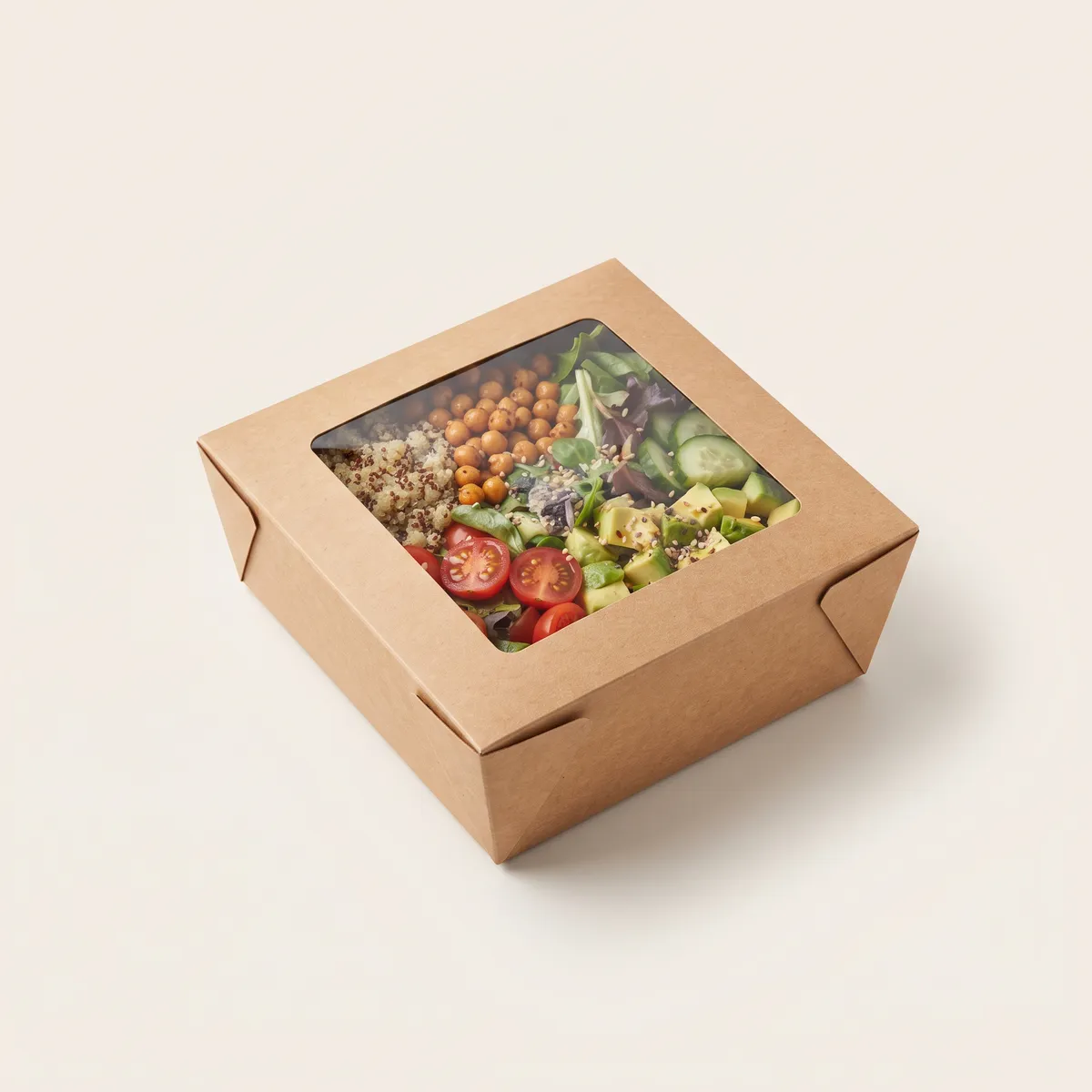
Sandwich boxes rarely work as one format: wedges, wraps and subs have different footprints, and a single compromise box leaves most items rattling loosely. Two or three formats usually serve a menu better, sharing setup costs on a single order. Hot sandwiches need venting more than a tight seal, while cold ones benefit from a closer seal and a window that sells the filling.
Ours are on Trustpilot, where we can't edit them or choose which ones you see.
Read them on Trustpilot →(opens in a new tab)Four stages, twelve days
Quote confirmed
A specialist checks your spec against the board and comes back with a firm price inside 4 business hours.
Proof approved
You get a flat dieline and a 3D render. Nothing goes to press until you approve it in writing.
On press
Print, die-cut, glue, and fold. You get a press-side photo the day your job runs.
QC and delivery
Every pallet is sampled against the digital proof or physical sample you approved, then shipped with tracking to your dock or 3PL.
If a box doesn't match the digital proof or physical sample you approved, we reprint the run at no charge.
Read the reprint terms →Know exactly what you're ordering.
Sandwich Box Specs for Wedge, Wrap and Sub Footprints
Each format gets its own footprint on shared board and finish.
| Spec | Sandwich box |
|---|---|
| Board | Kraft, 18–24pt |
| Food-contact face | Grease-resistant, food-safe |
| Formats | Wedge, wrap and sub |
| Window | Optional, for cold items |
| Tolerance | ±1/16" (1.5mm) |
Most sandwich boxes run on food-contact kraft stock, which looks at home in a deli and takes a grease-resistant face for oily fillings and toasted bread. Each format has its own dieline, built from a finished sandwich of that type. We confirm in writing whether the measurements are inside or outside the box, so a wedge stands without leaning and a sub fits end to end.
Why Folding Cartons Suit a Grab-and-Go Sandwich Shelf
On a grab-and-go shelf, sandwich boxes are commonly made as folding cartons, and that's the right call. A windowed sandwich carton stands upright in a chiller, shows the filling through the front, and leaves the back and sides free for the label, price and ingredients. It ships flat, so a kitchen can keep a week's stock in a small space and fold boxes during prep. Plastic clamshells show more of the sandwich but give up the printed panels and the paper look many delis want. For hot sandwiches eaten on site, a carton is more than the job needs; a sheet of wrapping paper and a bag will do it for a fraction of the cost.
Window, Label Panel and Print on a Sandwich Carton
On a chilled sandwich, the print shares space with information that changes daily: filling, price, use-by date and allergens. Leave a plain label panel on the back or side, sized to your labels, and print the brand around it rather than across it. A window on the front sells the filling and needs a clear margin of board around it so the carton stays rigid. One- to three-color flexo on kraft covers most delis; full color on coated board is worth it for a chain with photographic branding. Design help is unlimited and free, which helps when three formats need one consistent look and each has a differently shaped panel to work with.
Sandwich Boxes for Delis, Cafés and Workplace Catering
Delis use all three formats across a lunch menu and need them to look like a set. Cafés and coffee shops stock a chiller with wedges and wraps beside the drinks. Bakeries selling lunch use the boxes for sandwiches built on their own bread, where a window shows off the loaf. Office and station kiosks sell grab-and-go lines where the window does most of the selling. Caterers deliver boxed lunches to meetings, a sandwich, a side and a napkin in each, which calls for a larger carton. Convenience stores and supermarkets stocking lunch counters and prepared food use wedge cartons for their own-label sandwich ranges.
One connected process, start to finish.
Structural Design
Dieline drafted to your exact fit and freight tolerances.
Proof & Sample
Sign off on a digital proof, or request a physical sample.
Tooling
Dies and plates are cut for your job and archived on file.
Production
Print, die-cut, and assembly run under in-line quality checks.
Ship & Reorder
Freight goes out, and the cycle resets for your next run.
Steady process. Powerful results.
Like everything we build, our process is engineered to hold up — no shortcuts, no surprises. Five dependable stages that run the same way every single time, so reorders are just as fast as the first order.
- One dedicated teamFrom first sketch to final freight, the same people carry your order start to finish.
- Dies archived on fileReorders skip tooling and re-setup entirely — we already have your exact spec.
- Checked against your sign-offEvery run is inspected against the digital proof or physical sample you approved.
Set up your file once, correctly
Nine in ten delayed jobs are delayed by artwork, not production. Match these four rules and your proof lands the next morning.
- Bleed1/8 in (3 mm) past every cut line
- Safe ZoneKeep text 1/4 in clear of every crease
- ColourCMYK or named Pantone. No RGB.
- Resolution300 dpi at final size, fonts outlined
No print-ready file?
Send a logo and a rough idea. Our studio builds the production file free with any order over 500 units — you keep the source file either way.
Ask the StudioBackground art must run all the way to the outer bleed edge. Anything inside the white dashed line survives fold tolerance.
What brands say about this box
They live there rather than here, where we can't edit them, delete them, or pick which ones you get to see. That is exactly what makes them worth reading.
Read all reviews on Trustpilot(opens in a new tab)Answers before you have to ask.
Can one box format cover my whole sandwich range?
Usually not well. Wedges, wraps and subs have quite different footprints, and forcing one box across all three means most items sit loose. Two or three formats normally serve a range better than one compromise.
Can sandwich boxes have a window?
Yes, and it works well for retail and grab-and-go. Sandwiches hold their appearance better than hot food, so a window sells the filling. For hot sandwiches, venting matters more than visibility.
Should sandwich boxes be vented or sealed?
Vented for anything hot, sealed for cold. Hot sandwiches trap steam that turns bread soggy, so venting matters more than a tight seal. Cold sandwiches benefit from a closer seal to keep them fresh.
How long do sandwich boxes take?
About 8–12 business days once you approve the proof, whichever formats you're running. Rush is available at an added cost stated upfront, with shipping included.
Can I order several sandwich formats at once?
Yes, and it's usually the right call since one format rarely fits a whole range. Sharing setup across wedge, wrap and sub boxes costs less than three separate orders.