
Box Liners for Food
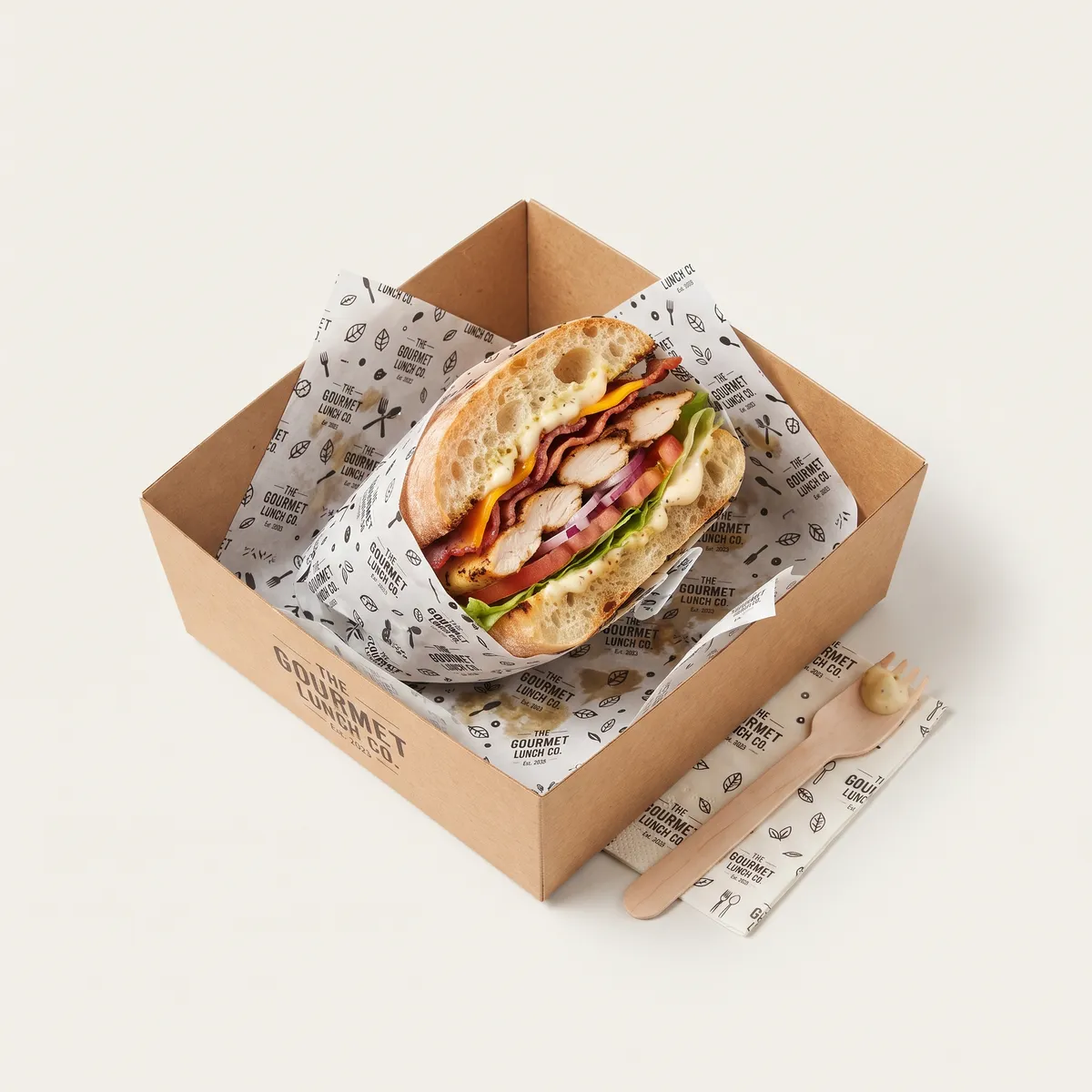
Box liners for food add a second barrier where a grease-resistant coating alone isn't enough, particularly with oily or saucy food resting against the board for hours. Each sheet is cut to your box dimensions, so it lies flat across the base and up the walls, leaving no gaps where grease reaches the printed surface. Orders start at 100 sheets, individually cut to size.
Ours are on Trustpilot, where we can't edit them or choose which ones you see.
Read them on Trustpilot →(opens in a new tab)Four stages, twelve days
Quote confirmed
A specialist checks your spec against the board and comes back with a firm price inside 4 business hours.
Proof approved
You get a flat dieline and a 3D render. Nothing goes to press until you approve it in writing.
On press
Print, die-cut, glue, and fold. You get a press-side photo the day your job runs.
QC and delivery
Every pallet is sampled against the digital proof or physical sample you approved, then shipped with tracking to your dock or 3PL.
If a box doesn't match the digital proof or physical sample you approved, we reprint the run at no charge.
Read the reprint terms →Know exactly what you're ordering.
Coating Alone or Coating Plus Liner?
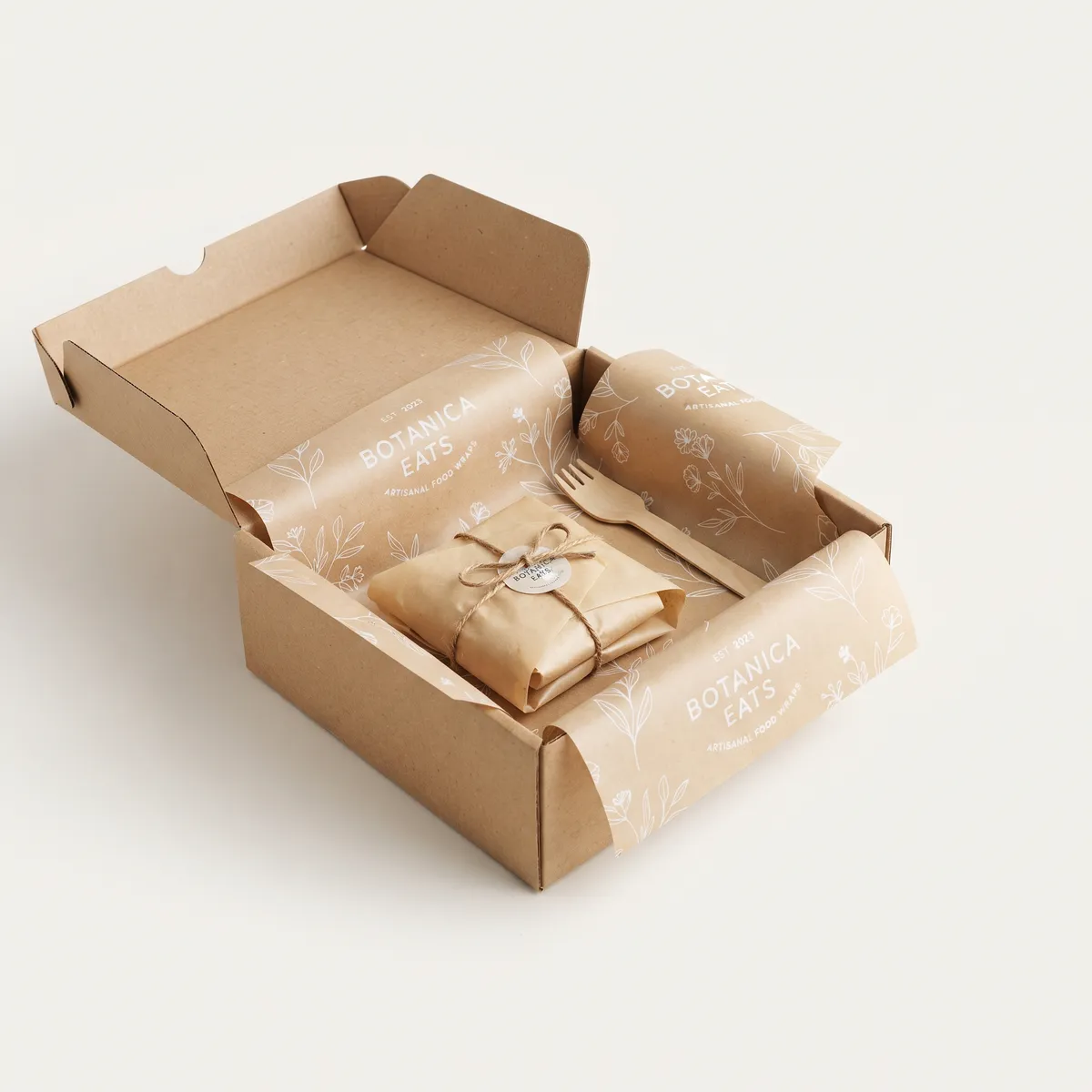
A box liner for food is a single flat sheet that goes into the carton before the food does. It isn't part of the box structure, so there's nothing to glue or fold. Staff lay it in, add the order and close the lid.
That simplicity is the reason kitchens buy them. A business with a box it already likes, printed and stocked in the right sizes, doesn't have to respecify that box because two or three items on the menu are oilier than the rest. The liner goes into those orders and stays out of the others. Most buyers are delis, bakeries, fried-food counters and caterers whose boxes look fine when packed but show dark patches on the lid by the time the customer opens them.
Liner Sheet Specs, Cut to Your Box
Liners come in kraft-based sheet stock or a non-kraft grease-resistant sheet. Both handle oil, so the choice comes down to the look you want inside the box.
| Spec | Detail |
|---|---|
| Sheet base | Kraft-based or non-kraft, grease-resistant |
| Size | Cut to your box's internal base and wall height |
| Food-contact face | Food-safe; printed sheets use food-safe inks |
| Fit | Lies flat on the base and rises up each wall |
| Box styles | Cartons, trays, clamshells and gable boxes |
Send the box itself or its internal measurements. We confirm in writing whether the figures are internal or external before cutting, because a sheet sized from the outside of the box buckles in the base.
When a Liner Pays for Itself
Not every order needs one, and lining food that doesn't need it is money spent on scrap paper. Dry bakes, wrapped sandwiches and anything eaten within a few minutes are handled by the box's own coating.
A liner earns its place in three situations: food that keeps shedding oil, food that waits a long time before it's eaten, and boxes where the printed outside matters more than usual, such as a gift box of pastries or a catering order going to a client's office. It also suits open trays and platters, where food spreads across a wide base with no lid to hide marks, so the sheet works as presentation as much as protection. If only part of your menu meets those tests, line only that part.
Plain, Printed or Branded Liner Sheets
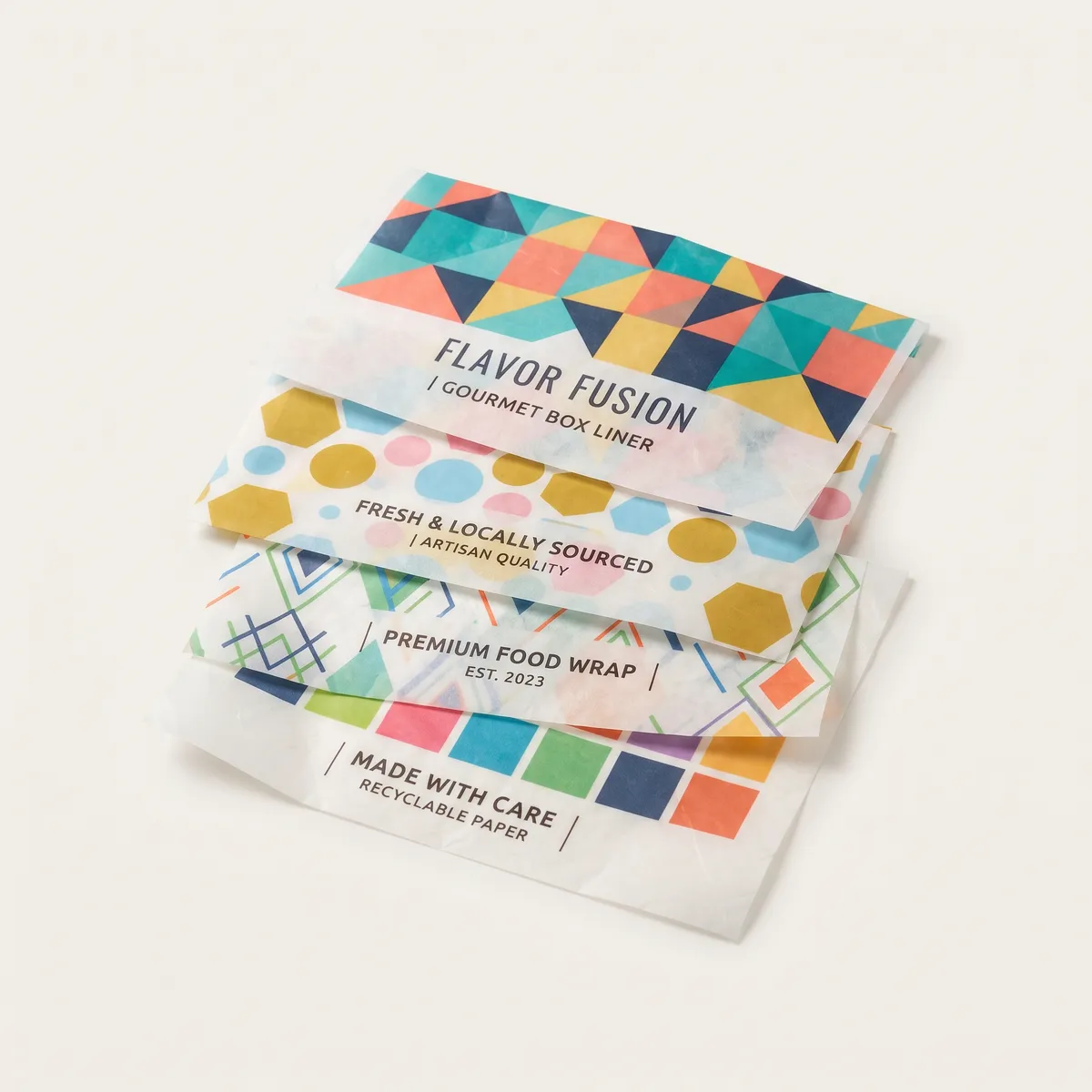
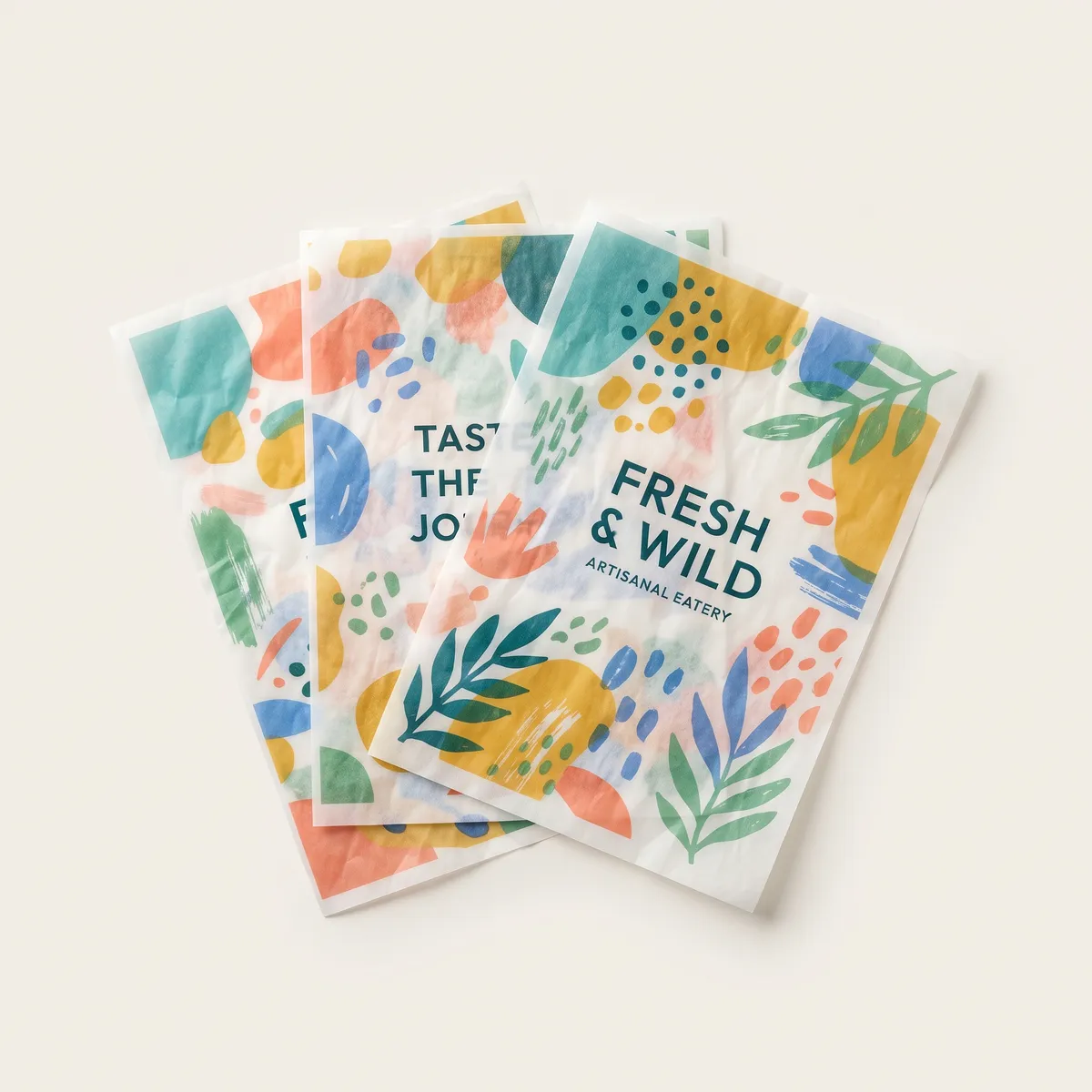
Most liners run plain. The box carries the branding, and the sheet spends its life underneath food.
Printing a sheet makes sense when people actually see it: a tray where fries or fried chicken sit on top of a pattern, a basket served at a counter, a box opened at the table. A repeating logo or a simple pattern suits this better than detailed artwork, which ends up hidden by the food. Our design help is free and unlimited, so we can set up a repeat that tiles cleanly across your cut size and show it on a proof before anything runs. Keep coverage light, with one or two colors, and remember the printed side is the side touching the food, so food-safe inks are used throughout.
Who Lines Their Boxes: Bakeries, Delis and Fried-Food Counters
Fried food is the most common reason to line a box. Chicken, fries, fritters and battered fish keep releasing oil for as long as they sit, and a delivery order can sit for a while before anyone eats it.
Delis line boxes under dressed sandwiches, cured meats and marinated salads. Butter-heavy items from pastry and bread counters are another good fit: croissants and danishes leave grease marks on light board, and a liner keeps a white box white until it reaches the customer. Caterers line platter boxes that travel to an office and stay on a meeting table through lunch. Some gift brands use a printed sheet in boxes of cookies or chocolates purely as a presentation touch, where it also separates one layer from the next.
Adding Liners to an Existing Box Order
You don't need new boxes to start using liners. Send the dimensions of the box you already use, or a sample box, tell us which items the sheets are for, and we'll quote liners cut to fit it.
The minimum is 100 sheets. Production takes 8–12 business days from proof approval, and rush is available at extra cost, quoted before you commit. Shipping is part of the price rather than a line added at checkout. Every run passes a three-stage check before it leaves, and if the bulk sheets don't match the proof you approved, we reprint them at our cost. If you're ordering new boxes at the same time, put the liners on the same order so the box sizes and sheet sizes are set together.
One connected process, start to finish.
Structural Design
Dieline drafted to your exact fit and freight tolerances.
Proof & Sample
Sign off on a digital proof, or request a physical sample.
Tooling
Dies and plates are cut for your job and archived on file.
Production
Print, die-cut, and assembly run under in-line quality checks.
Ship & Reorder
Freight goes out, and the cycle resets for your next run.
Steady process. Powerful results.
Like everything we build, our process is engineered to hold up — no shortcuts, no surprises. Five dependable stages that run the same way every single time, so reorders are just as fast as the first order.
- One dedicated teamFrom first sketch to final freight, the same people carry your order start to finish.
- Dies archived on fileReorders skip tooling and re-setup entirely — we already have your exact spec.
- Checked against your sign-offEvery run is inspected against the digital proof or physical sample you approved.
Set up your file once, correctly
Nine in ten delayed jobs are delayed by artwork, not production. Match these four rules and your proof lands the next morning.
- Bleed1/8 in (3 mm) past every cut line
- Safe ZoneKeep text 1/4 in clear of every crease
- ColourCMYK or named Pantone. No RGB.
- Resolution300 dpi at final size, fonts outlined
No print-ready file?
Send a logo and a rough idea. Our studio builds the production file free with any order over 500 units — you keep the source file either way.
Ask the StudioBackground art must run all the way to the outer bleed edge. Anything inside the white dashed line survives fold tolerance.
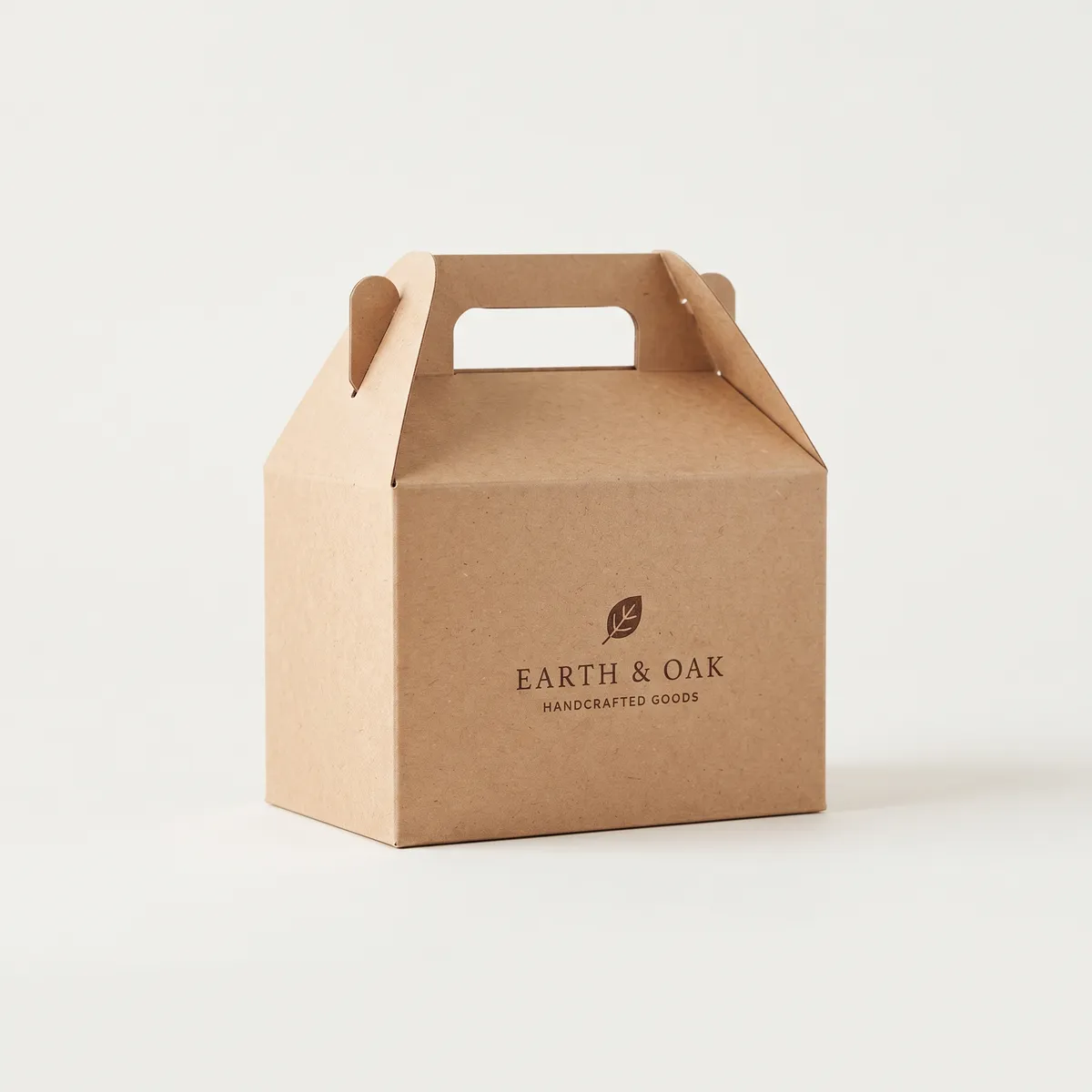
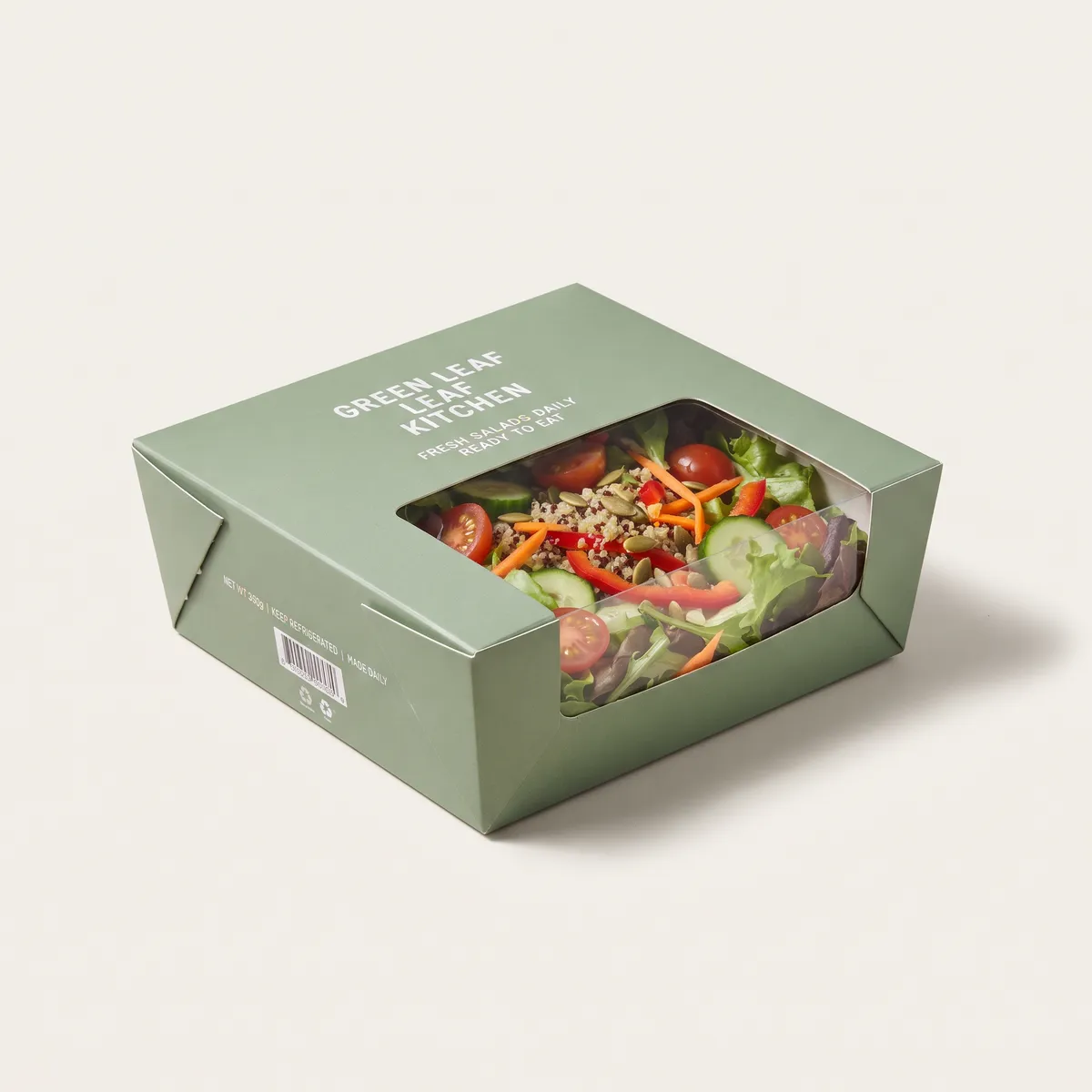
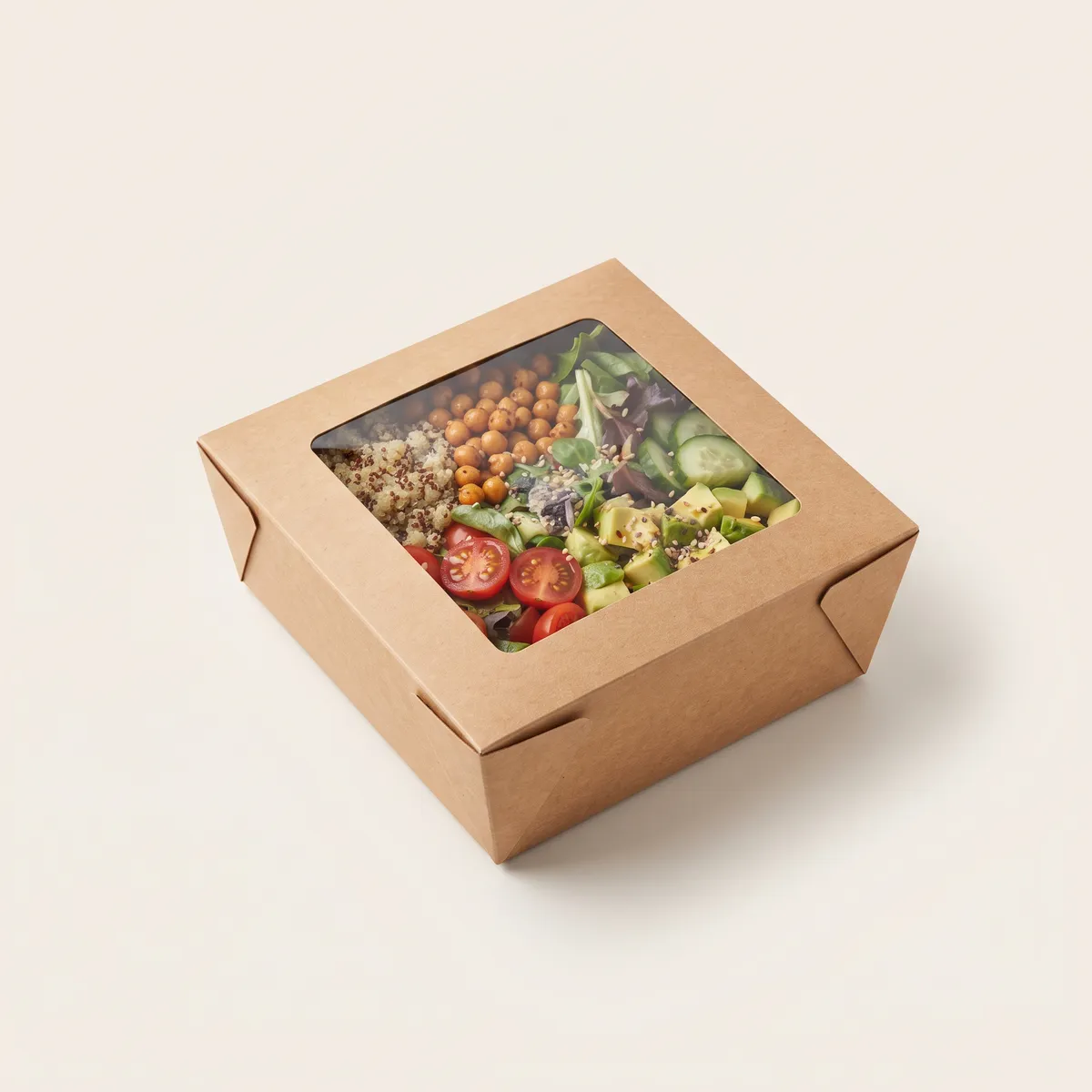
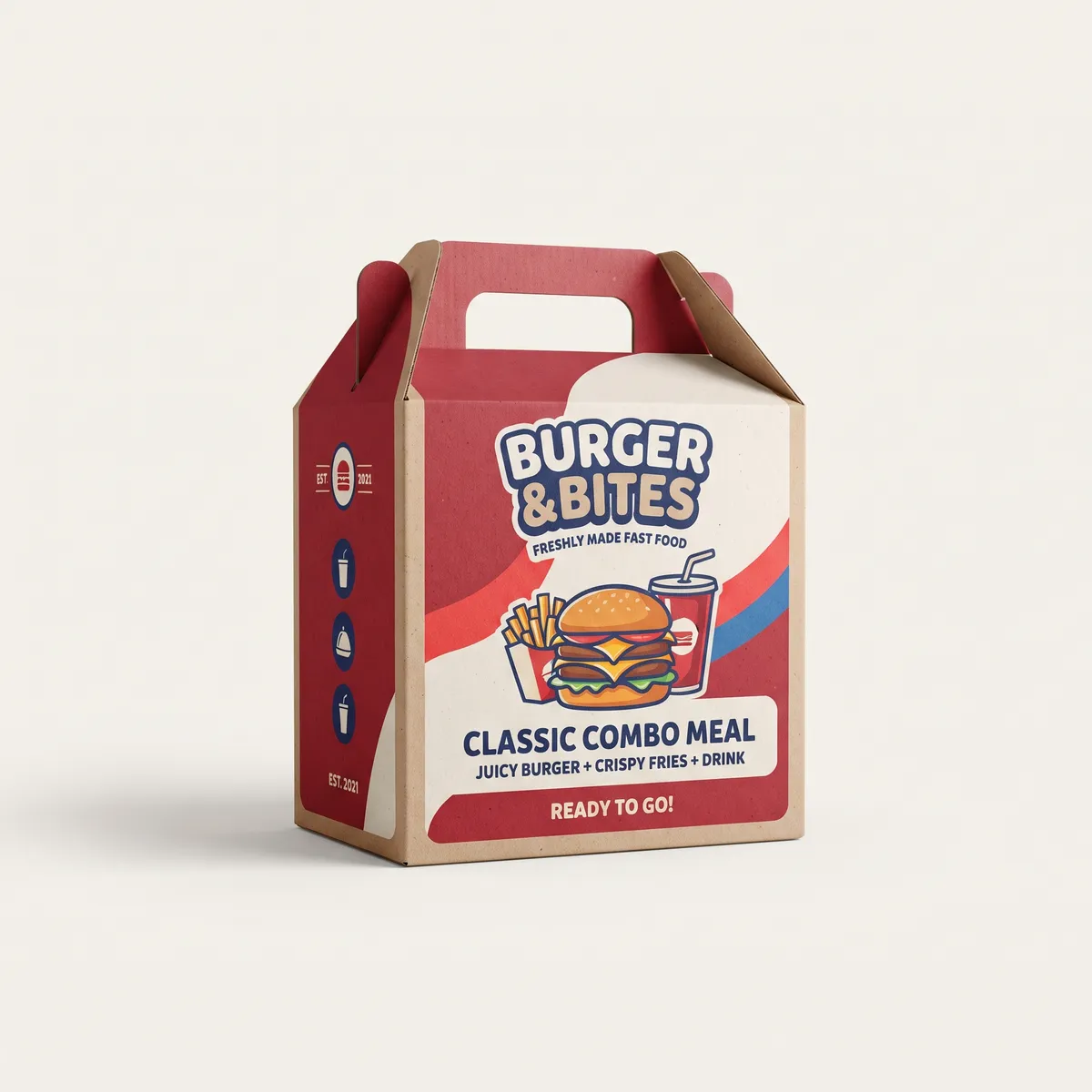

What brands say about this box
They live there rather than here, where we can't edit them, delete them, or pick which ones you get to see. That is exactly what makes them worth reading.
Read all reviews on Trustpilot(opens in a new tab)Answers before you have to ask.
Do I need liners if my box is already grease-resistant?
Not always, but liners help where the product sits directly on the board for a long time or is especially oily. A grease-resistant coating handles most items. Liners add a second barrier that keeps the printed surface clean even under heavy or wet food.
What sizes do liners come in?
We cut them to your box, rather than stocking standard sizes. A liner that doesn't match leaves gaps where grease reaches the board. Send us the box dimensions and we'll cut sheets that sit flat across the base and up the walls.
Do liners affect recyclability?
It depends on the liner. Some grease-resistant liners are recyclable alongside the board, others need separating. If recyclability is part of your positioning, tell us and we'll specify a liner that doesn't compromise the claim.
How long do box liners take to produce?
Most orders are ready in about 8–12 business days once you approve the proof. Liners are simpler than boxes, so they often run at the faster end. Rush is available at an extra cost, quoted upfront.
What's the minimum order for box liners?
100 sheets, cut to your box dimensions. That's low enough to trial a liner alongside an existing box before committing to volume. Design help is unlimited and free if you need artwork on them.