
Custom Food Boxes, Looks like it tastes.
Great food deserves packaging that doesn't let it down on the way out the door. A box that goes soggy tells the customer the meal will too, before they've taken a bite. Custom food boxes come in food-grade kraft and corrugated stock that keeps everything fresh and holding shape. Order the sizes your menu runs, and we'll turn your artwork around fast so you're never waiting on stock.
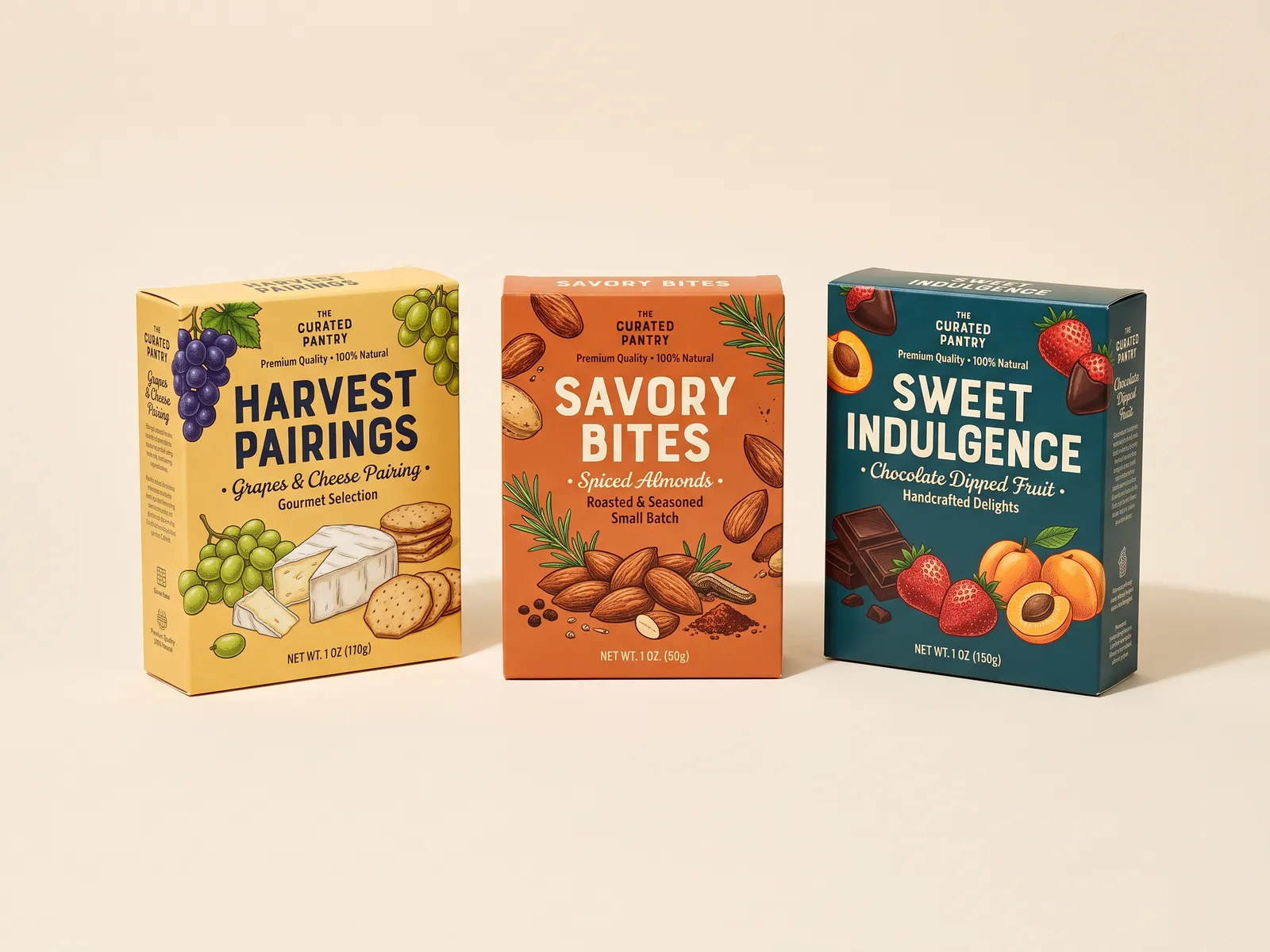
Materials & Options for Food Boxes
E-Flute Corrugated
Thin profile, strong crush resistance — the standard for most mailer boxes.
B-Flute Corrugated
A thicker flute for heavier contents or extra stacking strength.
Kraft Paper
Unbleached, natural-brown stock with an earthy, eco-forward texture.
SBS Board
Solid bleached sulfate board for a smooth, print-ready white surface.
Offset Printing
Exact color matching for large runs — the standard for big projects.
Digital Printing
Fast turnaround on shorter runs, with no minimum plate setup cost.
Flexographic Printing
Distortion-free output built for large-run corrugated jobs.
UV Printing
Instantly cured ink that resists scratches and solvents.
Matte Lamination
Soft, non-reflective finish that reads premium under any light.
Gloss Lamination
High-shine coating that makes bold colors and photography pop.
Soft-Touch Coating
A velvety exterior resistant to moisture and fingerprints.
Spot UV & Foil
Raised gloss detail or metallic foil for logos and accents.
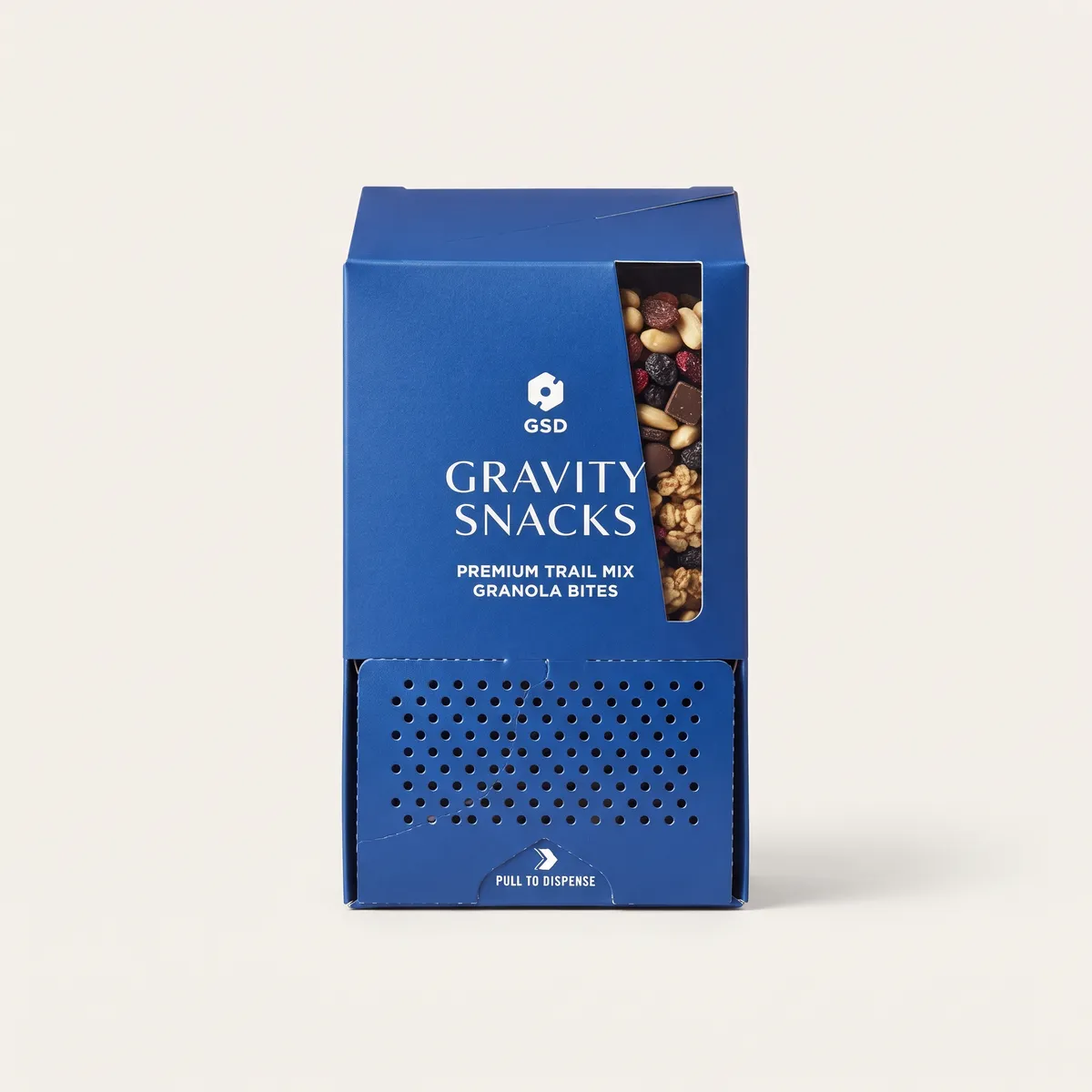
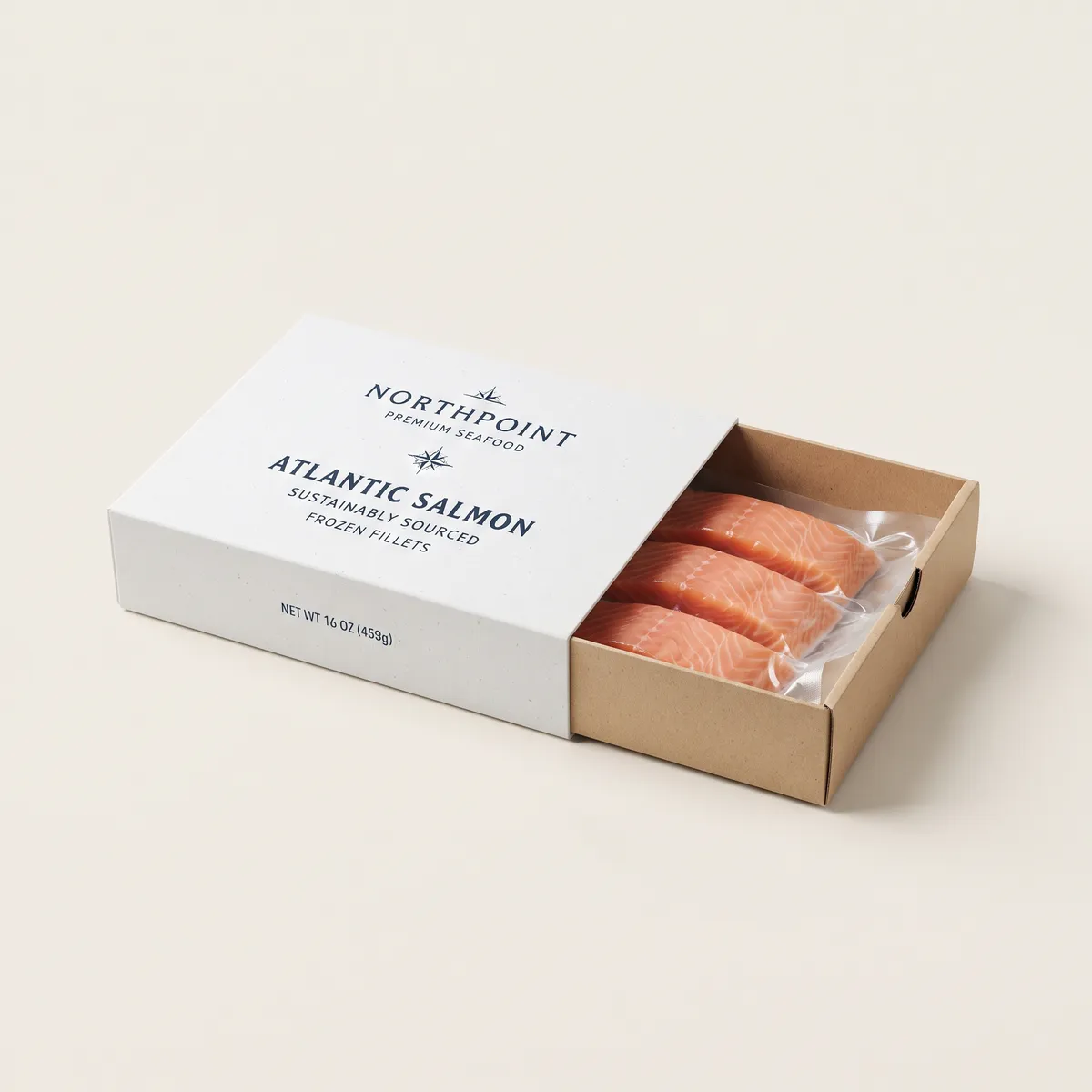
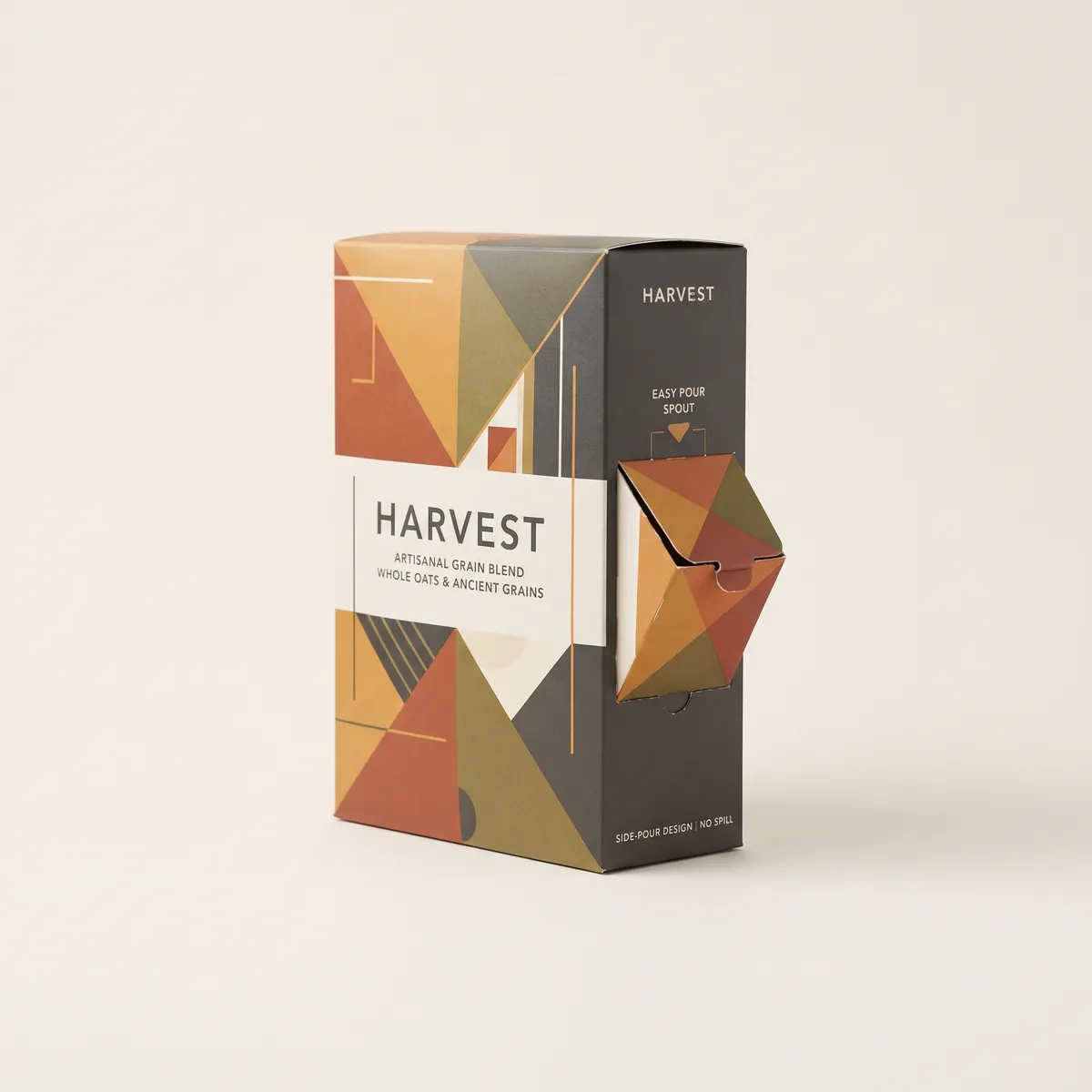
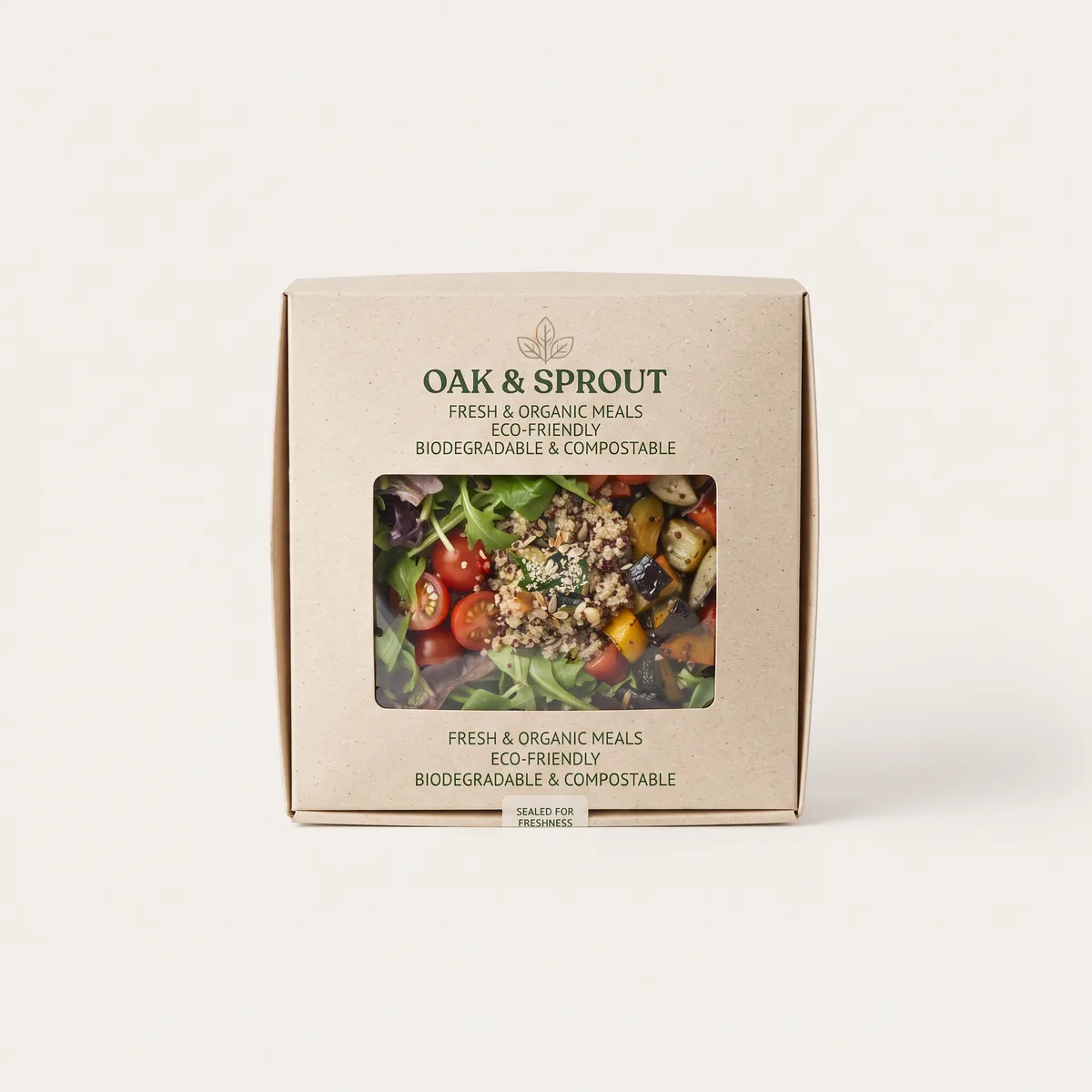
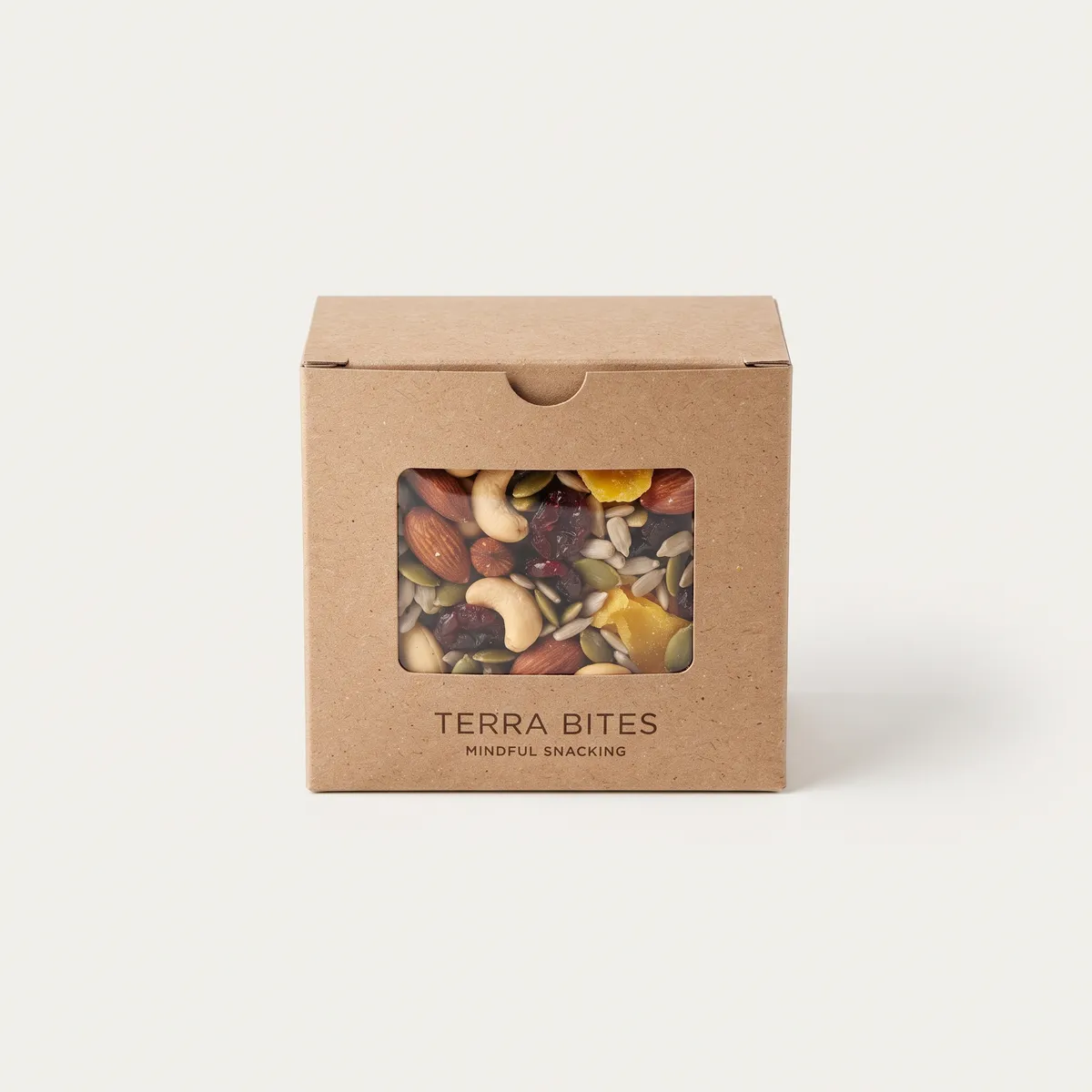
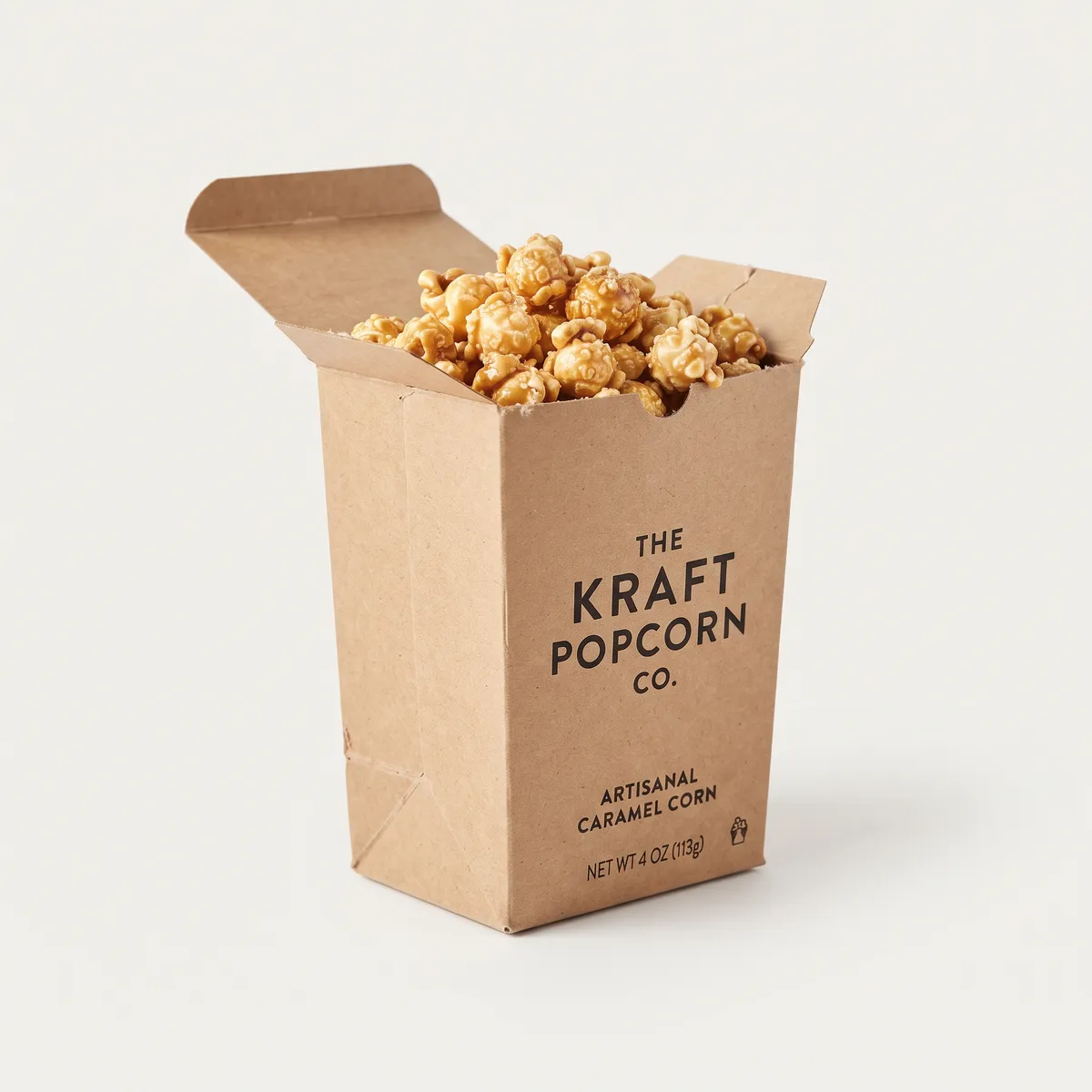
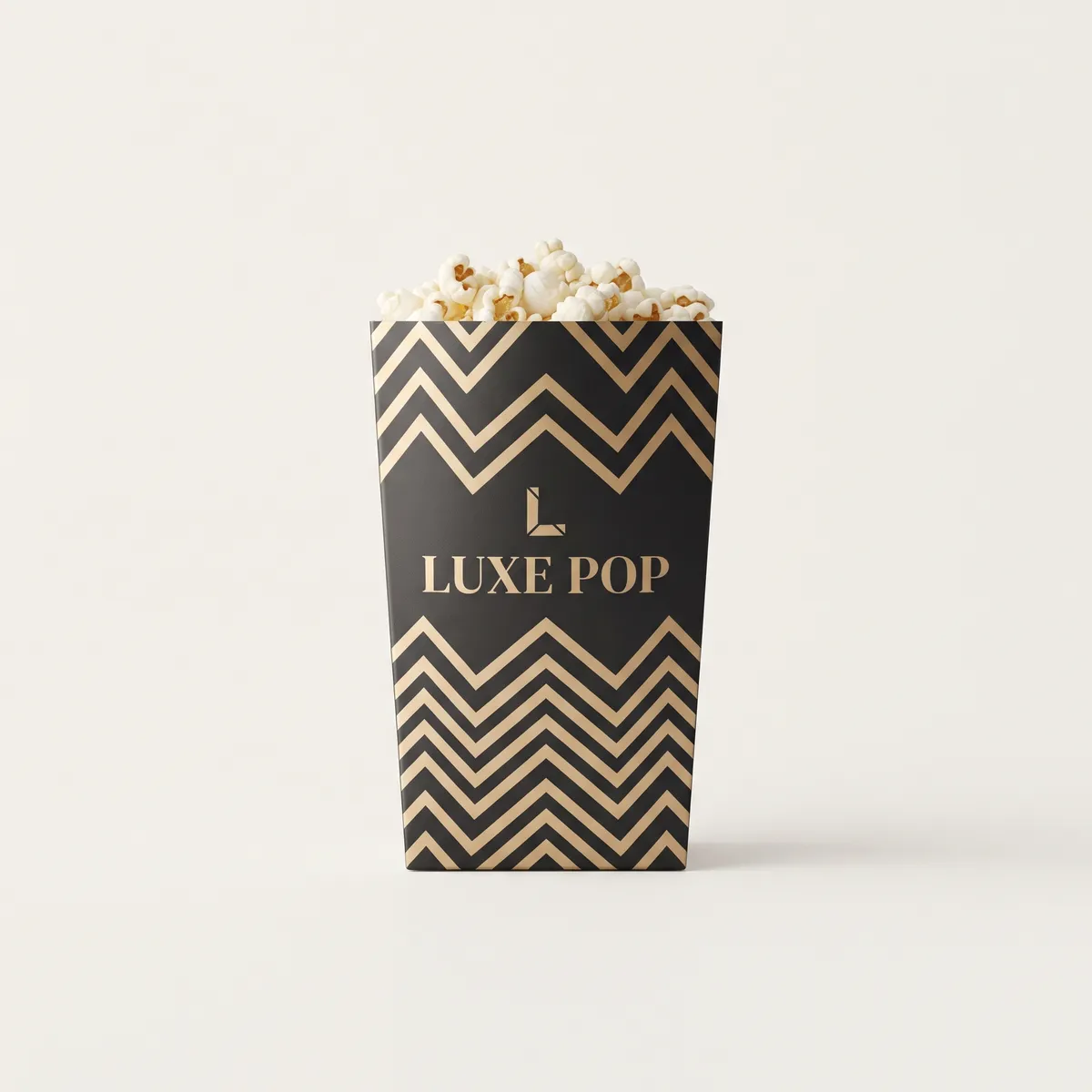
Discover Our Most-Requested Food Box Styles
Every style below runs through the same structural engineering and quality process — pick a starting point and we'll adjust the details to your product.

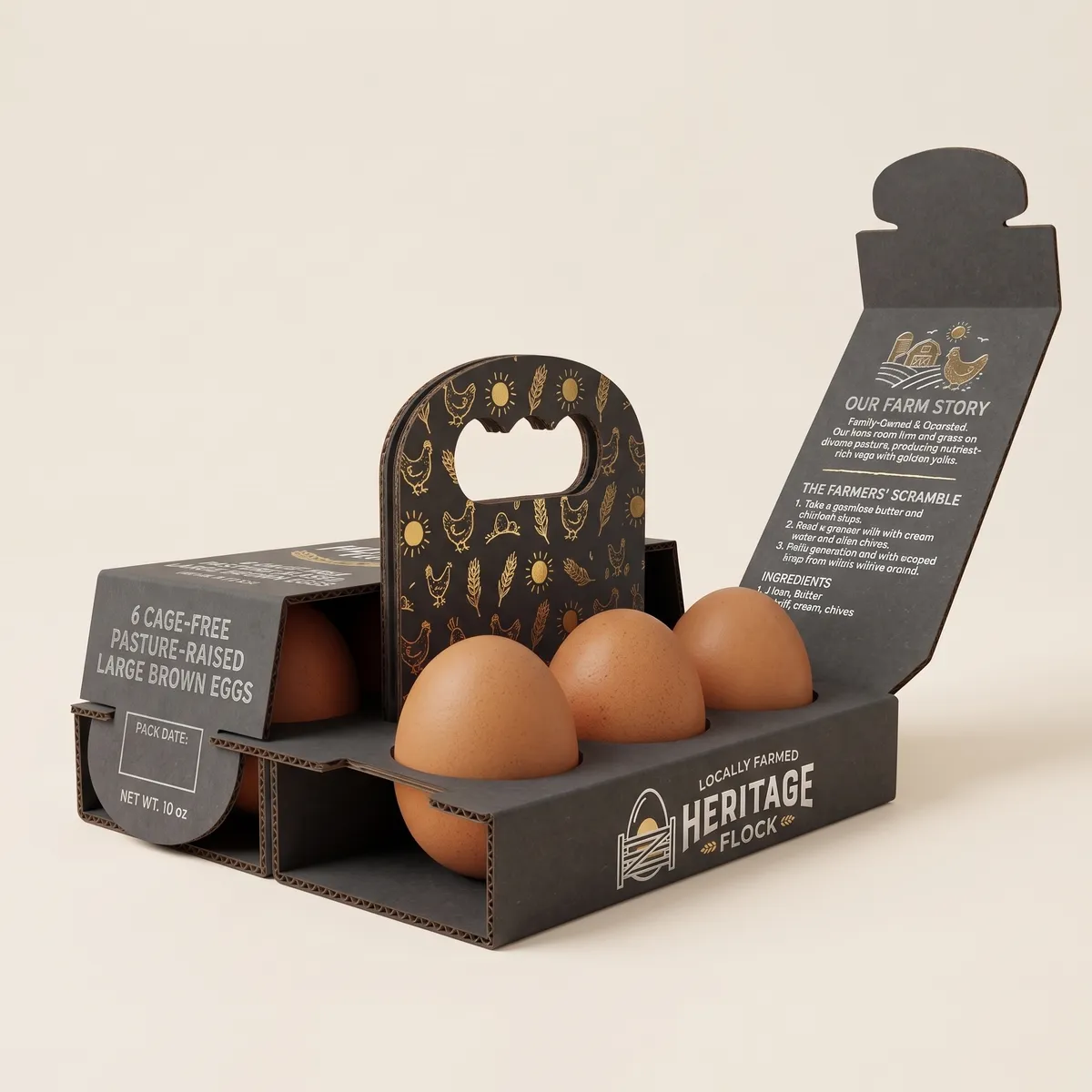
The Quiet Way Food Packaging Fails
Good food can be undone by a bad box. A carton that goes soft at the seam, leaks, or looks like an afterthought tells the customer the meal will be a letdown before they've even opened it. A food box has to do two things at once, and both are non-negotiable: keep what's inside fresh and safe for direct contact, and look like it came from a place that takes pride in the product. The buyers are restaurants, delis, cafés, meal-kit brands, and food producers moving product off a shelf or out for delivery, often in high volume with thin margins where waste and returns hurt fast. The failure it prevents is the quiet one — not the customer who complains, but the one who says nothing and simply never orders again. Grease bleed, moisture buildup, and a box that can't be printed cleanly all chip away at that. The box has to protect the food and carry the brand in the same breath. For food headed out the door hot, the same battle plays out in fast food and takeout packaging.
Food-Grade Board and Coating Specs
Food boxes start with a food-grade requirement, so the board is either kraft or a clay-coated stock certified for direct contact, printed with food-safe inks. For dry and ambient items, folding-carton weights around 16–24pt handle most of the work; for anything greasy, wet, or hot, a grease-resistant coating or PE lining goes on the food-contact face. Heavier or bulk food packaging steps up to corrugated — usually E- or B-flute — for rigidity and a little insulation. Size ranges are broad because "food" spans a single pastry sleeve to a bulk shipper, so these get cut to the specific item rather than forced into stock sizes. Construction leans on tuck-and-fold or auto-bottom bases that assemble fast in a busy kitchen without glue or tools. Hold a dimension tolerance around ±1/16" (1.5mm); food handlers care more about a base that locks square and a lid that seals than about hair-fine precision.
Why Food Boxes Protect Reorder Rate
Food packaging pays off in repeat orders and waste avoided. A box that keeps product fresh and holds its shape means fewer items binned before sale and fewer "it arrived wrong" refunds — both straight cost savings on thin food margins. The bigger number is quieter: the customer who gets a clean, intact order comes back, and in food the whole model runs on repeat purchase, not one-off sales. A base that locks square and assembles fast, like an auto-bottom build, also saves labor in a busy kitchen — seconds per box across a full service add up to real staff time. Grease bleed and soggy seams don't usually generate a complaint; they generate a customer who just doesn't reorder, which is the most expensive kind of loss because you never find out why. Spend a little more on a box that performs and you protect the reorder rate, cut waste, and speed up the line — three levers that all point at the same margin.
Food-Safe Inks and Print Economics
Food packaging has a constraint most finish guides skip entirely: your ink and coating have to be food-safe or low-migration where they're near the product, which quietly rules out some of the decorative options available elsewhere. That's the first question to settle, before anyone picks a look. Beyond that, the economics are simple — food brands run high volume with thin margins, so flexo or offset on a cardboard carton at scale beats digital comfortably once you're past a few thousand units per SKU. Where digital earns its place is seasonal menus and limited runs, where changeover is minutes instead of plate costs. Skip heavy lamination on anything greasy or hot: a film that traps moisture makes the box sweat, and grease resistance is better handled by a proper coating on the food-contact face than by decorating the outside. If you also hand food over the counter, a printed paper bag carries the branding further per penny than upgrading the box finish. Clean print, food-safe ink, no unnecessary layers.
Food Box Styles by Service Type
Food spans more formats than almost any category, because the product ranges from a dry snack to a hot meal. Weight, temperature and assembly speed decide which.
- Folding tuck cartons — packaged and shelf goods: cereal-style cartons, snack boxes, dry goods.
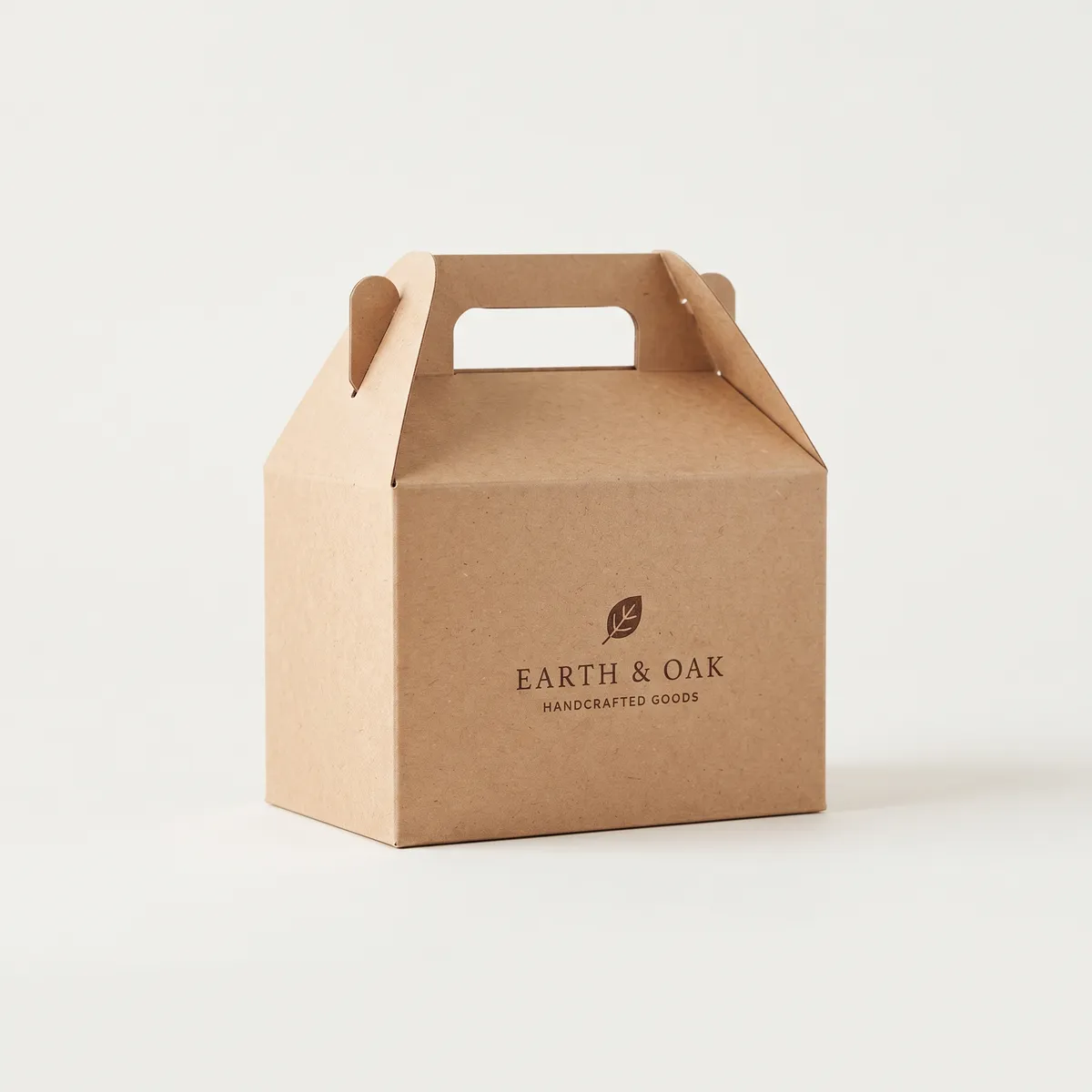
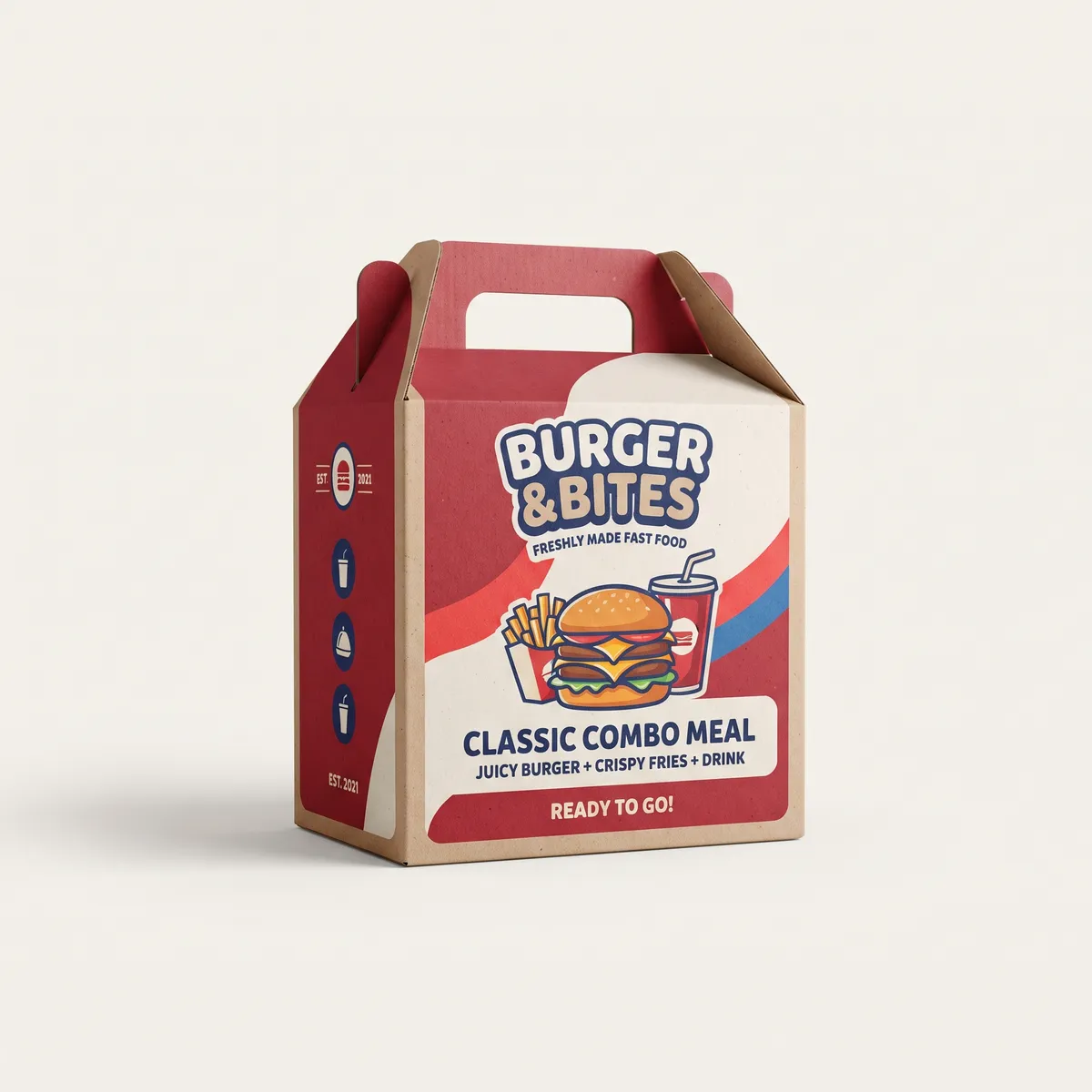
- Gable boxes — built-in handle, so they suit meal boxes, picnic packs and grab-and-go service. Close without glue or tape.
- Auto-bottom builds — for heavier items where a tuck base would give way.
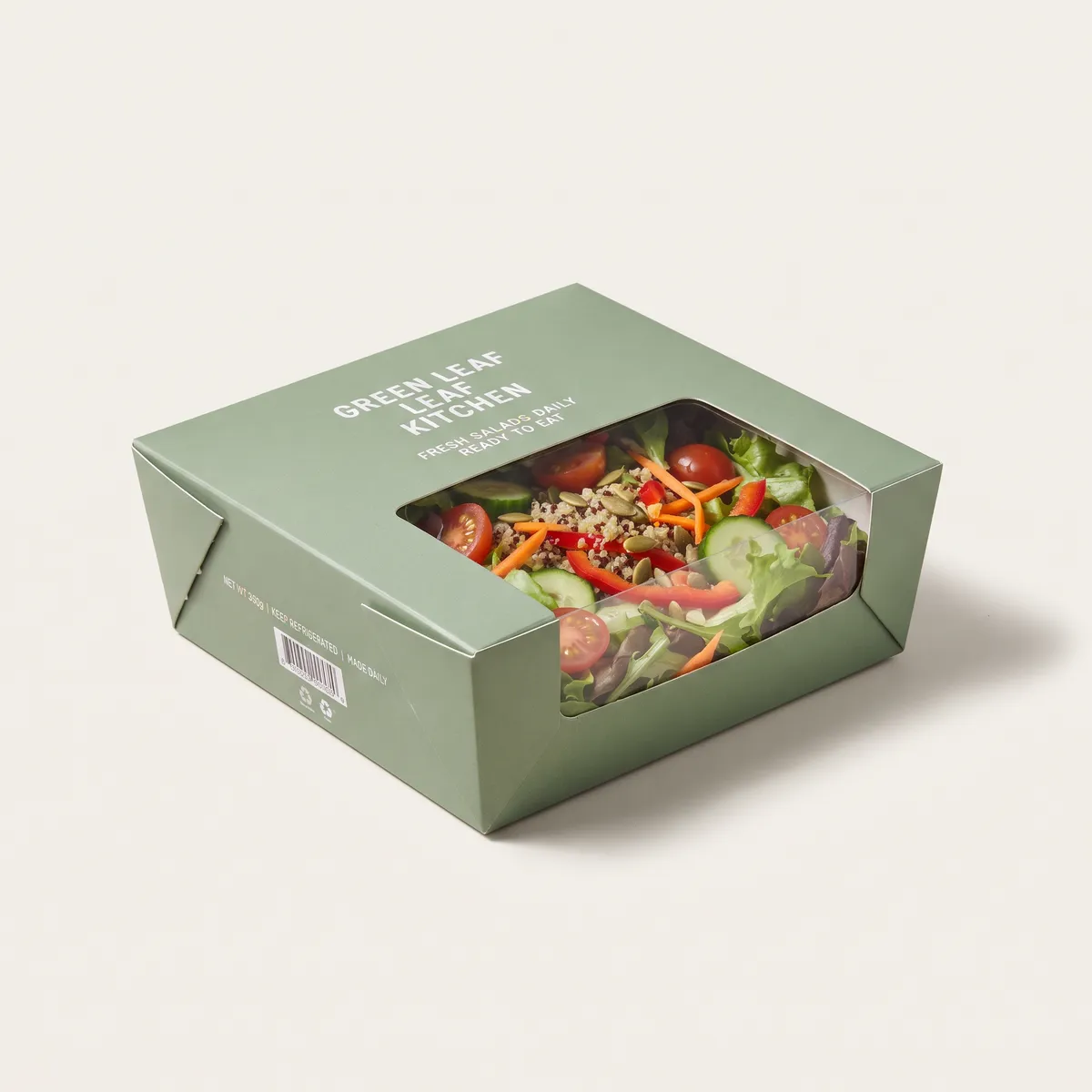
- Trays with lids — prepared meals and deli counters.
- Corrugated shippers — bulk and wholesale, sized to case counts.
The deciding factor is usually how fast staff need to assemble it during service. A box that takes two hands and five seconds is the wrong box for a lunch rush, however well it prints.
Specifying Food Boxes by Heat and Weight
Start with temperature and weight, because those two answers eliminate most options. Hot, greasy, or wet food needs a grease-resistant coating on the contact face and usually corrugated or a heavier folding stock — a light carton will go soft and fail you. Dry and ambient goods run happily on 16–24pt folding board, which is cheaper and prints better. Size up the base construction, not the caliper, when the product has weight: an auto-bottom holds what a tuck base will drop. A lighter board is genuinely enough for snacks, dry goods, and anything shelf-stable. If you also run a counter or a bakery line, look at bakery boxes for the same food-safe board in different formats, and trays for prepared meals and deli service.
On working with us: pricing includes the die, the plate, and the setup, so what you're quoted is what you pay — we guarantee no hidden costs. Send us your product dimensions and we'll build the dieline, confirming internal versus external measurements in writing so your product actually fits. Every order goes through three separate checks before dispatch. If a run misses your approved proof, we reprint at our cost. Minimum is 100 boxes, turnaround 8–12 business days with a rush lane if you need it, and shipping is in the price.
Unrivaled Support From Packaging Experts
From first sketch to full production, the same team carries your order through every stage.
Structural Engineering
We determine the right size, shape, and material for a snug fit and real protection.
Free Artwork Guidance
Our design team helps translate your brand into a box, at no added charge.
2D & 3D Mockups
See your box come to life before a single sheet of board is cut.
Quality Assurance
Every run is checked in-line against the digital proof or physical sample you approved, not just at the end.
Fast Turnaround
8–12 business days standard, with rush options when timing is tight.
Tracked Shipping
Palletized freight or drop-ship, tracked from our dock to yours.
Explore Other Box Styles
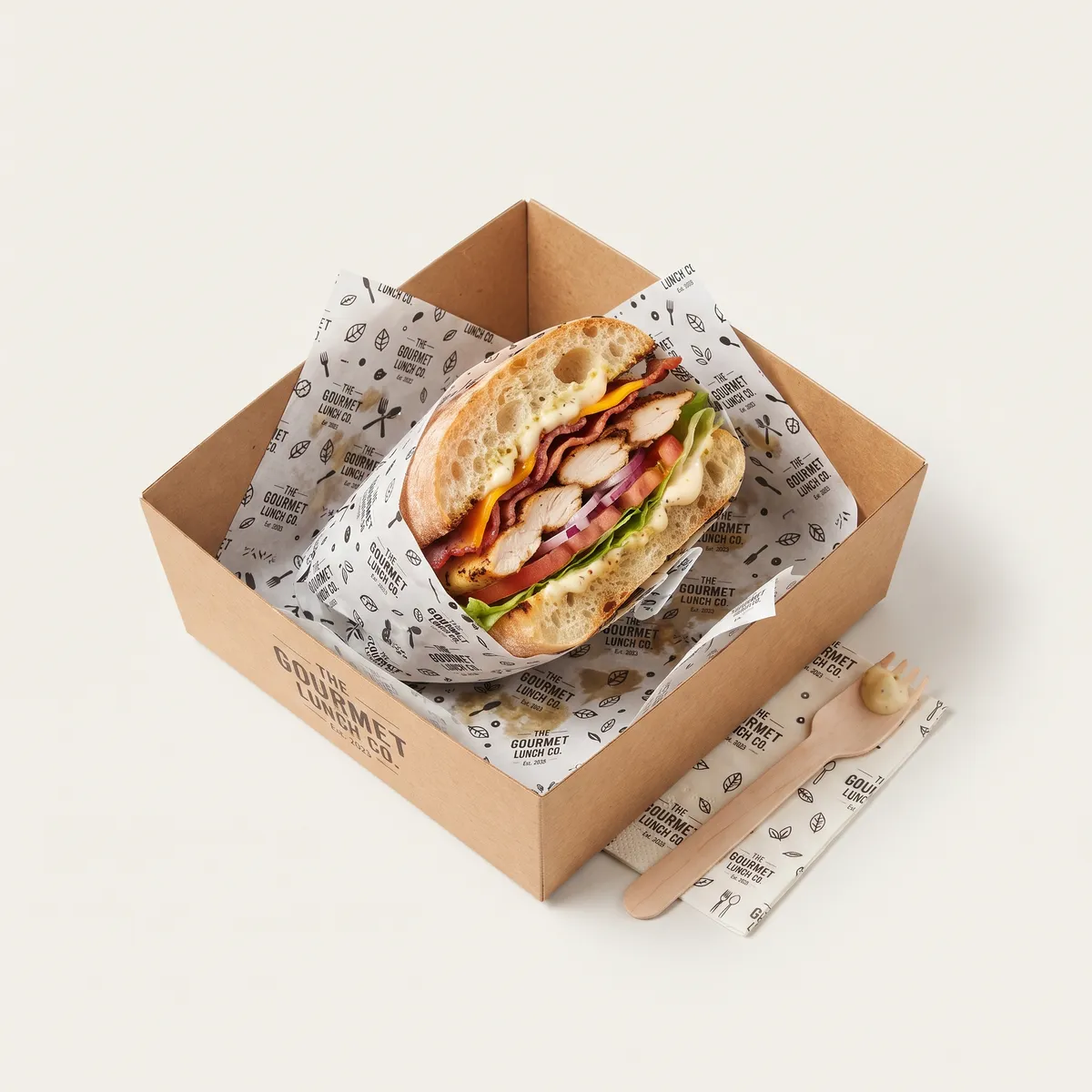
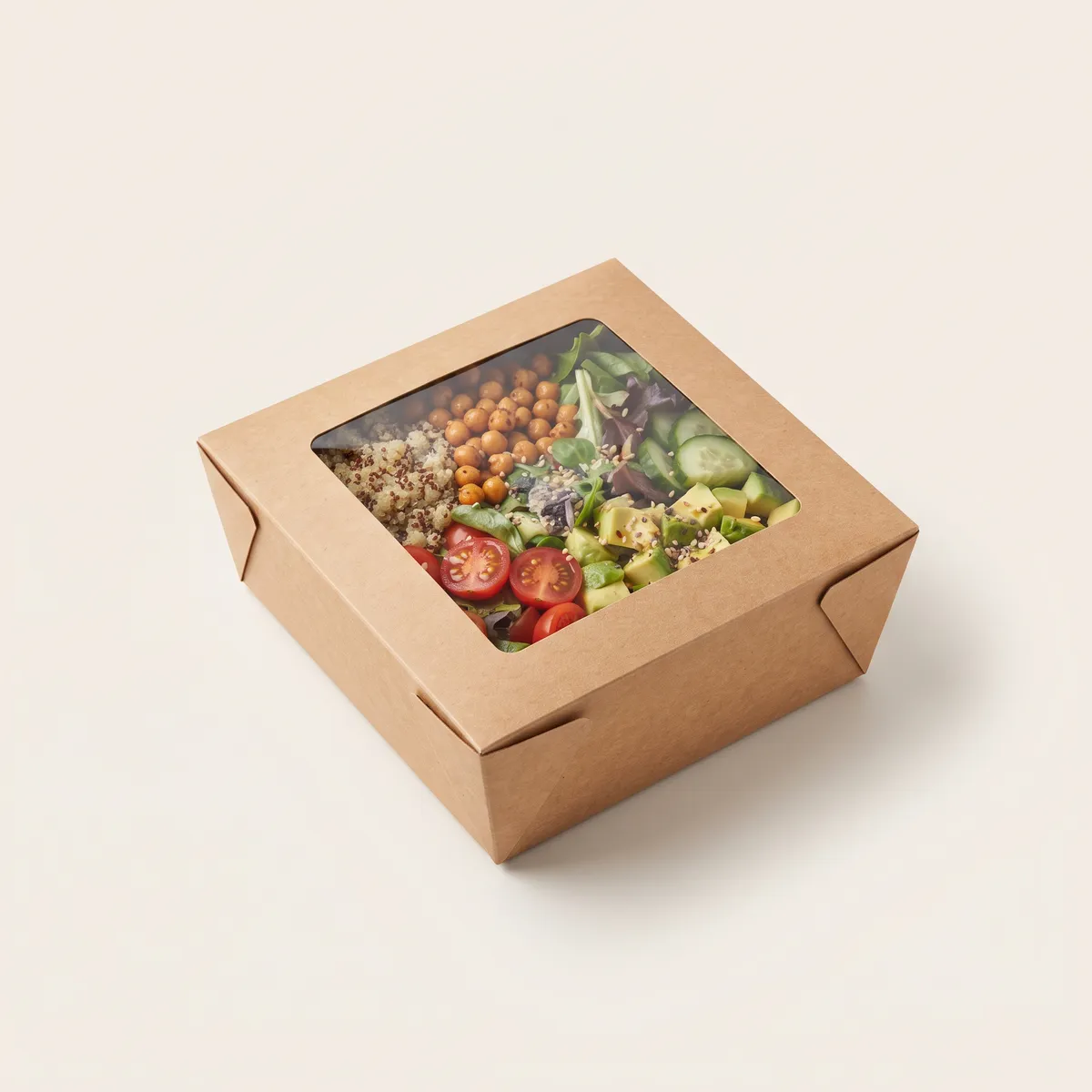
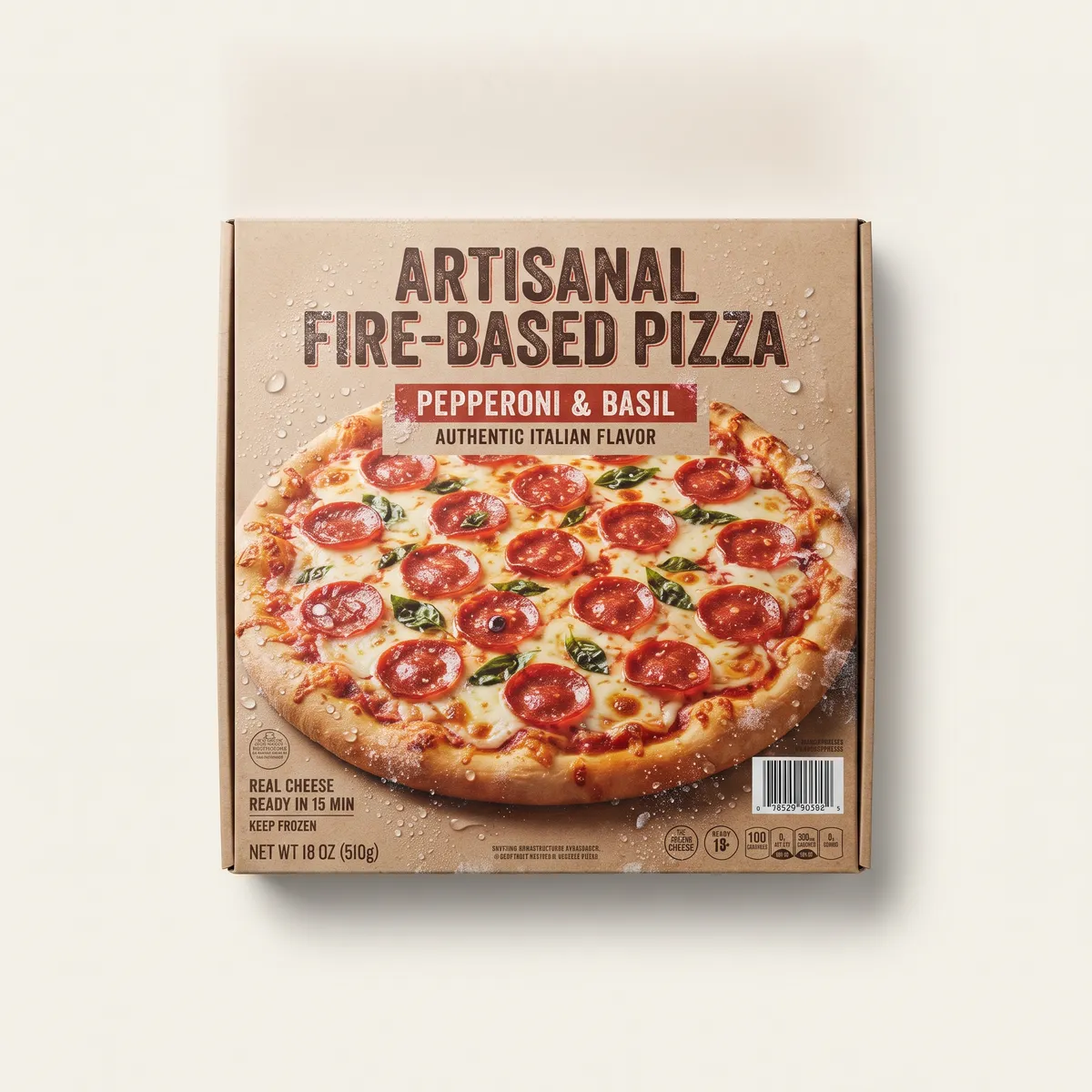
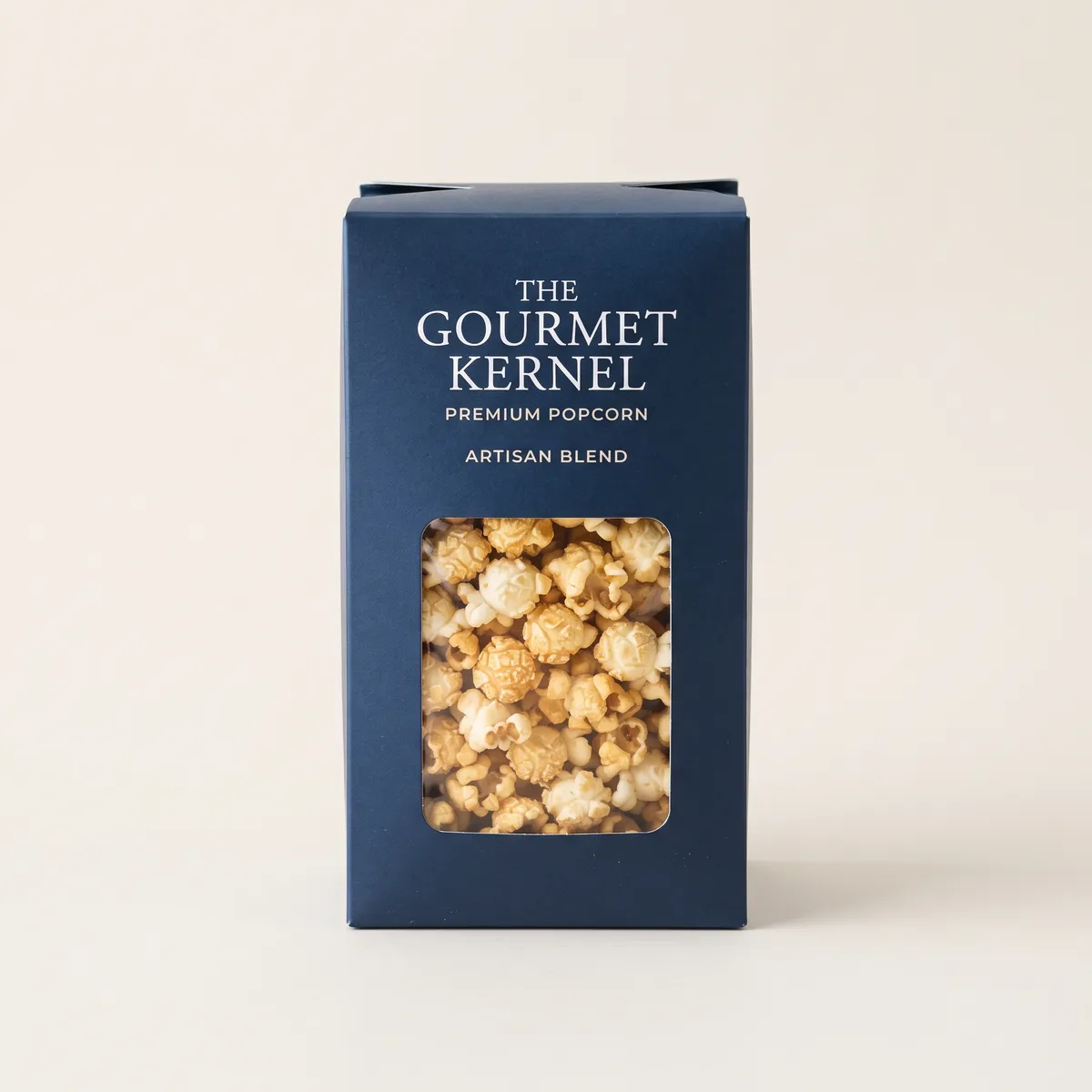
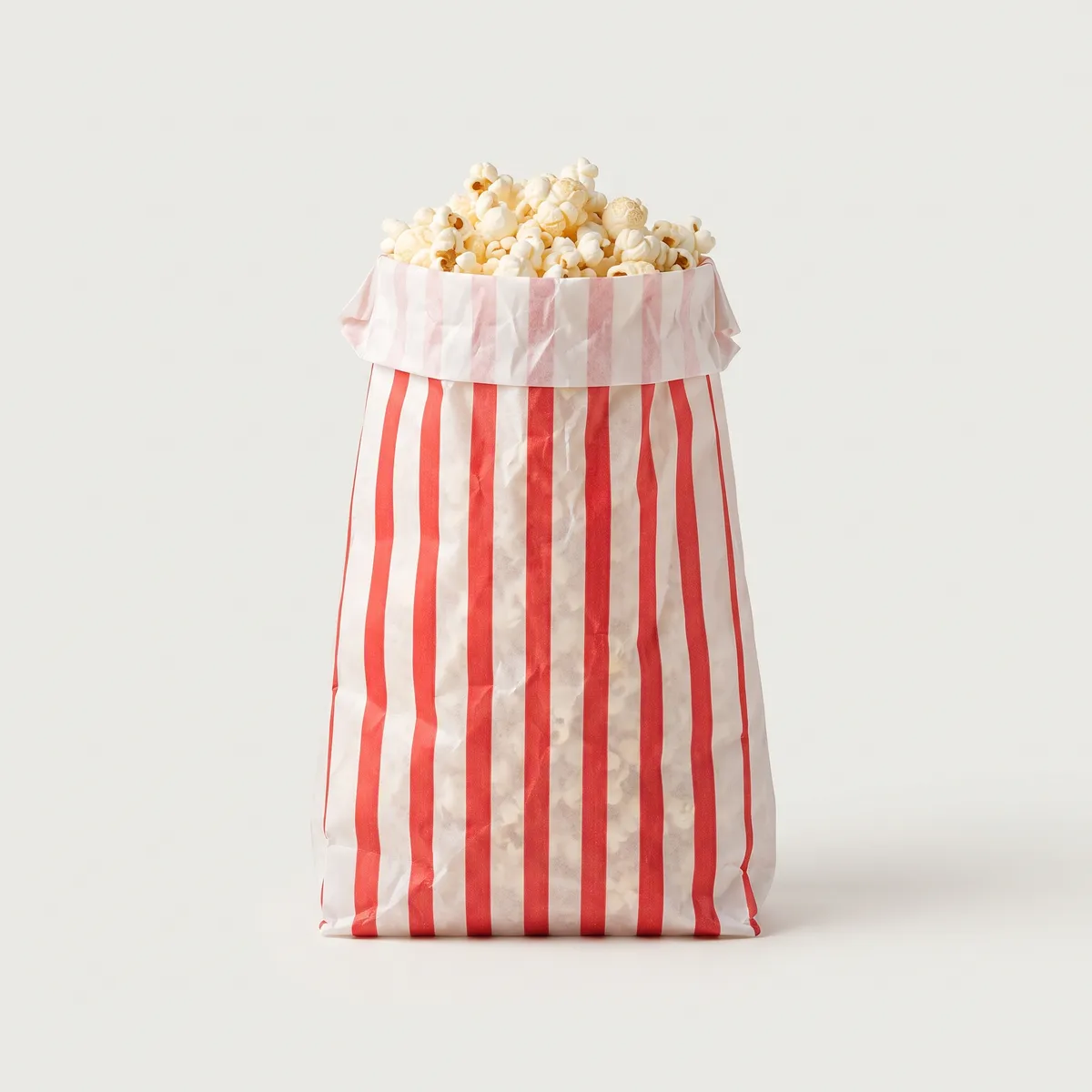
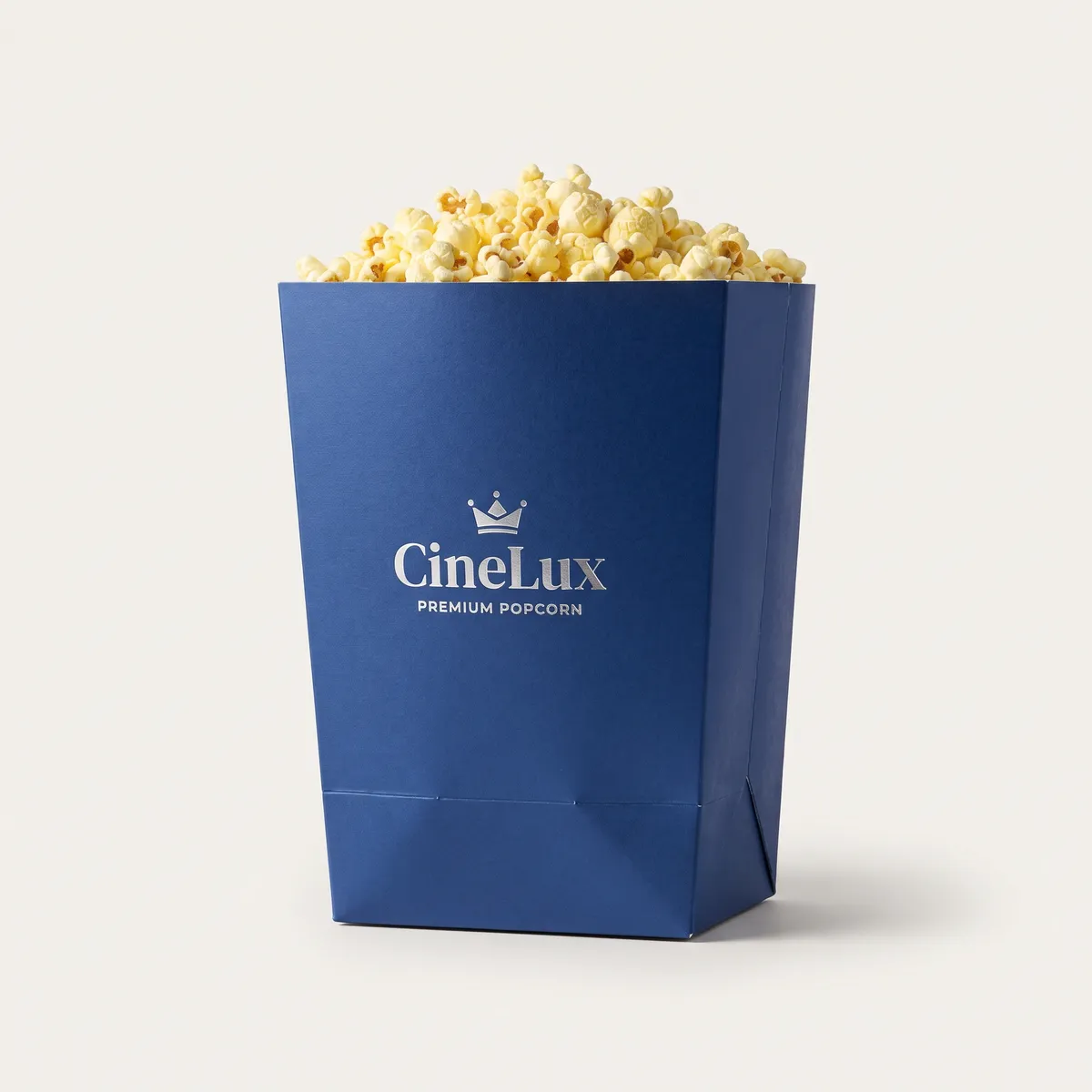
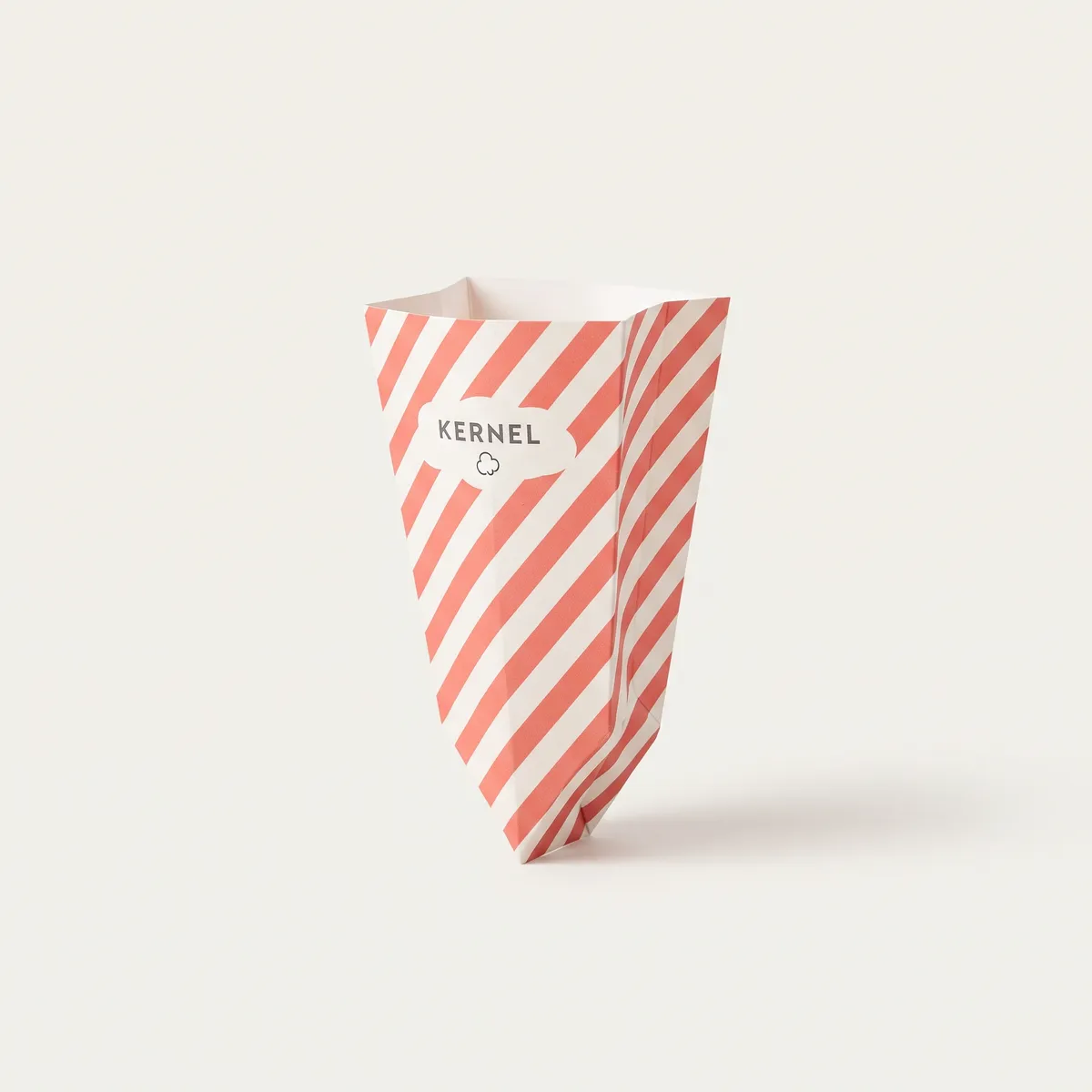
What brands say about their food boxes
They live there rather than here, where we can't edit them, delete them, or pick which ones you get to see. That is exactly what makes them worth reading.
Read all reviews on Trustpilot(opens in a new tab)Answers before you have to ask.
Are these safe for direct contact with food?
Yes. Custom food boxes are made from food-grade board and printed with food-safe inks, so nothing leaches into what's inside. If your item is greasy or wet, we'll recommend the right coating or liner.
Will the box hold up to a hot or greasy item?
It's built for it. We use grease-resistant stock that keeps oil from soaking through and leaving stains, so the box still looks clean by the time it reaches the customer.
Can I get different sizes for different menu items?
Absolutely. Order a range of sizes in one run so every item on your menu has a box that actually fits, instead of forcing everything into one awkward size.
What's the turnaround on custom food boxes?
Most custom food boxes are ready in about 8–12 business days after proof approval, with a rush lane available when you're running low. Shipping's included.
Do I have to supply a print-ready design?
No. Send a finished file if you have one, or just your logo — our designers will lay it out and send a proof for your sign-off before printing, with unlimited design help at no charge.