
Custom Materials of Boxes, Starts with the stock
Most packaging problems trace back to the stock, not the design. Board too thin and the box crushes; the wrong surface and your brand colors print muddy. Our custom box materials let you compare kraft, corrugated, rigid, cardboard, linen, buxboard and chipboard side by side, so you pick the one that suits your product's weight, its print, and where it ends up.
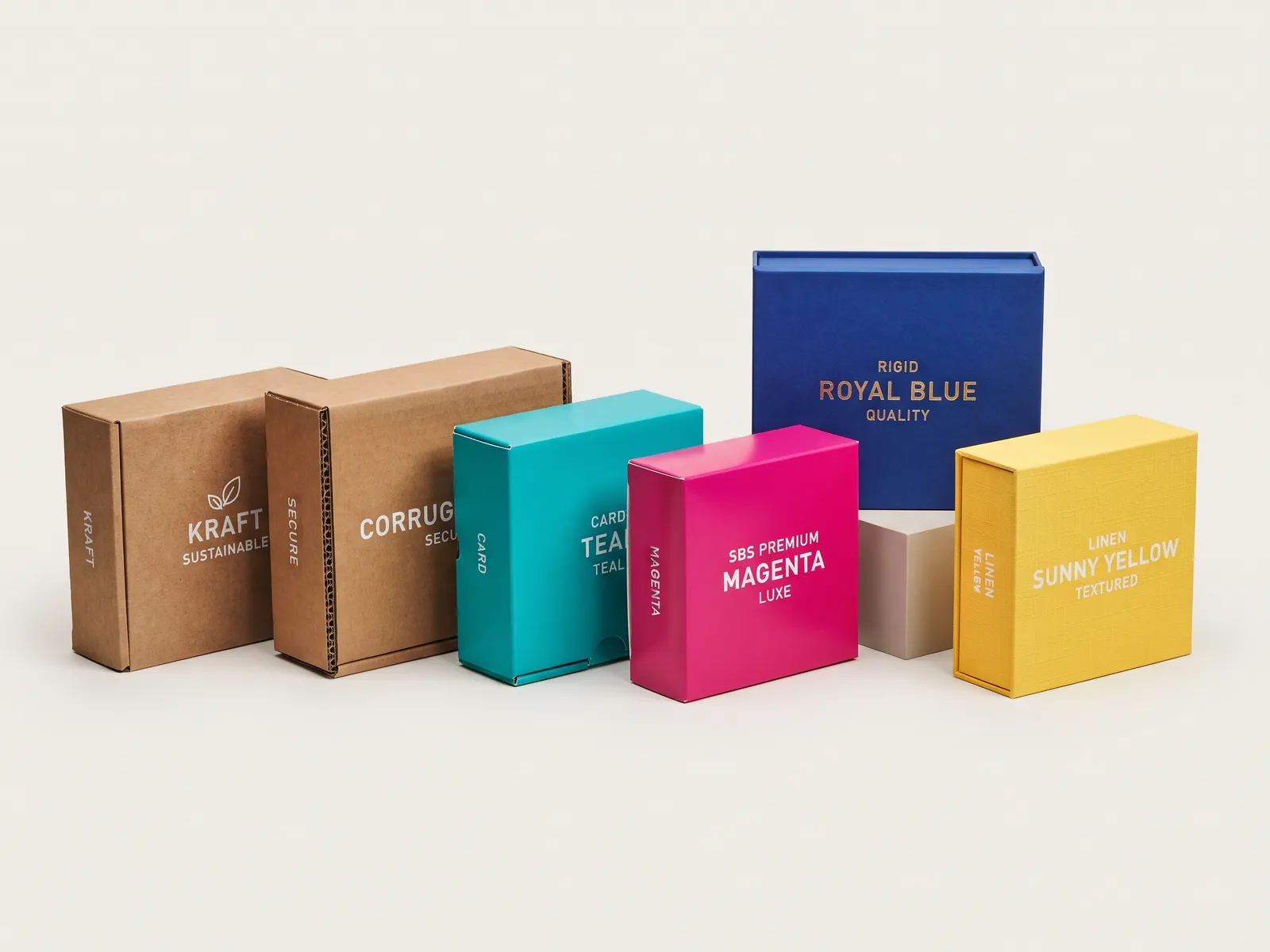
Materials & Options for Materials of Boxes
E-Flute Corrugated
Thin profile, strong crush resistance — the standard for most mailer boxes.
B-Flute Corrugated
A thicker flute for heavier contents or extra stacking strength.
Kraft Paper
Unbleached, natural-brown stock with an earthy, eco-forward texture.
SBS Board
Solid bleached sulfate board for a smooth, print-ready white surface.
Offset Printing
Exact color matching for large runs — the standard for big projects.
Digital Printing
Fast turnaround on shorter runs, with no minimum plate setup cost.
Flexographic Printing
Distortion-free output built for large-run corrugated jobs.
UV Printing
Instantly cured ink that resists scratches and solvents.
Matte Lamination
Soft, non-reflective finish that reads premium under any light.
Gloss Lamination
High-shine coating that makes bold colors and photography pop.
Soft-Touch Coating
A velvety exterior resistant to moisture and fingerprints.
Spot UV & Foil
Raised gloss detail or metallic foil for logos and accents.
Discover Our Most-Requested Materials of Box Styles
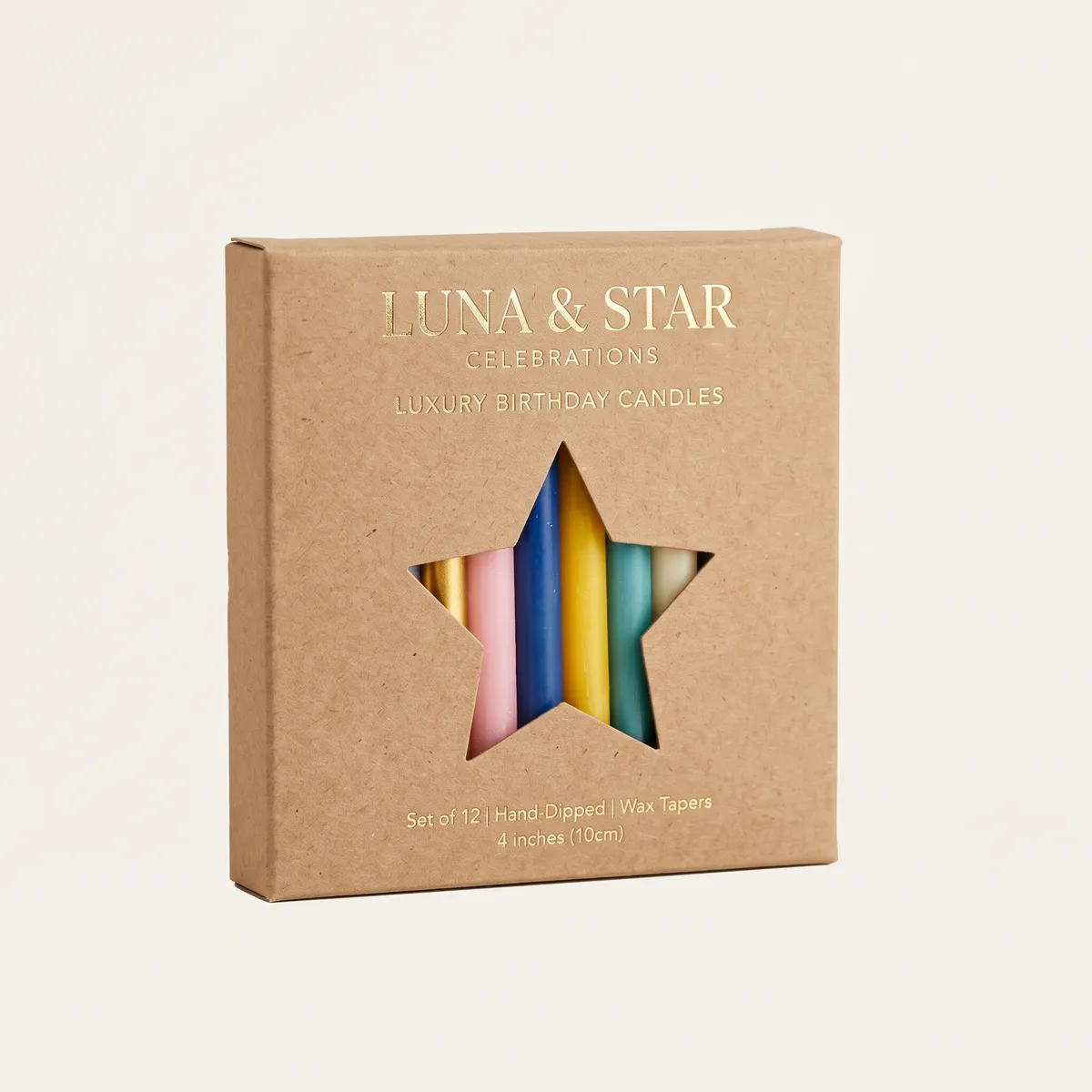
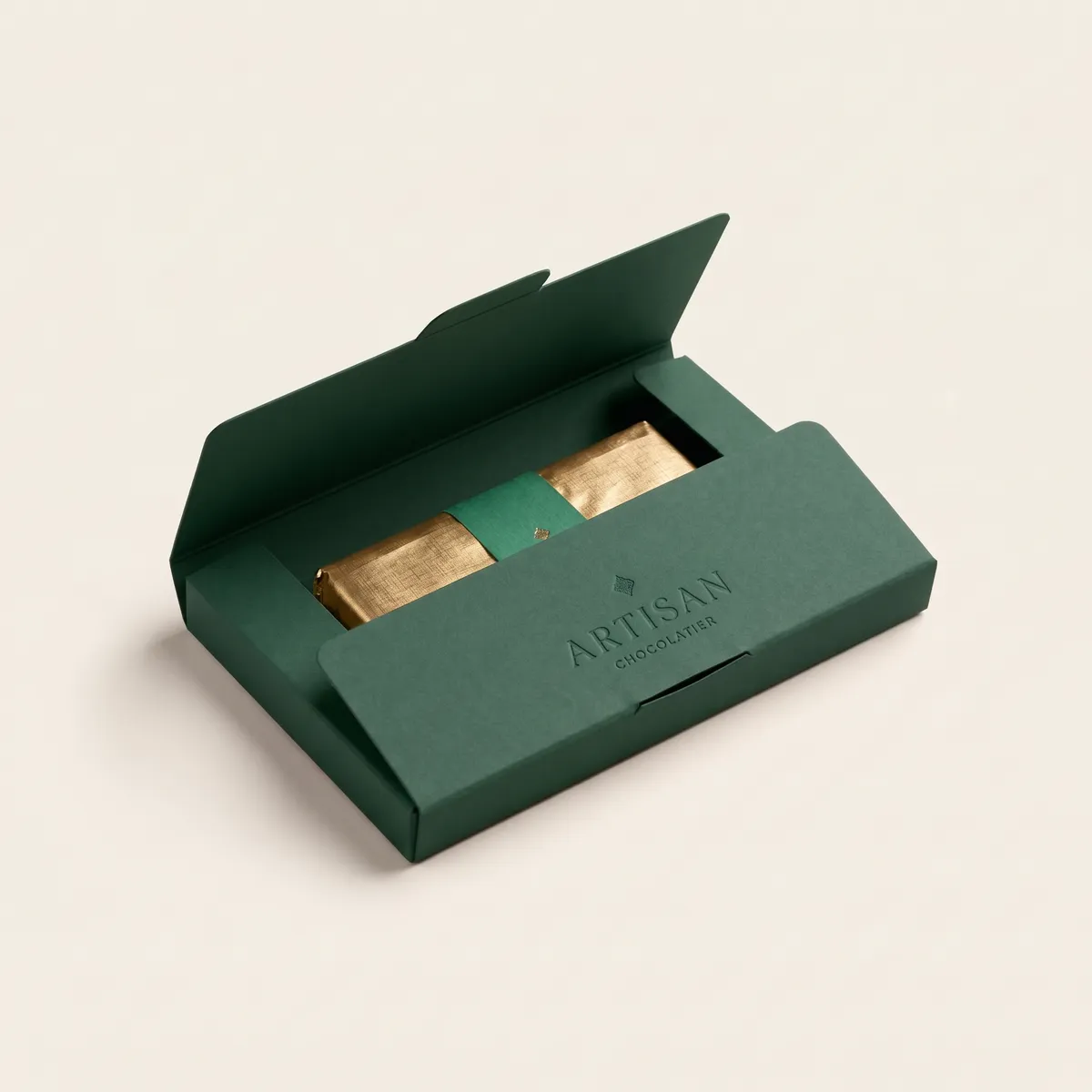
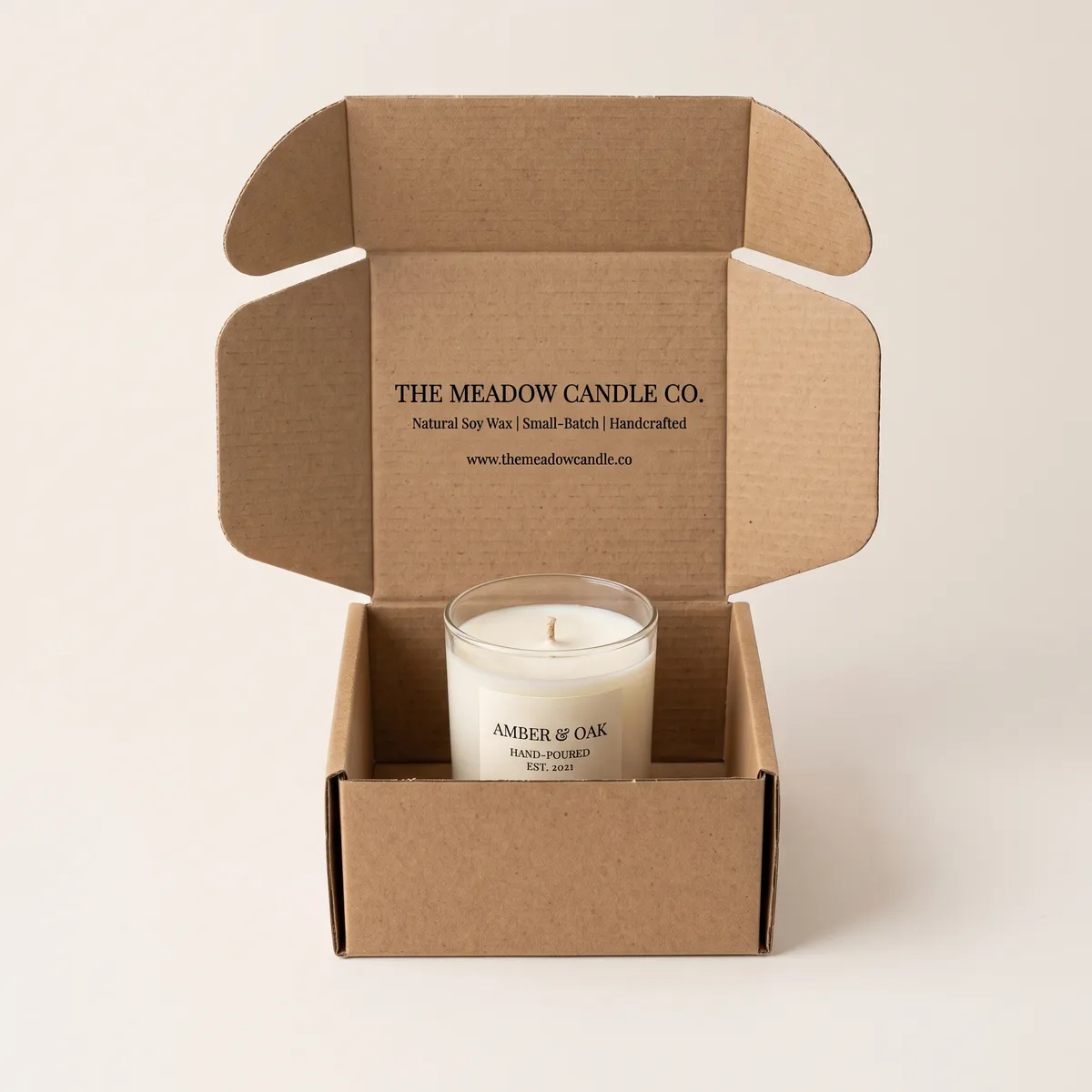
Every style below runs through the same structural engineering and quality process — pick a starting point and we'll adjust the details to your product.

Where Packaging Materials Make or Break a Run
Most packaging failures trace back to the stock, not the design. The box crushed because the board was too light for the load. The brand colors printed muddy because the substrate absorbed the ink. The retailer wouldn't stock it because the material didn't pass their recyclability screen. None of that is a design problem, but it always gets discovered after the artwork is signed off and the run is paid for.
The trouble is that most buyers choose a material on price per unit, which is the one number that tells you least about whether it will work. Packaging materials decide how much weight a box carries, how your colors reproduce, how it feels in a customer's hand, and where it's allowed to be sold — and this page is built to help you weigh them against each other on those terms rather than on cost alone. The people here are brands comparing kraft against coated board, ops teams cutting freight weight without losing protection, and anyone who has had one run fail and wants to know why. The failure it prevents is the one no amount of good design can fix. It matters most in categories like food packaging, where the stock has to be safe as well as strong.
Reading a Spec Sheet Without Guessing
Material quotes arrive full of numbers that look precise and mean nothing without context. Learning to read four of them will tell you more than any amount of comparing prices.
Caliper is thickness, written in points — one point is a thousandth of an inch, so 18pt board is 0.018 inches thick. It's the standard measure for folding stock. GSM is grams per square meter, a weight measure, and it's what you'll see on European quotes and on paper-based materials. The two aren't interchangeable: two boards at identical gsm can differ in caliper depending on how densely they're pressed, which changes how they fold and how they feel. Flute applies only to corrugated, and describes the wave between the liners — labeled by letter, where the letter indicates profile rather than size in any intuitive order, so B and E are not sequential thicknesses. Taller flutes cushion better; shorter flutes print better and stack flatter. Ply counts layers: single-wall is one fluted layer between two liners, double-wall is two. Then there are the strength ratings. ECT measures how much force a board's edge takes before crushing, which is what matters for stacking on a pallet. Mullen measures burst resistance — how much pressure the flat face takes before puncturing, which matters for rough handling. A board can rate well on one and poorly on the other, so ask which test the number refers to before comparing two quotes.
Two habits save money here. First, ask for the tolerance, not just the dimension, because every material has a variance range and "within tolerance" is the excuse you'll hear if a run comes back loose. Second, check whether a quoted size is internal or external, since board thickness sits between the two and a few millimeters decides whether your product fits. Weight-sensitive categories like shipping feel these numbers most directly, and corrugated is where the flute and ECT vocabulary actually gets used.
The Cost of Choosing the Wrong Stock
Material is the cheapest line on a packaging quote to cut, and the most expensive one to get wrong.
Under-specify and you pay in damage. Board that can't carry the load crushes in transit, and every crushed box is the product replaced, the freight paid twice, and a customer who now knows your packaging fails. Over-specify and you pay in freight, every single shipment, forever — heavier board means a heavier parcel, and carriers bill on that, so an unnecessary upgrade quietly taxes your whole volume. Neither error announces itself. Both look like a sensible decision at the time it's made.
Then there are two costs buyers rarely price in at all. Your material decides how your brand colors actually reproduce: uncoated and unbleached stock absorbs ink and reads muted, coated stock holds saturation, and no amount of design fixes a substrate that mutes the color you built a brand around. And material increasingly decides shelf access — retailers and marketplaces now screen for recyclable and sustainable packaging, so the stock you choose can be the difference between being stocked and being declined, which is a revenue question rather than a cost one. The right board is the one that carries your weight without exceeding it, prints your colors accurately, and passes wherever you need to sell. In categories where the stock also has to be food-safe, like bakery packaging, that list of requirements simply gets longer.
How Your Stock Changes the Print
The same artwork prints differently on every material, and the gap between your screen and the finished box is almost always the substrate rather than the press. This is the part of material choice buyers discover too late.
Uncoated and unbleached stock absorbs ink. Kraft is the obvious case: color soaks into the fiber and dries duller, warmer, and darker than the proof, and the brown base shifts every hue on top of it. There are two honest fixes. Print a white underprint beneath your colors, which restores accuracy at the cost of an extra pass, or design for the substrate — white ink and single colors on natural board give a high-contrast craft look that full-color CMYK can't achieve there. Coated stock does the opposite, holding ink on the surface so color stays saturated and detail stays crisp, which is why anything needing bright, accurate color goes onto coated white board rather than recycled or natural stock.
Finish compatibility follows the same logic. Embossing needs caliper behind it — the die presses the board into a raised shape, and thin stock cracks or tears rather than holding the impression, which is why embossing belongs on rigid and heavier folding board and fails on lightweight cartons. Foil needs a smooth, flat surface to adhere evenly, so it performs on coated and wrapped stock and struggles on textured or heavily fluted material. And lamination behaves differently by substrate: soft-touch film shifts your printed color slightly, so brand hues should be proofed after the laminate rather than before.
One last thing that costs real money: a Pantone number is a target, not a guarantee, and it will render differently across kraft, coated white, and a wrapped rigid box. Ask for a proof on your actual chosen stock, not a generic one. The contrast is easiest to see between kraft and coated board, and it matters most in color-driven categories like toys and games.
Materials by Category and Use Case
Each material has industries where it's the obvious default, and knowing which is usually faster than comparing specs in the abstract.
- Corrugated carries weight and absorbs shock, so it goes to shipping, wine, electronics, and pizza — anything heavy, fragile, or traveling through a parcel network.
- Kraft is the natural, recyclable choice, favored by soap, candle, coffee and tea, and eco-positioned food brands who want the packaging to match the product's story.
- Cardboard and coated white board handle the majority of printed retail cartons: cosmetics, confectionery, toys, and cookies, where color accuracy and shelf presence matter most.
- Rigid board is the premium tier, used by jewelry, perfume, and luxury gifting, where the box has to hold its shape and its weight has to justify the price.
- Linen and textured wraps sit on top of rigid builds for the highest tiers — fragrance, fine jewelry, and corporate gifting — where the surface is meant to be felt rather than just seen.
- Buxboard serves as a rigid core in premium builds, doing the structural work beneath a printed or textured wrap.
- Chipboard is the workhorse behind the scenes: inserts, dividers, trays, and thin precision packs like cigarette formats.
Most brands end up using two materials rather than one — a sturdier stock for shipping and a better-printing one for retail — which is worth planning for rather than discovering later.
Choosing a Stock That Holds Up
Material choice comes down to three constraints, ranked in that order.
Protection first. Establish what the box has to survive — weight, stacking, a parcel network, heat, or grease — because that sets your minimum and everything else negotiates around it. Under-specify here and nothing else you do matters. Print second. If your brand lives on accurate, saturated color, coated white board is the honest answer and kraft will disappoint you no matter how good the artwork is. If your brand reads natural and handmade, the reverse applies and coated stock will undercut the positioning you're paying for. Positioning third. Recyclable stock isn't only an ethical choice — it increasingly decides whether certain retailers and marketplaces will stock you at all, which makes it a revenue question.
Two rules save real money. Don't upgrade board to solve a problem that's actually structural: sogginess is fixed by venting and a grease-resistant coating, not by heavier stock, and a product that rattles needs a better insert rather than a thicker wall. And don't buy protection you don't need, because heavier board means a heavier parcel on every shipment you ever send. Where two materials both clear your requirements, take the lighter one. Most brands end up running two stocks anyway — corrugated for transit and something better-printing for retail — which is worth planning from the start rather than discovering on the second order.
What's different working with us: revisions before print are unlimited and free, which matters when you're testing how artwork sits on different stock. Every order passes a three-stage check before dispatch. If bulk doesn't match your approved proof, we reprint at our cost. Pricing is all-in — dies, plates, and setup are in the quote, guaranteed. Minimum 100 units, free samples above 10,000, 8–12 business days with rush priced upfront, and shipping included.
Unrivaled Support From Packaging Experts
From first sketch to full production, the same team carries your order through every stage.
Structural Engineering
We determine the right size, shape, and material for a snug fit and real protection.
Free Artwork Guidance
Our design team helps translate your brand into a box, at no added charge.
2D & 3D Mockups
See your box come to life before a single sheet of board is cut.
Quality Assurance
Every run is checked in-line against the digital proof or physical sample you approved, not just at the end.
Fast Turnaround
8–12 business days standard, with rush options when timing is tight.
Tracked Shipping
Palletized freight or drop-ship, tracked from our dock to yours.
What brands say about their materials of boxes
They live there rather than here, where we can't edit them, delete them, or pick which ones you get to see. That is exactly what makes them worth reading.
Read all reviews on Trustpilot(opens in a new tab)Answers before you have to ask.
How do I choose between kraft, cardboard and corrugated?
Start with what the box has to survive, then how your colors need to print. Corrugated carries weight and absorbs shock. Kraft suits natural, recyclable positioning but prints muted. Coated cardboard gives the brightest, most accurate color. Tell us the product and where it's sold, and we'll narrow it for you.
Can I order different materials in the same run?
Yes. Plenty of brands run a sturdier stock for shipping and a better-printing one for retail, and it's worth planning that from the start rather than discovering it on a second order. Tell us which products go where and we'll quote the combination.
Which materials are recyclable?
Kraft and corrugated are the most straightforwardly recyclable, and both suit brands whose customers check. Most of our paperboard stock is recyclable too, though laminates and some coatings affect it. If a retailer or marketplace has a specific screen you need to pass, tell us and we'll spec to it.
How quickly can I get boxes once I've picked a material?
Most orders run about 8–12 business days from proof approval; rigid stock is the exception at 20 business days. A rush lane is available at extra cost that we'll price for you upfront. Shipping is included in what you pay.
Do you need finished artwork, or can you set it up?
Either works. Upload a finished file, or give us your logo and we'll lay it out and show you a proof on the stock you've chosen, since color reads differently on kraft than on coated board. Design help is unlimited and free, with a minimum order of 100 boxes.