
Custom Tuck Boxes & Folding Cartons
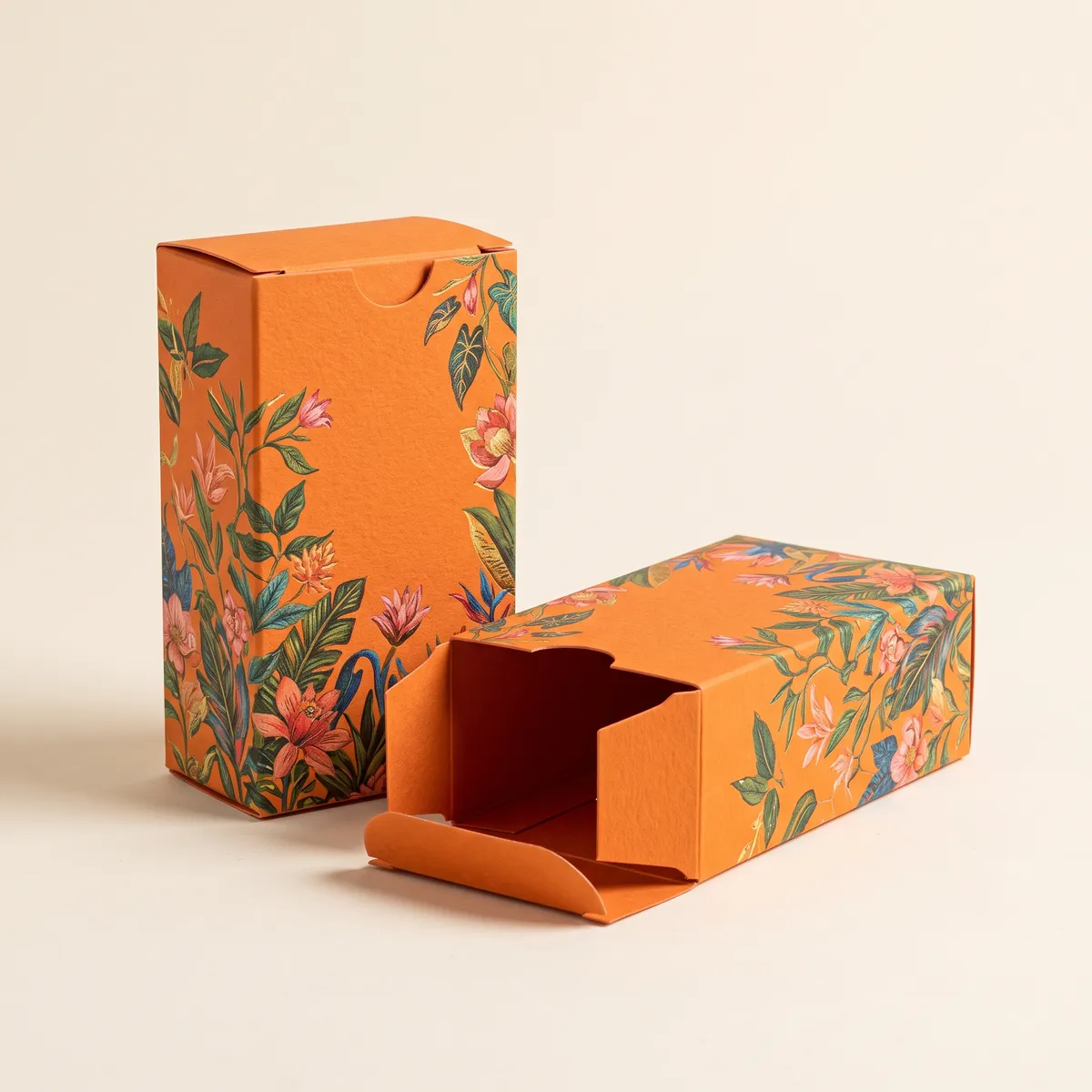
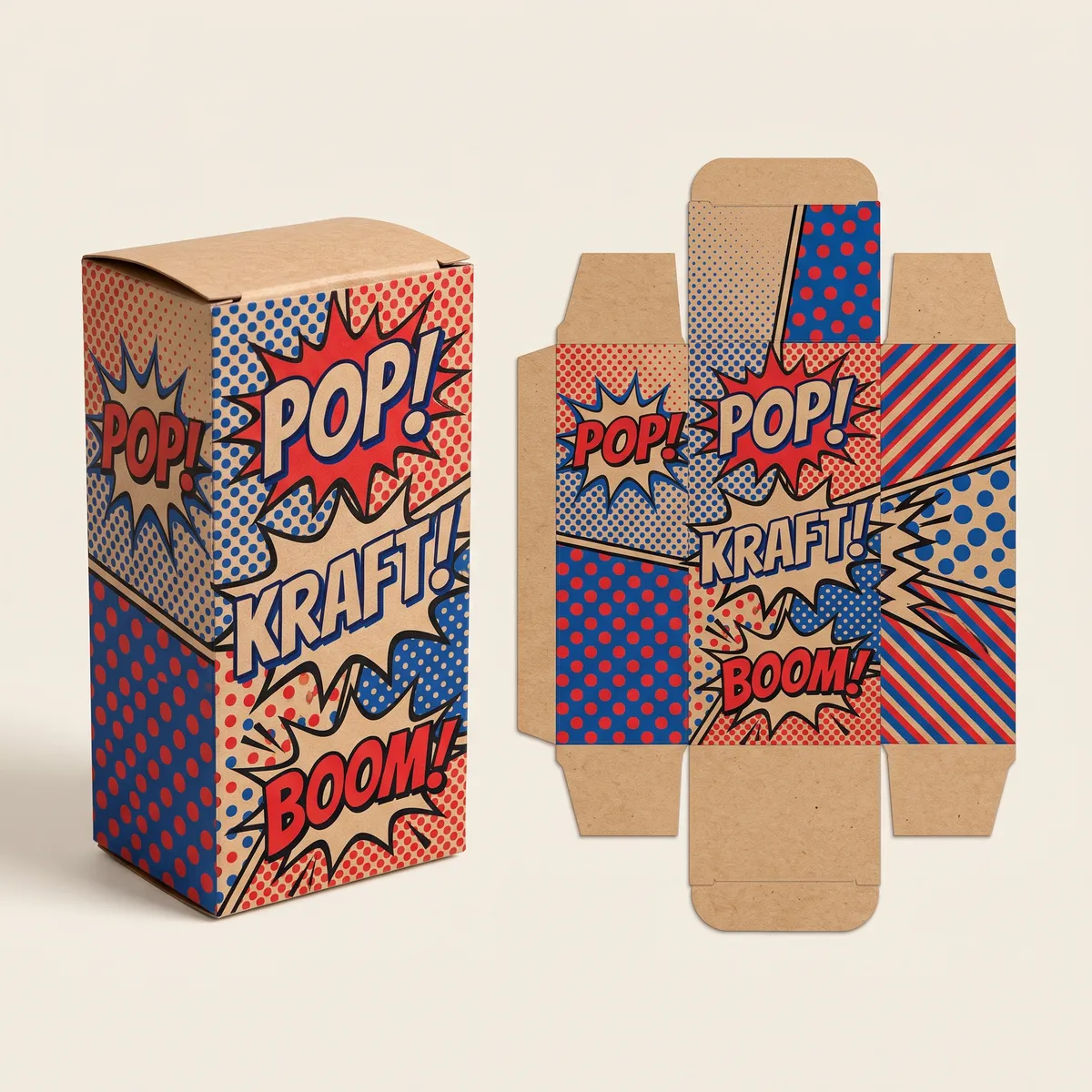
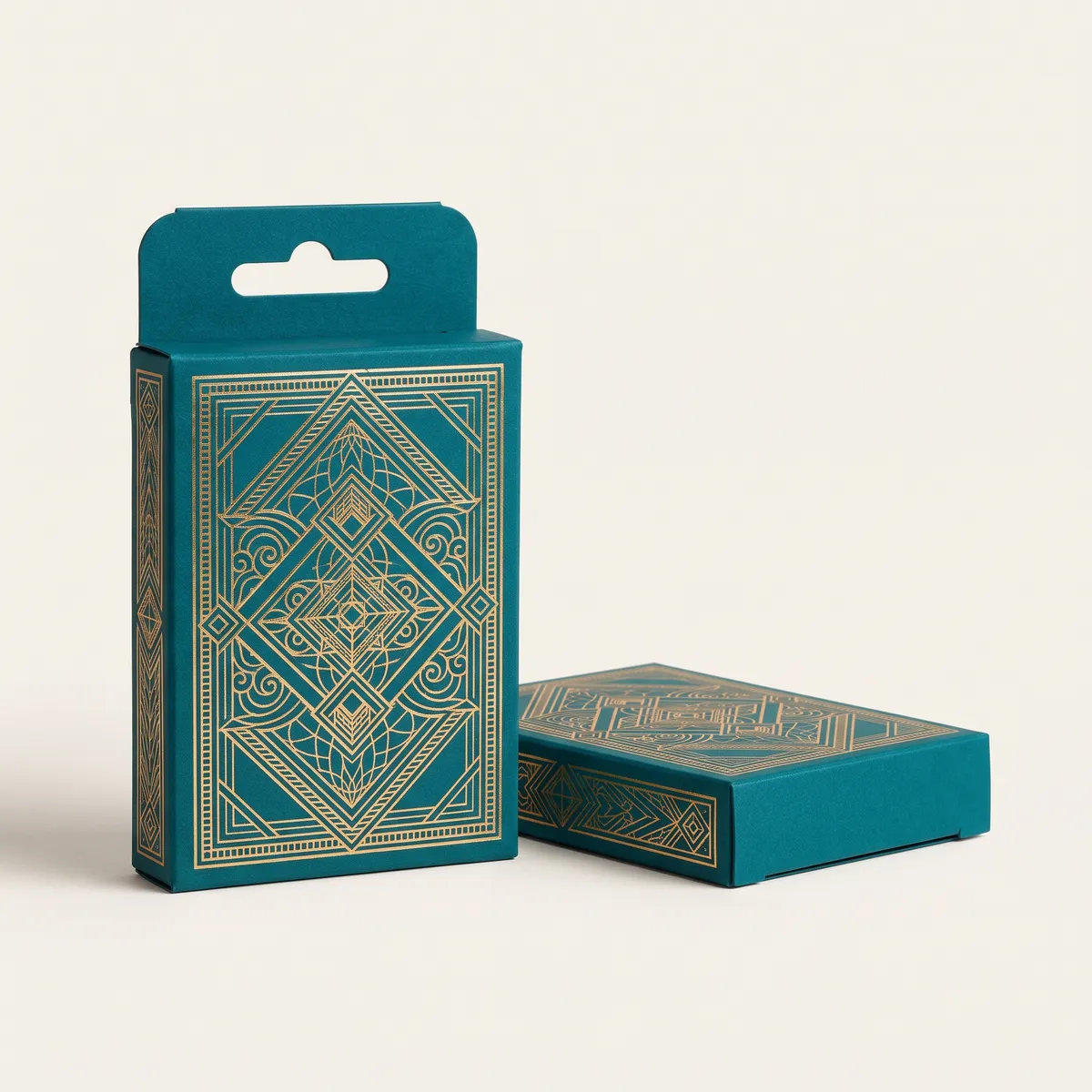
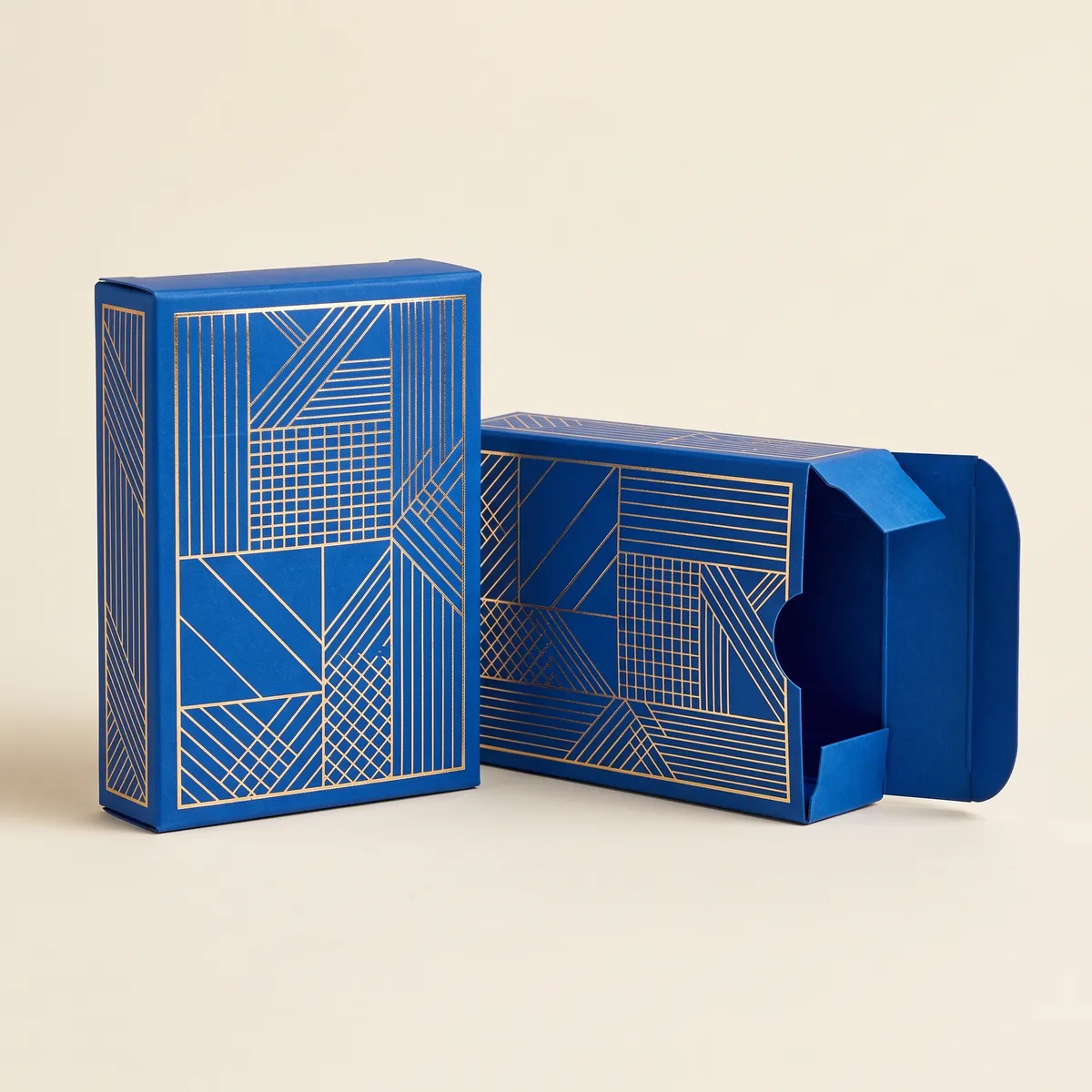
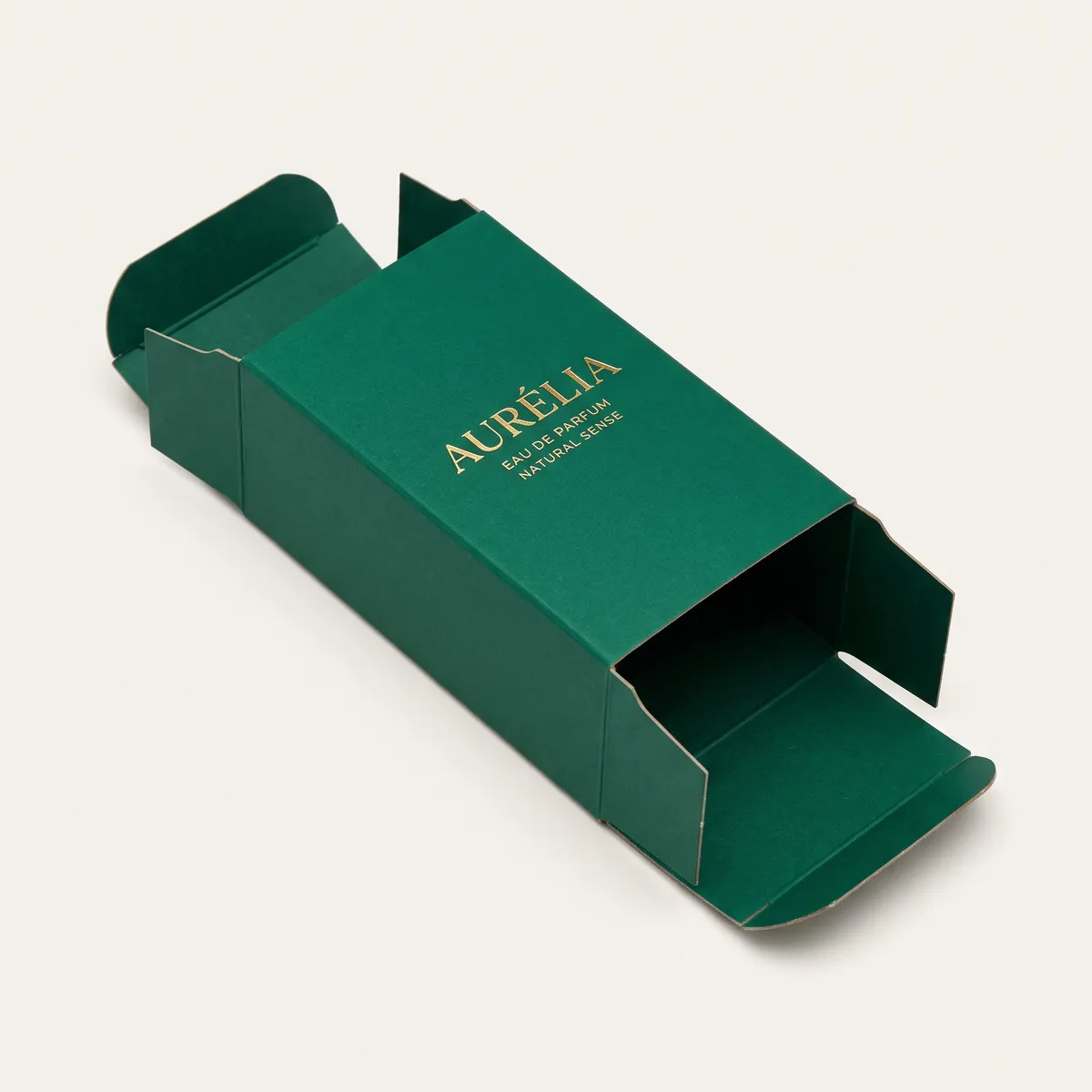
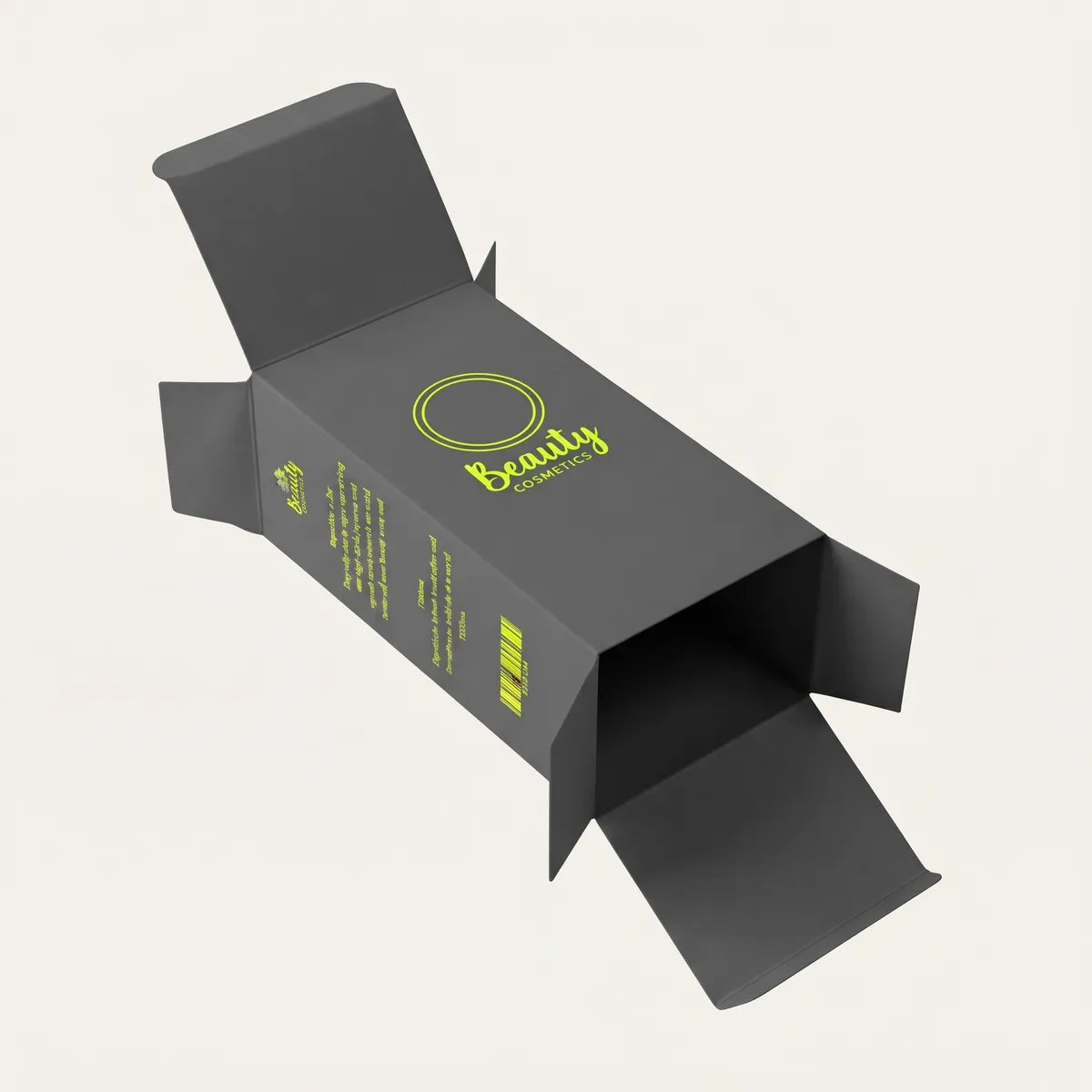
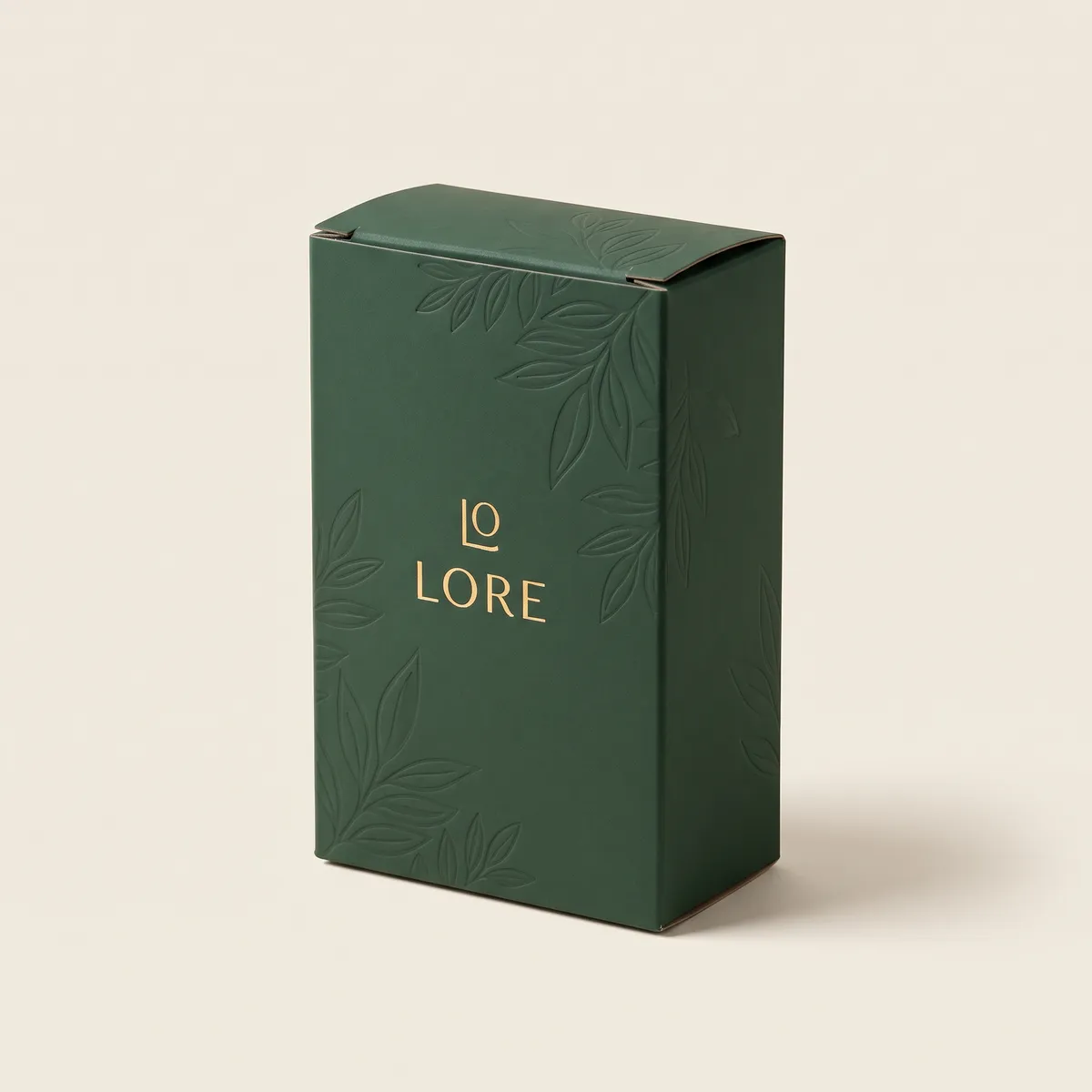
Custom folding cartons are cut and creased from one piece, shipped flat and folded into shape when you need them, which makes them the cheapest build to store and transport. They hold shelf shape well and print excellently for most retail products; heavy contents and repeated opening are where rigid earns its place instead. A die-cut insert stops contents rattling inside.
Ours are on Trustpilot, where we can't edit them or choose which ones you see.
Read them on Trustpilot →(opens in a new tab)Four stages, twelve days
Quote confirmed
A specialist checks your spec against the board and comes back with a firm price inside 4 business hours.
Proof approved
You get a flat dieline and a 3D render. Nothing goes to press until you approve it in writing.
On press
Print, die-cut, glue, and fold. You get a press-side photo the day your job runs.
QC and delivery
Every pallet is sampled against the digital proof or physical sample you approved, then shipped with tracking to your dock or 3PL.
If a box doesn't match the digital proof or physical sample you approved, we reprint the run at no charge.
Read the reprint terms →Know exactly what you're ordering.
Custom Folding Cartons Before You Pick a Tuck or a Board
Most brands reach this page with the product sized and the artwork half done, but two decisions still open: which way the flaps tuck, and which board the carton is cut from. This is where those get settled. A folding carton is one printed sheet with a glued side seam, and nearly everything about it can change without it becoming a different box: the closure, the stock, the window, the insert, the finish.
The buyers are retail brands putting a product on a shelf for the first time, ranges adding SKUs that need to look related, and businesses moving off plain stock boxes onto something printed. If a carton suits the job, the next choice is the variant, not a different structure.
Folding Carton Build Options: Tuck Ends, Inserts and Board
Every option below sits on the same carton build. Values are set per order rather than fixed, because the right answer depends on your product's size and weight.
| Spec | Options |
|---|---|
| Tuck ends | Reverse tuck or straight tuck |
| Board | Coated white, kraft or recycled-content stock |
| Caliper | Matched to product weight |
| Insert | Die-cut, sized to the product |
| Window | Die-cut, positioned on the dieline |
| Format | Shipped flat, folded at your end |
Most orders run on single-ply paperboard with a coated print face, since it suits the widest range of artwork. Dimensions are internal unless stated otherwise, because the product has to fit the inside, and we confirm which is which in writing before the die is made.
Why Start With the Carton Family, Then Narrow It
A carton is the right family when three things are true: the product is light enough to sit on a tuck end, it sells from a shelf or counter, and it doesn't have to survive a courier on its own.
Once the family is settled, the variants split on two questions. Does the closure need to stay off the front panel? That points to reverse tuck. Is unit cost the main pressure across many SKUs? Straight tuck. Then the board: coated white when color has to match, kraft when the brown look is the point, recycled stock when the material is part of the pitch. Brands specifying serum and cream cartons work through exactly this order.
Print, Film and Window Choices That Carry Across Cartons
What applies to one carton generally applies to all of them, with one variable: the stock underneath. Full-color print runs on any board, but it reads truest on coated white. Kraft and recycled board both shift color, kraft more noticeably.
Lamination in gloss, matte or soft-touch is available on every stock. Foil and spot UV suit a logo or one accent rather than a whole panel. A window can be cut into most layouts as long as it stays clear of the scores.
Skip two things on a first run: stacking several finishes on a small carton, which reads busy rather than expensive, and laminating a carton you plan to describe as recyclable. Choose the board first and the finish second.
Folding Cartons for Skincare Shelves, Dry Goods and Multi-SKU Ranges
Skincare and makeup lines use folding cartons for tubes, jars and droppers sold from a retail display or packed into gift sets. Packaged food brands use them for cereal and dry-goods packs, snack cartons and shelf-stable goods that never touch grease. Candle and soap makers use them to give a jar or a bar a printed outer with room for ingredients, directions and a barcode.
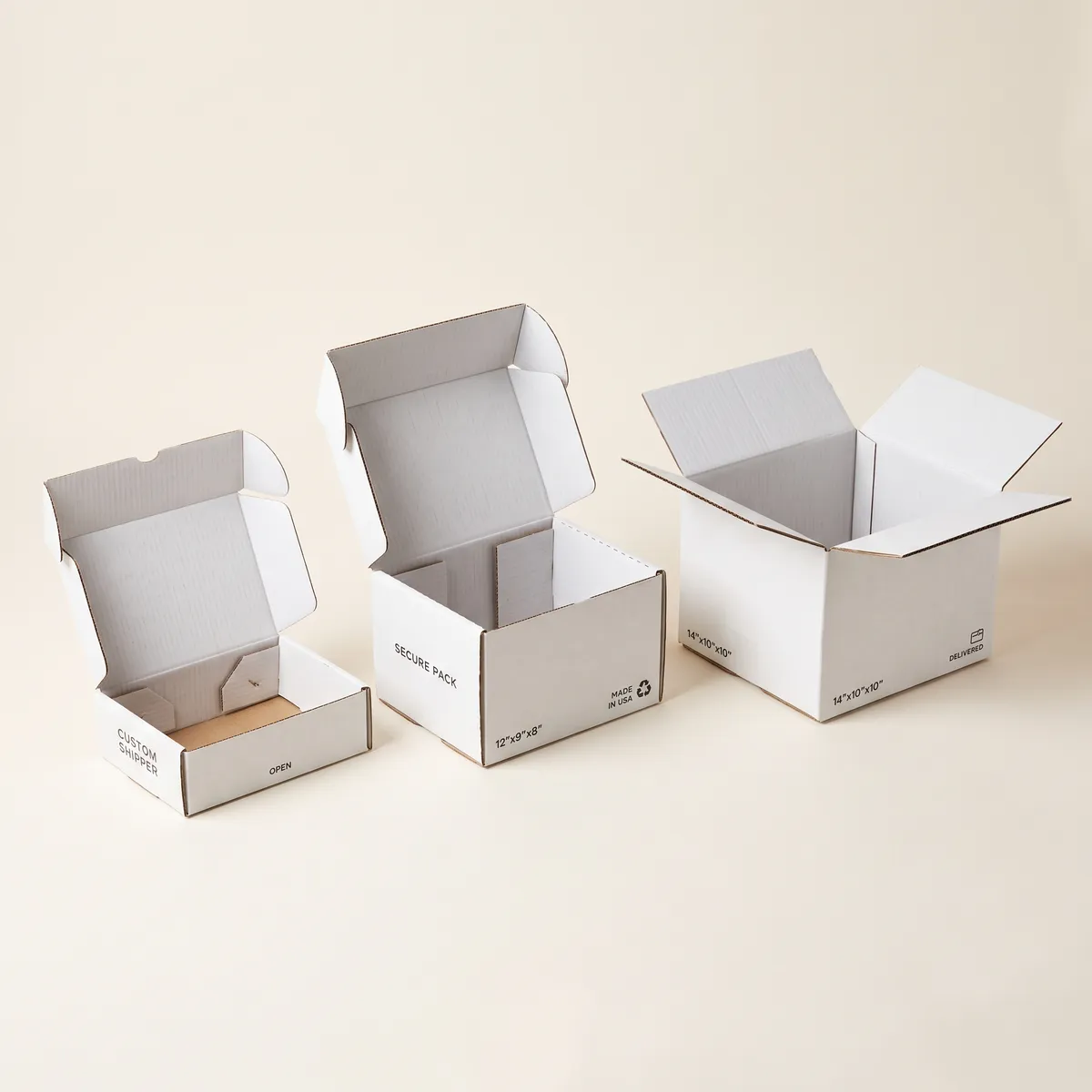
The strongest case is a range of many SKUs. One structure, one dieline per size and a different printed face for each product makes a shelf look like a family rather than a collection of separate launches. Bulky goods, or anything posted without an outer box, usually belong in a mailer or corrugated build instead.
Quoting a Carton While Some Details Are Still Open
You don't need every detail fixed to get a price. Send the product dimensions and we build the dieline around them, confirming in writing whether each measurement is internal or external. If the tuck direction or the board is still undecided, say so in the request; those are the two choices that change the die and the stock cost, so it helps to see them early.
Artwork can come later. Design help is free and unlimited, and nothing goes to print until you approve the proof. Orders start at 100 boxes. Production takes 8–12 business days from proof approval, and if your date is closer than that, rush is available at an extra cost we quote upfront. Shipping is built into the price rather than added at checkout.
One connected process, start to finish.
Structural Design
Dieline drafted to your exact fit and freight tolerances.
Proof & Sample
Sign off on a digital proof, or request a physical sample.
Tooling
Dies and plates are cut for your job and archived on file.
Production
Print, die-cut, and assembly run under in-line quality checks.
Ship & Reorder
Freight goes out, and the cycle resets for your next run.
Steady process. Powerful results.
Like everything we build, our process is engineered to hold up — no shortcuts, no surprises. Five dependable stages that run the same way every single time, so reorders are just as fast as the first order.
- One dedicated teamFrom first sketch to final freight, the same people carry your order start to finish.
- Dies archived on fileReorders skip tooling and re-setup entirely — we already have your exact spec.
- Checked against your sign-offEvery run is inspected against the digital proof or physical sample you approved.
Set up your file once, correctly
Nine in ten delayed jobs are delayed by artwork, not production. Match these four rules and your proof lands the next morning.
- Bleed1/8 in (3 mm) past every cut line
- Safe ZoneKeep text 1/4 in clear of every crease
- ColourCMYK or named Pantone. No RGB.
- Resolution300 dpi at final size, fonts outlined
No print-ready file?
Send a logo and a rough idea. Our studio builds the production file free with any order over 500 units — you keep the source file either way.
Ask the StudioBackground art must run all the way to the outer bleed edge. Anything inside the white dashed line survives fold tolerance.
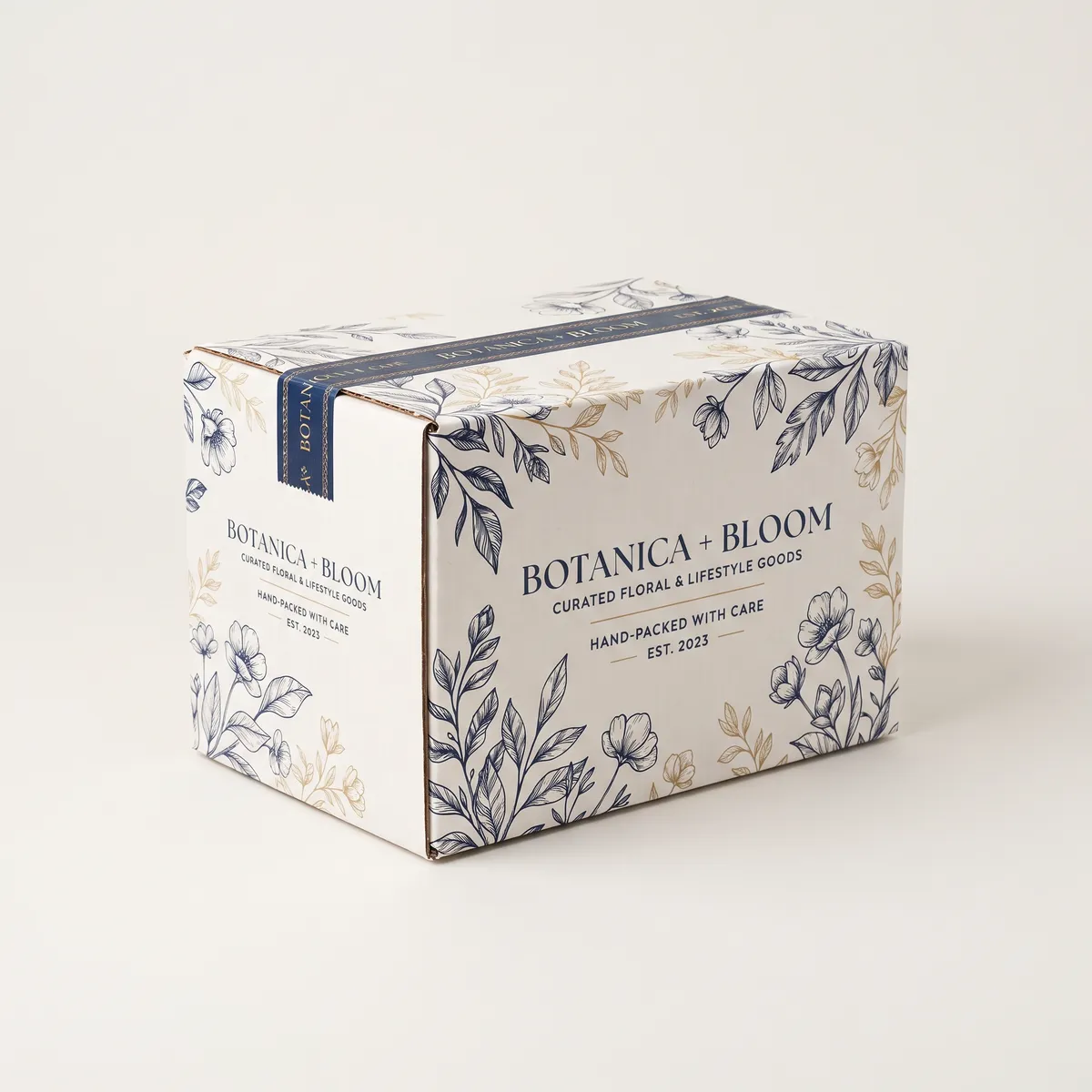
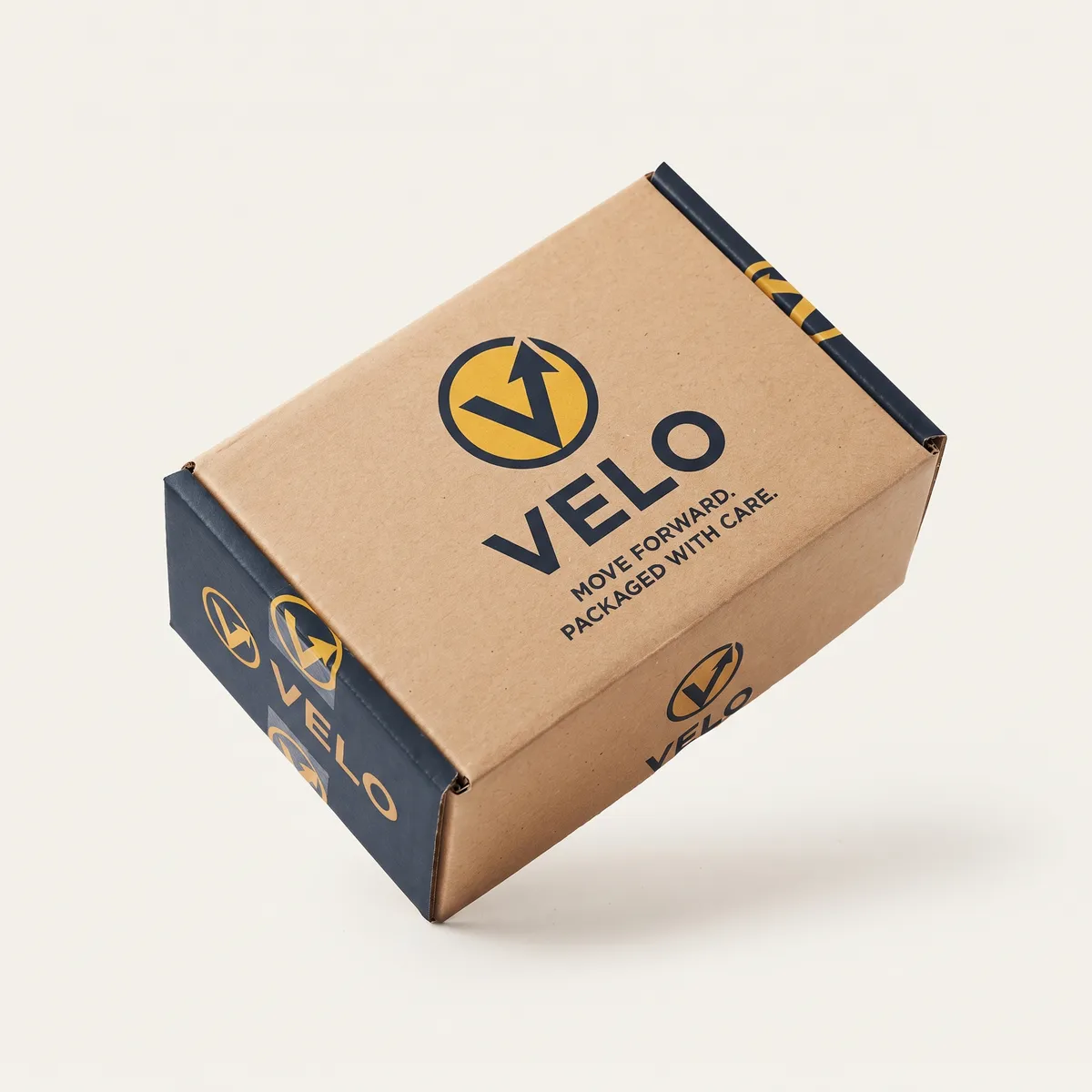
What brands say about this box
They live there rather than here, where we can't edit them, delete them, or pick which ones you get to see. That is exactly what makes them worth reading.
Read all reviews on Trustpilot(opens in a new tab)Answers before you have to ask.
What makes a folding carton different from other builds?
It ships flat and assembles at your end, which is what makes it the cheapest build to store and transport. The board is cut and creased in one piece, then folded into shape when you need it.
Can folding cartons hold an insert?
Yes, and many should. A die-cut insert holds product in place without adding much cost, and it's what separates a carton that feels considered from one where contents rattle.
Are folding cartons strong enough for retail?
For most retail product, yes. They hold shelf shape well and print excellently. Where they struggle is heavy contents and repeated opening, which is where rigid earns its place.
How long do folding cartons take to produce?
Most orders are ready in about 8–12 business days once you approve the proof. Rush production is available at an extra cost, quoted upfront, with shipping included in the price.
What's the minimum order for folding cartons?
100 boxes, across every stock. That's low enough to test a structure before committing to volume, and design help is unlimited and free at any quantity.