
Cardboard Folding Cartons
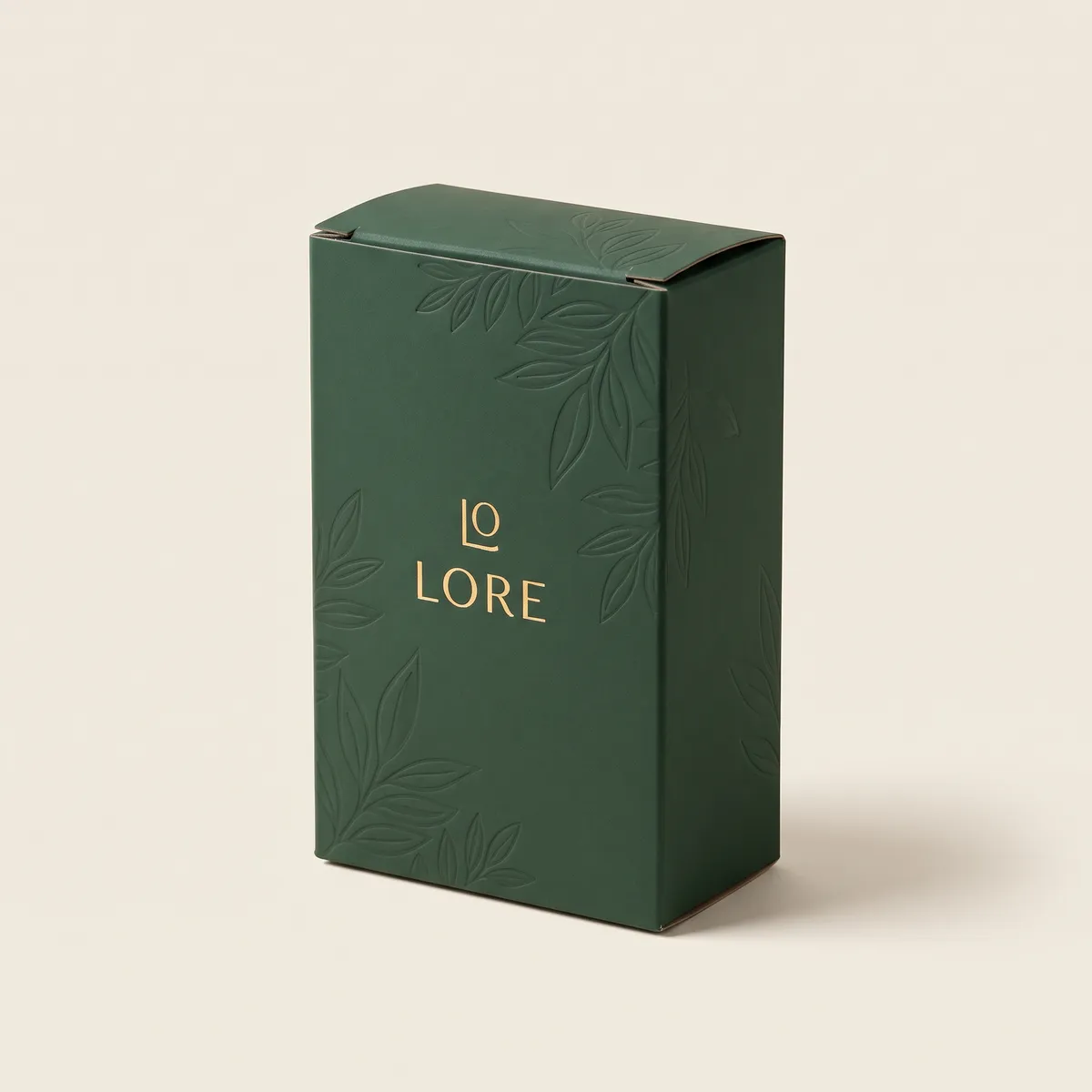
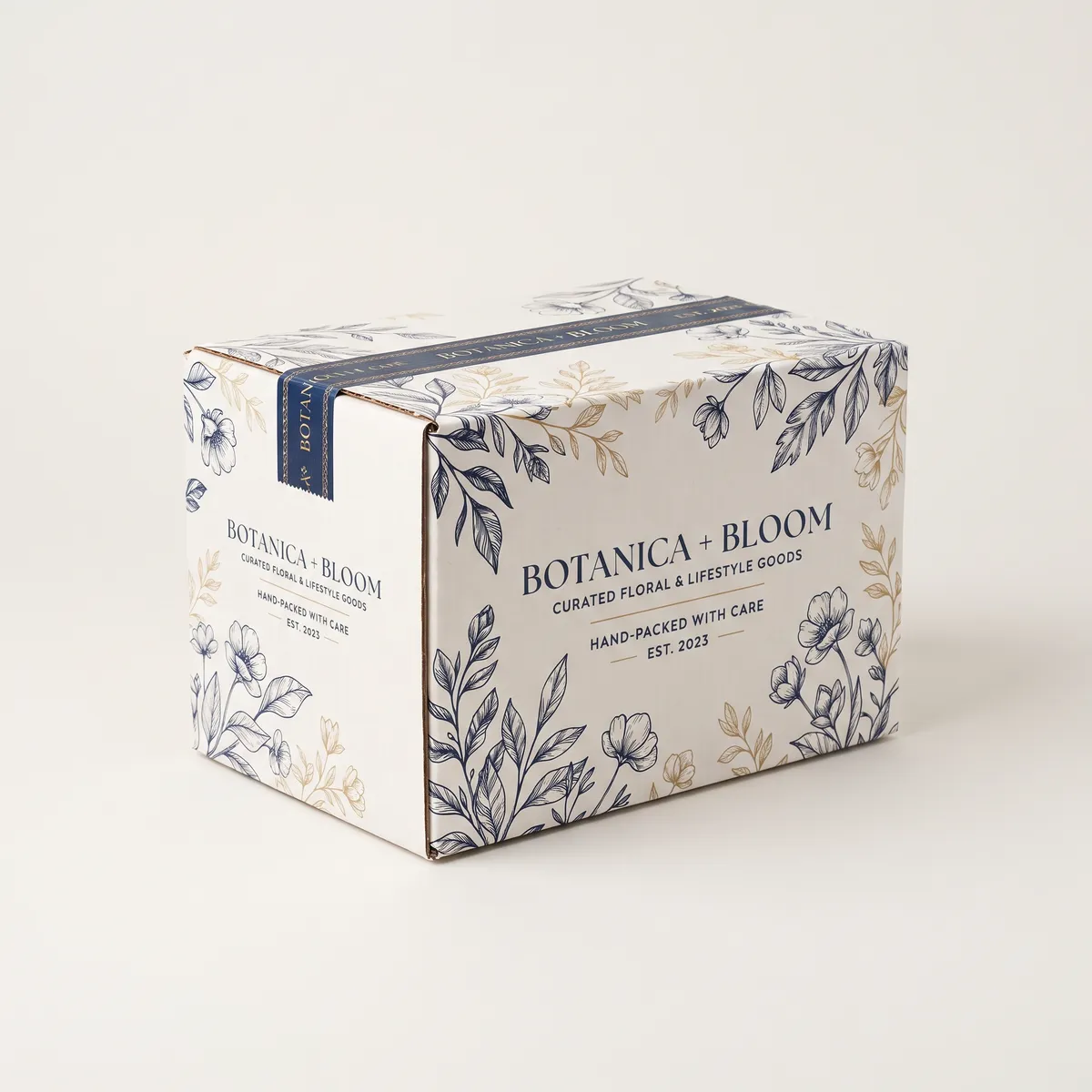
Cardboard folding cartons hold ink on a coated surface rather than absorbing it, so what you proof is what prints, with saturated color and crisp detail. Coated board also takes gloss, matte or soft-touch lamination better than kraft, proofed after the film because lamination shifts color slightly. Most brands keep one structure and change the printed panel per product.
Ours are on Trustpilot, where we can't edit them or choose which ones you see.
Read them on Trustpilot →(opens in a new tab)Four stages, twelve days
Quote confirmed
A specialist checks your spec against the board and comes back with a firm price inside 4 business hours.
Proof approved
You get a flat dieline and a 3D render. Nothing goes to press until you approve it in writing.
On press
Print, die-cut, glue, and fold. You get a press-side photo the day your job runs.
QC and delivery
Every pallet is sampled against the digital proof or physical sample you approved, then shipped with tracking to your dock or 3PL.
If a box doesn't match the digital proof or physical sample you approved, we reprint the run at no charge.
Read the reprint terms →Know exactly what you're ordering.
Cardboard Folding Cartons for Brands That Sell on Exact Color
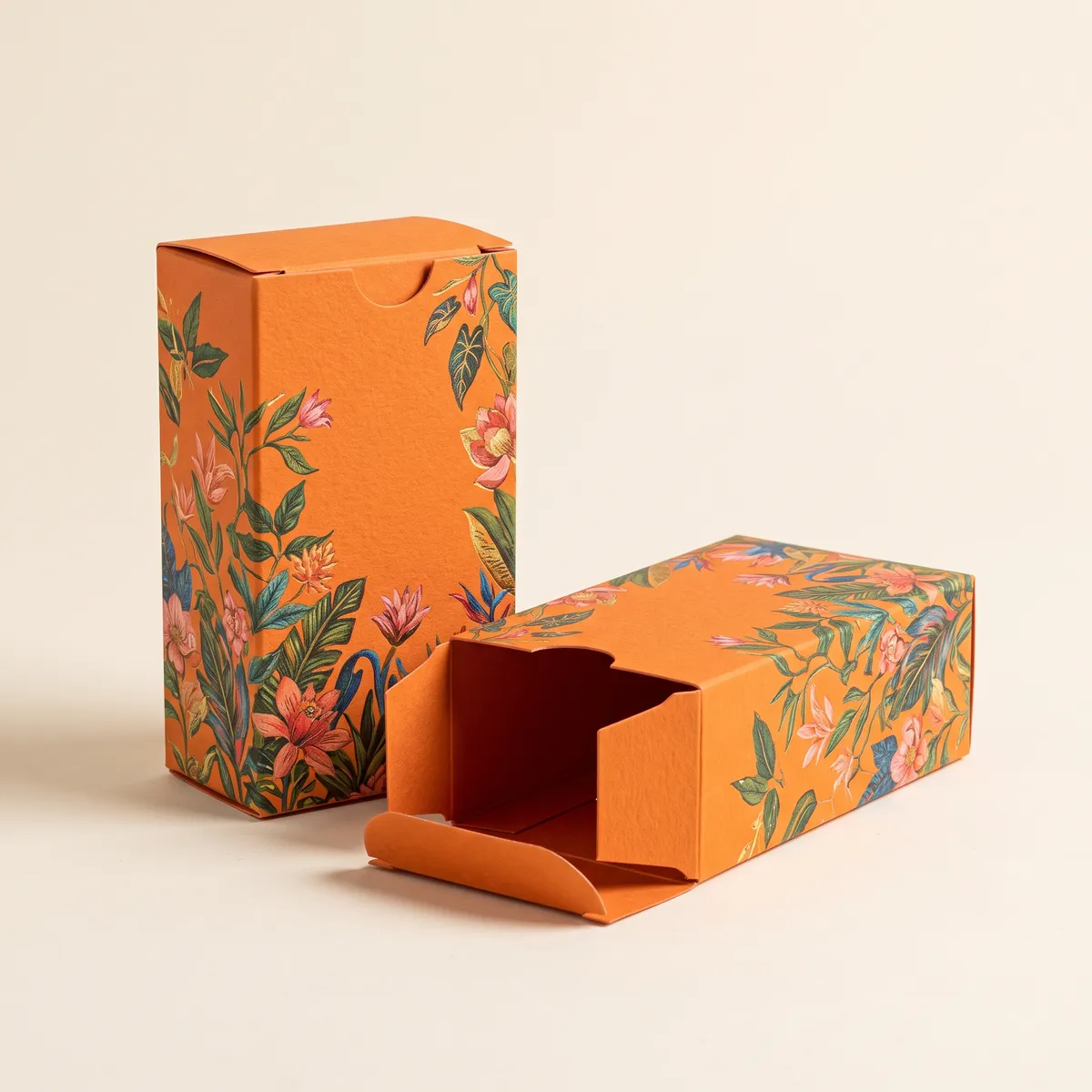
A brand color is a promise the packaging has to keep on every shelf, in every batch, next to every competitor. Cardboard folding cartons are for brands whose sales depend on that color looking right: toy lines with character art, cookie and confectionery gifts with photographic packaging, beauty ranges sold by shade, and any product where the carton is the first thing a shopper recognizes.
The board is bleached and coated white, which gives artwork a neutral base. Buyers usually arrive with brand guidelines, a Pantone reference or two, and a range that has to look the same whether it was printed this spring or two years from now. The questions they ask are about consistency and finish, not about whether the carton will hold up.
Coated Paperboard Grades and Finish Specs for Cartons
Coated paperboard is the default carton stock for printed retail packaging. These are the options it comes with.
| Spec | Detail |
|---|---|
| Stock | Bleached board, often SBS, with a clay-coated face |
| Surface | Smooth white |
| Caliper | Matched to product weight |
| Lamination | Gloss, matte or soft-touch |
| Accents | Foil or spot UV |
| Construction | Reverse tuck or straight tuck |
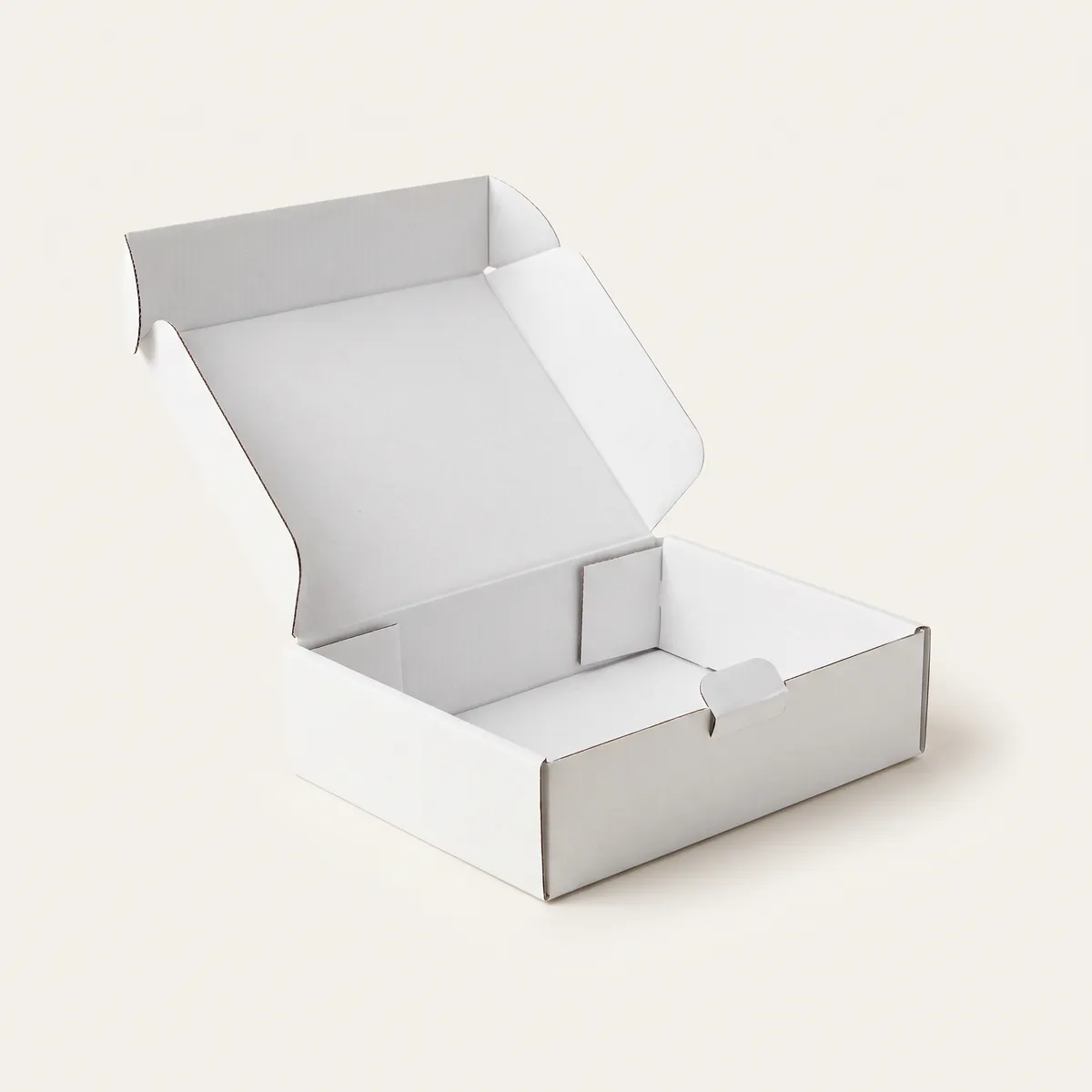
The print face is bleached board with a clay coat, which is why fine type, gradients and photographs reproduce on it at full detail. Internal dimensions are cut to your product and confirmed in writing before the dieline is finalized, so the carton fits what goes in it rather than a rounded-up stock size.
Why Coated White Board Over Brown or Recycled Stock
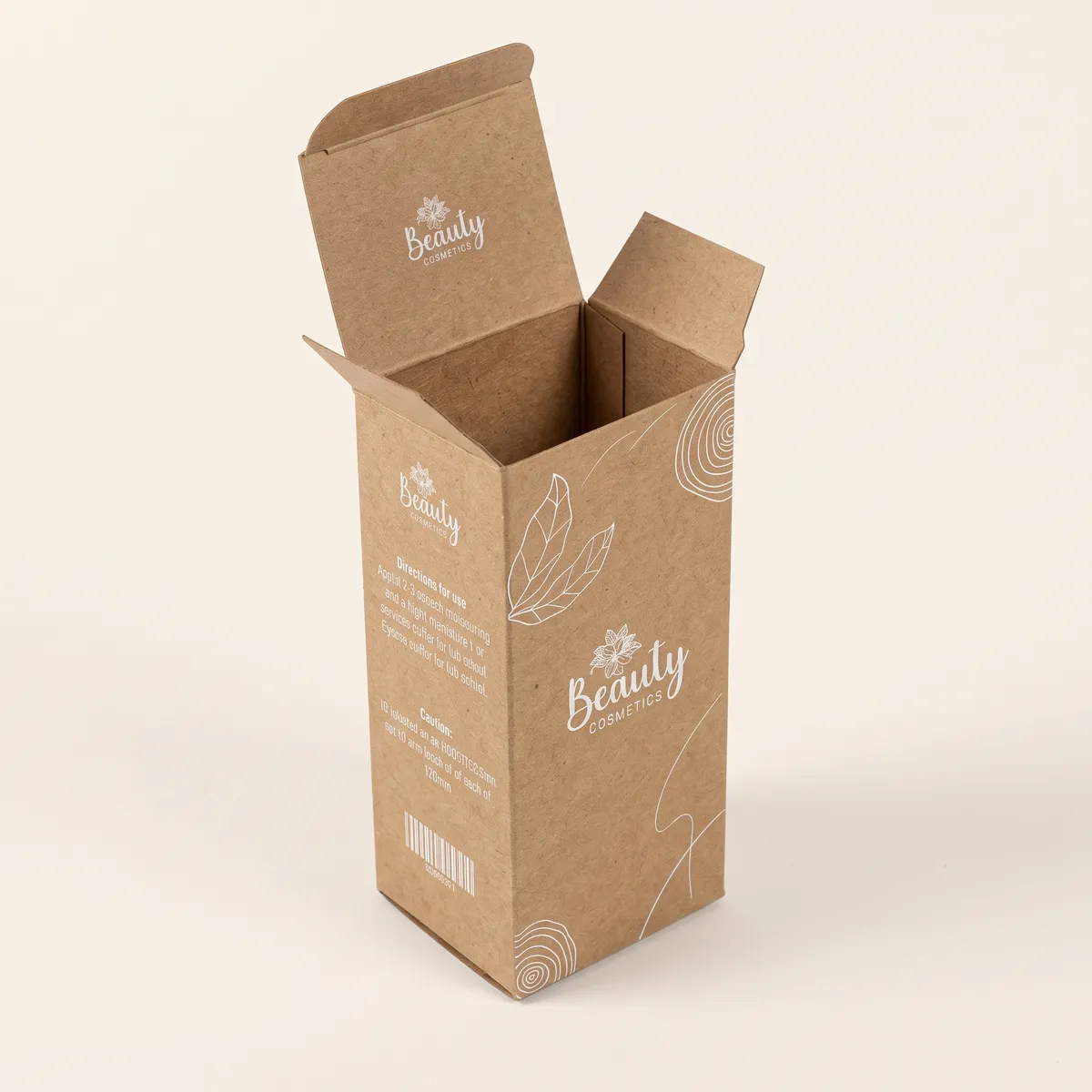
Every stock changes the color printed on it. Kraft pulls hues warm and muted, and recycled board, with its slightly grayer base, moves them a little. Coated white changes them least, so it's the stock to choose when color is doing commercial work: a recognizable brand shade, a skin-tone range, a photograph of what's inside.
Toy brands using character-printed toy packaging are the clearest case, since a character has to look the same on the shelf as it does on screen and in the ad that sent the customer there.
The reverse applies too. If the design is a single dark logo and the brand leans natural, coated board buys an accuracy you won't use, and a kraft carton will serve the range just as well.
Laminates, Spot UV and Foil on Coated Carton Board
With the board already chosen for color, the finish question is which treatments pay for themselves. Gloss lamination brightens color and stands up to handling, which suits toys and gift cartons picked up repeatedly. Matte reads quieter and photographs without glare. Soft-touch feels premium in the hand but scuffs, so pair it with anti-scuff film on cartons that get handled a lot.
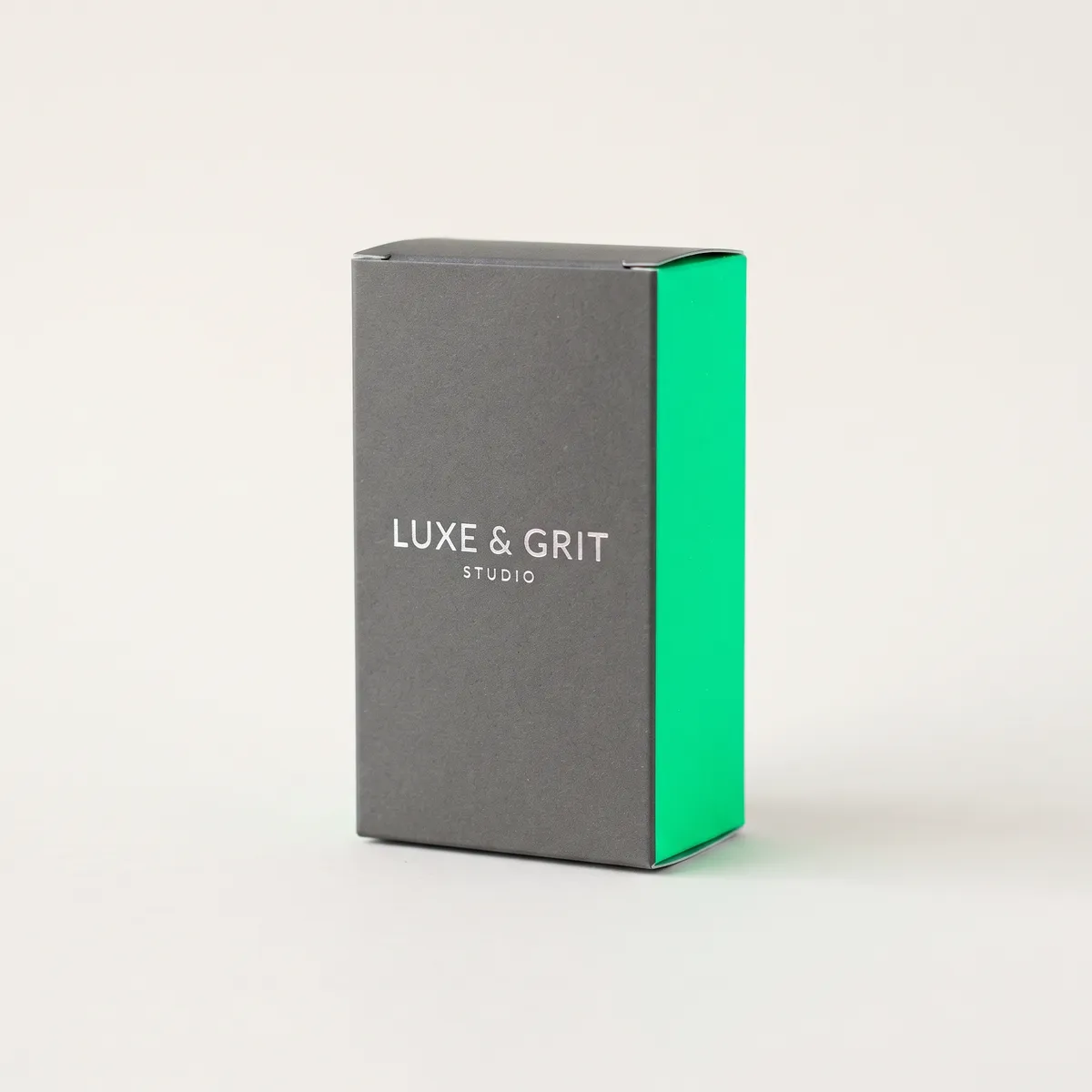
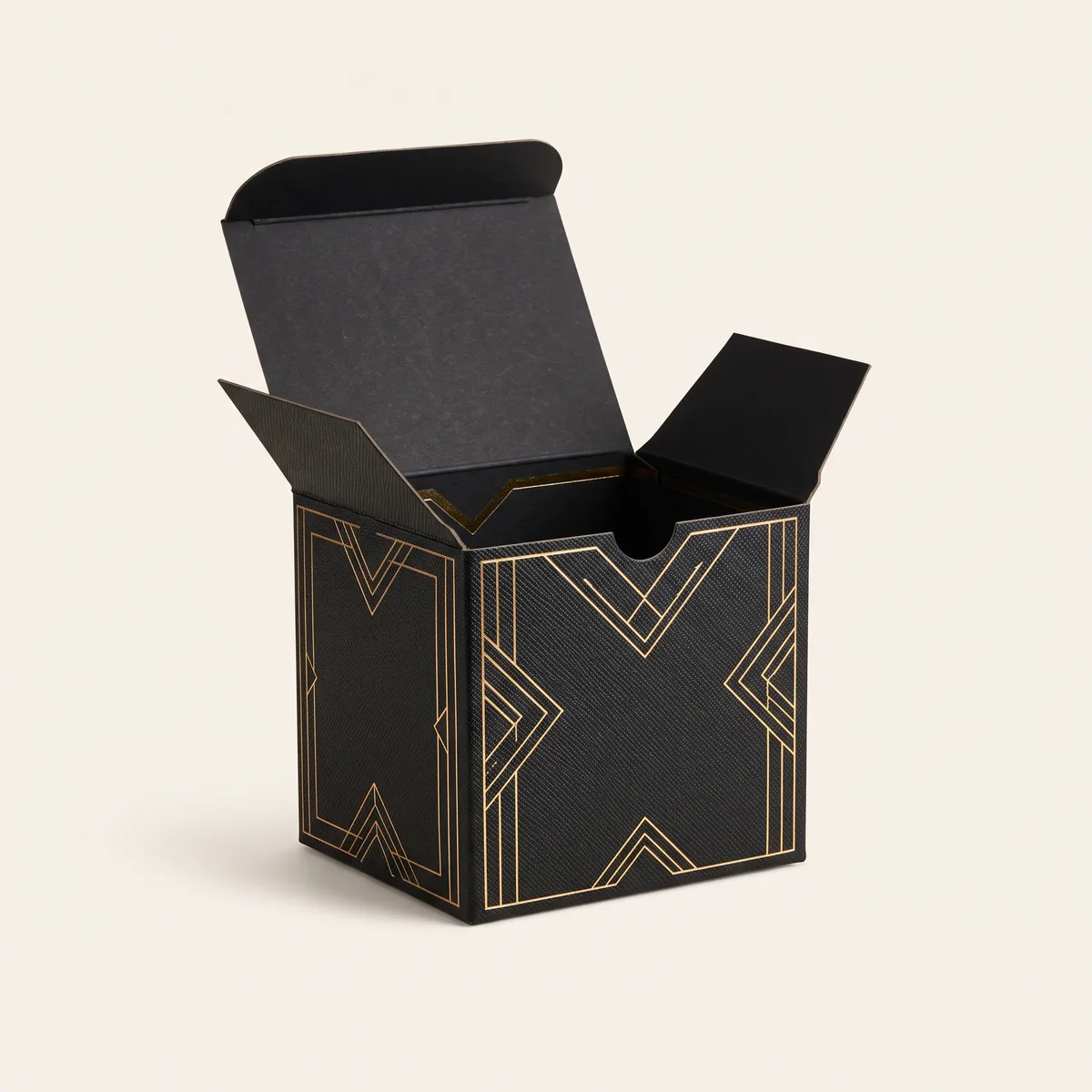
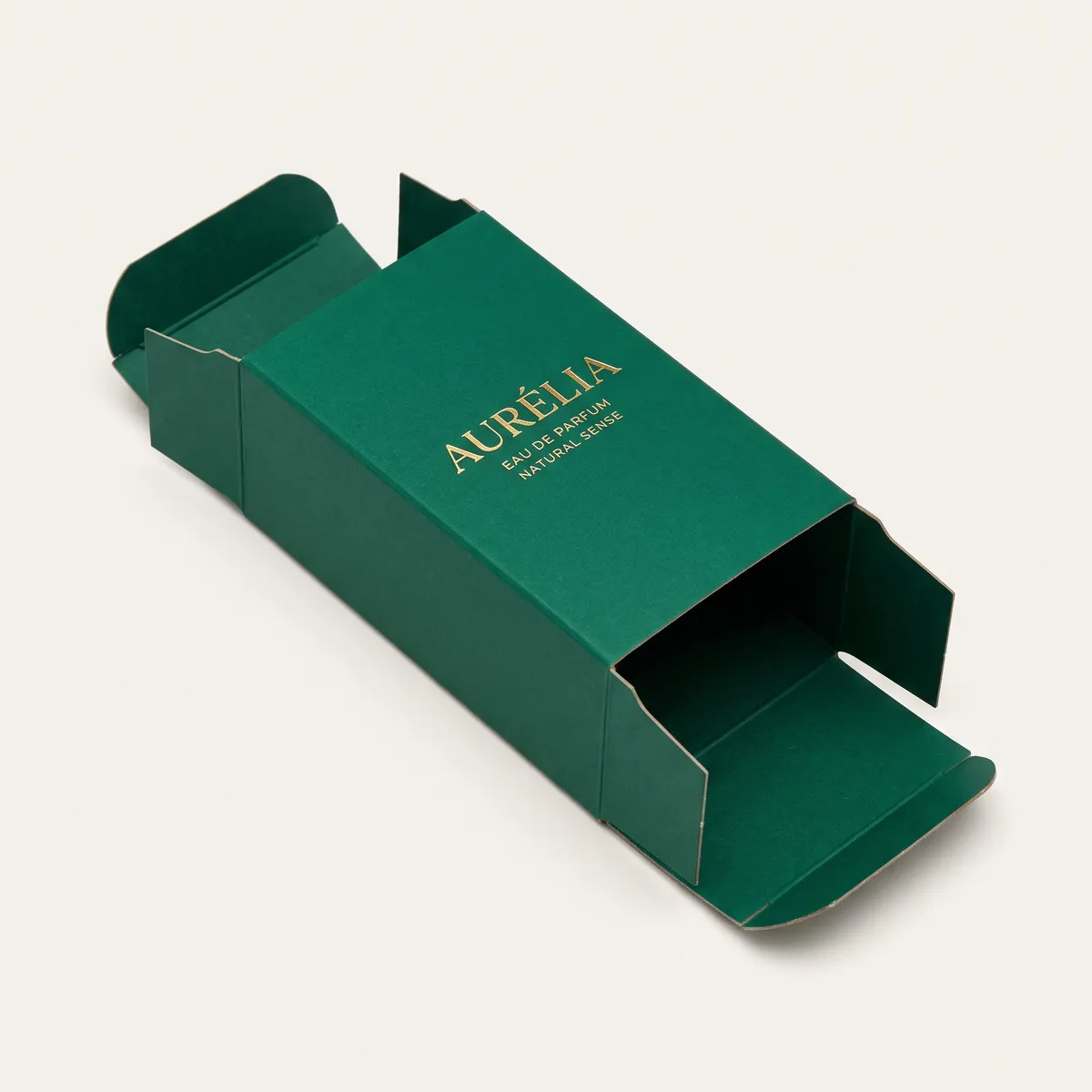
Spot UV picks out a logo or character against a matte field, and foil works best kept to one small element; a fully foiled panel tends to look busy.
On a low-price item opened once, skip the film and spend on print quality instead. Lamination also makes recycling harder, so leave it off if recyclability is part of what you say about the pack.
Printed Cartons for Toy Shelves, Cookie Gifts and Retail Packs
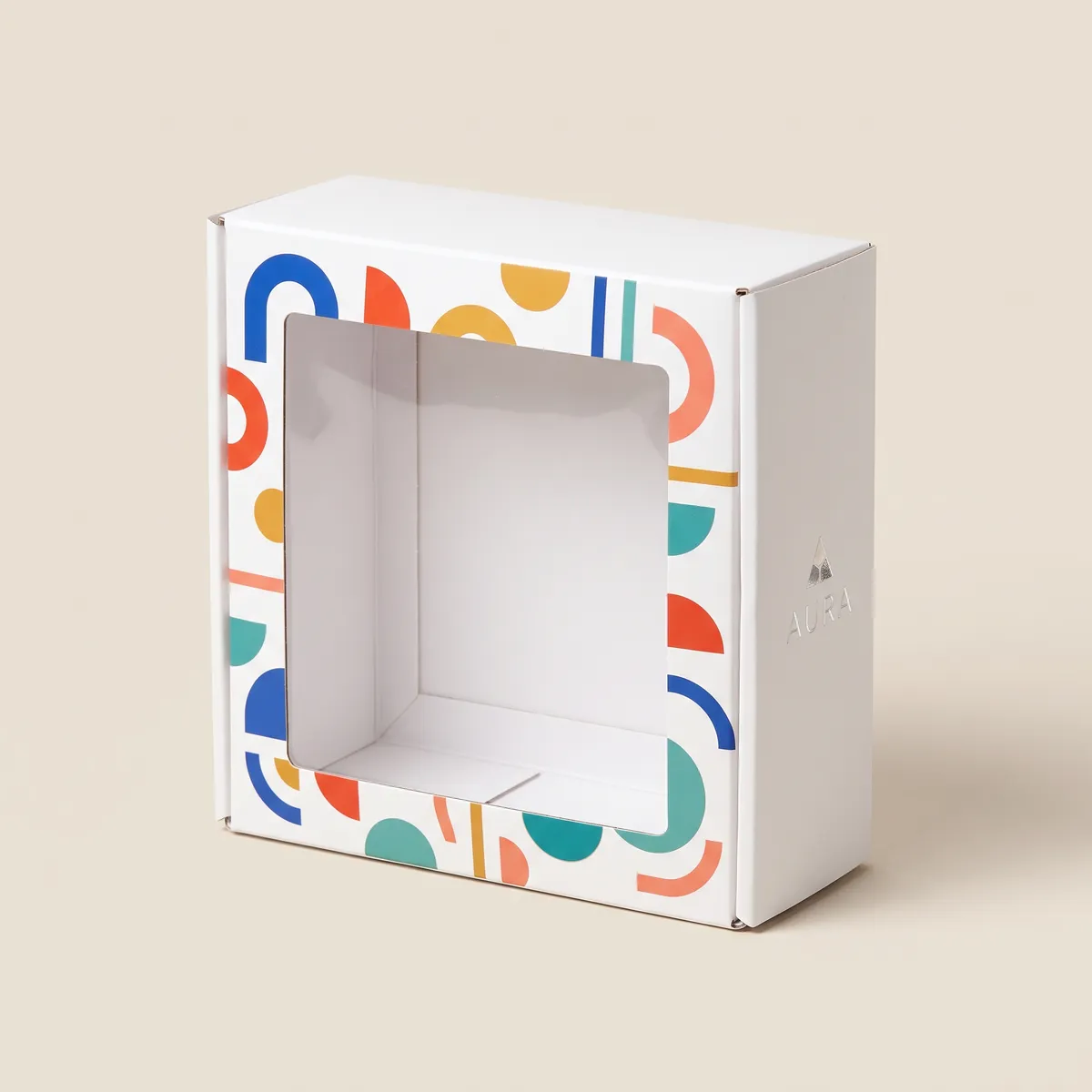
Toy brands use coated cartons for shelf packs, card games and accessories, where character art and bright color decide which box gets pointed at. Bakeries and confectioners use them for boxed cookie gift sets and seasonal chocolates, often with a window and printed photography.
Beauty brands carry shade ranges and minis on coated board, because a lipstick carton that shows the wrong red sells the wrong product. Electronics accessories, stationery and anything sold on a crowded shelf next to heavily printed competitors use the same stock for the same reason.
Coated board is the wrong buy for a product sold on a natural look, or for a carton that ships inside an outer box and never reaches a shelf at all.
Holding Brand Color From Proof to Full Run
Color consistency depends on what happens after the proof. Every carton goes through a three-stage check, so a shift in color or registration across a long run is caught by us before it leaves, not found by you on a shelf. If the bulk run doesn't match the proof you approved, we reprint it at our cost.
Production takes 8–12 business days from proof approval; if you need it sooner, rush carries an extra charge, quoted before production starts. Orders start at 100 boxes, which suits a single new SKU. Programs above 10,000 cartons get free samples first, so you can check the color under your own lighting before the rest is printed. Shipping is included in the quoted price.
One connected process, start to finish.
Structural Design
Dieline drafted to your exact fit and freight tolerances.
Proof & Sample
Sign off on a digital proof, or request a physical sample.
Tooling
Dies and plates are cut for your job and archived on file.
Production
Print, die-cut, and assembly run under in-line quality checks.
Ship & Reorder
Freight goes out, and the cycle resets for your next run.
Steady process. Powerful results.
Like everything we build, our process is engineered to hold up — no shortcuts, no surprises. Five dependable stages that run the same way every single time, so reorders are just as fast as the first order.
- One dedicated teamFrom first sketch to final freight, the same people carry your order start to finish.
- Dies archived on fileReorders skip tooling and re-setup entirely — we already have your exact spec.
- Checked against your sign-offEvery run is inspected against the digital proof or physical sample you approved.
Set up your file once, correctly
Nine in ten delayed jobs are delayed by artwork, not production. Match these four rules and your proof lands the next morning.
- Bleed1/8 in (3 mm) past every cut line
- Safe ZoneKeep text 1/4 in clear of every crease
- ColourCMYK or named Pantone. No RGB.
- Resolution300 dpi at final size, fonts outlined
No print-ready file?
Send a logo and a rough idea. Our studio builds the production file free with any order over 500 units — you keep the source file either way.
Ask the StudioBackground art must run all the way to the outer bleed edge. Anything inside the white dashed line survives fold tolerance.
What brands say about this box
They live there rather than here, where we can't edit them, delete them, or pick which ones you get to see. That is exactly what makes them worth reading.
Read all reviews on Trustpilot(opens in a new tab)Answers before you have to ask.
When is coated board worth it on a folding carton?
When accurate, vivid brand color matters, or when you want lamination. For a box printed in one or two colors, kraft costs less and performs identically. It's a positioning decision more than a quality one.
Can cardboard cartons be laminated?
Yes, and coated board takes lamination better than kraft does. Gloss, matte and soft-touch are all available. Bear in mind film shifts printed color slightly, so we proof after lamination.
Is cardboard the best choice for full-color work?
Yes, for accuracy and saturation. The coated surface holds ink on top rather than absorbing it, so what you proof is what prints. Kraft will always shift colors toward warm and muted.
How long do cardboard folding cartons take?
About 8–12 business days from proof approval, including lamination if specified. Rush is available at an extra cost stated upfront, with shipping included.
Can I order cardboard cartons per product?
Yes, and it's the economical approach. Keeping one carton structure while changing the printed panel per product keeps tooling costs down as your range grows.