
Corrugated Boxes
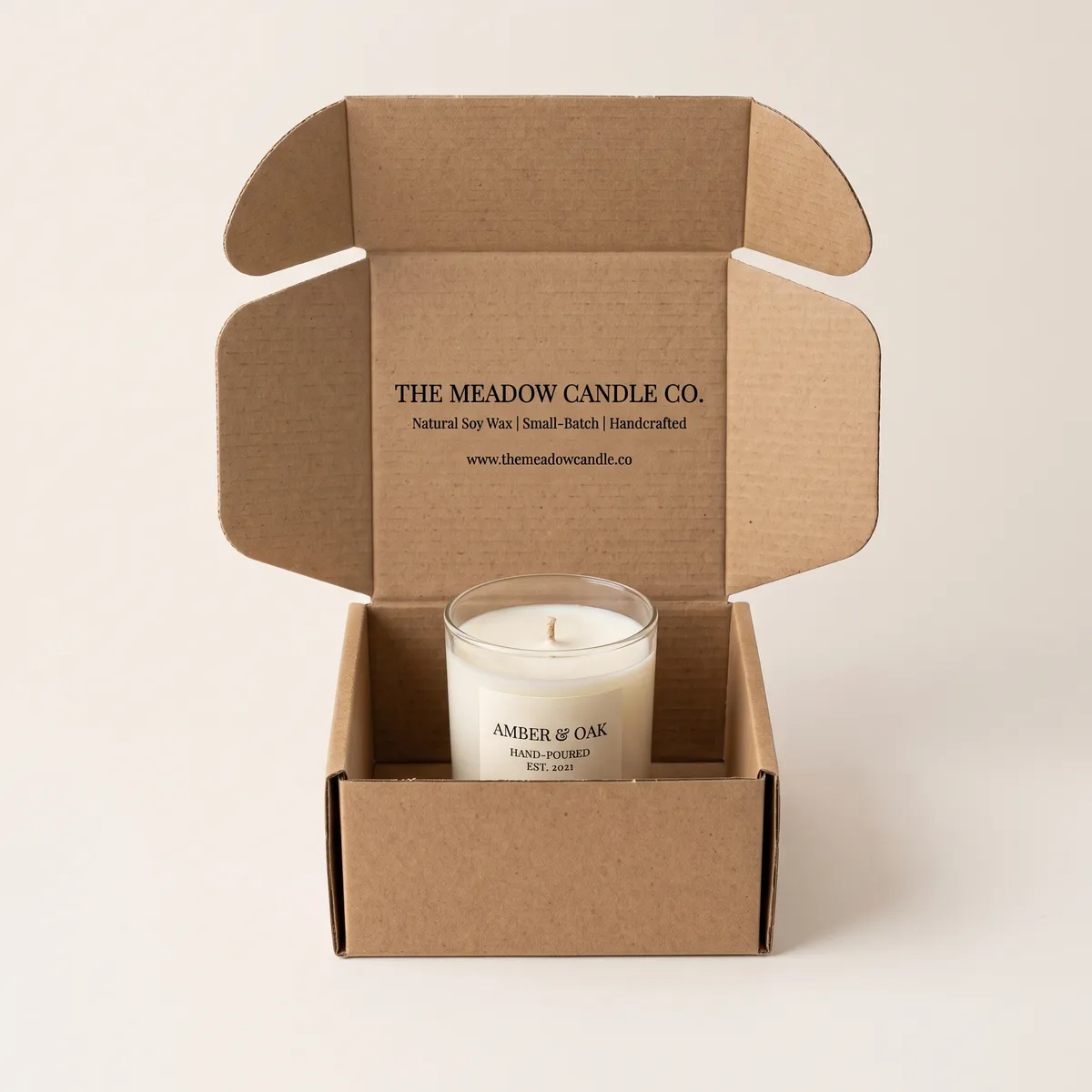
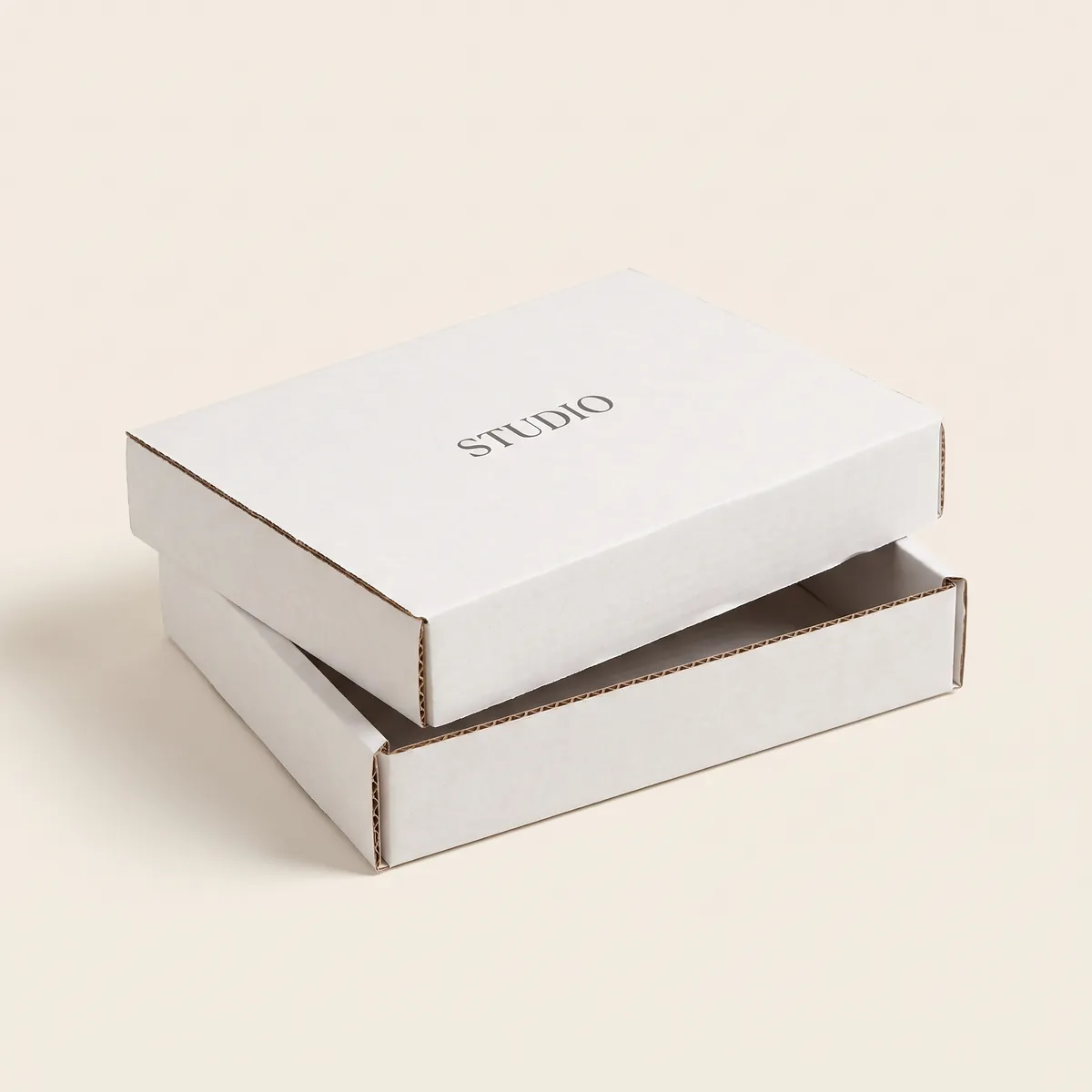
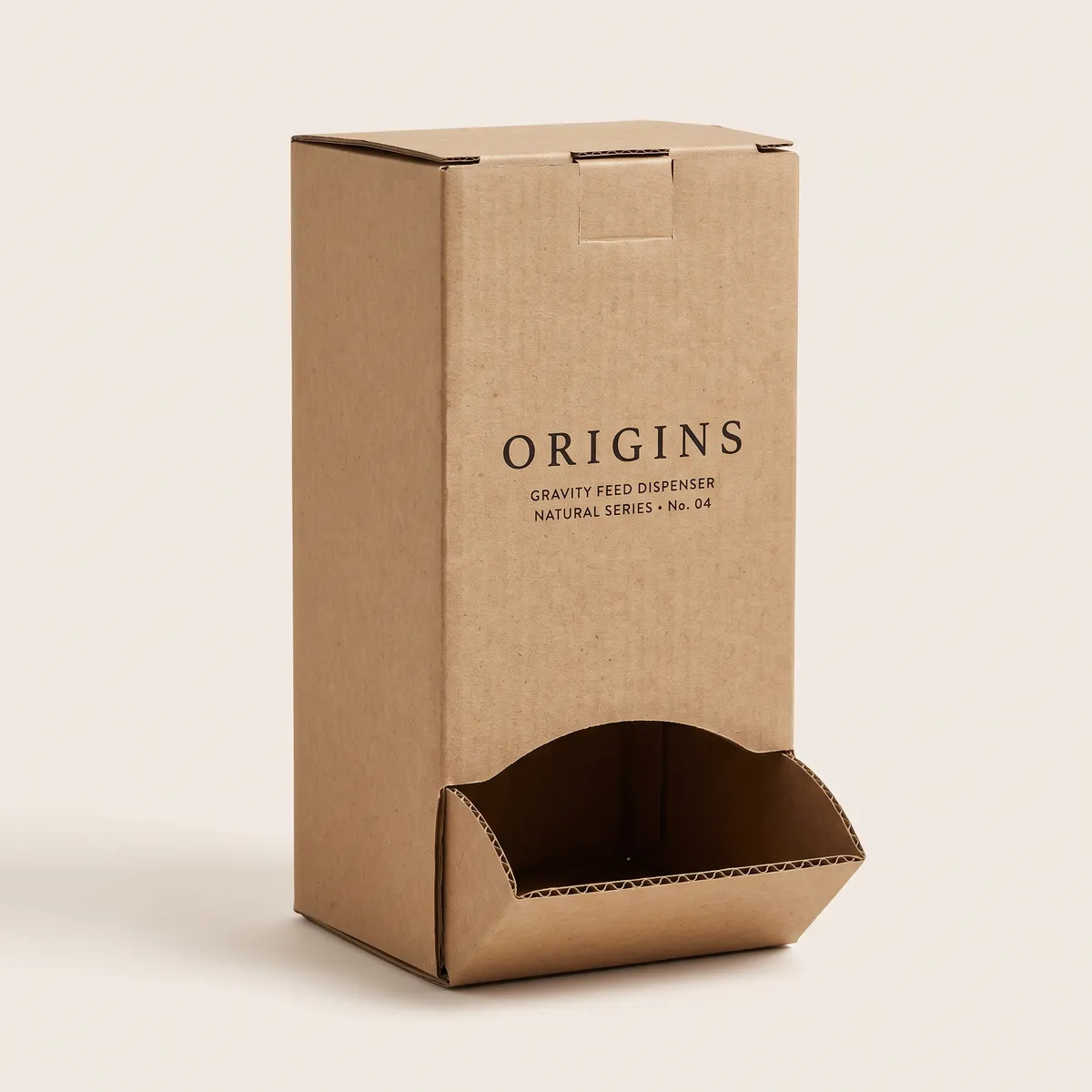
Corrugated board is three layers: a fluted wave formed by heated rollers and glued between two flat liners while still pliable. That wave provides the stacking strength and cushioning that shipping boxes, wine shippers and pizza boxes rely on. The flute also telegraphs through print, softening fine type. Learn how flute profiles differ, what ECT and Mullen ratings measure, and how it recycles.
Ours are on Trustpilot, where we can't edit them or choose which ones you see.
Read them on Trustpilot →(opens in a new tab)Four stages, twelve days
Quote confirmed
A specialist checks your spec against the board and comes back with a firm price inside 4 business hours.
Proof approved
You get a flat dieline and a 3D render. Nothing goes to press until you approve it in writing.
On press
Print, die-cut, glue, and fold. You get a press-side photo the day your job runs.
QC and delivery
Every pallet is sampled against the digital proof or physical sample you approved, then shipped with tracking to your dock or 3PL.
If a box doesn't match the digital proof or physical sample you approved, we reprint the run at no charge.
Read the reprint terms →Know exactly what you're ordering.
Corrugated Is Chosen by What the Box Must Survive
Corrugated is the stock chosen by working backward from what can go wrong. A carton stacked on a pallet, knocked off a conveyor or carried across town under a hot meal fails in specific, predictable ways, and the board is picked to prevent them. That makes it the most measured material in packaging. Buyers compare it on test ratings rather than looks, and operations teams care more about crush and burst figures than about print. It is also the material most often over-bought. A heavier board feels safer, but every extra layer adds weight to every parcel, and carriers bill on that weight for as long as the box stays in use. This page is for anyone specifying corrugated by load and route rather than by habit.
Flutes, Walls and Strength Ratings
These are the options and ratings that appear on a corrugated specification.
| Option or rating | What it's for |
|---|---|
| C-flute | The all-round standard for most parcel shipping |
| B-flute | Thinner, with a flatter print face and good crush resistance on lighter loads |
| BC double-wall | Both flutes combined for heavy or fragile goods |
| ECT rating | Edge crush, which predicts stacking strength on a pallet |
| Mullen rating | Burst resistance, which predicts survival under rough handling |
| Sizing | Cut to your product's dimensions |
A board can rate well on one test and poorly on the other, so a quoted number means little until you know which test produced it. Liners are usually kraft, and flute profile decides cushioning and print quality more than the liner does.
Fluted Board Against Single-Layer Paperboard
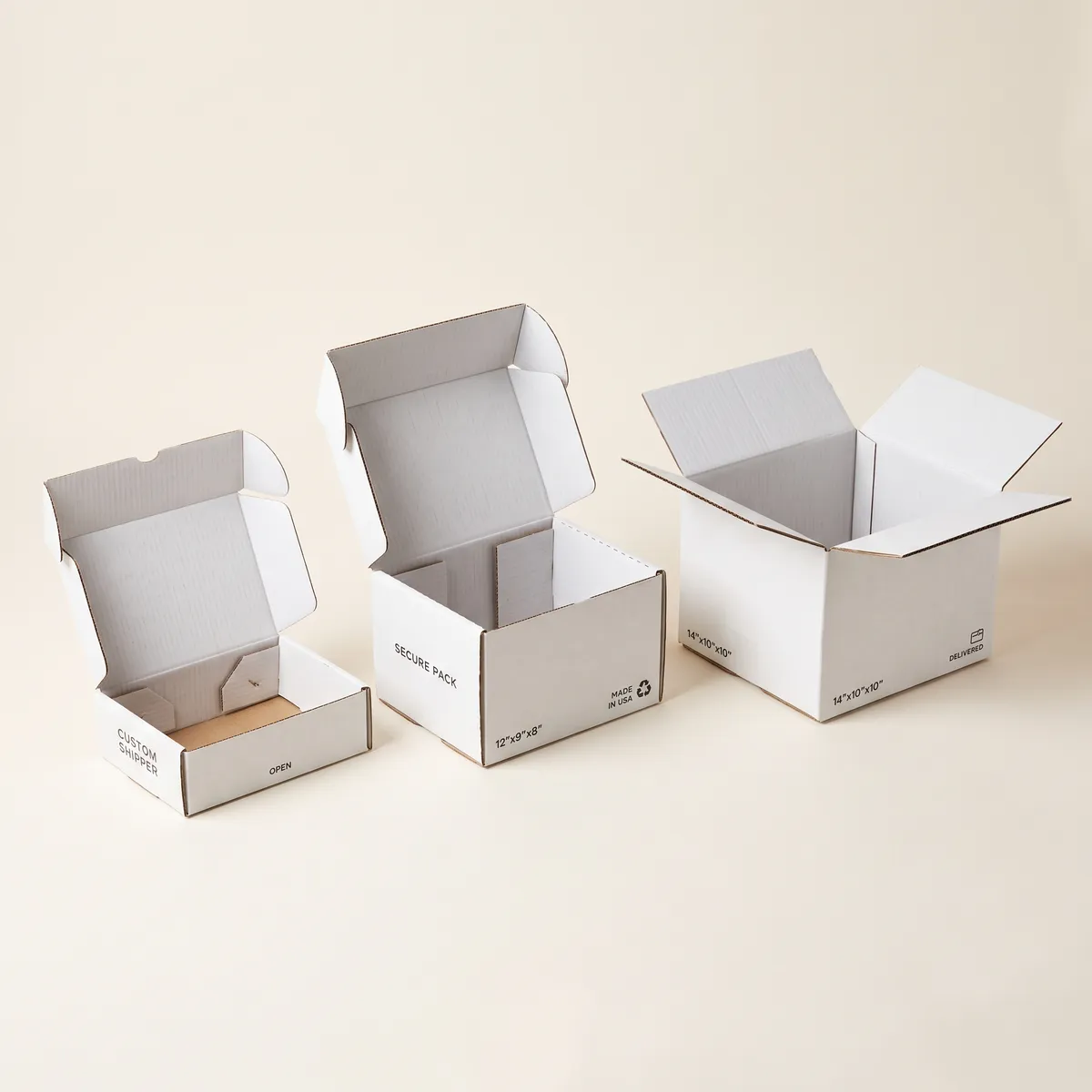
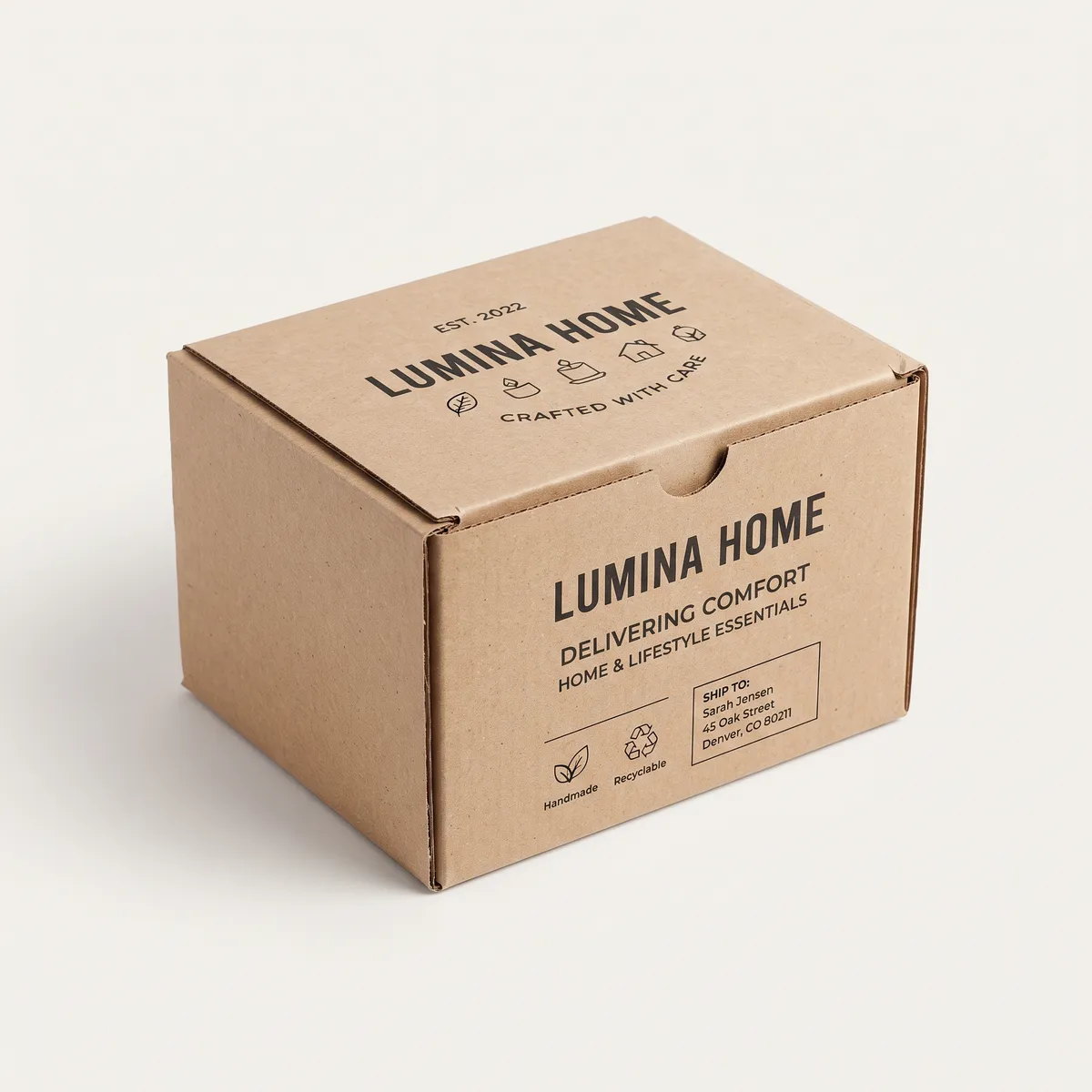
A single sheet of paperboard bends under load; corrugated resists it, because the flute holds the two liners apart and spreads the force. That wave also absorbs shock, which is why this is the material for heavy goods, breakables and boxes traveling unaccompanied. For most direct-to-consumer parcels, single-wall C-flute is enough, and double-wall is money spent on nothing unless the product is genuinely heavy or breakable. Size discipline matters as much as board grade, since carriers bill on dimensional weight and an oversized box taxes every shipment. The style most brands build from it is the self-closing mailers in fluted board that lock without tape. Where a box only ever sits on a shelf, paperboard is lighter and prints sharper.
Print Rules for a Fluted Surface
Most corrugated printing is flexo applied directly to the liner, usually in one or two colors, which keeps unit cost low across volume. Digital suits short runs or artwork that changes often, since there are no plates to pay for. The flute underneath is the constant limitation: it shows through the liner and softens edges, so keep type above 8pt and favor bold marks over fine linework. Where sharper detail matters, B-flute gives a flatter face than C. Lamination can be added for moisture protection, though it makes the box harder to recycle and raises the price of a material bought to be practical. Premium finishes rarely pay back on a box that gets scuffed in a van; a printed interior puts the spend where people look.
Freight, Food Delivery and Heavy Retail on Corrugated
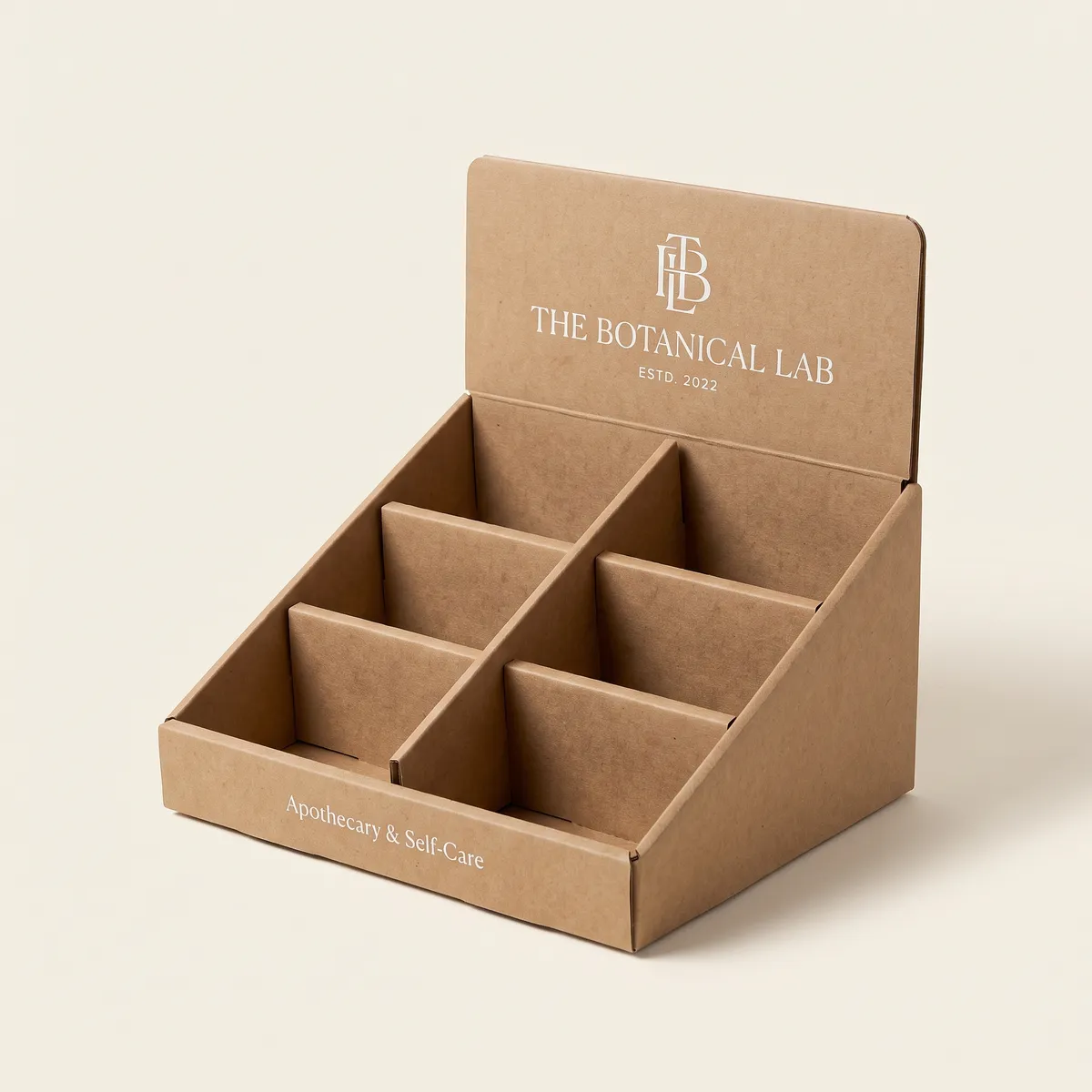
The obvious home is parcel cartons built for transit, where the box travels alone and has to arrive intact. Wine shippers use double-wall with inserts that hold each bottle still, because glass punishes any slack. Pizza boxes rely on corrugated for stacking strength and on the flute to absorb grease and hold some heat. Large cakes and tiered bakes step up to it so the base doesn't bow when carried flat. Retail displays and large toy boxes use it for rigidity at size, and beer carriers for the weight of glass hanging from a handle. Wherever weight, size or a delivery route is part of the brief, corrugated is usually the starting point rather than an upgrade.
Reading a Corrugated Quote Line by Line
A corrugated quote is easy to compare once you know which lines matter. Check the flute and wall first: C-flute single-wall, B-flute or BC double-wall. Then check the strength rating and which test produced it, since an ECT figure and a Mullen figure measure different failures and can't be compared with each other. Confirm whether the dimensions are internal or external, because flute thickness sits between the two and a few millimeters decides whether the product fits. Ask for the tolerance as well. Corrugated holds dimensions less tightly than paperboard, and paying for precision it can't use adds cost without benefit. Learn where single-wall stops being enough by matching the board to your heaviest, most fragile shipment rather than your average one.
One connected process, start to finish.
Structural Design
Dieline drafted to your exact fit and freight tolerances.
Proof & Sample
Sign off on a digital proof, or request a physical sample.
Tooling
Dies and plates are cut for your job and archived on file.
Production
Print, die-cut, and assembly run under in-line quality checks.
Ship & Reorder
Freight goes out, and the cycle resets for your next run.
Steady process. Powerful results.
Like everything we build, our process is engineered to hold up — no shortcuts, no surprises. Five dependable stages that run the same way every single time, so reorders are just as fast as the first order.
- One dedicated teamFrom first sketch to final freight, the same people carry your order start to finish.
- Dies archived on fileReorders skip tooling and re-setup entirely — we already have your exact spec.
- Checked against your sign-offEvery run is inspected against the digital proof or physical sample you approved.
Set up your file once, correctly
Nine in ten delayed jobs are delayed by artwork, not production. Match these four rules and your proof lands the next morning.
- Bleed1/8 in (3 mm) past every cut line
- Safe ZoneKeep text 1/4 in clear of every crease
- ColourCMYK or named Pantone. No RGB.
- Resolution300 dpi at final size, fonts outlined
No print-ready file?
Send a logo and a rough idea. Our studio builds the production file free with any order over 500 units — you keep the source file either way.
Ask the StudioBackground art must run all the way to the outer bleed edge. Anything inside the white dashed line survives fold tolerance.

What brands say about this box
They live there rather than here, where we can't edit them, delete them, or pick which ones you get to see. That is exactly what makes them worth reading.
Read all reviews on Trustpilot(opens in a new tab)Answers before you have to ask.
How is corrugated board actually made?
Three layers — a fluted wave glued between two flat liners. The flute is formed by passing paper through heated rollers, then bonded while still pliable. That wave is what gives corrugated its strength and cushioning.
Does printing work well on corrugated?
Reasonably, with a caveat. The flute beneath the liner telegraphs through and softens small type and thin lines, so bold shapes reproduce far better than delicate wordmarks or fine serif type.
Can corrugated be laminated?
It can, though it's less common. Lamination on corrugated adds moisture resistance and print protection, but it works against recyclability and adds cost to a stock usually chosen for economy.
Is corrugated recyclable?
Yes, and it has one of the higher recycling rates in packaging. The layered structure is all paper, so it breaks down readily. Wax and heavy plastic coatings are the main things that prevent it.
When is corrugated the right choice?
Anything heavy, fragile, or traveling through a parcel network. Shipping boxes, wine shippers, pizza boxes and large retail packaging all rely on the flute for strength and cushioning.