
Rigid Boxes
Rigid packaging starts with dense recycled board, usually two to three millimeters thick, that is cut and assembled before a separately printed paper wrap is applied, since the board itself is too dense to print. That construction is why rigid doesn't flex, takes every finish from foil to soft-touch, and costs more to produce. Learn how rigid boxes are built, wrapped and finished.
Ours are on Trustpilot, where we can't edit them or choose which ones you see.
Read them on Trustpilot →(opens in a new tab)Four stages, twelve days
Quote confirmed
A specialist checks your spec against the board and comes back with a firm price inside 4 business hours.
Proof approved
You get a flat dieline and a 3D render. Nothing goes to press until you approve it in writing.
On press
Print, die-cut, glue, and fold. You get a press-side photo the day your job runs.
QC and delivery
Every pallet is sampled against the digital proof or physical sample you approved, then shipped with tracking to your dock or 3PL.
If a box doesn't match the digital proof or physical sample you approved, we reprint the run at no charge.
Read the reprint terms →Know exactly what you're ordering.
Rigid Names the Board, Not the Box Shape
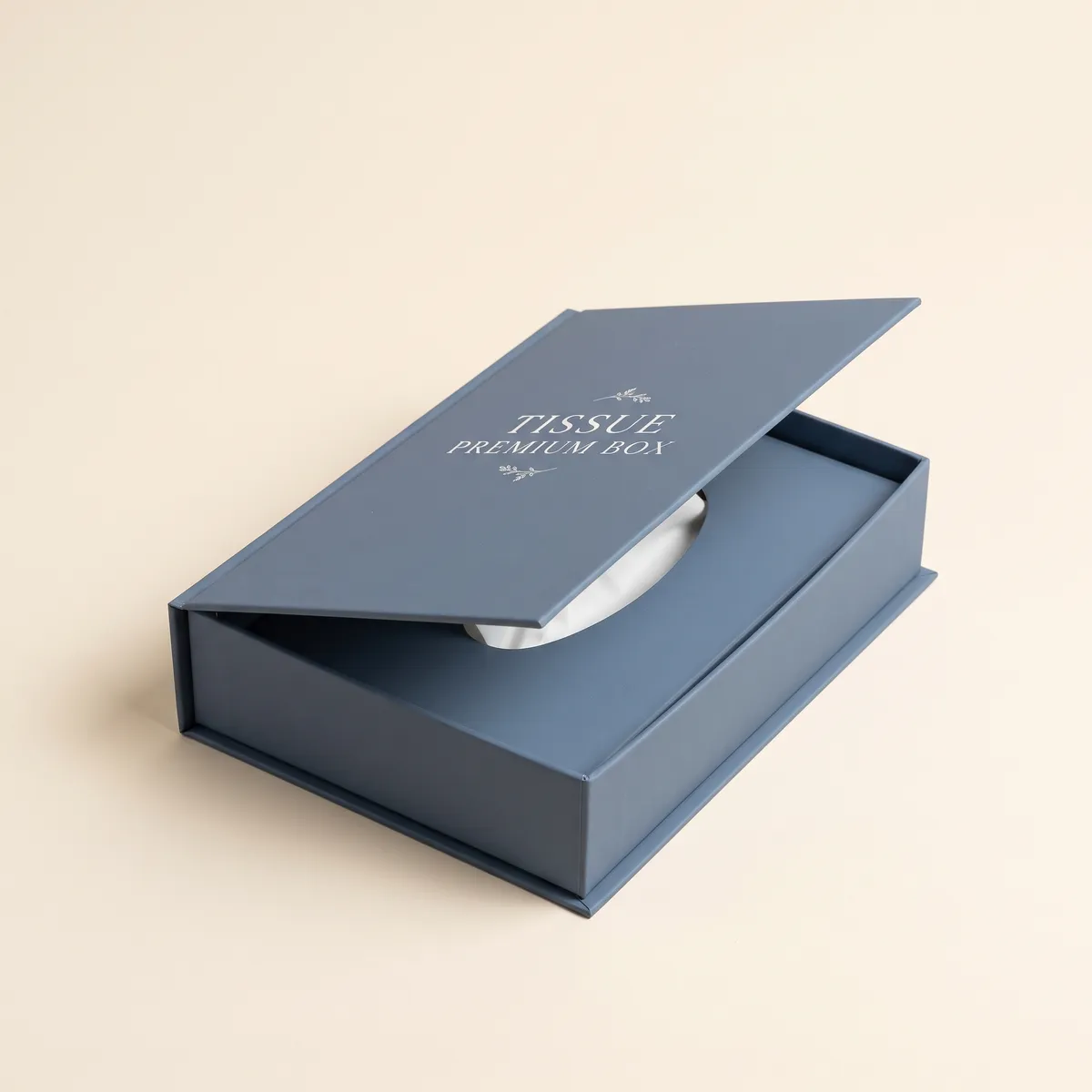
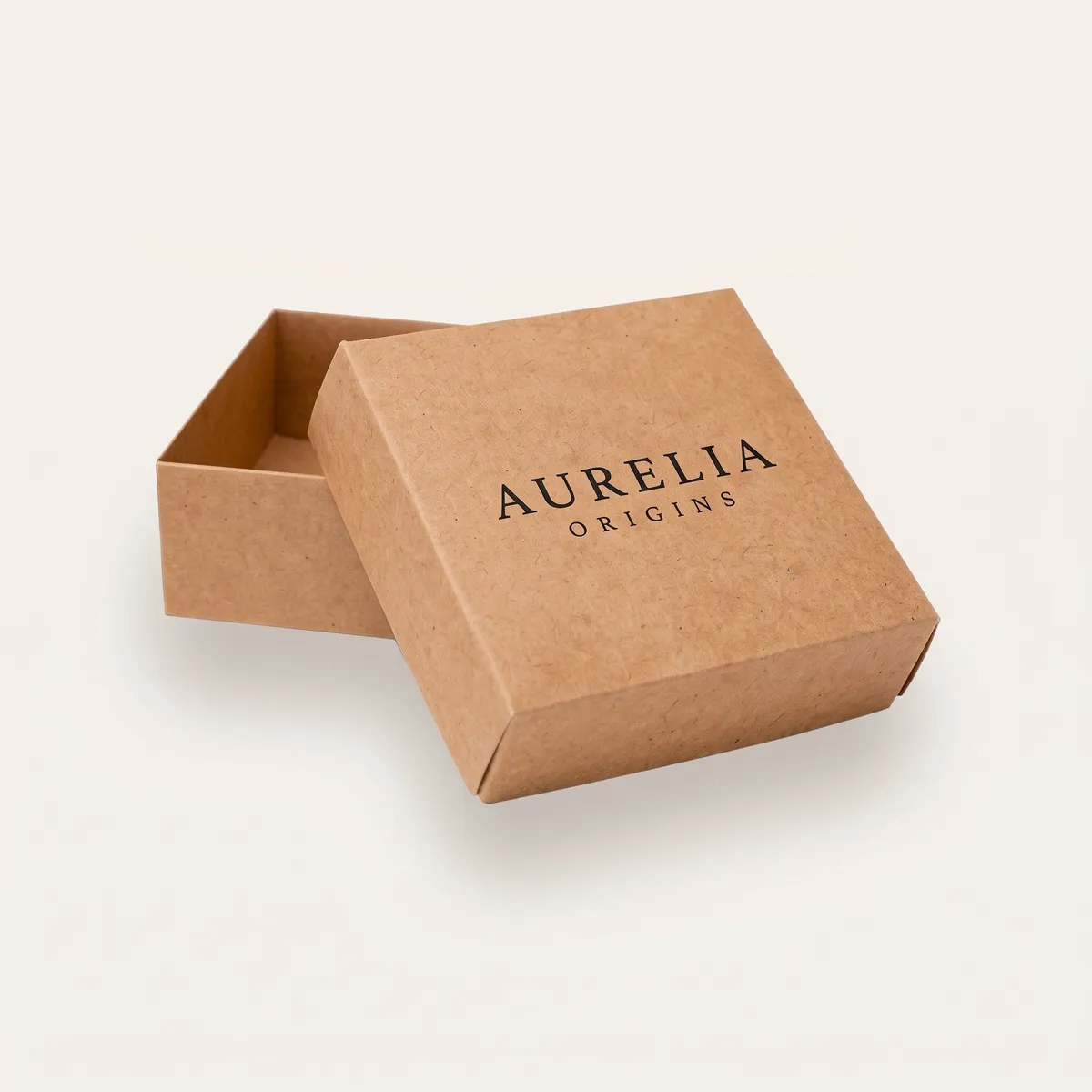
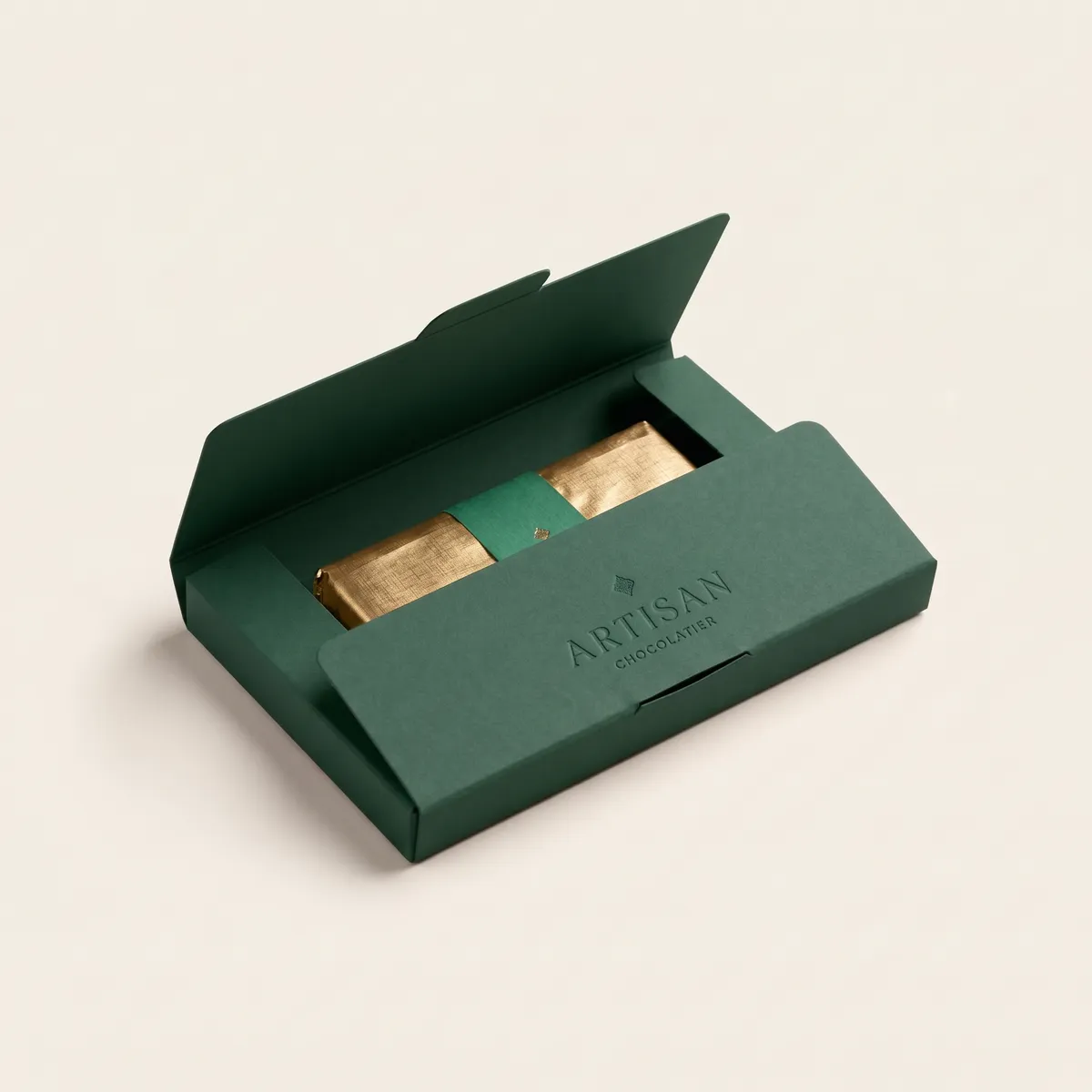
Rigid is a material, not a shape, and mixing the two up is one of the most common briefing errors. A lid-and-tray box can be folded from cardboard or kraft and be two-piece without being rigid. A rigid box, meanwhile, can open as a lift-off lid, a drawer, a book-style flap or a single-piece magnetic closure. What makes it rigid is the board itself, not the way the box opens. Buyers usually arrive at it from a price point rather than a style, asking whether the product justifies the step up from a folding carton. This page covers how that board becomes a box, what it means for finishing and cost, and the cases where the step up isn't worth taking.
How a Rigid Box Is Put Together
A rigid box is built in layers, and each one is specified separately.
| Component | Detail |
|---|---|
| Board | Grayboard or chipboard, usually 2–3mm, from recycled fiber |
| Forming | Board is cut and assembled before decoration goes on |
| Wrap | Separately printed paper, linen or textured stock glued over the board |
| Insert | Cut to the product so it sits still |
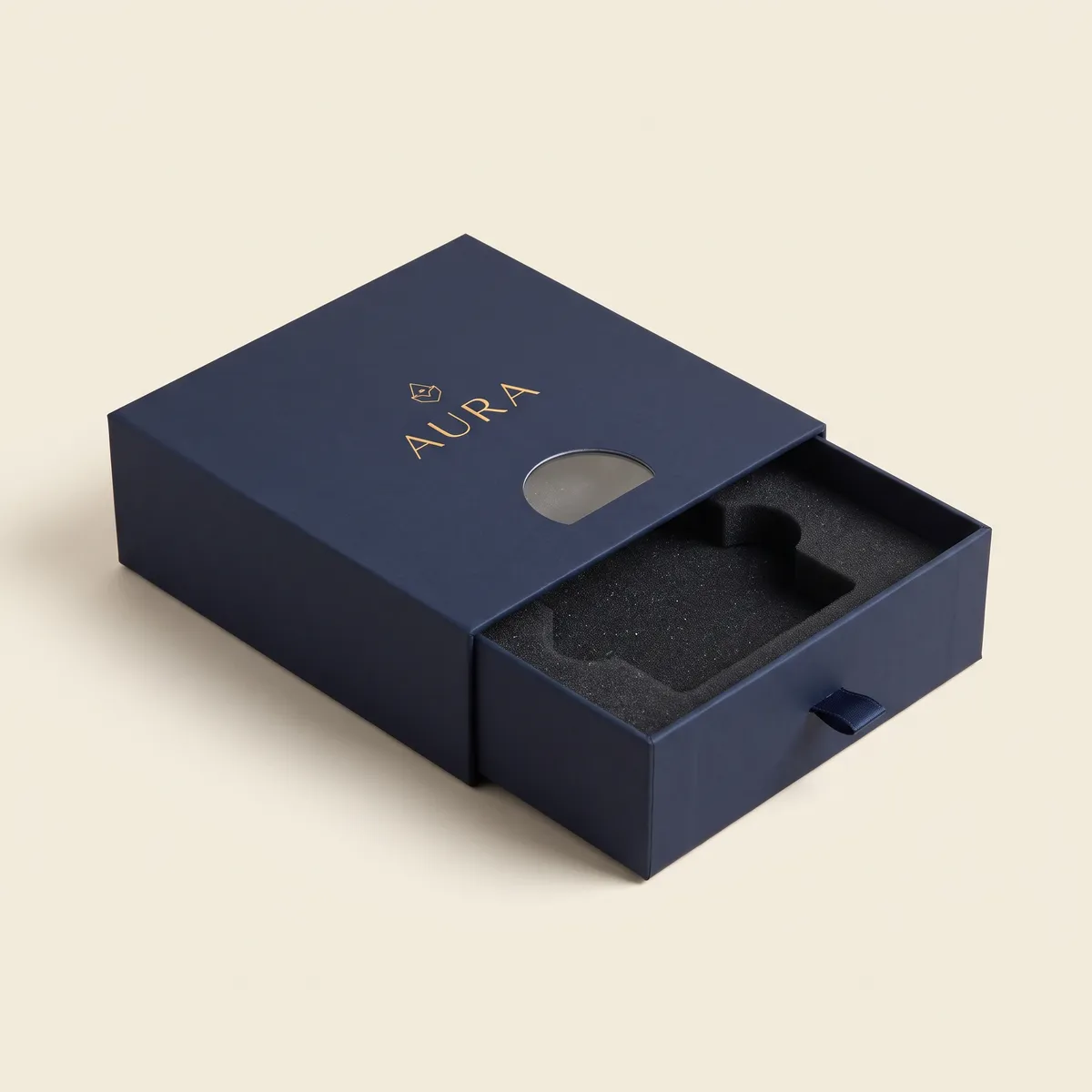
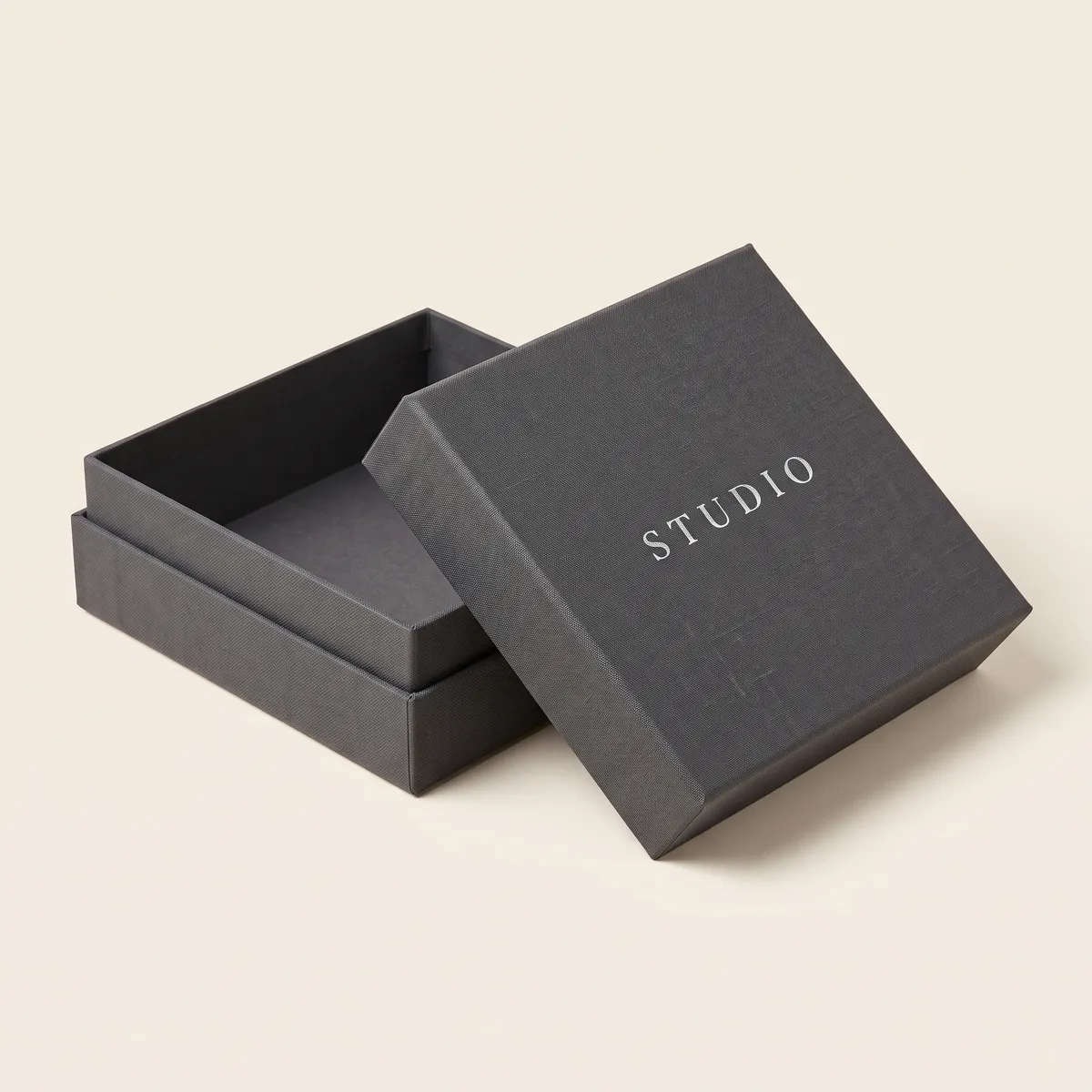
| Styles | Lid-and-tray, drawer, magnetic, round and shoulder-neck builds |
Because the wrap is printed flat and then applied, artwork has to be set up around the box's edges and corners, not just its front face. The board decides weight and structure; the wrap decides appearance. Changing one rarely requires changing the other.
The Case for Paying More for Rigid
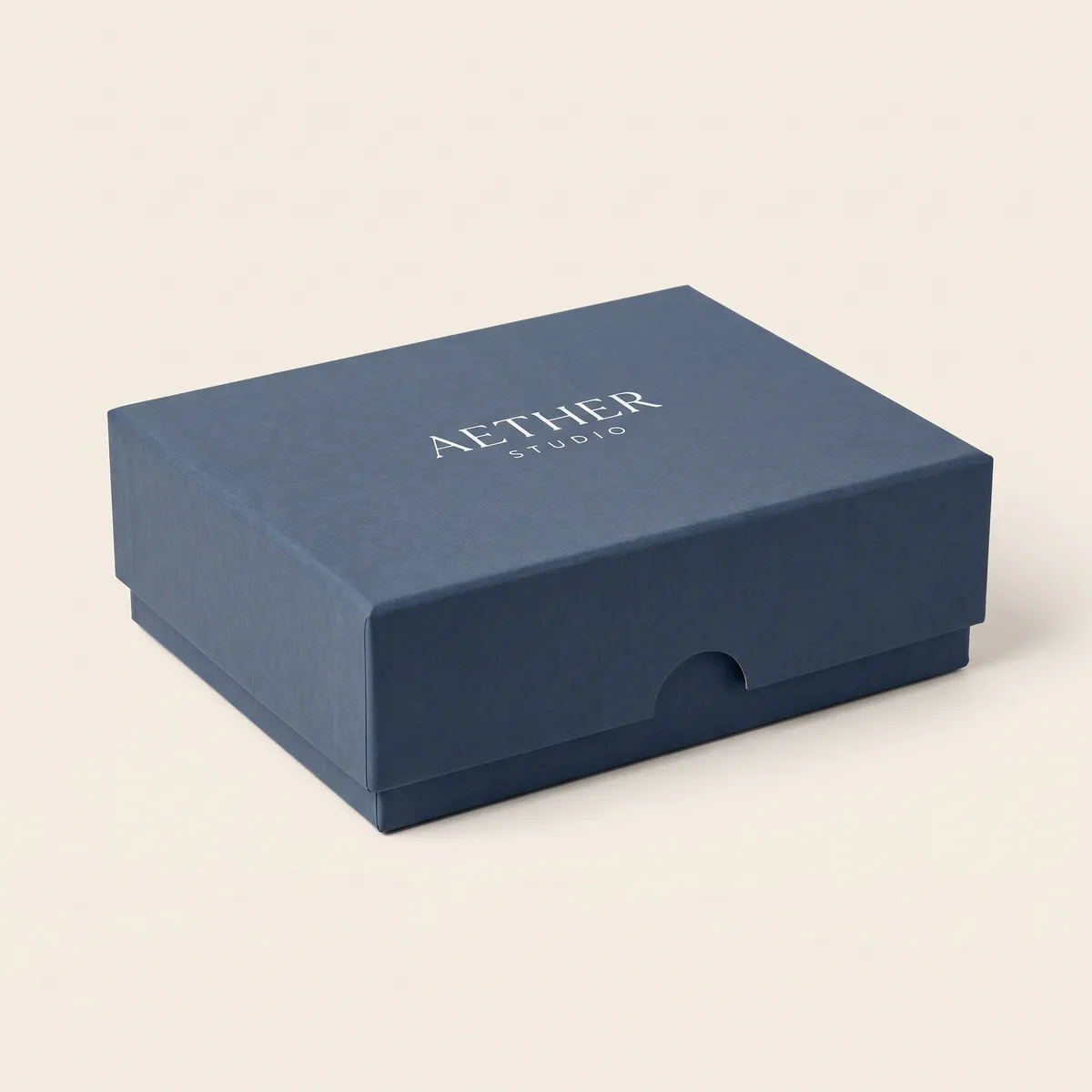
Rigid earns its cost when the box is part of what the customer is paying for. On an expensive, gifted or kept product, a structure that doesn't flex and a lid that lifts cleanly signal quality to the buyer, and that signal protects the price. A folding carton at the same price point invites the question of where the money went. The honest counterpoint is that a mid-priced product rarely needs it. A well-made folding carton with a good insert presents perfectly well, and rigid on single-use packaging is spend nobody notices. The most common rigid build is the lid-and-base set in wrapped board, where the lift itself creates the reveal. If the box will be opened once and thrown away, a folding build is the better spend.
Finishing Happens on the Wrap
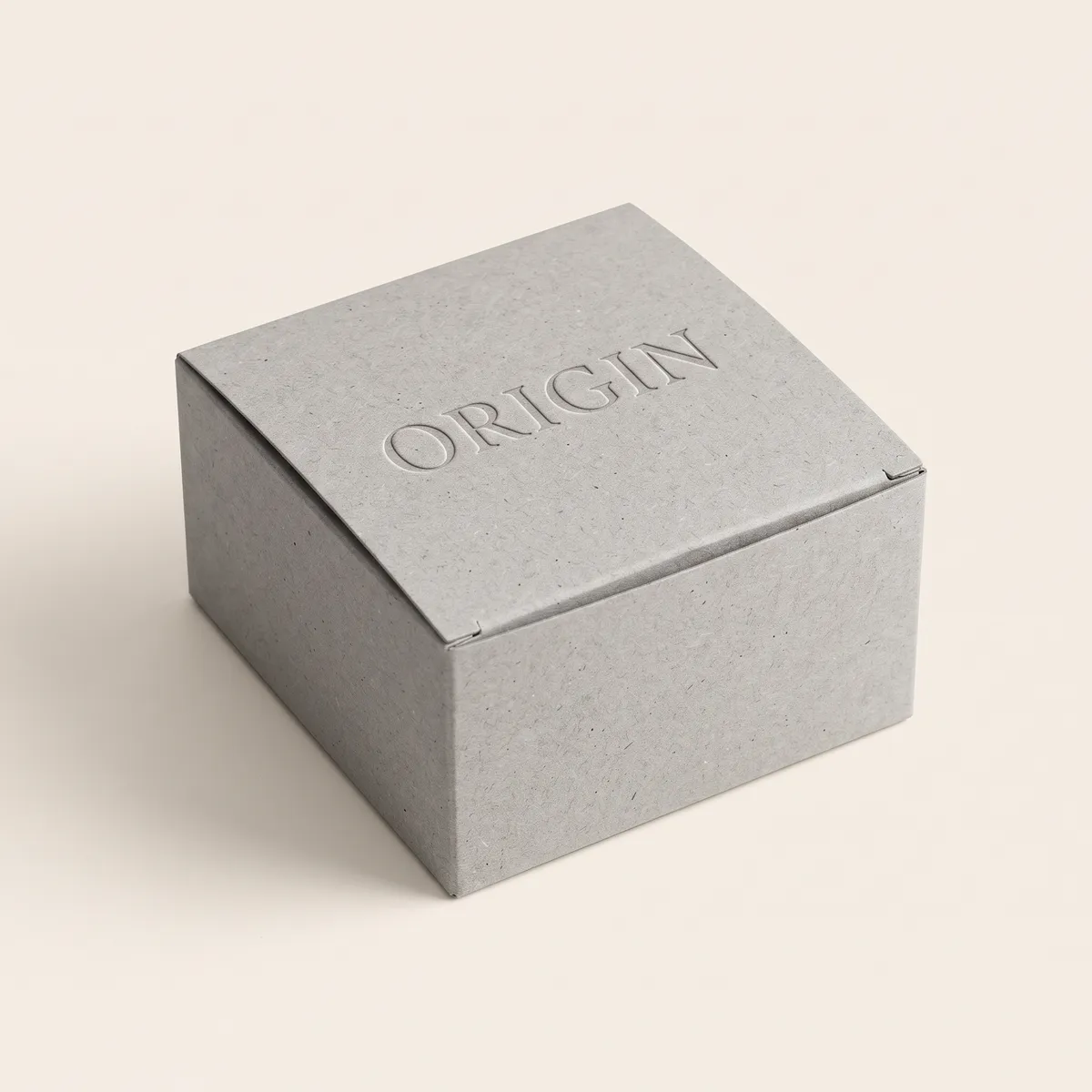
Because the wrap receives its print and finish flat before it meets the board, rigid sets almost no limits on decoration; the limits are cost and judgment. Embossing gains the most, since the board's thickness behind it lets a raised mark keep a crisp edge. When effects are combined, order matters: print first, spot UV in register, then emboss last so later passes don't flatten the relief. Soft-touch film softens the detail of a blind emboss, so keep the two off the same element. Foil reads best as a single accent on a flat panel. Restraint pays. A contrasting pair, such as matte with a foil mark, looks richer than four competing effects, and each extra foil or emboss die adds tooling and setup to the job.
Products Priced High Enough for Rigid
Jewelry is the clearest case: a ring or necklace sold at a real price needs a box with weight, square edges and an insert that holds the piece upright. Fragrance and cologne follow, along with premium serums and skincare sold as gifts. Corporate gifting teams use rigid for presentation boxes for expensive goods sent to clients, and board games and collector editions use it so the box survives years on a shelf. Cigars, wine, champagne and high-end chocolate round out the list. The test is the same each time. Rigid makes sense when the product is costly, given as a gift or kept along with its box, and it stops making sense when the box is handled once and recycled.
Questions to Settle Before a Rigid Spec
Settle four things before a rigid spec goes out for pricing. First, the style: lid-and-tray, drawer, magnetic flap or another build, since the board is the same but the structure isn't. Second, the wrap: printed paper for imagery, or a textured stock such as linen for feel. Third, the insert, cut from your product's measurements so the piece doesn't move. Confirm in writing whether the box dimensions are internal or external, because walls of 2–3mm make that difference visible. Fourth, the finishes, chosen sparingly and applied in the right order. Then review the proof as a full wrap layout, not just a flat front panel, so corners and edges get checked too. Learn how each of those decisions changes the finished box before the wrap is printed.
One connected process, start to finish.
Structural Design
Dieline drafted to your exact fit and freight tolerances.
Proof & Sample
Sign off on a digital proof, or request a physical sample.
Tooling
Dies and plates are cut for your job and archived on file.
Production
Print, die-cut, and assembly run under in-line quality checks.
Ship & Reorder
Freight goes out, and the cycle resets for your next run.
Steady process. Powerful results.
Like everything we build, our process is engineered to hold up — no shortcuts, no surprises. Five dependable stages that run the same way every single time, so reorders are just as fast as the first order.
- One dedicated teamFrom first sketch to final freight, the same people carry your order start to finish.
- Dies archived on fileReorders skip tooling and re-setup entirely — we already have your exact spec.
- Checked against your sign-offEvery run is inspected against the digital proof or physical sample you approved.
Set up your file once, correctly
Nine in ten delayed jobs are delayed by artwork, not production. Match these four rules and your proof lands the next morning.
- Bleed1/8 in (3 mm) past every cut line
- Safe ZoneKeep text 1/4 in clear of every crease
- ColourCMYK or named Pantone. No RGB.
- Resolution300 dpi at final size, fonts outlined
No print-ready file?
Send a logo and a rough idea. Our studio builds the production file free with any order over 500 units — you keep the source file either way.
Ask the StudioBackground art must run all the way to the outer bleed edge. Anything inside the white dashed line survives fold tolerance.

What brands say about this box
They live there rather than here, where we can't edit them, delete them, or pick which ones you get to see. That is exactly what makes them worth reading.
Read all reviews on Trustpilot(opens in a new tab)Answers before you have to ask.
What is rigid board made from?
Compressed grayboard or chipboard, usually two to three millimeters thick, made from recycled fiber pressed into a dense sheet. It's cut, assembled and then wrapped in printed paper rather than printed directly.
How is print applied to rigid boxes?
Not directly — the board is too dense and uneven. Print goes onto a separate paper wrap which is then applied to the assembled box. That's why rigid takes longer to produce than folding builds.
What finishes work on rigid boxes?
Everything — foil, emboss, deboss, spot UV and soft-touch all work, since the wrap is printed and finished before application. Emboss in particular needs the thickness rigid provides.
Are rigid boxes recyclable?
It depends on the wrap. The board core recycles, but the printed paper wrap and any laminate or foil may need separating first, which most consumers won't do. Rigid is durable rather than easily recycled.
When does rigid make sense?
Where the product is expensive, gifted, or the box gets kept. The non-flexing structure and weight are what buyers read as quality, which is wasted on single-use packaging.