
Serum Boxes
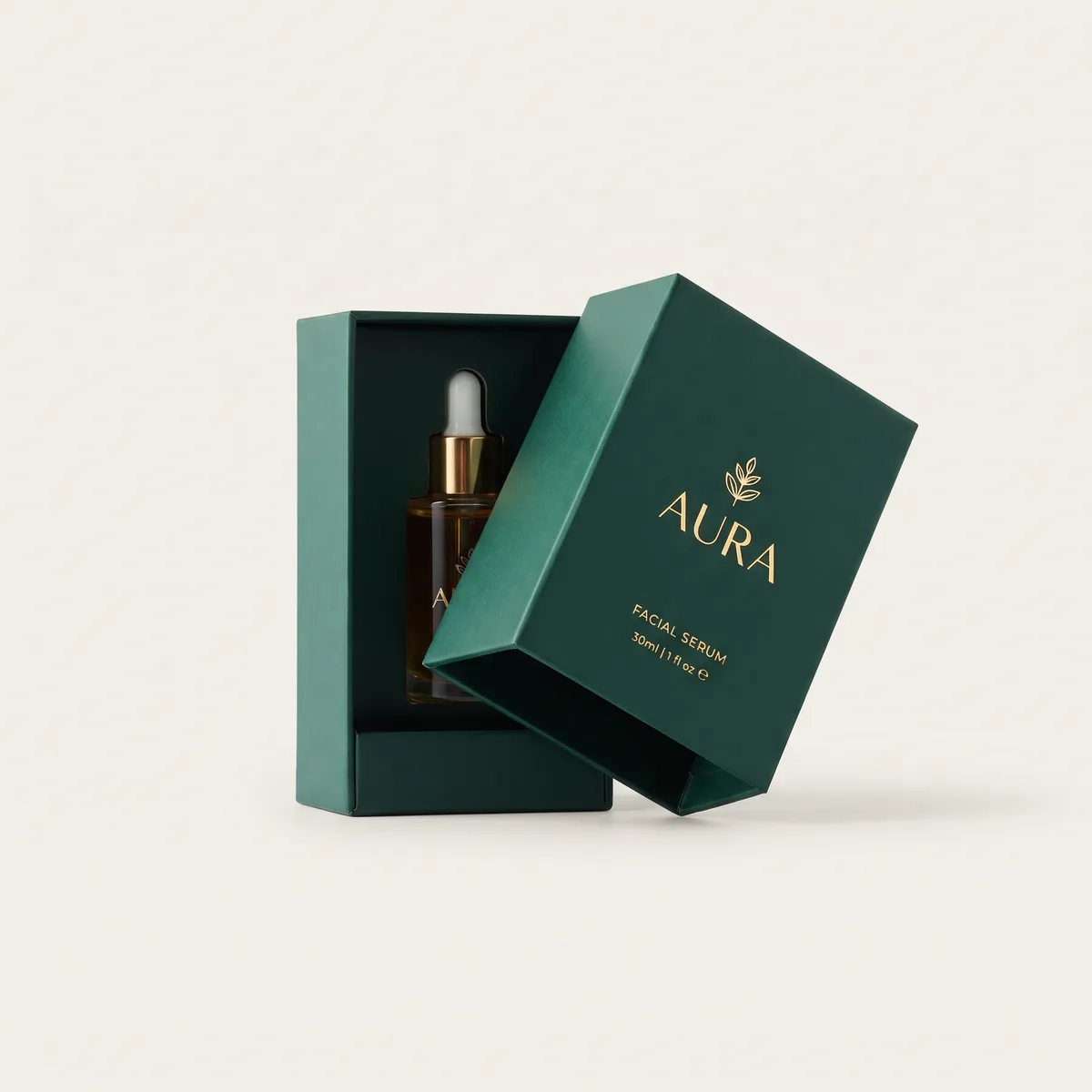
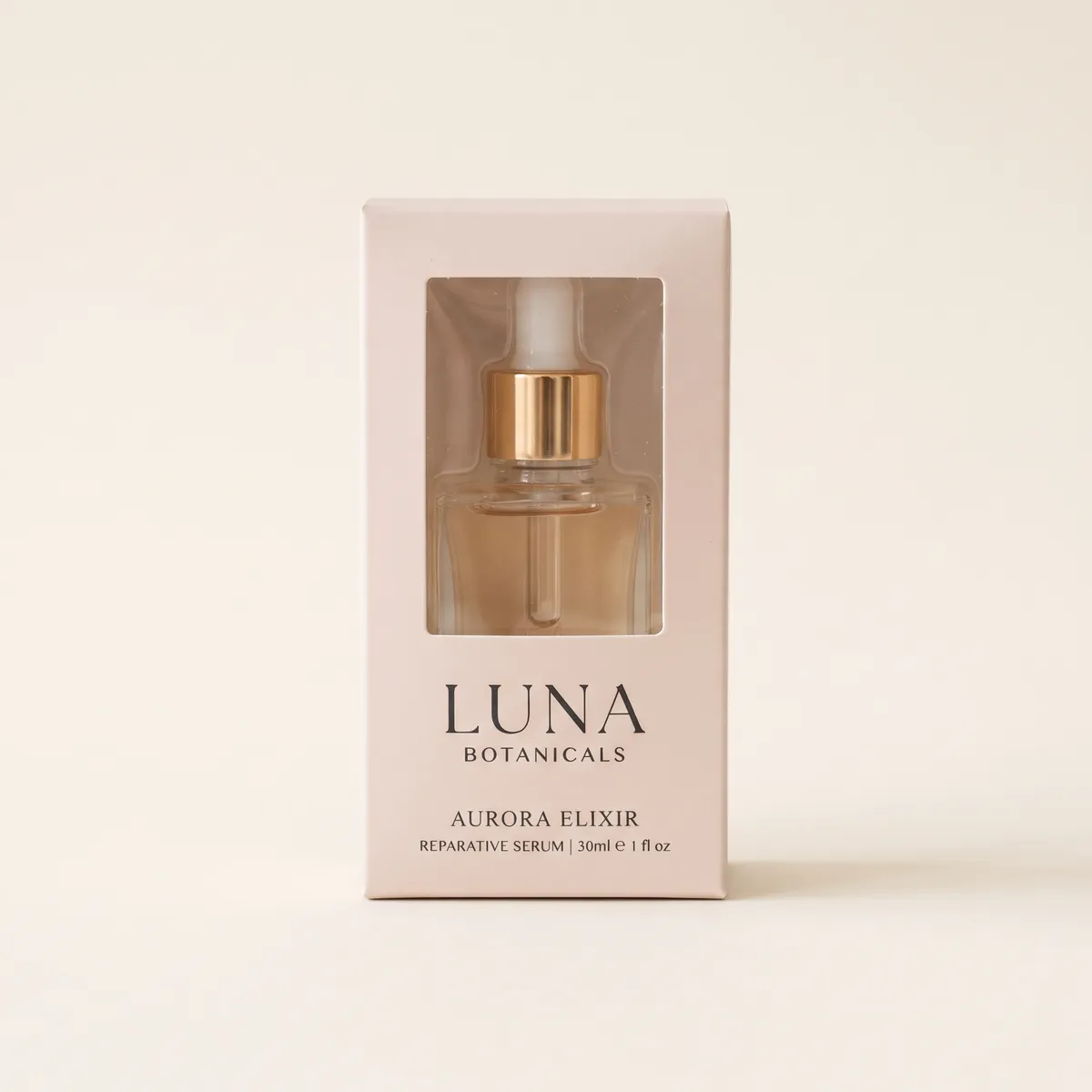
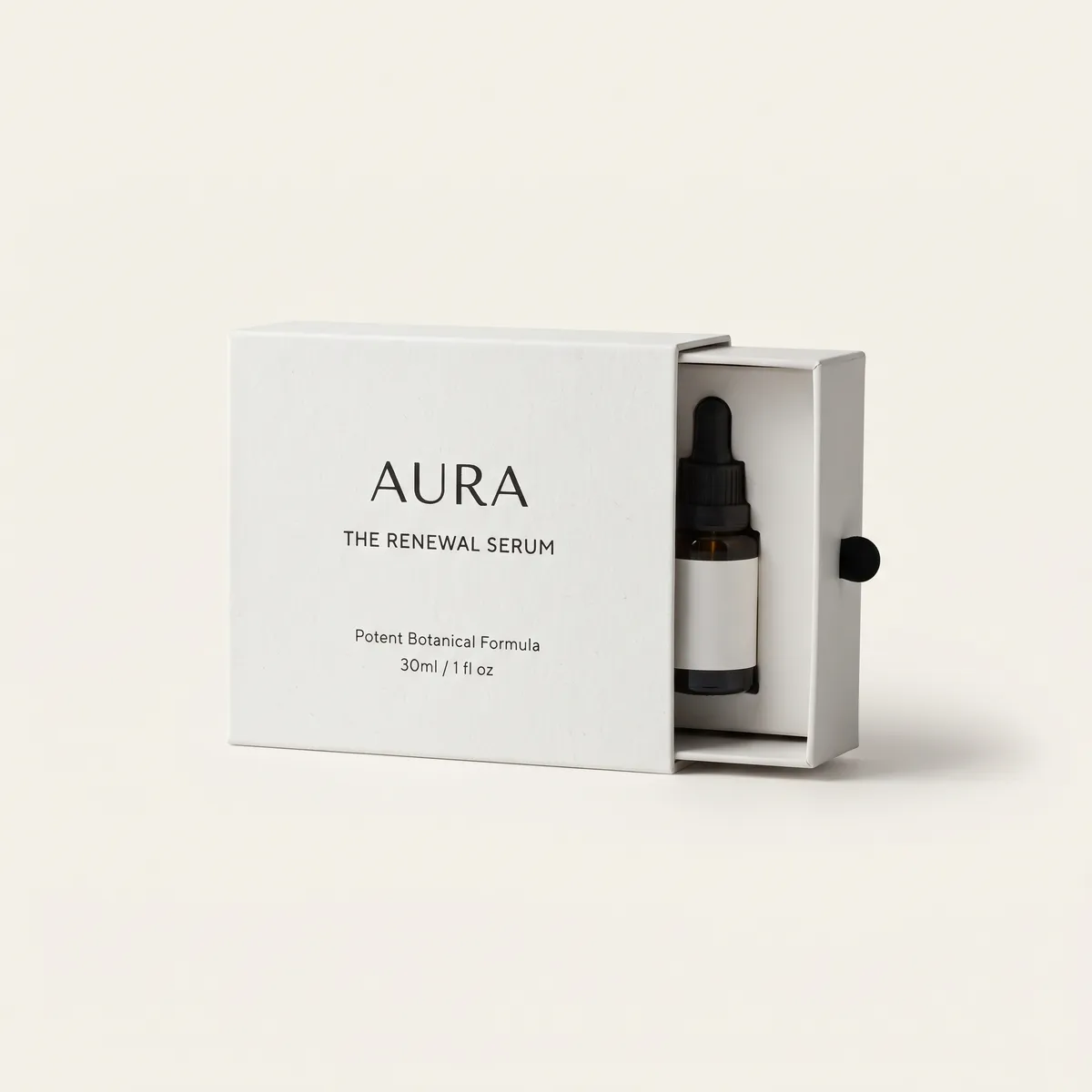
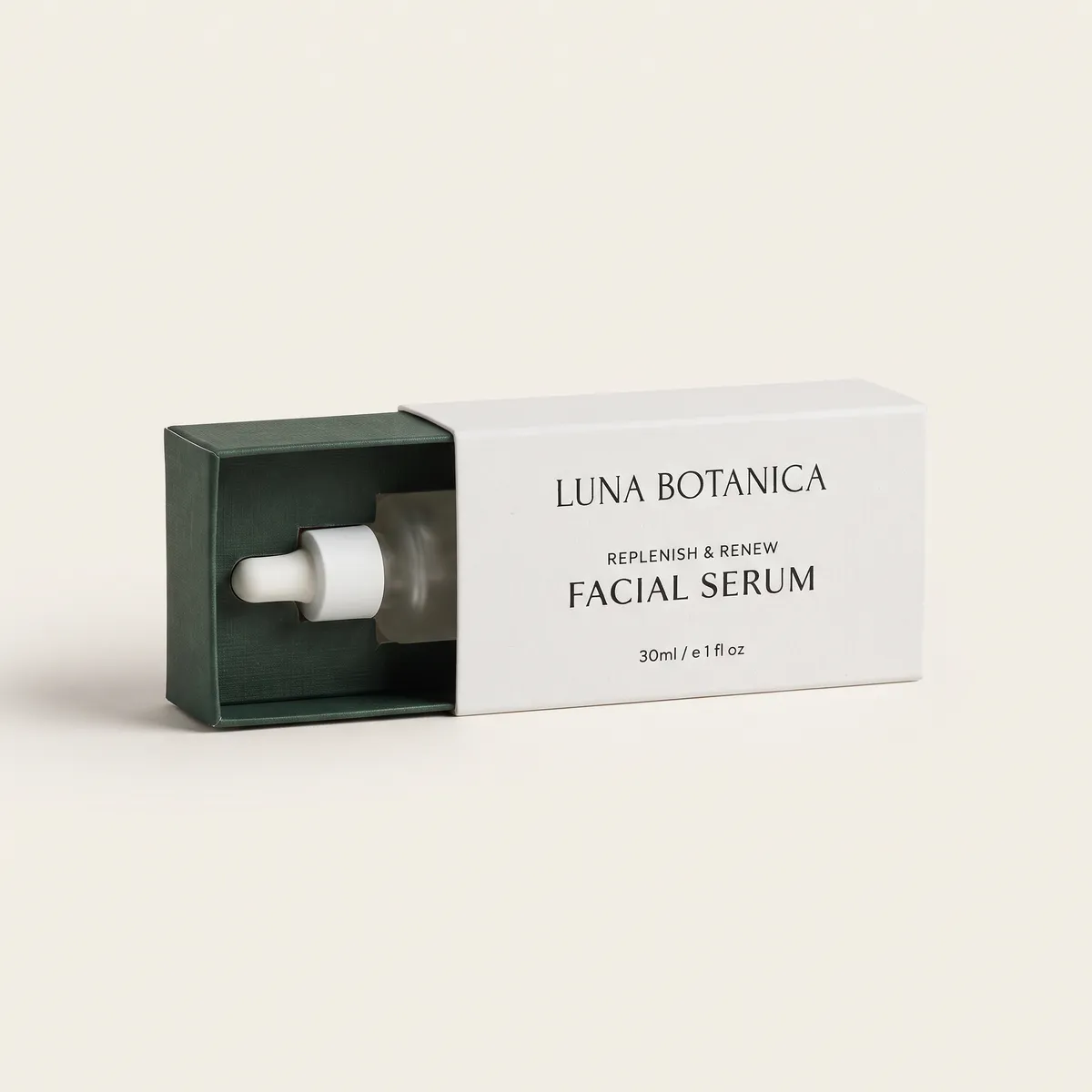
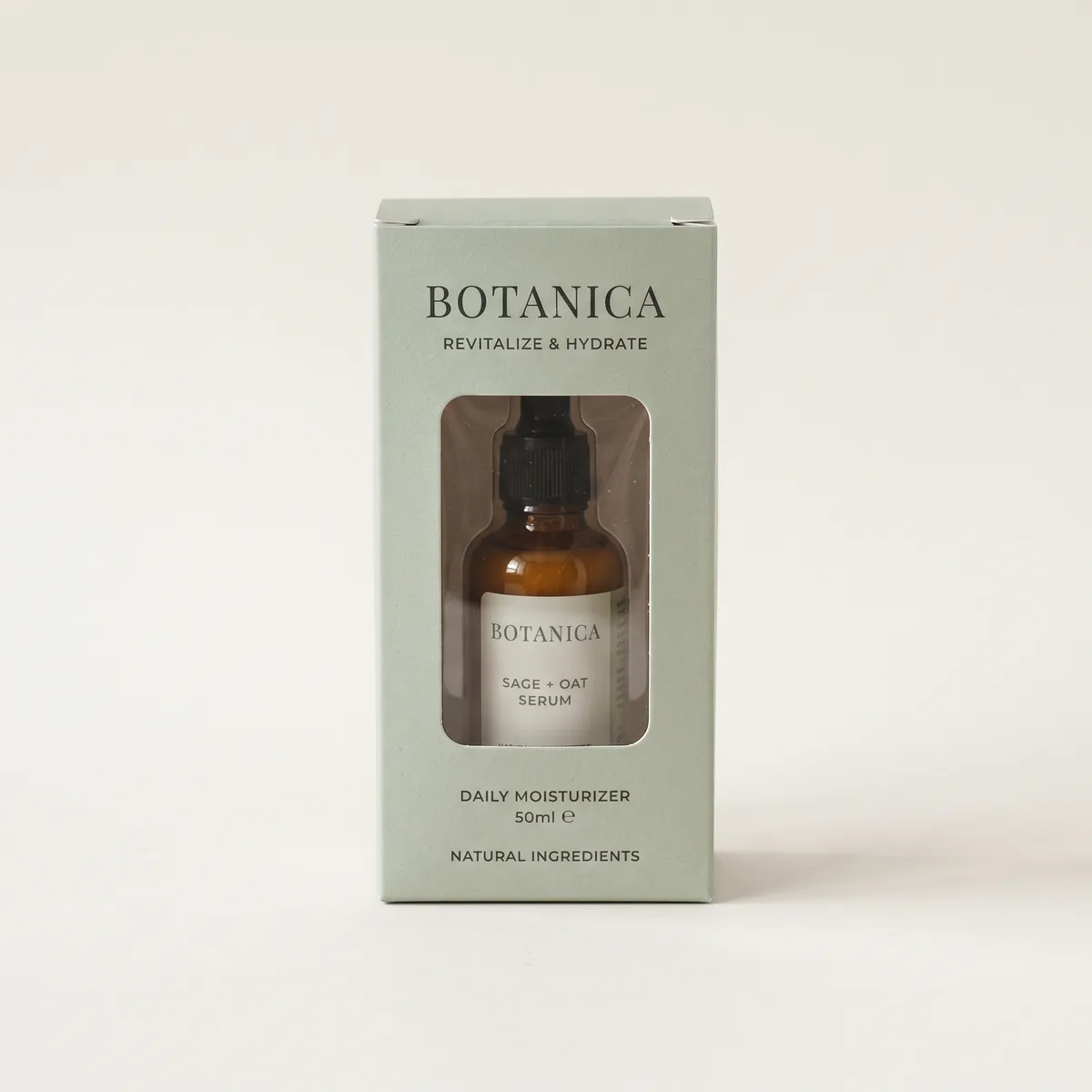
Glass dropper bottles usually break because they move inside the box, not because they're dropped, and serum boxes are built to stop that movement. A fitted insert holds the bottle and dropper separately, with foam cushioning for higher-value lines. Folding cartons suit most serums at a lower cost, while rigid earns its price on gift and premium ranges. We'll quote both.
Ours are on Trustpilot, where we can't edit them or choose which ones you see.
Read them on Trustpilot →(opens in a new tab)Four stages, twelve days
Quote confirmed
A specialist checks your spec against the board and comes back with a firm price inside 4 business hours.
Proof approved
You get a flat dieline and a 3D render. Nothing goes to press until you approve it in writing.
On press
Print, die-cut, glue, and fold. You get a press-side photo the day your job runs.
QC and delivery
Every pallet is sampled against the digital proof or physical sample you approved, then shipped with tracking to your dock or 3PL.
If a box doesn't match the digital proof or physical sample you approved, we reprint the run at no charge.
Read the reprint terms →Know exactly what you're ordering.
Serum Boxes Built Around a Glass Dropper Bottle
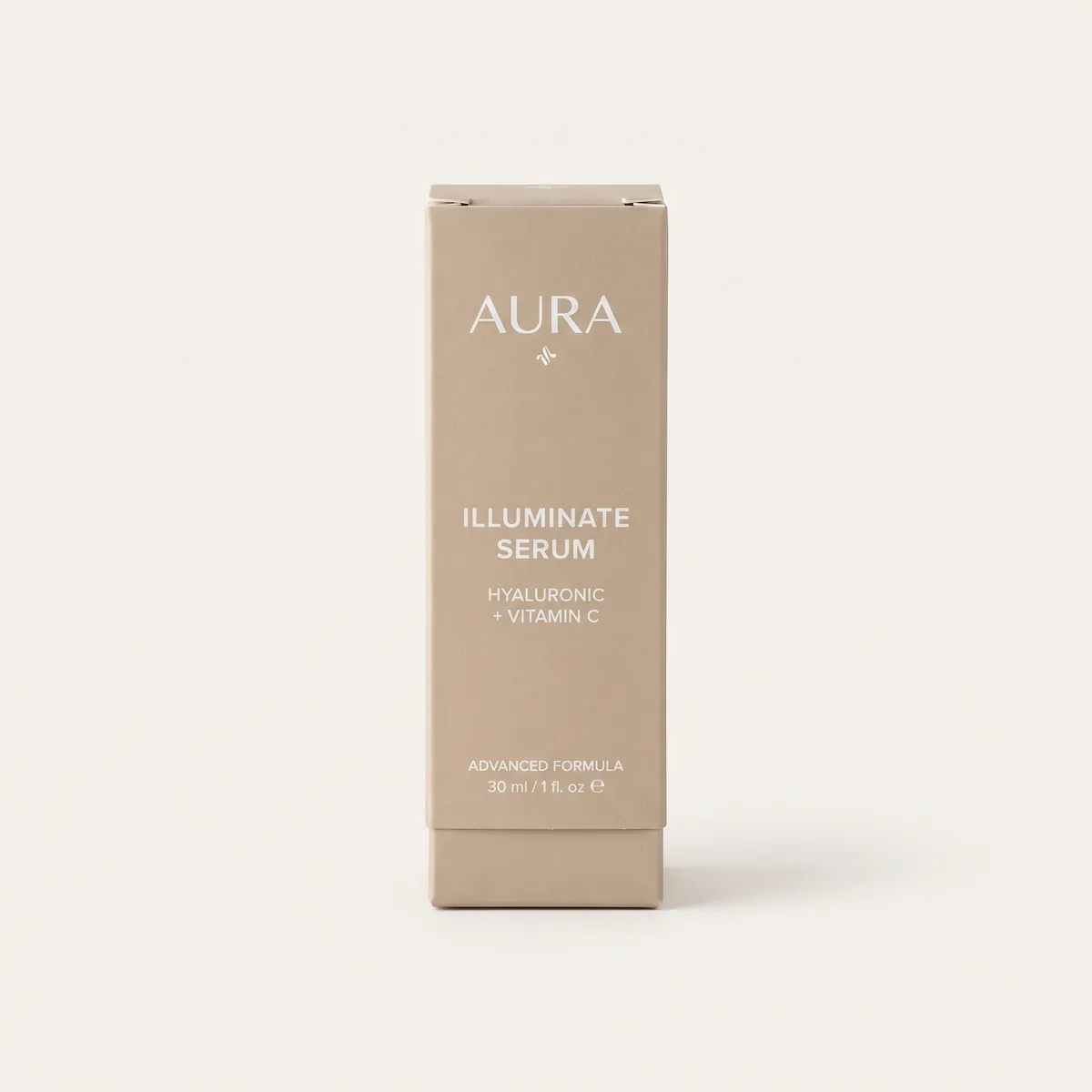
Serum is usually the most expensive item per milliliter in a skincare line, and it comes in a format, a glass bottle with a pipette, that is easy to damage and hard to present at its price. A serum box here is the carton or rigid box that holds one dropper bottle, or a short set of them, with a cut insert inside. Buyers are skincare brands launching actives such as vitamin C or hyaluronic acid, facial oil makers, clinics and aestheticians selling their own label, and indie brands growing from one hero product into a range. What links them is a price point at which the box gets judged as part of the product, opened slowly, and often photographed before the bottle is used.
Serum Box Specs: Folding or Rigid, Insert Included
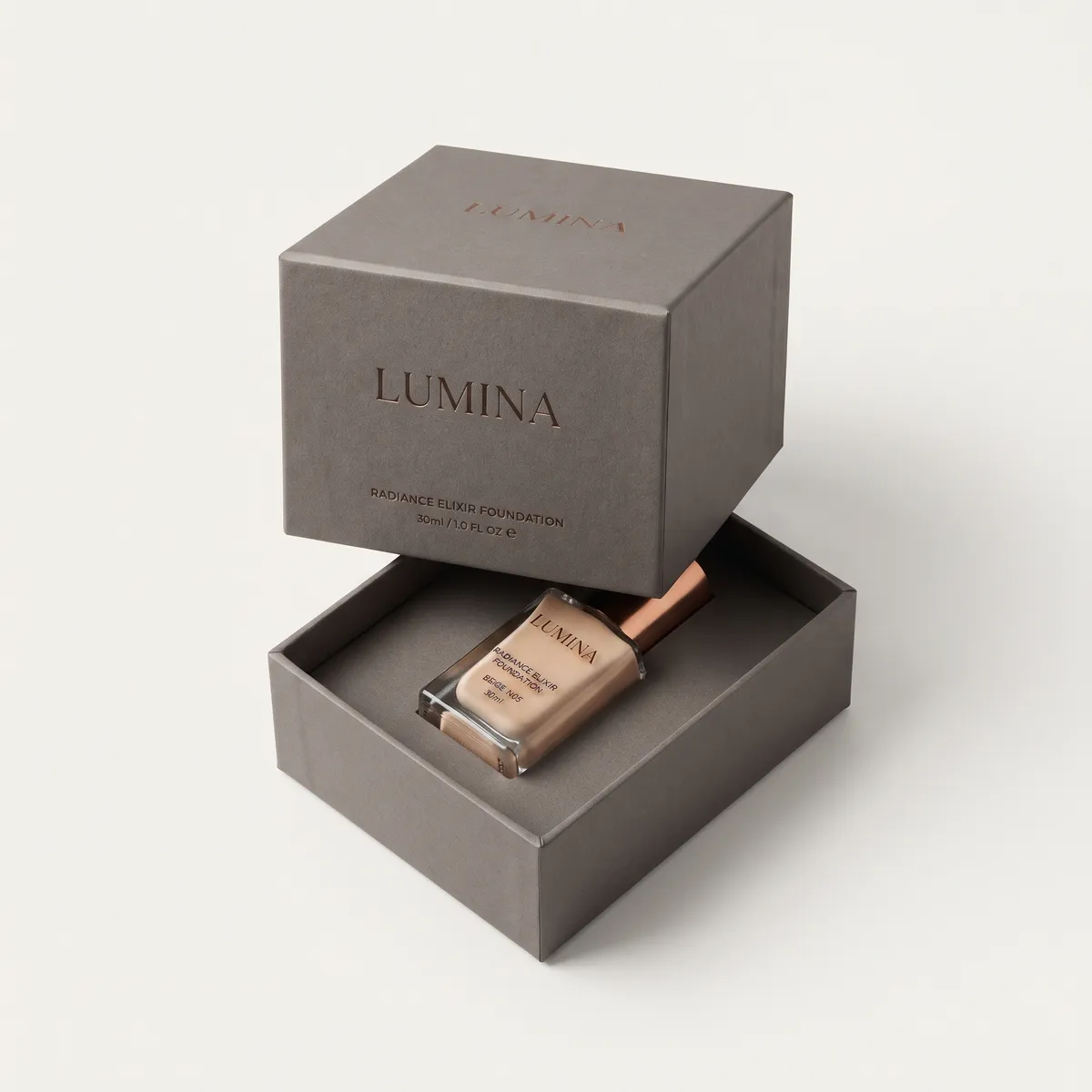
Serum is sold in both builds, and the table shows where they part ways. Folding cartons run on coated SBS; premium lines move to wrapped grayboard, which doesn't flex when the box is picked up.
| Spec | Folding | Rigid |
|---|---|---|
| Board | SBS, 18–24pt | Grayboard, 2–3mm, paper-wrapped |
| Insert | Die-cut card | Card or foam |
| Closure | Tuck | Lid-and-tray or magnetic |
| Arrives | Flat | Assembled |
| Tolerance | About ±0.5–1mm | About ±0.5–1mm |
| Lead time | 8–12 business days | 20 business days |
Measure the bottle with the pipette and bulb fitted, since the bulb is often the tallest point. Frosted and amber glass bottles of the same volume can differ in height, so measure the actual bottle you'll fill.
Foil and Finish Choices for Serum Packaging
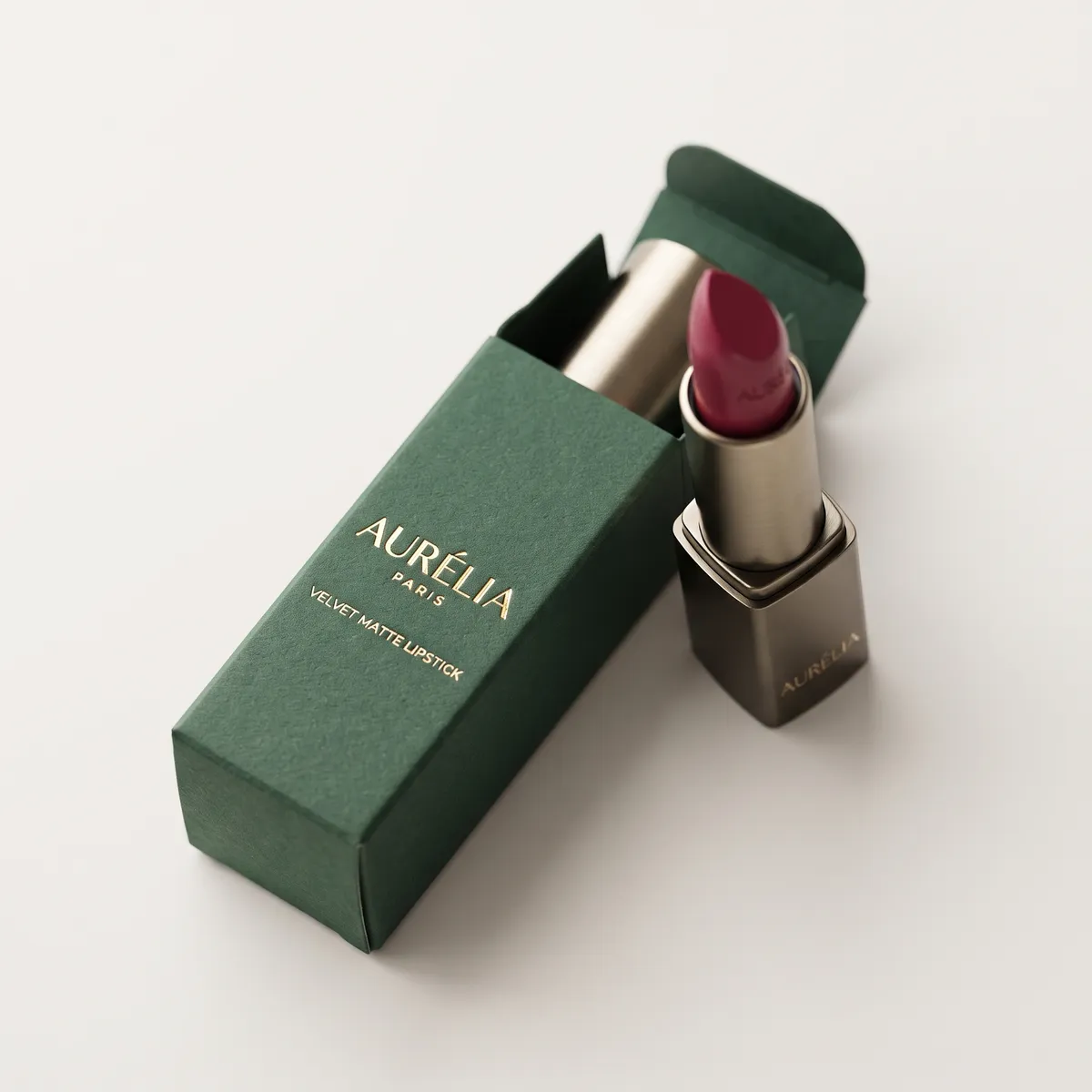
Serum packaging rewards restraint. On folding cartons, soft-touch lamination with a single hot foil mark is the standard combination, and spot UV is the cheaper alternative where budget is tight. Clinical-looking brands often go the other way: white board, one dark ink and no laminate, which reads as pharmaceutical and costs least. On rigid boxes, the printed wrap can be laminated, foiled and embossed, and print can run inside the lid. Proof color after the laminate goes on, because soft-touch shifts printed hues slightly. What doesn't work well: large solid dark areas on soft-touch without anti-scuff film, which show every scrape, and dense ingredient copy squeezed onto the front instead of the side panels.
Serum Boxes for Prestige Skincare and Launch Sets
Single-active serums, a vitamin C or a retinol, are the core order: one bottle, one cavity, a carton per product. Serum sets of two or three bottles share a tray with a cavity each, common for morning and evening pairs. Facial oils in amber or frosted glass use the same structure. Clinic and spa labels often want a rigid box, because the product is sold across a treatment-room counter at a professional price. Brands working in luxury beauty packaging territory typically take the rigid route for every SKU. Mid-market lines usually keep folding cartons for the full range and save rigid for one gift edition a year, which is where the extra cost is easiest to recover.
Lead Times and Minimums for Serum Boxes
Turnaround depends on the build. Folding serum cartons are ready 8–12 business days after you sign off the proof. Rigid boxes take 20 business days, whatever the complexity of the insert. Rush is available on both at an added cost, which we quote upfront. The minimum is 100 boxes either way, and samples are free on orders above 10,000. We build the dieline and insert from your bottle, confirm the internal sizes in writing, and send a proof; help with artwork costs nothing at any stage. Three inspections happen before dispatch, and that's where a cavity that grips too tightly or too loosely gets caught. Shipping is included, and if a bulk run doesn't match what you approved, we run it again at our expense.
One connected process, start to finish.
Structural Design
Dieline drafted to your exact fit and freight tolerances.
Proof & Sample
Sign off on a digital proof, or request a physical sample.
Tooling
Dies and plates are cut for your job and archived on file.
Production
Print, die-cut, and assembly run under in-line quality checks.
Ship & Reorder
Freight goes out, and the cycle resets for your next run.
Steady process. Powerful results.
Like everything we build, our process is engineered to hold up — no shortcuts, no surprises. Five dependable stages that run the same way every single time, so reorders are just as fast as the first order.
- One dedicated teamFrom first sketch to final freight, the same people carry your order start to finish.
- Dies archived on fileReorders skip tooling and re-setup entirely — we already have your exact spec.
- Checked against your sign-offEvery run is inspected against the digital proof or physical sample you approved.
Set up your file once, correctly
Nine in ten delayed jobs are delayed by artwork, not production. Match these four rules and your proof lands the next morning.
- Bleed1/8 in (3 mm) past every cut line
- Safe ZoneKeep text 1/4 in clear of every crease
- ColourCMYK or named Pantone. No RGB.
- Resolution300 dpi at final size, fonts outlined
No print-ready file?
Send a logo and a rough idea. Our studio builds the production file free with any order over 500 units — you keep the source file either way.
Ask the StudioBackground art must run all the way to the outer bleed edge. Anything inside the white dashed line survives fold tolerance.
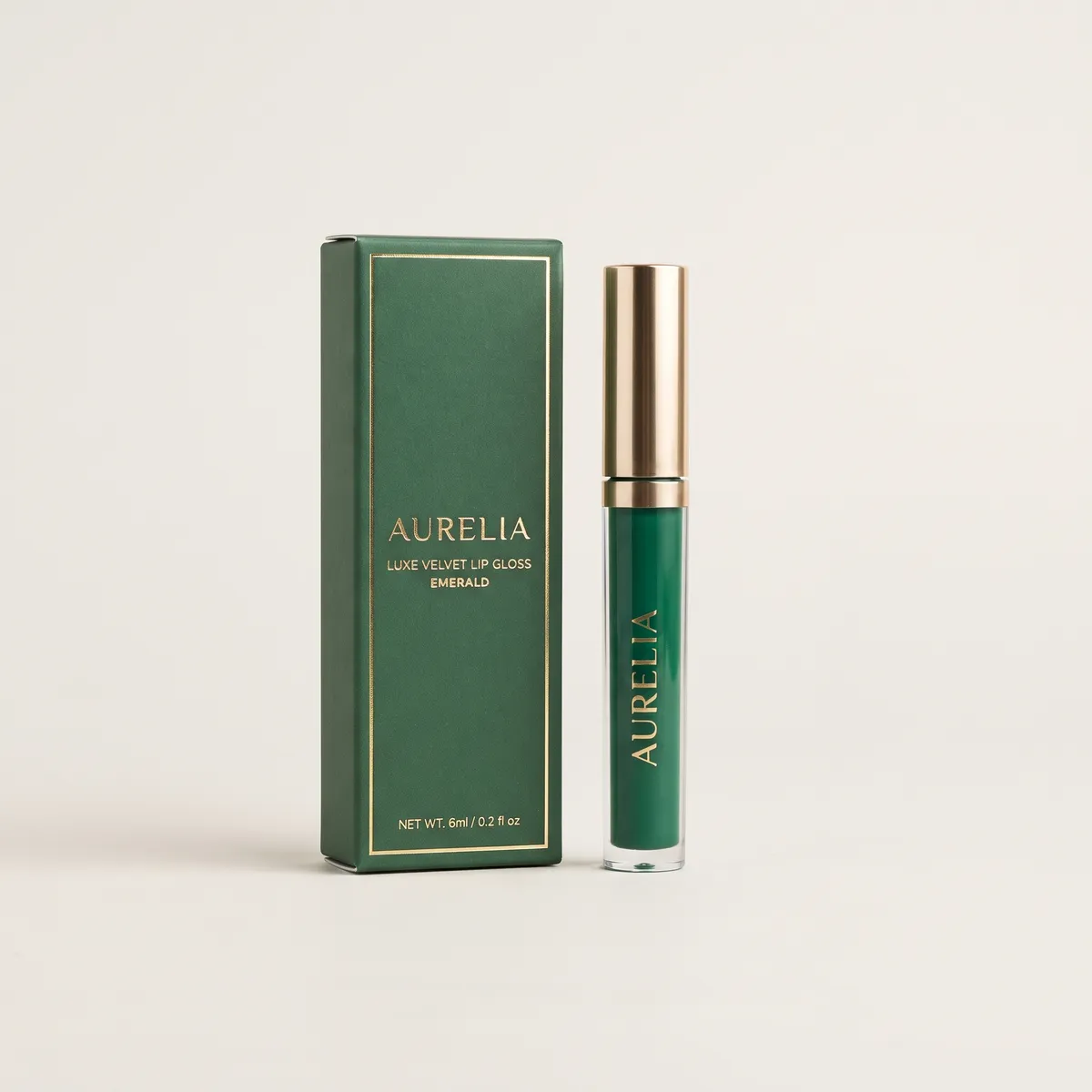
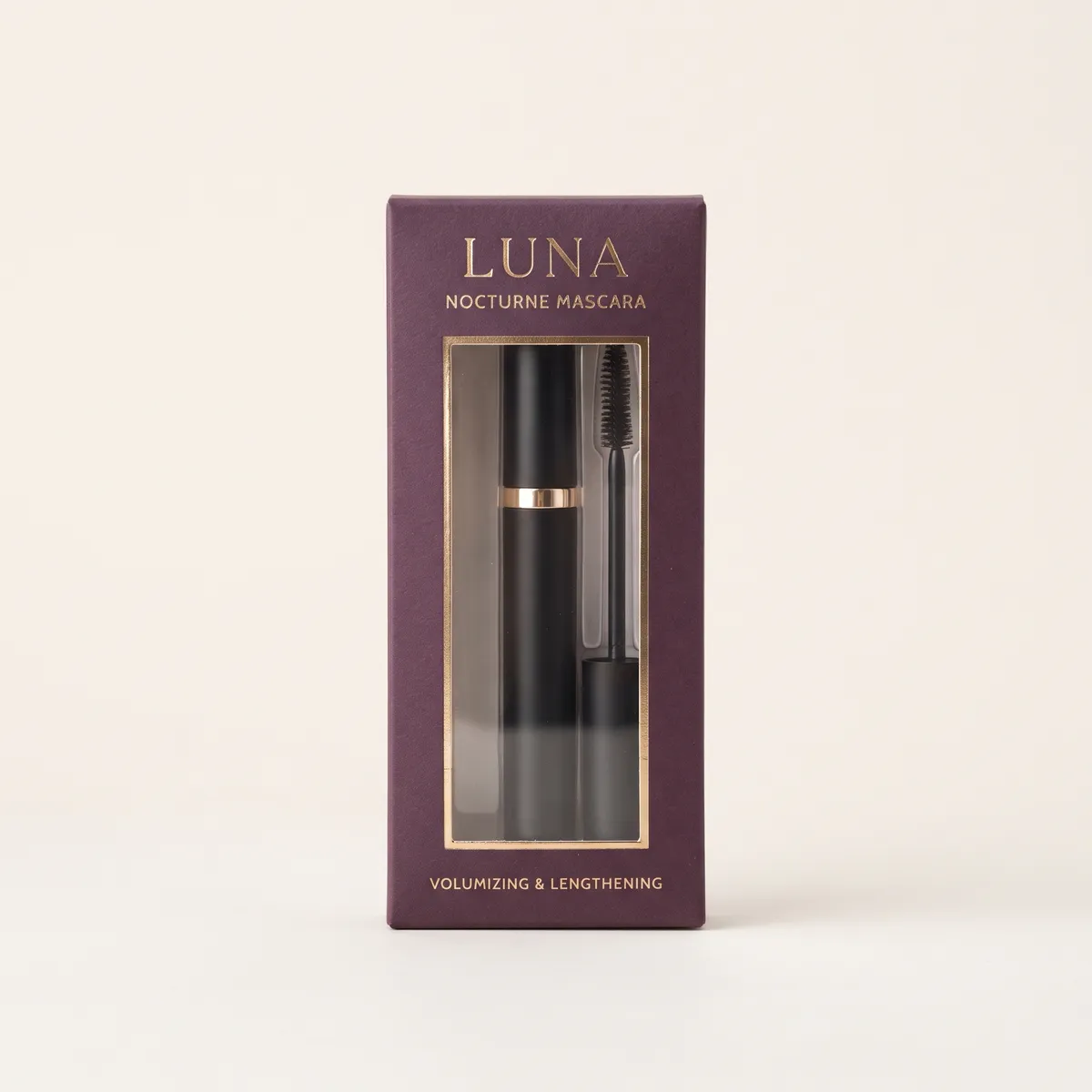
What brands say about this box
They live there rather than here, where we can't edit them, delete them, or pick which ones you get to see. That is exactly what makes them worth reading.
Read all reviews on Trustpilot(opens in a new tab)Answers before you have to ask.
How do you stop a glass dropper bottle breaking?
With a fitted insert. Glass breaks in transit because it moves, not usually because it's dropped, so a cavity cut to the bottle's exact shape stops movement before it starts. For higher-value serums, foam inserts add cushioning as well as position.
Should serum boxes be rigid or folding?
Folding is fine for most serums and considerably cheaper. Rigid earns its cost once the product is genuinely premium, sold as a gift, or priced high enough that the box is expected to feel substantial. We'll quote both if you're unsure.
Can serum boxes hold a dropper and a carton insert?
Yes, and that's the usual setup. The insert holds the bottle and often the dropper separately, so neither moves. For sets, we can lay out cavities for several bottles in one tray rather than boxing them individually.
What's the lead time on serum boxes?
Folding builds run about 8–12 business days from proof approval. If you choose rigid, allow 20 business days, since the board is cut, wrapped and assembled rather than shipped flat. Rush is available on both.
Can serum boxes be made for a full range?
Yes. Running a full range together shares the setup cost, and you can keep one structure while changing the printed panel per product. Tell us the bottle sizes and we'll tell you where a shared insert works.