
Custom Dispenser Boxes
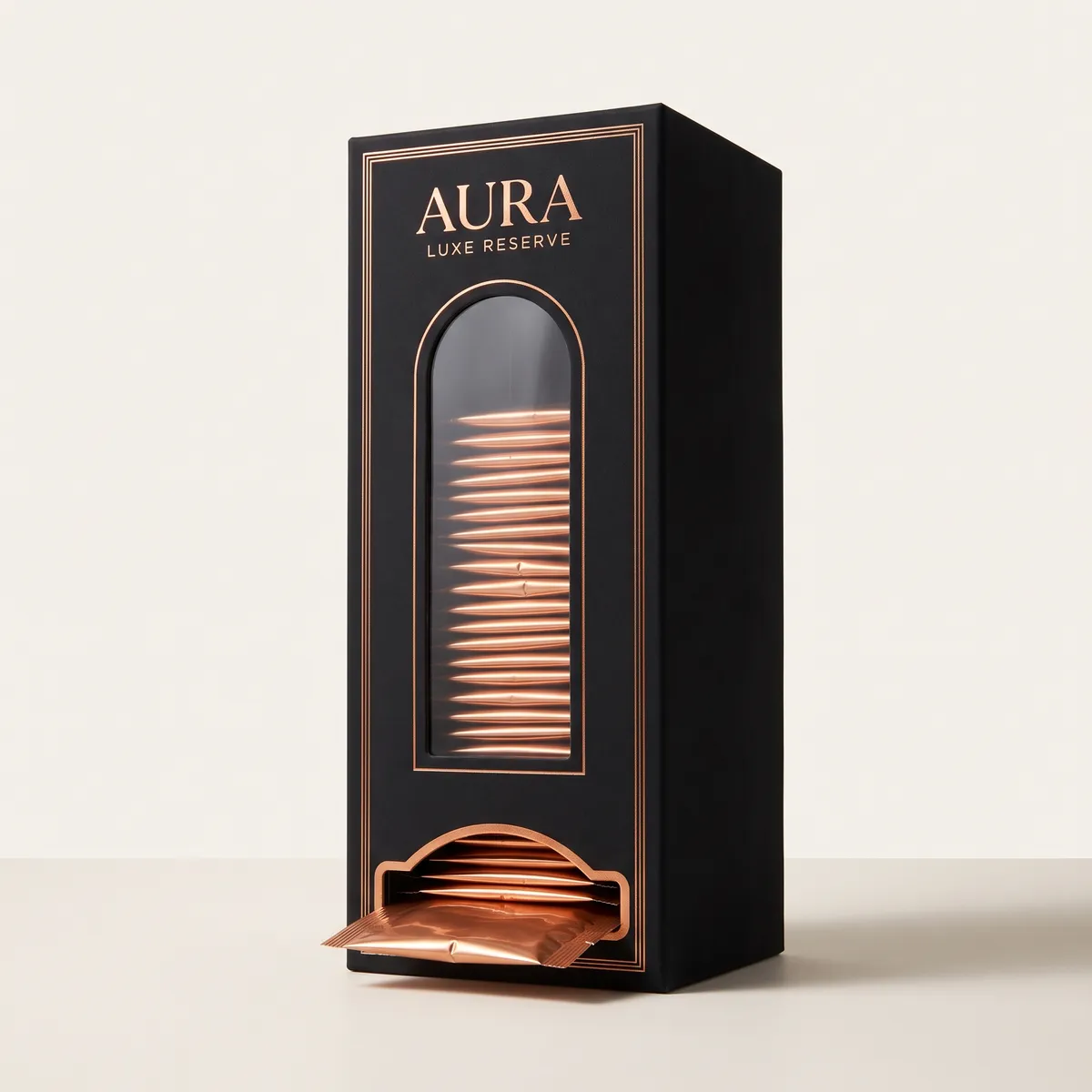
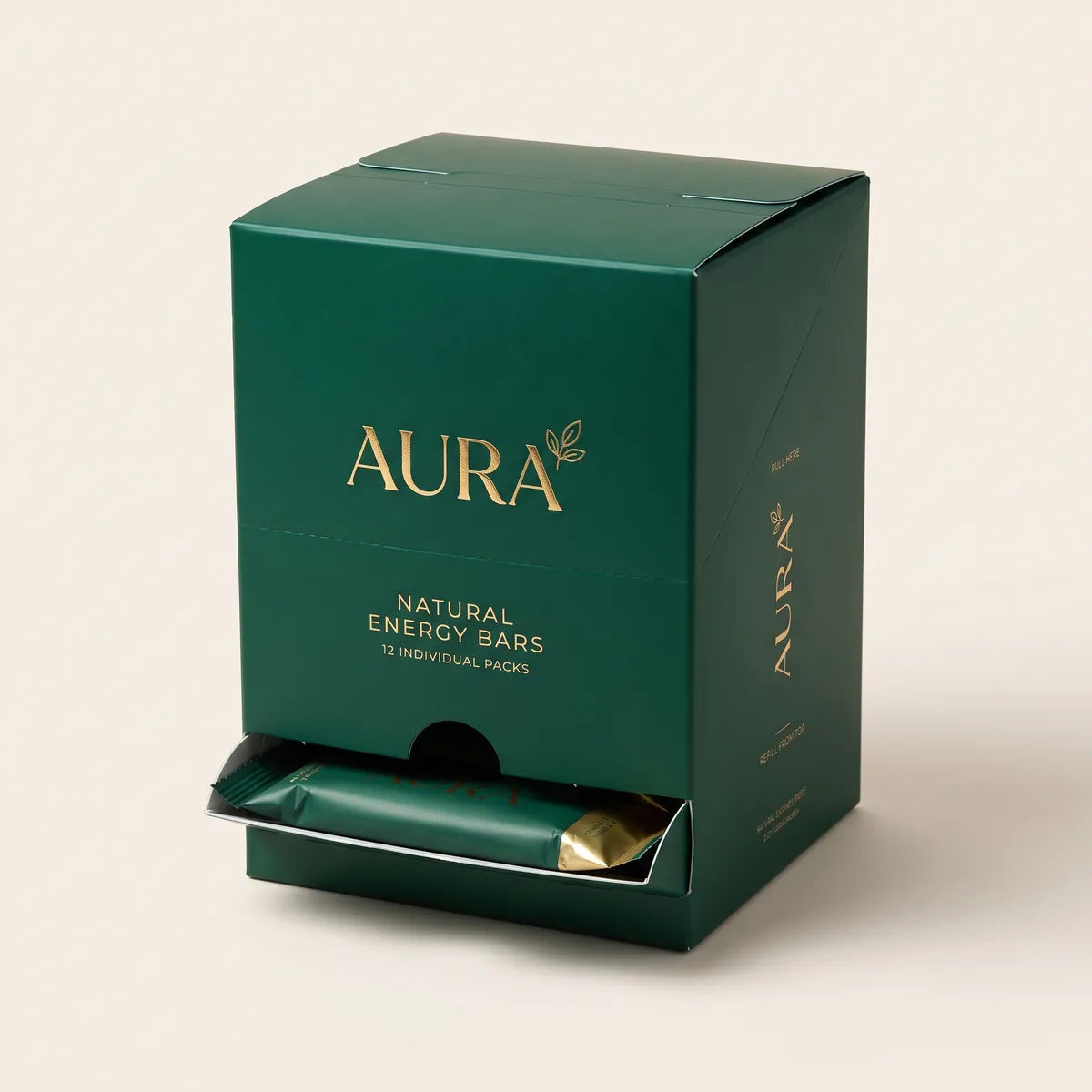
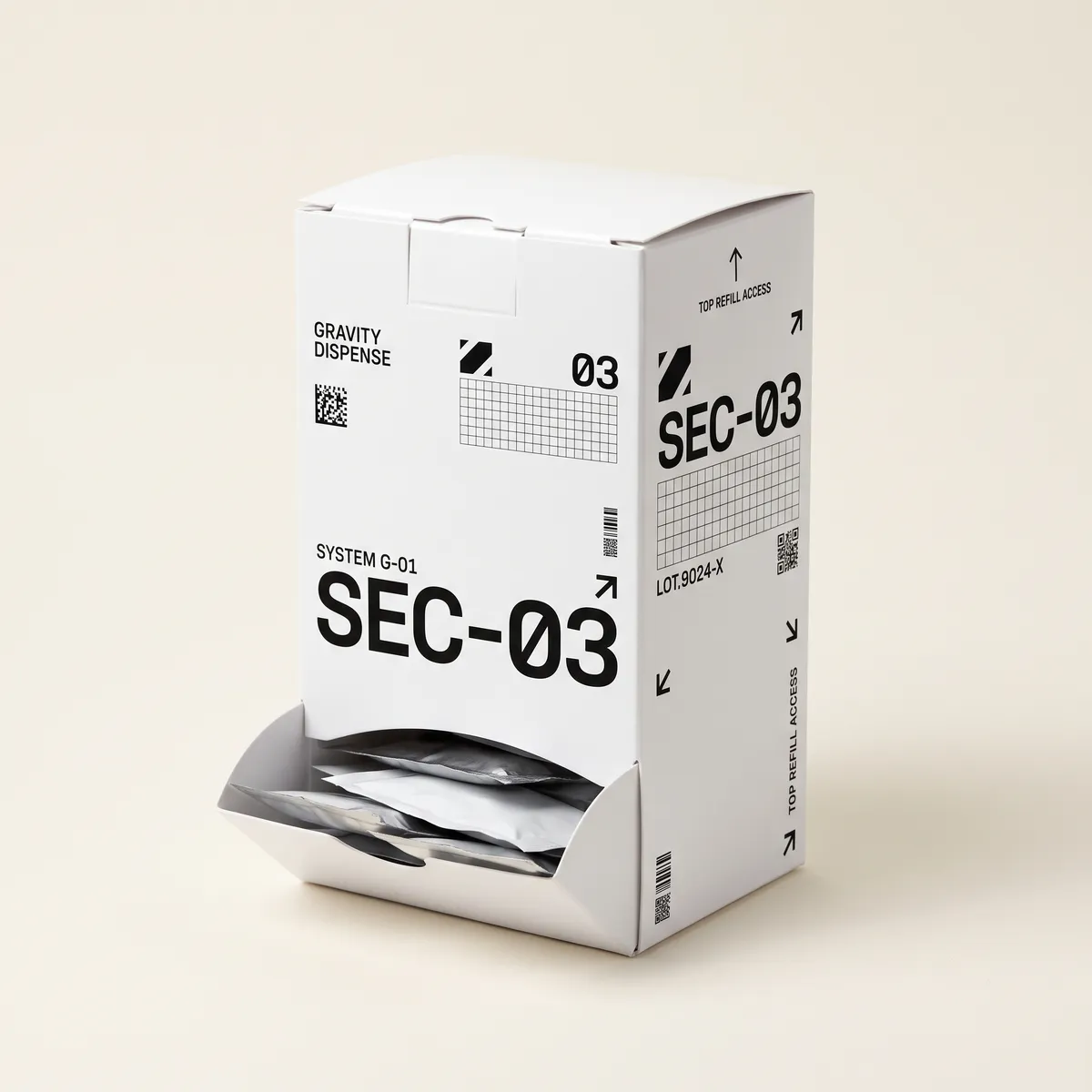
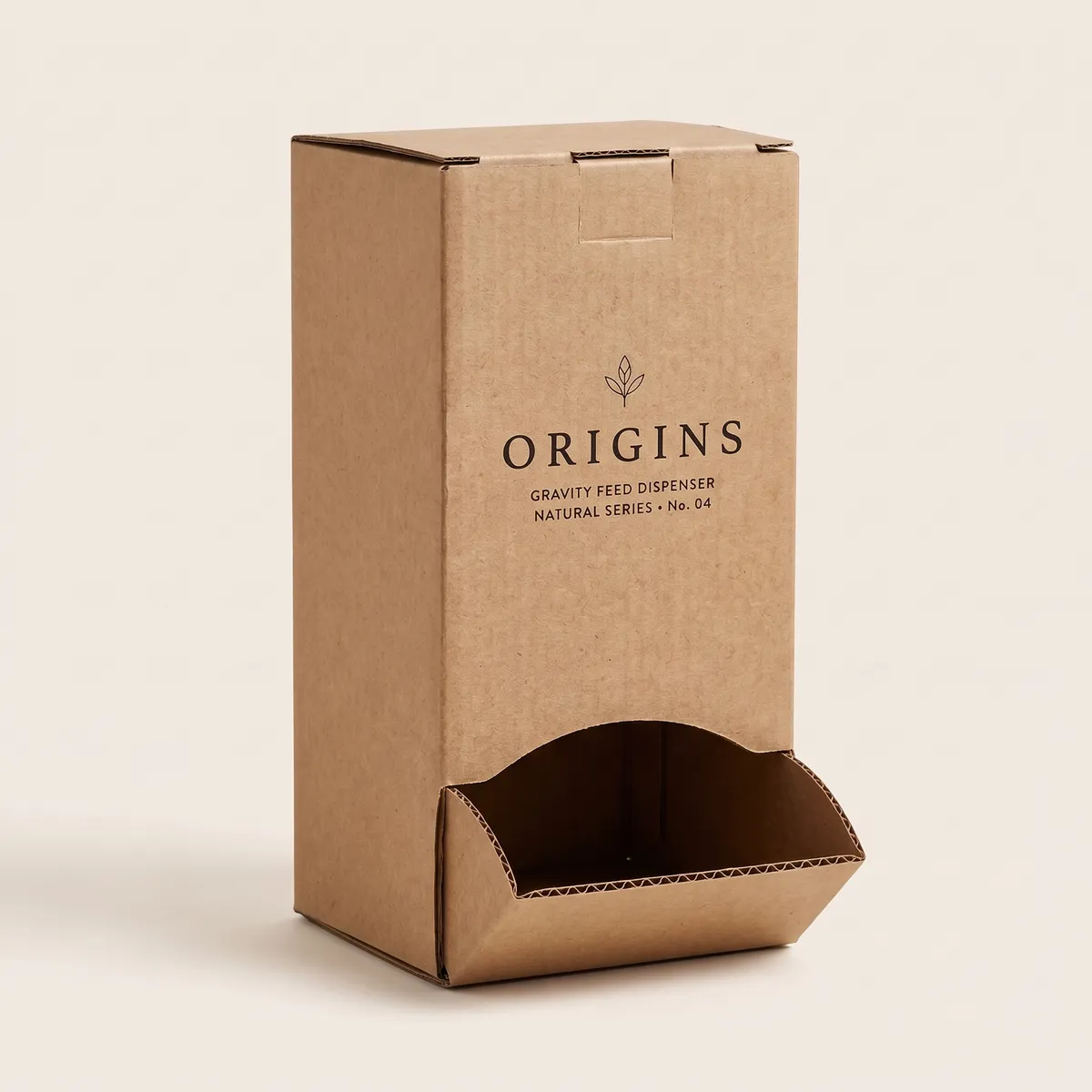
Custom dispenser boxes have a perforated section that tears away cleanly, so customers take one item at a time instead of emptying the box. A dispenser empties gradually and has to hold its shape as support disappears from inside, so it needs a sturdier build than people expect. Panels revealed once the tear-away is removed are worth printing as well, since they stay visible.

Ours are on Trustpilot, where we can't edit them or choose which ones you see.
Read them on Trustpilot →(opens in a new tab)Four stages, twelve days
Quote confirmed
A specialist checks your spec against the board and comes back with a firm price inside 4 business hours.
Proof approved
You get a flat dieline and a 3D render. Nothing goes to press until you approve it in writing.
On press
Print, die-cut, glue, and fold. You get a press-side photo the day your job runs.
QC and delivery
Every pallet is sampled against the digital proof or physical sample you approved, then shipped with tracking to your dock or 3PL.
If a box doesn't match the digital proof or physical sample you approved, we reprint the run at no charge.
Read the reprint terms →Know exactly what you're ordering.
A Box That Sells Its Contents One Piece at a Time
A dispenser box does three jobs that would normally need three separate things. It holds the stock, it stands on the counter as its own display, and it hands the product over one unit at a time.
That's why the buyer is usually a brand selling small, repeat-purchase items in bulk counts: tea bags, sweets, sachets, sample packs and single-serve condiments. Retailers like the format because nothing needs unpacking onto a shelf. The case opens, the front comes away and the unit is ready to sell. Office and hospitality buyers use the same idea behind the scenes, for items staff or guests help themselves to. This is the umbrella version; the board is chosen per range.
Dispenser Build: Perforation, Panels and Stock
| Spec | Dispenser build |
|---|---|
| Opening | Perforated front or top panel that tears away |
| Stock options | Coated cardboard, kraft or corrugated |
| Coated caliper | SBS, 14–24pt |
| Header | Optional raised back panel for branding |
| Tolerance | ±0.5–1mm |
| Count | Sized to the number of units you pack |
Most dispensers are made on coated board that takes full color, since the unit spends its working life on show. Caliper rises with the contents: sachets sit at the light end, boxed items and small jars toward the top. The perforation is part of the cutting die, and its position is set on the dieline so the opening lands at the height where a hand naturally reaches the product.
Why a Tear-Away Front Beats an Open Tray
An open tray shows the product but leaves it loose. Units get knocked out, stock gets handled, and the tray looks tired half a day after it was filled. A tear-away front keeps the box closed through delivery and storage, then becomes the display when someone decides it should.
That suits tea bags and coffee sticks taken from the box at a café counter or on a hotel tray, where guests take one and the rest stay covered. The packed unit and the display are also the same object, so nobody has to restock a tray from a case. The trade-off is that a torn panel can't be closed again, which makes a dispenser the wrong choice for products that need resealing between uses.
Counters, Checkouts and Break Rooms
Dispensers fit anything sold or used one at a time from a larger count. At a checkout, single-wrapped sweets sold one at a time are the classic case: lollipops, chews and mints in a unit by the till.
Pharmacies use them for sachets and travel sizes. Cafés stock sugar sticks and stirrers in them, hotels put out amenity packs, and offices fill break rooms with tea, snacks and wipes. Beauty brands use small dispensers for sample sachets handed out at the counter. In each case the box saves someone the job of building a display, and it keeps the remaining stock tidy and contained as it sells down over days or weeks.
Quoting the Perforation With Everything Else
We need three things to quote: the product's dimensions, how many go in each box, and where the opening should sit. From those we build the dieline and mark the perforation on the proof, so you can see exactly where the tear will run before anything is cut.
The perforation, the die and the setup are all inside the quote, with no tooling charge appearing later. Design help is free and unlimited if you'd like the sealed and opened artwork worked out for you rather than designing both states yourself. Production runs 8–12 business days from proof approval, with rush at an extra cost quoted before you commit. Shipping is included in the price you approve.
One connected process, start to finish.
Structural Design
Dieline drafted to your exact fit and freight tolerances.
Proof & Sample
Sign off on a digital proof, or request a physical sample.
Tooling
Dies and plates are cut for your job and archived on file.
Production
Print, die-cut, and assembly run under in-line quality checks.
Ship & Reorder
Freight goes out, and the cycle resets for your next run.
Steady process. Powerful results.
Like everything we build, our process is engineered to hold up — no shortcuts, no surprises. Five dependable stages that run the same way every single time, so reorders are just as fast as the first order.
- One dedicated teamFrom first sketch to final freight, the same people carry your order start to finish.
- Dies archived on fileReorders skip tooling and re-setup entirely — we already have your exact spec.
- Checked against your sign-offEvery run is inspected against the digital proof or physical sample you approved.
Set up your file once, correctly
Nine in ten delayed jobs are delayed by artwork, not production. Match these four rules and your proof lands the next morning.
- Bleed1/8 in (3 mm) past every cut line
- Safe ZoneKeep text 1/4 in clear of every crease
- ColourCMYK or named Pantone. No RGB.
- Resolution300 dpi at final size, fonts outlined
No print-ready file?
Send a logo and a rough idea. Our studio builds the production file free with any order over 500 units — you keep the source file either way.
Ask the StudioBackground art must run all the way to the outer bleed edge. Anything inside the white dashed line survives fold tolerance.


What brands say about this box
They live there rather than here, where we can't edit them, delete them, or pick which ones you get to see. That is exactly what makes them worth reading.
Read all reviews on Trustpilot(opens in a new tab)Answers before you have to ask.
How does a dispenser opening work?
A perforated section tears away to create an opening, so customers take one item at a time rather than emptying the box. The perforation is designed to tear cleanly without ragged edges.
Can dispenser boxes be printed on every panel?
Yes, including the panels that become visible once the tear-away section is removed. That's a surface most brands overlook, and it shows for the whole life of the unit on a counter.
Do dispenser boxes need a sturdy build?
Sturdier than people expect. A dispenser empties gradually, so it has to hold shape as support is removed from inside. A flimsy unit collapses inward once it's half sold.
What's the lead time on dispenser boxes?
Around 8–12 business days once you approve the proof, perforation included. Rush production is available at an added cost quoted first.
What's the minimum order for dispenser boxes?
100 units. Dispensers are often trialled in a few stores before a wider rollout, so the low minimum makes testing a design practical.