
Tissue Dispenser Boxes
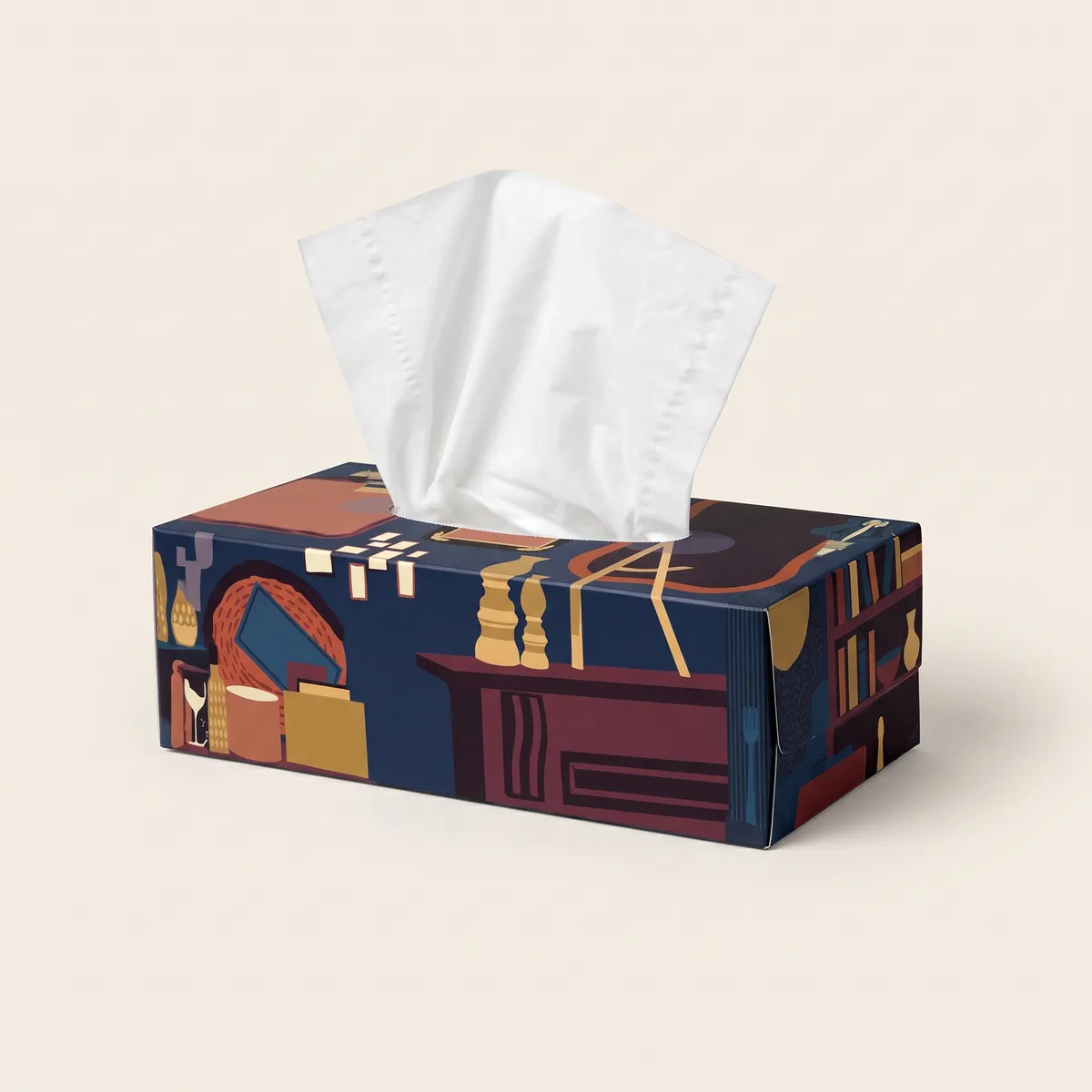
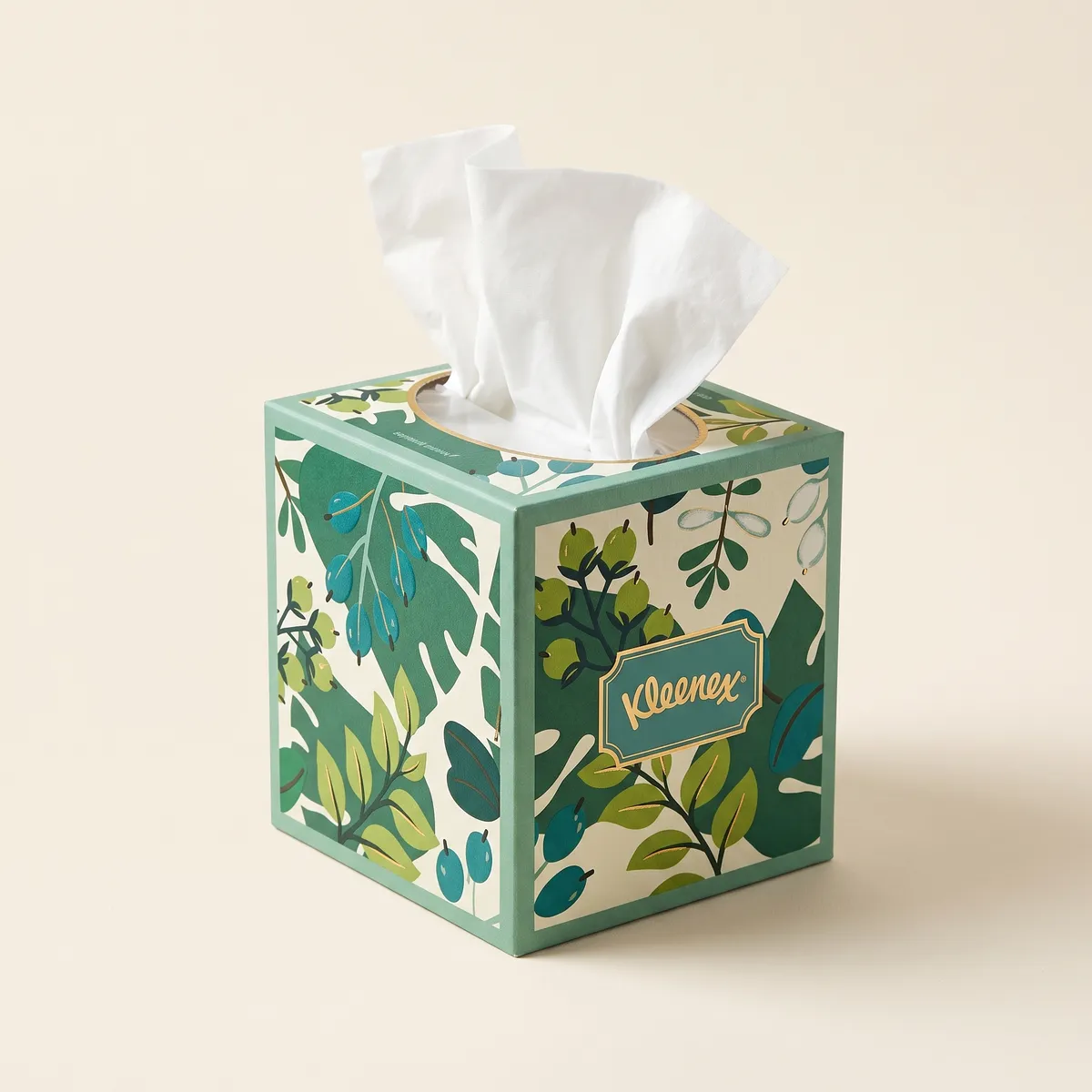
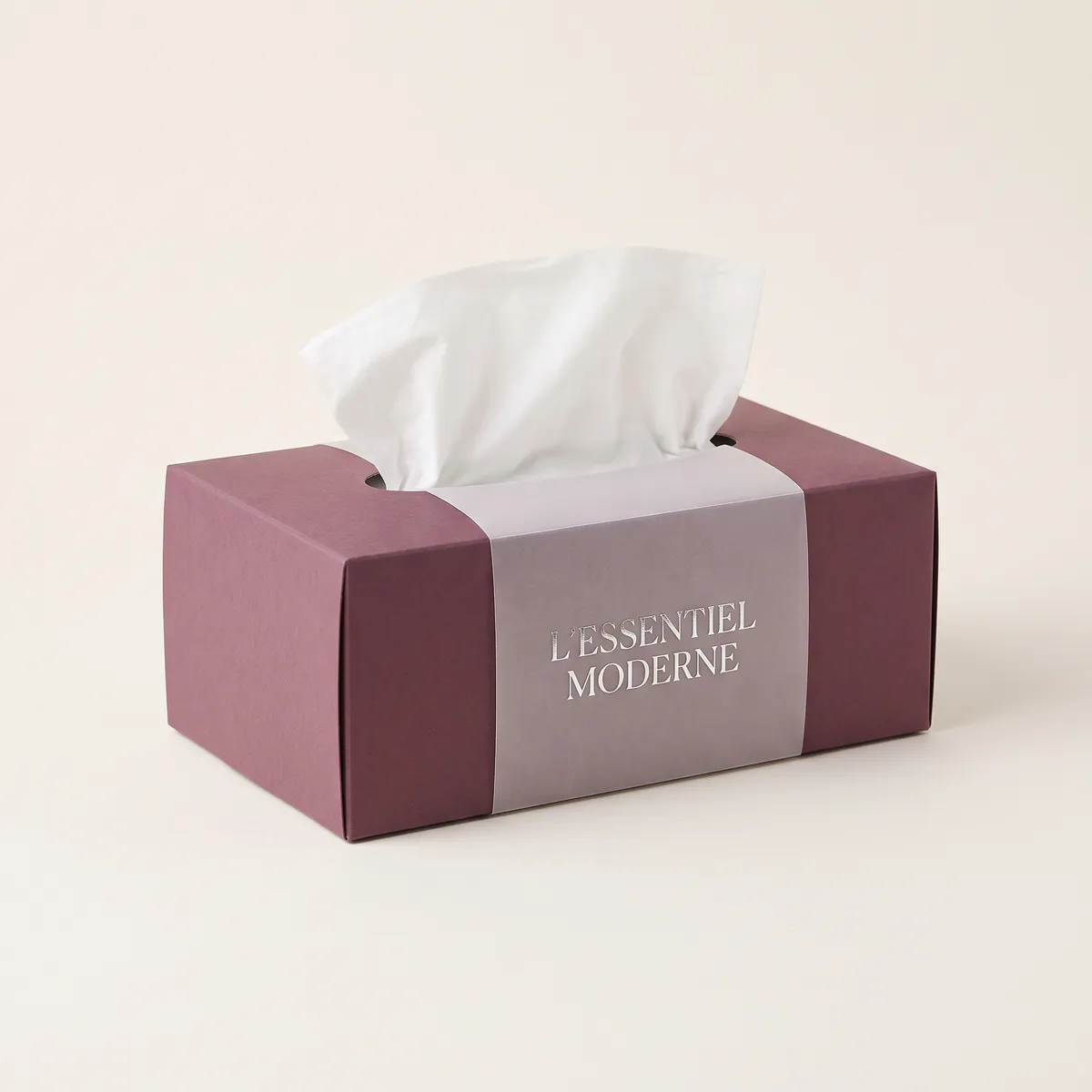
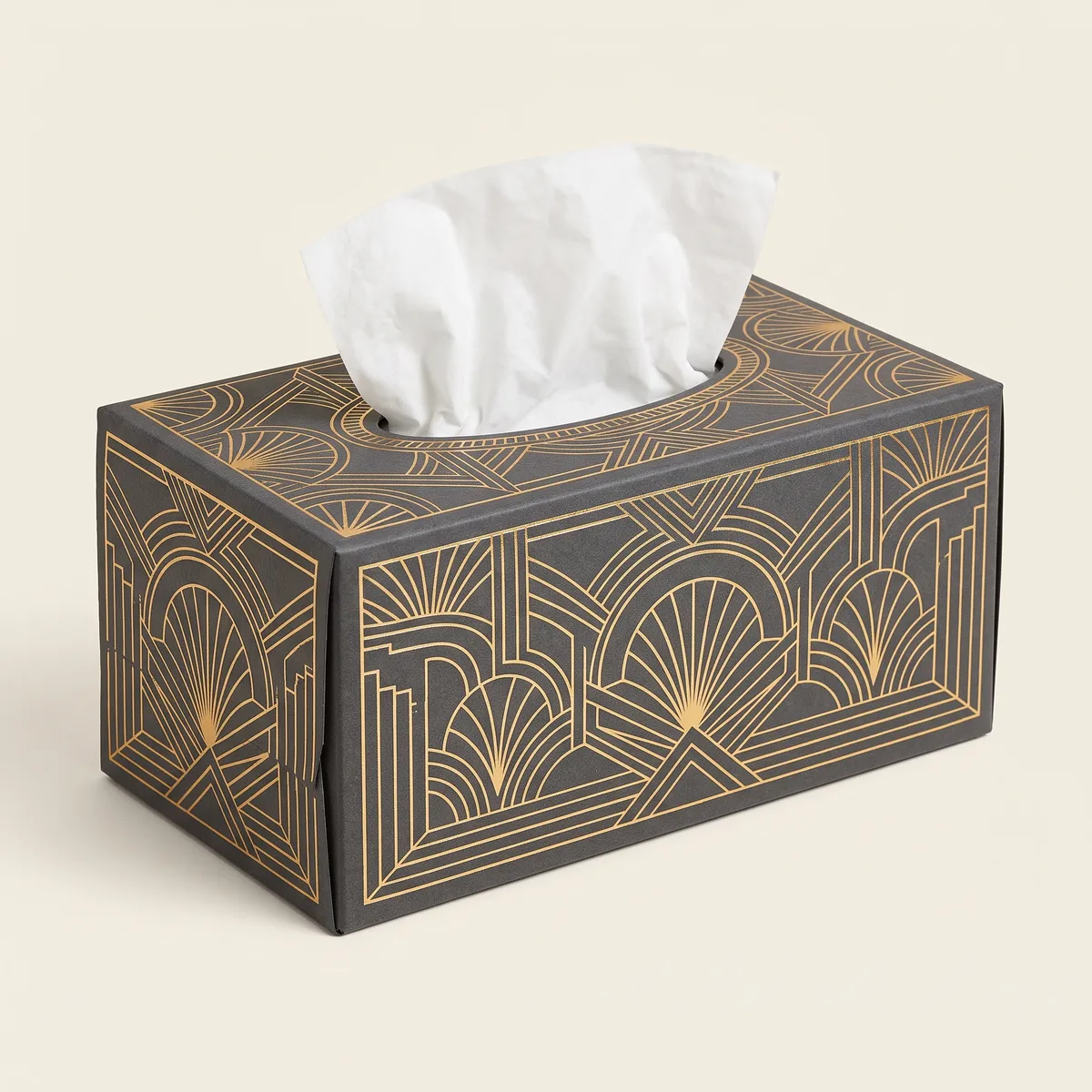
Tissue dispenser boxes use a slotted top opening rather than a tear-away panel, often with a film or die-cut edge that holds the next sheet as one is pulled; the slot shape controls the pull. They sit in bathrooms and kitchens, where uncoated board softens and the slot frays, so a coating is worth specifying. Refillable versions require a different internal structure.
Ours are on Trustpilot, where we can't edit them or choose which ones you see.
Read them on Trustpilot →(opens in a new tab)Four stages, twelve days
Quote confirmed
A specialist checks your spec against the board and comes back with a firm price inside 4 business hours.
Proof approved
You get a flat dieline and a 3D render. Nothing goes to press until you approve it in writing.
On press
Print, die-cut, glue, and fold. You get a press-side photo the day your job runs.
QC and delivery
Every pallet is sampled against the digital proof or physical sample you approved, then shipped with tracking to your dock or 3PL.
If a box doesn't match the digital proof or physical sample you approved, we reprint the run at no charge.
Read the reprint terms →Know exactly what you're ordering.
Slotted-Top Boxes for Sheets Pulled in Sequence
A tissue box is unusual among printed packaging because it stays in use long after the sale. It sits on a bathroom shelf, a bedside table or a back seat for weeks, getting pulled from many times a day, and the box is what the customer touches every time.
That changes what the buyer is specifying. The box has to keep its shape as it empties, keep feeding sheets without tearing them, and still look presentable next to a sink when it's half used. Buyers include tissue and facial-wipe brands, hotels and hospitality groups, clinics and salons, and promotional buyers ordering branded boxes for offices and reception desks.
Slot Shape, Coating and Board for Tissue Units
| Spec | Tissue dispenser |
|---|---|
| Opening | Slot cut into the top panel |
| Slot edge | Film-lined or plain die-cut |
| Stock | SBS coated board, 14–24pt |
| Coating | Specified for damp rooms on request |
| Sizing | Cut to your sheet size and stack height |
| Tolerance | ±0.5–1mm |
Most are made on coated carton board for damp rooms, where the surface slows the softening that bare board suffers near water. The slot is part of the cutting die. A film-lined slot grips sheets more firmly; a plain die-cut edge costs less and suits thicker tissue. Caliper follows box size, with larger family formats moving toward the stiffer end.
Why a Slot Instead of a Tear-Away Panel
A tear-away panel works for items taken once. Tissue is pulled continuously, and the next sheet has to be waiting. A slot does that where a torn opening can't: the sheet sits through the gap, and with interfolded tissue, pulling one draws up the edge of the next.
A tear-away would leave a wide hole. Sheets would fall back in, and dust would settle on the stack. That's why a unit sitting beside bathroom-shelf soap and wash ranges uses a slot, and why matching the slot to the tissue's fold matters as much as the print. It's also why tissue boxes aren't interchangeable with general dispensers: the opening is designed around a sheet, not a product.
Print That Lives Beside a Sink
Print on a tissue box has to cope with damp hands, steam and weeks of handling. Gloss or matte lamination keeps ink from smudging and protects the board at the surface. Full color prints well on coated stock, so patterns, seasonal designs and hotel branding all reproduce cleanly.
Plan around the slot. Anything printed across the top panel gets interrupted by the opening, so place the logo on a side panel and use the top for pattern rather than words. Keep barcodes on the base, where they stay out of sight on a shelf. Premium extras such as foil and soft-touch add cost to a box that goes into the recycling within weeks, so most tissue brands leave them off.
Bathrooms, Kitchens, Cars and Guest Rooms
Tissue dispensers turn up in more places than the bathroom. Retail tissue brands supply cube and flat boxes for bathrooms and bedrooms. Hotels and guest houses order branded boxes for rooms, and clinics and salons keep them at reception. Drivers keep flat boxes in the car, and promotional buyers order them printed with a logo for desks.
In food service, cafés and food counters handing out napkins use the same slotted format for self-service, which keeps the stack clean and stops customers taking a fistful. Kitchens use slotted units for paper towels and wipes. The setting decides the coating: a damp room needs one, while a dry office desk usually doesn't.
Sheet Size and Count Set the Dieline
Tell us the sheet size, how the tissue is folded and how many sheets go in each box. Those three figures set the box dimensions and the slot, so we can draw a dieline that feeds properly rather than one that only looks right on paper. If the box will live somewhere damp, say so at the start and the coating goes into the quote from day one.
The proof shows slot position and artwork together for your approval. Production is 8–12 business days from approval, with rush at an extra cost quoted upfront. Every order passes a three-stage check before it's sent, and shipping is included in the price.
One connected process, start to finish.
Structural Design
Dieline drafted to your exact fit and freight tolerances.
Proof & Sample
Sign off on a digital proof, or request a physical sample.
Tooling
Dies and plates are cut for your job and archived on file.
Production
Print, die-cut, and assembly run under in-line quality checks.
Ship & Reorder
Freight goes out, and the cycle resets for your next run.
Steady process. Powerful results.
Like everything we build, our process is engineered to hold up — no shortcuts, no surprises. Five dependable stages that run the same way every single time, so reorders are just as fast as the first order.
- One dedicated teamFrom first sketch to final freight, the same people carry your order start to finish.
- Dies archived on fileReorders skip tooling and re-setup entirely — we already have your exact spec.
- Checked against your sign-offEvery run is inspected against the digital proof or physical sample you approved.
Set up your file once, correctly
Nine in ten delayed jobs are delayed by artwork, not production. Match these four rules and your proof lands the next morning.
- Bleed1/8 in (3 mm) past every cut line
- Safe ZoneKeep text 1/4 in clear of every crease
- ColourCMYK or named Pantone. No RGB.
- Resolution300 dpi at final size, fonts outlined
No print-ready file?
Send a logo and a rough idea. Our studio builds the production file free with any order over 500 units — you keep the source file either way.
Ask the StudioBackground art must run all the way to the outer bleed edge. Anything inside the white dashed line survives fold tolerance.



What brands say about this box
They live there rather than here, where we can't edit them, delete them, or pick which ones you get to see. That is exactly what makes them worth reading.
Read all reviews on Trustpilot(opens in a new tab)Answers before you have to ask.
How does a tissue dispenser opening differ?
It's a slotted opening in the top rather than a tear-away panel, usually with a film or die-cut edge that holds the next sheet in place as one is pulled. The slot shape controls the pull.
Can tissue dispensers hold refills?
Yes, if designed for it. A refillable dispenser needs an opening or base that allows access without damaging the unit, which changes the structure from a single-use build.
Do tissue dispensers need a coating?
For anything that might get damp, yes. Tissue dispensers often sit in bathrooms and kitchens, where uncoated board softens and the slot edge frays quickly.
What's the turnaround on tissue dispensers?
Around 8–12 business days from proof approval, slot and coating included. Rush is available at an added cost quoted before you order.
What's the minimum on tissue dispensers?
100 units. If you're producing both single-use and refillable versions, running them together shares setup while letting each have the right structure.