
Kraft Folding Cartons
Kraft folding cartons perform the same as coated board structurally, since strength comes from caliper and construction rather than the liner. What changes is the look: unbleached kraft absorbs ink, so colors read muted and warmer, and natural brands lose nothing by that. Color-led brands, however, lose a great deal. Kraft recycles easily, though certain coatings can affect that.
Ours are on Trustpilot, where we can't edit them or choose which ones you see.
Read them on Trustpilot →(opens in a new tab)Four stages, twelve days
Quote confirmed
A specialist checks your spec against the board and comes back with a firm price inside 4 business hours.
Proof approved
You get a flat dieline and a 3D render. Nothing goes to press until you approve it in writing.
On press
Print, die-cut, glue, and fold. You get a press-side photo the day your job runs.
QC and delivery
Every pallet is sampled against the digital proof or physical sample you approved, then shipped with tracking to your dock or 3PL.
If a box doesn't match the digital proof or physical sample you approved, we reprint the run at no charge.
Read the reprint terms →Know exactly what you're ordering.
Kraft Folding Cartons for Ranges Built on a Plain Brown Look
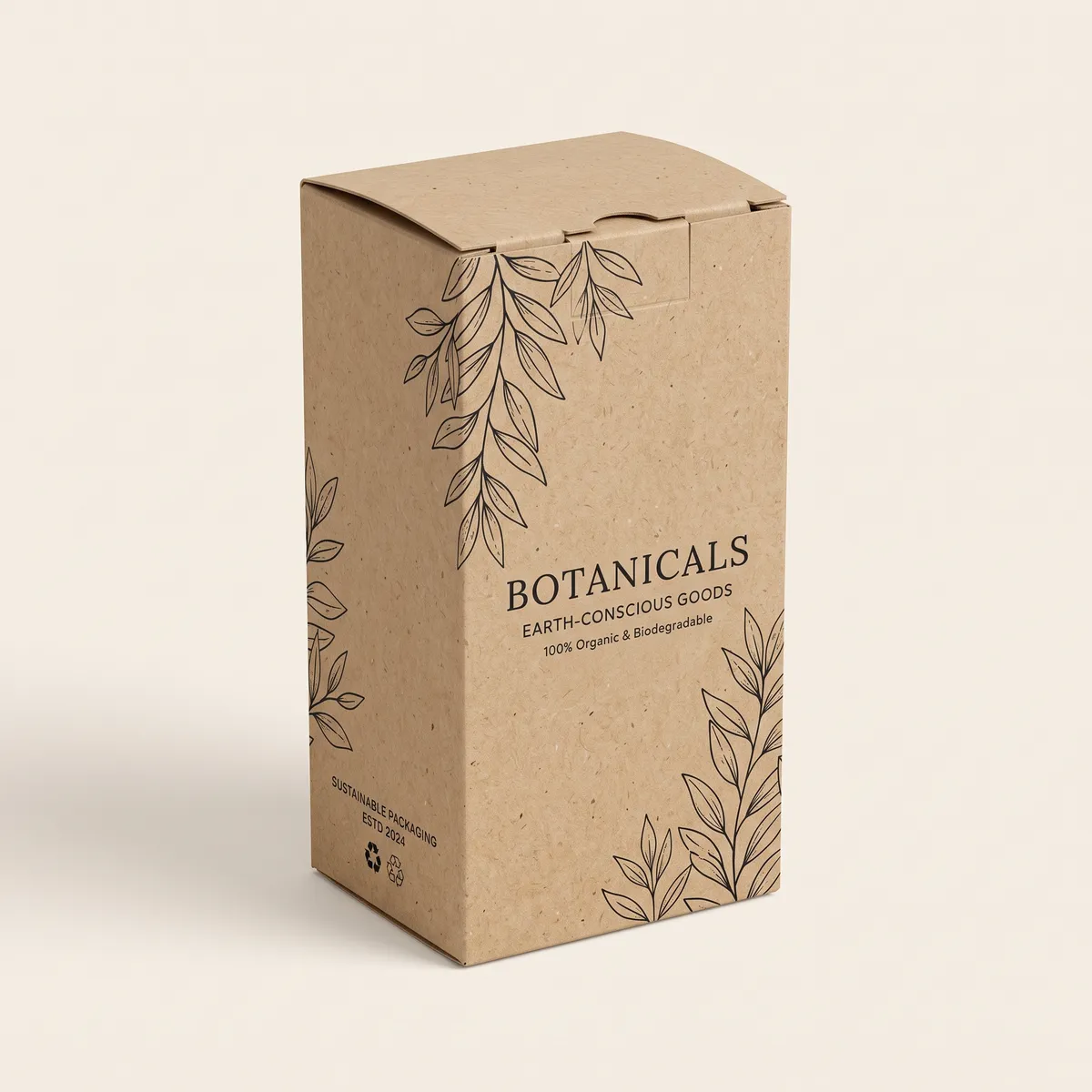
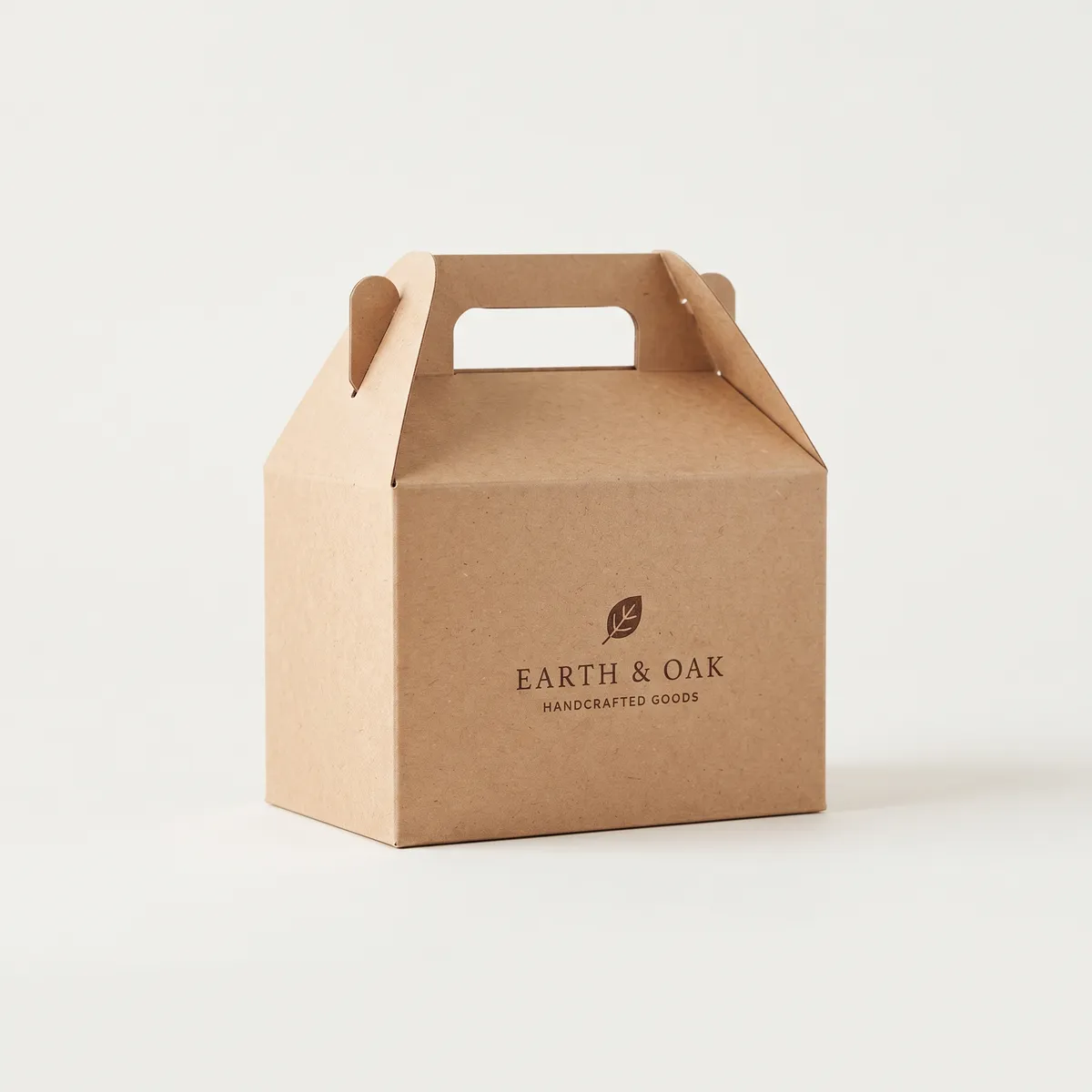
Some ranges look right in brown and wrong in anything else. Hand-poured candles, cold-process soap, small-batch coffee and dried botanicals all sell partly on the idea that nothing extra has been added, and a plain board with a one-color mark carries that idea before the label is read.
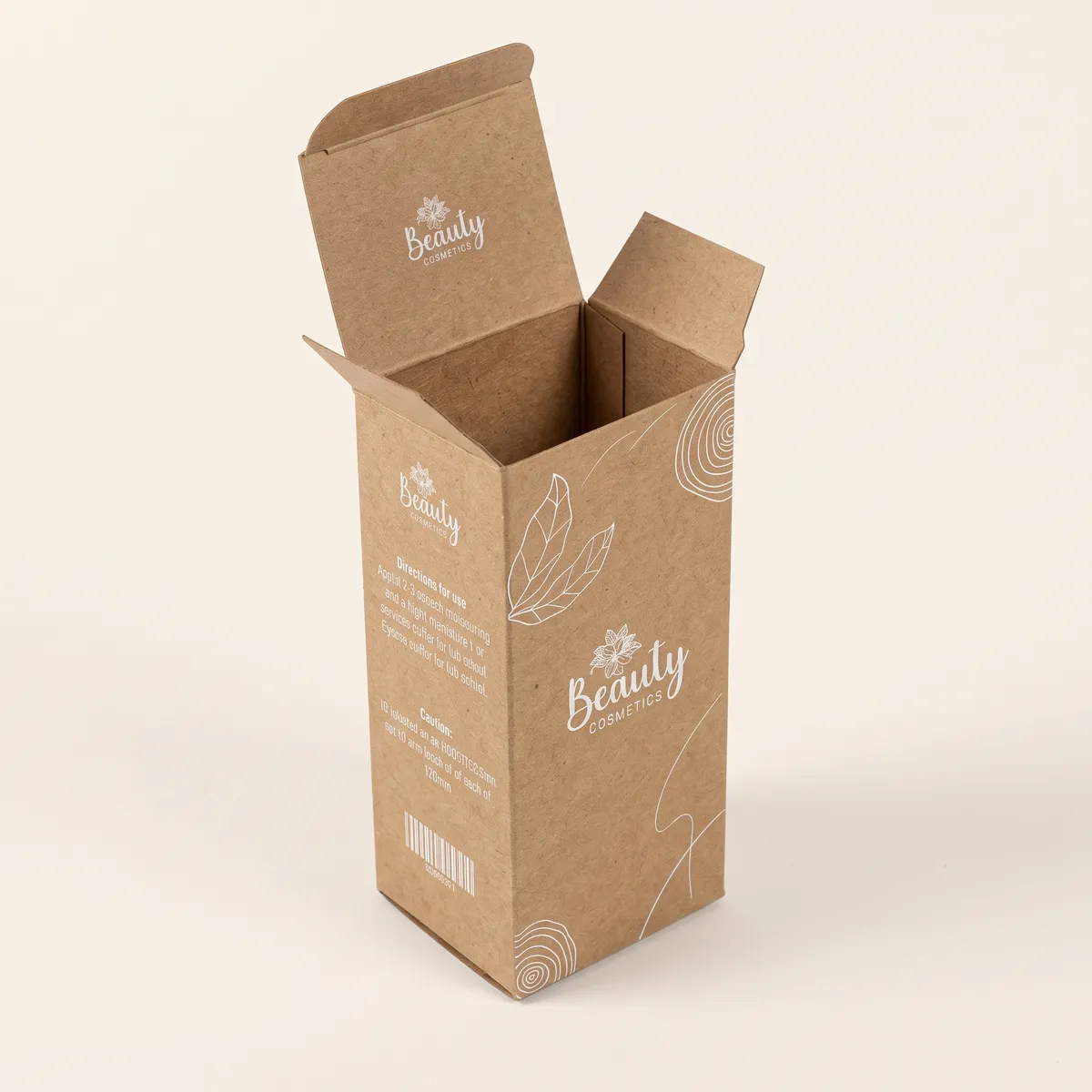
Kraft folding cartons are for those brands. They are folding cartons in every structural sense, cut from unbleached board, and choosing them is mostly a question of fit. Does your product look better against natural fiber, or does it need a white background to show its color? If the answer is the first, the remaining decisions are small ones about ink, weight and finish, and the brown does a share of the branding for free.
Kraft Carton Board, Weights and Coating Notes
Kraft cartons use the same dielines as coated board, so moving a range from white to brown doesn't mean re-engineering the box.
| Spec | Detail |
|---|---|
| Stock | Unbleached kraft board |
| Surface | Natural brown, uncoated |
| Caliper | Matched to product weight |
| Coating | None, or grease-resistant on the inside face |
| Construction | Reverse tuck or straight tuck |
| Format | Shipped flat |
The board is brown paperboard left unbleached, so its color comes from the pulp rather than a dye, and it varies a little from batch to batch the way natural fiber does. If the carton will hold anything oily, tell us early. A grease-resistant inside face is a separate step, and we'll price it and explain what it changes before adding it.
When Brown Board Says More Than Printed Color
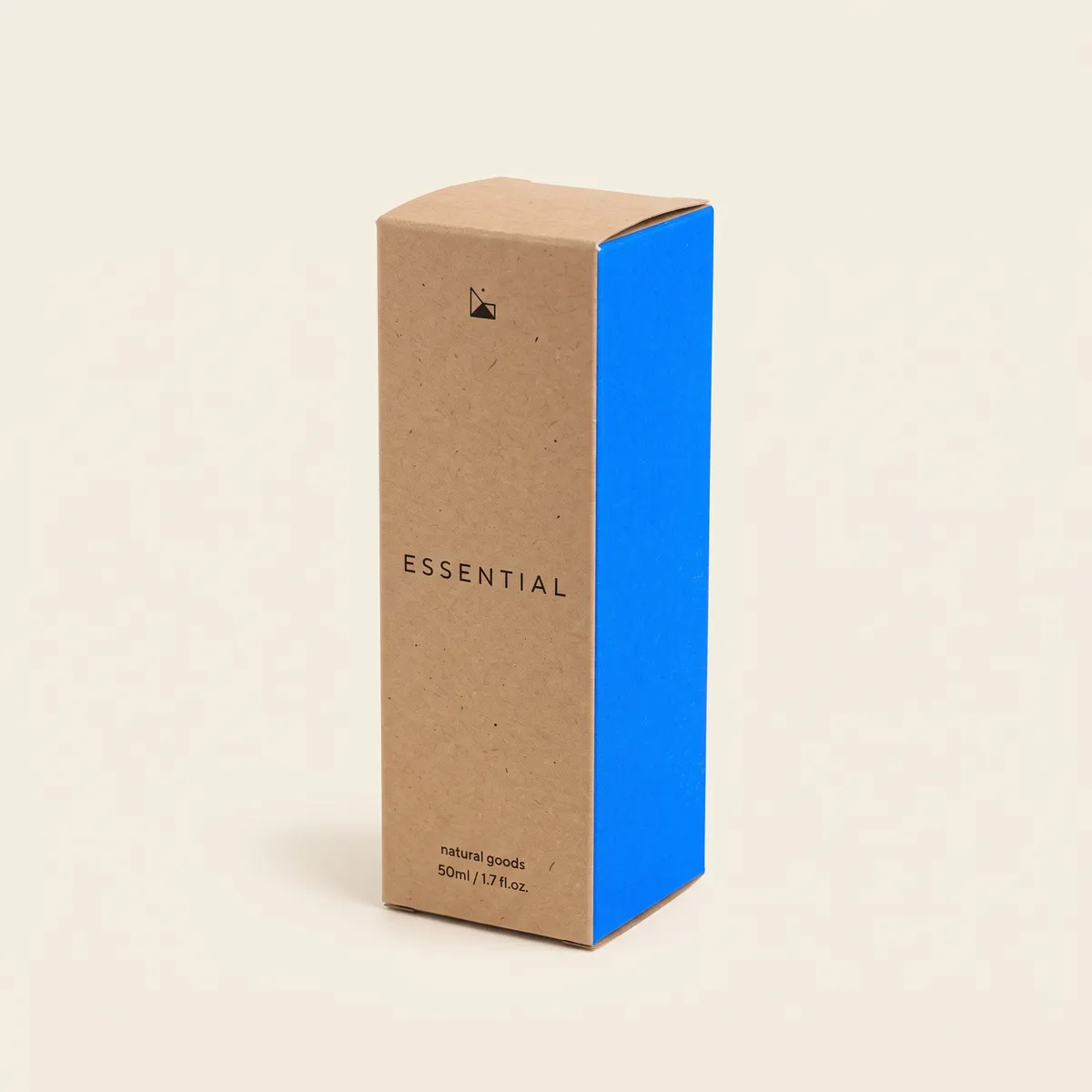
Choosing kraft is a positioning decision, and it's worth making deliberately. The brown surface does part of the branding work, telling the shopper the product is handmade, plain or close to its raw materials before they read a word. For a brand built on those ideas, paying to print a full color field would cover up the thing customers are looking for.
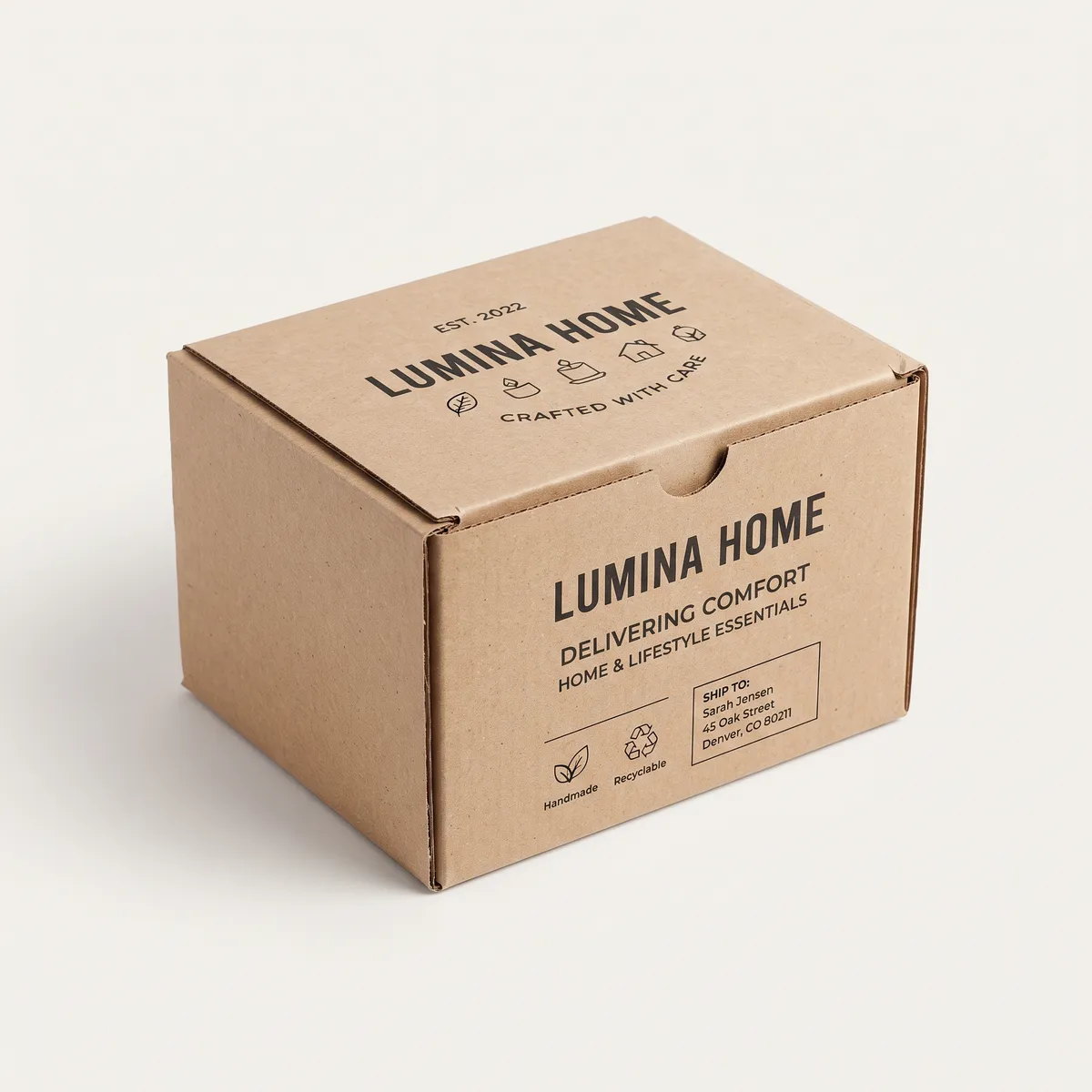
That's why so many natural soap labels sell from kraft, often with nothing more than a logo, a name and an ingredient list on the carton.
The decision runs the other way when your product sells on a bright brand color, a photograph or character art. Those need a white surface. Forcing them onto kraft gives you a dull version of your own packaging.
Single-Color Print, White Underprint and Foil on Kraft
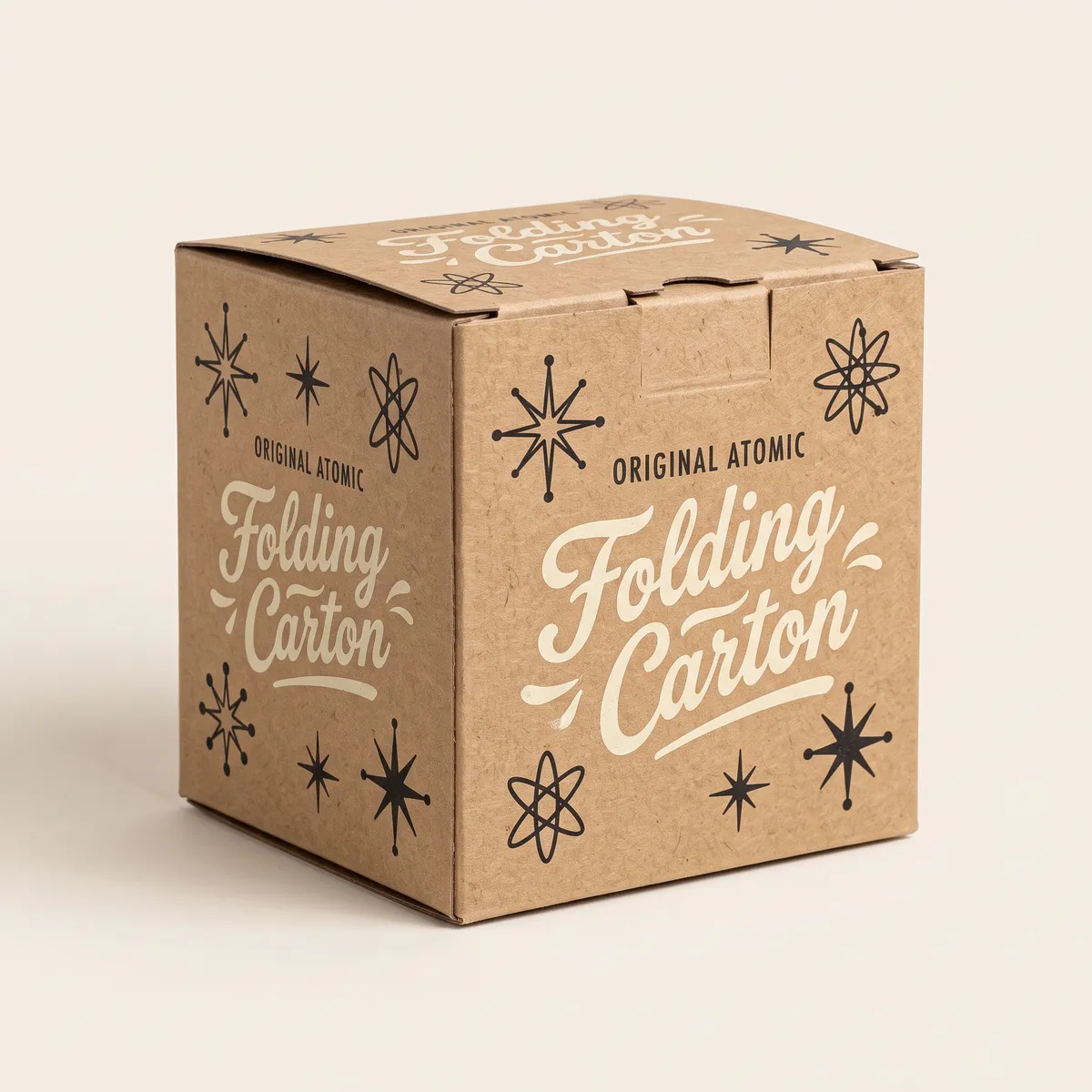
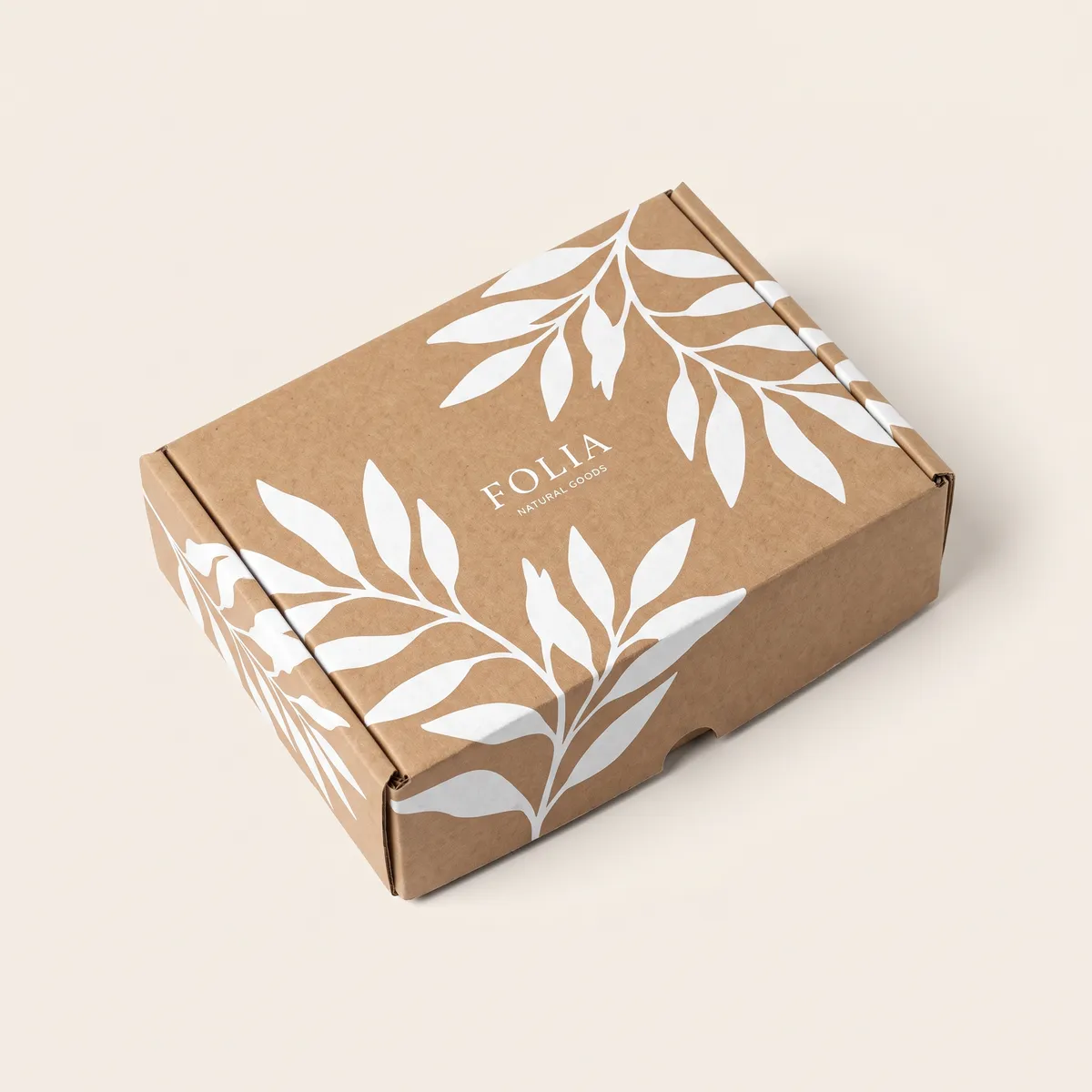
Kraft rewards a simple design. One or two ink colors, usually black or a dark brand color, print cleanly and keep the cost down. If a specific color has to read accurately, a white underprint goes down first so the ink sits on white rather than brown, at the price of an extra pass. White ink on its own gives a high-contrast look on natural board that full color can't match.
Foil works particularly well, since metallic against unbleached fiber looks deliberately crafted. Blind embossing adds a raised mark with no ink at all.
Full lamination usually works against the reason you chose kraft, so we rarely recommend it. A clean print with one finish accent is the version most kraft brands settle on.
Kraft Cartons for Candle Makers and Craft Goods
Candle makers are among the most regular kraft buyers, using cartons for hand-poured candle lines where a brown outer around a glass jar matches the craft story. Soap makers, small-batch roasters and tea brands follow close behind.
Bakeries and confectioners use kraft cartons for dry goods such as cookies and fudge, with a grease-resistant coating on the inside face where the product touches the board. Gift shops and market sellers use them for stationery, ceramics and small homeware, often with one printed design shared across the whole range.
The common thread is a product that benefits from looking less processed, not more. If your packaging photography is mostly bright color on white, kraft is probably the wrong stock for that line.
First Kraft Carton Order: Quantity, Timing and Checks
A first order can be small. The minimum is 100 cartons, which is enough to see how your ink color reads on brown board under shop lighting before you commit to volume. Design help is unlimited and free, and every layout goes to a proof before anything prints.
Production takes 8–12 business days once you approve that proof. If a launch date is fixed and the schedule is tight, rush is available at an extra cost, quoted before you order rather than added afterwards. The price you're quoted covers shipping.
For larger programs, orders above 10,000 cartons come with free samples, so you can check the stock and the print in hand before the full run goes ahead.
One connected process, start to finish.
Structural Design
Dieline drafted to your exact fit and freight tolerances.
Proof & Sample
Sign off on a digital proof, or request a physical sample.
Tooling
Dies and plates are cut for your job and archived on file.
Production
Print, die-cut, and assembly run under in-line quality checks.
Ship & Reorder
Freight goes out, and the cycle resets for your next run.
Steady process. Powerful results.
Like everything we build, our process is engineered to hold up — no shortcuts, no surprises. Five dependable stages that run the same way every single time, so reorders are just as fast as the first order.
- One dedicated teamFrom first sketch to final freight, the same people carry your order start to finish.
- Dies archived on fileReorders skip tooling and re-setup entirely — we already have your exact spec.
- Checked against your sign-offEvery run is inspected against the digital proof or physical sample you approved.
Set up your file once, correctly
Nine in ten delayed jobs are delayed by artwork, not production. Match these four rules and your proof lands the next morning.
- Bleed1/8 in (3 mm) past every cut line
- Safe ZoneKeep text 1/4 in clear of every crease
- ColourCMYK or named Pantone. No RGB.
- Resolution300 dpi at final size, fonts outlined
No print-ready file?
Send a logo and a rough idea. Our studio builds the production file free with any order over 500 units — you keep the source file either way.
Ask the StudioBackground art must run all the way to the outer bleed edge. Anything inside the white dashed line survives fold tolerance.
What brands say about this box
They live there rather than here, where we can't edit them, delete them, or pick which ones you get to see. That is exactly what makes them worth reading.
Read all reviews on Trustpilot(opens in a new tab)Answers before you have to ask.
Does kraft change how a folding carton performs?
Not structurally. Kraft is the liner, and strength comes from caliper and construction. What changes is how it looks and how color prints — kraft absorbs ink so colors read muted and warmer.
Are kraft folding cartons recyclable?
Yes. Kraft is unbleached pulp and recycles easily. A coating or laminate can affect that depending on type, so tell us if recyclability is a claim you're making publicly.
Is kraft cheaper than coated board?
Usually slightly, since coated board is bleached and treated. The gap narrows at volume. The better question is fit — natural brands lose nothing with kraft, color-led brands lose a lot.
What's the lead time on kraft folding cartons?
Around 8–12 business days once you approve the proof. Rush production is available at an added cost quoted first, with shipping included on every order.
Can kraft cartons be reordered quickly?
Yes. With your dimensions and artwork on file, reorders need no new proof unless something changes, and most run in about 8–12 business days with rush available.