
Sustainable Folding Cartons
Sustainable folding cartons start with recycled content and recyclable stock, and since those terms get used loosely, it pays to be specific about which claims you make. Recycled board has a slightly grayer base that shifts colors marginally, so we proof on your actual stock. These cost somewhat more than standard board, a gap that narrows considerably as volume rises.
Ours are on Trustpilot, where we can't edit them or choose which ones you see.
Read them on Trustpilot →(opens in a new tab)Four stages, twelve days
Quote confirmed
A specialist checks your spec against the board and comes back with a firm price inside 4 business hours.
Proof approved
You get a flat dieline and a 3D render. Nothing goes to press until you approve it in writing.
On press
Print, die-cut, glue, and fold. You get a press-side photo the day your job runs.
QC and delivery
Every pallet is sampled against the digital proof or physical sample you approved, then shipped with tracking to your dock or 3PL.
If a box doesn't match the digital proof or physical sample you approved, we reprint the run at no charge.
Read the reprint terms →Know exactly what you're ordering.
Sustainable Folding Cartons for Brands Asked What the Box Is Made Of
The question now comes up early, on a stockist's supplier form or in a customer's email: what is your packaging made of, and can it be recycled? Sustainable folding cartons exist so you can answer it with a plain fact rather than a slogan.
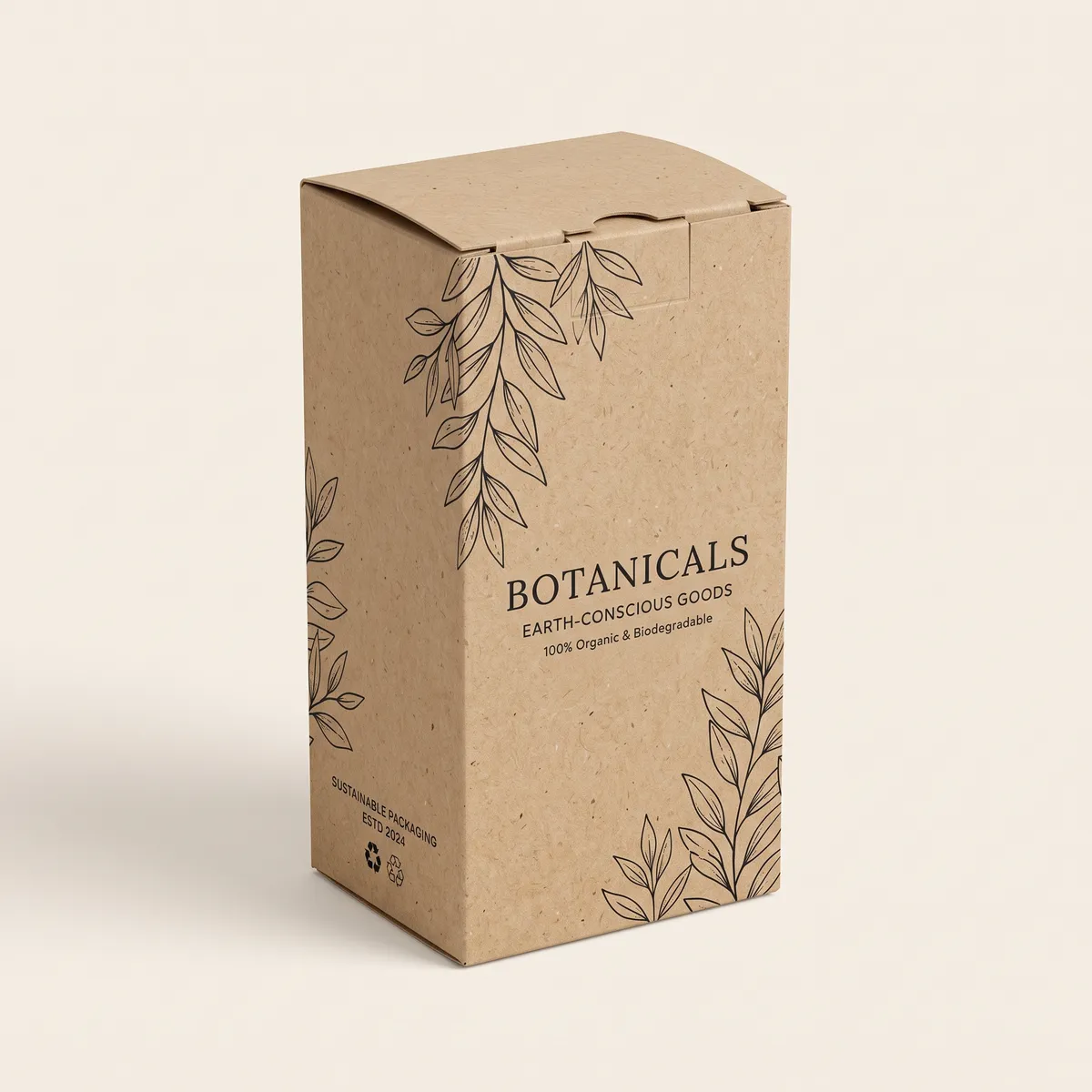
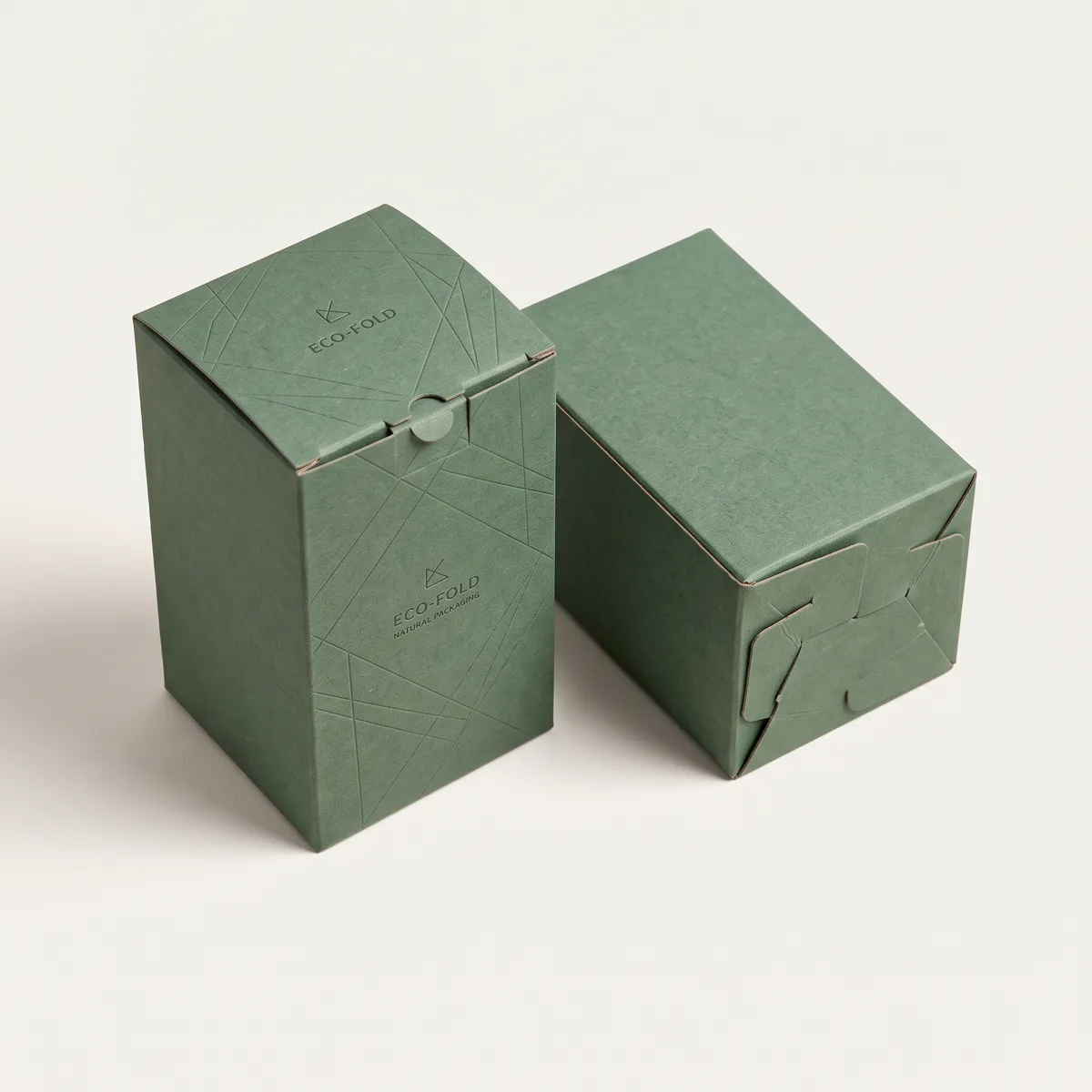
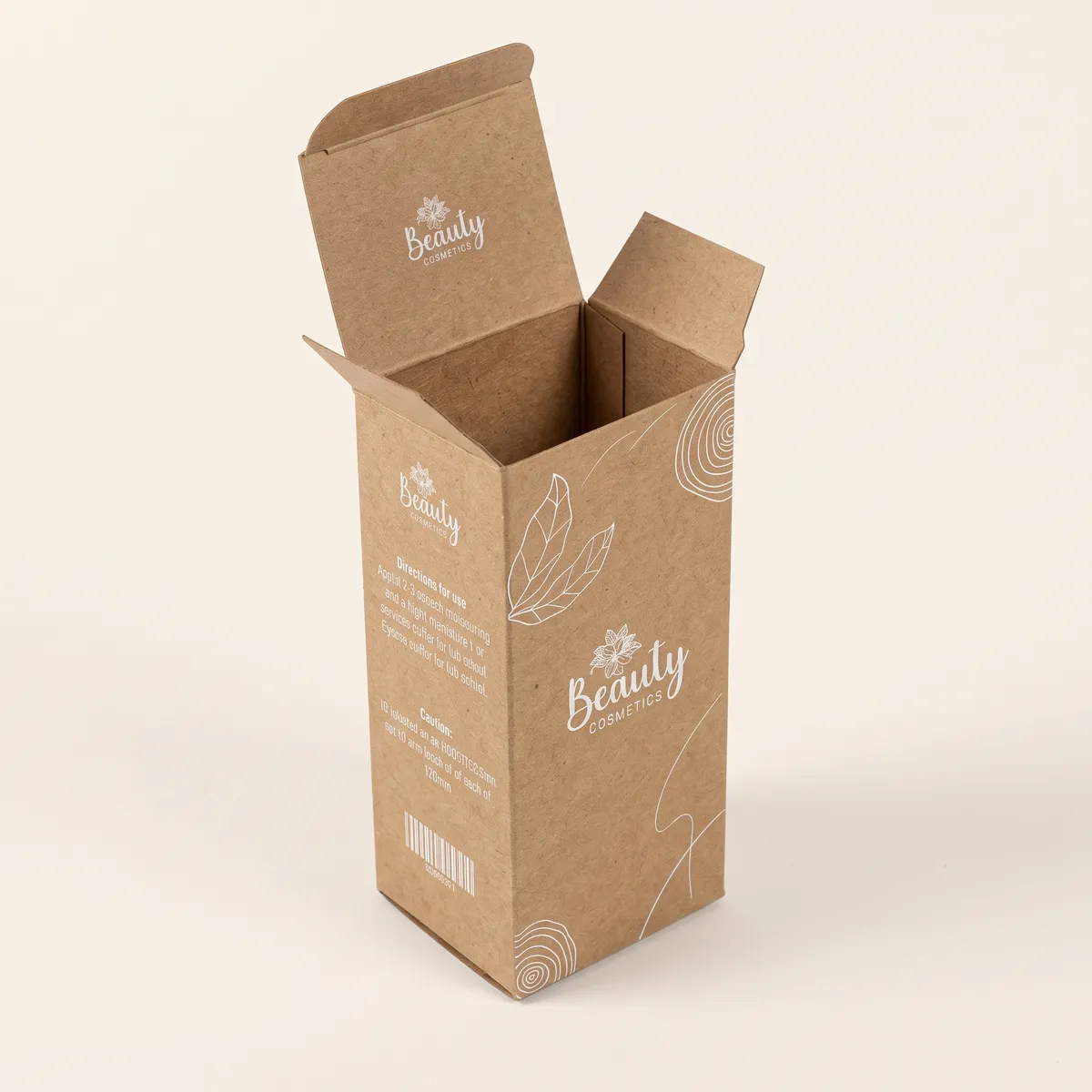
Structurally they are ordinary folding cartons, with tuck ends, flat packing and the same dielines. The difference is board chosen for where its fiber came from and where it can go afterwards. The buyers are brands that put a material statement on the box or the product page, and suppliers to retailers who ask for one. This page doesn't write the claim for you. It gives you the material facts to write an accurate one, and tells you which choices would undercut it.
Recycled-Content and Recyclable Board Options
Sustainable cartons are built on the same dielines as any other carton. What changes is the board, and the finish that goes on it.
| Spec | Detail |
|---|---|
| Recycled content | Board containing recovered fiber |
| Recyclable stock | Board accepted in standard paper recycling, finish permitting |
| Kraft | Unbleached board, natural brown |
| Caliper | Matched to product weight |
| Finish | Chosen to keep the carton in the paper stream |
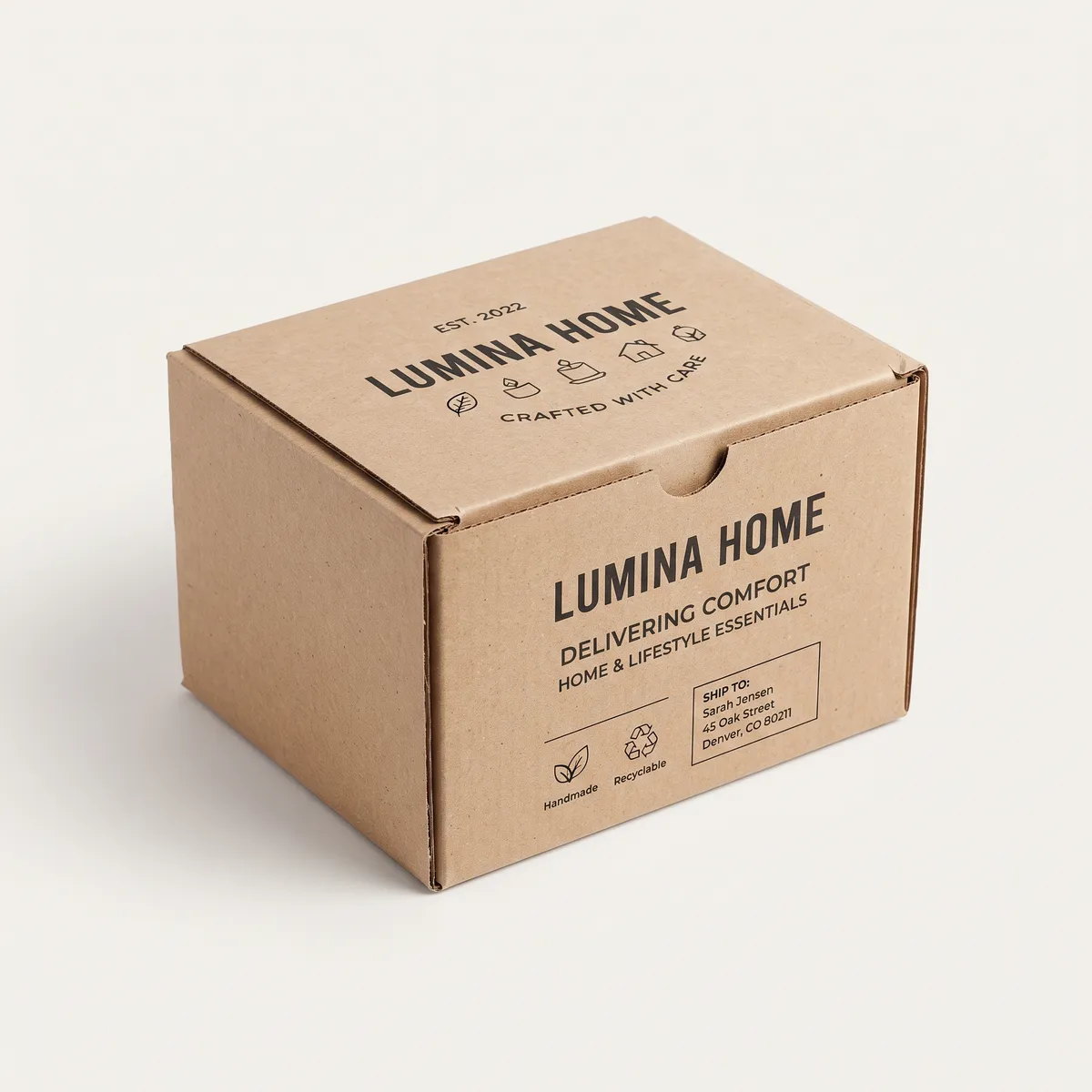
These cartons are commonly made on kraft, which is board made from long-fiber unbleached pulp, or on recycled-content board, and some runs combine both. Tell us which property you need to state, recycled content, recyclability or both, before we choose the stock, because it decides which board we put forward.
Why Settle the Fiber Before Writing the Claim
Most problems with green packaging claims start with writing the claim first and specifying the board second. A vague word on a carton invites the question of how, and the honest answer depends on the stock. Recycled content describes where the fiber came from. Recyclable describes where it can go. Neither means compostable, which needs a recognized standard behind it.
Pick the property you can state plainly, then choose a board that supports exactly that wording. You name the claim; we tell you what the board is and how the finish affects it. Roasters and tea brands show why this matters: bean and loose-leaf tea packaging often has a bag inside the carton, and a claim printed on the outer should describe the carton alone, not the whole pack.
Inks, Films and Finishes That Work Against Recycling
What goes on the board decides whether the carton still recycles. A plastic laminate is the most common problem: gloss, matte and soft-touch films sit on top of the fiber and can stop a carton being accepted, depending on the film and the facility. Foil adds a metallic layer, so keep it small, or keep it for cartons where recyclability isn't part of the claim.
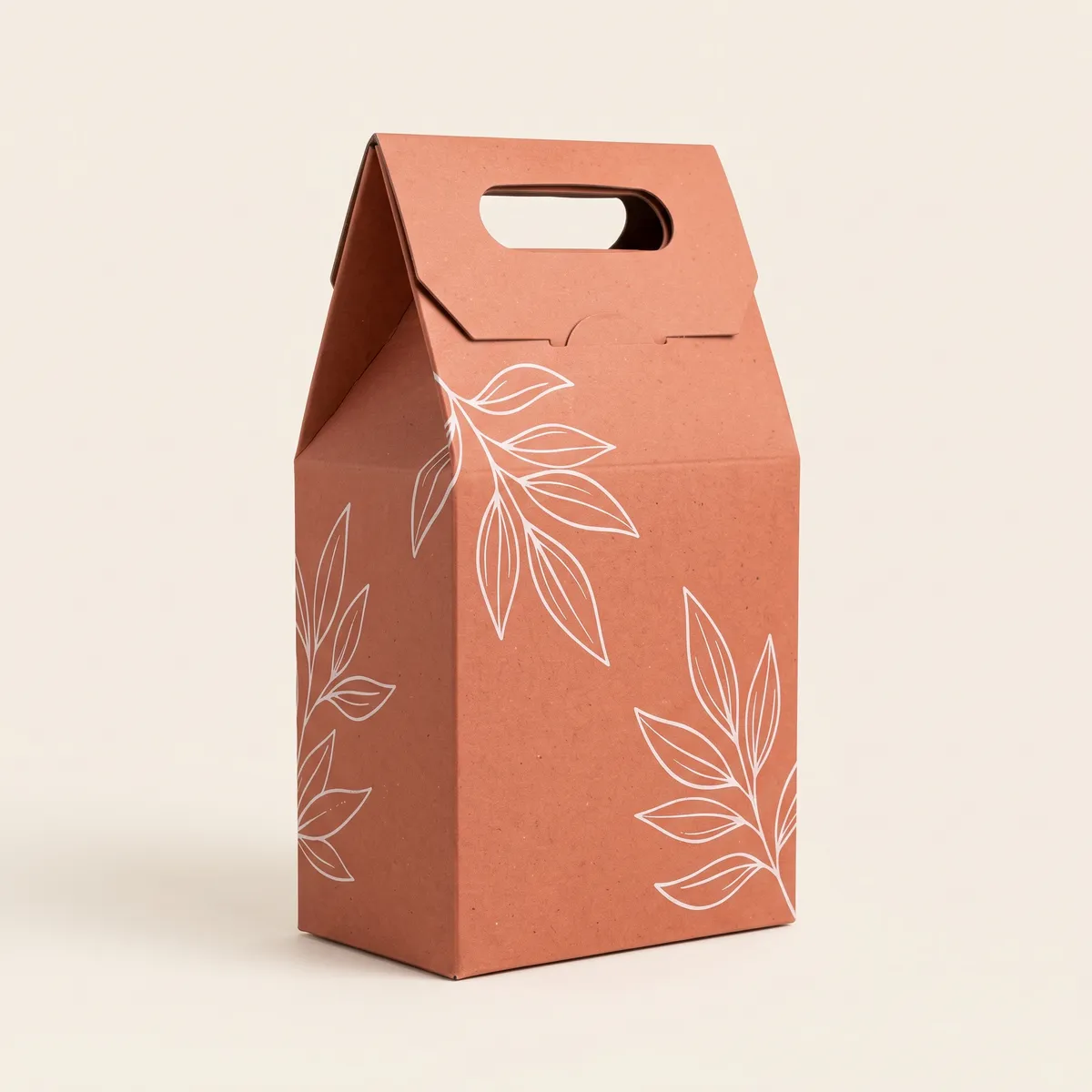
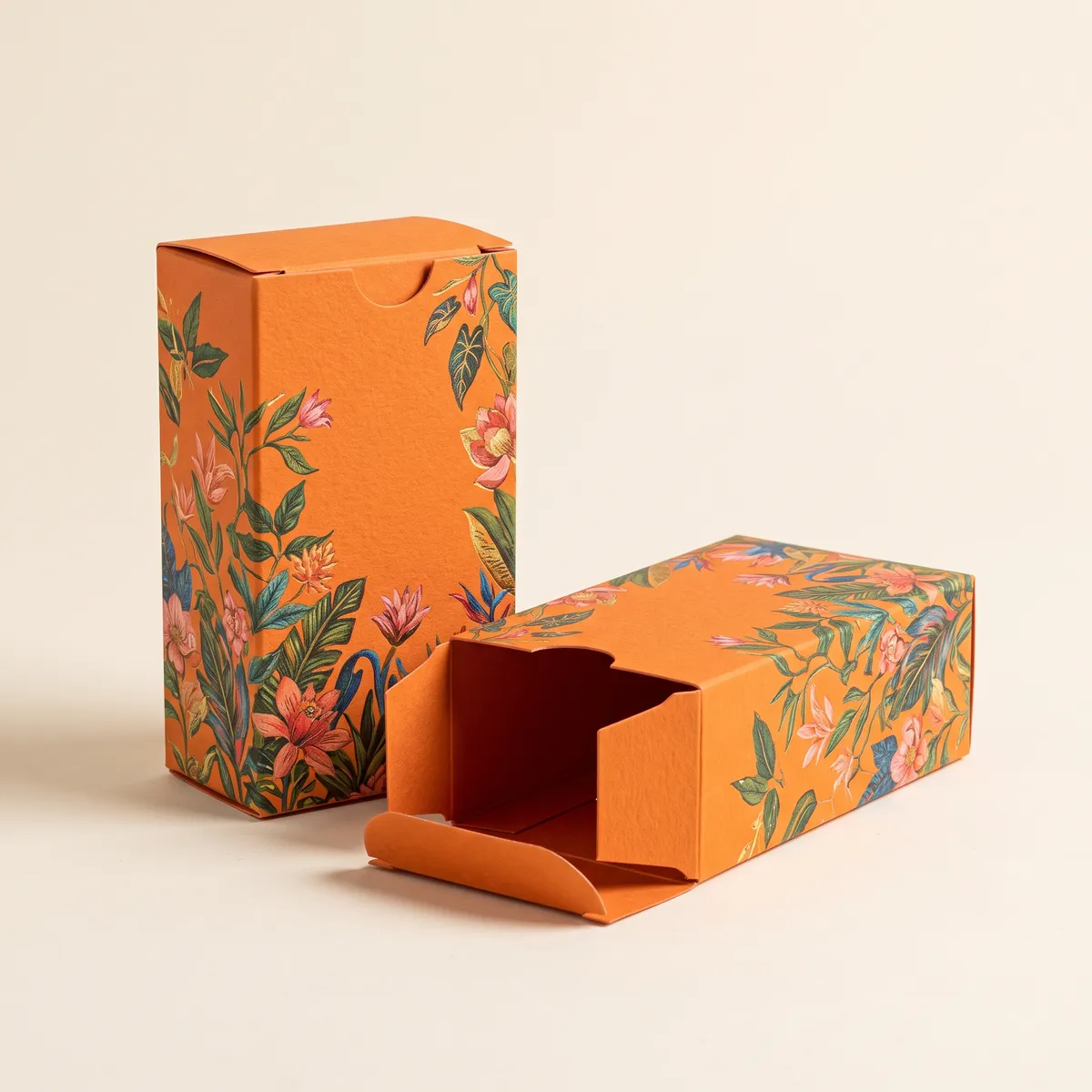
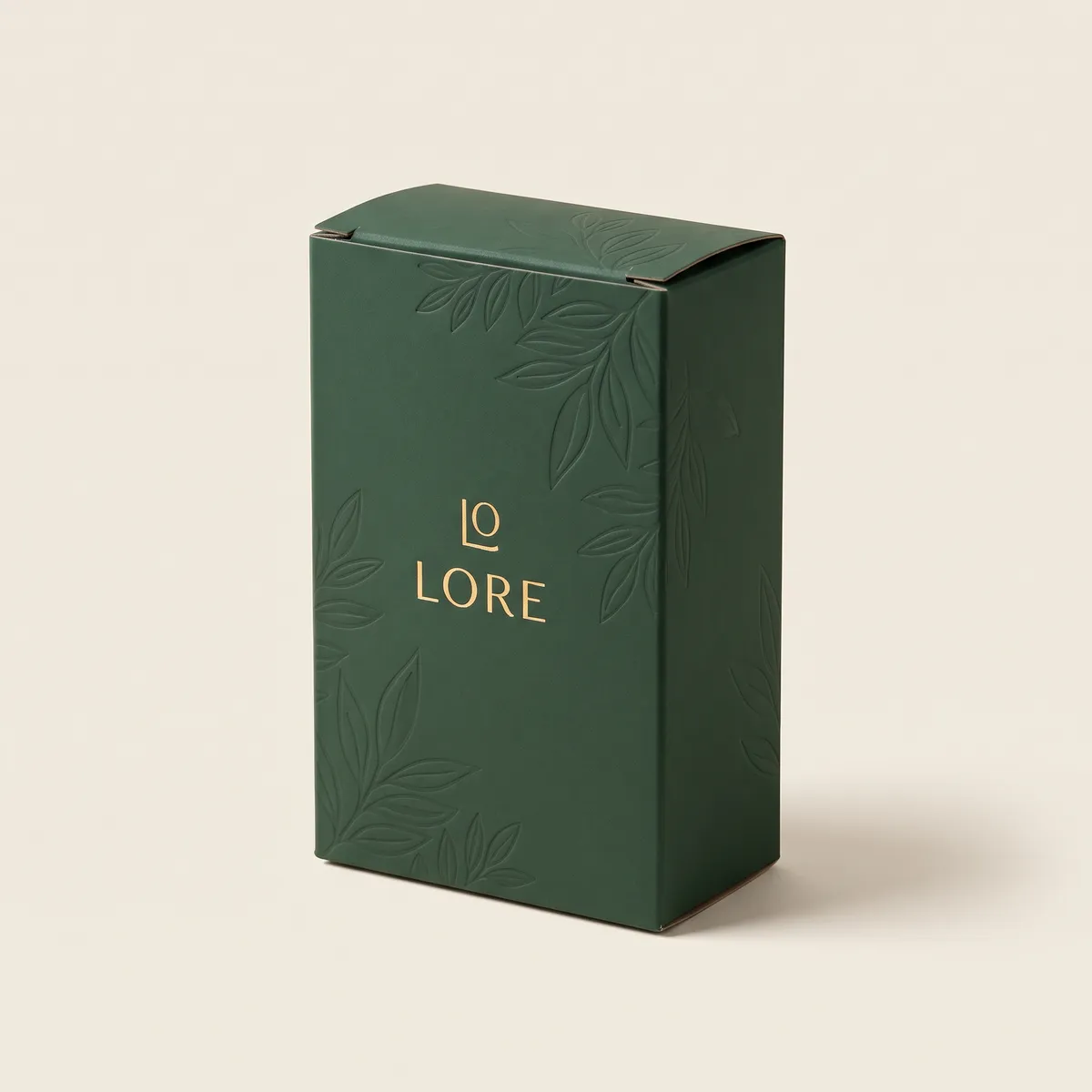
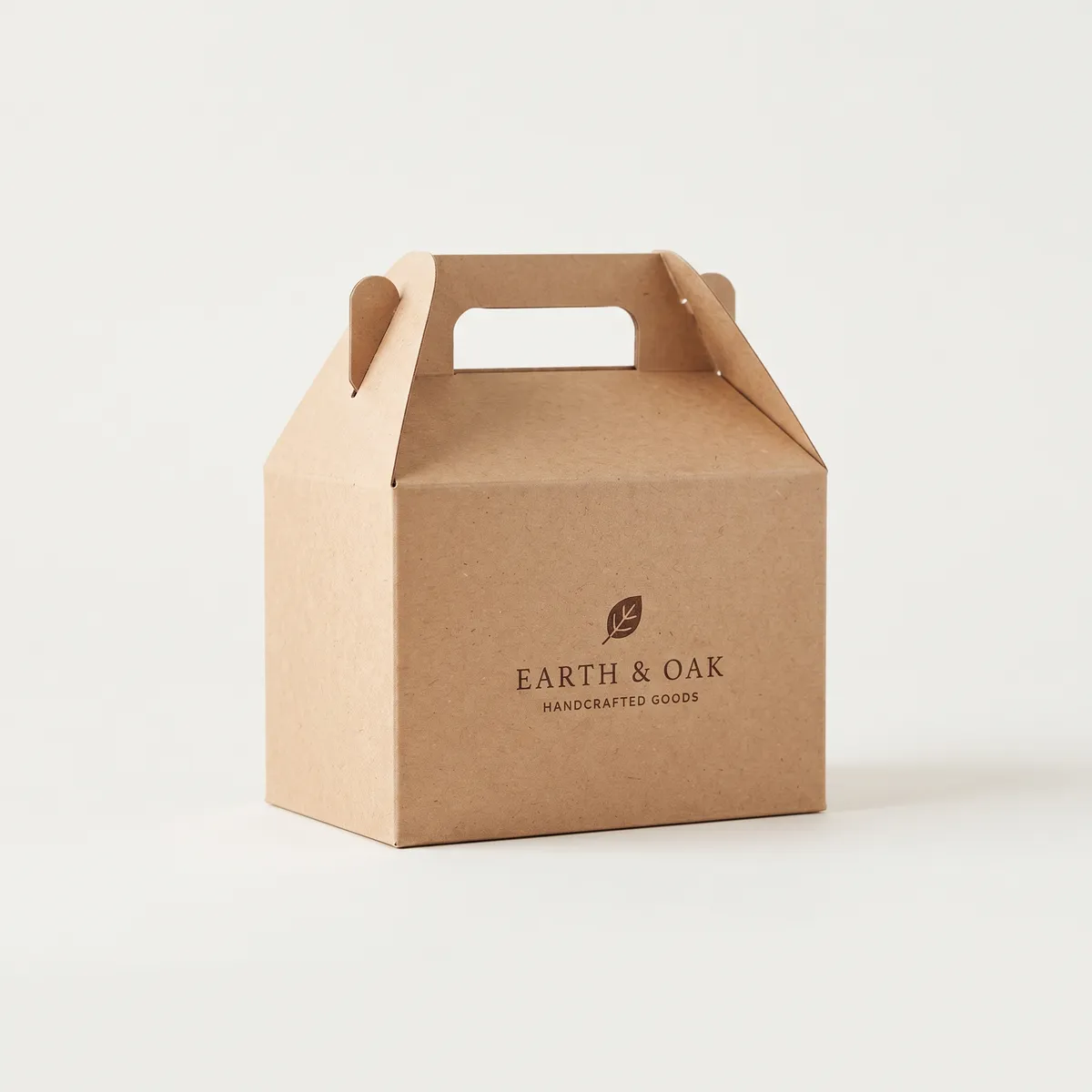
What works with the material is blind embossing, which adds texture with no ink, and a restrained one- or two-color design that lets the board show. Full color is still possible on recycled stock.
Uncoated board with clean print is the simplest version to describe accurately. If you plan to say recyclable on the pack, tell us before the finishes are chosen.
Recycled Cartons for Roasters, Soap Makers and Tea Blenders
Coffee roasters and tea blenders use these cartons as outers for retail bags and tins, because their customers already read packaging closely. Soap makers are another core group, especially low-waste bar soap brands that have dropped plastic wrap and need the carton to carry the brand on its own.
Candle makers selling through eco-focused shops use recycled stock to match their positioning, and gift shops stocking local makers may ask suppliers what the packaging is made of before they list a product.
Where it makes less sense is a heavily laminated luxury carton, where the film undoes the material choice, or a product whose story has nothing to do with sustainability. There, the same budget usually buys more as better print on standard coated board.
What to Tell Us Before We Quote a Recycled Carton
Four details make the quote accurate. The first is the claim you intend to make, so we specify a board that supports it rather than one that only sounds right. The second is your product's dimensions: we build the dieline from them and confirm internal and external measurements in writing. The third is the finish you have in mind, since that can change both the price and the recyclability. The fourth is quantity, and orders start at 100 boxes.
Production takes 8–12 business days from proof approval. Rush is available at an extra cost we state upfront. Every carton passes a three-stage check before it leaves, and shipping is included in the price, so the figure you're quoted is the figure you pay.
One connected process, start to finish.
Structural Design
Dieline drafted to your exact fit and freight tolerances.
Proof & Sample
Sign off on a digital proof, or request a physical sample.
Tooling
Dies and plates are cut for your job and archived on file.
Production
Print, die-cut, and assembly run under in-line quality checks.
Ship & Reorder
Freight goes out, and the cycle resets for your next run.
Steady process. Powerful results.
Like everything we build, our process is engineered to hold up — no shortcuts, no surprises. Five dependable stages that run the same way every single time, so reorders are just as fast as the first order.
- One dedicated teamFrom first sketch to final freight, the same people carry your order start to finish.
- Dies archived on fileReorders skip tooling and re-setup entirely — we already have your exact spec.
- Checked against your sign-offEvery run is inspected against the digital proof or physical sample you approved.
Set up your file once, correctly
Nine in ten delayed jobs are delayed by artwork, not production. Match these four rules and your proof lands the next morning.
- Bleed1/8 in (3 mm) past every cut line
- Safe ZoneKeep text 1/4 in clear of every crease
- ColourCMYK or named Pantone. No RGB.
- Resolution300 dpi at final size, fonts outlined
No print-ready file?
Send a logo and a rough idea. Our studio builds the production file free with any order over 500 units — you keep the source file either way.
Ask the StudioBackground art must run all the way to the outer bleed edge. Anything inside the white dashed line survives fold tolerance.
What brands say about this box
They live there rather than here, where we can't edit them, delete them, or pick which ones you get to see. That is exactly what makes them worth reading.
Read all reviews on Trustpilot(opens in a new tab)Answers before you have to ask.
What makes a folding carton sustainable?
Recycled content, recyclable stock, or both — and ideally both. It's worth being specific about which you mean, since the terms get used loosely and buyers increasingly check.
Can sustainable cartons still print in full color?
Yes, though recycled stock has a slightly grayer base than bleached board, which shifts colors marginally. We proof on your actual stock so there are no surprises at the run.
Do sustainable cartons cost more?
Usually somewhat, since recycled and specialty stocks cost more than standard board. The gap narrows at volume, and for many brands the retailer access it unlocks offsets the difference.
How long do sustainable cartons take?
Usually 8–12 business days from proof approval. Sourcing specialty stock occasionally adds a little at the front end, and we'll tell you if so. Rush is available at extra cost.
What's the minimum on sustainable cartons?
100 boxes, the same as standard stock. That lets you trial the board with your actual product before switching a whole range across, which we'd recommend.