
Cardboard Food Boxes
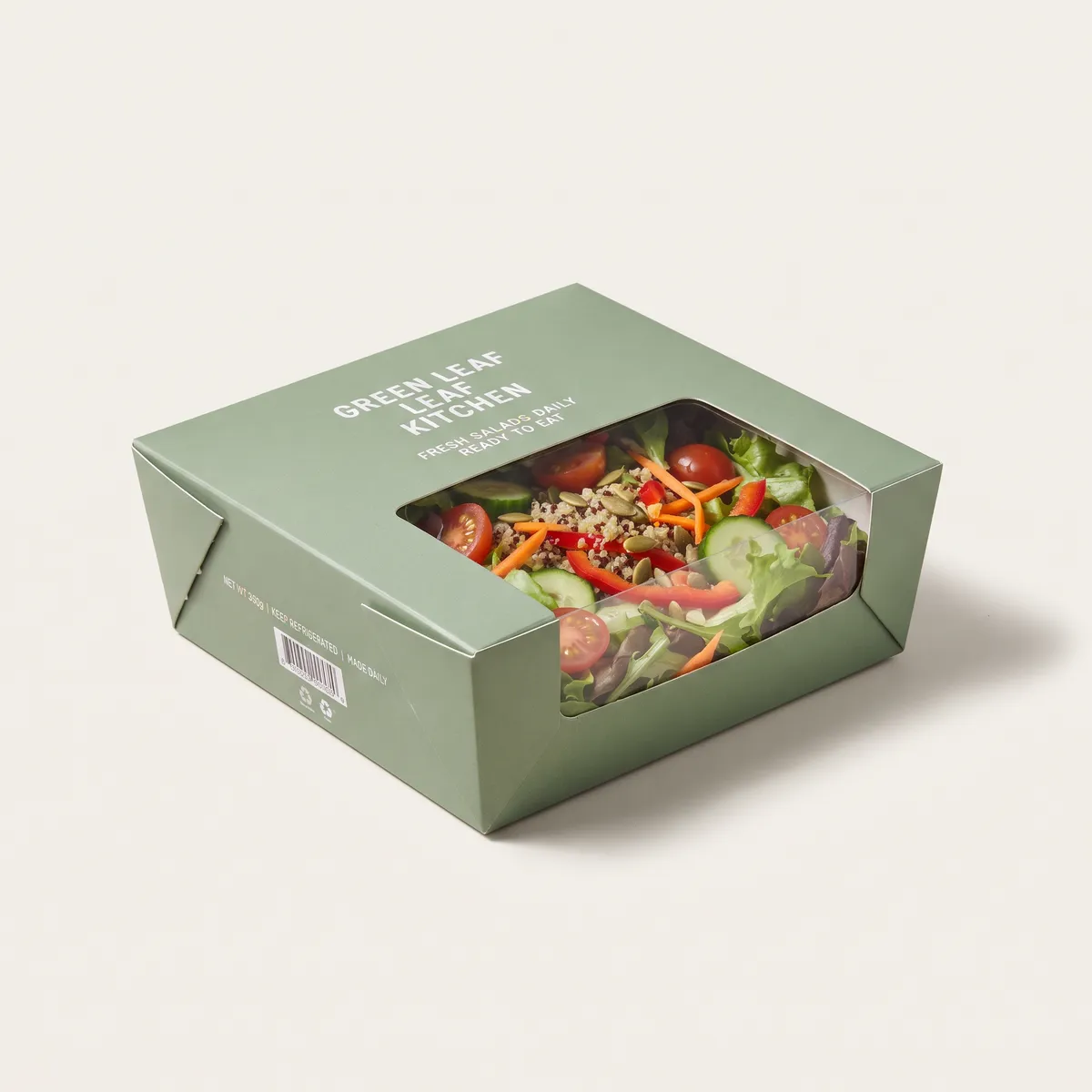
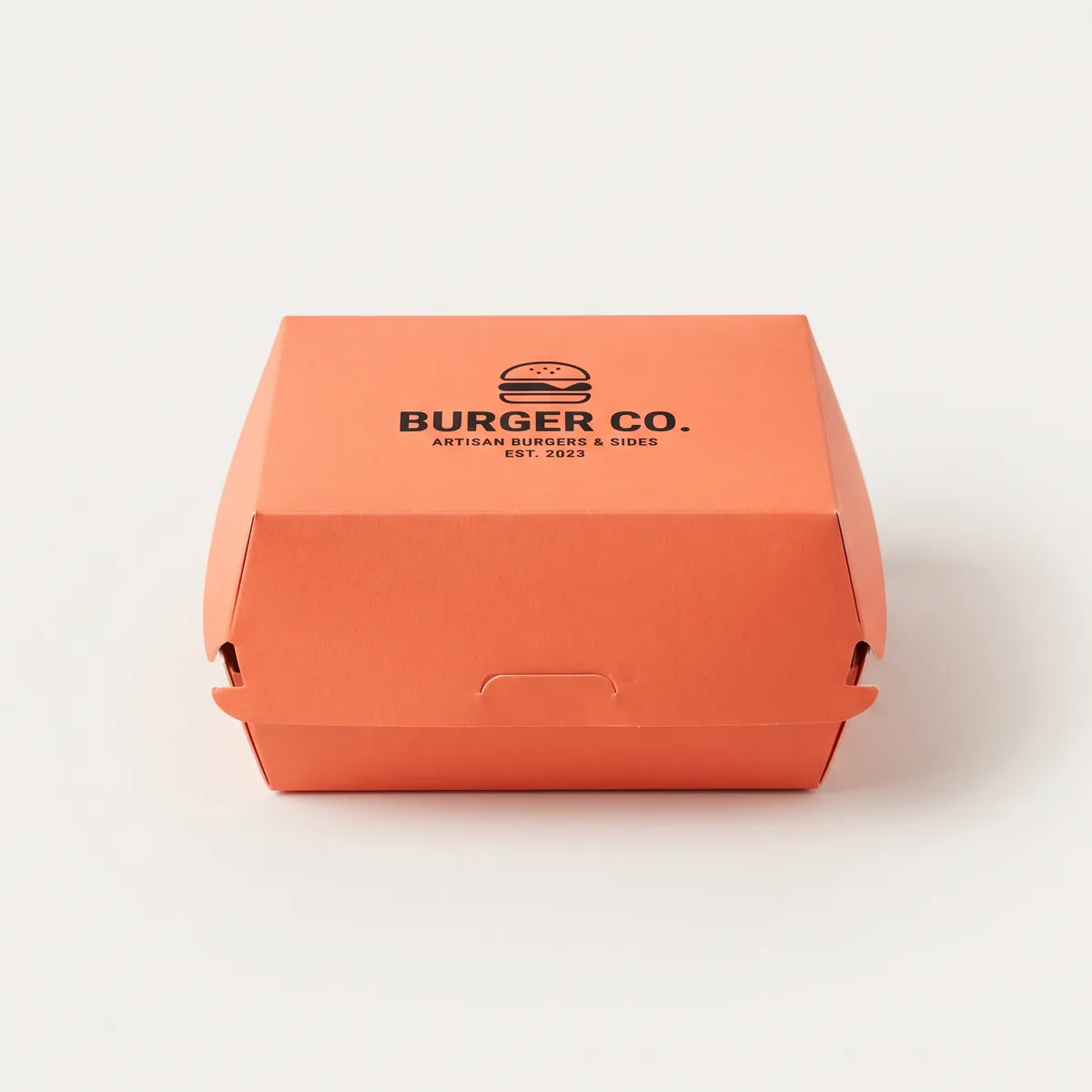
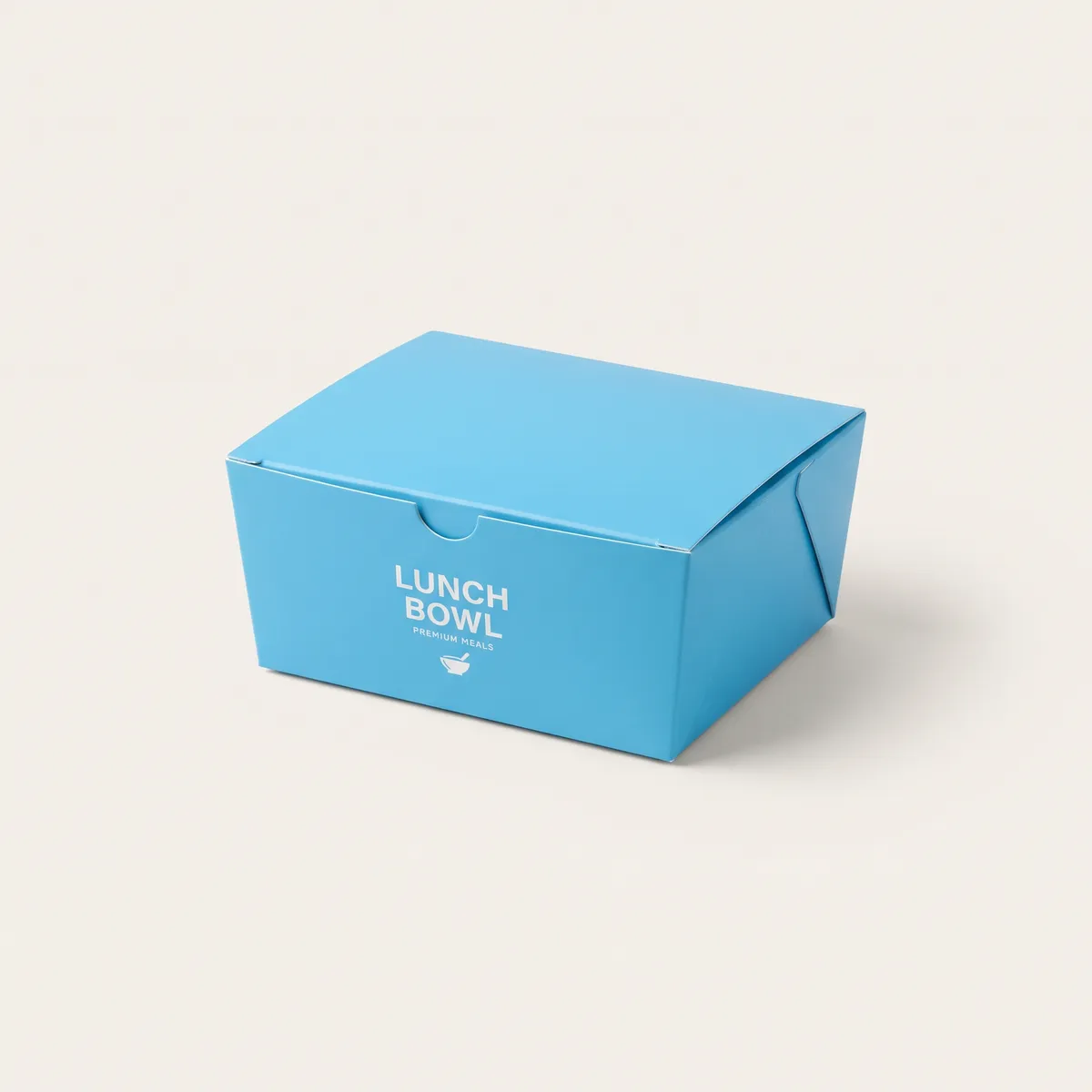
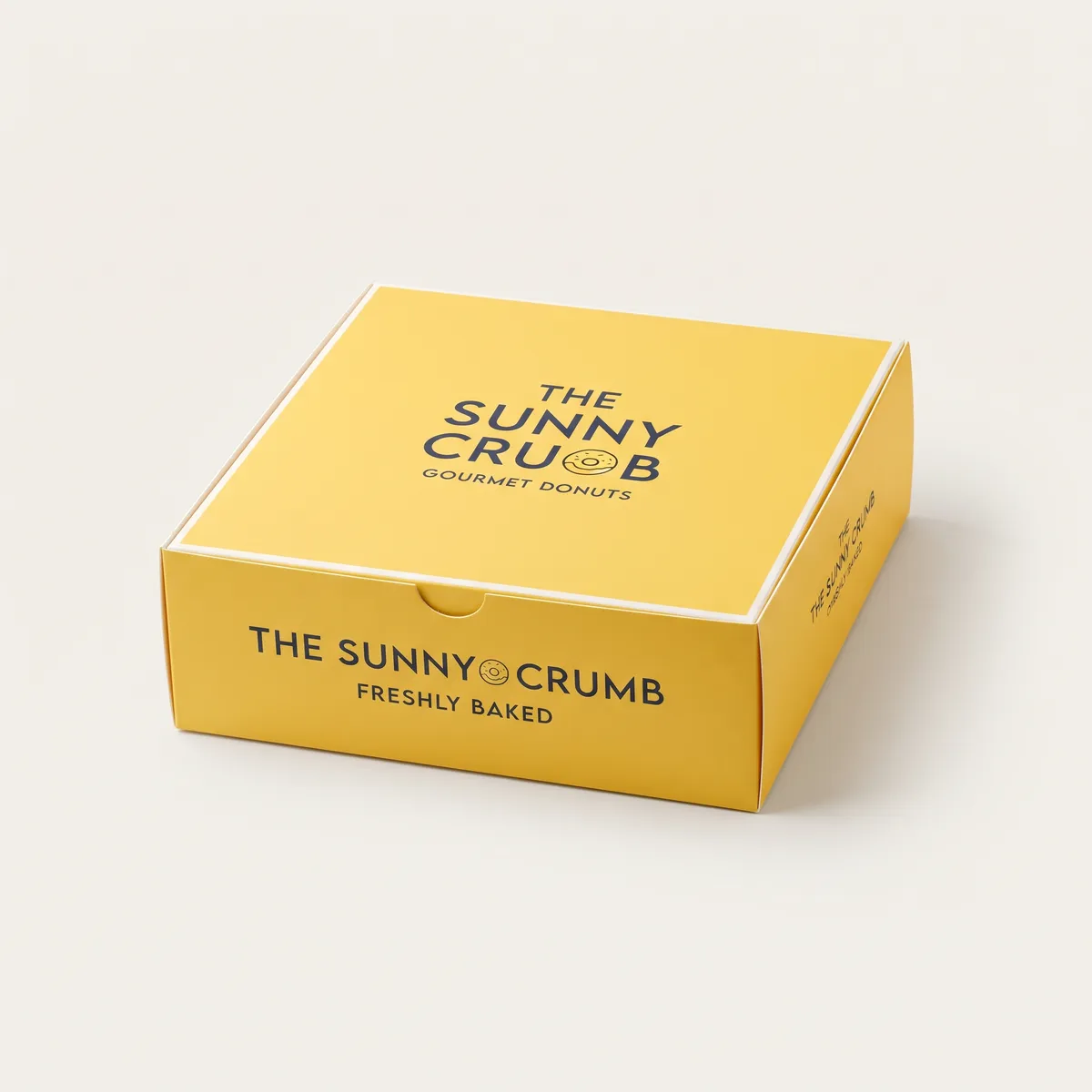
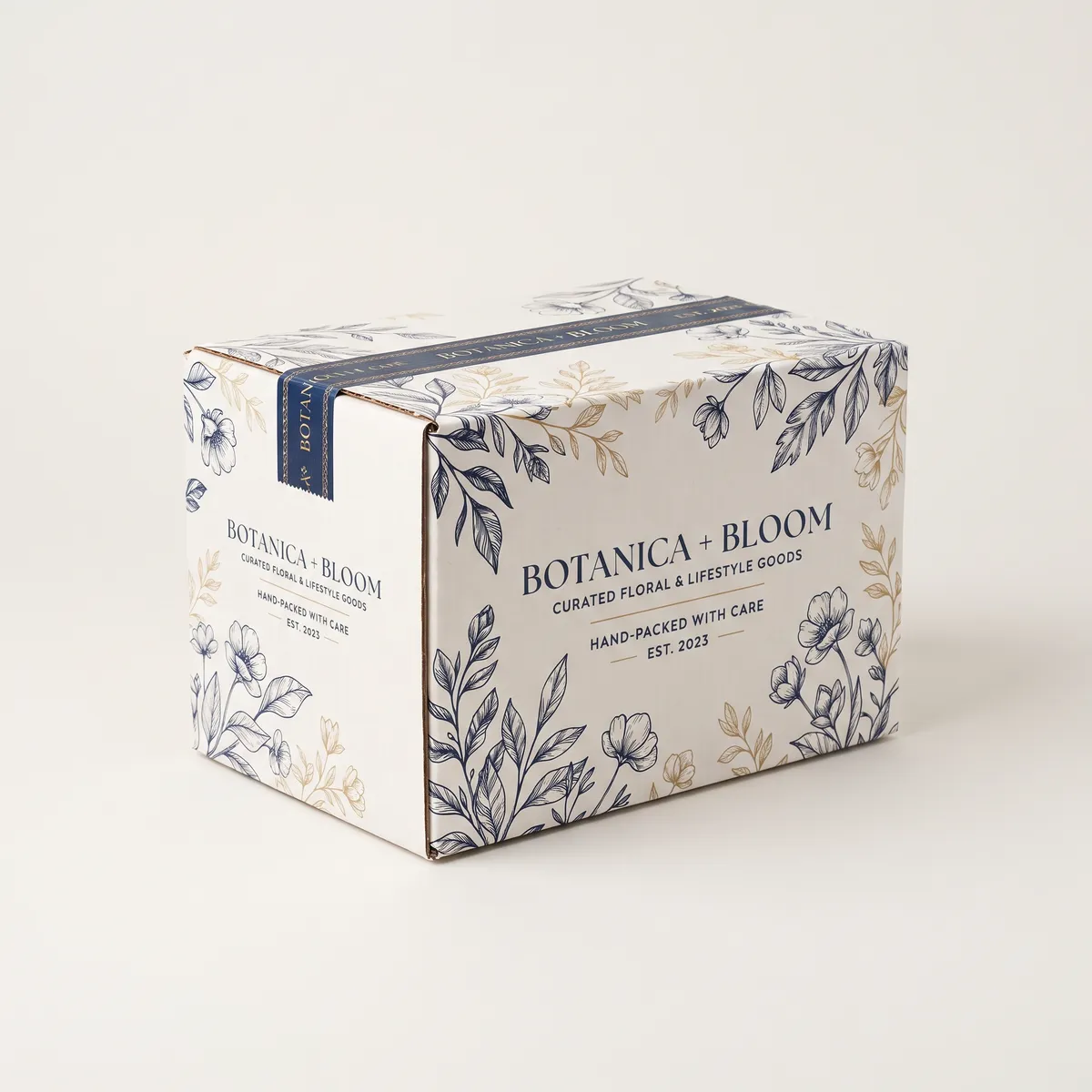
When accurate brand color matters, cardboard food boxes are worth their modest extra cost over kraft. Coated white board holds ink on the surface, so full-color artwork prints bright and sharp, and lamination adds grease and moisture resistance on top. Food-grade board and food-safe inks are specified together. Run a 100-box batch to test with your actual product first.
Ours are on Trustpilot, where we can't edit them or choose which ones you see.
Read them on Trustpilot →(opens in a new tab)Four stages, twelve days
Quote confirmed
A specialist checks your spec against the board and comes back with a firm price inside 4 business hours.
Proof approved
You get a flat dieline and a 3D render. Nothing goes to press until you approve it in writing.
On press
Print, die-cut, glue, and fold. You get a press-side photo the day your job runs.
QC and delivery
Every pallet is sampled against the digital proof or physical sample you approved, then shipped with tracking to your dock or 3PL.
If a box doesn't match the digital proof or physical sample you approved, we reprint the run at no charge.
Read the reprint terms →Know exactly what you're ordering.
Coated Board, Inks and Film for Food Cartons
The base is coated white board, with the print side and the food-contact side specified separately.
| Spec | Detail |
|---|---|
| Board | Clay-coated white folding board |
| Caliper | 16–24pt for dry and ambient items |
| Flexo, offset or digital; CMYK and Pantone | |
| Food-contact face | Grease-resistant coating, food-safe inks |
| Lamination | Optional film for grease and moisture |
| Tolerance | ±1/16" (1.5mm) |
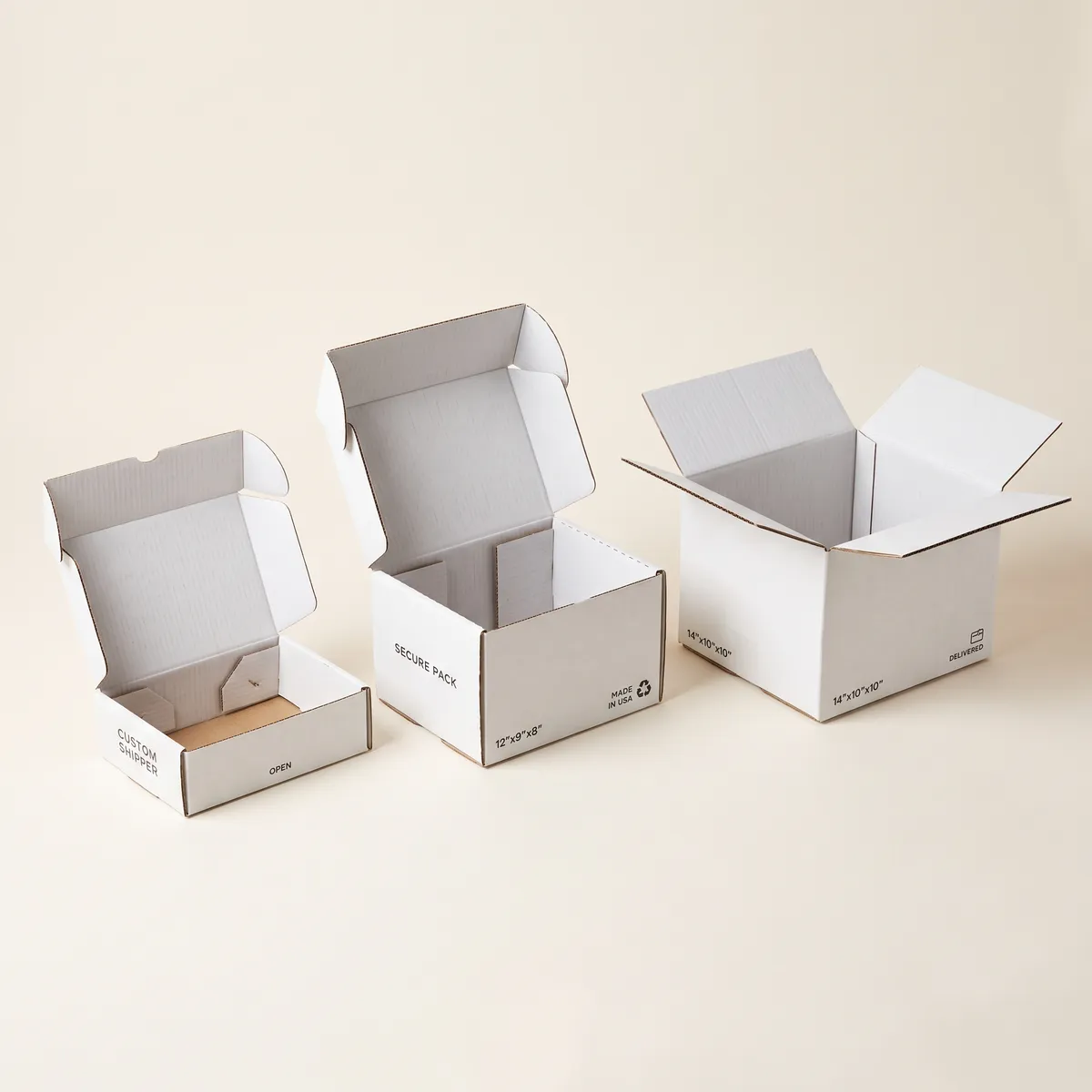
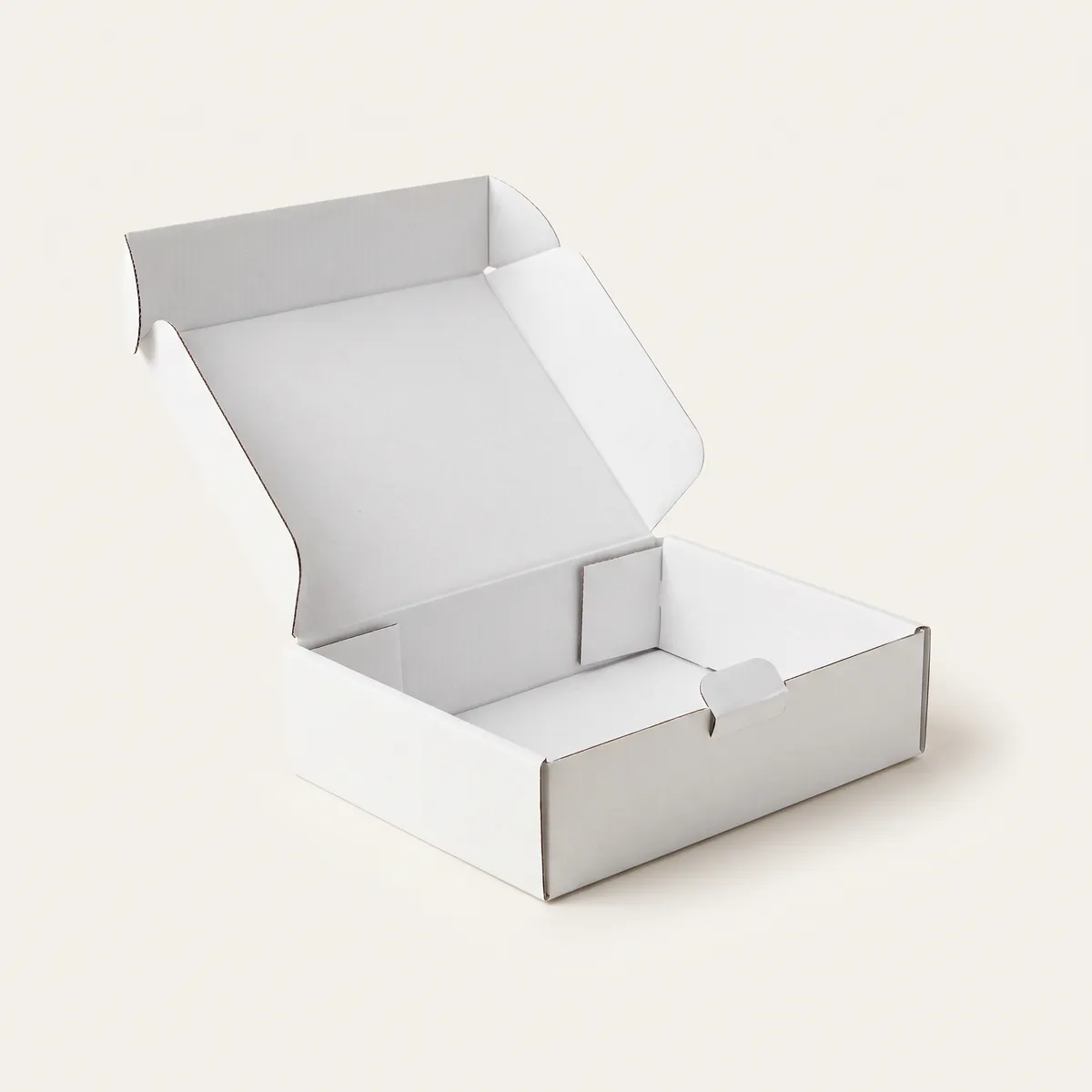
Heavier or bulk items can step up to corrugated with a coated white liner, which keeps the same print surface on a stiffer board. Sizes are cut to your product; send its dimensions and we'll build the dieline from them.
Paying for Coated Board Only When It Shows
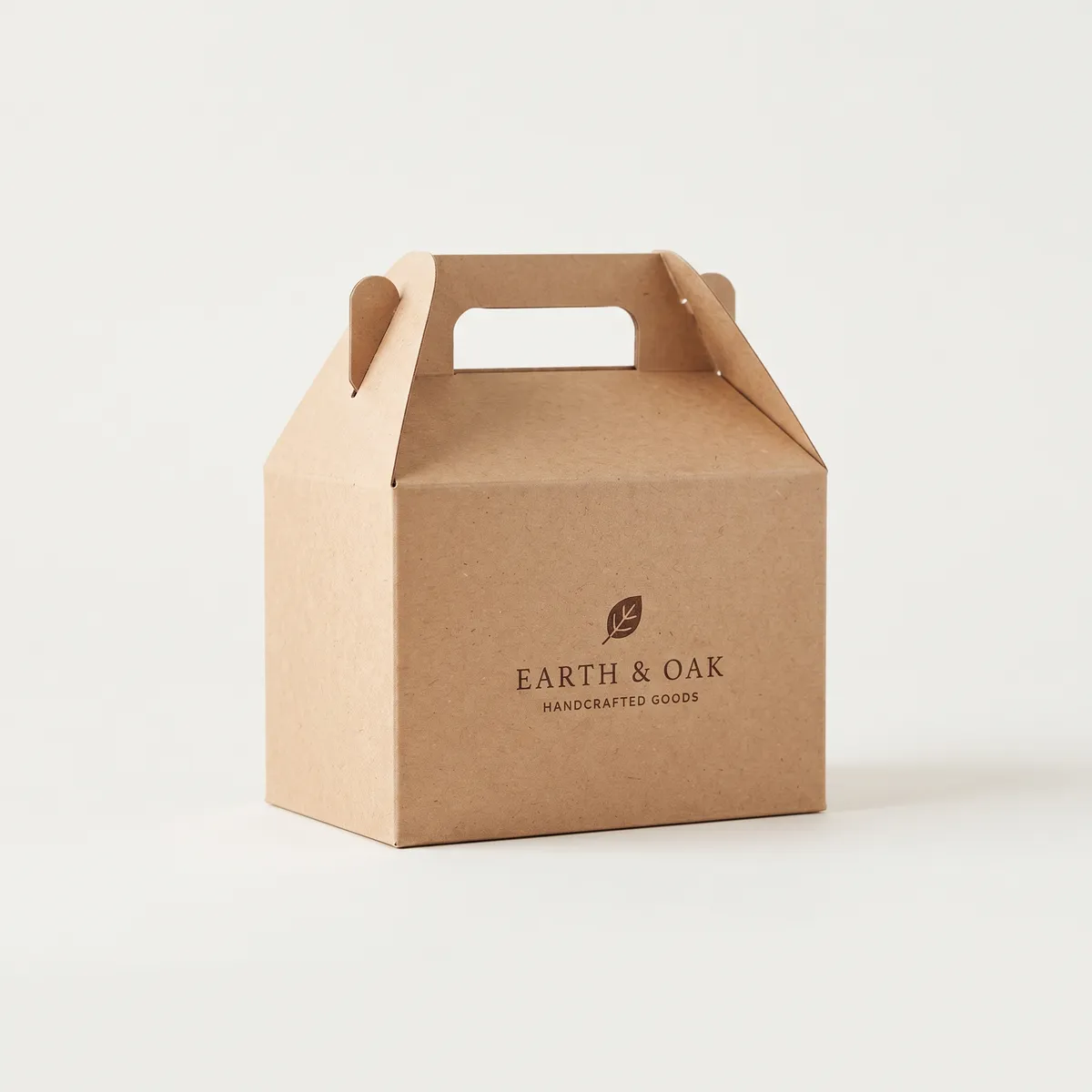
Coated board costs more than kraft, so the real question is whether customers will see the difference. They will on a retail shelf, in a delivery photo someone posts online, or on a gift box handed across a counter. They won't on a box opened at a table and thrown away five minutes later with a single logo on the lid.
The structure isn't where the extra cost sits. Most cardboard food boxes are a printed folding carton, the same build a kraft version would use, so the difference is all board and print. One more case for coated: menus that change with the seasons, where several designs run on the same stock and still have to look like one brand.
Full-Color Print, Lamination and What to Skip on Hot Food
On coated board the full range of print is open: CMYK, Pantone matches, photography, small type and solid color running edge to edge. Inside print is available too, for a message under the lid.
Two cautions. Keep heavy film off boxes that hold hot food, because film traps steam and the box sweats. And large flood areas of solid color show every scuff, so a matte or gloss laminate earns its cost on boxes that get handled a lot between kitchen and customer. If the box is mostly white with a logo, skip the film and spend the money elsewhere. Every run passes a three-stage check, and if the bulk print misses your approved proof, we reprint at our cost.
Who Needs Shelf-Accurate Color on a Food Box
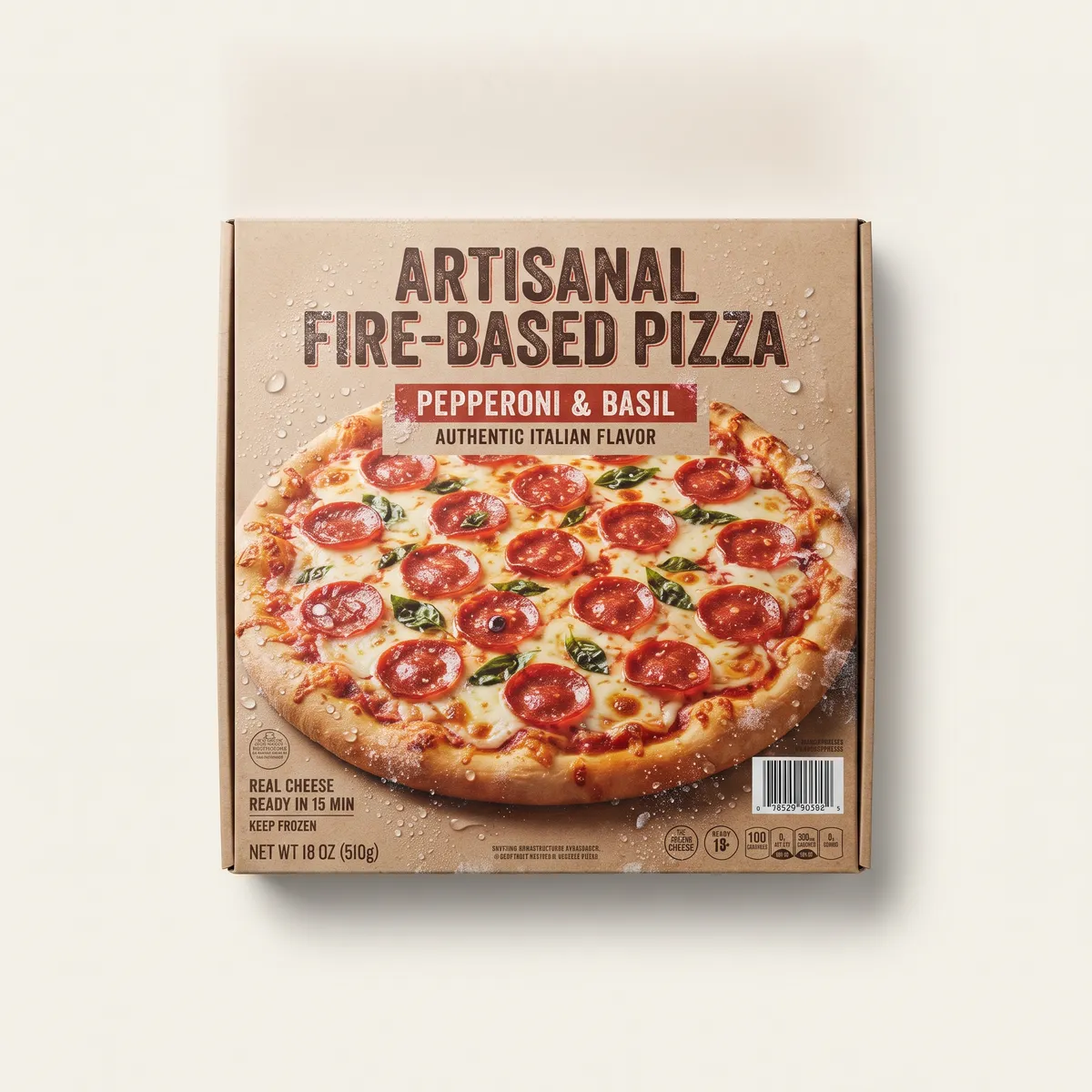
Packaged food on a retail shelf is the clearest case. Cookie and biscuit brands, chocolate makers and cereal-style producers compete on the front panel, and a dull or off-shade box loses that fight before anyone reads the label.
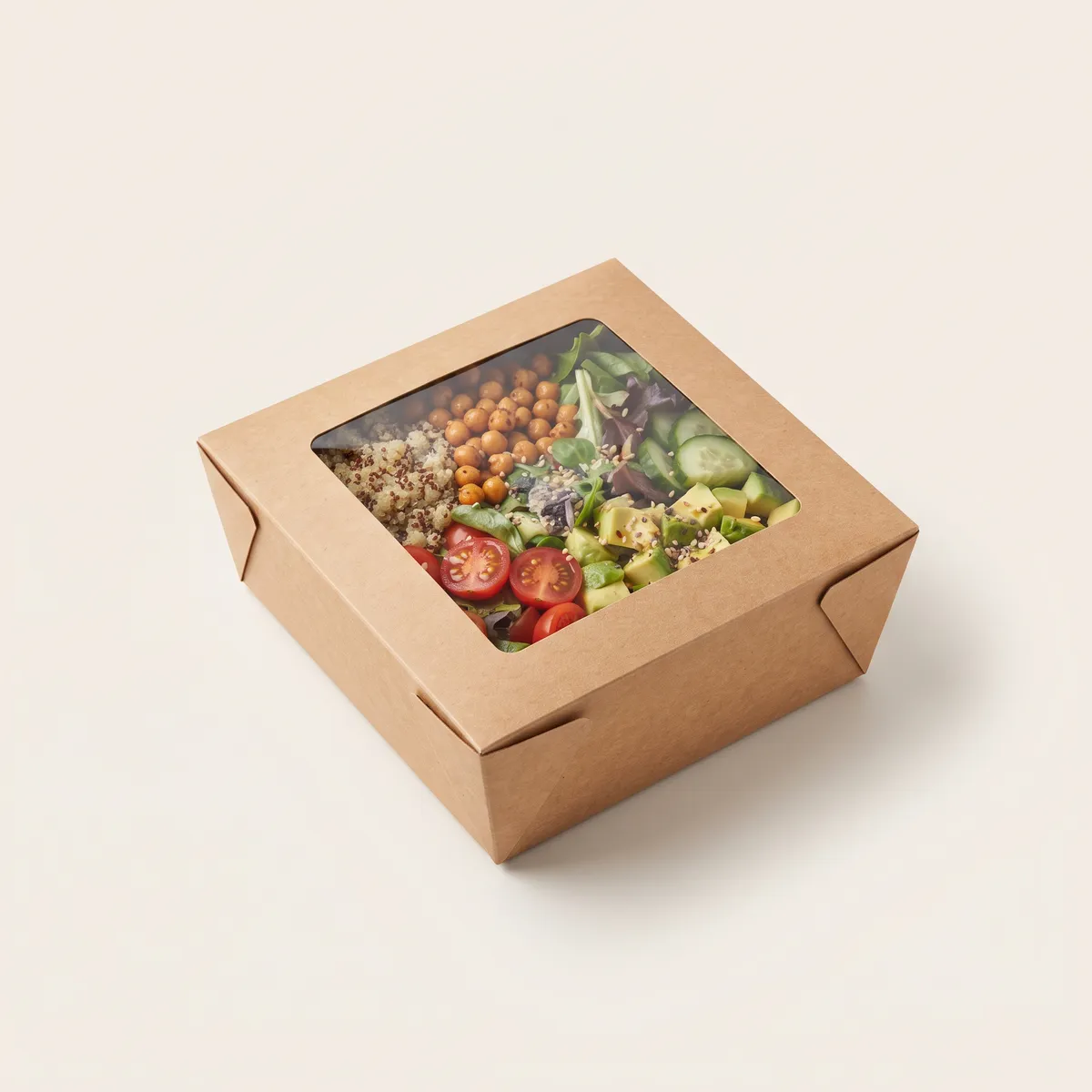
Meal-kit companies use coated boxes because their packaging is photographed constantly, by them and by customers. Dessert and cake shops with a signature color want every box to carry it exactly. Restaurant groups and franchises need the same box across every location. Specialty food gift brands rely on photography and fine detail that kraft can't hold. Corporate caterers printing a client's logo on boxed lunches choose coated board so that someone else's brand color comes out right too.
From Color References to Finished Cartons
Start with your color references: Pantone numbers if you have them, or a printed piece you want matched. Send your product dimensions too, and we'll build the dieline and confirm internal versus external measurements in writing.
The proof follows, and design help is free and unlimited until it's right. Once approved, production takes 8–12 business days, including any lamination. Rush is available at extra cost, quoted upfront. The minimum is 100 boxes. On orders above 10,000, samples are free, so you can check the color with your actual food before the full run. Pricing includes the die, plates and setup, and shipping is included, so the quote is the whole cost.
One connected process, start to finish.
Structural Design
Dieline drafted to your exact fit and freight tolerances.
Proof & Sample
Sign off on a digital proof, or request a physical sample.
Tooling
Dies and plates are cut for your job and archived on file.
Production
Print, die-cut, and assembly run under in-line quality checks.
Ship & Reorder
Freight goes out, and the cycle resets for your next run.
Steady process. Powerful results.
Like everything we build, our process is engineered to hold up — no shortcuts, no surprises. Five dependable stages that run the same way every single time, so reorders are just as fast as the first order.
- One dedicated teamFrom first sketch to final freight, the same people carry your order start to finish.
- Dies archived on fileReorders skip tooling and re-setup entirely — we already have your exact spec.
- Checked against your sign-offEvery run is inspected against the digital proof or physical sample you approved.
Set up your file once, correctly
Nine in ten delayed jobs are delayed by artwork, not production. Match these four rules and your proof lands the next morning.
- Bleed1/8 in (3 mm) past every cut line
- Safe ZoneKeep text 1/4 in clear of every crease
- ColourCMYK or named Pantone. No RGB.
- Resolution300 dpi at final size, fonts outlined
No print-ready file?
Send a logo and a rough idea. Our studio builds the production file free with any order over 500 units — you keep the source file either way.
Ask the StudioBackground art must run all the way to the outer bleed edge. Anything inside the white dashed line survives fold tolerance.
What brands say about this box
They live there rather than here, where we can't edit them, delete them, or pick which ones you get to see. That is exactly what makes them worth reading.
Read all reviews on Trustpilot(opens in a new tab)Answers before you have to ask.
When is coated board worth the extra cost?
When accurate brand color matters, or when you need lamination for grease and moisture resistance. If your box is mostly functional and prints in one or two colors, kraft costs less and does the job. Coated earns its cost on full-color retail work.
Can cardboard food boxes be laminated?
They can, and lamination adds real grease and moisture resistance as well as finish. Bear in mind film shifts printed color slightly, so we proof after lamination rather than before, and avoid heavy films on hot product.
Is coated board food-safe?
Yes, when specified as food-grade and printed with food-safe inks. The coating that makes color print brightly is separate from the food-contact requirement — both are specified together on any box touching food.
What's the lead time on cardboard food boxes?
Typically 8–12 business days from proof approval, including lamination if specified. Rush production is available at an extra cost stated before you order. Shipping is included.
Can I test cardboard boxes before a full run?
Yes. At 100 boxes minimum you can run a small batch, check how the print sits and how the box performs with your actual product, then scale. Free samples come with orders above 10,000.