
Brown Food Boxes
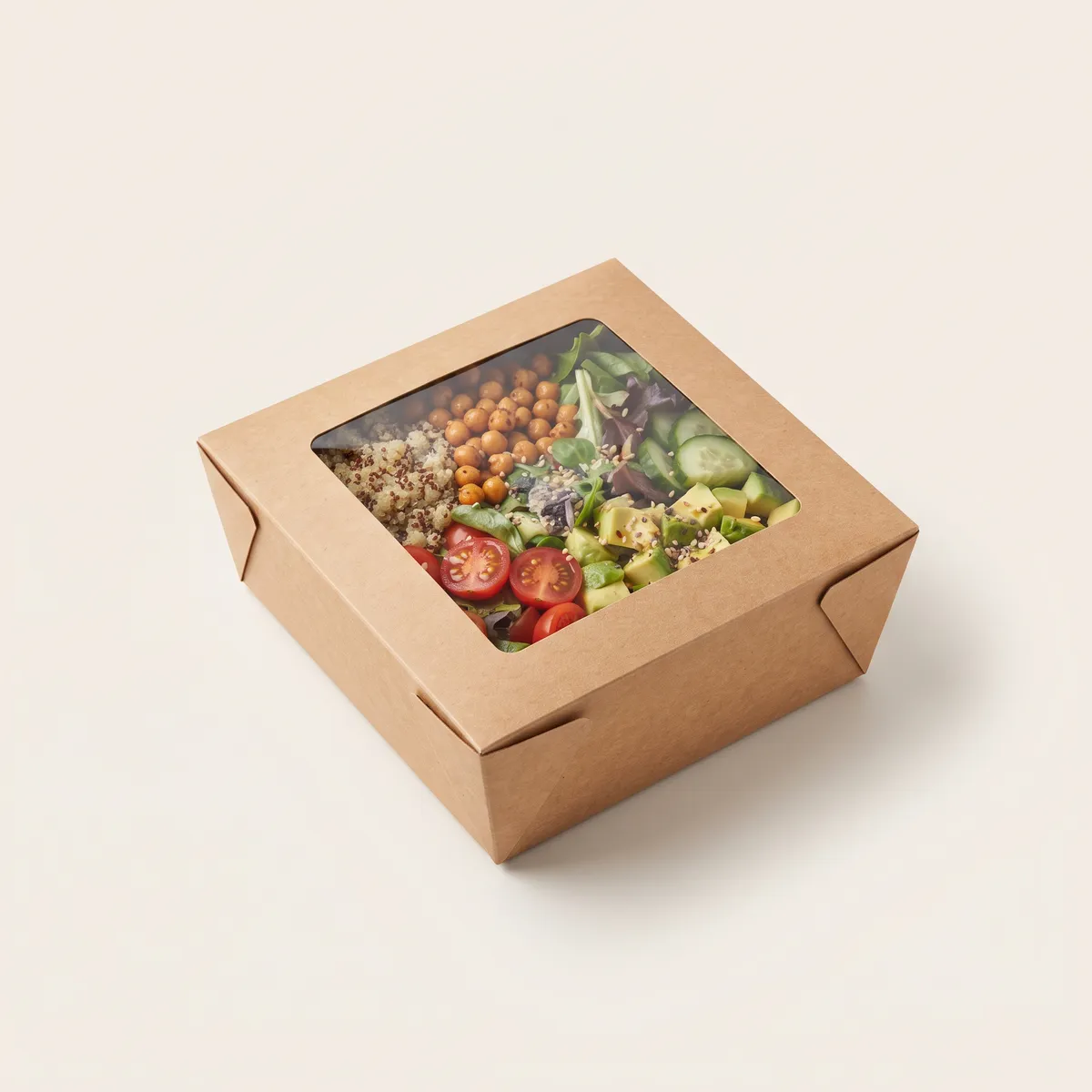
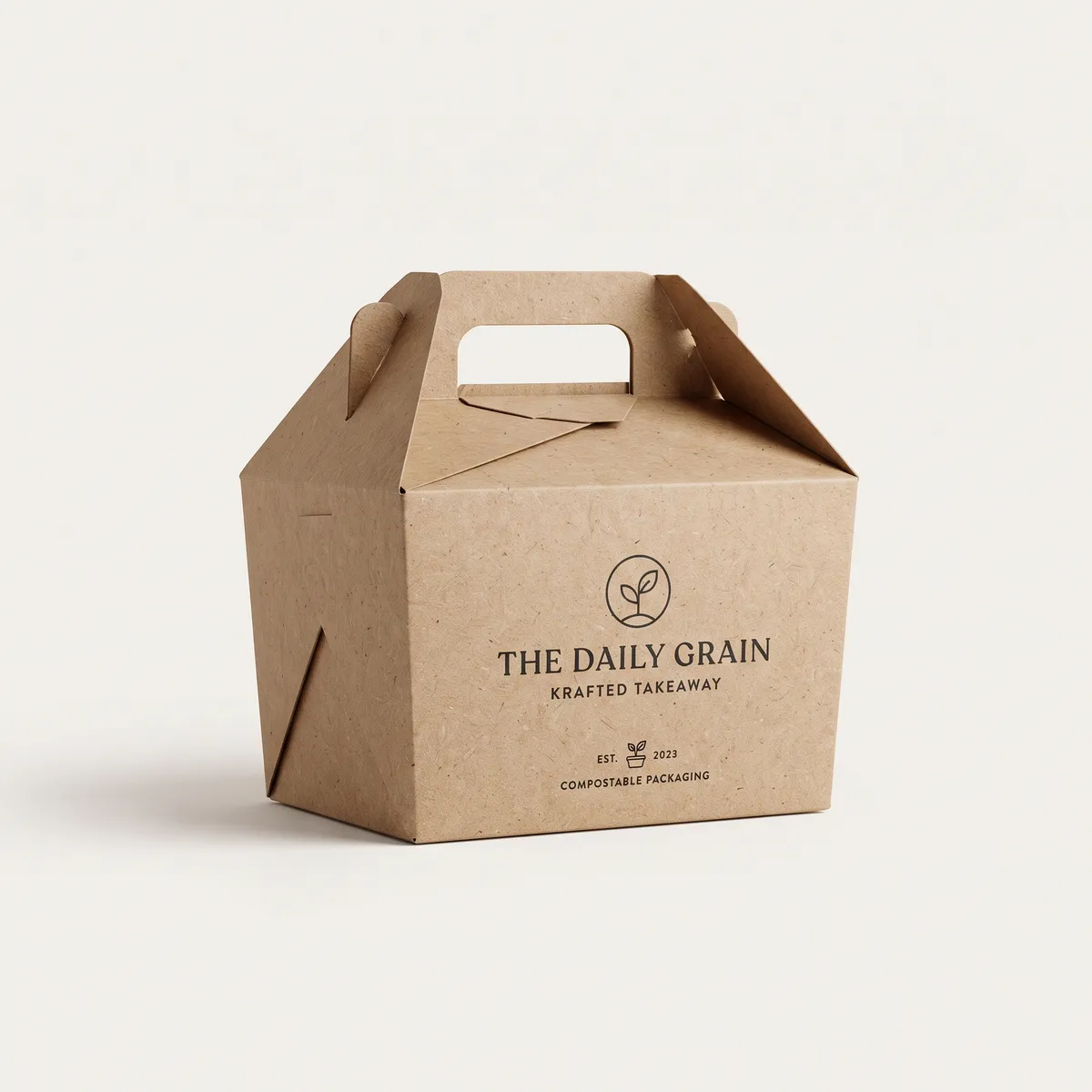
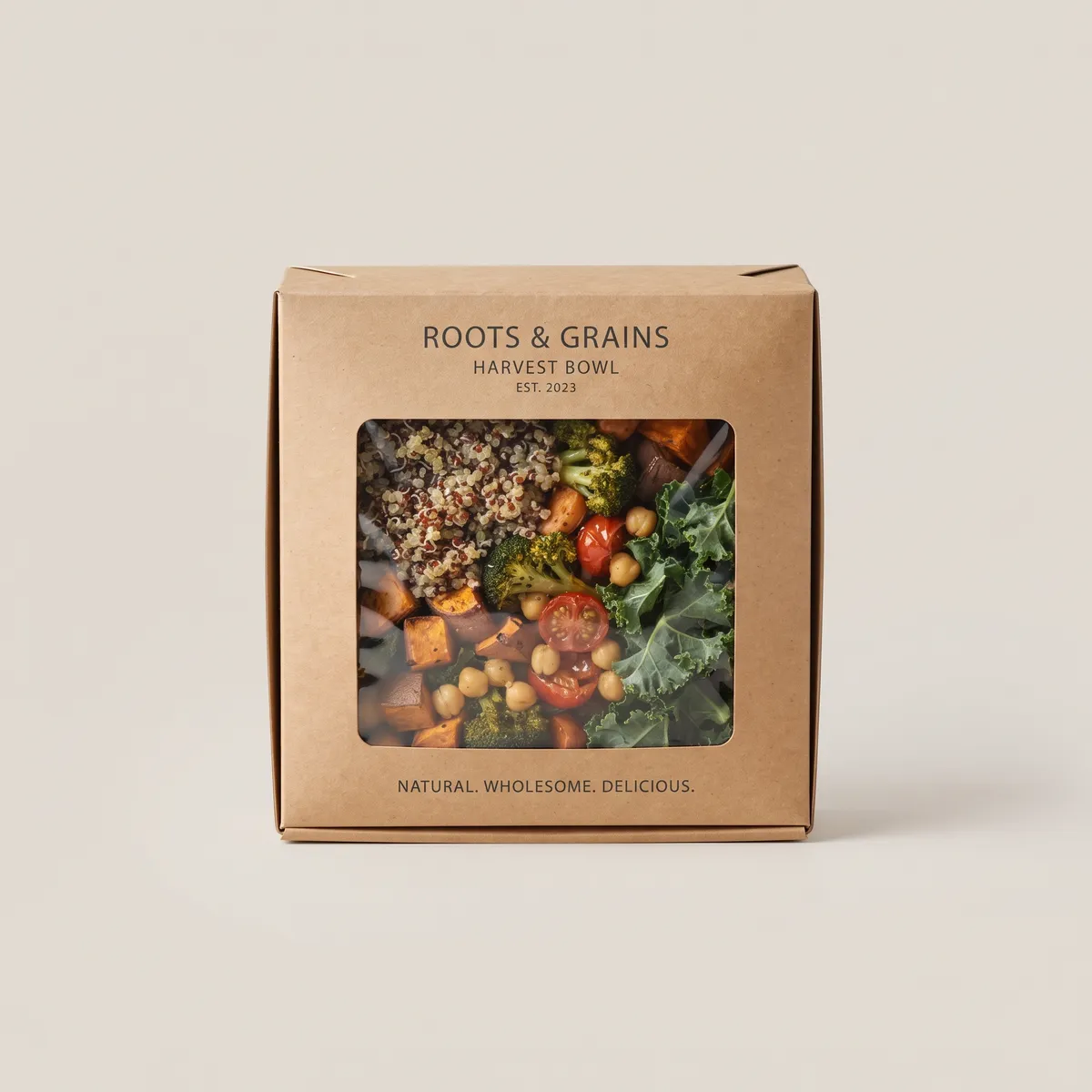
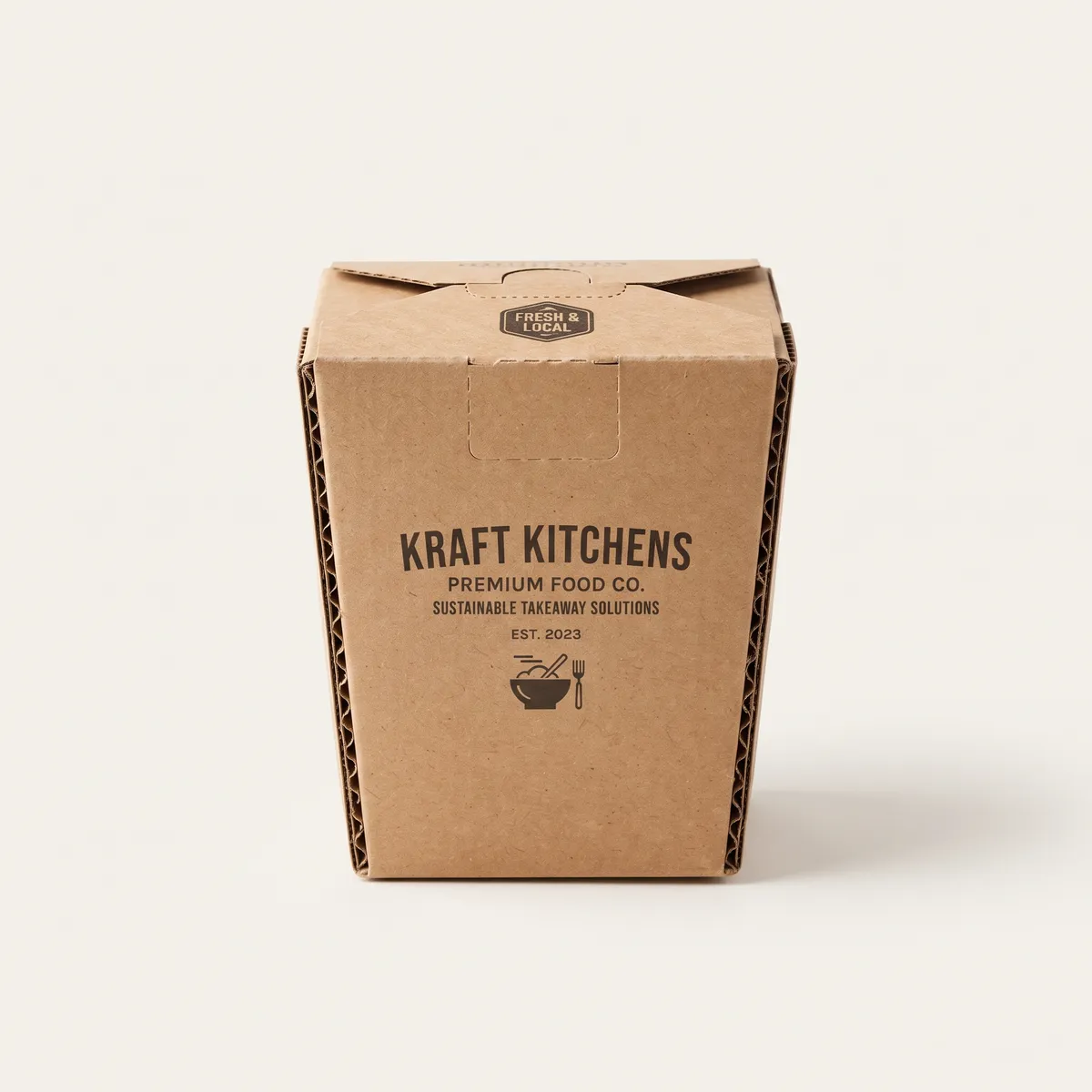
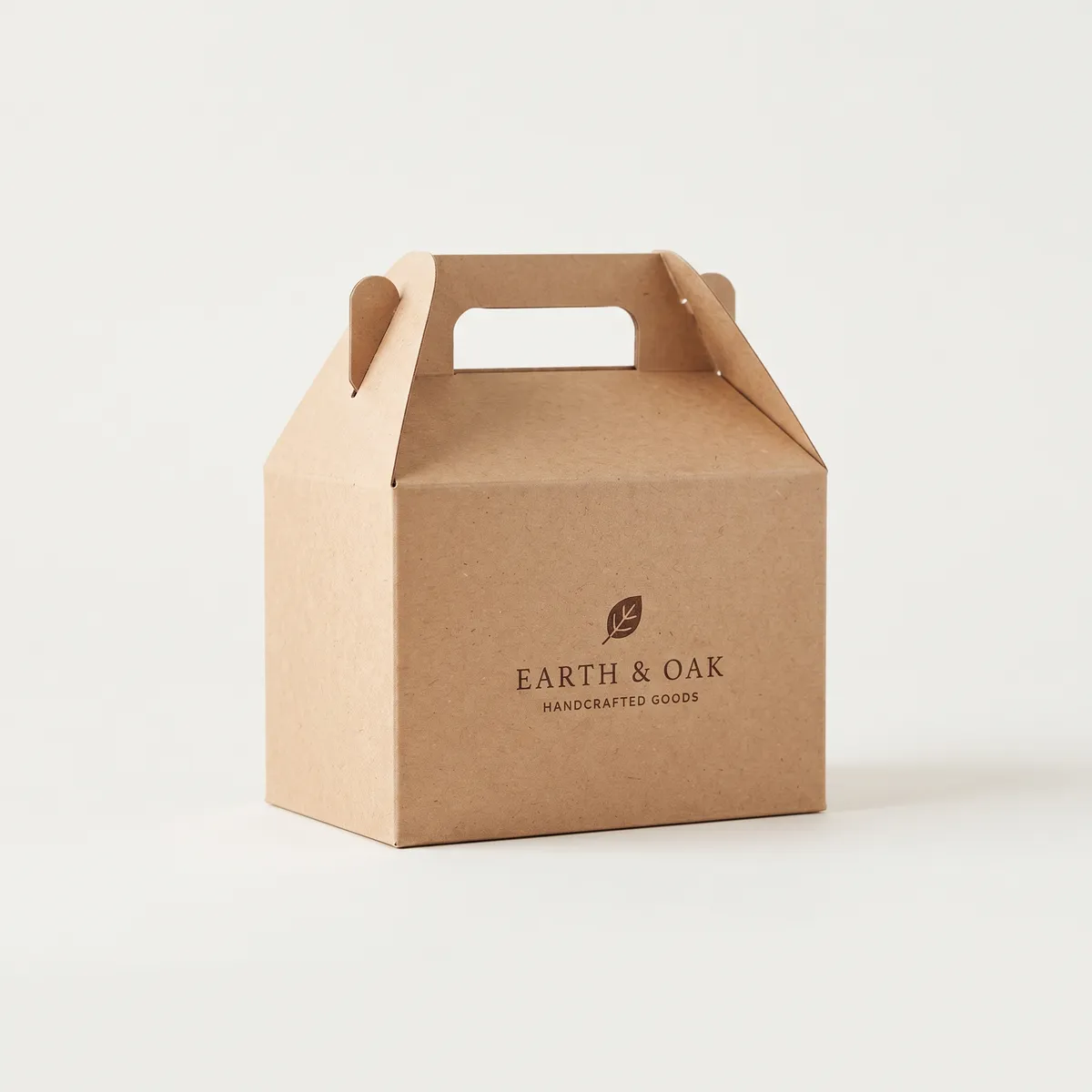
Brown food boxes give you the warm, natural color customers instinctively associate with honest, handmade food, and that color doesn't have to come from kraft. Printed brown on coated board keeps the earthy look while full-color artwork beside it stays accurate. Natural kraft brown suits simpler one- or two-color artwork. Either way, the minimum order stays at 100 boxes.
Ours are on Trustpilot, where we can't edit them or choose which ones you see.
Read them on Trustpilot →(opens in a new tab)Four stages, twelve days
Quote confirmed
A specialist checks your spec against the board and comes back with a firm price inside 4 business hours.
Proof approved
You get a flat dieline and a 3D render. Nothing goes to press until you approve it in writing.
On press
Print, die-cut, glue, and fold. You get a press-side photo the day your job runs.
QC and delivery
Every pallet is sampled against the digital proof or physical sample you approved, then shipped with tracking to your dock or 3PL.
If a box doesn't match the digital proof or physical sample you approved, we reprint the run at no charge.
Read the reprint terms →Know exactly what you're ordering.
Brown as a Color Choice, Not a Stock Choice
Brown food boxes are bought for how they look on the counter and in the customer's hand. The buyer has usually already settled on the feel of the brand, something plain and unfussy that suits food made in small batches, and wants the packaging to say the same thing.
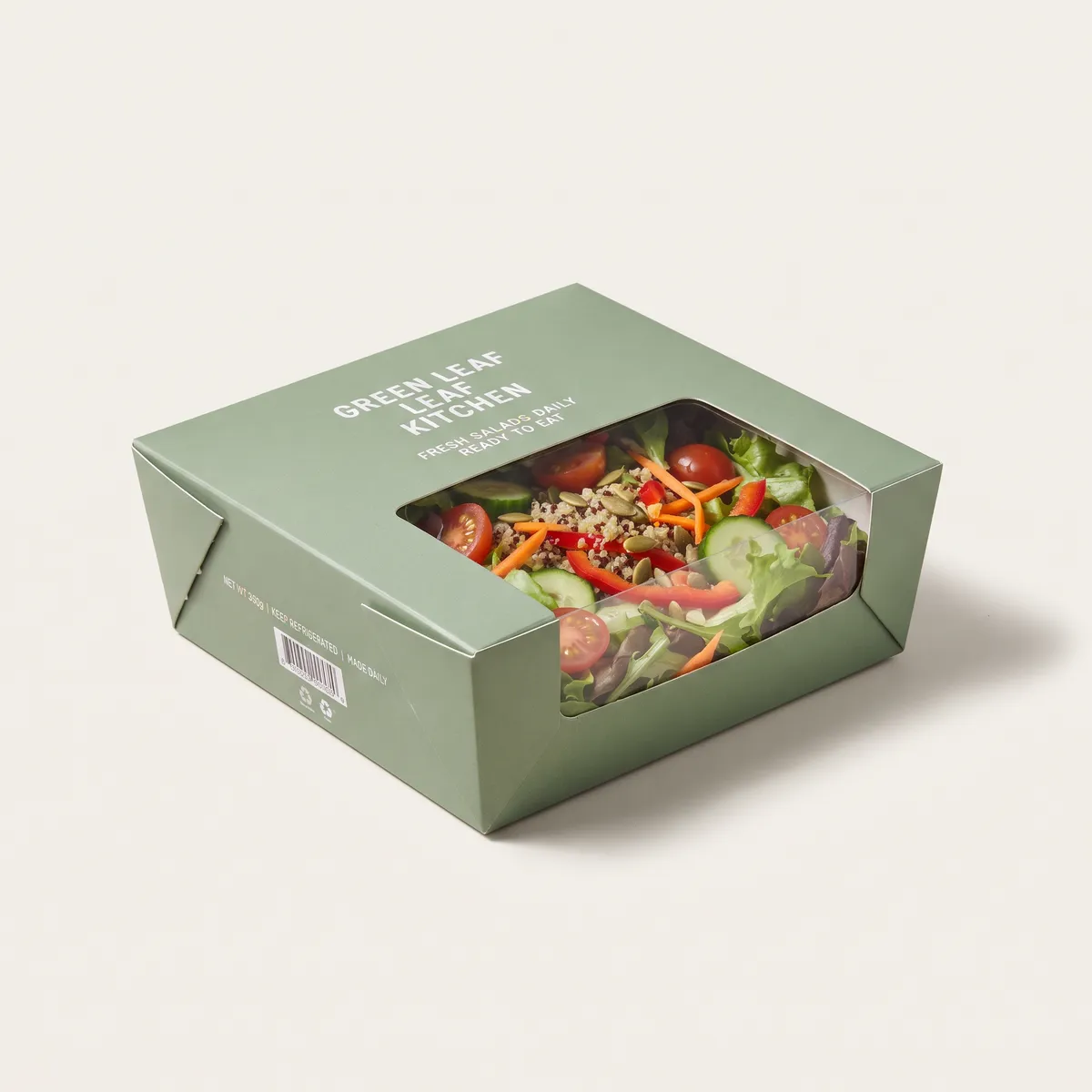
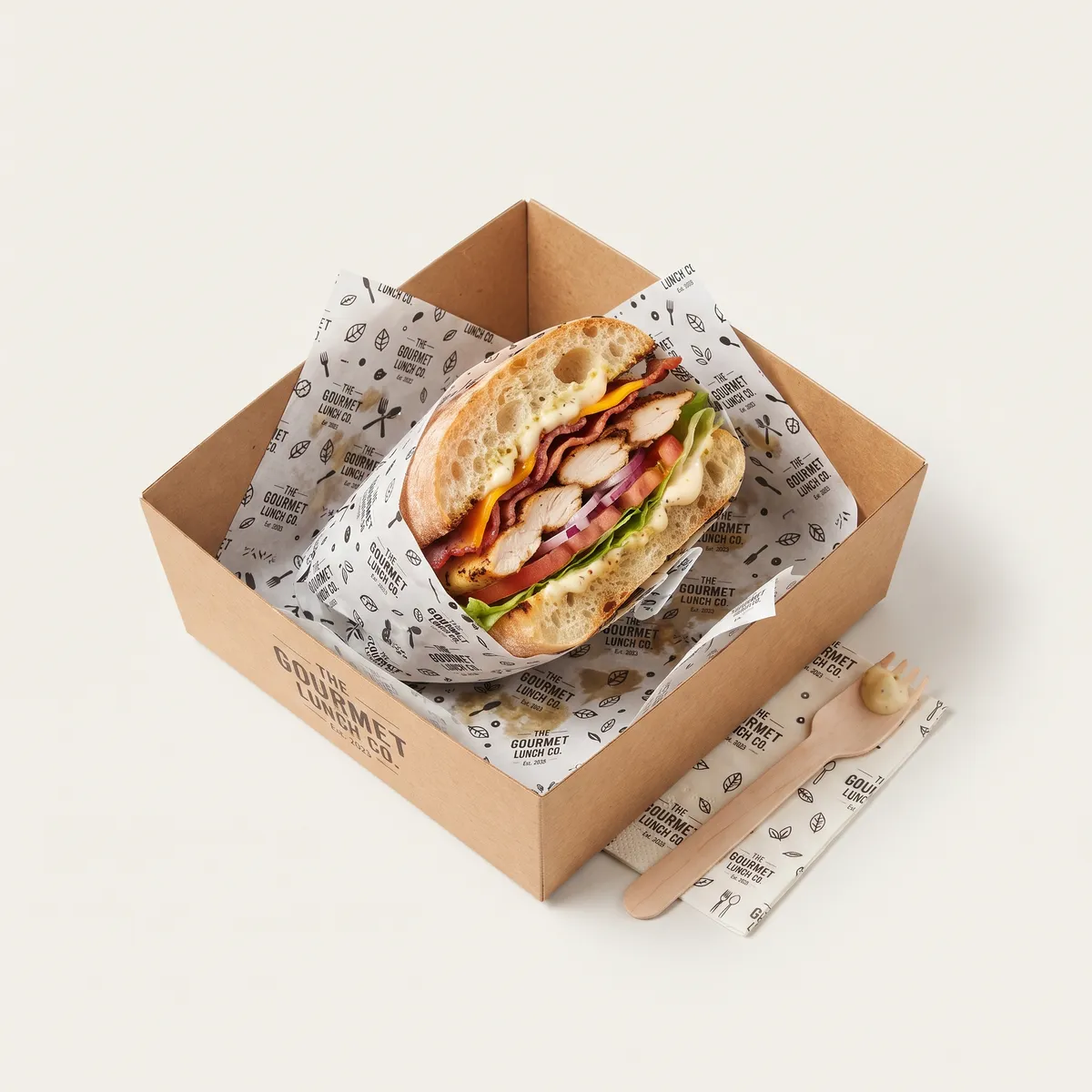
What often isn't settled is how to get there. The brown can come from the board itself or from ink laid on top of it, and each route changes what else you can print beside it, how the box looks up close and how consistent the shade stays between orders. Sandwich shops, salad bars, farm shops, grain-bowl kitchens and meal-prep services make up most of the buyers for this box.
Two Routes to Brown: Board and Coating Specs
Natural brown comes from naturally brown kraft, where unbleached fiber carries the color. Printed brown is ink laid across coated white board.
| Spec | Natural brown | Printed brown |
|---|---|---|
| Board | Unbleached kraft | Coated white board |
| Color source | The fiber | Ink coverage |
| Artwork beside the brown | Muted; one or two inks | Prints as proofed, full color |
| Food-contact face | Grease-resistant coating | Grease-resistant coating |
| Caliper and tolerance | 16–24pt, ±1/16" (1.5mm) | 16–24pt, ±1/16" (1.5mm) |
Both routes use food-grade board and take the same coating on the inside face, so the route you pick changes the look of the box, not how it handles food.
Why Some Kitchens Print Their Brown Instead
Natural kraft is the cheaper way to get a brown box, so printing brown onto white board needs a reason. There are usually two.
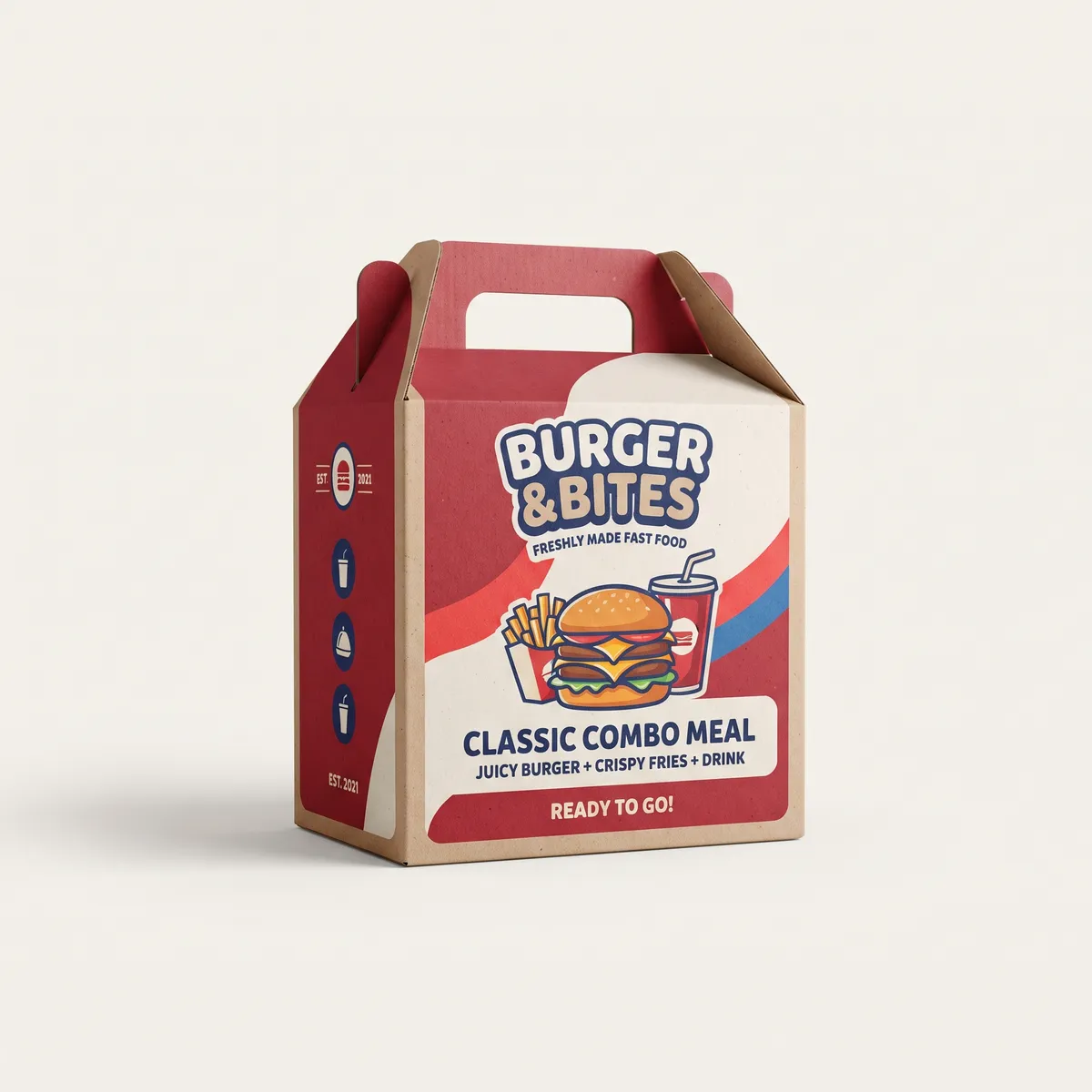
The first is the rest of the artwork. A photo, a bright logo or a set of menu colors that has to look right sits on coated board the way it was proofed, while on kraft it dries darker. The second is control over the brown itself: printed, you choose the exact shade, lighter, redder or closer to chocolate, instead of taking what the fiber gives. If your artwork is one dark color on brown, skip all this and buy kraft, because coated board buys you nothing there. Either way the structure is usually a plain tuck-top carton, and the 100-box minimum applies on both stocks.
Matching a Brown Across Kraft and Coated Runs
Some ranges use both routes: kraft for everyday takeout cartons, printed brown on coated board for a retail line that needs full color. The two will never be identical, because one brown is fiber and the other is ink. The goal is to get them close enough to read as one brand side by side.
Approve the printed brown on a proof with your kraft box next to it. On the kraft side, keep extra inks to one or two dark colors such as black or deep green, which keep their contrast against brown. A matte finish suits the natural look better than gloss on the printed version.
Quoting Brown Boxes on Either Stock
Tell us which brown you want, or ask us to quote both. Two quotes on the same size show you the price gap between kraft and printed coated board before you commit.
Send your product dimensions and we'll build the dieline, confirming internal and external measurements in writing. Pricing covers the die, plates and setup, so the figure quoted is the figure you pay. Production runs 8–12 business days after you approve the proof. Rush is available at extra cost, quoted upfront, and shipping is included either way. On orders above 10,000 boxes, free samples let you test both stocks with your actual food before the full run is made.
One connected process, start to finish.
Structural Design
Dieline drafted to your exact fit and freight tolerances.
Proof & Sample
Sign off on a digital proof, or request a physical sample.
Tooling
Dies and plates are cut for your job and archived on file.
Production
Print, die-cut, and assembly run under in-line quality checks.
Ship & Reorder
Freight goes out, and the cycle resets for your next run.
Steady process. Powerful results.
Like everything we build, our process is engineered to hold up — no shortcuts, no surprises. Five dependable stages that run the same way every single time, so reorders are just as fast as the first order.
- One dedicated teamFrom first sketch to final freight, the same people carry your order start to finish.
- Dies archived on fileReorders skip tooling and re-setup entirely — we already have your exact spec.
- Checked against your sign-offEvery run is inspected against the digital proof or physical sample you approved.
Set up your file once, correctly
Nine in ten delayed jobs are delayed by artwork, not production. Match these four rules and your proof lands the next morning.
- Bleed1/8 in (3 mm) past every cut line
- Safe ZoneKeep text 1/4 in clear of every crease
- ColourCMYK or named Pantone. No RGB.
- Resolution300 dpi at final size, fonts outlined
No print-ready file?
Send a logo and a rough idea. Our studio builds the production file free with any order over 500 units — you keep the source file either way.
Ask the StudioBackground art must run all the way to the outer bleed edge. Anything inside the white dashed line survives fold tolerance.

What brands say about this box
They live there rather than here, where we can't edit them, delete them, or pick which ones you get to see. That is exactly what makes them worth reading.
Read all reviews on Trustpilot(opens in a new tab)Answers before you have to ask.
Is brown the same thing as kraft?
Not quite, and the difference matters. Brown is the color — you can get it on bleached or unbleached board, printed or natural. Kraft is the stock itself, unbleached pulp that happens to be brown. You can have brown without kraft, but not kraft without brown.
Can brown boxes be printed in full color?
Yes, if the brown is a printed color on coated board rather than natural kraft. That's the practical reason to choose printed brown over kraft — you keep the earthy look but retain accurate full-color printing alongside it.
Does brown suit every kind of food?
Most, though it reads better on some than others. Brown signals natural, honest and handmade, which suits bakery, wholefoods and artisan ranges. For bright, playful or premium-retail food, a white coated base usually serves the brand better.
What's the turnaround on brown food boxes?
Around 8–12 business days from proof approval. Rush production is available at an added cost we'll share before you commit, and shipping is included rather than added at checkout.
What's the minimum on brown food boxes?
100 boxes, whether the brown is natural kraft or a printed color on coated board. The same minimum applies across sizes, and free samples are available on orders above 10,000 units.