
Cereal Boxes
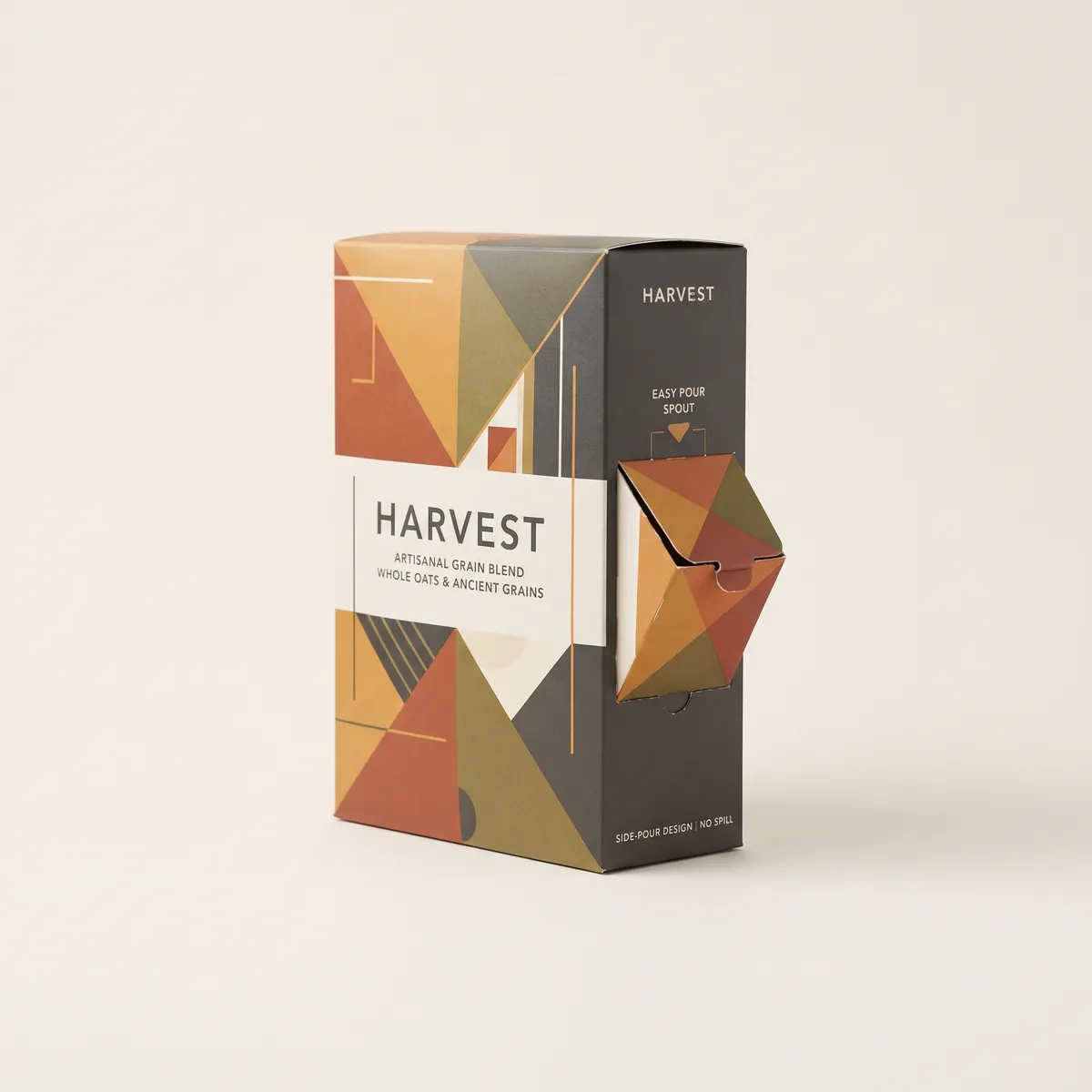
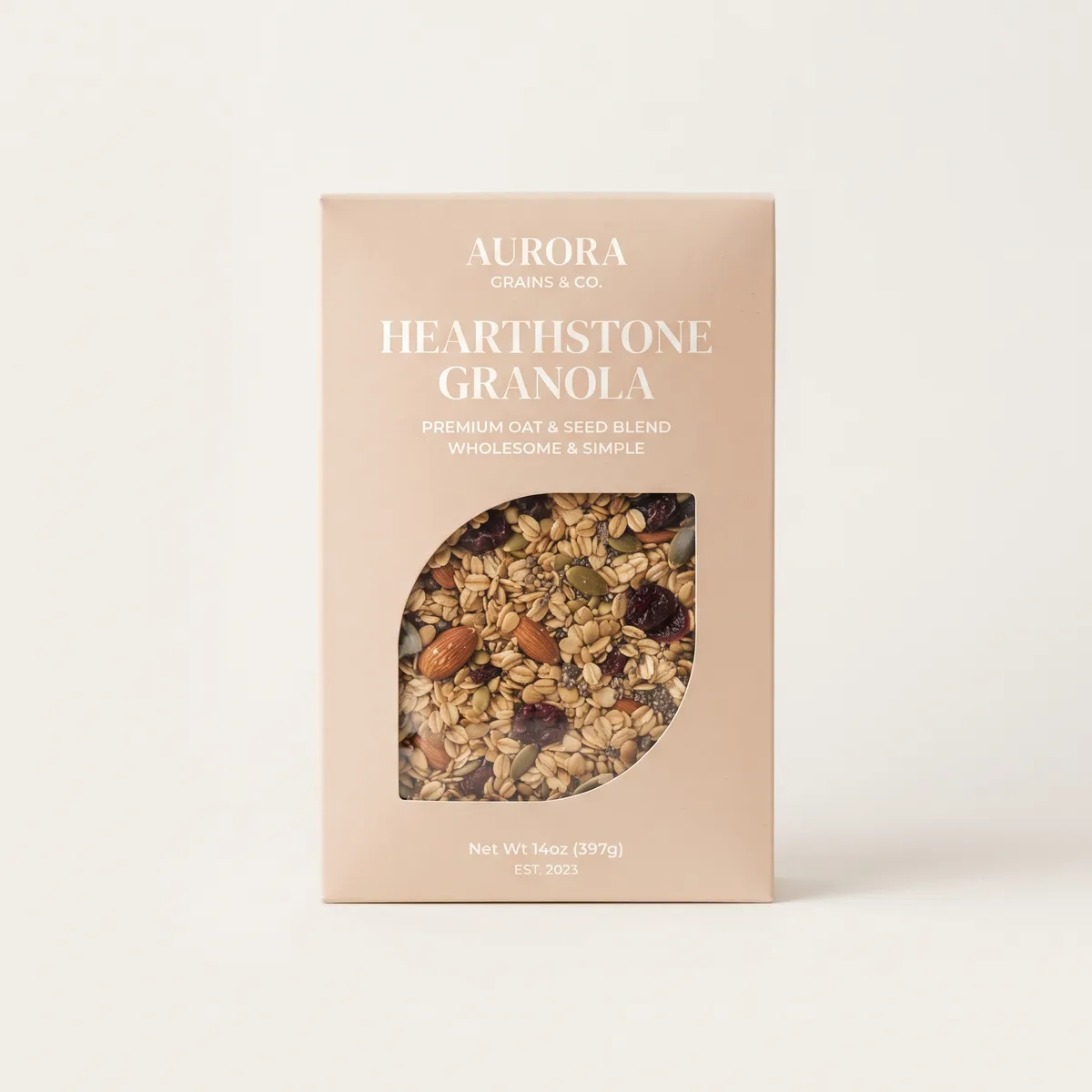
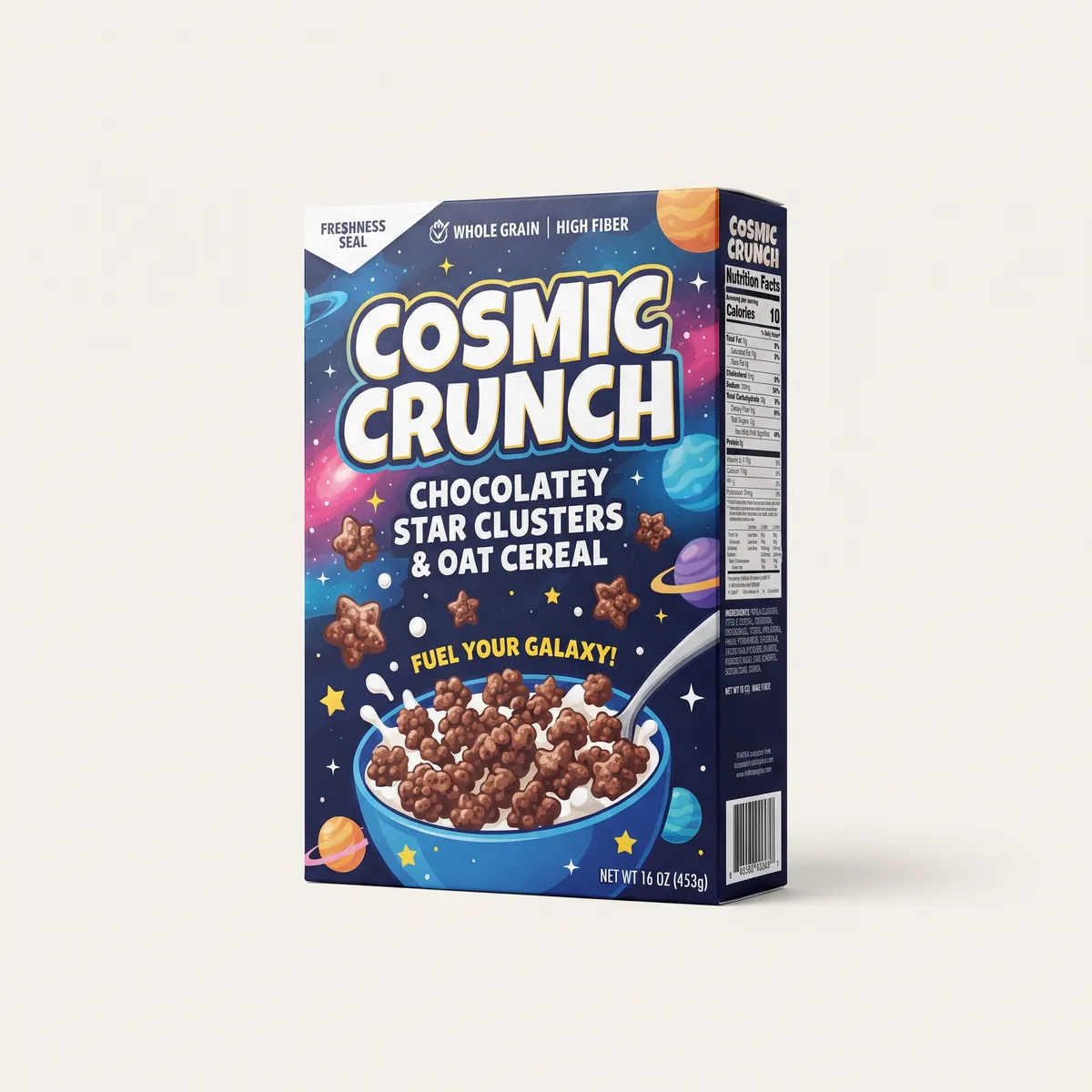
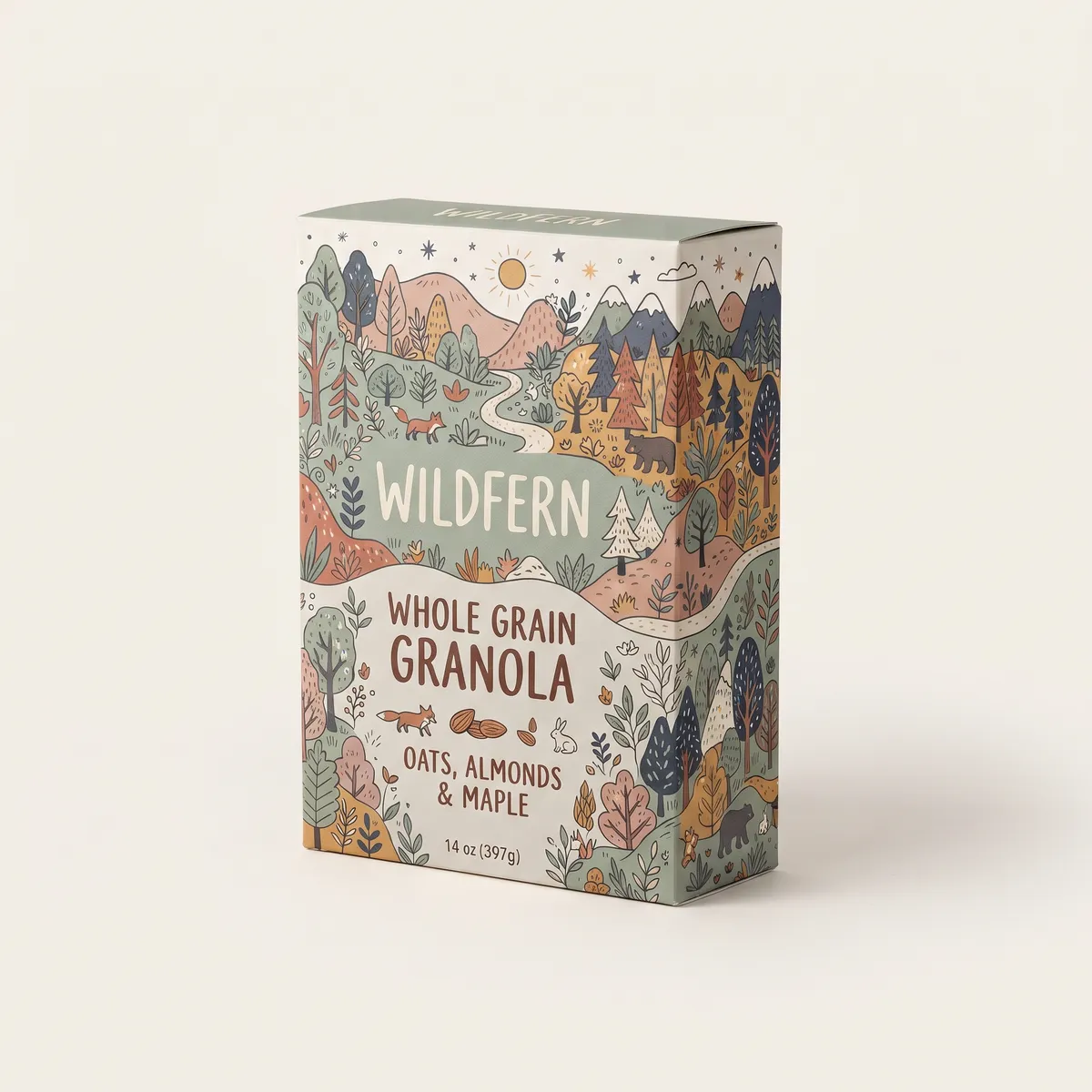
Cereal boxes are tall and shallow for one reason: the front panel sells the product, and that proportion gives the largest printable face per inch of retail shelf. Coated white board prints the bright color the category depends on and holds a tall front face without bowing. Each carton is sized around your inner bag, and every individual SKU can be ordered from 100 boxes.
Ours are on Trustpilot, where we can't edit them or choose which ones you see.
Read them on Trustpilot →(opens in a new tab)Four stages, twelve days
Quote confirmed
A specialist checks your spec against the board and comes back with a firm price inside 4 business hours.
Proof approved
You get a flat dieline and a 3D render. Nothing goes to press until you approve it in writing.
On press
Print, die-cut, glue, and fold. You get a press-side photo the day your job runs.
QC and delivery
Every pallet is sampled against the digital proof or physical sample you approved, then shipped with tracking to your dock or 3PL.
If a box doesn't match the digital proof or physical sample you approved, we reprint the run at no charge.
Read the reprint terms →Know exactly what you're ordering.
A Shelf Carton That Sells From the Aisle
Granola, muesli, oat and breakfast brands use cereal boxes to get product onto a grocery shelf. Most buyers here are smaller producers moving from farmers' markets or online sales into stores, where their product will sit beside national brands with years of carton design behind them. That's the real brief. The box has to look like it belongs on that shelf, stand straight in a row, survive being restocked and still show its best panel to a shopper three steps away. Inside it, the product sits in a bag; the carton is there for structure and for selling. Everything on this page follows from those two jobs.
Cereal Carton Board, Bag Fit and Proportion
A cereal carton is defined by its board, its proportions and the bag it holds.
| Attribute | Spec |
|---|---|
| Board | Bright white carton board, coated |
| Proportion | Tall face, shallow depth |
| Inner bag | Carton sized so the bag sits snug |
| Full color on all panels | |
| Alternatives | Recycled or kraft board, with muted color |
The depth stays shallow so the carton stands without tipping, and the height gives the front panel its size. Sizing to the bag matters more than it looks, because a loose bag lets the carton read half-empty when it's opened. Send the filled bag dimensions and we build around them.
Why Coated Board Over Kraft for Cereal
Breakfast is a color-driven aisle. Bright product photography, clean whites and exact brand colors are what shoppers scan for, and coated board holds ink on the surface so all of that prints true. That's why most cereal boxes are a tall shelf-ready tuck carton on coated board. It also keeps a tall face flat on the shelf rather than bowing. Kraft is the exception worth considering: if your brand sells on natural or minimally processed, brown board says that before a word is read. Just know that every color will print darker and duller on it, and photography loses most of its pull.
Bright Color and Panel Planning on a Tall Face
Cereal cartons print full color on all panels, and each panel has its own job. The front carries the name, the product image and the one claim that matters most. The sides show when cartons are faced sideways on a crowded shelf, so repeat the brand there. The back has room for your story, serving ideas or a recipe. Leave space for the nutrition and ingredient panel your label rules require; confirming that content is your responsibility, and we'll fit it into the layout. Special finishes rarely pay back on a carton that's stocked, restocked and handled all day. Spend that budget on the product photography instead.
Granola, Muesli and Breakfast Brands
Granola makers are the core buyers, often moving from bags to cartons as they enter grocery stores. Muesli, porridge oat and hot cereal brands use the same carton with a different bag inside. Health-food and protein cereal brands want the tall front for nutrition claims they've already verified. Children's cereal brands lean hardest on bright color and characters. Private-label producers order cartons for store brands, often several SKUs at once. Bakery brands with biscuit and cookie lines use the same tall shelf format for boxed biscuits and crackers. The common need is a carton that stands in a row on a retail shelf and prints bright enough to compete there.
Launching a Cereal Line Flavor by Flavor
A new cereal line rarely launches all its flavors at once, and the order can grow the same way. Start one flavor at the 100-box minimum, prove it with a retailer, then add the next using the same carton structure with new artwork. Free design help covers the whole range, which keeps panels consistent from one flavor to the next. Each design is proofed before printing, and production takes 8–12 business days from approval, with rush at extra cost, quoted upfront, when a store listing date is fixed. Every carton passes a three-stage check, and if a run misses the approved proof, we reprint at our cost. Shipping is included.
One connected process, start to finish.
Structural Design
Dieline drafted to your exact fit and freight tolerances.
Proof & Sample
Sign off on a digital proof, or request a physical sample.
Tooling
Dies and plates are cut for your job and archived on file.
Production
Print, die-cut, and assembly run under in-line quality checks.
Ship & Reorder
Freight goes out, and the cycle resets for your next run.
Steady process. Powerful results.
Like everything we build, our process is engineered to hold up — no shortcuts, no surprises. Five dependable stages that run the same way every single time, so reorders are just as fast as the first order.
- One dedicated teamFrom first sketch to final freight, the same people carry your order start to finish.
- Dies archived on fileReorders skip tooling and re-setup entirely — we already have your exact spec.
- Checked against your sign-offEvery run is inspected against the digital proof or physical sample you approved.
Set up your file once, correctly
Nine in ten delayed jobs are delayed by artwork, not production. Match these four rules and your proof lands the next morning.
- Bleed1/8 in (3 mm) past every cut line
- Safe ZoneKeep text 1/4 in clear of every crease
- ColourCMYK or named Pantone. No RGB.
- Resolution300 dpi at final size, fonts outlined
No print-ready file?
Send a logo and a rough idea. Our studio builds the production file free with any order over 500 units — you keep the source file either way.
Ask the StudioBackground art must run all the way to the outer bleed edge. Anything inside the white dashed line survives fold tolerance.
What brands say about this box
They live there rather than here, where we can't edit them, delete them, or pick which ones you get to see. That is exactly what makes them worth reading.
Read all reviews on Trustpilot(opens in a new tab)Answers before you have to ask.
Why are cereal boxes made so tall and thin?
Because the shelf face is what sells it. A tall, narrow front gives you the largest printable panel per inch of shelf space, which is why the format has barely changed. The depth is kept shallow so the box stands without tipping.
Can cereal boxes hold an inner bag?
Yes, and most do. The carton provides structure and shelf presence while the inner bag handles freshness. We size the box so the bag sits snugly rather than loose, which stops the carton from looking half-empty.
What stock works best for cereal boxes?
Coated white board, for most. It prints the bright, accurate color the category depends on and holds a tall face without bowing. Recycled and kraft options exist if your brand positions on natural, though color will read muted.
How long do cereal boxes take to produce?
Usually 8–12 business days from proof approval. Rush is available at an added cost, quoted upfront, and shipping is included on every order you place.
Can cereal boxes be ordered per SKU?
Yes, from 100 per SKU. Most brands keep one carton structure across a range and change only the printed panel, which keeps tooling costs down as you add products.