
Earring Boxes
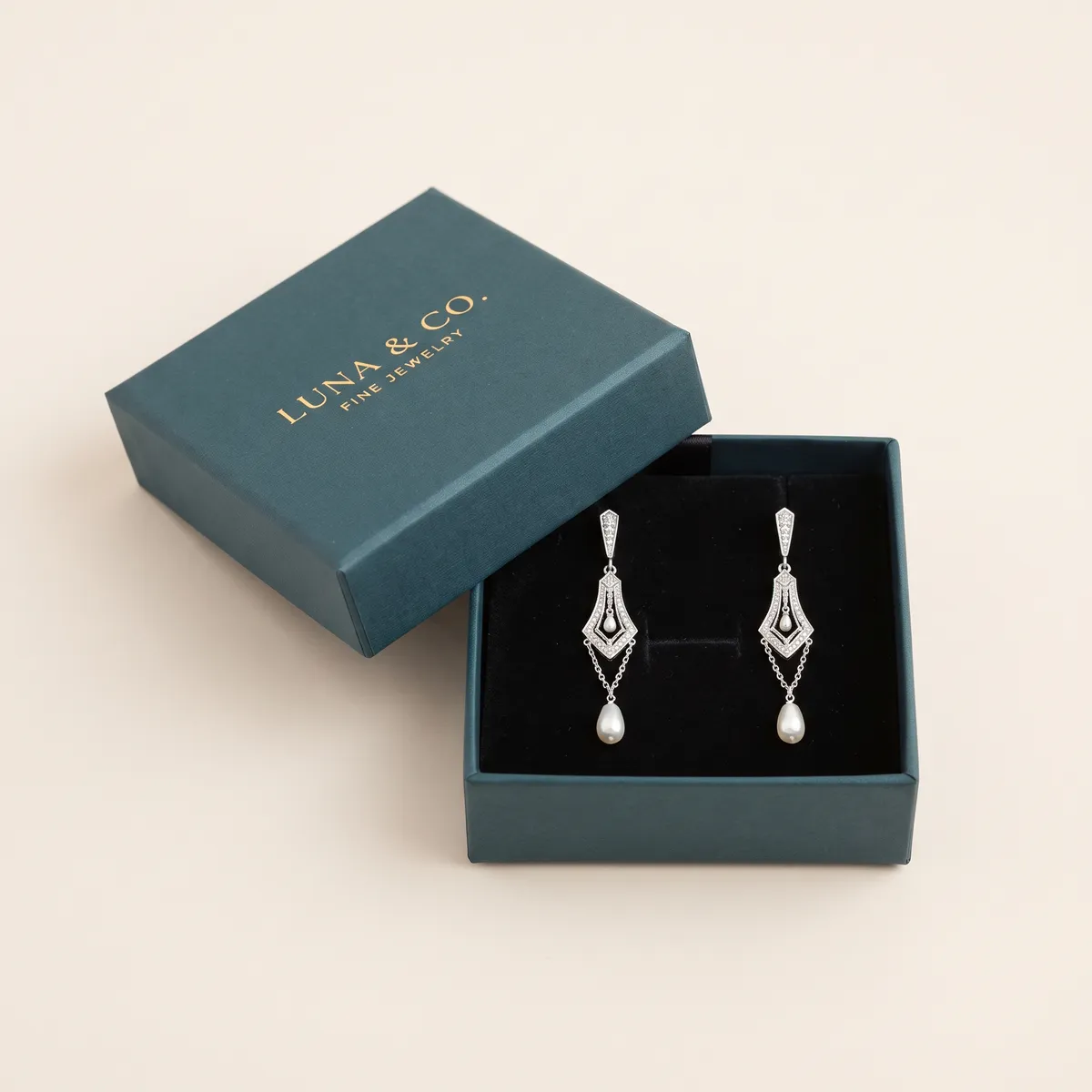
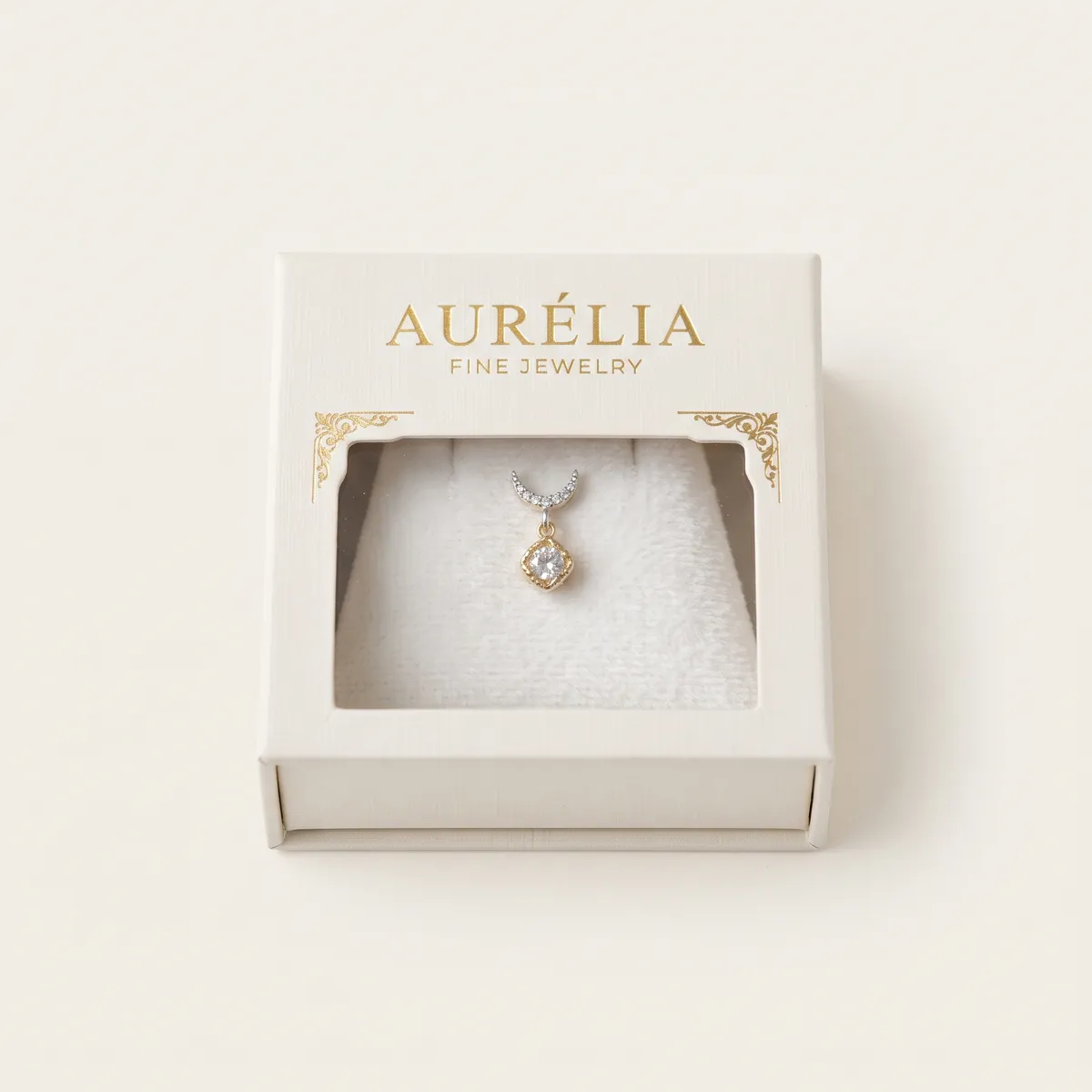
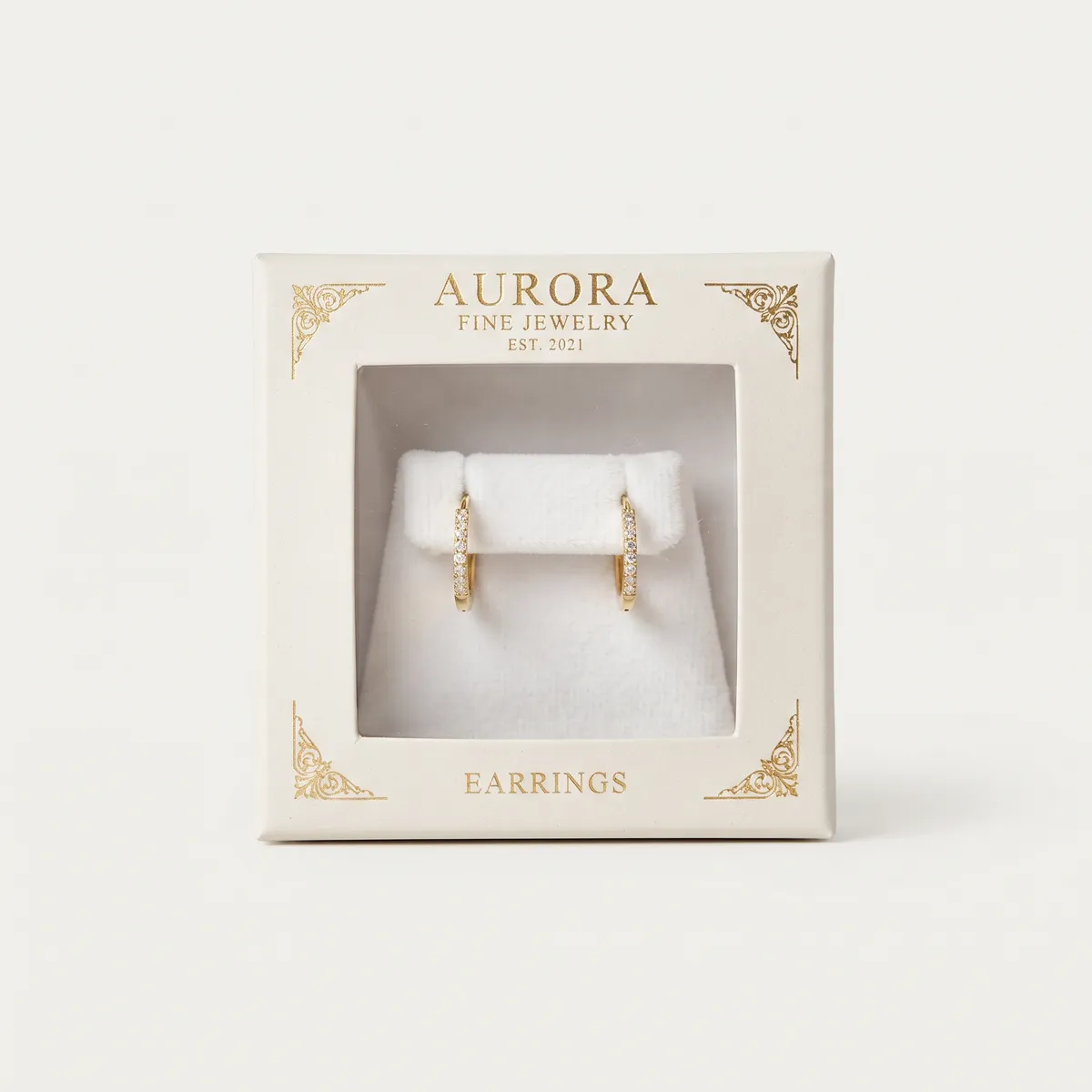
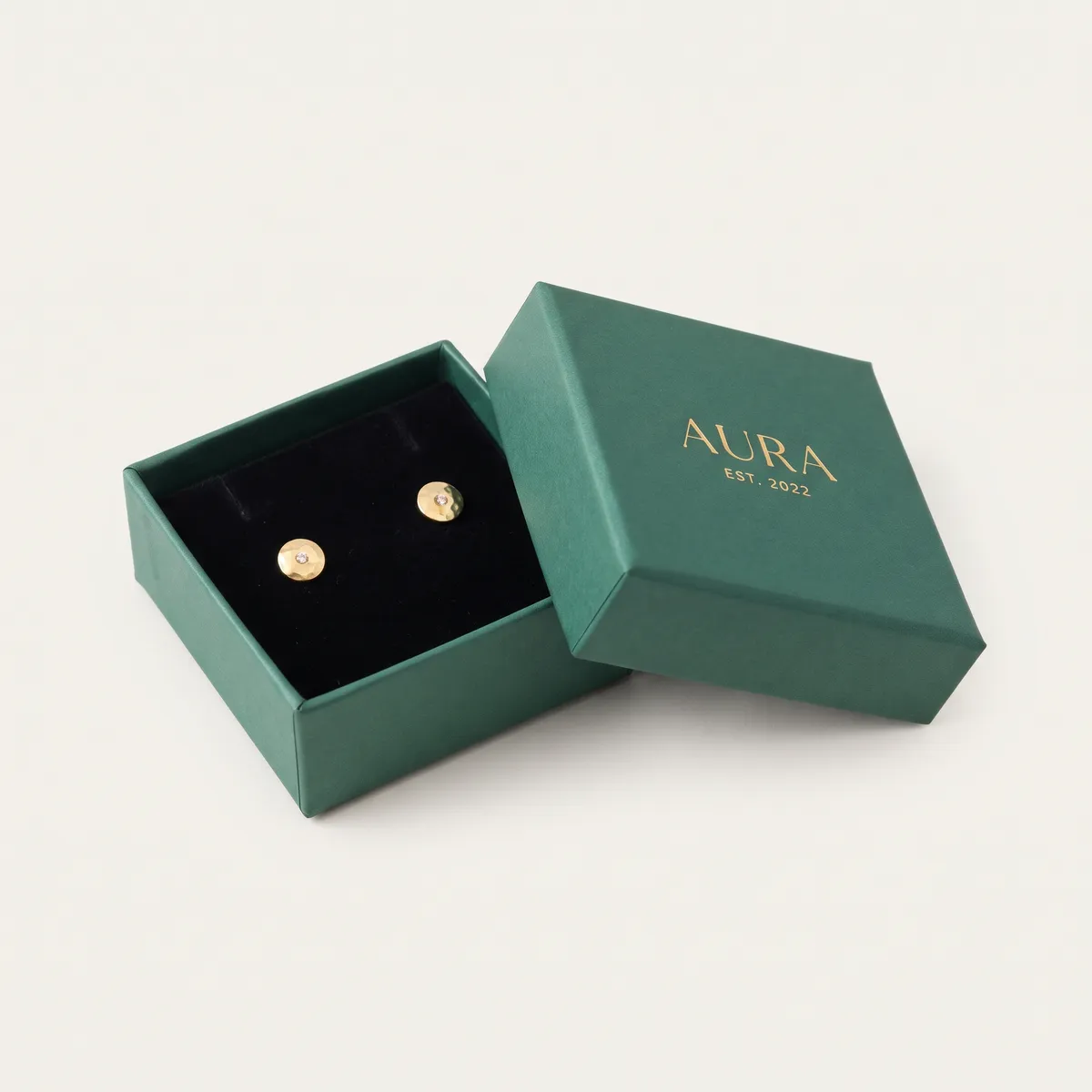
Earring boxes hold a pair at a set distance, on a card or in a slotted foam pad, because a stud that separates in transit is a lost product, not a cosmetic complaint. Drop earrings need deeper cavities than studs. These are generally the least expensive boxes in our jewelry range, which makes them a sensible place to test packaging before committing across a collection.
Ours are on Trustpilot, where we can't edit them or choose which ones you see.
Read them on Trustpilot →(opens in a new tab)Four stages, twelve days
Quote confirmed
A specialist checks your spec against the board and comes back with a firm price inside 4 business hours.
Proof approved
You get a flat dieline and a 3D render. Nothing goes to press until you approve it in writing.
On press
Print, die-cut, glue, and fold. You get a press-side photo the day your job runs.
QC and delivery
Every pallet is sampled against the digital proof or physical sample you approved, then shipped with tracking to your dock or 3PL.
If a box doesn't match the digital proof or physical sample you approved, we reprint the run at no charge.
Read the reprint terms →Know exactly what you're ordering.
Earring Boxes That Keep a Pair Together
Earrings come in more shapes than any other jewelry: studs that sit flush, hoops that need a curve, drops that need height to hang straight. Earring boxes are built around that variety while holding both halves of a pair at the same spacing every time, facing forward and easy to lift out. They are small and precise, and the insert does almost all the work. Buyers are jewelers, stud and huggie brands, bridal accessory shops, and fashion lines selling earrings as an everyday purchase or an add-on at the till. Hoops are the awkward case, since they need a slot or curve rather than a flat card.
Earring Box Specs: Card, Slot Pad and Drop Depth
Most earring boxes are a compact rigid base with a lid, holding a printed card or a foam pad with slots. Folding cartons are available for fashion lines.
| Insert | Suits | Detail |
|---|---|---|
| Printed card | Studs, small hoops | Punched holes at a set spacing |
| Slotted foam pad | Studs, huggies | Slots cut to the post or hoop |
| Deep cavity | Drop earrings | Depth for the drop to hang straight |
Rigid builds use a 2–3mm grayboard core with lids fitted to ±0.5mm. Cards and pads are cut to your earring dimensions. Hoops sit in a curved slot rather than through card holes.
Why an Earring Card Inside the Box Holds a Pair Best
A loose pair in a box shifts and separates. A card fixes the spacing: both posts go through, the backs go on behind, and the pair can't move independently. It is the same piece of print used for earring display cards on a hook wall, cut to fit inside the box instead of hanging from it. That gives you two things at once: a box that keeps a pair together, and a printed surface sitting right behind the earrings, where the logo is seen first. Foam slots do a similar job and feel more premium, but they don't carry print. For drops, combine a card at the top with a deeper cavity below.
Branding a Box Smaller Than the Earrings' Price Suggests
Earring boxes are small enough that branding lives mostly on the card, not the box. The card can carry full-color print, a logo and a line of care copy, and it is cheap to change for each collection. On the outside, a single foil or debossed mark on the lid is plenty, since anything more crowds a panel this size. A soft-touch or matte film keeps a small dark box from showing fingerprints. Skip windows, because the card already does the display work once the lid is lifted. If you change designs often, keep the box plain and put the variety on the card.
Earring Boxes for Bridesmaid Gifts and Matching Collections
Stud and huggie brands order the most, often reordering the same box across colorways and stones. Bridal shops use them for wedding-day earrings and for bridesmaid and wedding party gifts, where six boxes handed out together need to look identical. Fashion jewelry brands sell earrings in volume as add-ons, and the box keeps a low-priced pair looking deliberate. Fine jewelers selling diamond studs use rigid earring boxes with velvet slots. Piercing studios hand over starter jewelry in small branded boxes. Collections sold as matched sets use the earring box as the smallest of three.
Earring Boxes as a Low-Risk First Packaging Order
Earring boxes are a sensible first custom order: small, quick to proof, and easy to adjust on a second run. Send the earring dimensions and the post spacing you want, and we build the card or pad and the box dieline together, confirmed in writing. Proofs and design changes are free and unlimited. Rigid earring boxes take 20 business days from proof approval, and folding builds take 8–12. Rush is available at a quoted extra cost. Each run passes a three-stage check, since a spacing error on a card would repeat across the whole batch. Runs that miss the approved proof are reprinted at our cost, and shipping is included.
One connected process, start to finish.
Structural Design
Dieline drafted to your exact fit and freight tolerances.
Proof & Sample
Sign off on a digital proof, or request a physical sample.
Tooling
Dies and plates are cut for your job and archived on file.
Production
Print, die-cut, and assembly run under in-line quality checks.
Ship & Reorder
Freight goes out, and the cycle resets for your next run.
Steady process. Powerful results.
Like everything we build, our process is engineered to hold up — no shortcuts, no surprises. Five dependable stages that run the same way every single time, so reorders are just as fast as the first order.
- One dedicated teamFrom first sketch to final freight, the same people carry your order start to finish.
- Dies archived on fileReorders skip tooling and re-setup entirely — we already have your exact spec.
- Checked against your sign-offEvery run is inspected against the digital proof or physical sample you approved.
Set up your file once, correctly
Nine in ten delayed jobs are delayed by artwork, not production. Match these four rules and your proof lands the next morning.
- Bleed1/8 in (3 mm) past every cut line
- Safe ZoneKeep text 1/4 in clear of every crease
- ColourCMYK or named Pantone. No RGB.
- Resolution300 dpi at final size, fonts outlined
No print-ready file?
Send a logo and a rough idea. Our studio builds the production file free with any order over 500 units — you keep the source file either way.
Ask the StudioBackground art must run all the way to the outer bleed edge. Anything inside the white dashed line survives fold tolerance.
What brands say about this box
They live there rather than here, where we can't edit them, delete them, or pick which ones you get to see. That is exactly what makes them worth reading.
Read all reviews on Trustpilot(opens in a new tab)Answers before you have to ask.
How do earring boxes keep a pair aligned?
With a card or a slotted foam pad that holds both studs at a set distance. Left loose, a pair separates in transit and one can be lost entirely, which is a total loss on a small item rather than a cosmetic complaint.
Can earring boxes hold studs and drops?
Yes, though they need different cavities. Studs sit on a card or in shallow slots, while drops need depth to hang without bending. A shared box works with a cut insert rather than an empty carton.
Are earring boxes cheaper than other builds?
Generally the cheapest in the range, because they're small and often use a card rather than a cut foam cavity. That makes them a sensible place to test packaging before committing across a wider range.
How long do earring boxes take to produce?
Rigid takes 20 business days, folding about 8–12, from proof approval. Rush is available at an added cost we'll quote first, with shipping included in the price.
Can earring boxes be ordered with matching pieces?
Yes, and matching a set across earring, ring and necklace boxes is common. Running them together shares setup and gives you a coherent collection rather than boxes that don't quite match.