
Gold Foil Necklace Boxes
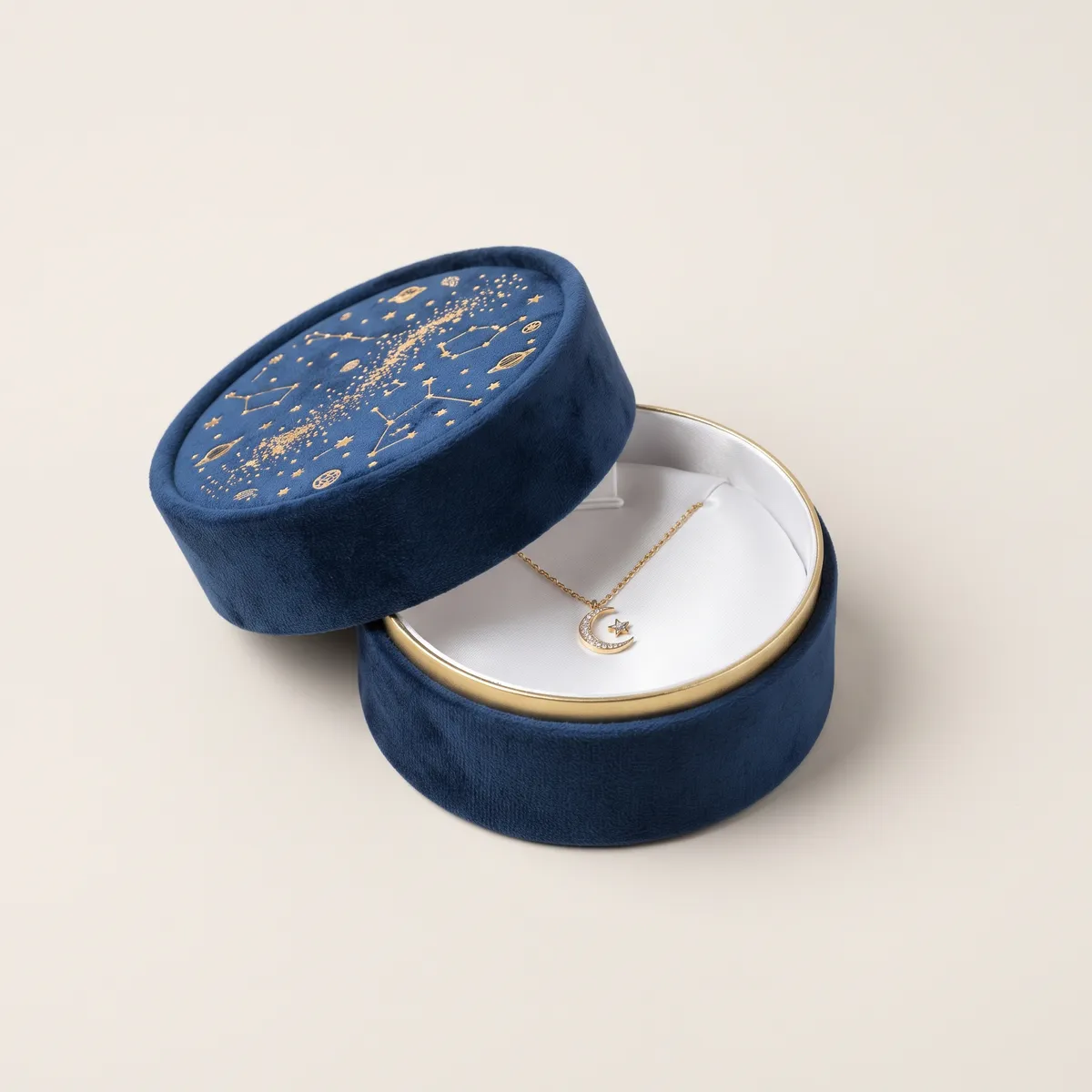
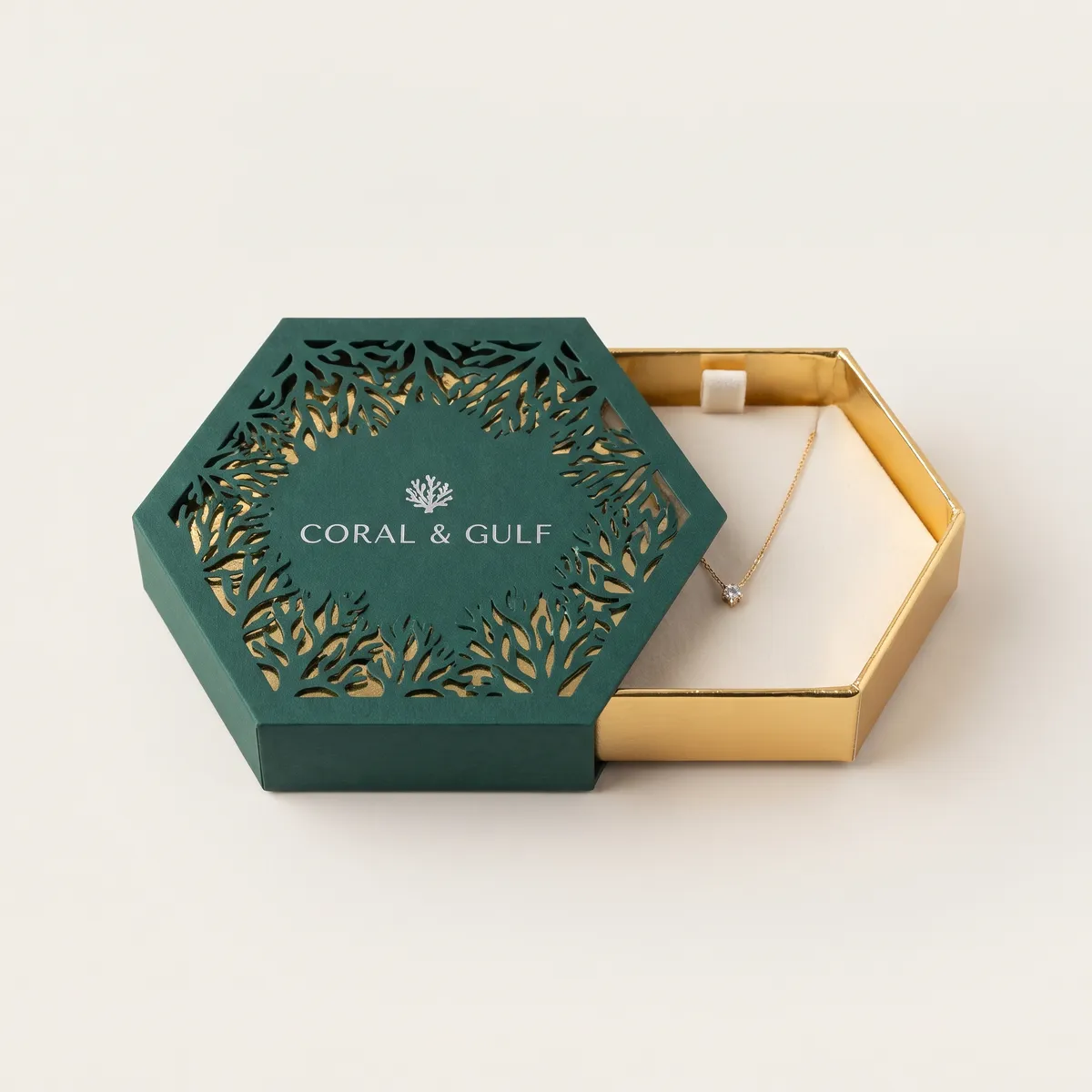
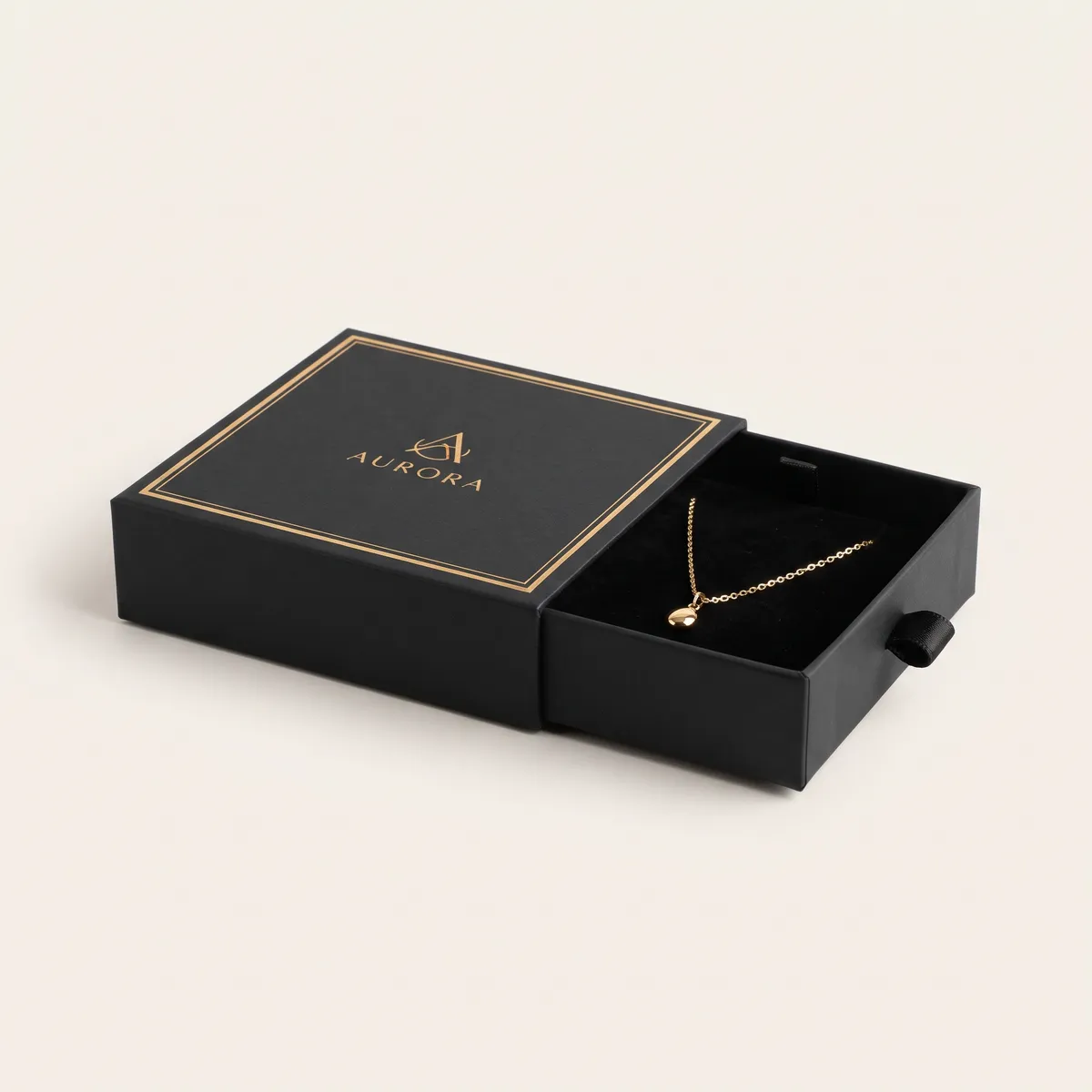
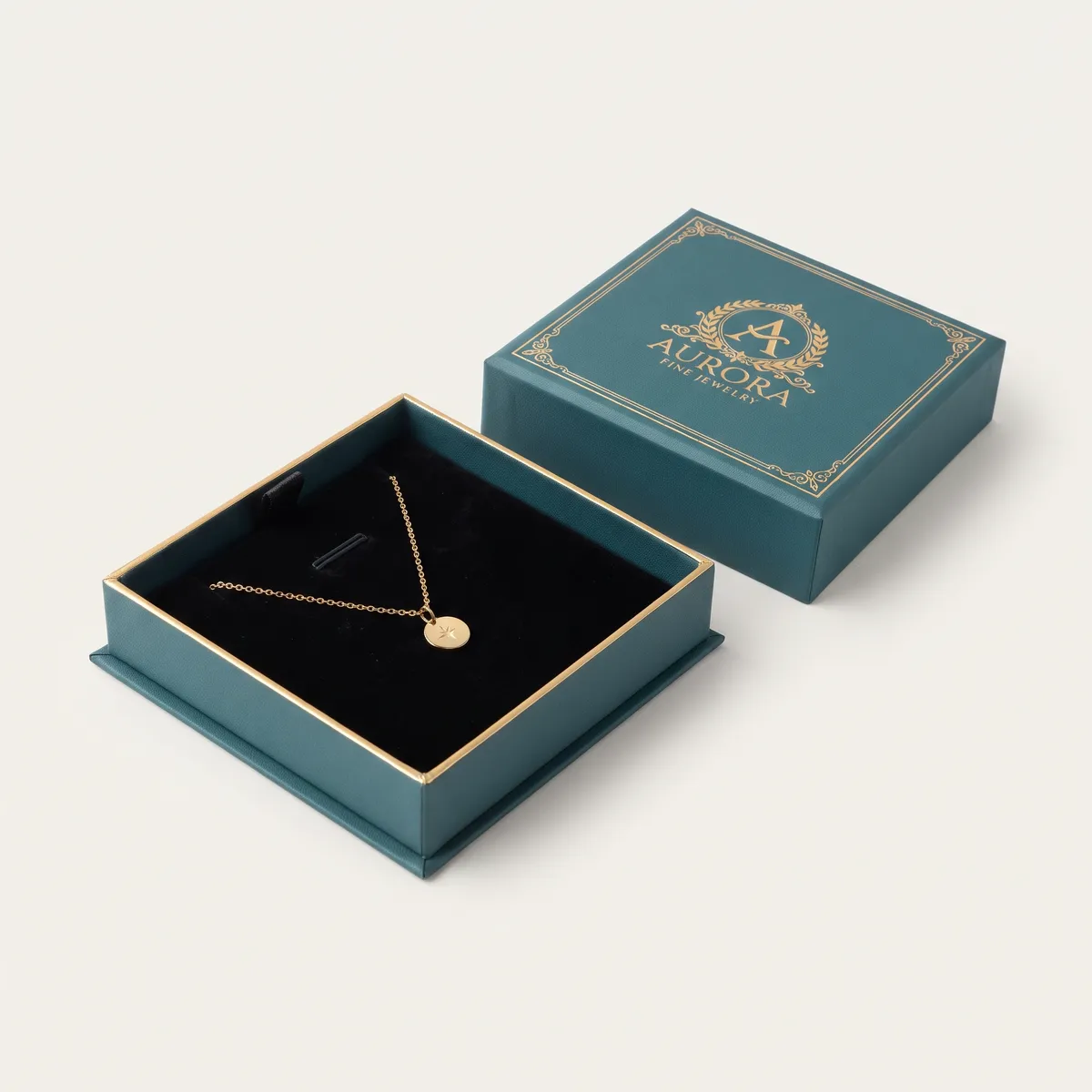
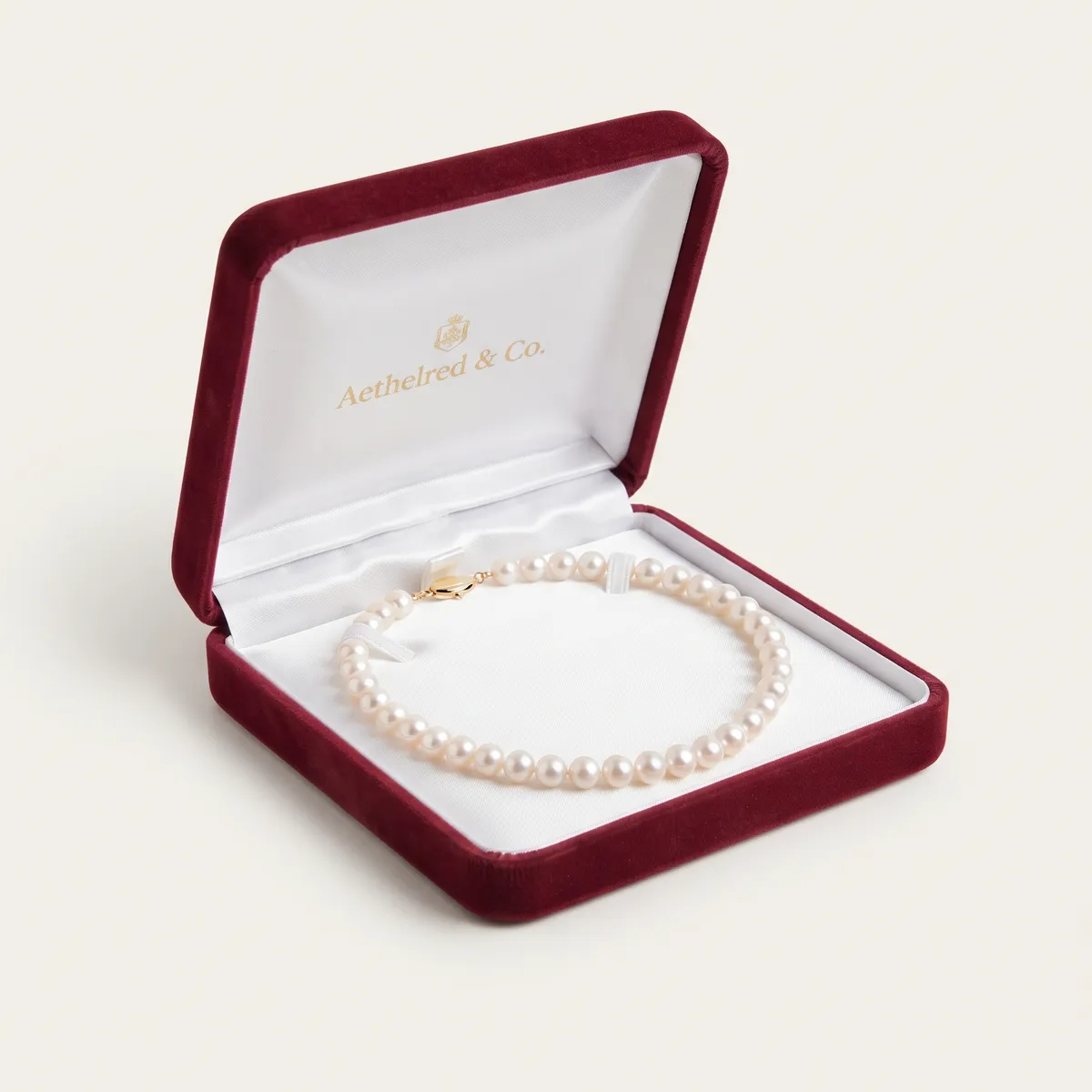
Gold foil necklace boxes carry a stamped metallic logo, and the gold itself can be matched to your brand, with options from pale champagne to deep antique, proofed on your actual stock because foil reads differently on matte and gloss. Fine lines fill in at small scale, so we'll flag any problem areas in your artwork. Rigid construction, with 20 business days from proof approval.
Ours are on Trustpilot, where we can't edit them or choose which ones you see.
Read them on Trustpilot →(opens in a new tab)Four stages, twelve days
Quote confirmed
A specialist checks your spec against the board and comes back with a firm price inside 4 business hours.
Proof approved
You get a flat dieline and a 3D render. Nothing goes to press until you approve it in writing.
On press
Print, die-cut, glue, and fold. You get a press-side photo the day your job runs.
QC and delivery
Every pallet is sampled against the digital proof or physical sample you approved, then shipped with tracking to your dock or 3PL.
If a box doesn't match the digital proof or physical sample you approved, we reprint the run at no charge.
Read the reprint terms →Know exactly what you're ordering.
Gold Foil Necklace Boxes Where the Logo Does the Selling
From a few feet away, across a counter or in a product photo, the logo is often the only part of the box anyone can read. Gold foil necklace boxes are built around that: a stamped metallic mark on a rigid case, sized and placed to catch light. They suit fine jewelry brands whose identity already uses gold, jewelers launching a signature collection, and retailers who want a necklace box to look like part of a premium range. The foil is the feature, so the rest of the box stays restrained, with a plain or textured wrap and a fitted insert. If your margins are thin, read the trade-offs further down before choosing it.
Gold Foil Necklace Box Specs: Wrap, Foil and Insert
The case is rigid, and the foil goes onto the wrap before it is applied. A linen-textured wrap is the classic ground: a paper with a woven feel that takes foil cleanly and gives the metallic something to contrast against.
| Part | Specification |
|---|---|
| Core | 2–3mm rigid grayboard |
| Wrap | Linen-texture paper or smooth matte paper |
| Foil | Gold, in a range of tones |
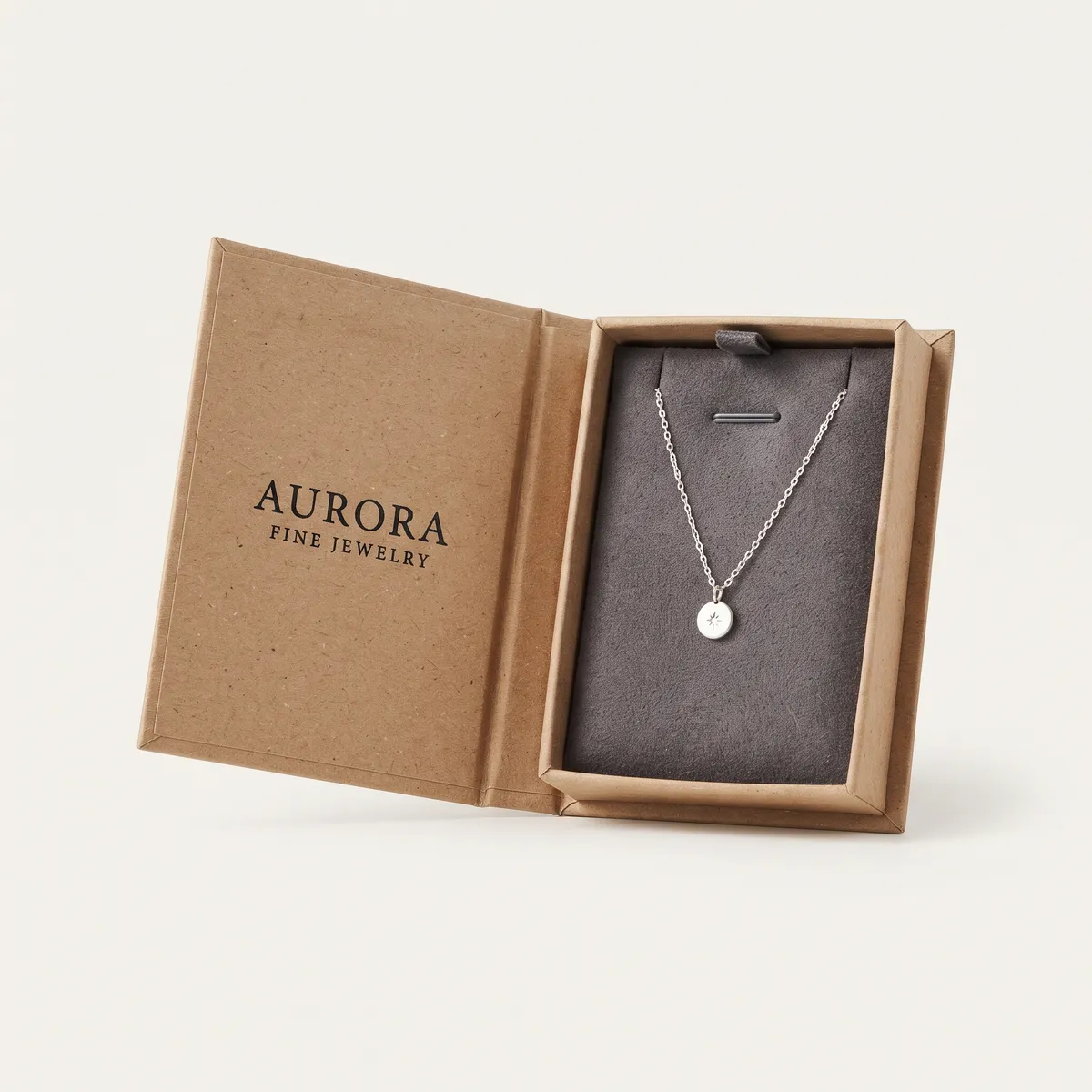
| Insert | Hook-and-card or padded, cut to the chain |
| Lid fit | ±0.5mm tolerance |
| Build | Rigid only |
Foil is stamped onto the wrap while it is still flat, before the wrap goes onto the board, which is why the mark stays crisp at the edges.
Why a Lift-Off Lid Gives Gold Foil the Best Surface
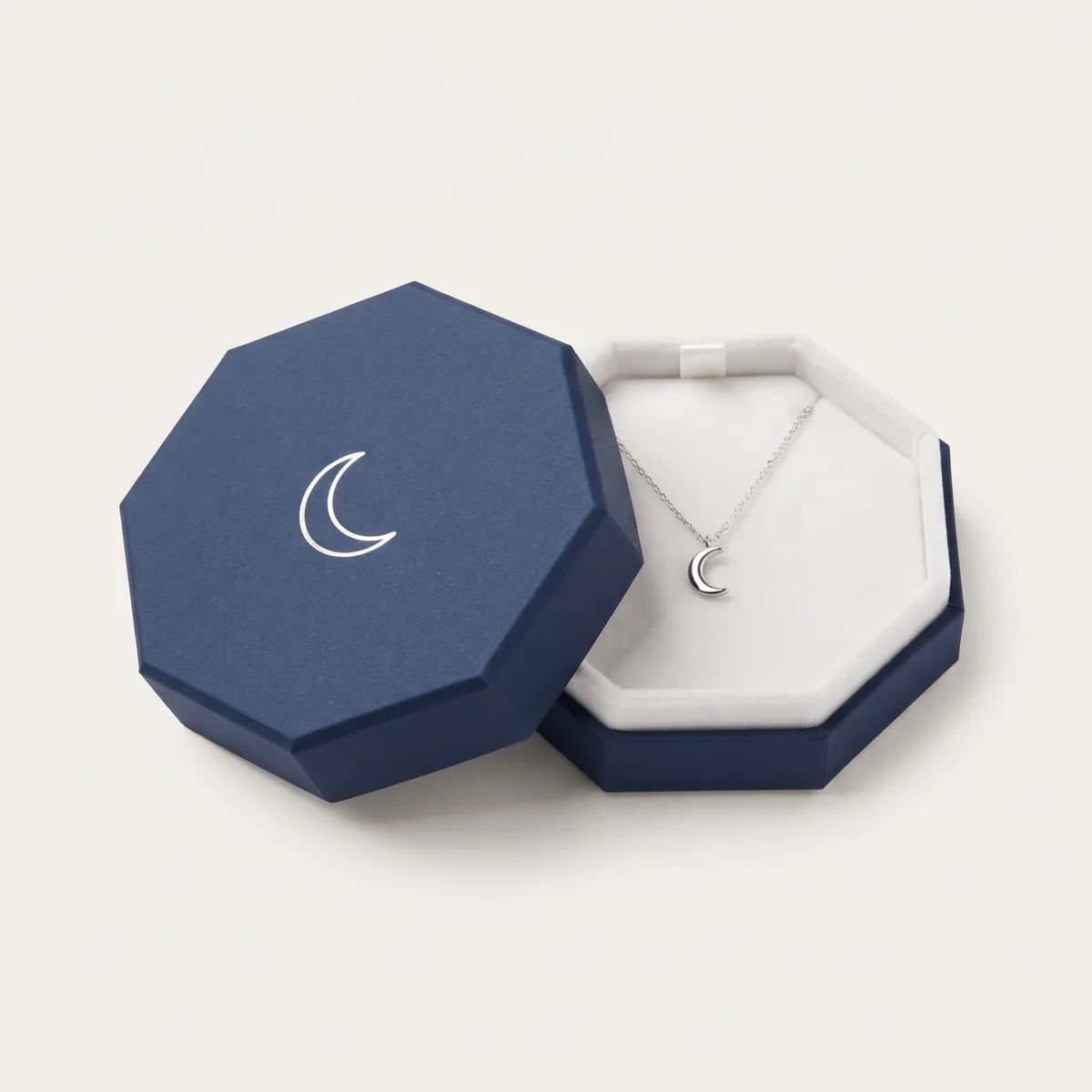
Foil needs a flat panel. Stamped near a fold or across a curve, registration slips and the edge of the mark goes ragged. A lift-off lid over a fitted tray gives the largest uninterrupted flat area of any necklace box, with no hinge line or flap crease cutting through it, so the logo can sit exactly where you want it. A magnetic flap box puts its crease along one edge, which suits marks placed off-center but limits a centered crest. The lid-and-tray build also keeps the necklace laid flat in the tray, so the gold on the lid and the chain inside are seen together the moment the lid lifts.
Pairing Gold Foil With Deboss and Texture
Foil with deboss, where the foil sits in a pressed-in mark, reads more substantial than flat foil and catches light at its edges. Linen texture and foil suit each other: the weave stays visible around a crisp metallic edge. On a smooth matte wrap, foil looks brighter and more modern, and on gloss it loses contrast, so gloss is rarely the better choice. A blind deboss of a secondary mark on the base can echo the lid without more foil. Keep foil to the lid and, if wanted, one small mark inside. Full-color print adds little here and competes with the gold, so most brands leave it out entirely and spend that budget on the insert.
Gold Foil Necklace Boxes for Fine Jewelry and Launch Editions
Fine jewelry brands with gold in their identity use these as their standard necklace box, so the packaging matches bags, cards and signage. Jewelers launching a signature or limited collection often commission them for that line only, to set it apart from everyday stock. They suit gift-heavy seasons, when a necklace is the main purchase and the box is on show before it is opened. Retailers building a house range of luxury jewelry presentation use gold foil as the common thread across sizes. Where they're overkill: fashion chains at low price points, where the cost of foil setup is hard to recover across a small margin.
Approving Foil Before a Gold Necklace Box Run
Foil can't be judged on a screen. Before the run, we show you foil options against your actual wrap, so you approve the gold on the stock it will live on. The rest of the process follows any rigid build. We take your chain and pendant dimensions, build the dieline, confirm it in writing, and revise the proof as often as needed at no charge. Production is 20 business days from proof approval, and rush is quoted upfront at extra cost. The minimum is 100. Anything that misses the approved proof is reprinted at our cost, and every box passes a three-stage check where foil fill-in or misregistration is caught before packing.
One connected process, start to finish.
Structural Design
Dieline drafted to your exact fit and freight tolerances.
Proof & Sample
Sign off on a digital proof, or request a physical sample.
Tooling
Dies and plates are cut for your job and archived on file.
Production
Print, die-cut, and assembly run under in-line quality checks.
Ship & Reorder
Freight goes out, and the cycle resets for your next run.
Steady process. Powerful results.
Like everything we build, our process is engineered to hold up — no shortcuts, no surprises. Five dependable stages that run the same way every single time, so reorders are just as fast as the first order.
- One dedicated teamFrom first sketch to final freight, the same people carry your order start to finish.
- Dies archived on fileReorders skip tooling and re-setup entirely — we already have your exact spec.
- Checked against your sign-offEvery run is inspected against the digital proof or physical sample you approved.
Set up your file once, correctly
Nine in ten delayed jobs are delayed by artwork, not production. Match these four rules and your proof lands the next morning.
- Bleed1/8 in (3 mm) past every cut line
- Safe ZoneKeep text 1/4 in clear of every crease
- ColourCMYK or named Pantone. No RGB.
- Resolution300 dpi at final size, fonts outlined
No print-ready file?
Send a logo and a rough idea. Our studio builds the production file free with any order over 500 units — you keep the source file either way.
Ask the StudioBackground art must run all the way to the outer bleed edge. Anything inside the white dashed line survives fold tolerance.


What brands say about this box
They live there rather than here, where we can't edit them, delete them, or pick which ones you get to see. That is exactly what makes them worth reading.
Read all reviews on Trustpilot(opens in a new tab)Answers before you have to ask.
Will foil stay sharp on a small box?
It will if the artwork suits the scale. Fine lines and small serifs lose definition when foiled at this size, so simplifying the mark works better than shrinking it. We'll flag anything in your artwork likely to fill in.
Can gold foil be matched to my brand gold?
Closely. Foil comes in a range of golds, from pale champagne through to deep antique, and we'll show you options against your stock before the run. Foil reads differently on matte than on gloss, so we proof on your actual finish.
Is gold foil worth the cost on smaller runs?
Often, because foil is one of the few finishes that reads unmistakably premium at small scale. On short runs the setup cost is spread across fewer units, so we'd suggest quoting it both ways before deciding.
What's the lead time on gold foil necklace boxes?
20 business days from proof approval. Foil stamping is part of the rigid build and doesn't extend the timeline. Rush production is available at a quoted premium.
Can gold foil be ordered at minimum quantity?
Yes, from 100 boxes. Setup for foil is spread across fewer units at low volume, so the per-unit cost is higher — we'll quote it both ways so you can judge whether it earns its place.