
Pastry Boxes
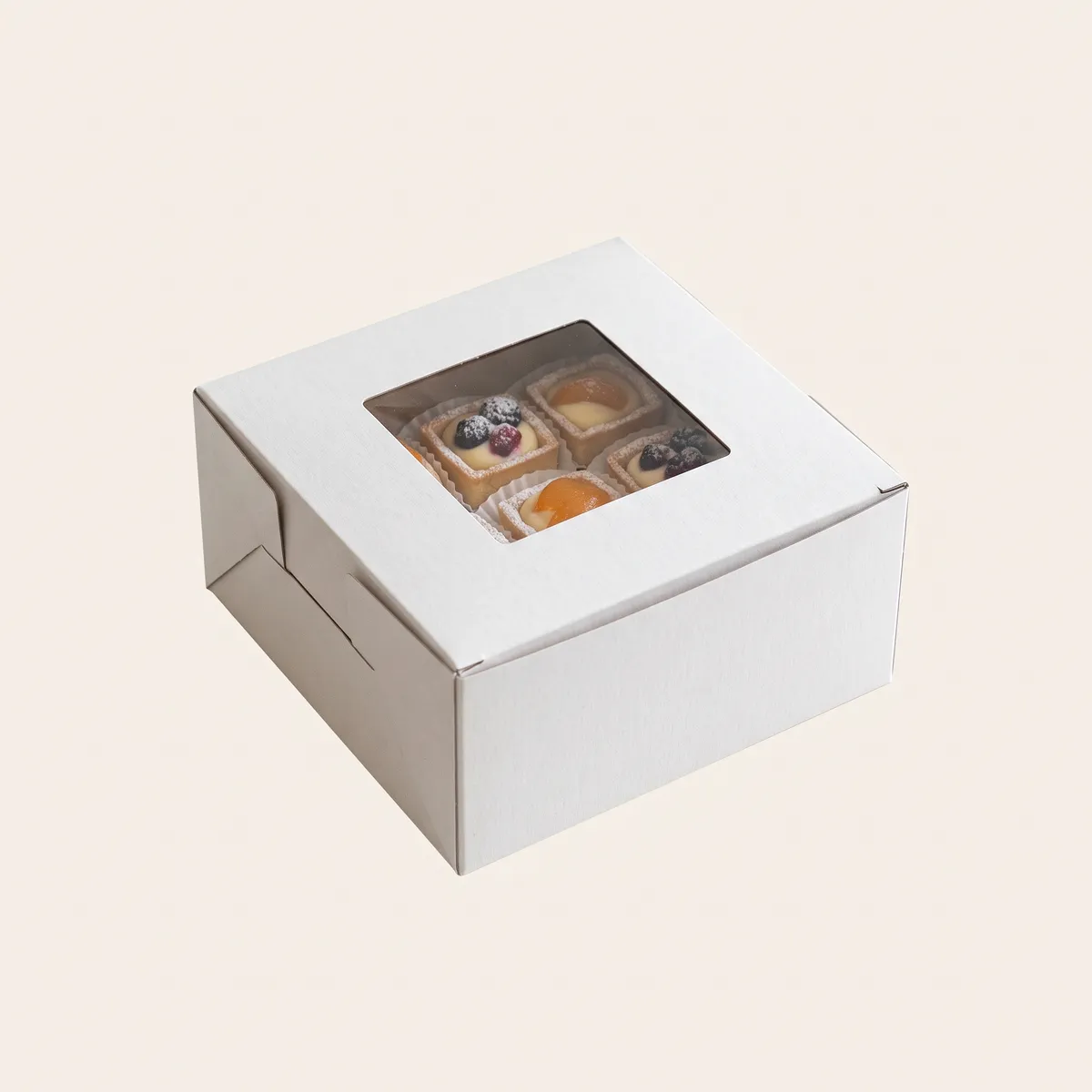
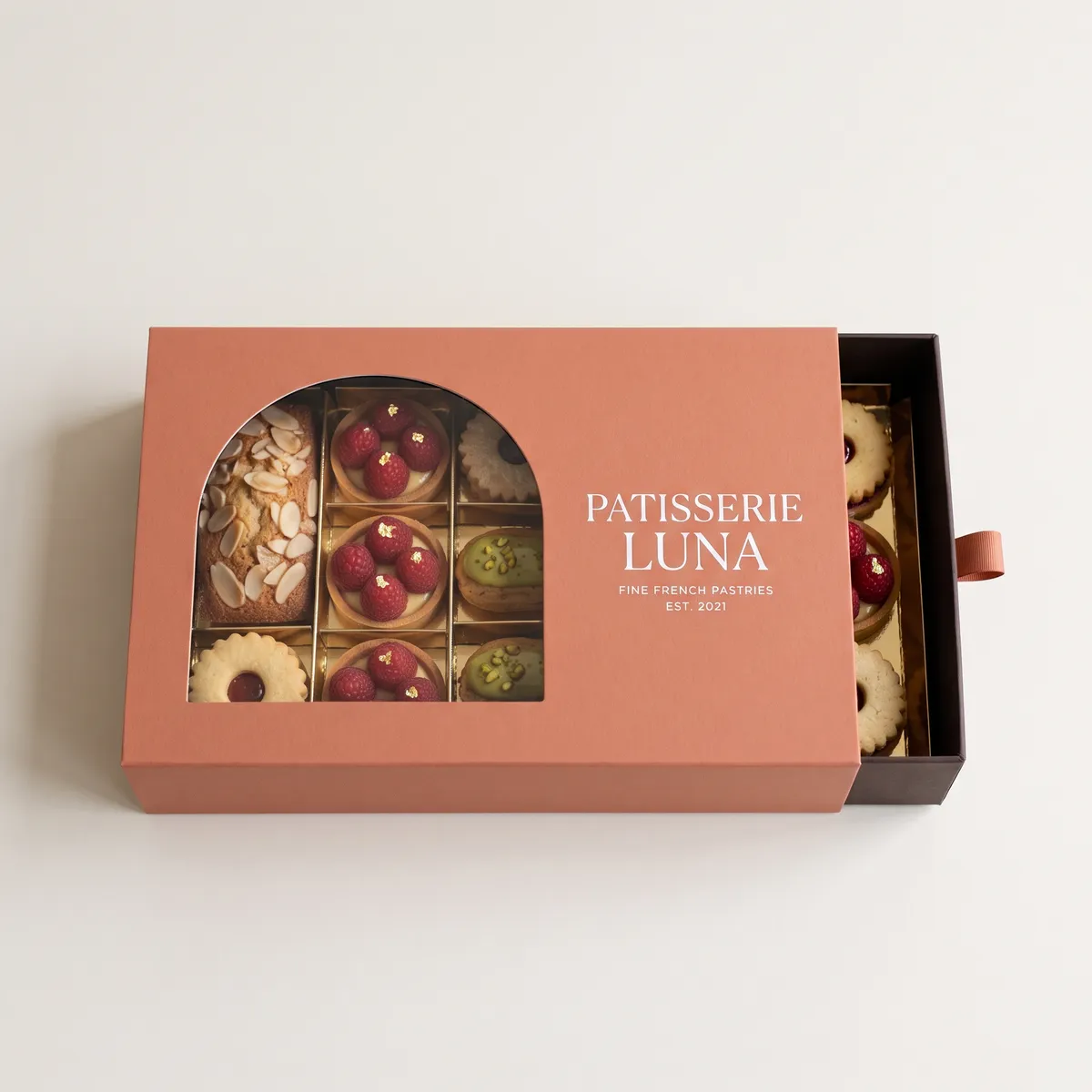
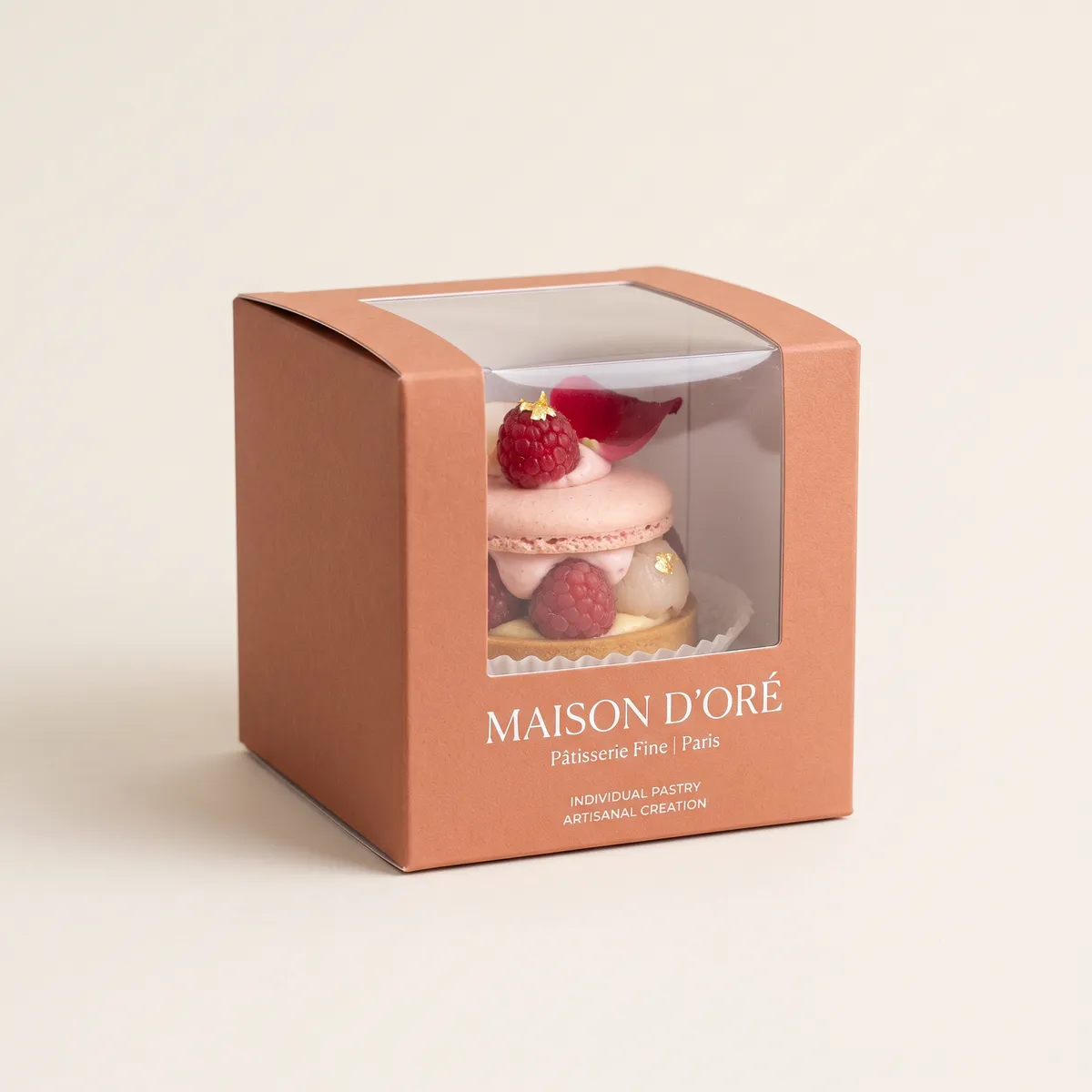
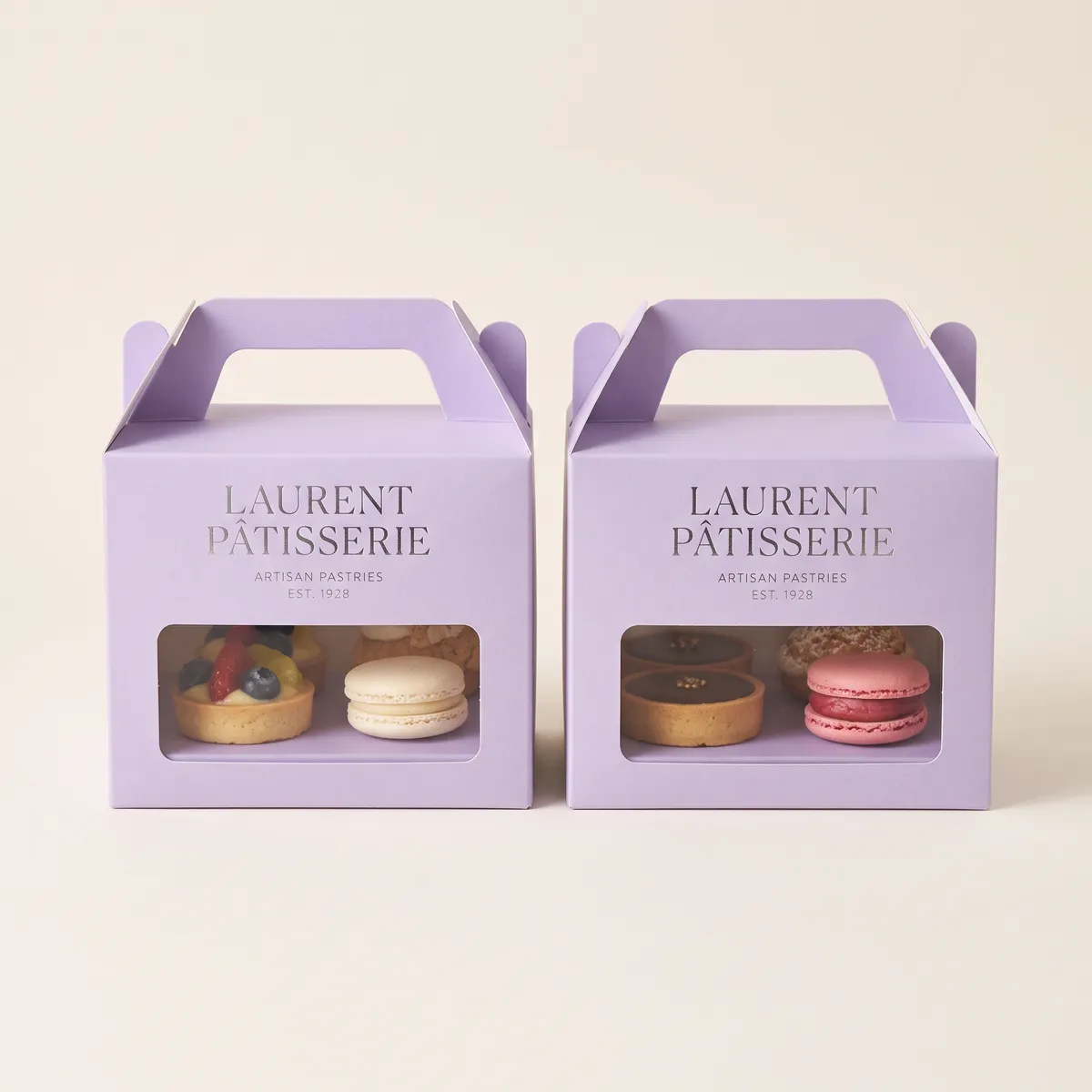
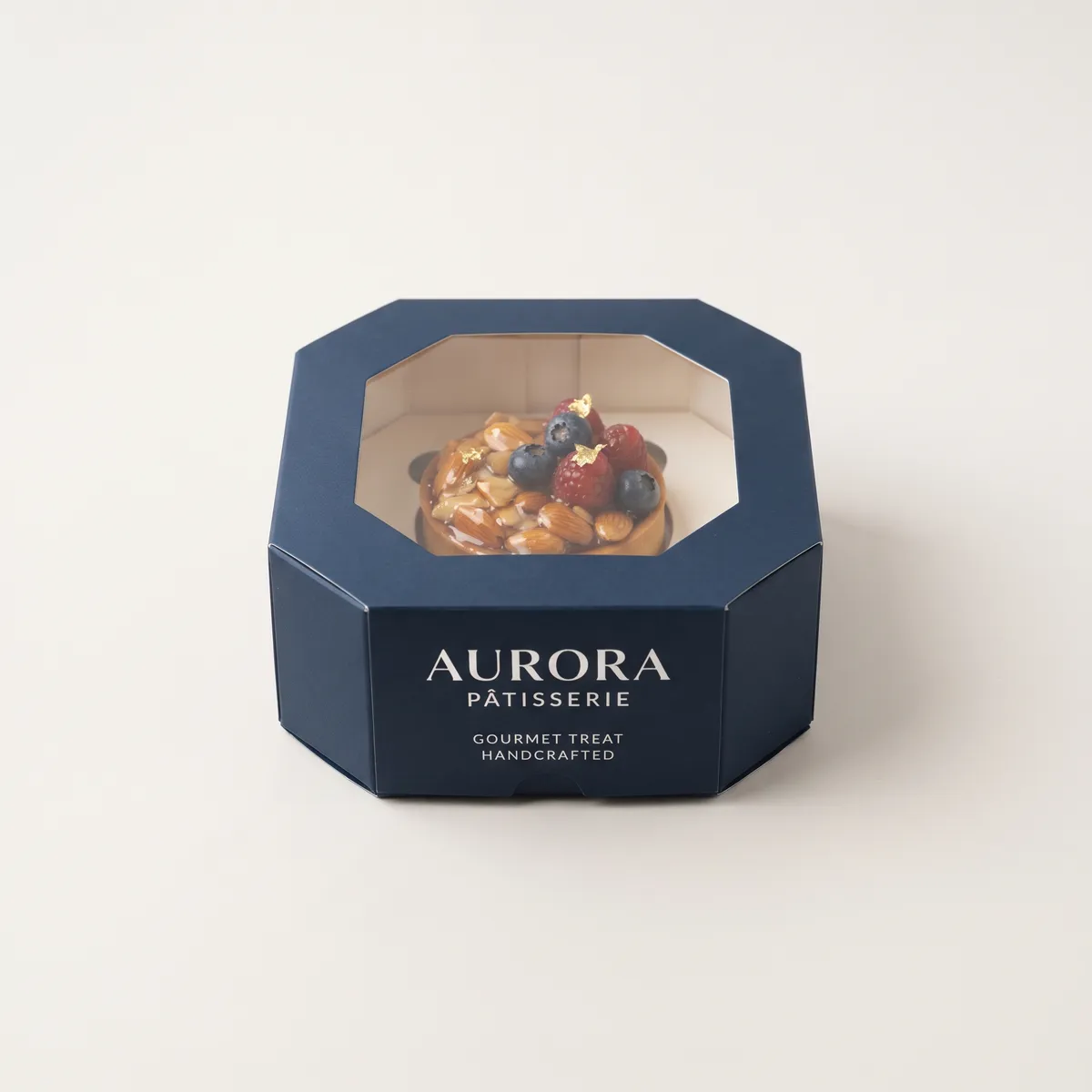
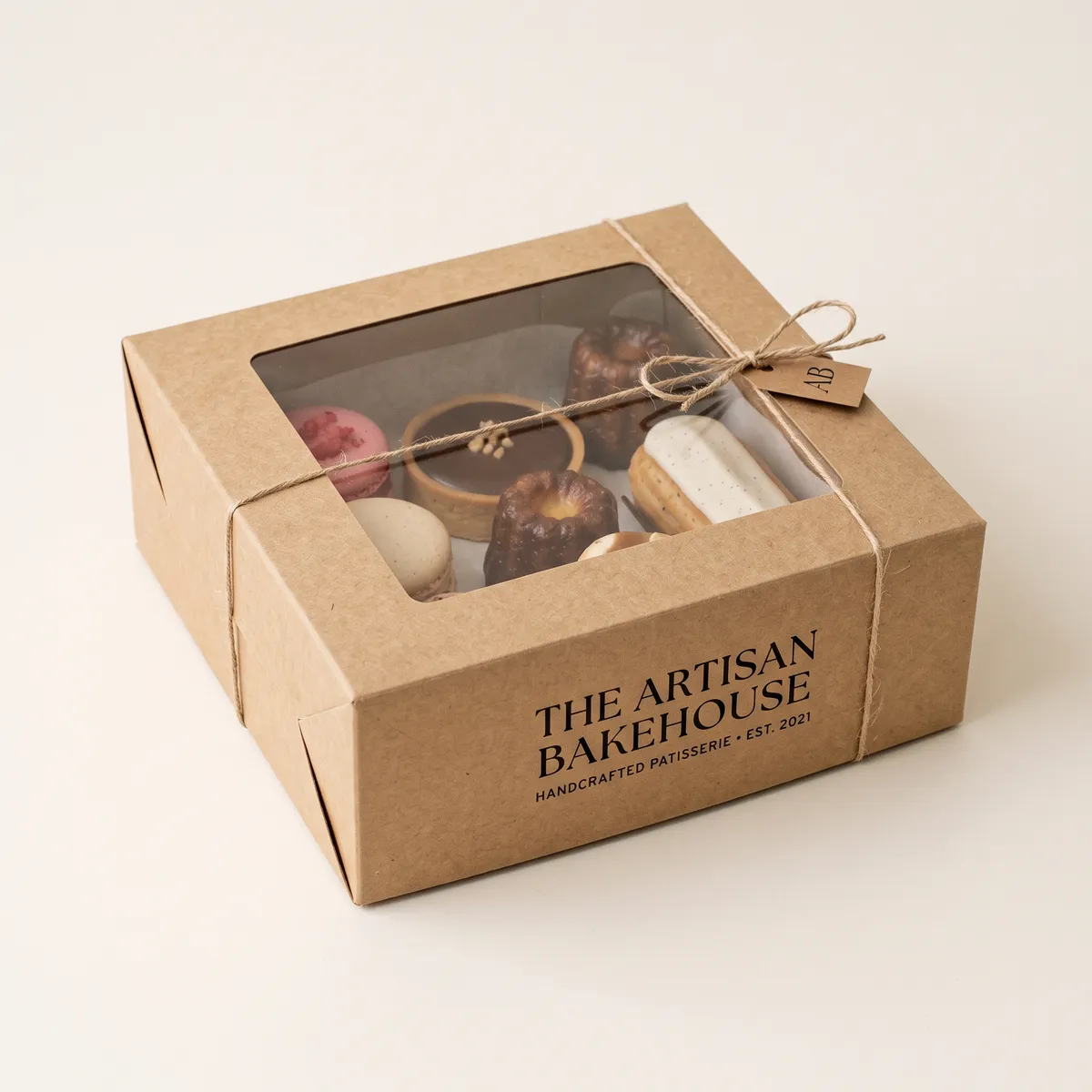
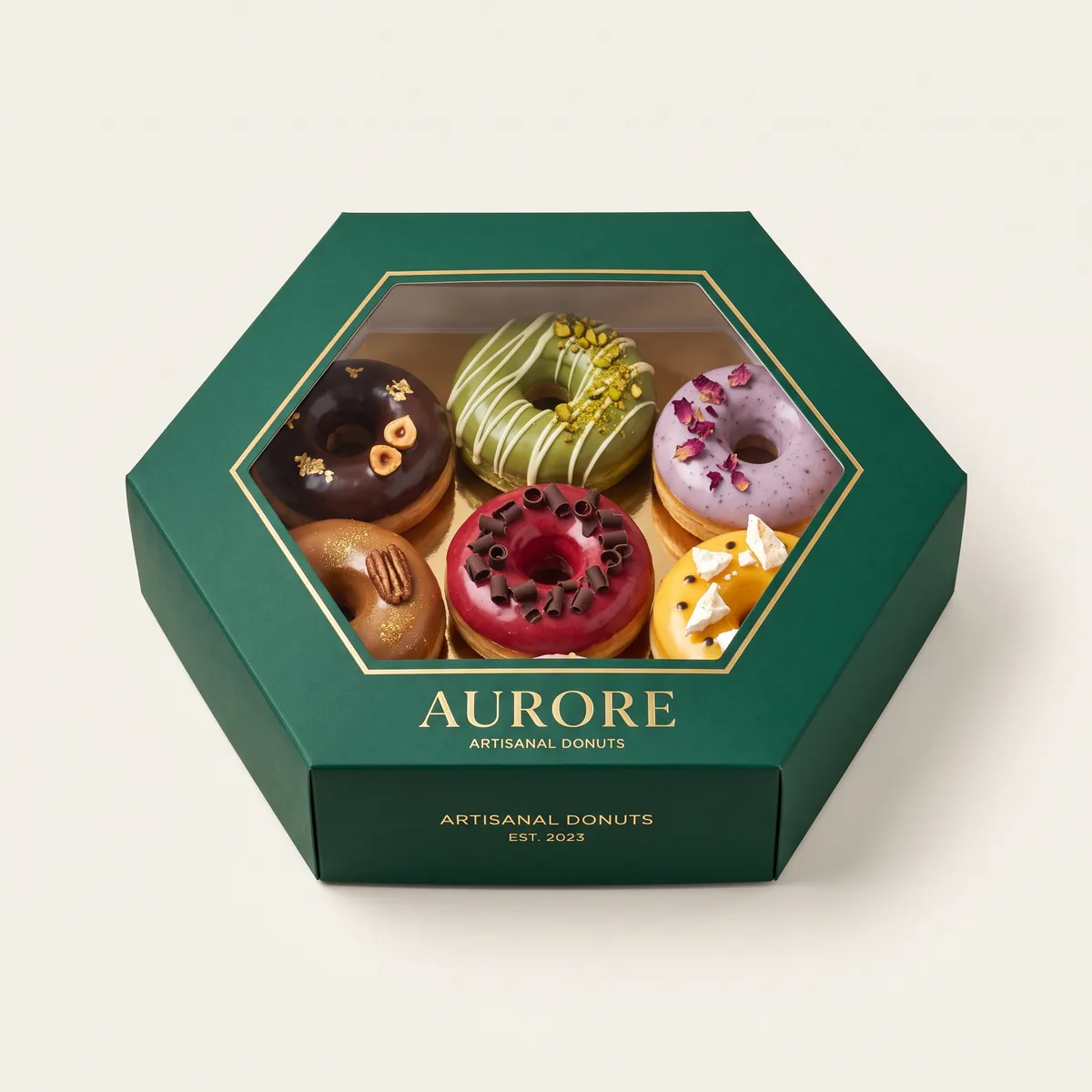
Pastry boxes protect delicate bakes from the lid more than from the box itself, since most crushing happens when the lid presses down. We set the height to your product rather than an industry-standard size, and add a grease-resistant face against butter and glaze. A window helps customers choose from a mixed assortment. Most bakeries order several sizes at once, which shares setup costs.
Ours are on Trustpilot, where we can't edit them or choose which ones you see.
Read them on Trustpilot →(opens in a new tab)Four stages, twelve days
Quote confirmed
A specialist checks your spec against the board and comes back with a firm price inside 4 business hours.
Proof approved
You get a flat dieline and a 3D render. Nothing goes to press until you approve it in writing.
On press
Print, die-cut, glue, and fold. You get a press-side photo the day your job runs.
QC and delivery
Every pallet is sampled against the digital proof or physical sample you approved, then shipped with tracking to your dock or 3PL.
If a box doesn't match the digital proof or physical sample you approved, we reprint the run at no charge.
Read the reprint terms →Know exactly what you're ordering.
Pastry Boxes for Counters Selling Croissants, Danish and Tarts Side by Side
A pastry counter sells shapes that have little in common: a flat tart, a tall brioche, a curled croissant, a slice of strudel. Pastry boxes are the general range that covers them, usually in three or four sizes a bakery reuses all day. The buyers are bakeries, patisseries and cafés with a mixed pastry case, plus caterers boxing assortments for meetings. Variety is the reason to choose this range. If you mostly box one item at a time, the small pastry version fits more closely. If your bakery is built on a natural look, the kraft version goes further on stock. Otherwise, start here and size the range around the tallest and widest things you sell.
Pastry Box Specs: Height, Face Coat and Footprint
Two boards cover the range: food-grade unbleached sheet or coated white board, both with a grease-resistant inside face.
| Attribute | Detail |
|---|---|
| Height | Set to your tallest item so the lid clears |
| Footprint | Cut to fit, from single items to assortments |
| Board | Food-grade, 18–24pt |
| Inside face | Grease-resistant coating |
| Tolerance | Around ±1/16" (1.5mm) |
| Window | Optional, film-backed |
Height is the dimension that most often goes wrong. A box that fits a croissant's footprint but not its height presses on the top layers, which is where laminated pastry is most fragile. Size each box to the tallest thing it will carry, not the most common thing.
Standard, Small or Kraft: Matching the Pastry Box to the Bake
The standard pastry box is the right choice when a counter sells a mix of sizes and the same few boxes have to cover most of them. It's commonly made as an auto-bottom carton that sets up in one push, which matters during a morning rush. The small version earns its place when singles are a large share of sales, since a closer fit stops one pastry sliding around a box meant for four. The kraft version is a stock decision, for bakeries whose brand reads natural and who print in one or two colors. Many bakeries end up with standard boxes for assortments and a small box for singles, which covers nearly every sale on the counter.
Windows and Print for Assorted Pastry Boxes
For assortments, a window usually does more than any print upgrade, because a customer choosing between mixed boxes wants to see what's in them before paying. Logo print on the lid in one or two colors suits most counters, and full color works on coated board when the brand calls for it. Interior print shows when the lid opens. Food-safe inks are used anywhere near product. What we'd steer you away from is gloss lamination on boxes that carry pastries still warm from the oven: the film traps moisture, and the pastry softens on the way home. A matte finish, or none at all, suits warm product better and costs less.
Pastry Boxes for Cafés, Brunch Spots and Catering Trays
Bakeries are the obvious buyer, but cafés move a large share of pastry boxes, selling a croissant or a pair of cinnamon rolls to take away with a drink. Their café pastry cases need two or three box sizes, not ten. Brunch restaurants box take-home pastry orders and leftovers. Caterers fill larger boxes with mixed assortments for office breakfasts and meetings, often a dozen or more pieces at once. Patisseries use them for counter sales of tarts and individual desserts. Farmers market bakers often use a single standard size for everything because it simplifies the stall. Hotels with a lobby café sell boxed pastries to guests checking out early.
Ordering a Full Size Range in One Run
Most counters need several pastry sizes, and ordering them together means one setup and one round of branding proofs across the range. Measure your tallest and widest items, and we'll build each dieline and confirm internal versus external dimensions in writing. Folding pastry boxes take 8–12 business days from proof approval. They're single-use food packaging; for a gift assortment customers will keep, we'd quote a rigid build instead, and rigid takes 20 business days. Rush is available on either at an extra cost quoted first. The minimum is 100 boxes, design help is free and unlimited, shipping is included, and each box passes a three-stage check before dispatch.
One connected process, start to finish.
Structural Design
Dieline drafted to your exact fit and freight tolerances.
Proof & Sample
Sign off on a digital proof, or request a physical sample.
Tooling
Dies and plates are cut for your job and archived on file.
Production
Print, die-cut, and assembly run under in-line quality checks.
Ship & Reorder
Freight goes out, and the cycle resets for your next run.
Steady process. Powerful results.
Like everything we build, our process is engineered to hold up — no shortcuts, no surprises. Five dependable stages that run the same way every single time, so reorders are just as fast as the first order.
- One dedicated teamFrom first sketch to final freight, the same people carry your order start to finish.
- Dies archived on fileReorders skip tooling and re-setup entirely — we already have your exact spec.
- Checked against your sign-offEvery run is inspected against the digital proof or physical sample you approved.
Set up your file once, correctly
Nine in ten delayed jobs are delayed by artwork, not production. Match these four rules and your proof lands the next morning.
- Bleed1/8 in (3 mm) past every cut line
- Safe ZoneKeep text 1/4 in clear of every crease
- ColourCMYK or named Pantone. No RGB.
- Resolution300 dpi at final size, fonts outlined
No print-ready file?
Send a logo and a rough idea. Our studio builds the production file free with any order over 500 units — you keep the source file either way.
Ask the StudioBackground art must run all the way to the outer bleed edge. Anything inside the white dashed line survives fold tolerance.
What brands say about this box
They live there rather than here, where we can't edit them, delete them, or pick which ones you get to see. That is exactly what makes them worth reading.
Read all reviews on Trustpilot(opens in a new tab)Answers before you have to ask.
Will pastries arrive without crushing?
They will if the box is sized right and the lid clears the product. Most crushing happens because the lid presses down, not because the box is weak. We size the height to the product rather than to a standard.
Can pastry boxes have a window?
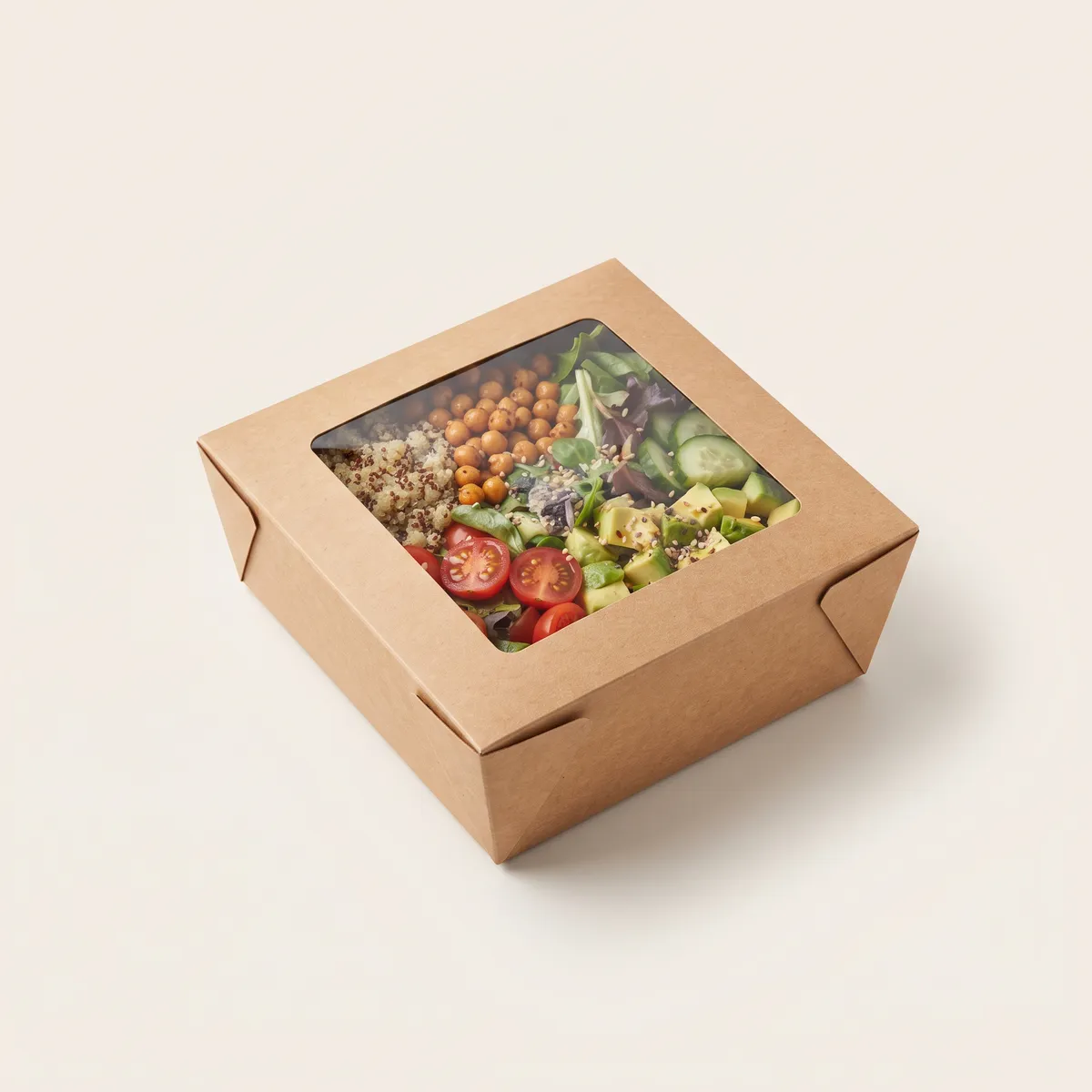
Yes. A window helps most where customers choose from a mixed assortment, since seeing the selection sells better than a printed description of it.
Are pastry boxes reusable?
Not typically, and they're not designed to be. They're food-contact packaging intended for single use. If you want something customers keep, a rigid build is the honest answer rather than a heavier folding box.
What's the lead time on pastry boxes?
Usually 8–12 business days from proof approval, whatever size you're running. Rush production is available at a premium stated before you order.
Can I order several pastry sizes at once?
Yes, and most bakeries need several. Running them together shares setup and keeps your branding consistent from a single danish box up to a large assortment.