
Small Pastry Boxes
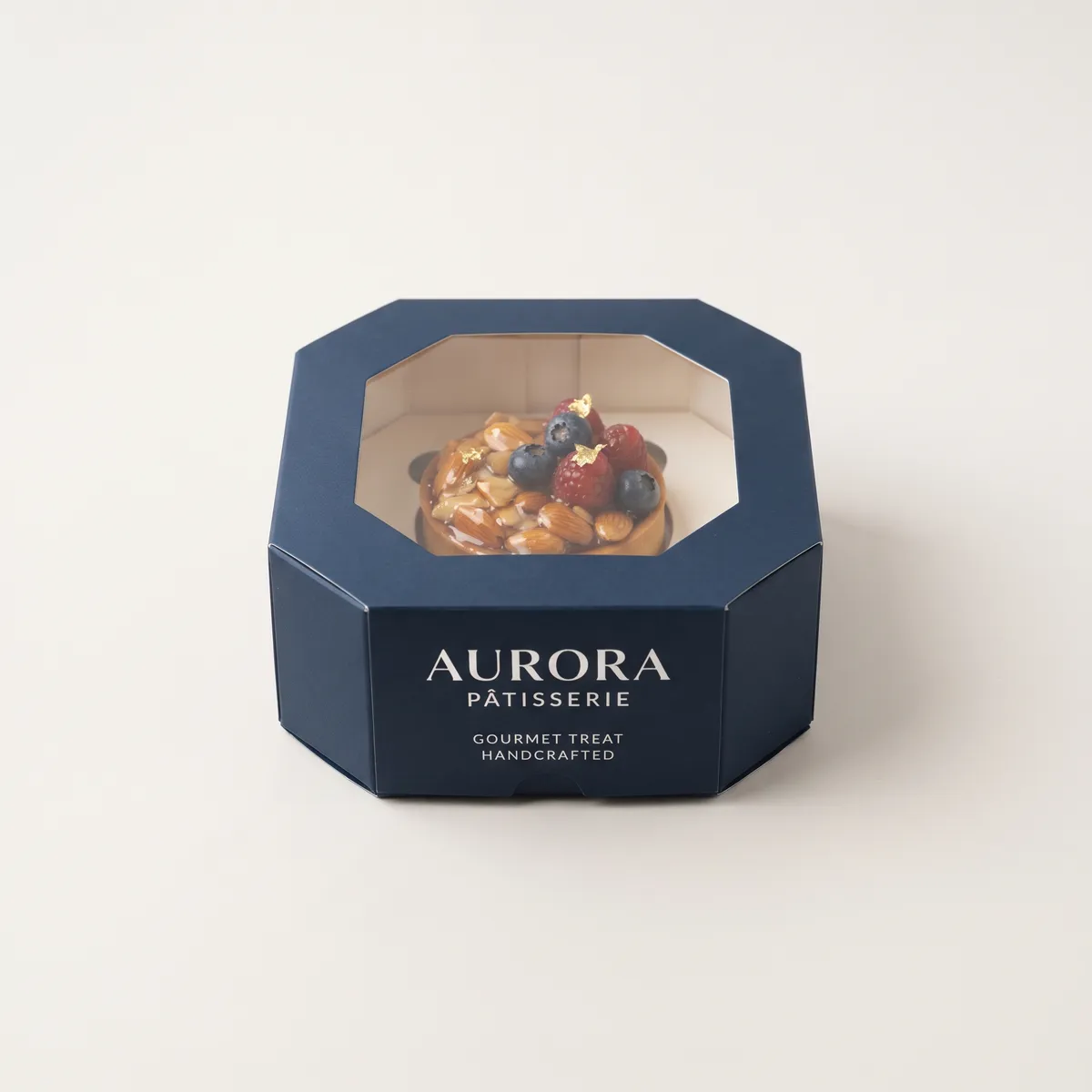
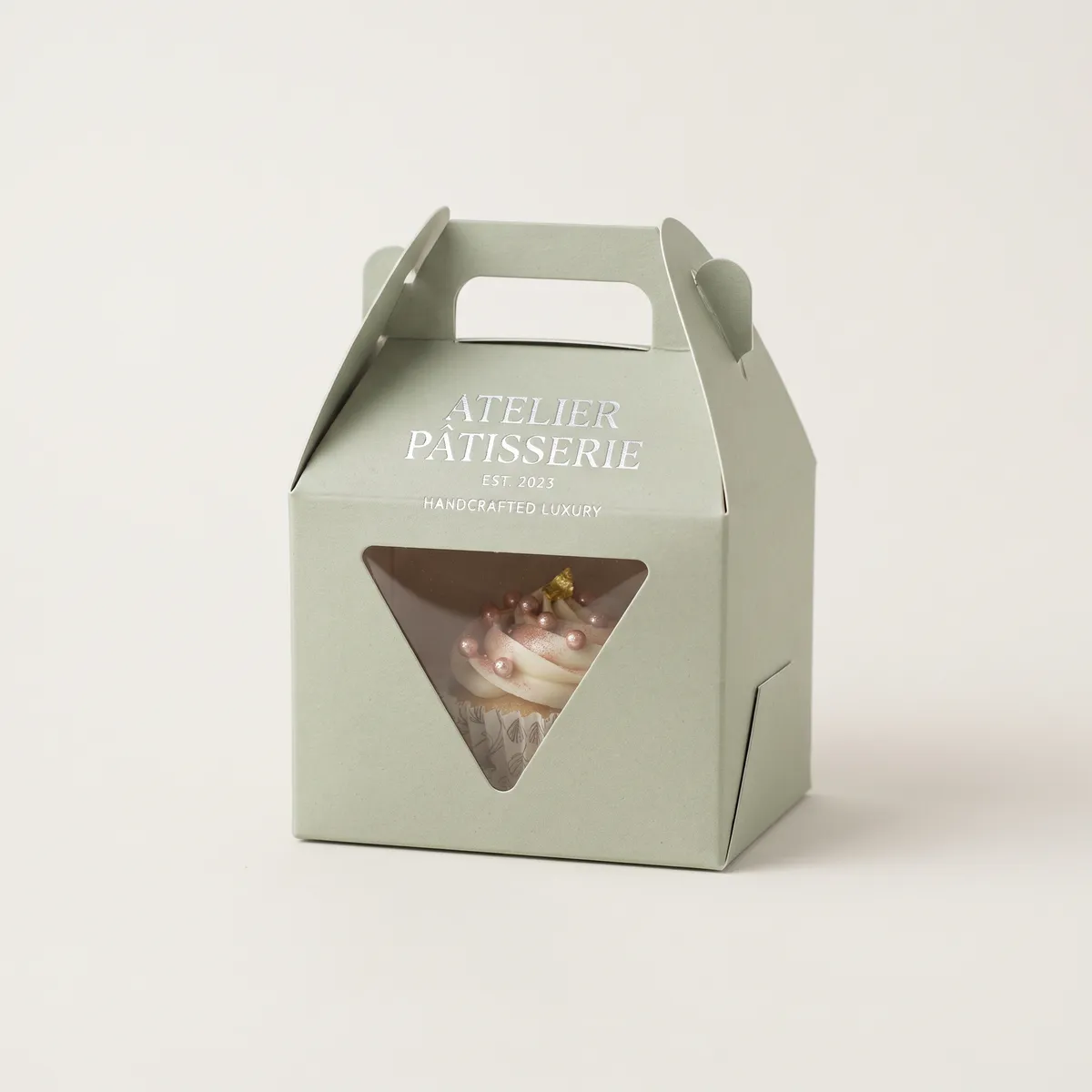
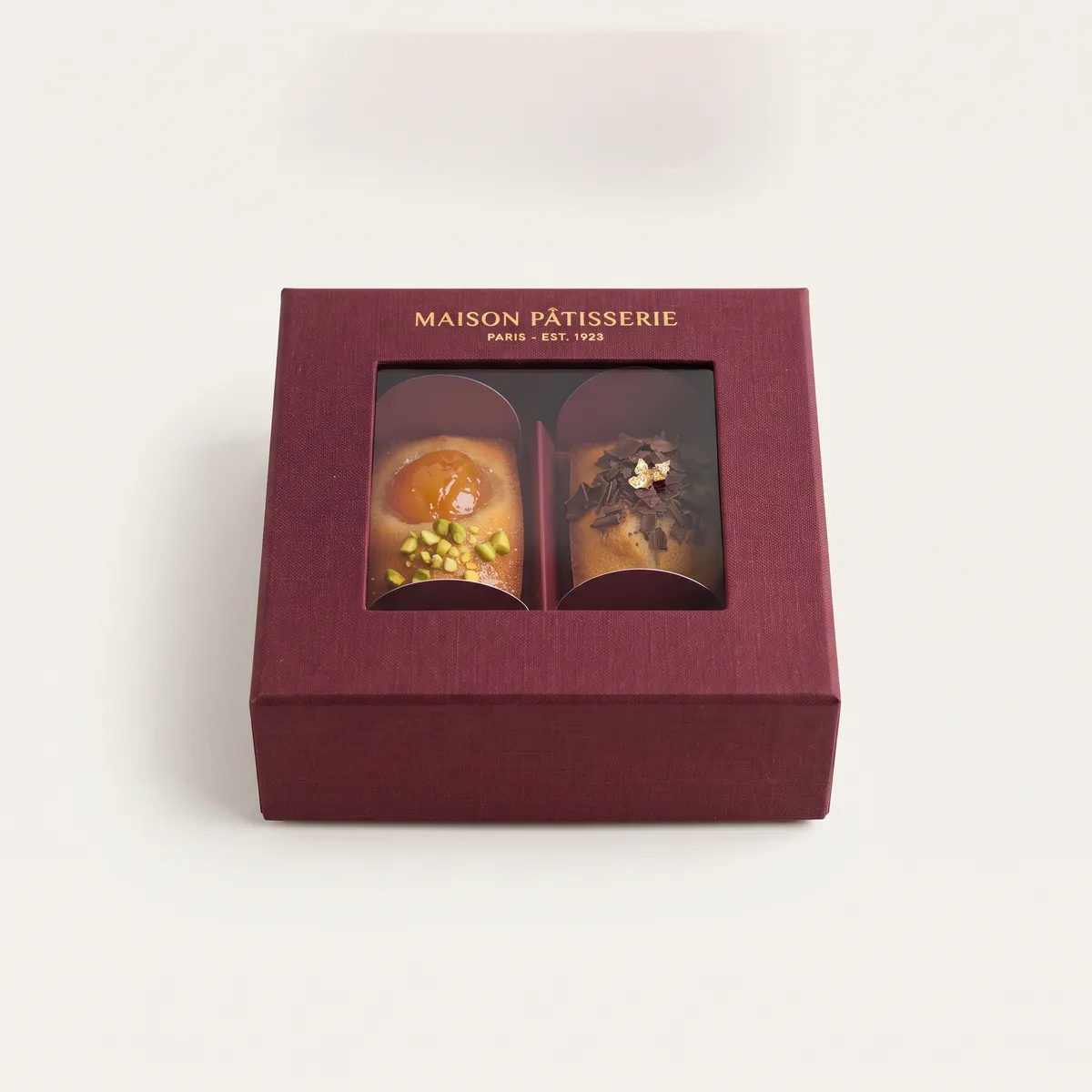
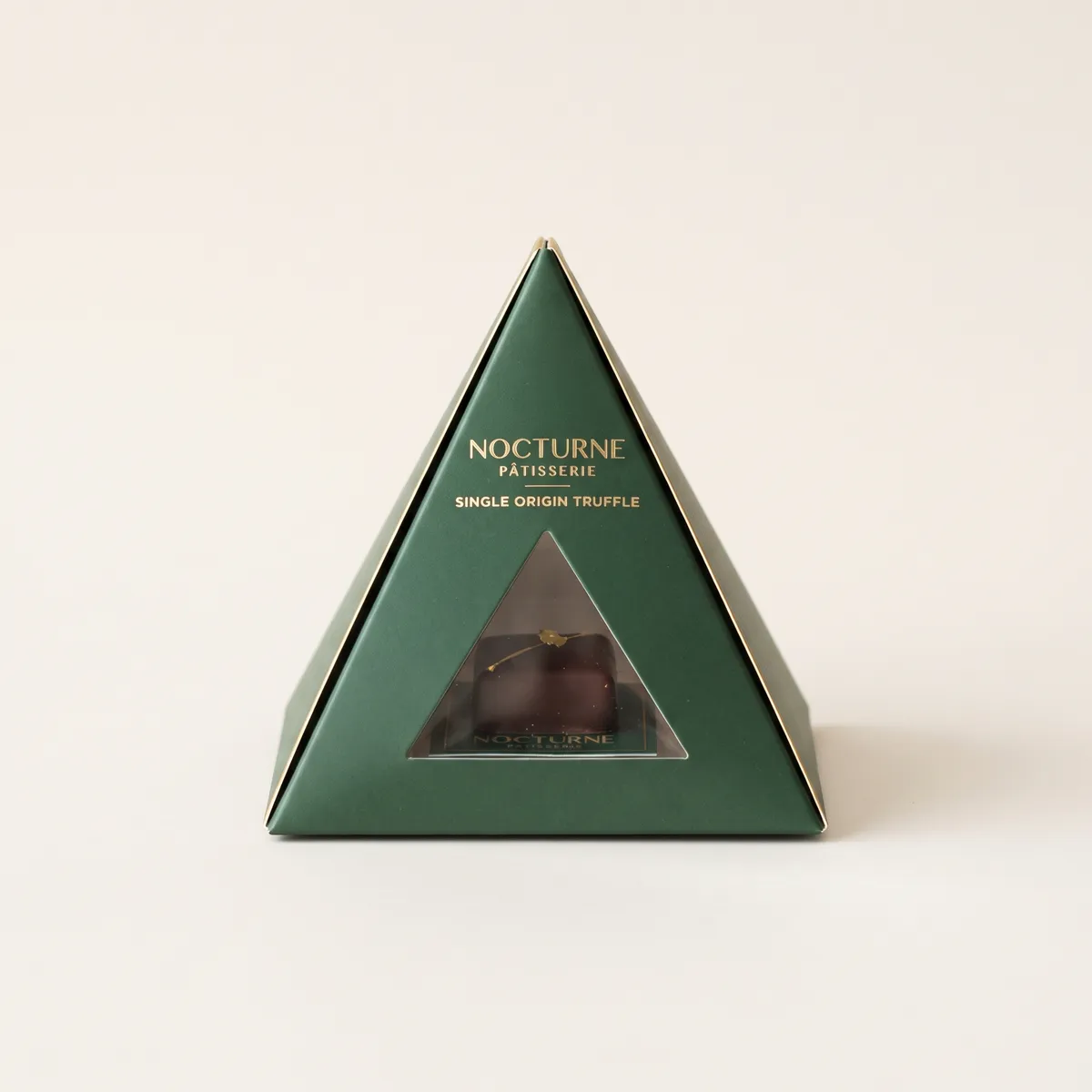
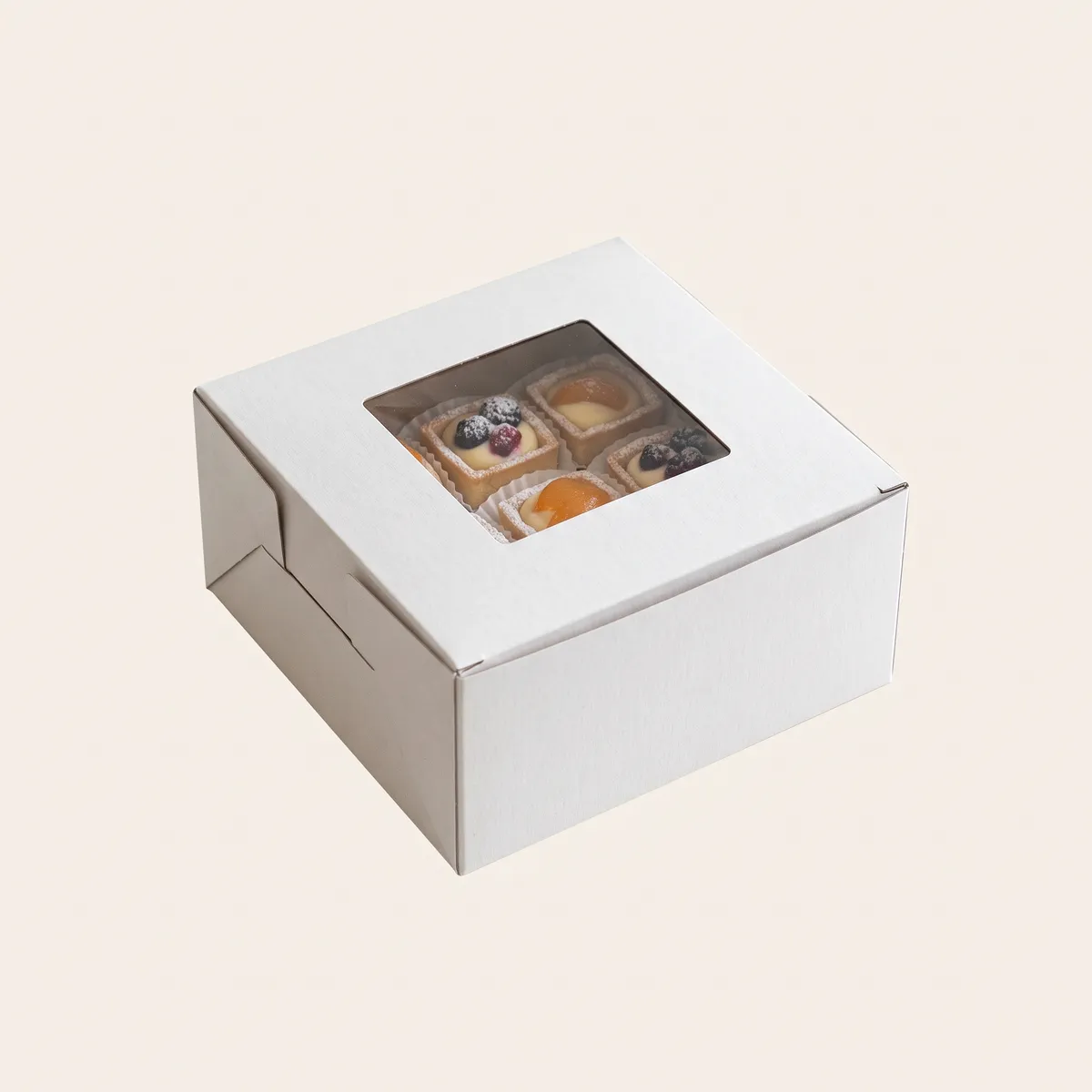
Small pastry boxes hold a single pastry or a two-piece serving without room to slide, cut to the item, since a danish and a croissant need different footprints despite similar weight. The printable area is limited, so a bold one- or two-color logo works better than detailed, intricate artwork. Small formats are the cheapest way to trial a new design before rolling it out.
Ours are on Trustpilot, where we can't edit them or choose which ones you see.
Read them on Trustpilot →(opens in a new tab)Four stages, twelve days
Quote confirmed
A specialist checks your spec against the board and comes back with a firm price inside 4 business hours.
Proof approved
You get a flat dieline and a 3D render. Nothing goes to press until you approve it in writing.
On press
Print, die-cut, glue, and fold. You get a press-side photo the day your job runs.
QC and delivery
Every pallet is sampled against the digital proof or physical sample you approved, then shipped with tracking to your dock or 3PL.
If a box doesn't match the digital proof or physical sample you approved, we reprint the run at no charge.
Read the reprint terms →Know exactly what you're ordering.
Small Pastry Boxes for One Pastry or Two
Plenty of pastries leave the counter one at a time. Put a single croissant in a standard pastry box and it ends up at one end of it by the time the customer reaches the door. Small pastry boxes are for that sale: one item, or two, held close. The buyers are cafés selling a pastry with a coffee, bakeries where single sales make up much of the day, and patisseries that box individual desserts. A small box uses less board than a large one, though it doesn't cost as much less as the size suggests, and that's worth knowing before you plan a whole range around the small format.
Small Pastry Box Specs Cut to a Single Item
Small boxes are usually made from single-serve kraft stock or coated board, cut to the item rather than a stock size.
| Attribute | Detail |
|---|---|
| Capacity | One pastry or a two-piece serving |
| Footprint | Cut to your specific item |
| Board | Food-grade, 18–24pt |
| Inside face | Grease-resistant coating |
| Tolerance | Around ±1/16" (1.5mm) |
| Print area | Limited; simple artwork works best |
A round danish and a long croissant weigh about the same but need different boxes, so tell us which items go in each size. If two items share a box, measure them side by side as they'd actually be packed.
Why a Close Fit Beats a Bigger Box for Singles
A single pastry in an oversized box shifts with every step, and a flaky one sheds layers each time it hits a wall. A box cut close to the item holds it still, so it arrives looking the way it did in the case. A close fit also uses less board and takes less room on the shelf behind the counter. The trade-off is flexibility: a box cut for a croissant won't take a tall muffin or a wide tart, so most counters keep one small size beside a standard box for everything else. These are commonly made as a compact tuck-end carton, which folds flat for storage and closes quickly with one hand.
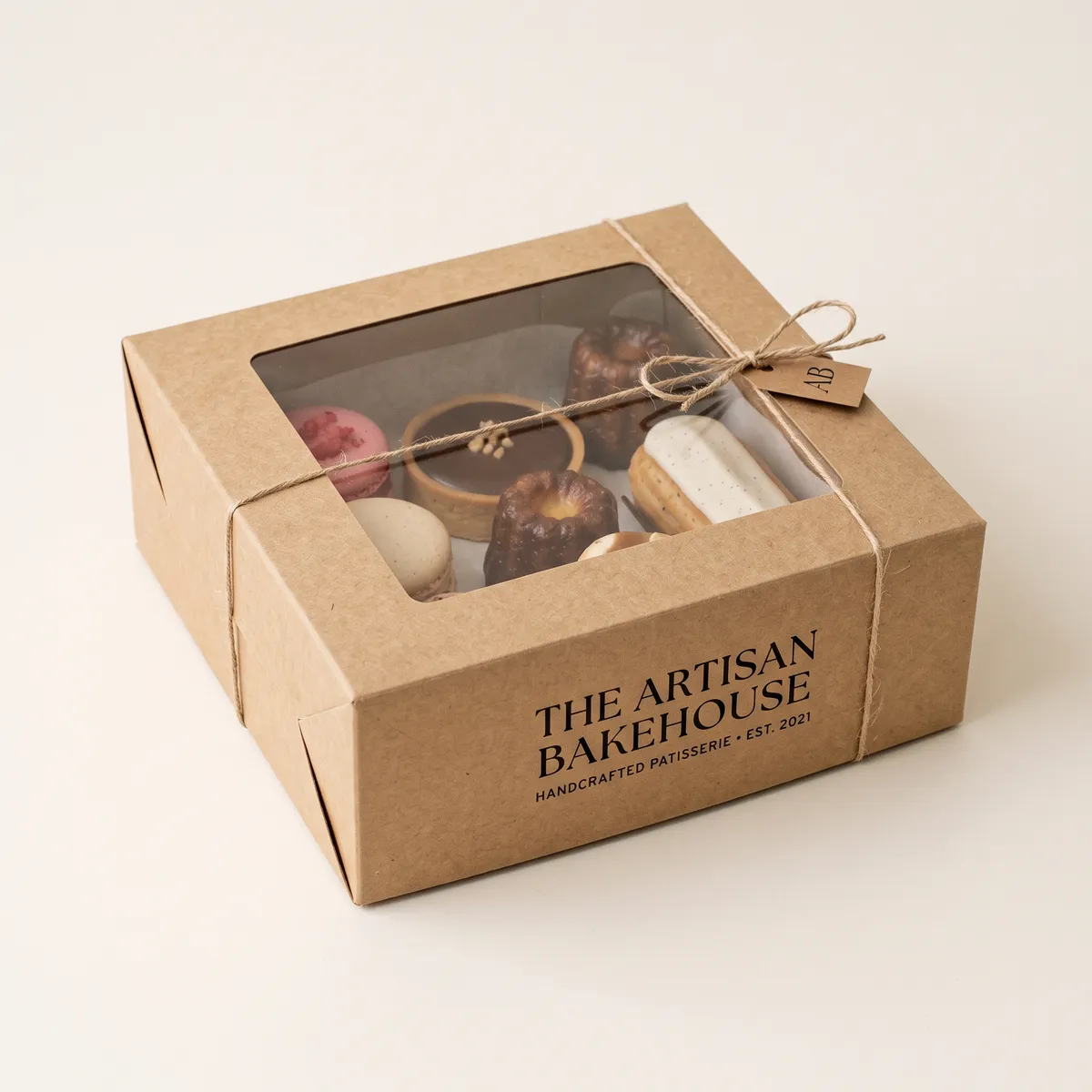
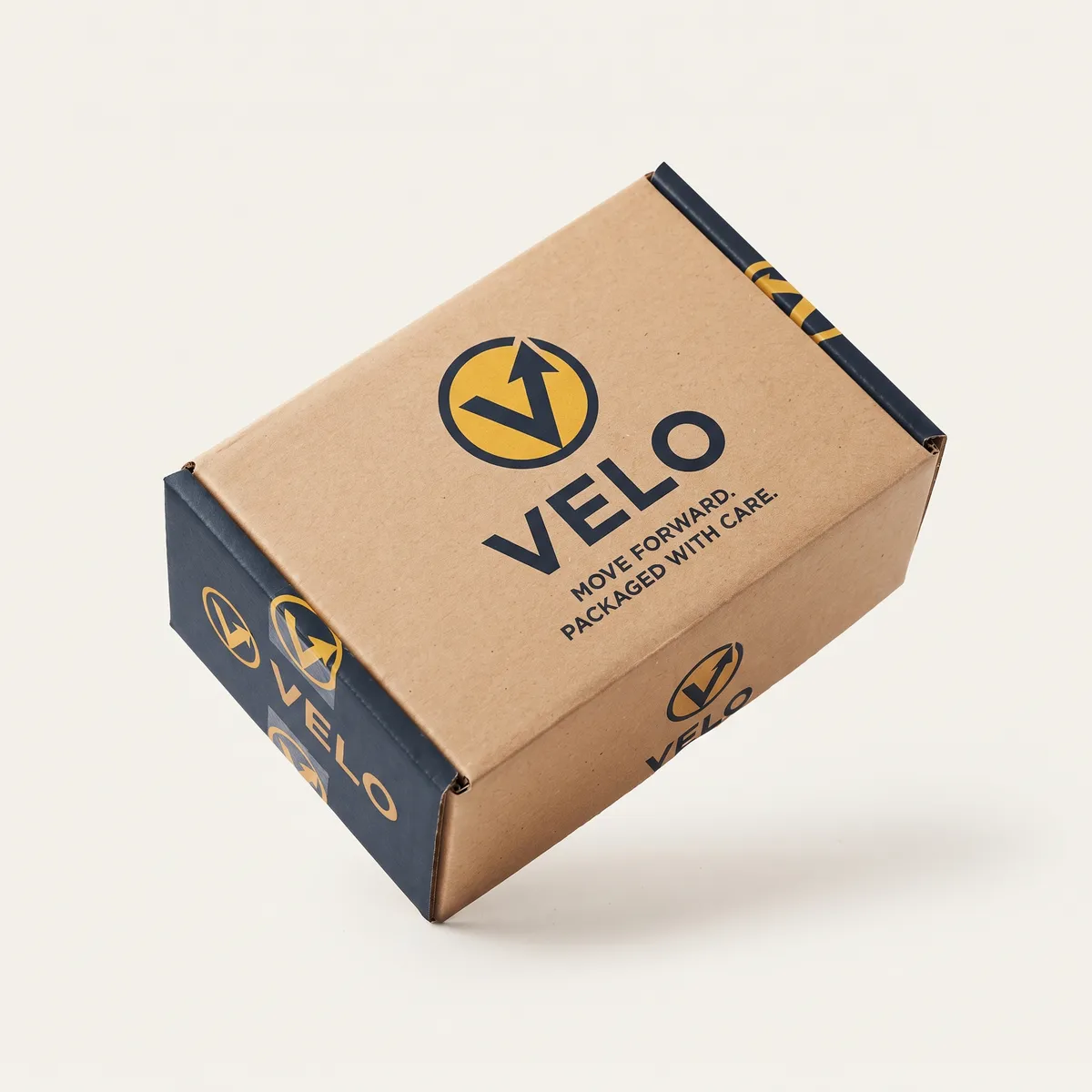
One Logo, One or Two Inks on a Small Pastry Box
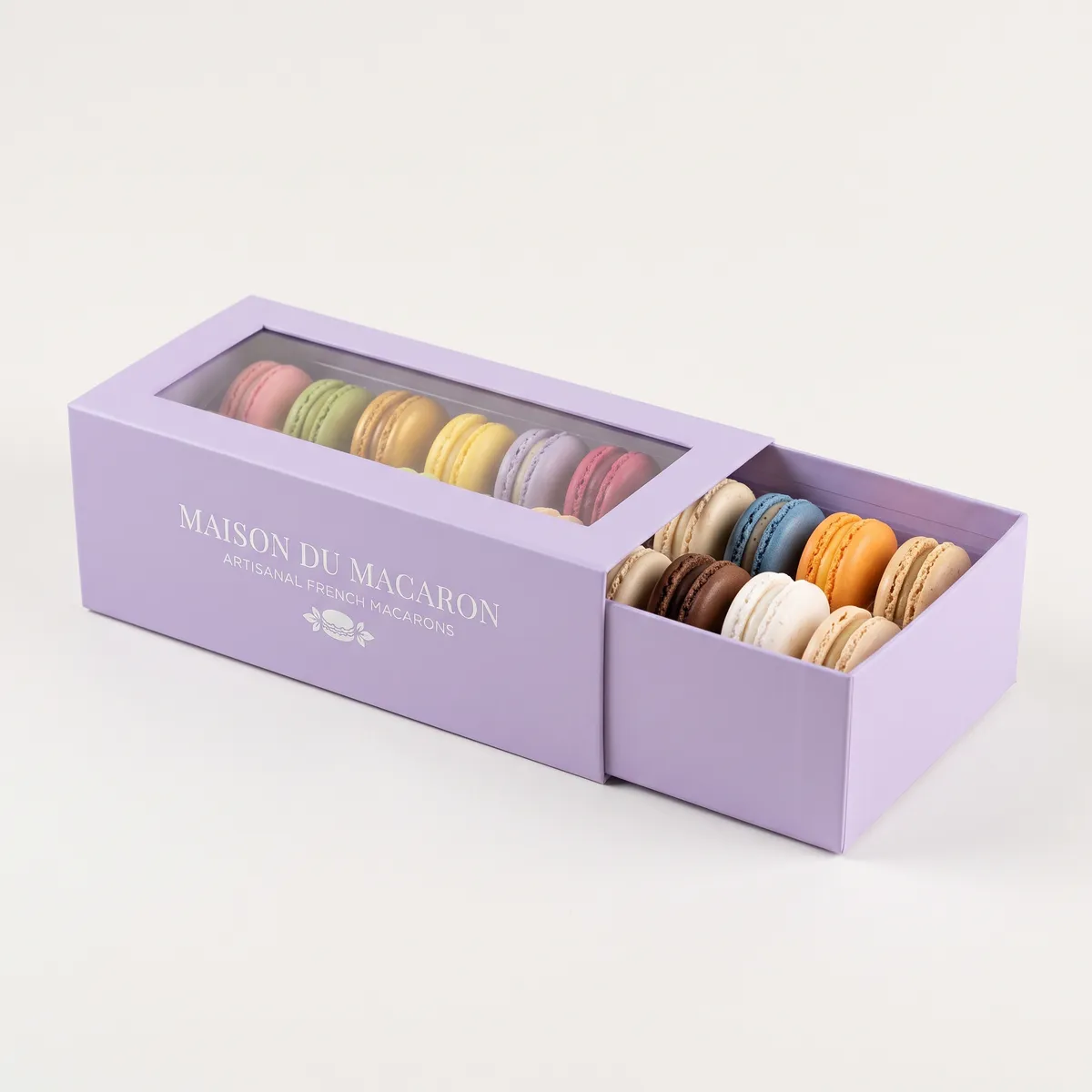
A small box gives you a small canvas, so the print choices come down to what reads at arm's length. A single logo on the lid in one or two colors does more than anything else. On kraft, one dark ink looks deliberate and keeps the price down. Full color is available on coated board but adds less here than on a larger box, simply because there's little space to use it. Side panels can carry a web address or social handle. A window is possible, though it takes a large share of the lid. Detailed illustrations and long taglines blur at this size, so keep those for your larger boxes.
Small Pastry Boxes for Coffee-Counter Add-On Sales
The add-on sale is where small boxes earn their keep. A customer buying a drink adds a pastry, and coffee shops selling a pastry with the cup need a box that's quick to fill and easy to carry in one hand. Bakeries use small boxes for single items so a standard box isn't wasted on one croissant. Patisseries box individual tarts and éclairs in them. Hotels and offices order small boxes for breakfast service and meeting trays. Market sellers use them for a sample piece offered to new customers. Caterers use them for individual portions at events, where each guest picks up their own box on the way out.
Why Small Formats Are the Cheapest Place to Trial a Design
A new logo or color scheme costs least to test on your smallest box. Order the 100-box minimum, put the design on the counter for a few weeks, and watch how customers react before committing your larger sizes to it. If it works, the same artwork carries across the range on the next order; if it doesn't, you've changed one box rather than four. Design help is unlimited and free throughout. Production takes 8–12 business days from proof approval, and rush is available at an added cost stated upfront. Shipping is included in the price, and every box passes a three-stage check before dispatch.
One connected process, start to finish.
Structural Design
Dieline drafted to your exact fit and freight tolerances.
Proof & Sample
Sign off on a digital proof, or request a physical sample.
Tooling
Dies and plates are cut for your job and archived on file.
Production
Print, die-cut, and assembly run under in-line quality checks.
Ship & Reorder
Freight goes out, and the cycle resets for your next run.
Steady process. Powerful results.
Like everything we build, our process is engineered to hold up — no shortcuts, no surprises. Five dependable stages that run the same way every single time, so reorders are just as fast as the first order.
- One dedicated teamFrom first sketch to final freight, the same people carry your order start to finish.
- Dies archived on fileReorders skip tooling and re-setup entirely — we already have your exact spec.
- Checked against your sign-offEvery run is inspected against the digital proof or physical sample you approved.
Set up your file once, correctly
Nine in ten delayed jobs are delayed by artwork, not production. Match these four rules and your proof lands the next morning.
- Bleed1/8 in (3 mm) past every cut line
- Safe ZoneKeep text 1/4 in clear of every crease
- ColourCMYK or named Pantone. No RGB.
- Resolution300 dpi at final size, fonts outlined
No print-ready file?
Send a logo and a rough idea. Our studio builds the production file free with any order over 500 units — you keep the source file either way.
Ask the StudioBackground art must run all the way to the outer bleed edge. Anything inside the white dashed line survives fold tolerance.
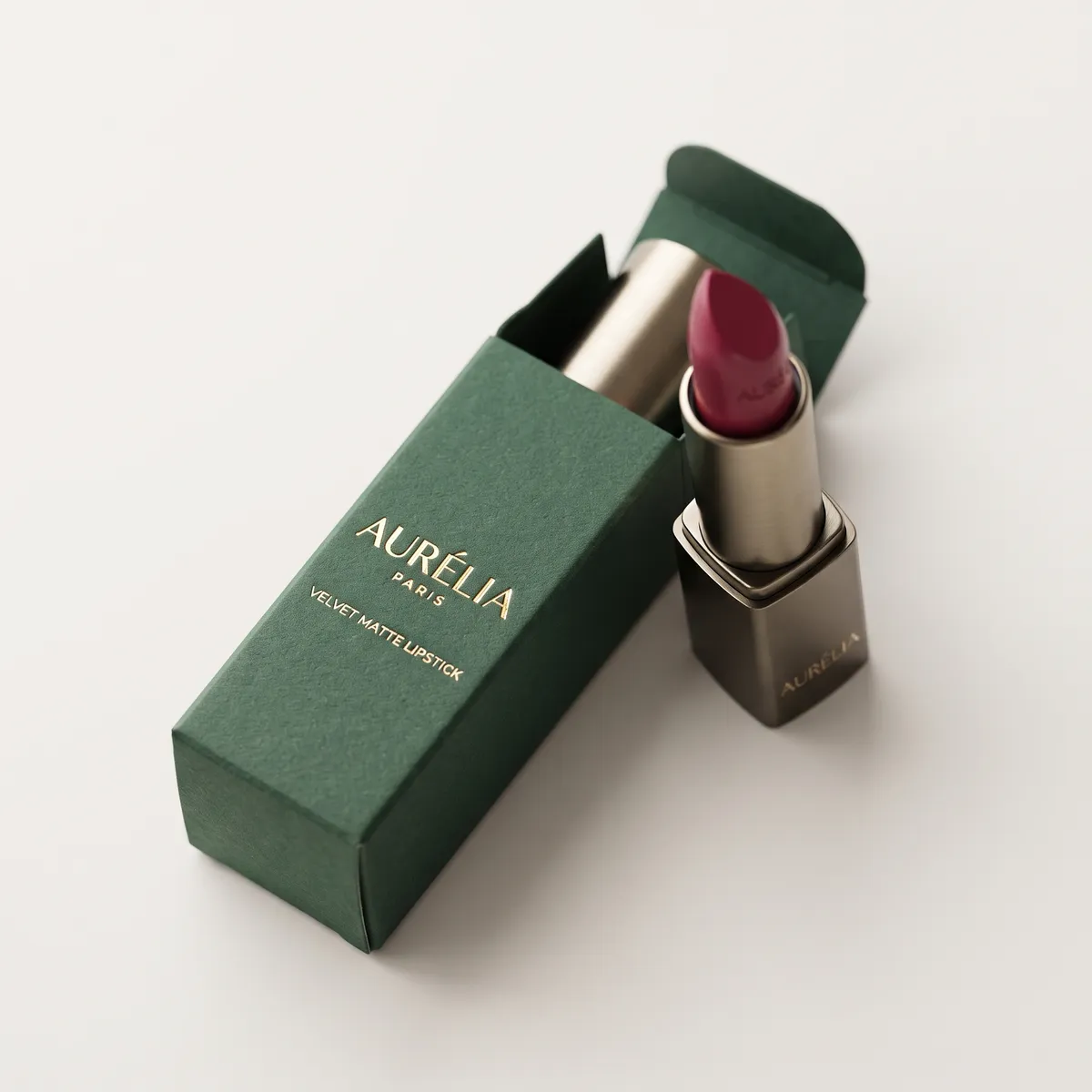
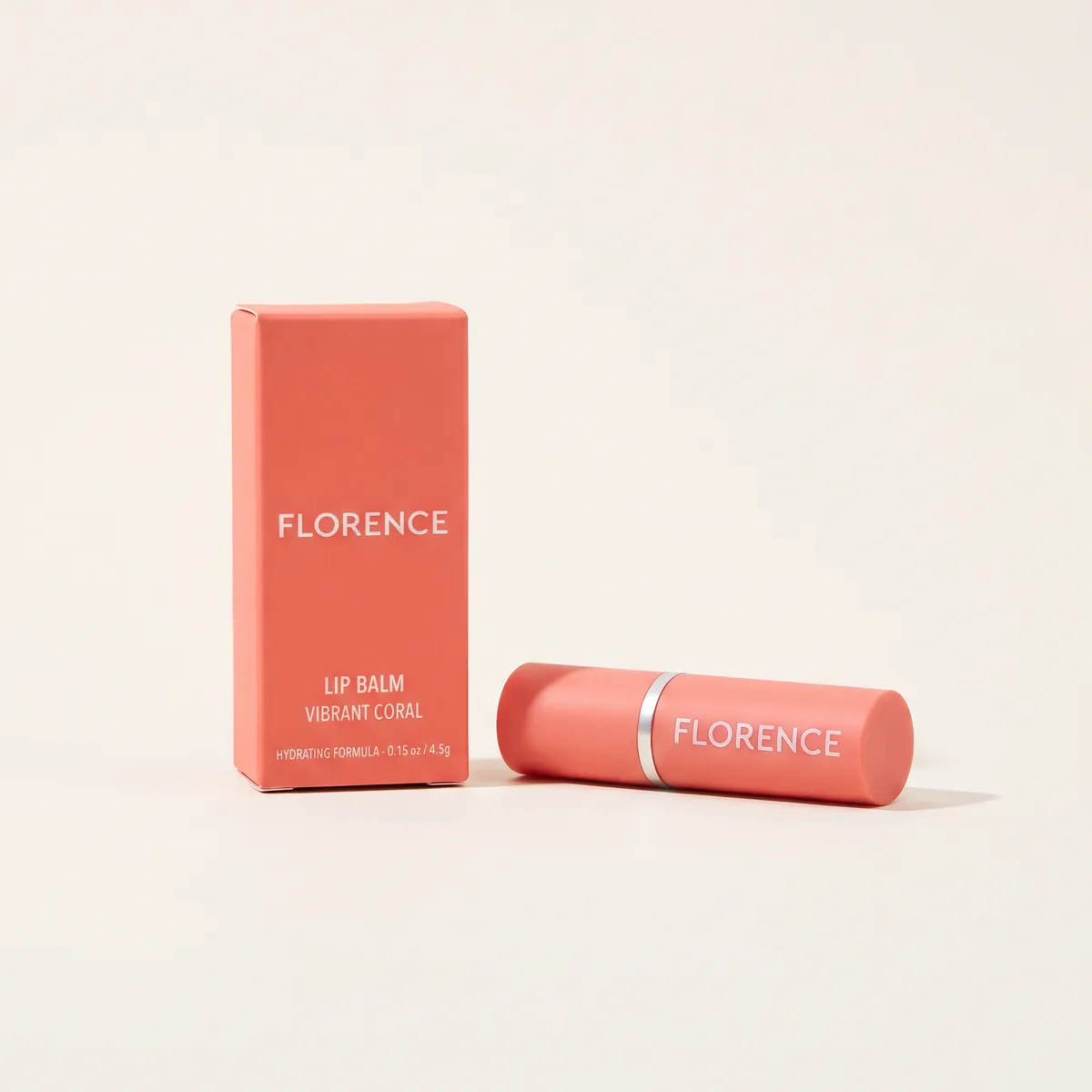
What brands say about this box
They live there rather than here, where we can't edit them, delete them, or pick which ones you get to see. That is exactly what makes them worth reading.
Read all reviews on Trustpilot(opens in a new tab)Answers before you have to ask.
What size suits a single pastry?
One that holds the item without room to slide — usually cut to the specific pastry rather than a stock size. A single danish and a single croissant need quite different footprints despite similar weight.
Can small pastry boxes be branded?
Yes. Small boxes have less printable area, so simple bold branding works better than detailed artwork. A one or two-color logo on kraft is a common and cost-effective approach at this size.
Are small boxes proportionally cheaper?
Somewhat, though not proportionally. A lot of cost sits in setup and tooling rather than material, so a box half the size isn't half the price. The saving is real but smaller than the dimensions suggest.
How long do small pastry boxes take?
Around 8–12 business days once the proof is approved, often at the faster end given the size. Rush is available at an added cost quoted upfront.
What's the minimum on small pastry boxes?
100 boxes. Small formats are the cheapest per unit to trial, which makes them a sensible place to test a new design before applying it across your range.