
Individual Cupcake Boxes
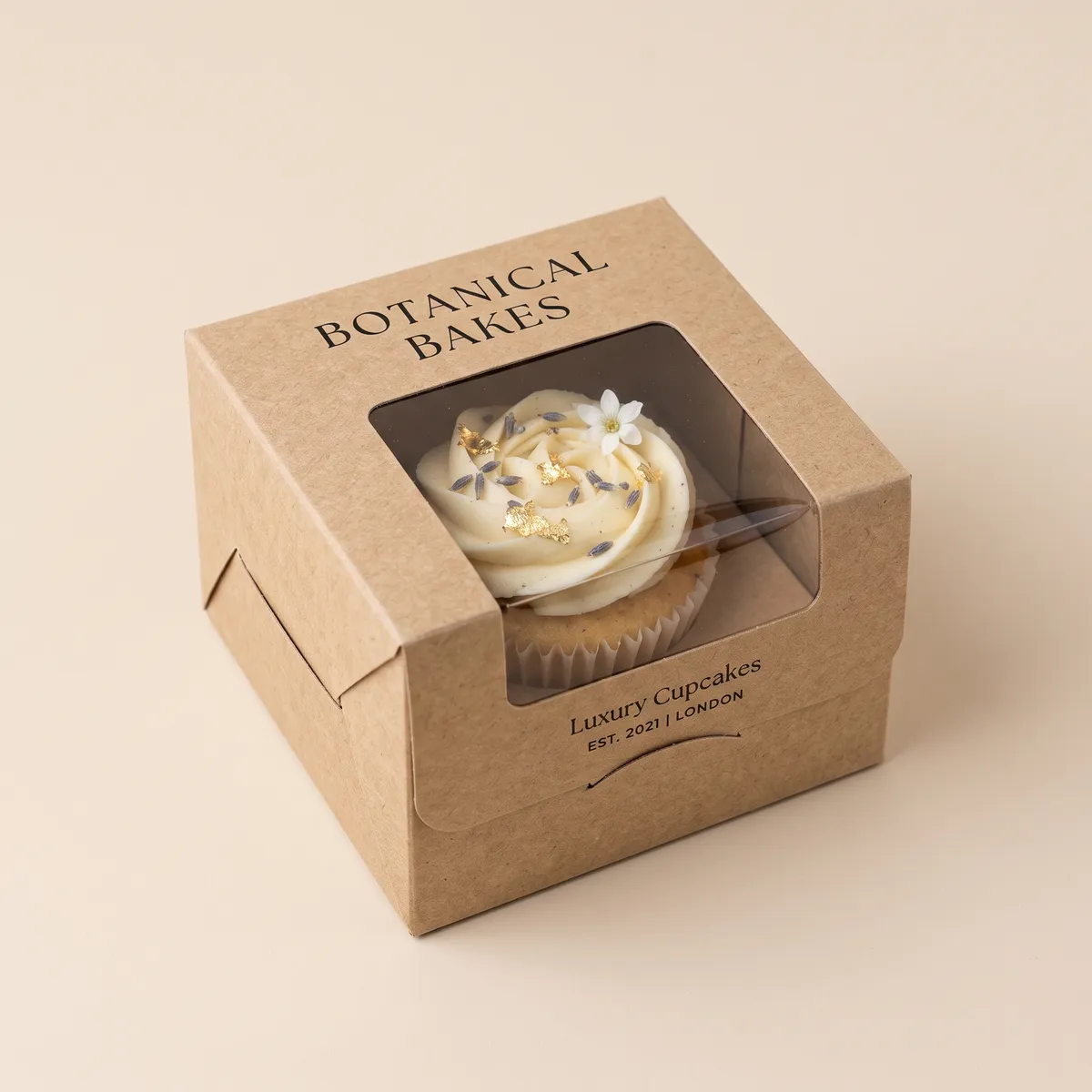
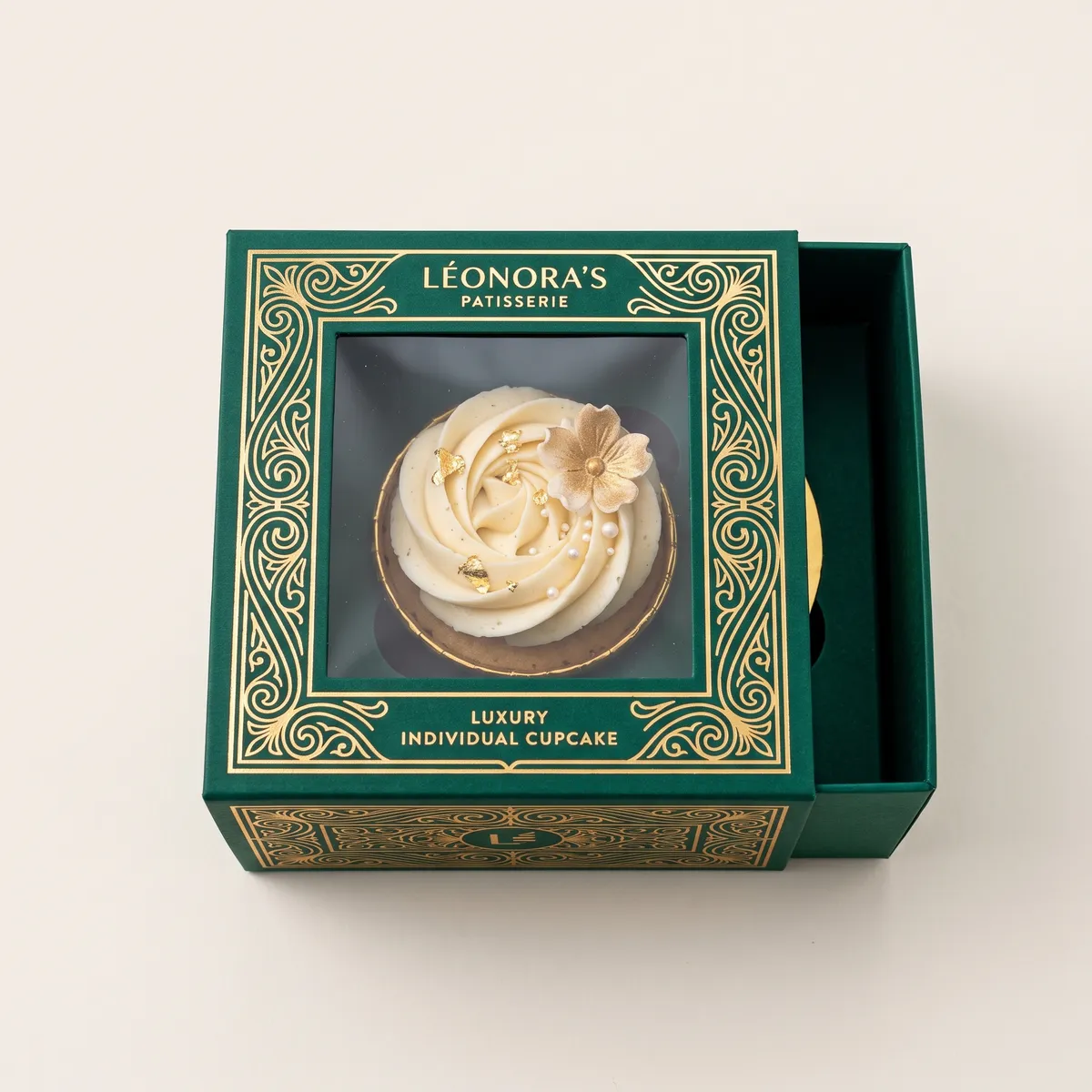
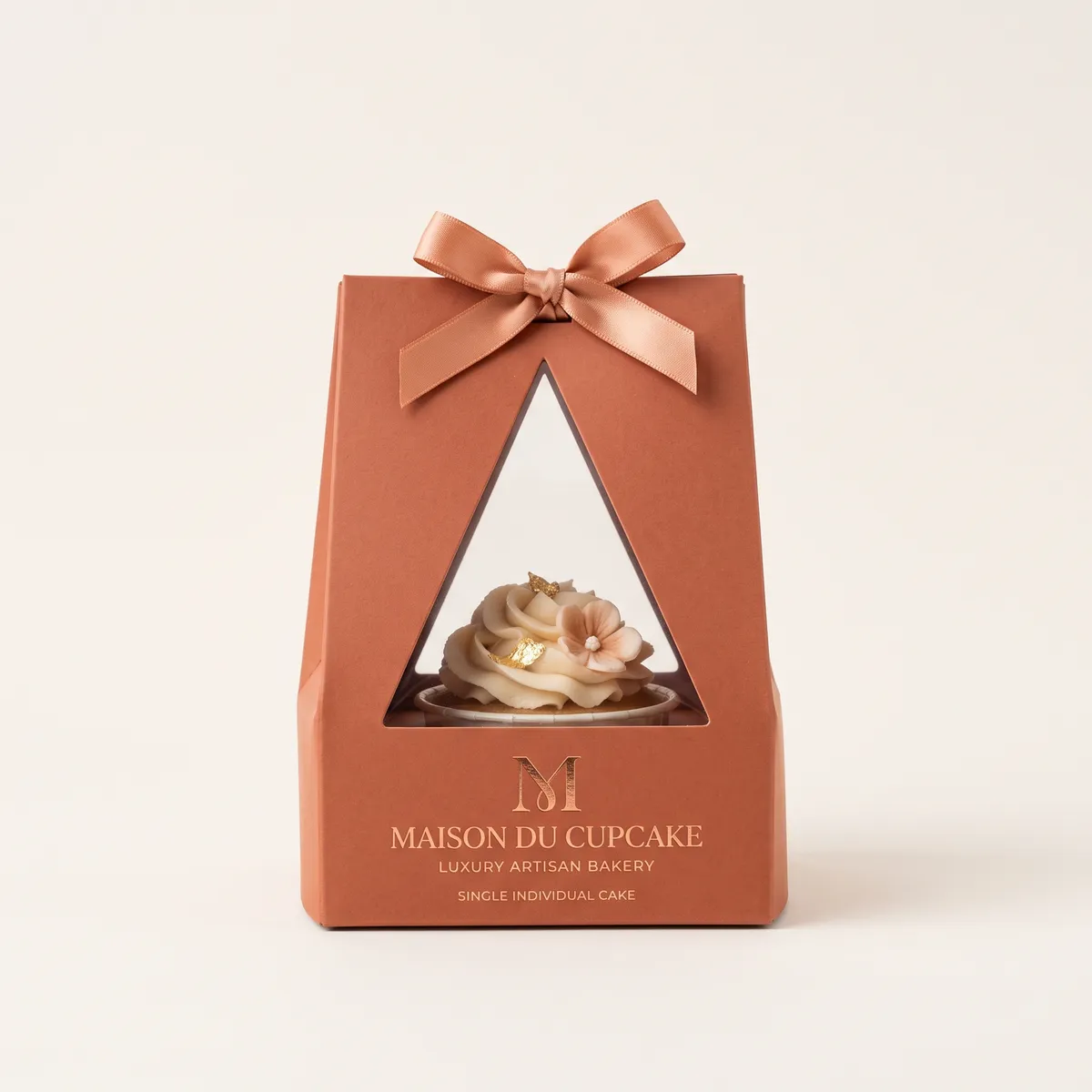
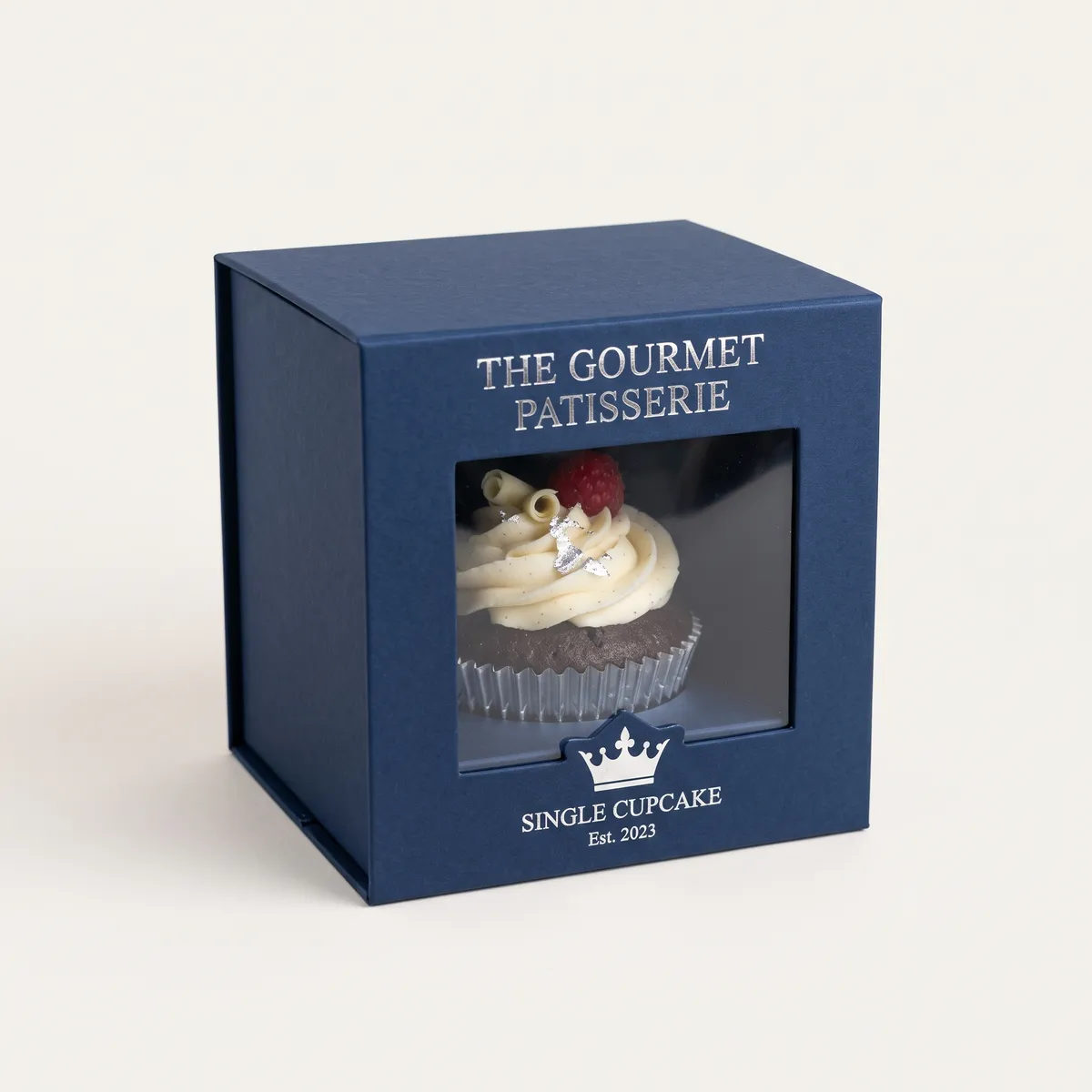
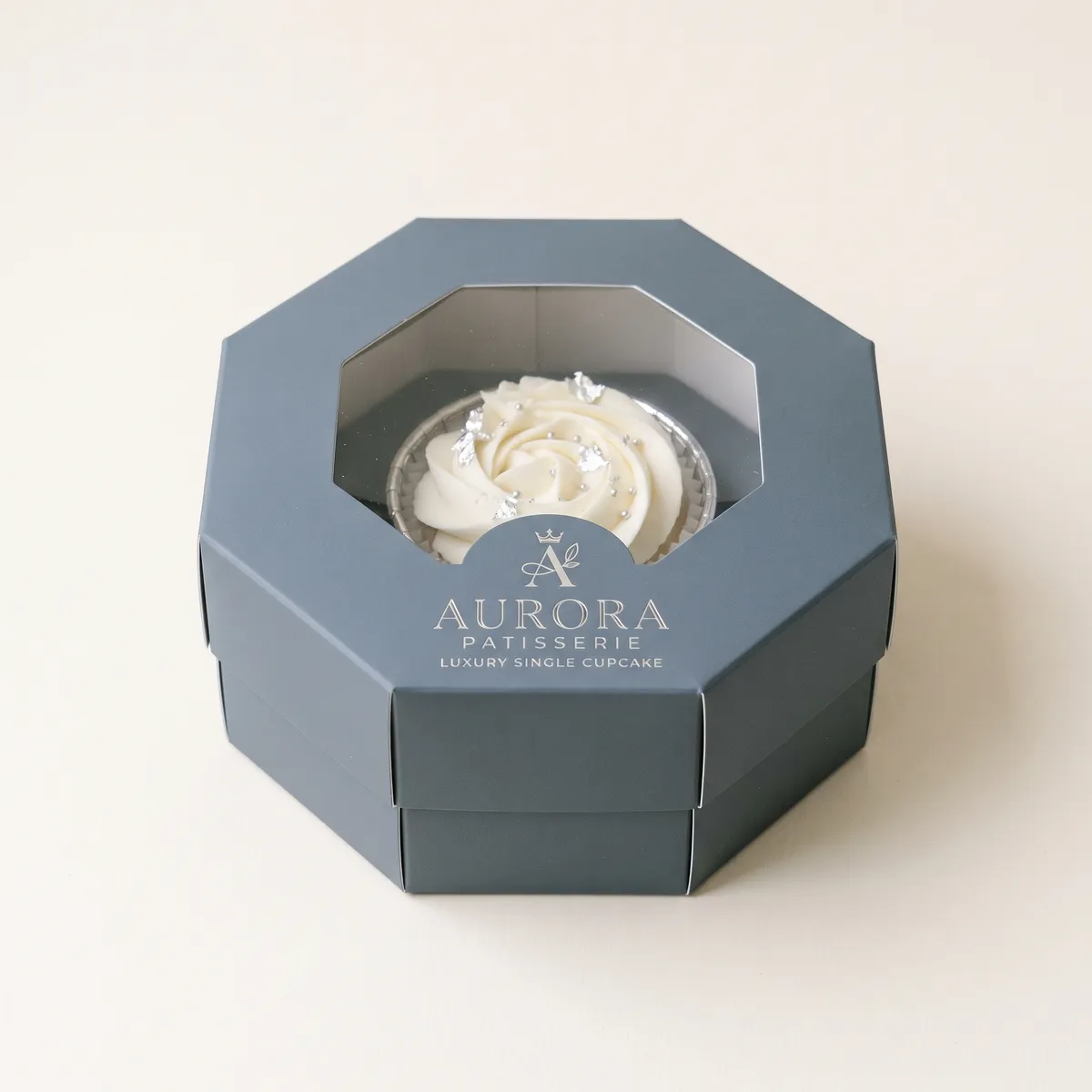
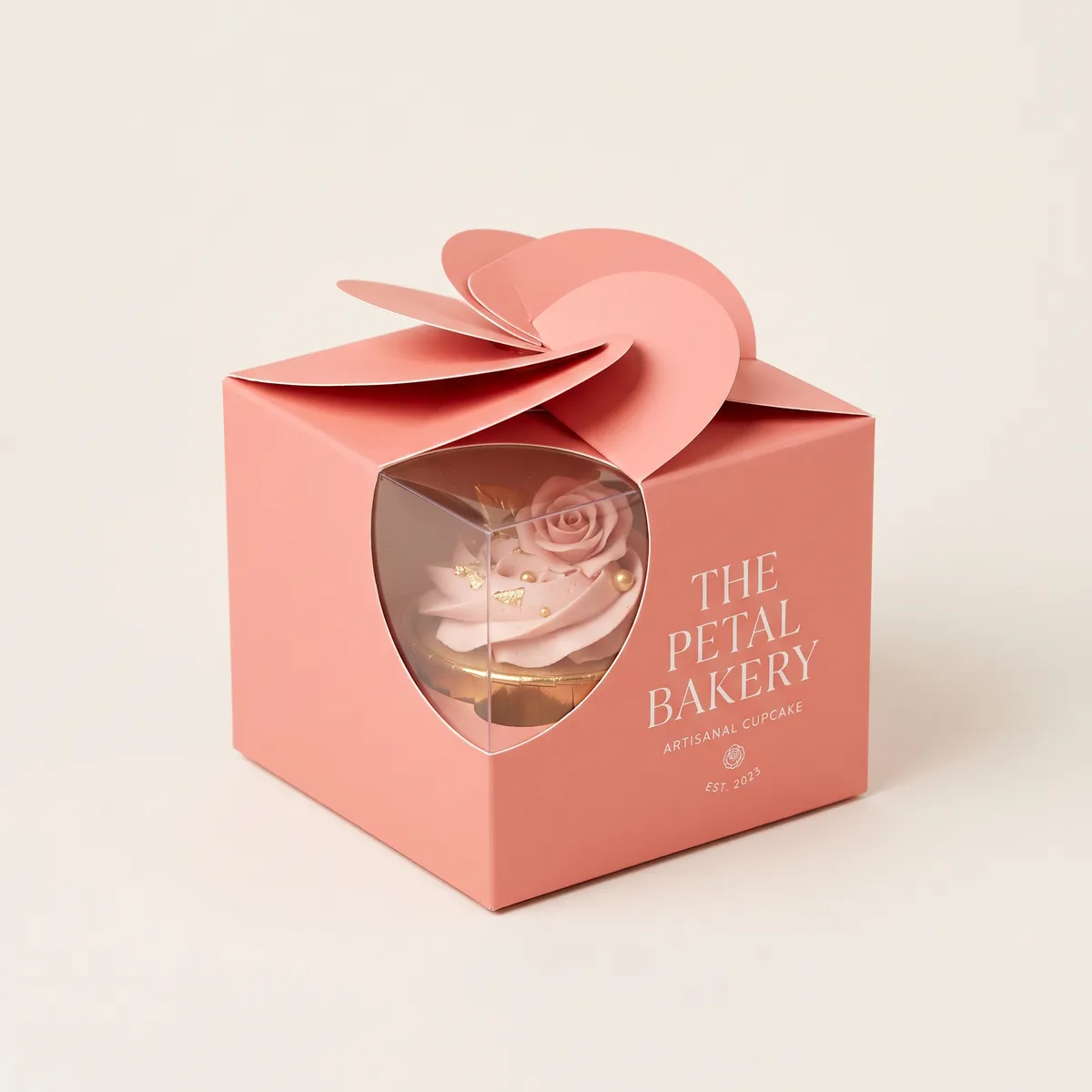
Individual cupcake boxes are sized for one cupcake, with height set by the frosting rather than the width of the liner. They're bought mostly for gifting and events, where a single boxed cake commands a meaningful premium that justifies a higher unit cost. A small window lets the decoration sell itself. Send us your liner size and frosting height, and we'll build to them.
Ours are on Trustpilot, where we can't edit them or choose which ones you see.
Read them on Trustpilot →(opens in a new tab)Four stages, twelve days
Quote confirmed
A specialist checks your spec against the board and comes back with a firm price inside 4 business hours.
Proof approved
You get a flat dieline and a 3D render. Nothing goes to press until you approve it in writing.
On press
Print, die-cut, glue, and fold. You get a press-side photo the day your job runs.
QC and delivery
Every pallet is sampled against the digital proof or physical sample you approved, then shipped with tracking to your dock or 3PL.
If a box doesn't match the digital proof or physical sample you approved, we reprint the run at no charge.
Read the reprint terms →Know exactly what you're ordering.
Individual Cupcake Boxes for Cakes Sold One at a Time
A cupcake handed across a counter in a paper bag is a snack. The same cupcake in its own printed box is a present. Individual cupcake boxes exist for that second sale. They're bought by bakers taking wedding and party favor orders, cafés selling a premium cupcake at the till, and businesses ordering branded cakes for clients or staff. Because each box carries one cake, event orders run larger than people expect; a wedding can need one per guest. The box has to look finished on its own, sit upright on a table between place settings, and keep the frosting off the lid while someone carries it home at the end of the night.
Single Cupcake Box Specs Set by Frosting Height
Single boxes are usually made from small-format kraft card or coated board, with a small insert holding the liner in place.
| Attribute | Detail |
|---|---|
| Count | One cupcake |
| Height | Frosted height plus clearance |
| Width | Set by liner size |
| Board | Food-grade kraft or coated board |
| Window | Optional, on the lid or front panel |
| One color up to full color |
The limiting dimension is almost always height. A tall swirl of buttercream can add more to the box than the cake does, so we need the frosted height, not the bare cake. Measure your tallest decoration, since a box cut for an average swirl will flatten the showpiece ones.
When a One-Cake Box Is Worth Its Higher Unit Cost
Per cake, this is the most expensive way to box a cupcake. Each cake gets its own board, its own print and its own assembly step, so the cost per cake is higher than in a six or a dozen. It makes sense when the price of the cupcake carries it: a favor at a wedding, a branded gift, a premium flavor sold at the counter for more than a standard one. It makes less sense for everyday sales, where a four or six moves more cakes per box at lower cost. These boxes are commonly made as a one-piece tuck carton, which keeps assembly quick for large favor orders. For daily counter singles, a bag or a multi-count box is usually the better buy.
A Small Window and a Logo on a Small Panel
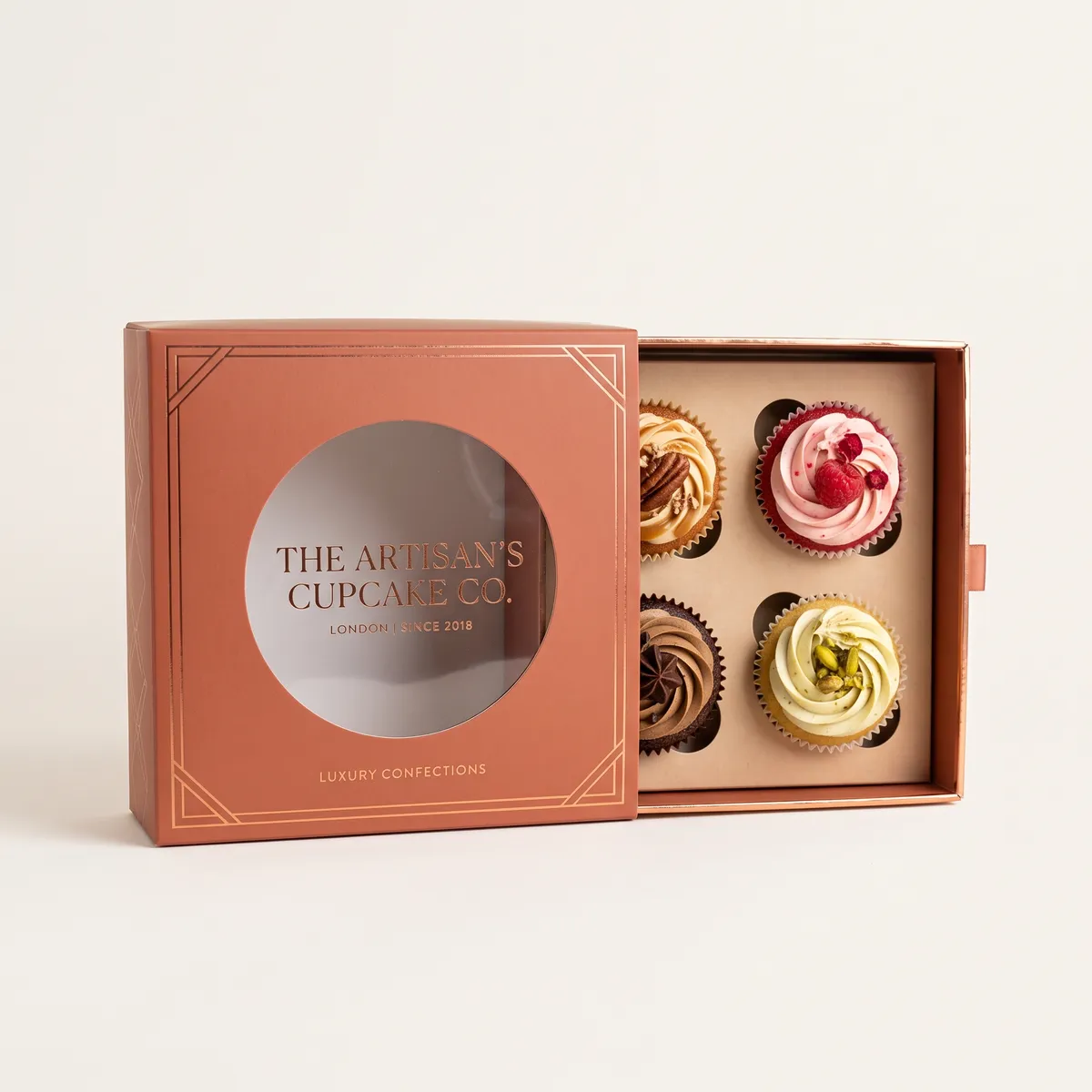
There isn't much room on a single cupcake box, so what goes on it has to be simple. A lid logo in one or two colors reads better at this size than detailed artwork. A small window on the lid or front shows the decoration, which helps most on gift orders. Side panels can carry a short message, such as a couple's names and a wedding date, printed the same on every box in the run. Full color is available and suits coated board; on kraft, one or two colors look more deliberate. What we'd skip is lamination: the box is usually opened within hours, and the extra finish adds cost nobody notices.
Single Cupcakes for Wedding Favors and Event Tables
The biggest single use is wedding and event favors: one box per place setting, printed with names and a date. Corporate events order them for client gifts, product launches and staff thank-yous, usually with the company logo on the lid. Cafés use them for a premium cupcake sold at the till, often around holidays. Bakers running a delivery service send a single cupcake as an add-on, or as a sample for a new customer. Baby showers, birthdays and graduations order them in smaller numbers, so each guest takes one home. In every case the cake is bought to be given or kept as a gesture, which is what justifies boxing it alone.
One-Off Event Runs From 100 Boxes
Event orders are one-offs. A wedding needs its favor boxes once, in a quantity set by the guest list, and orders start at 100 boxes. Send us your liner size and frosted height, and we'll build the dieline, then proof the artwork, including any names or dates, before anything prints. Design help is free and unlimited, so changes to wording cost nothing. Production takes 8–12 business days from proof approval, and a box this size often finishes toward the shorter end of that window. If the event date is tight, rush is available at an extra cost quoted upfront. Shipping is included, so the box price is the delivered price, and each run passes a three-stage check.
One connected process, start to finish.
Structural Design
Dieline drafted to your exact fit and freight tolerances.
Proof & Sample
Sign off on a digital proof, or request a physical sample.
Tooling
Dies and plates are cut for your job and archived on file.
Production
Print, die-cut, and assembly run under in-line quality checks.
Ship & Reorder
Freight goes out, and the cycle resets for your next run.
Steady process. Powerful results.
Like everything we build, our process is engineered to hold up — no shortcuts, no surprises. Five dependable stages that run the same way every single time, so reorders are just as fast as the first order.
- One dedicated teamFrom first sketch to final freight, the same people carry your order start to finish.
- Dies archived on fileReorders skip tooling and re-setup entirely — we already have your exact spec.
- Checked against your sign-offEvery run is inspected against the digital proof or physical sample you approved.
Set up your file once, correctly
Nine in ten delayed jobs are delayed by artwork, not production. Match these four rules and your proof lands the next morning.
- Bleed1/8 in (3 mm) past every cut line
- Safe ZoneKeep text 1/4 in clear of every crease
- ColourCMYK or named Pantone. No RGB.
- Resolution300 dpi at final size, fonts outlined
No print-ready file?
Send a logo and a rough idea. Our studio builds the production file free with any order over 500 units — you keep the source file either way.
Ask the StudioBackground art must run all the way to the outer bleed edge. Anything inside the white dashed line survives fold tolerance.
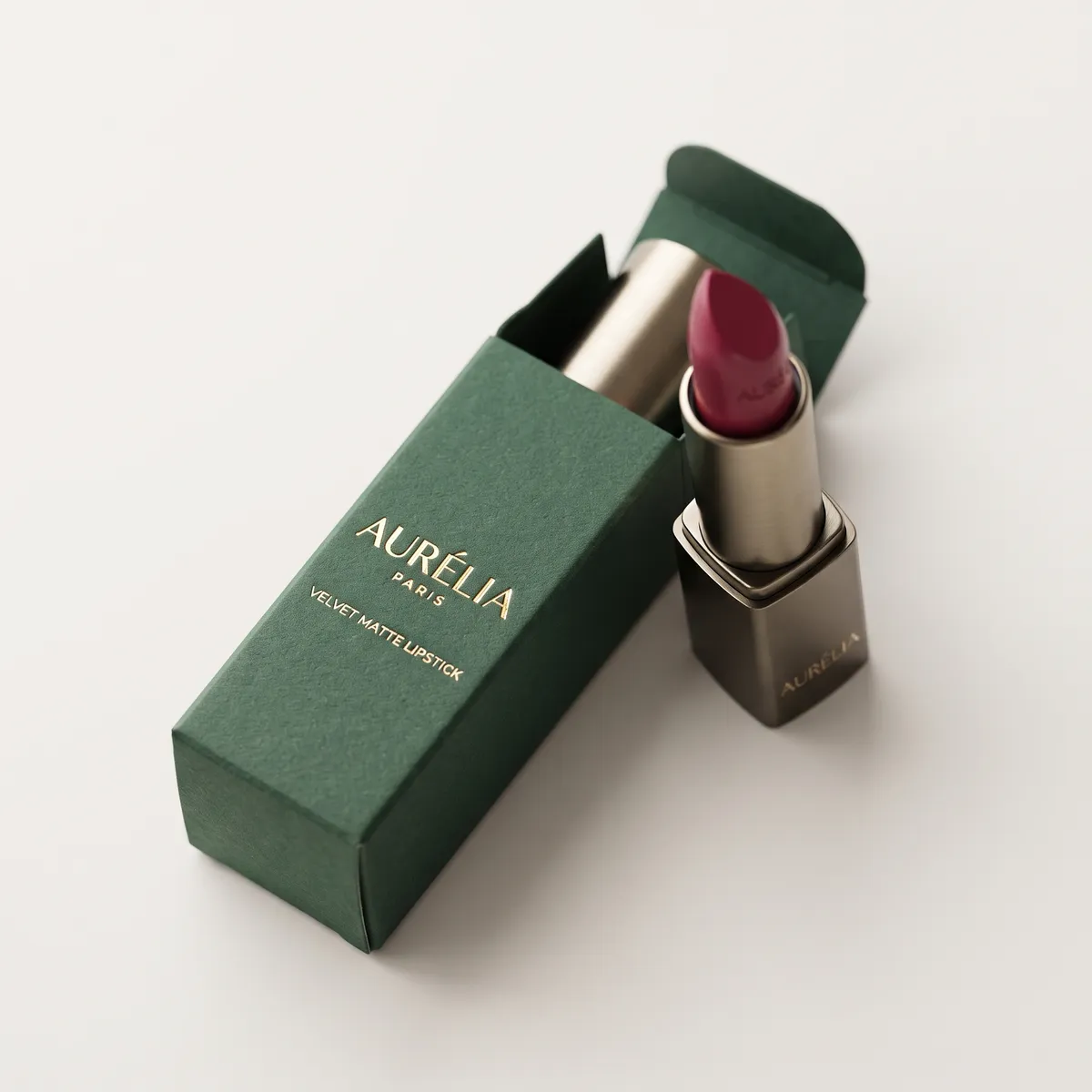
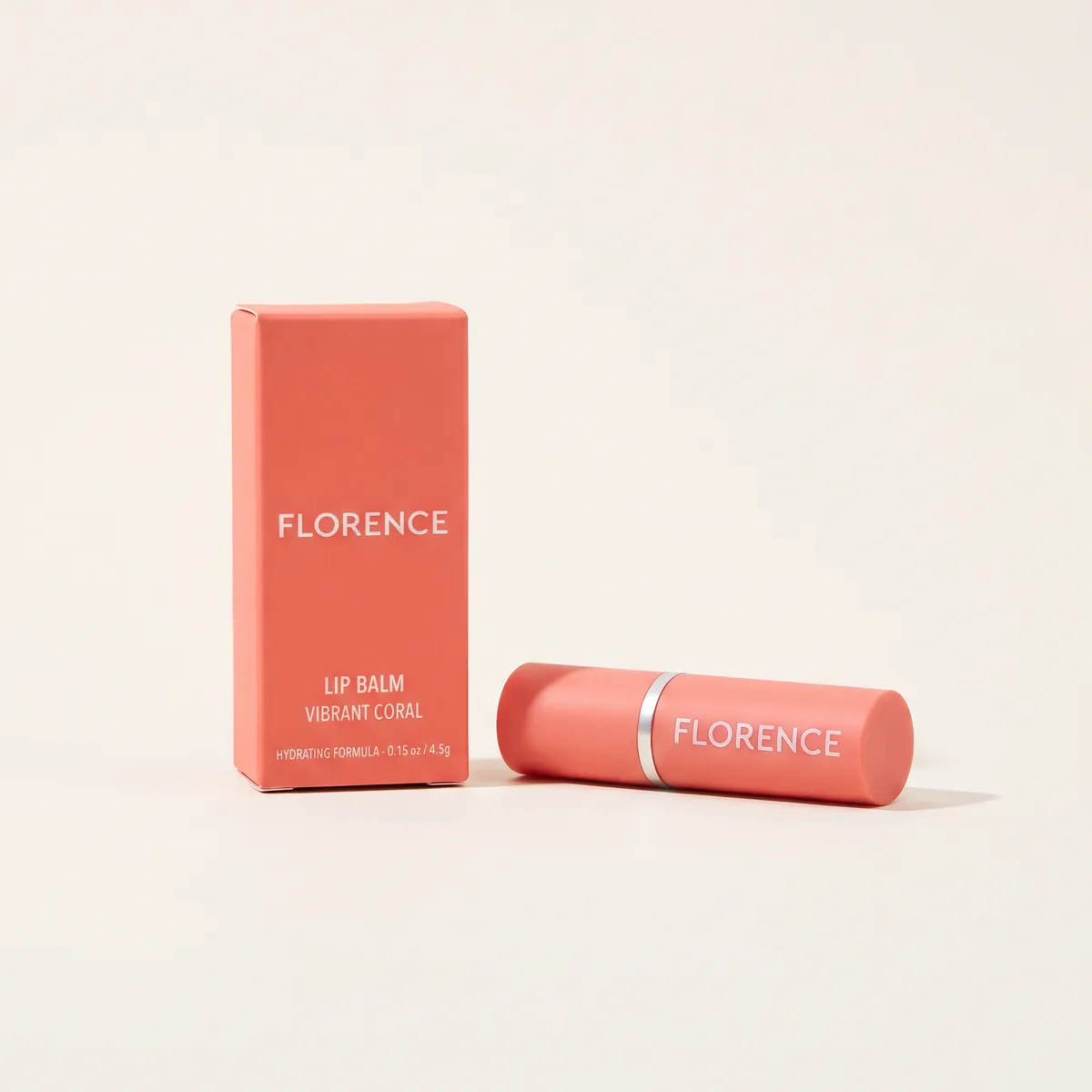
What brands say about this box
They live there rather than here, where we can't edit them, delete them, or pick which ones you get to see. That is exactly what makes them worth reading.
Read all reviews on Trustpilot(opens in a new tab)Answers before you have to ask.
How small can a single cupcake box go?
Small enough for one cupcake with clearance above the frosting, which is usually the limiting dimension rather than the width. Send us your liner size and frosting height and we'll build to it.
Can individual boxes have a window?
Yes, and it's popular for gifting and single sales. A small window on a single-cupcake box lets the decoration sell itself, which matters most when the cake is being bought as a gift.
Are individual boxes cost-effective?
At small volumes they're the most expensive per unit, since you're paying setup across few boxes. They earn their place through the premium a single gift-boxed cupcake commands rather than through unit economics.
How long do individual cupcake boxes take?
About 8–12 business days from proof approval. Small formats often run at the faster end. Rush production is available at an extra cost stated before you commit.
What's the minimum on individual cupcake boxes?
100 boxes. These are often bought for gifting and events rather than daily service, so the low minimum makes one-off runs practical rather than prohibitive.