
Window Pillow Boxes
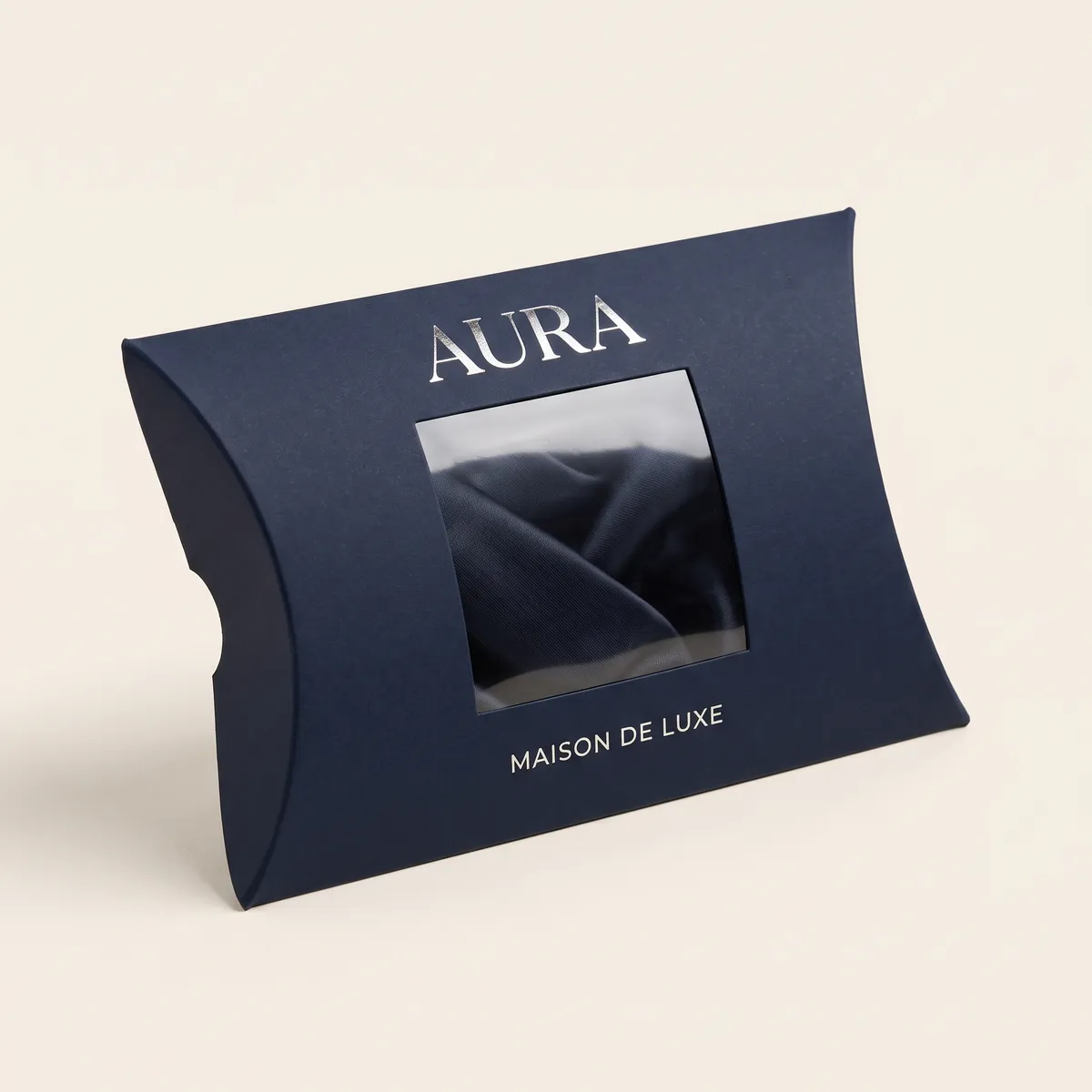
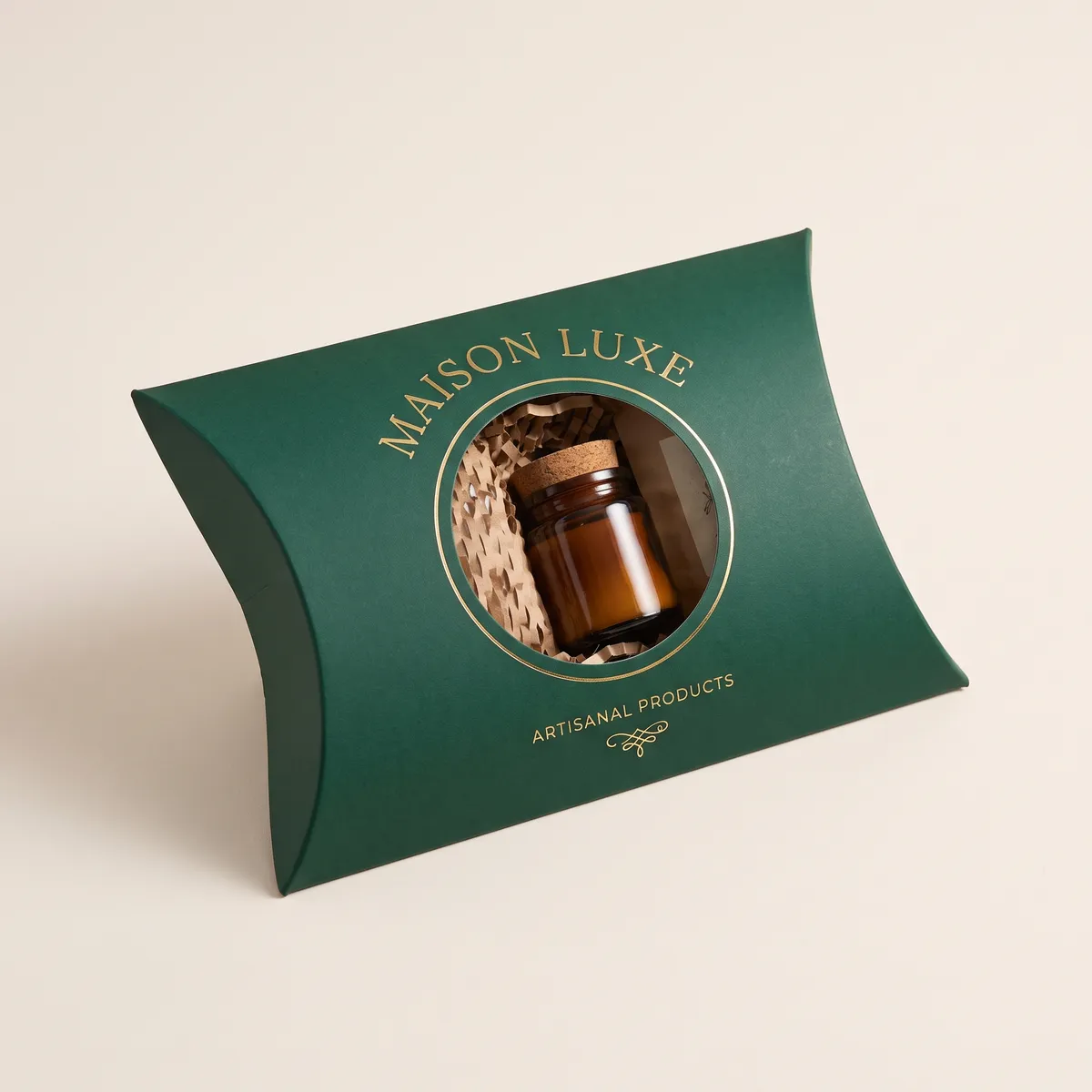
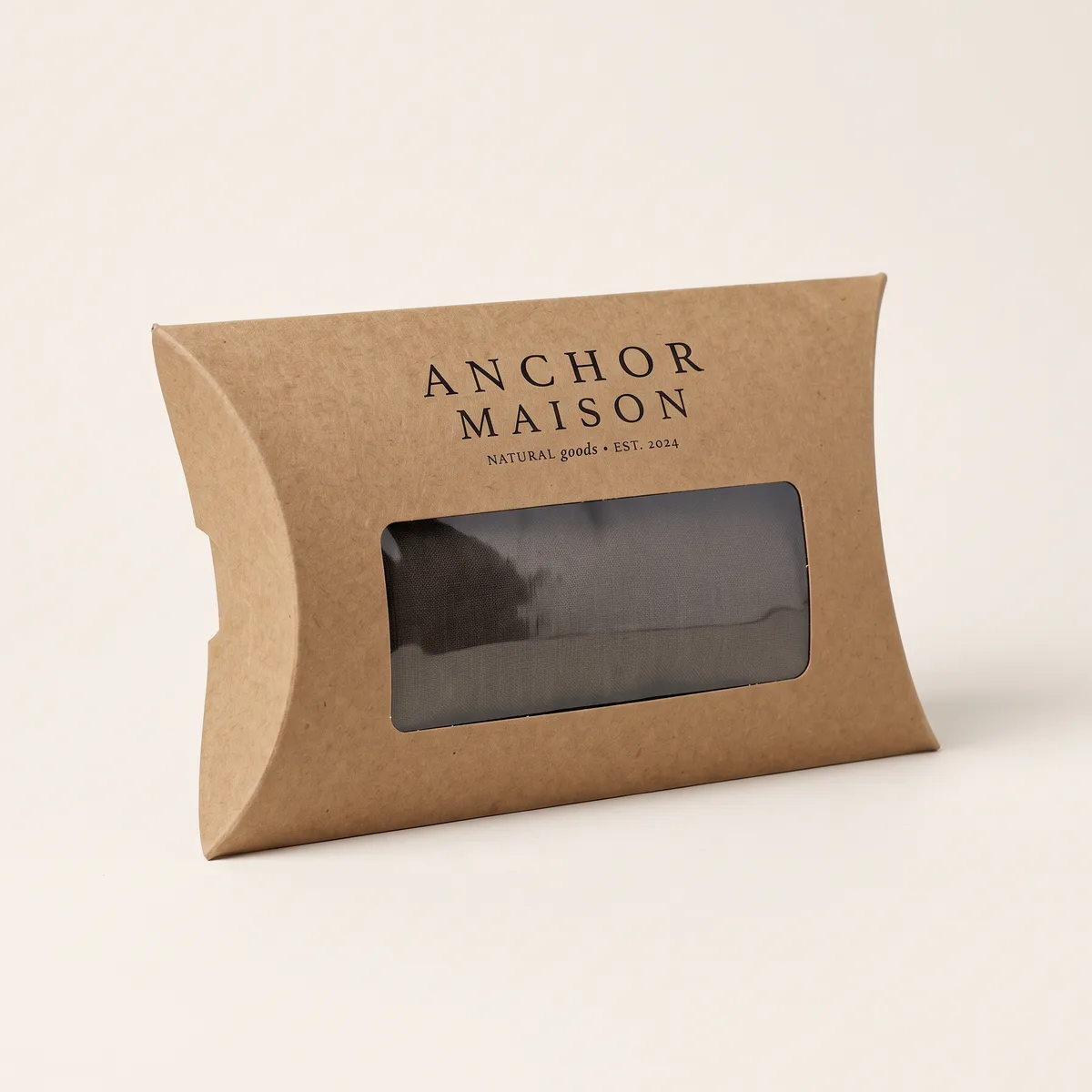
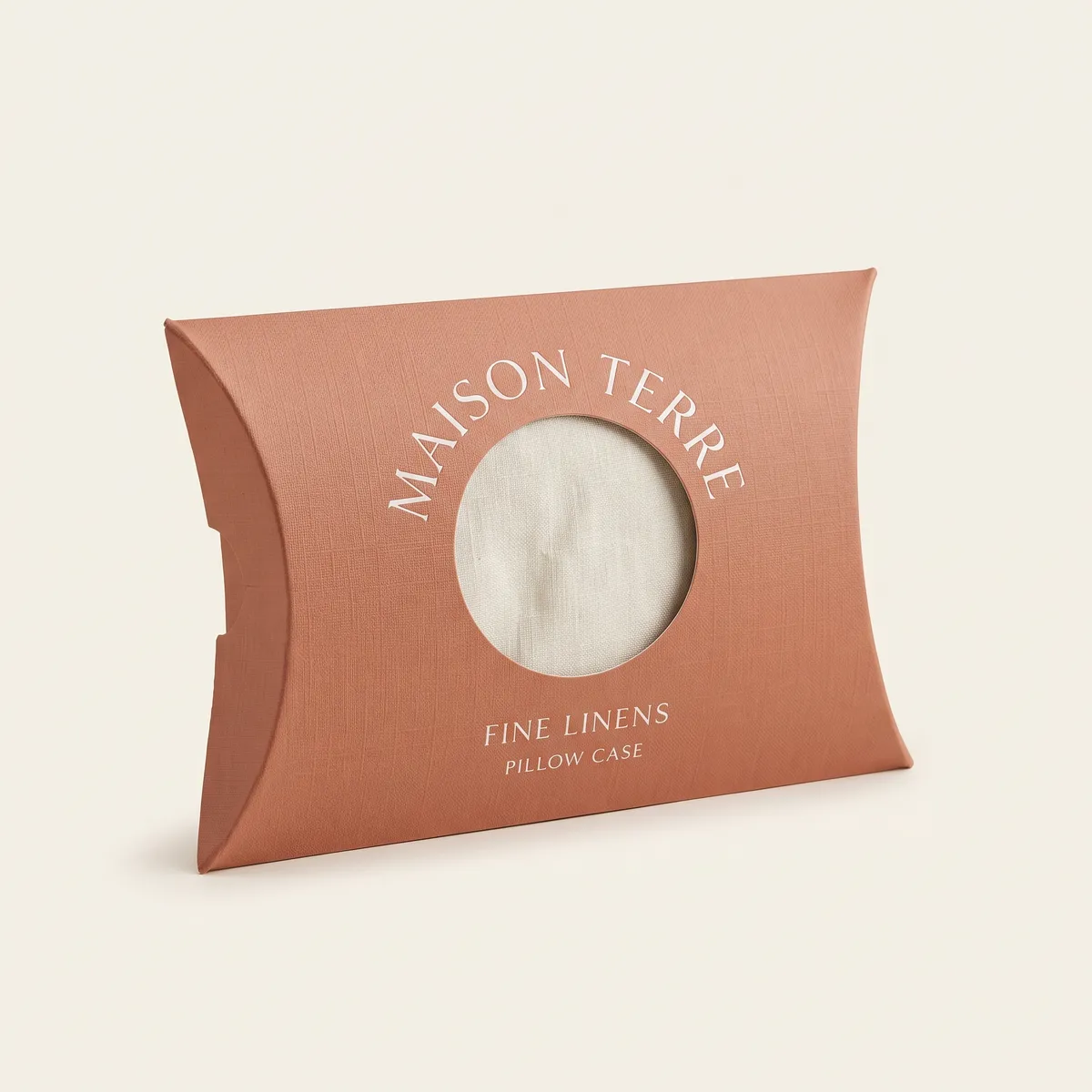
Window pillow boxes follow the curve with a film-backed cut-out across the front face, because a rectangle dropped in the middle looks like an awkward afterthought. The curve relies on board tension to stay closed, so windows stay modest and away from the tucking ends. Any insert is designed together with the window so it never sits awkwardly across the cut-out window.
Ours are on Trustpilot, where we can't edit them or choose which ones you see.
Read them on Trustpilot →(opens in a new tab)Four stages, twelve days
Quote confirmed
A specialist checks your spec against the board and comes back with a firm price inside 4 business hours.
Proof approved
You get a flat dieline and a 3D render. Nothing goes to press until you approve it in writing.
On press
Print, die-cut, glue, and fold. You get a press-side photo the day your job runs.
QC and delivery
Every pallet is sampled against the digital proof or physical sample you approved, then shipped with tracking to your dock or 3PL.
If a box doesn't match the digital proof or physical sample you approved, we reprint the run at no charge.
Read the reprint terms →Know exactly what you're ordering.
Letting the Product Sell From Inside a Curve
Some products sell better seen than described. A bath bomb's color, a hand-iced cookie, a bar with a swirl running through it: a printed picture of any of them is a weaker version of the real thing, and people at a stall or counter want to look before they pick one up. A window pillow box keeps the curved, gift-like shape and adds a clear view of what's inside, so the box can stay closed and still do the selling. It suits items that look good from one side and sit still in the box. Where it doesn't help: plain or bagged products, anything that looks the same as the next one, and items whose appeal is a scent or a texture rather than a look.
Window Cut, Film and Placement on a Curved Face
The body is coated card stiff enough to frame a curved cut-out, with the opening die-cut and backed with clear film.
| Spec | What you get |
|---|---|
| Opening | Die-cut, shaped to follow the curve |
| Film | Clear film backing the cut-out |
| Position | Front face, clear of the tucking ends |
| Window size | Kept modest relative to the face |
| Inserts | Designed alongside the window placement |
| Size | Set so the item sits squarely behind the opening |
Each window shape needs its own cutting tool. That cost sits inside the quote with the rest of the setup, so a custom opening never turns up as a separate charge later.
What a Window Costs the Curve, and Why It's Worth It
Cutting into a pillow box is a real trade. The board that keeps the curve closed is the same board a window removes, so the opening has to be sized with that in mind. Kept to a sensible size and away from the ends, the box still closes properly; cut too much and the ends start to spring loose. The return for that compromise is that the product does its own selling. For soaps that sell on color and swirl, bath bombs and decorated treats, a closed box that shows the contents does what a printed photo can't, because the buyer sees the actual item. If your product looks ordinary from the outside, skip the window and keep the full board.
Print Around a Window That Follows the Bend
A window takes printable area away, so the artwork has to work around it rather than across it. Keep a clear margin between the window edge and any type or logo, since a mark that runs into the cut-out gets cropped. Put the logo above or below the opening, or on the back face, where there's an unbroken panel. The window does much of the visual work on its own, so busy patterns around it compete with the product instead of framing it; a solid color or simple border usually looks better. Full color prints well on the coated board around the opening, and any foil stays clear of the end scores. The proof shows the window on the dieline, so you see what the customer sees.
Window Pillows for Soaps, Cookies and Bright Favors
Window pillows suit sellers whose product is the selling point. Soap and bath bomb makers use them at markets and in gift shops, where a buyer chooses by color. Bakers use them for single decorated cookies sold as favors, wrapped first and resting on a card insert so the icing faces the window. Party planners use them for colored sweets, letting guests see what they're taking. Jewelry and accessory sellers pair them with an insert that holds the piece in view instead of loose at the bottom. Small toy and novelty sellers use them for little items that need to be seen to sell. In every case, the contents are worth more to the buyer than any printed panel.
A 100-Box Test of Window and Insert Together
Window pillows have more moving parts than the other finishes: a cut-out, a film and often an insert, and all three have to line up with your product. Send exact dimensions and we build the dieline around them, confirm internal versus external sizing in writing, and lay out window and insert together so the item sits in view. Design help is free and unlimited until the proof is right. A first run can be as small as 100 boxes, enough to see how the window works with the real product before ordering more. Every box goes through a three-stage check before it ships. Turnaround is 8–12 business days from proof approval, rush at an extra cost quoted upfront, and shipping is included.
One connected process, start to finish.
Structural Design
Dieline drafted to your exact fit and freight tolerances.
Proof & Sample
Sign off on a digital proof, or request a physical sample.
Tooling
Dies and plates are cut for your job and archived on file.
Production
Print, die-cut, and assembly run under in-line quality checks.
Ship & Reorder
Freight goes out, and the cycle resets for your next run.
Steady process. Powerful results.
Like everything we build, our process is engineered to hold up — no shortcuts, no surprises. Five dependable stages that run the same way every single time, so reorders are just as fast as the first order.
- One dedicated teamFrom first sketch to final freight, the same people carry your order start to finish.
- Dies archived on fileReorders skip tooling and re-setup entirely — we already have your exact spec.
- Checked against your sign-offEvery run is inspected against the digital proof or physical sample you approved.
Set up your file once, correctly
Nine in ten delayed jobs are delayed by artwork, not production. Match these four rules and your proof lands the next morning.
- Bleed1/8 in (3 mm) past every cut line
- Safe ZoneKeep text 1/4 in clear of every crease
- ColourCMYK or named Pantone. No RGB.
- Resolution300 dpi at final size, fonts outlined
No print-ready file?
Send a logo and a rough idea. Our studio builds the production file free with any order over 500 units — you keep the source file either way.
Ask the StudioBackground art must run all the way to the outer bleed edge. Anything inside the white dashed line survives fold tolerance.
What brands say about this box
They live there rather than here, where we can't edit them, delete them, or pick which ones you get to see. That is exactly what makes them worth reading.
Read all reviews on Trustpilot(opens in a new tab)Answers before you have to ask.
Where should the window sit on a pillow box?
Usually across the curve on the front face, following the shape rather than sitting as a rectangle in the middle. A window that ignores the curve looks like an afterthought.
Can window pillow boxes still hold inserts?
Yes, though space is tight. The window and insert have to be designed together so the insert doesn't sit across the cut-out, which looks careless when the product is viewed through it.
Does a window weaken a pillow box?
Slightly, and more than on a flat-panel box, since the curve relies on board tension to stay closed. We keep windows modest and away from the tucking ends for that reason.
How long do window pillow boxes take?
About 8–12 business days from proof approval, window and insert included. Rush production is available at an extra cost stated before you commit.
Can I test window pillow boxes first?
Yes. At 100 boxes you can check how the window follows your curve and whether the insert sits clear of it, then scale with real information.