
Cardboard Packaging Trays
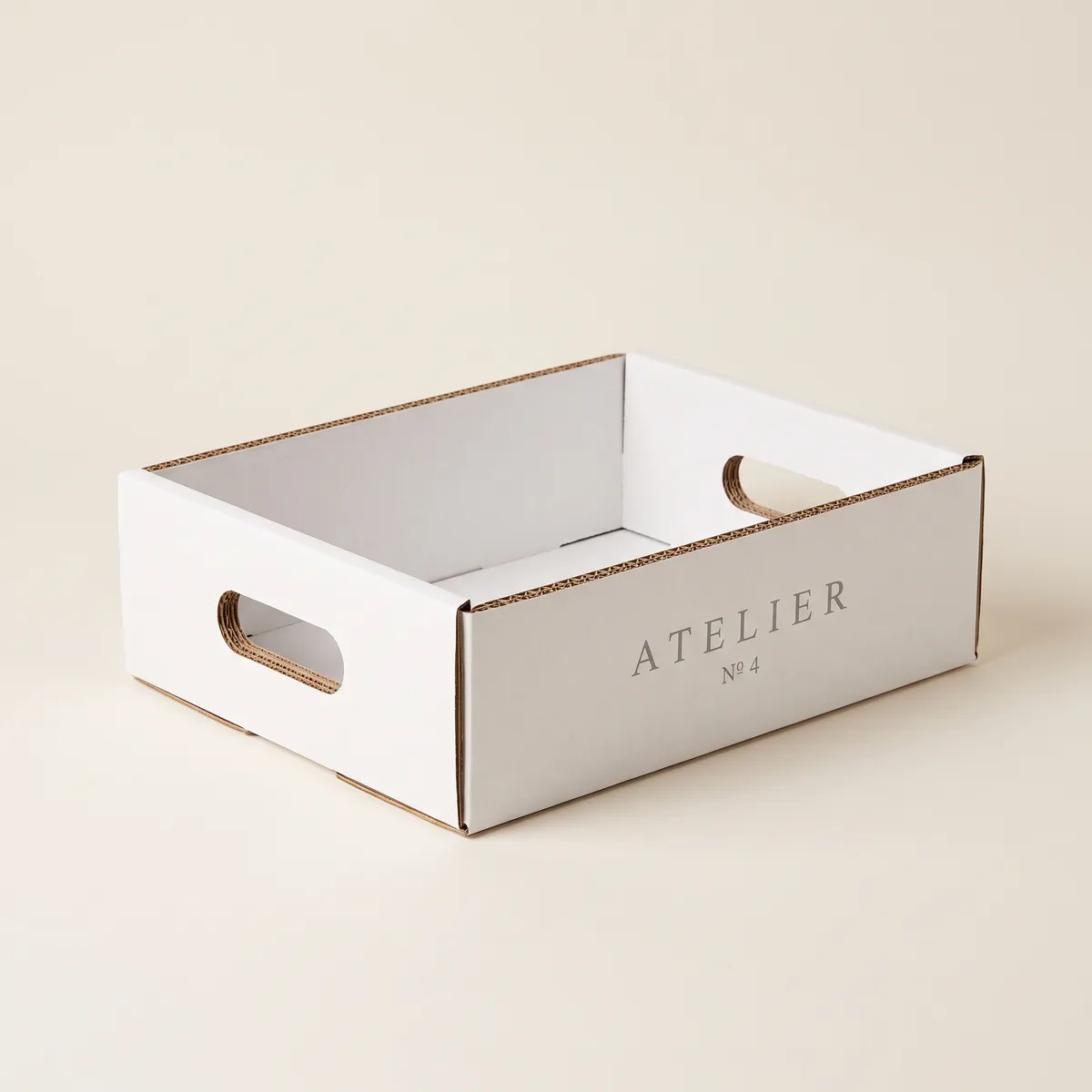
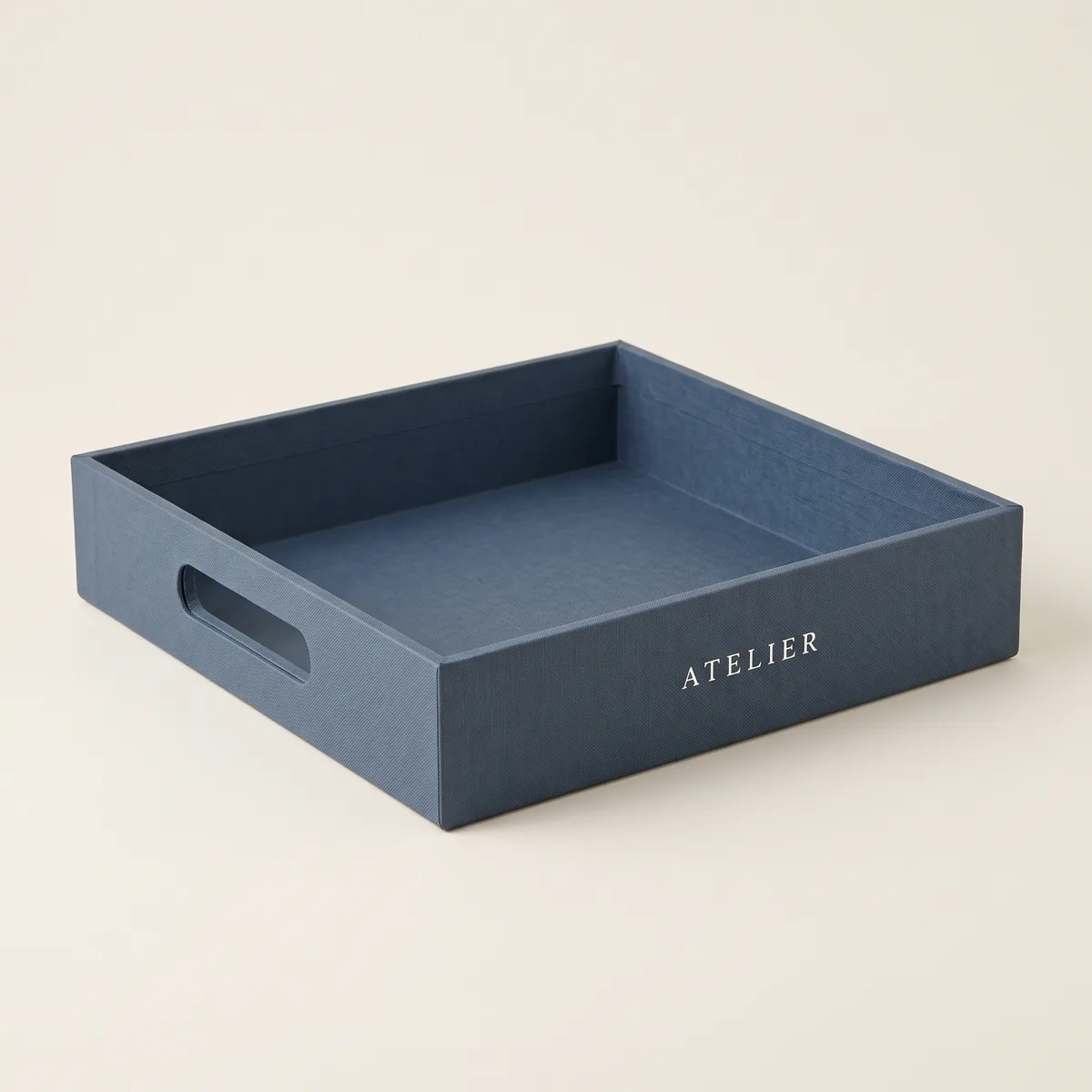
Cardboard packaging trays earn their coated surface only when the tray is visible, printing in full color as part of the reveal when the lid lifts. For a tray hidden inside a closed box, that coating is money spent on a surface nobody ever examines, and we'd tell you that. Ordering trays alongside matching boxes shares setup and ensures the tray's fit is precisely correct.
Ours are on Trustpilot, where we can't edit them or choose which ones you see.
Read them on Trustpilot →(opens in a new tab)Four stages, twelve days
Quote confirmed
A specialist checks your spec against the board and comes back with a firm price inside 4 business hours.
Proof approved
You get a flat dieline and a 3D render. Nothing goes to press until you approve it in writing.
On press
Print, die-cut, glue, and fold. You get a press-side photo the day your job runs.
QC and delivery
Every pallet is sampled against the digital proof or physical sample you approved, then shipped with tracking to your dock or 3PL.
If a box doesn't match the digital proof or physical sample you approved, we reprint the run at no charge.
Read the reprint terms →Know exactly what you're ordering.
The Tray as the First Thing Seen When the Lid Comes Off
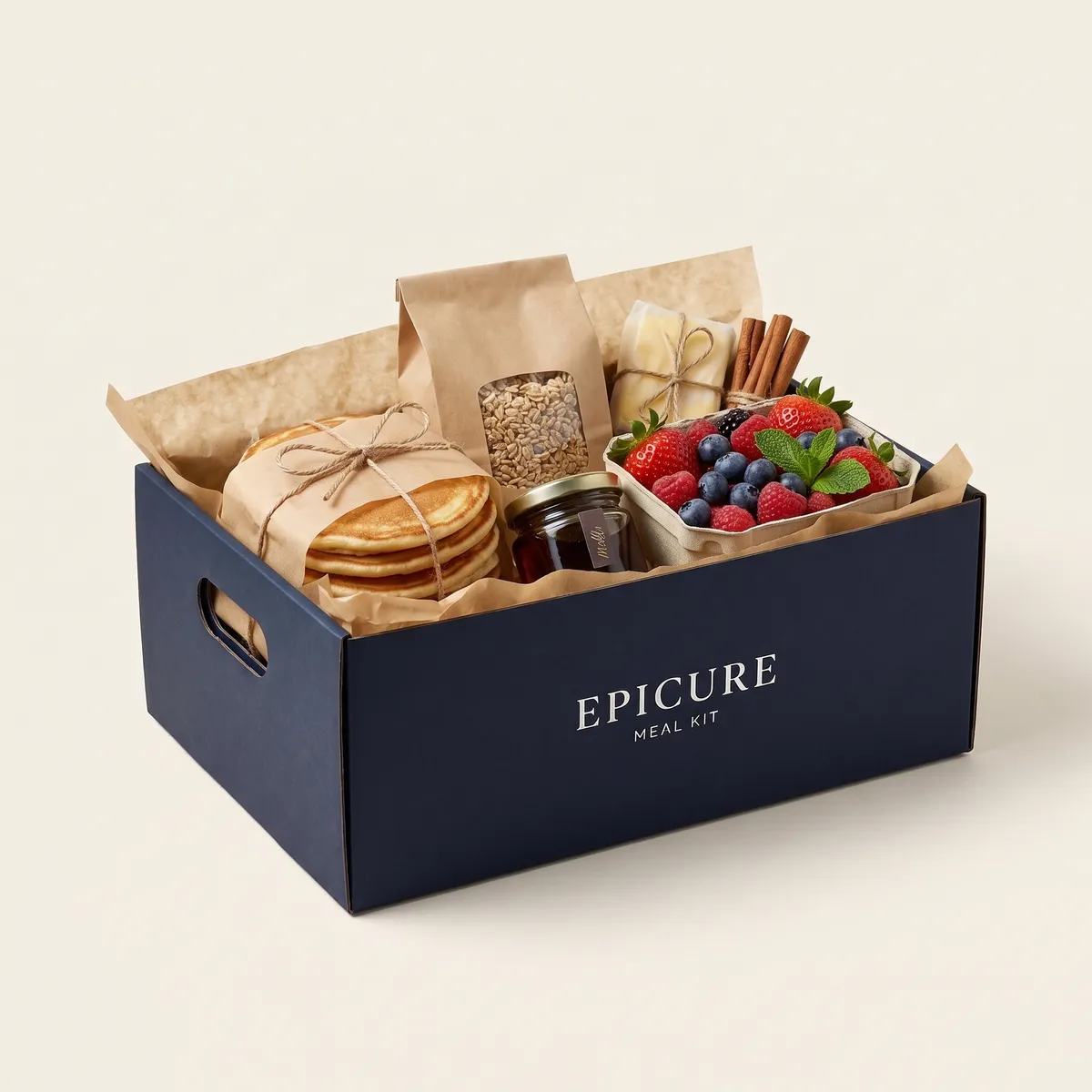
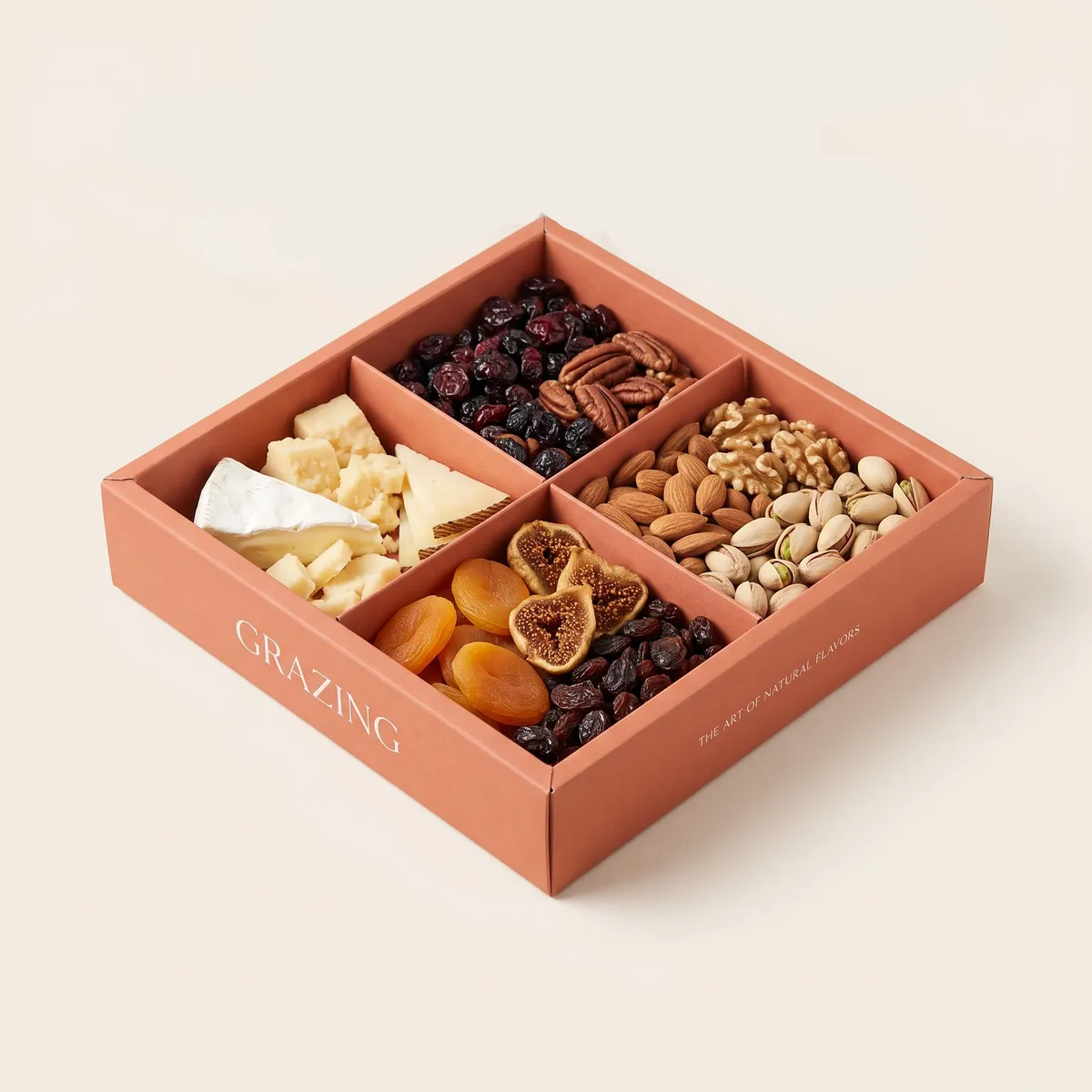
In a filmed unboxing there's a beat between the lid coming off and the product coming out, and the tray fills it. In a subscription box, a chocolate collection or a launch kit, a plain gray insert at that point looks like packaging the brand forgot about. Cardboard trays put printed color into that gap. They're for brands that treat the inside of the box as part of the design: a patterned floor under a set of cookies, a brand color framing each cavity, a short message printed beside the product. The cavity work is identical to any tray in the range. What changes is a coated surface, so the tray can be printed with the same care as the outer box and judged by the same standard.
Coated Tray Board, Finish and Cavity Specs
These trays are cut from printable coated board, with a white coated face that holds ink on the surface rather than absorbing it.
| Attribute | Specification |
|---|---|
| Board | Coated white board |
| Full color, one side or both | |
| Finish | Gloss, matte or soft-touch lamination |
| Cavities | Cut to your product, any count |
| Window | Possible on standalone trays |
| Footprint | Matched to your outer box, internal dimensions confirmed in writing |
Printing both sides is rarely needed. Pay for the underside only if the tray is lifted out and turned over, which on most sets it isn't.
Full-Color Trays Belong in Boxes Opened on Camera
Coated board costs more than chipboard or kraft, and the only thing that extra money buys is a better printing surface. So the question is whether anyone looks long enough to notice. In gift sets, holiday collections and influencer kits, they will: the opening is photographed, and the tray sits in every frame. Decorated cookie gift sets are a good example, where the tray color frames each piece and a printed pattern makes a dozen cookies look like a collection. If your brand is natural and brown, kraft will look more consistent. If the tray is glimpsed once and binned, a printed outer sleeve may do more for the same spend. Coated board pays back only where color is part of what's being sold.
Where Print Lands on a Tray Once It's Folded
A tray is printed flat and then folded, so artwork that looks right on the sheet can end up on a wall instead of the floor. We place it against the dieline so each element lands where you expect. The tray floor is the main canvas, seen between and around the product. Cavity edges take the most handling, so we keep solid color back from those cuts, where scuffing would show first. Lamination protects the printed face as product is lifted in and out; matte reads calmer next to food and confectionery, while gloss makes color stronger under store lights. Foil works on the flat floor but not across folds, where it cracks. When reviewing the proof, assume the product covers every cavity and judge only what stays visible.
Printed Trays for Cookie Assortments and Boxed Chocolates
Confectioners are the biggest users. Boxed chocolate ranges often print a guide on the tray floor, labeling each cavity with its flavor so customers don't have to guess. Bakeries use printed trays for cookie and macaron assortments sold as gifts, changing the tray color with the season. Beauty brands use them for advent calendars and discovery sets, where every slot needs to look intentional. Tech and lifestyle brands use a brand-color tray in launch kits sent to press, because the opening gets filmed and shared. Wedding and event planners order small runs for favors, with names or dates printed on the floor. The common thread is a box meant to be opened slowly and looked at, rather than just emptied and recycled.
Holding Printed Color to the Proof You Approved
Printed trays carry the same color risk as any printed box, so the proof does real work. You approve it before production, and it becomes the standard the bulk run is measured against. Every tray goes through a three-stage check, and if the finished order still doesn't match what you signed off, we reprint at our cost. Timing is 8–12 business days from approval. Rush is available for launch dates, at an extra cost quoted before you commit. The minimum is 100 trays, design help is free and unlimited, and shipping is included in the price. Your quote covers dies, plates and setup, so the number you approve doesn't move later. Above 10,000 trays, samples are free.
One connected process, start to finish.
Structural Design
Dieline drafted to your exact fit and freight tolerances.
Proof & Sample
Sign off on a digital proof, or request a physical sample.
Tooling
Dies and plates are cut for your job and archived on file.
Production
Print, die-cut, and assembly run under in-line quality checks.
Ship & Reorder
Freight goes out, and the cycle resets for your next run.
Steady process. Powerful results.
Like everything we build, our process is engineered to hold up — no shortcuts, no surprises. Five dependable stages that run the same way every single time, so reorders are just as fast as the first order.
- One dedicated teamFrom first sketch to final freight, the same people carry your order start to finish.
- Dies archived on fileReorders skip tooling and re-setup entirely — we already have your exact spec.
- Checked against your sign-offEvery run is inspected against the digital proof or physical sample you approved.
Set up your file once, correctly
Nine in ten delayed jobs are delayed by artwork, not production. Match these four rules and your proof lands the next morning.
- Bleed1/8 in (3 mm) past every cut line
- Safe ZoneKeep text 1/4 in clear of every crease
- ColourCMYK or named Pantone. No RGB.
- Resolution300 dpi at final size, fonts outlined
No print-ready file?
Send a logo and a rough idea. Our studio builds the production file free with any order over 500 units — you keep the source file either way.
Ask the StudioBackground art must run all the way to the outer bleed edge. Anything inside the white dashed line survives fold tolerance.
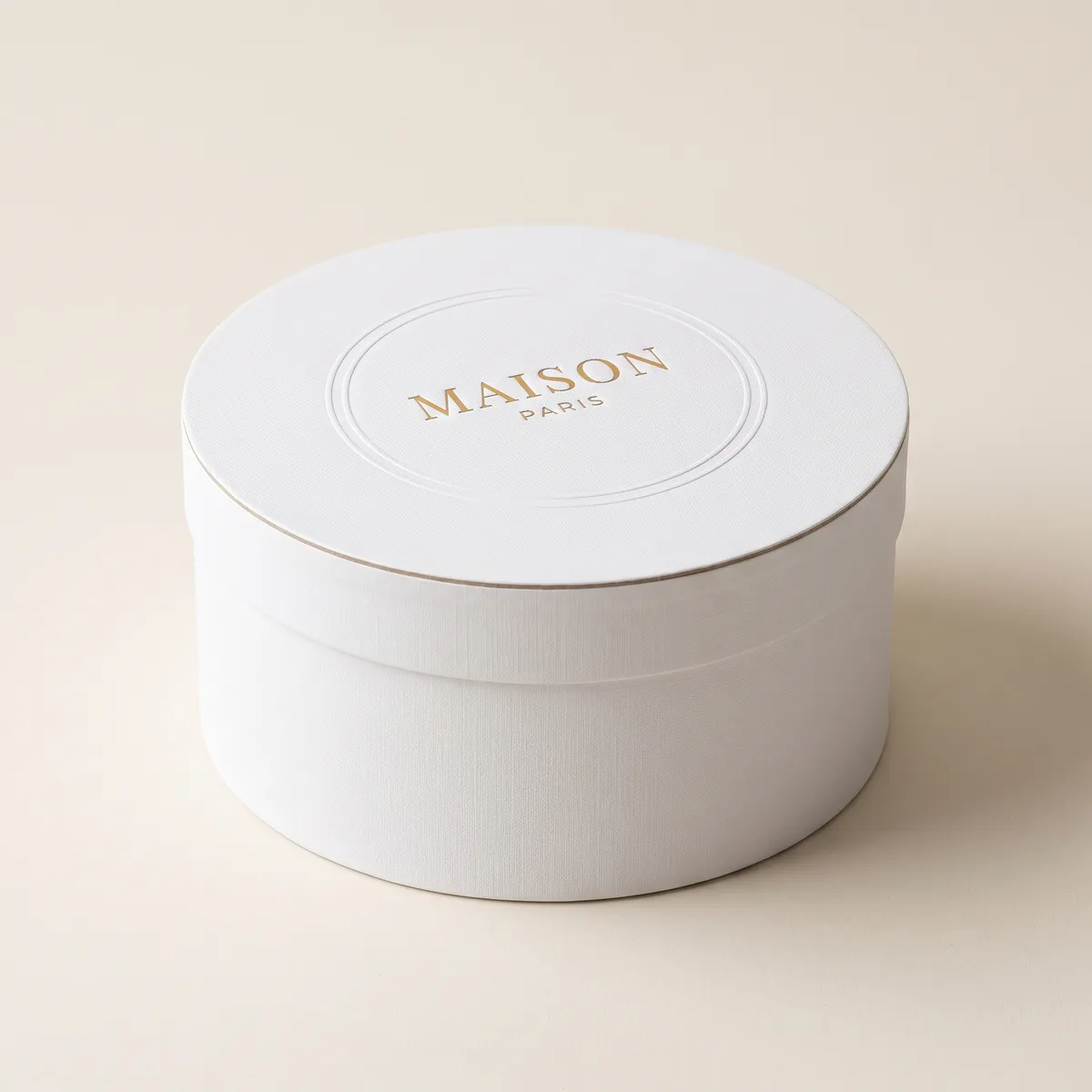
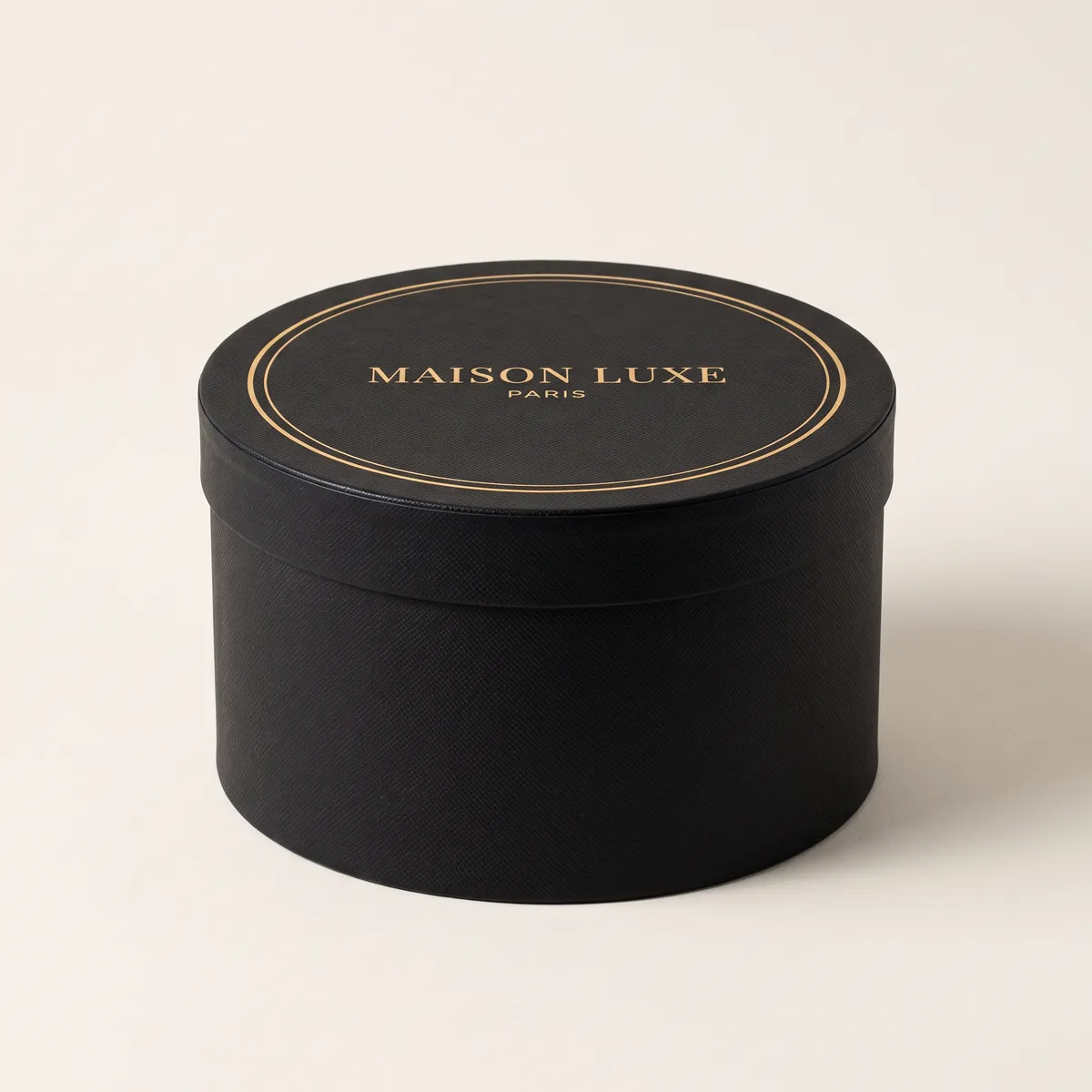
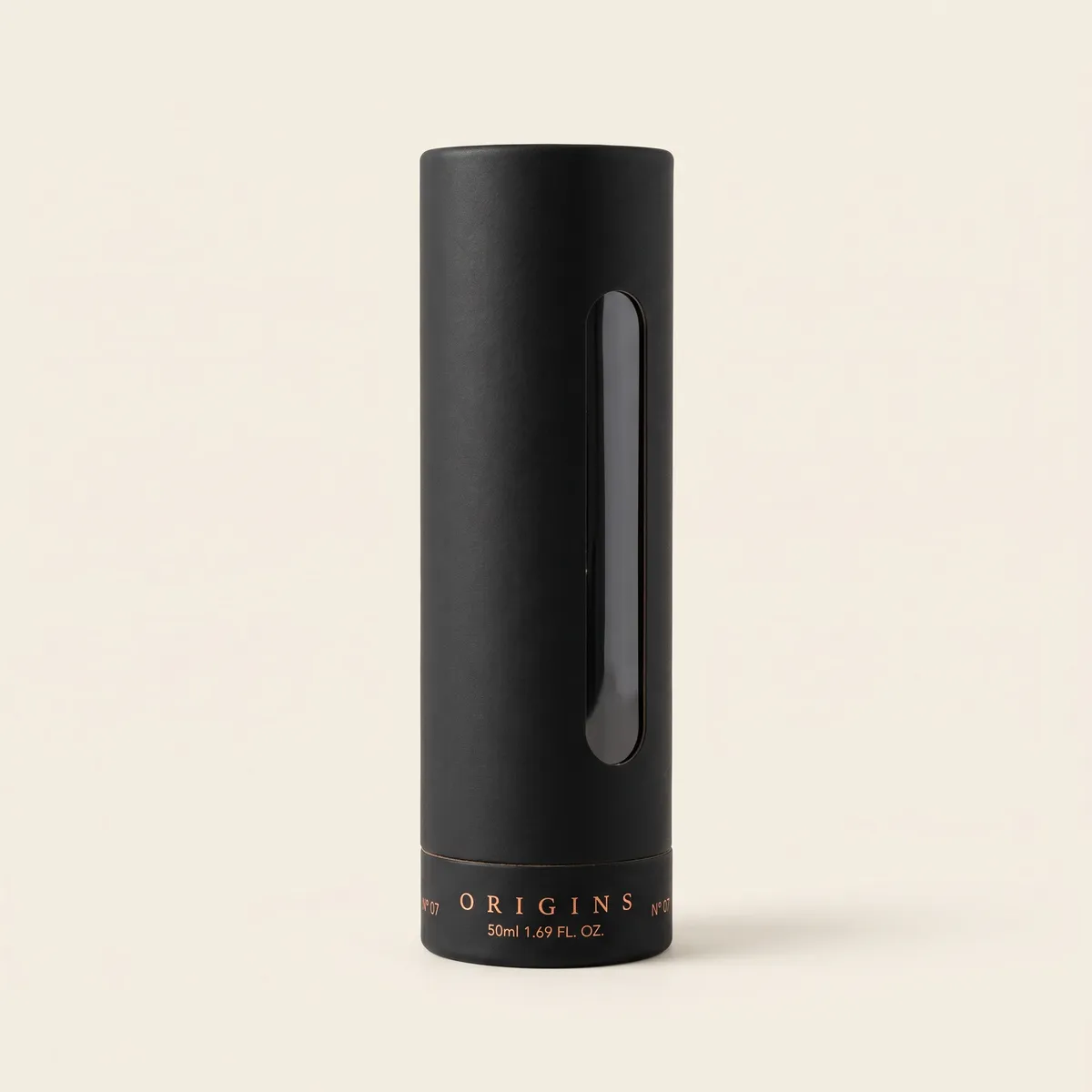


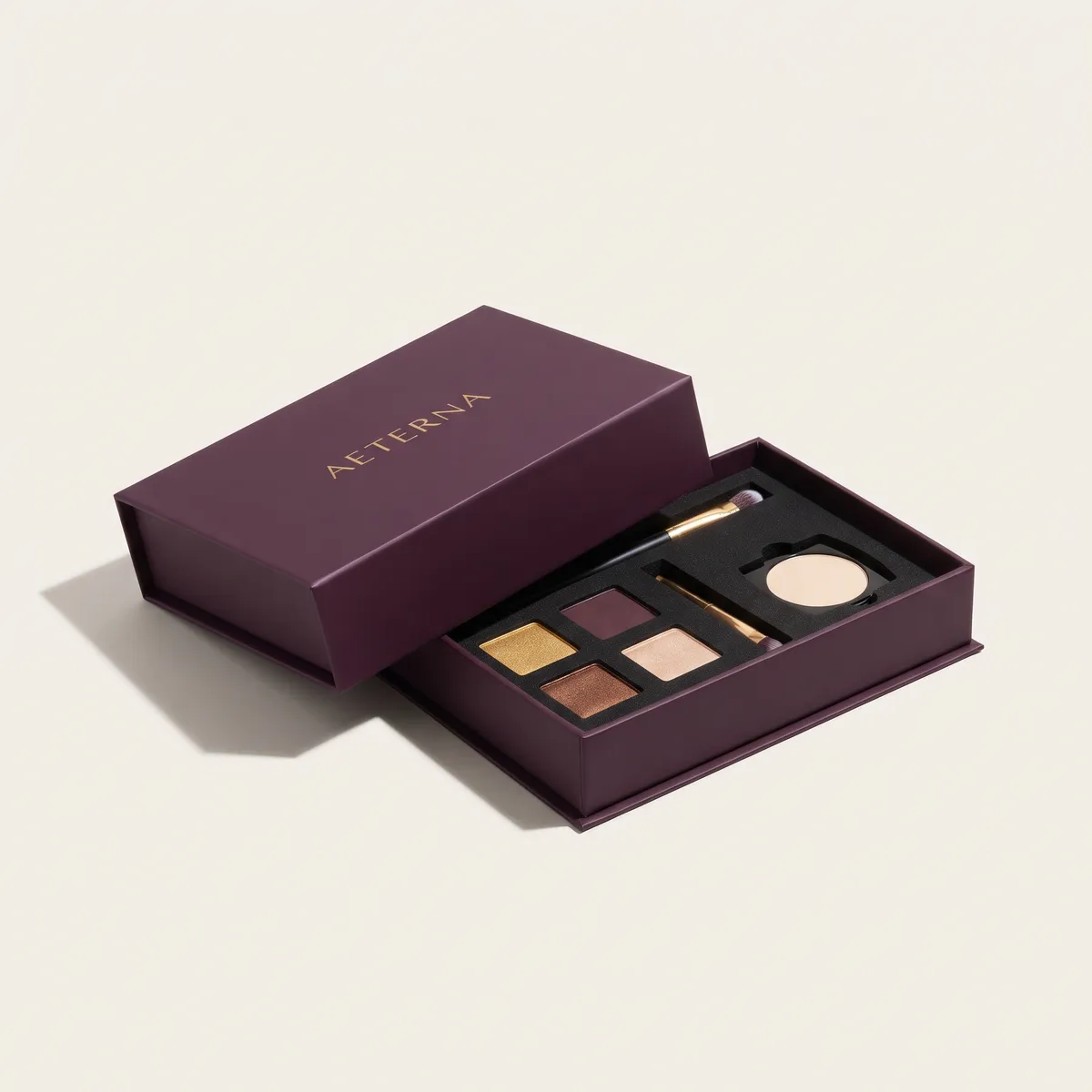
What brands say about this box
They live there rather than here, where we can't edit them, delete them, or pick which ones you get to see. That is exactly what makes them worth reading.
Read all reviews on Trustpilot(opens in a new tab)Answers before you have to ask.
When is coated board the right tray choice?
When the tray is visible as part of the reveal and needs to print in full color. For internal trays that are never seen, cheaper stock does the job without the coating cost.
Can cardboard trays have a window?
Yes, though it's less common since trays usually sit inside a box that has its own window. Where it helps is on trays used as standalone retail packaging.
Is cardboard worth it for internal trays?
Only if the tray is seen. For a tray hidden inside a closed box, coated stock is money spent on a surface nobody looks at. Save it for trays that form part of the reveal.
How long do cardboard trays take?
Usually 8–12 business days once you approve the proof. Rush production is available at a stated premium, with shipping included on every order.
Can I order trays alongside matching boxes?
Yes, and running them together is worth doing. It shares setup and ensures the tray fits the box properly, which is harder to guarantee across separate orders.