
Mouse Boxes
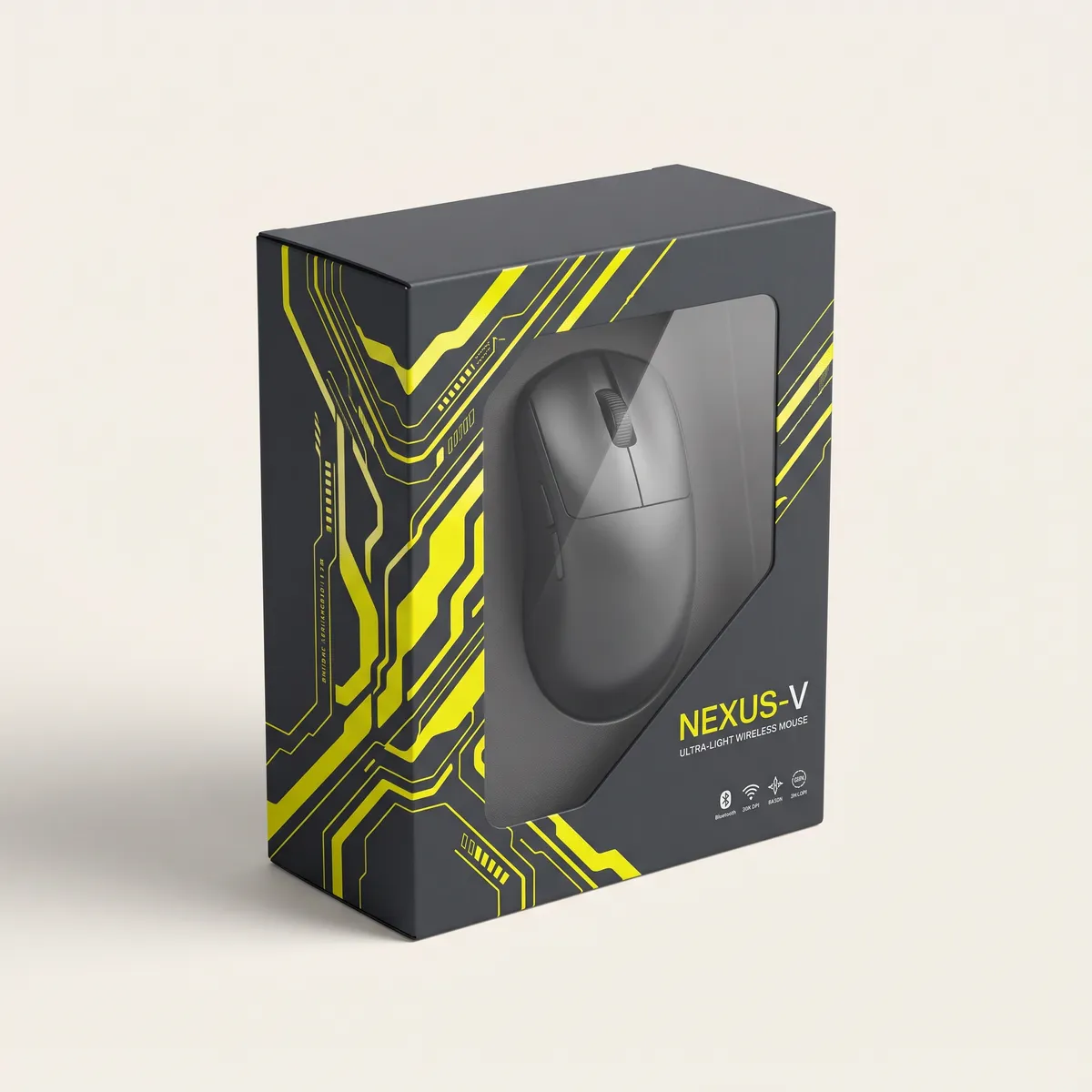
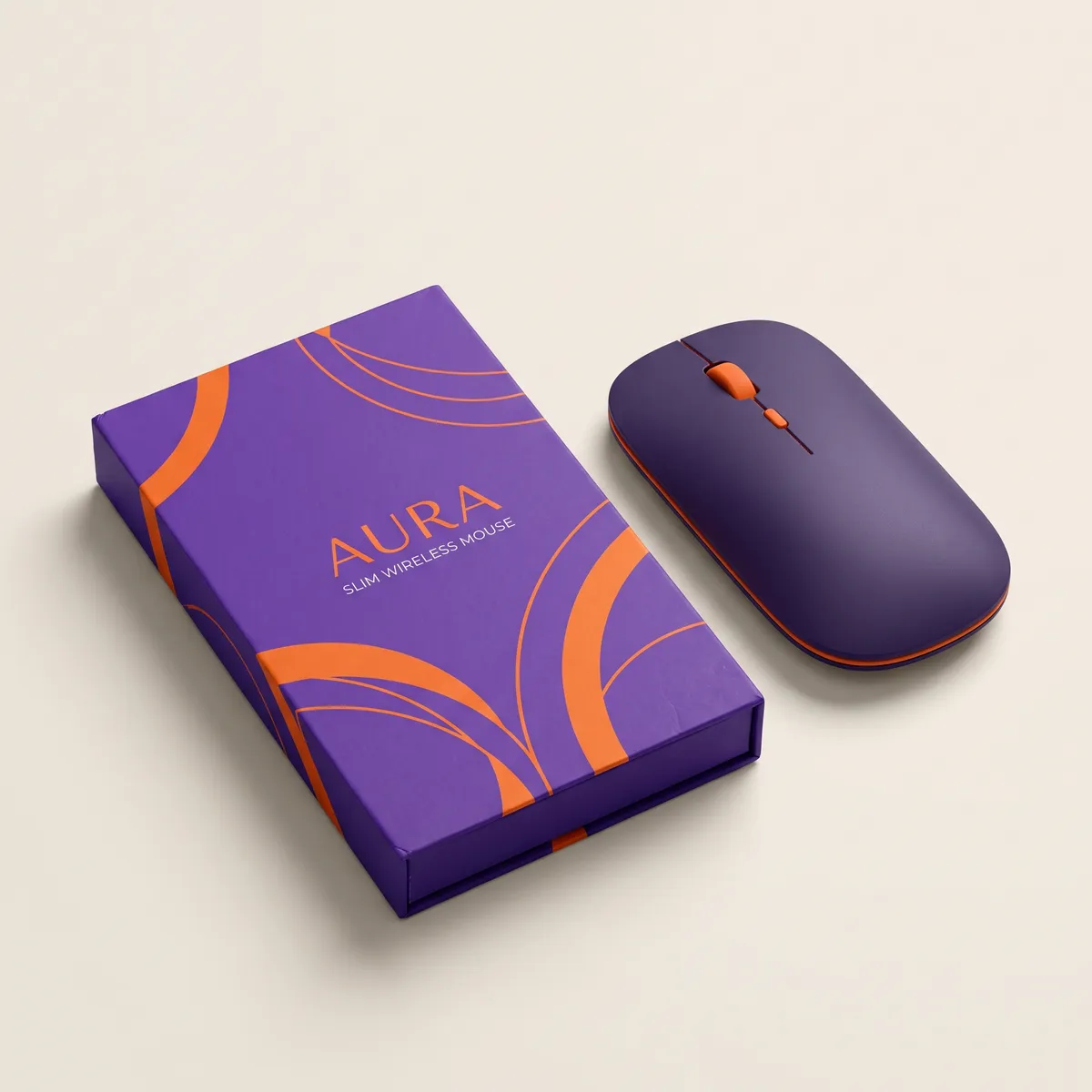
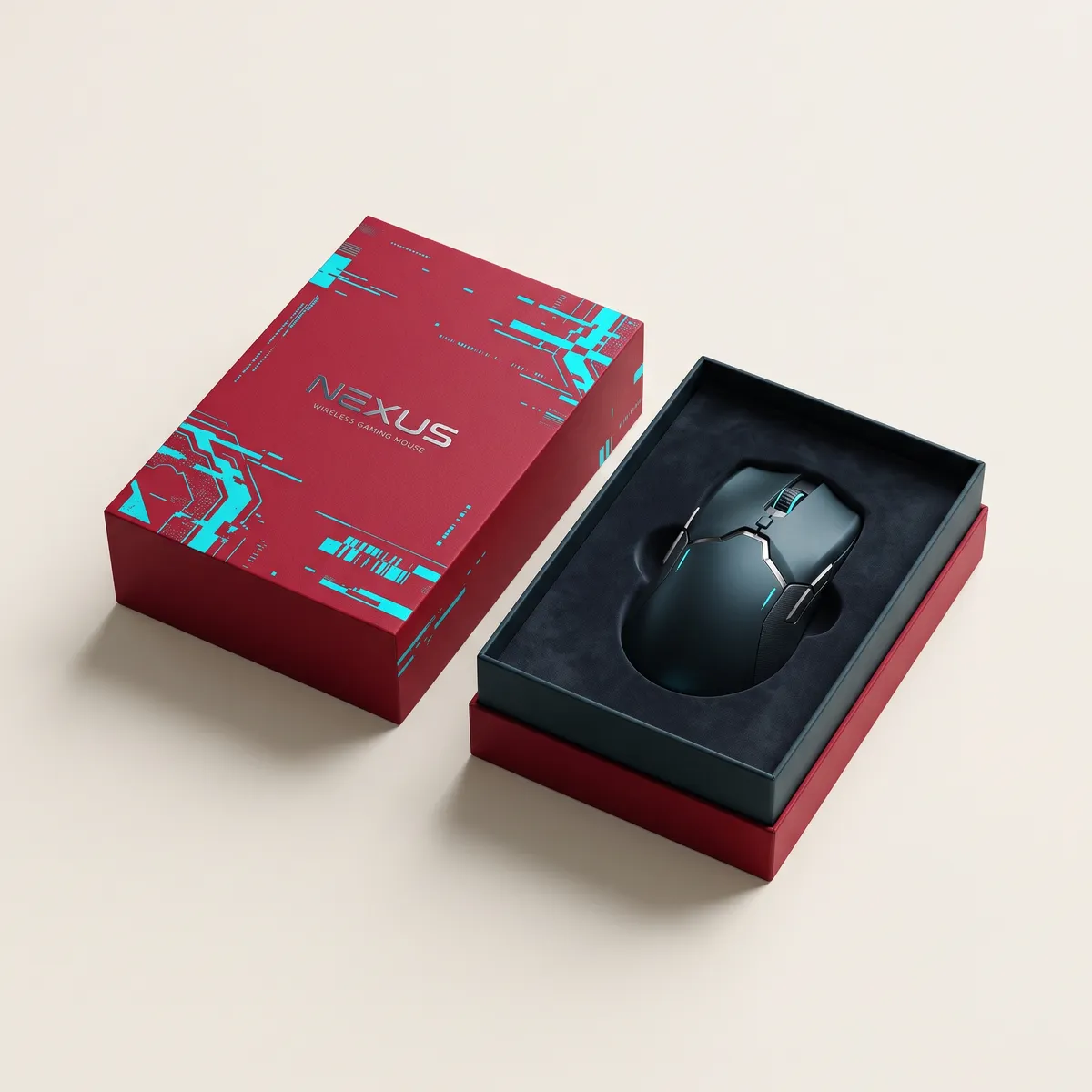
Mouse boxes use an insert contoured to the mouse profile, because a mouse in a rectangular cavity rocks and scratches its own finish. A window cut to follow that contour shows shape and finish at retail. Folding with a contoured insert suits retail and master-carton shipping; corrugated suits boxes shipped direct. Several models can run together on one order to share setup.
Ours are on Trustpilot, where we can't edit them or choose which ones you see.
Read them on Trustpilot →(opens in a new tab)Four stages, twelve days
Quote confirmed
A specialist checks your spec against the board and comes back with a firm price inside 4 business hours.
Proof approved
You get a flat dieline and a 3D render. Nothing goes to press until you approve it in writing.
On press
Print, die-cut, glue, and fold. You get a press-side photo the day your job runs.
QC and delivery
Every pallet is sampled against the digital proof or physical sample you approved, then shipped with tracking to your dock or 3PL.
If a box doesn't match the digital proof or physical sample you approved, we reprint the run at no charge.
Read the reprint terms →Know exactly what you're ordering.
Mouse Packaging Shaped to the Shell
A computer mouse has almost no flat surfaces. The shell curves along its length, slopes to one side on many ergonomic models, and carries buttons, a scroll wheel and sometimes a cable or a wireless receiver. Shoppers judge a mouse by shape and feel, often comparing several models side by side, so the box has to show the product clearly and keep its finish unmarked until it's opened. The buyers are peripheral brands, gaming accessory makers and office suppliers with their own label. Their ranges change often as new models arrive, so the packaging has to adapt for each model without needing a new outer design every time.
Contoured Insert and Carton Specs for a Mouse
Most mouse boxes are a printed paperboard carton around a fitted insert.
| Spec | Mouse boxes |
|---|---|
| Outer | Coated paperboard, folding |
| Insert | Cut to the mouse profile |
| Window | Die-cut to follow the contour |
| Tolerance | Around ±1mm on the box, tighter on the insert |
| Accessories | Separate recess for receiver or cable |
| Direct-ship option | Corrugated, B-flute |
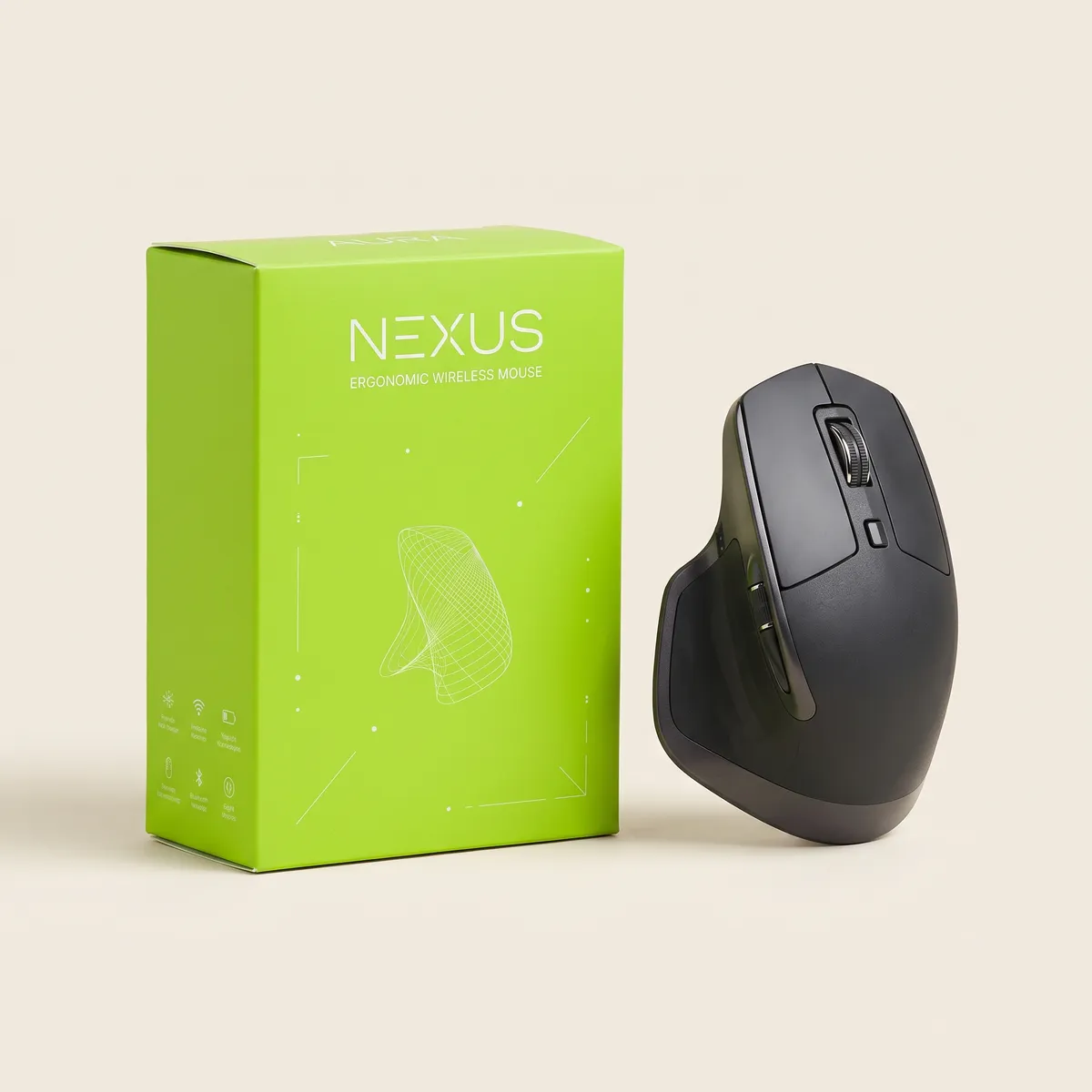
Ergonomic models need their own insert profile rather than one adapted from a symmetrical mouse, since the slope changes how the shell sits in the cavity and where it would touch the board. Wired models also need a channel for the coiled cable.
Why Most Mouse Boxes Stay Folding
A mouse is light and usually travels to the store inside a master carton, so the retail box doesn't have to survive a courier on its own. That makes a folding carton with a contoured insert the sensible default: it holds the product still, prints well and costs less than a corrugated build. Corrugated earns its place only when the box ships direct to the buyer with no outer around it. If you sell both ways, keep the folding retail box and add a plain shipper for direct orders rather than upgrading every unit. The money is better spent on the insert, because a well-cut insert does more for how the product looks on a shelf than a heavier outer does.
A Contour-Cut Window on a Matte Carton
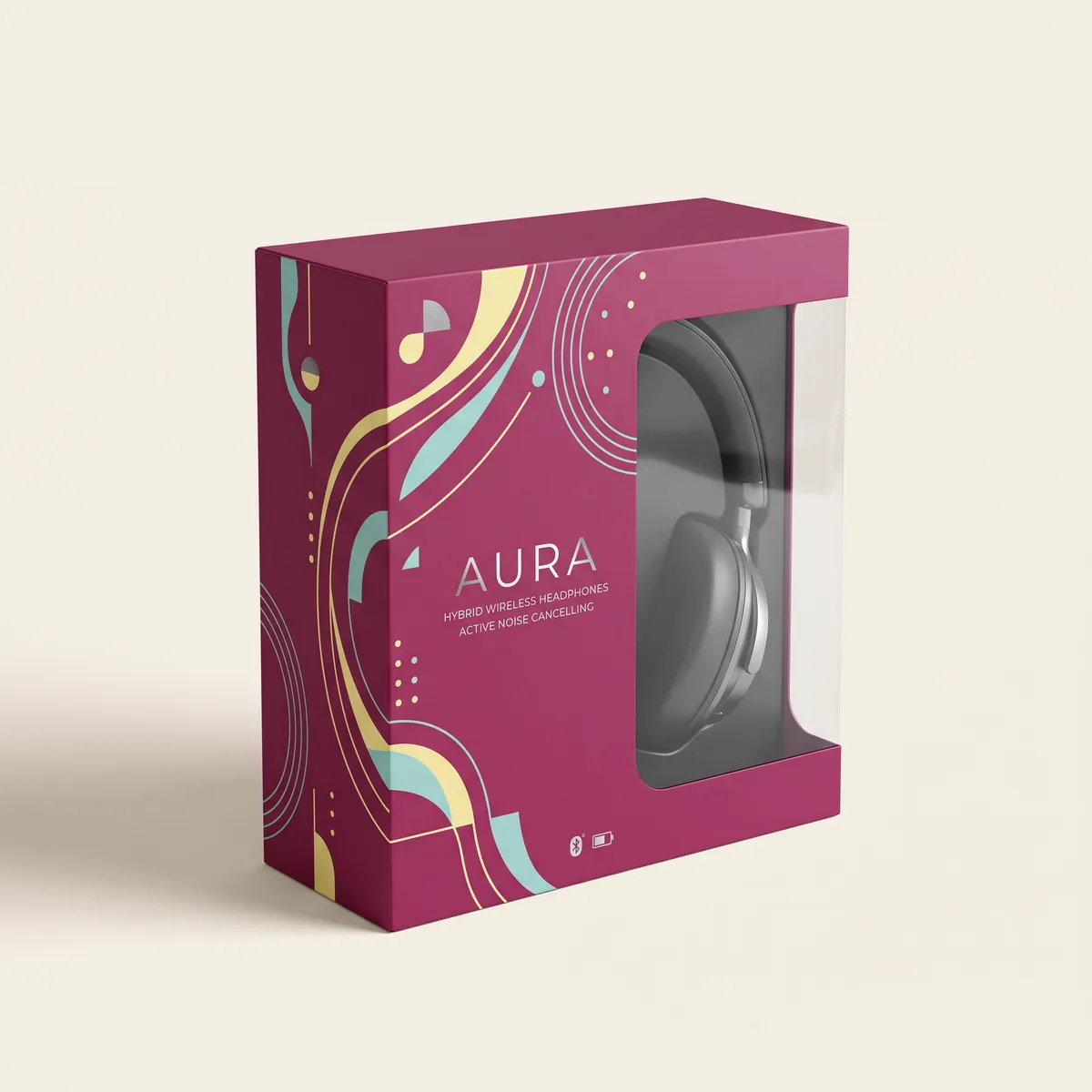
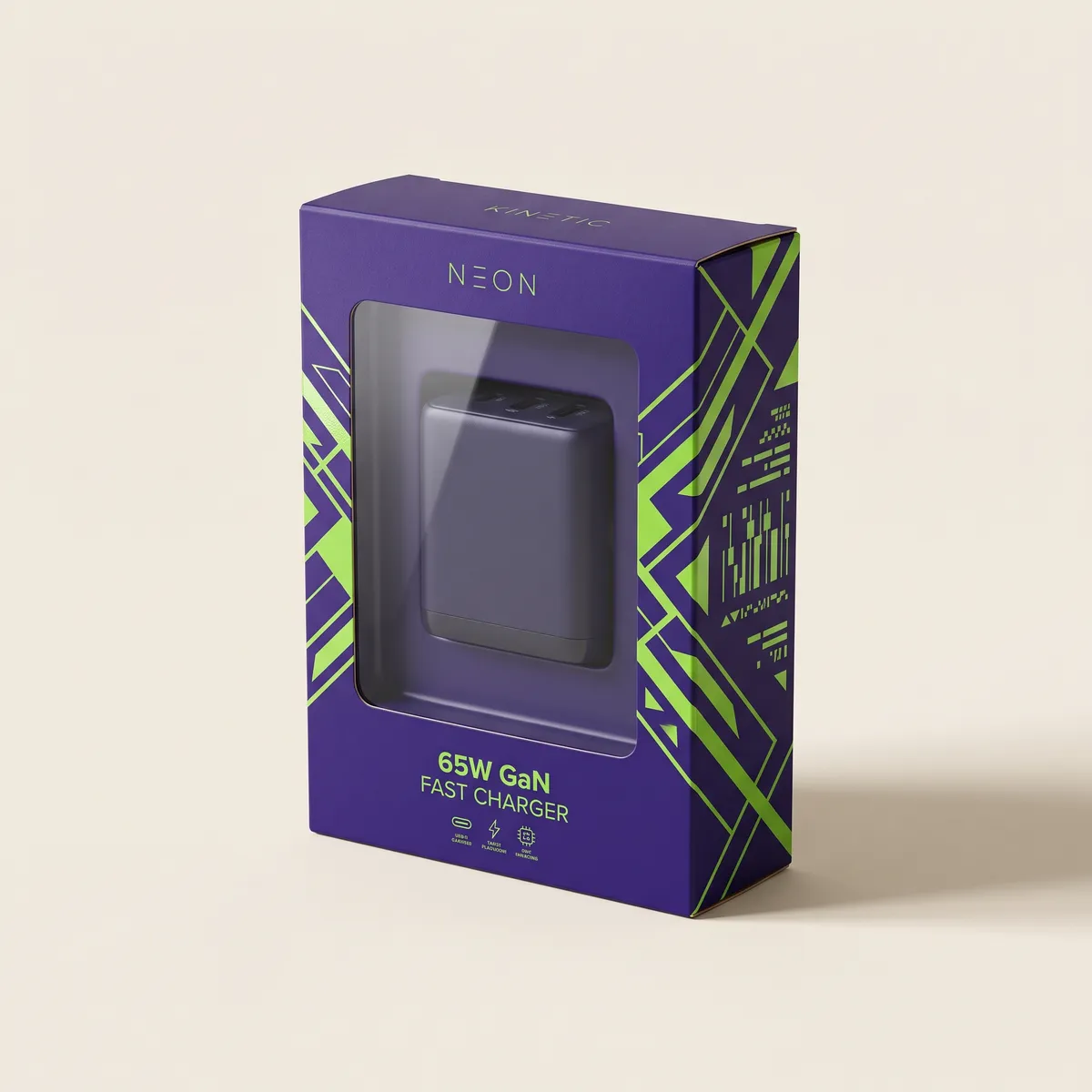
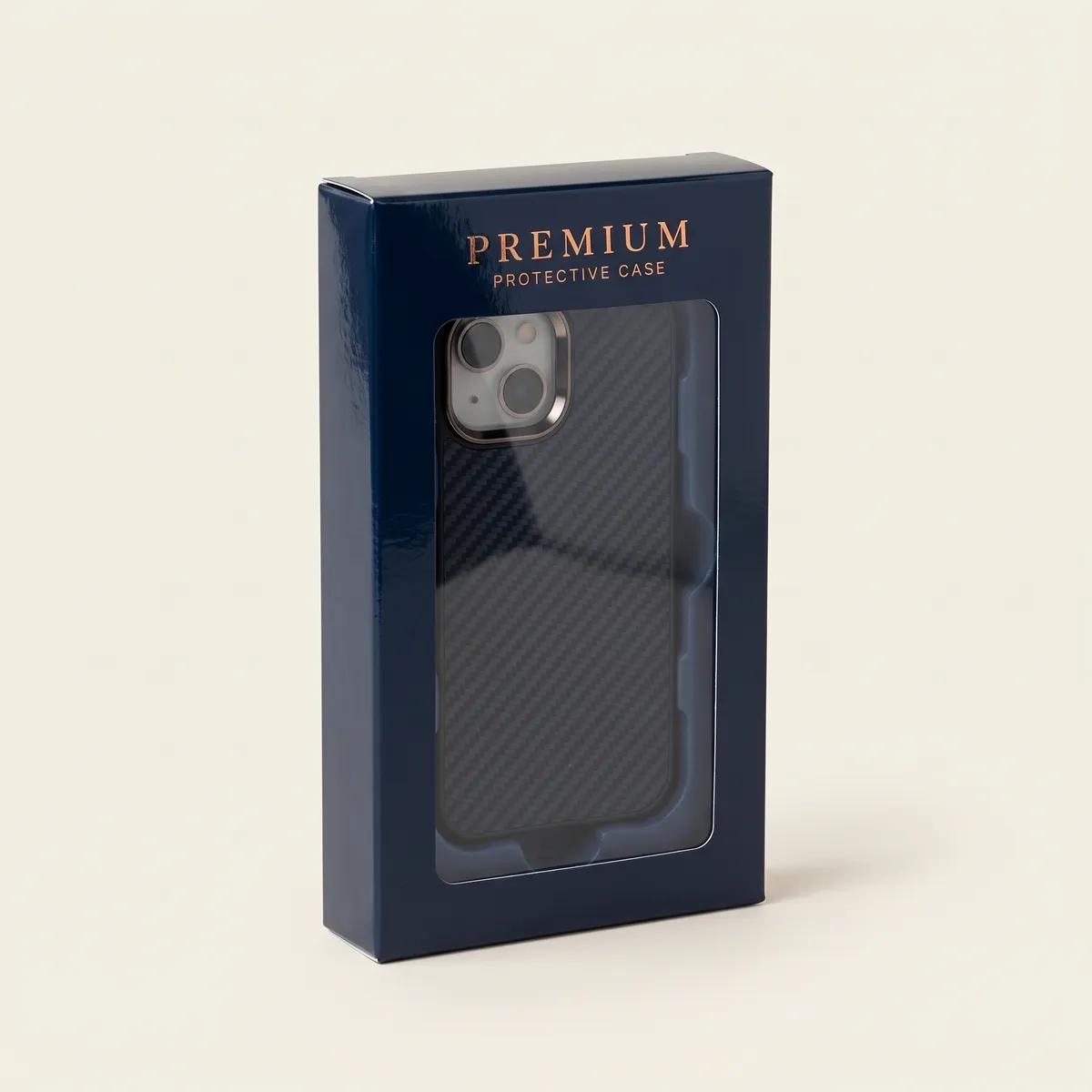
The window is the main finish decision on a mouse box. Its edge follows the outline of the shell, which frames the product more tightly than a rectangle and puts the shape front and center. A matte lamination on the carton keeps attention on the mouse rather than the box, and a spot UV logo or line drawing of the product adds detail without a second color. Gaming ranges often go further with full-bleed color and a printed inner panel. What doesn't pay off is heavy foil or embossing on a product usually bought on price and spec. Keep the spec details, such as DPI, connection type and compatible systems, on the back panel, where buyers turn the box over to check.
Mouse Boxes for Gaming Peripherals, Office Ranges and Desk Bundles
Gaming mice sell on shape, sensor and lighting, usually in bold retail packaging with a window. Office and ergonomic models sell on comfort, typically in a plainer carton that still shows the product. Desk bundles pair a mouse with a keyboard or mouse pad, using one carton with an insert cavity for each item. Peripherals sold beside gaming setups and game bundles face the same retail demands: a box that shows the product and holds every part in place while shoppers pick it up and put it back. Private-label and promotional mice, sold under a retailer's name or given away at events, also use these boxes, usually in smaller runs.
Measuring the Mouse for a First Order
A contoured insert needs more than length, width and height. Send the outline from above and the side profile, along with the receiver, cable and anything else that goes in the box. We build the dieline and insert from those and confirm internal versus external measurements in writing before proofing. Design help is unlimited and free. Orders start at 100 boxes, enough to check the insert against real units before a full run, and production takes 8–12 business days from proof approval. Rush is available at an extra cost quoted upfront. Shipping is included, and if bulk misses the approved proof, we reprint at our cost.
One connected process, start to finish.
Structural Design
Dieline drafted to your exact fit and freight tolerances.
Proof & Sample
Sign off on a digital proof, or request a physical sample.
Tooling
Dies and plates are cut for your job and archived on file.
Production
Print, die-cut, and assembly run under in-line quality checks.
Ship & Reorder
Freight goes out, and the cycle resets for your next run.
Steady process. Powerful results.
Like everything we build, our process is engineered to hold up — no shortcuts, no surprises. Five dependable stages that run the same way every single time, so reorders are just as fast as the first order.
- One dedicated teamFrom first sketch to final freight, the same people carry your order start to finish.
- Dies archived on fileReorders skip tooling and re-setup entirely — we already have your exact spec.
- Checked against your sign-offEvery run is inspected against the digital proof or physical sample you approved.
Set up your file once, correctly
Nine in ten delayed jobs are delayed by artwork, not production. Match these four rules and your proof lands the next morning.
- Bleed1/8 in (3 mm) past every cut line
- Safe ZoneKeep text 1/4 in clear of every crease
- ColourCMYK or named Pantone. No RGB.
- Resolution300 dpi at final size, fonts outlined
No print-ready file?
Send a logo and a rough idea. Our studio builds the production file free with any order over 500 units — you keep the source file either way.
Ask the StudioBackground art must run all the way to the outer bleed edge. Anything inside the white dashed line survives fold tolerance.

What brands say about this box
They live there rather than here, where we can't edit them, delete them, or pick which ones you get to see. That is exactly what makes them worth reading.
Read all reviews on Trustpilot(opens in a new tab)Answers before you have to ask.
How does a mouse box hold a contoured shape?
With a contoured insert cut to the mouse profile rather than a rectangular cavity. A mouse in a square cavity rocks and scratches its own finish, which customers notice immediately at retail.
Can mouse boxes have a window?
Yes, and it helps at retail since shape and finish are what customers judge a mouse by. We cut the window to follow the contour rather than using a rectangular opening.
Should mouse boxes be corrugated or folding?
Corrugated if the box ships direct and needs transit strength. Folding if it sits in retail and ships inside a master carton. Most mouse packaging is folding with a contoured insert.
How long do mouse boxes take to produce?
About 8–12 business days from proof approval, contoured insert included. Rush is available at an added cost stated upfront, with shipping included.
What's the minimum order for mouse boxes?
100 boxes. If you carry several models, running them together shares setup while letting each have a contoured insert matched to its own shape.