
Phone Case Boxes
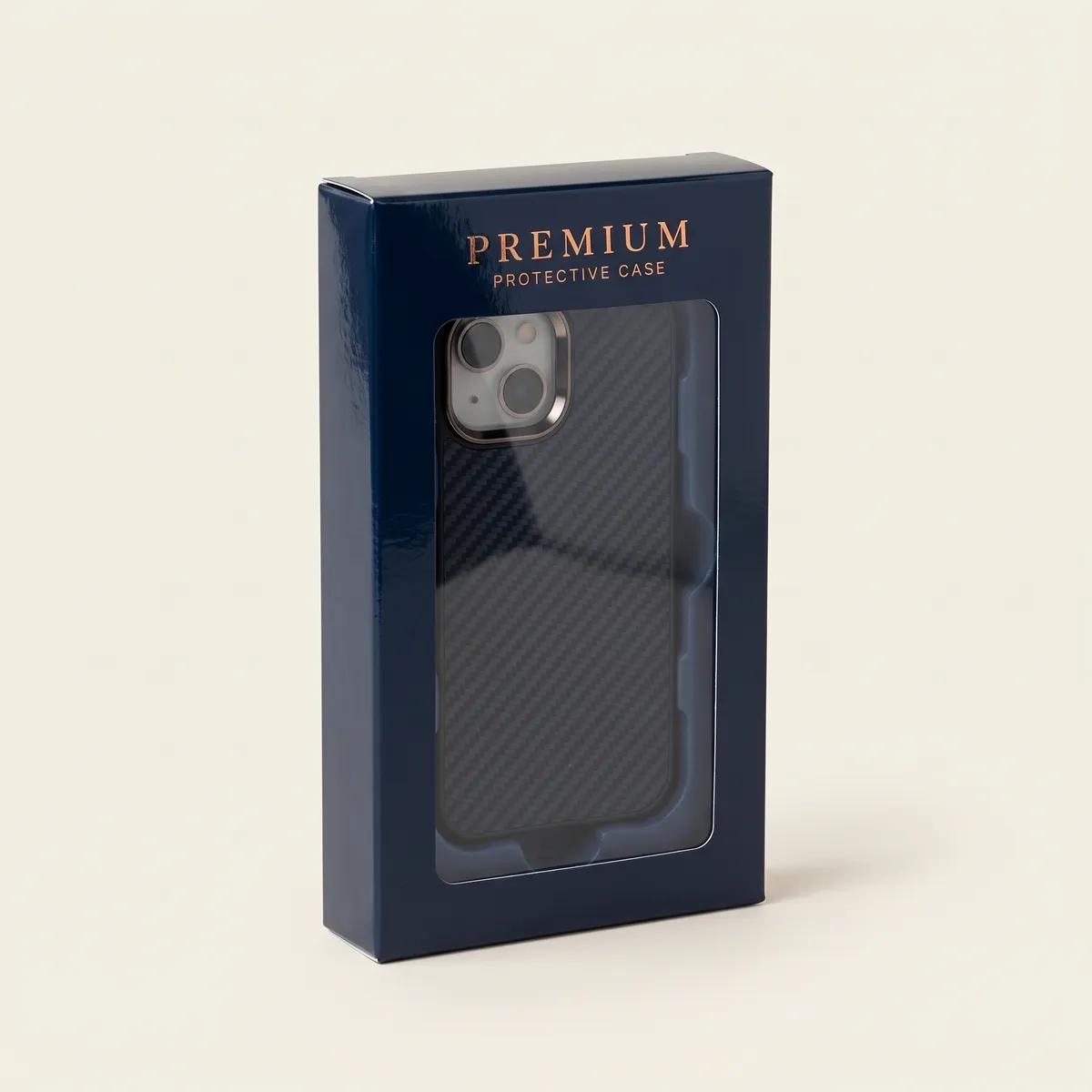
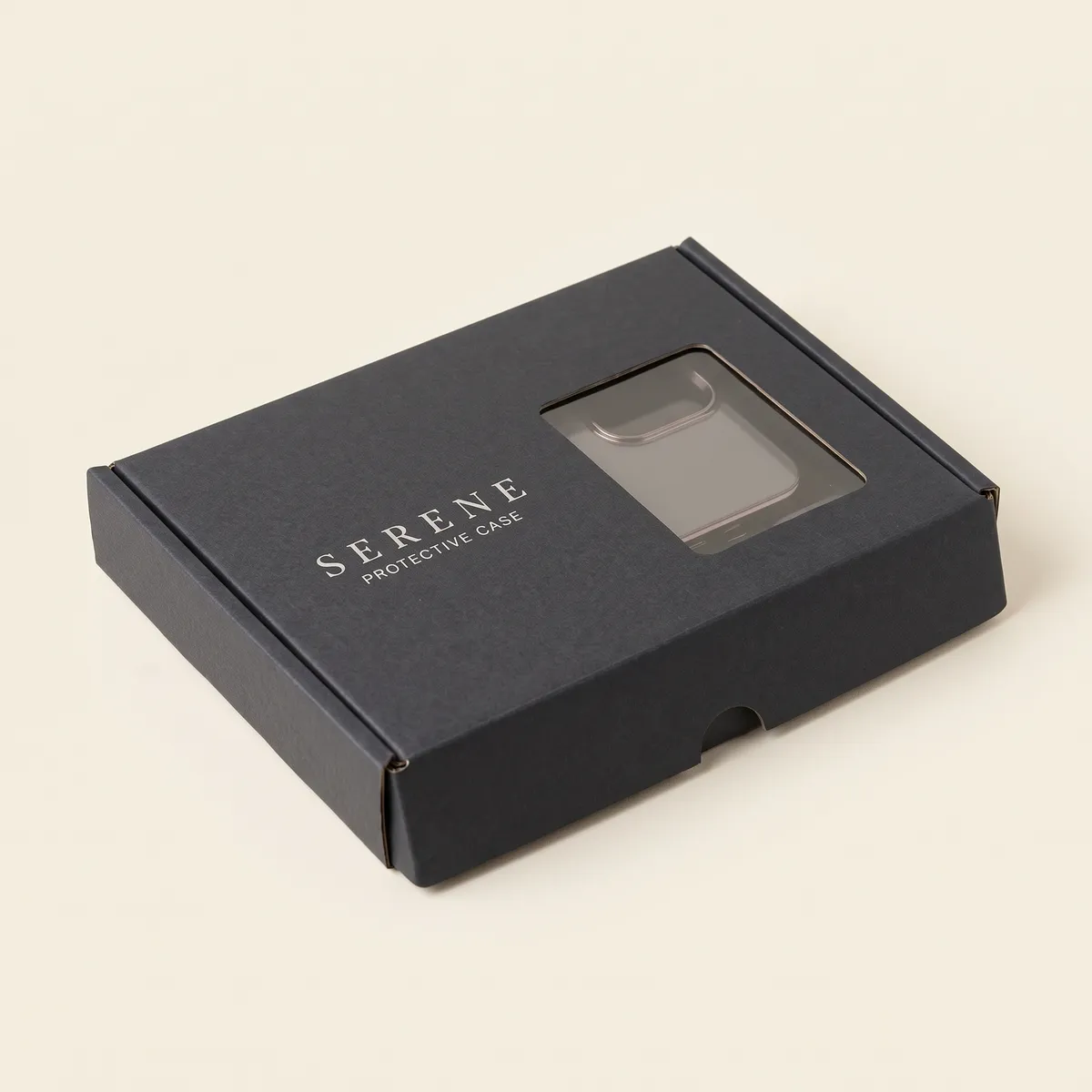
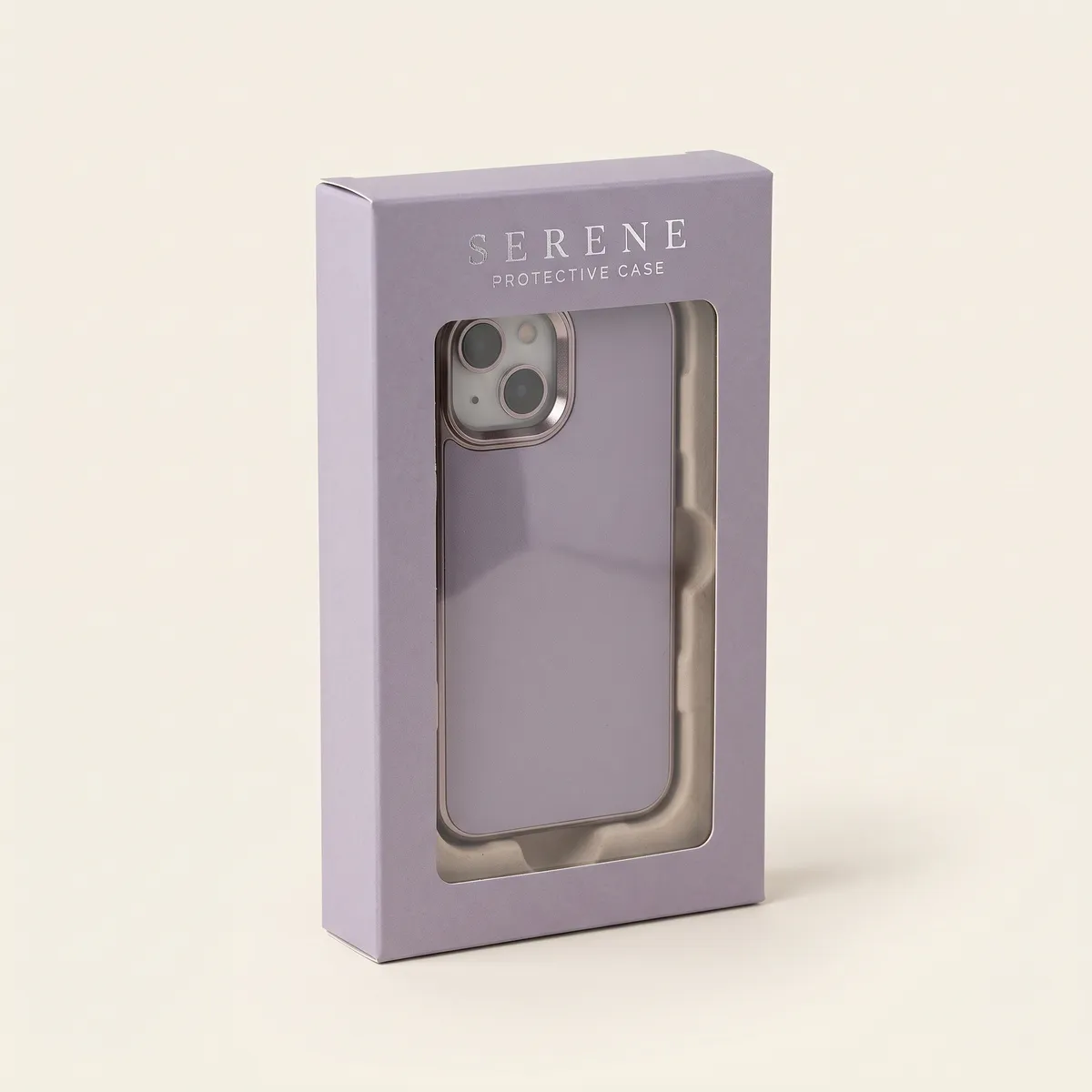
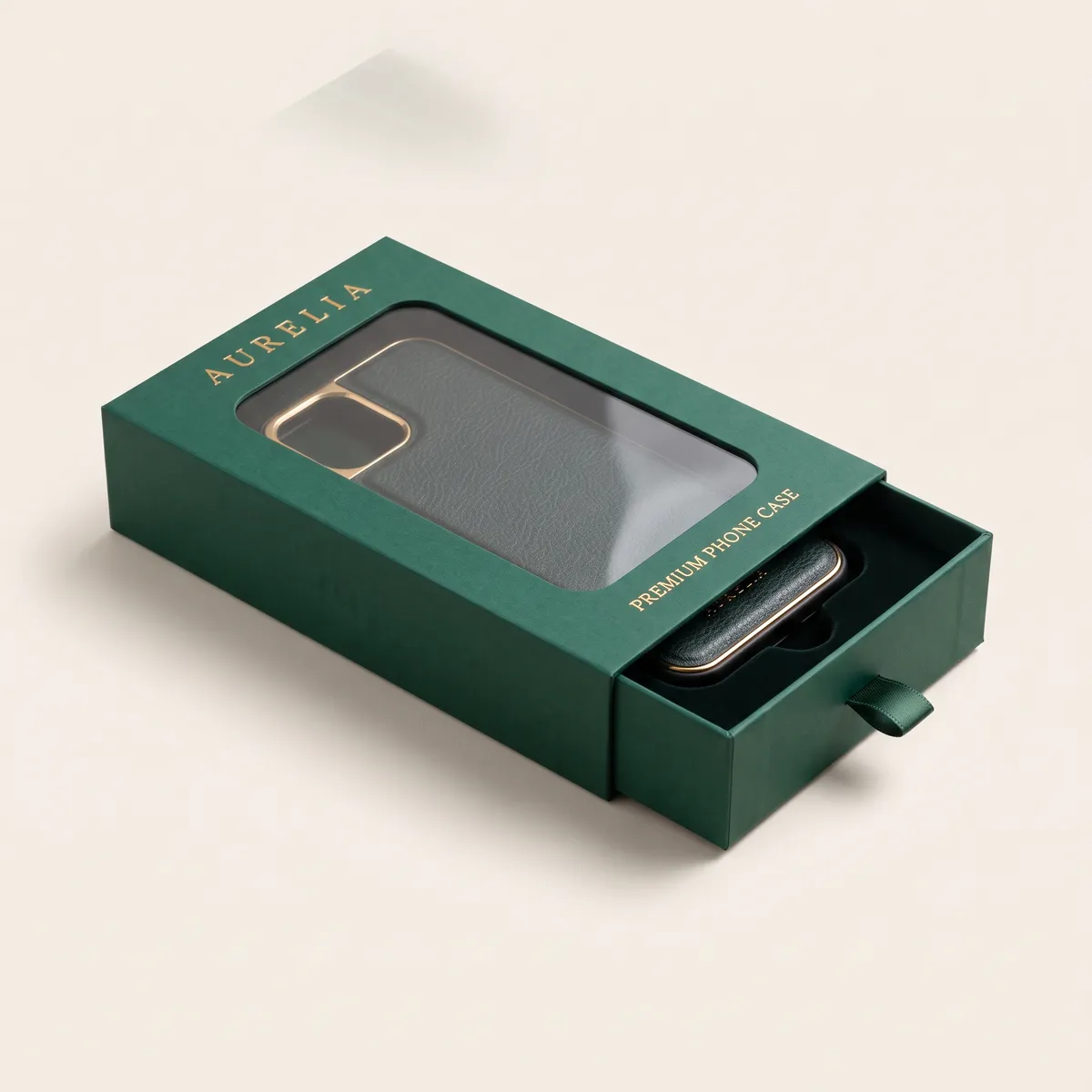
Phone case boxes run slim to keep a tight retail profile, and the limit is board stiffness, since very thin stock creases unevenly at small folds. A window shows the actual case color and finish, which a printed swatch can't reliably convey. Most brands keep one structure and change the printed panel per handset model. Rigid suits premium brands and takes 20 business days.
Ours are on Trustpilot, where we can't edit them or choose which ones you see.
Read them on Trustpilot →(opens in a new tab)Four stages, twelve days
Quote confirmed
A specialist checks your spec against the board and comes back with a firm price inside 4 business hours.
Proof approved
You get a flat dieline and a 3D render. Nothing goes to press until you approve it in writing.
On press
Print, die-cut, glue, and fold. You get a press-side photo the day your job runs.
QC and delivery
Every pallet is sampled against the digital proof or physical sample you approved, then shipped with tracking to your dock or 3PL.
If a box doesn't match the digital proof or physical sample you approved, we reprint the run at no charge.
Read the reprint terms →Know exactly what you're ordering.
Phone Case Packaging Cut to the Case, Not the Phone
A phone case is light, mostly flat and shaped by a handset that isn't in the box. Packaging sized loosely around it lets the case slide about and look half empty on the shelf. These boxes are cut to the case itself, so it sits still, faces forward and shows its back, which is the side buyers choose by. The buyers are case brands, accessory sellers carrying many handset models at once, and retailers with their own label. Range size is the pressure that shapes the job: a brand may stock one design across a dozen models, and every one of them needs a box that fits its own case without looking like a different product.
Slim Carton Specs for Phone Cases
Most retail case boxes fold from thin coated board that still folds clean at small dimensions.
| Spec | Phone case boxes |
|---|---|
| Board | Coated paperboard, folding |
| Profile | Cut close to the case depth |
| Tolerance | Around ±1mm on the box |
| Window | Die-cut, sized to the case back |
| Hanging tab | Built into the top panel |
| Premium option | Rigid, 2–3mm grayboard |
Measurements come from the case, not the phone it fits, and are confirmed as internal or external in writing before the dieline is built. A raised camera surround or a grip edge adds depth that a phone's spec sheet won't show, so measure the case itself.
Why a Five-Panel Hanger Works for Cases on a Peg
Phone cases often sell from pegs, where dozens of models hang in rows and a flat box seen edge-on gets passed by. A peg-ready hanger with a front window folds so the case faces out while the tab carries the weight, keeping the window and printed panels square to the shopper. It uses little board for the display area it creates, which matters on a product sold in volume at a modest price. Rigid is the alternative for premium accessory brands, where the box helps justify what the case costs. For most ranges sold through stores, though, a rigid case adds cost the shopper never sees on the peg, and the hanger does the selling better.
Windows and Per-Model Panels on a Case Box
The one line every case box has to get right is the compatible model. A buyer who picks the wrong handset size brings the case back, so the model name belongs on the front panel and the hanging tab, large enough to read on a crowded peg. Around it, full-color print on coated board carries the brand, and spot UV or a soft-touch film suits brands positioned above the budget end. The window does most of the selling, so keep artwork away from crowding its edge. Across a range, only the model panel changes between versions while the die stays the same. Heavy foil and embossing rarely pay off here, since buyers compare the case, not the box.
Phone Case Boxes for Accessory Brands, Phone Stores and Fashion Retail
Accessory brands with wide model ranges are the main buyers, packing one design across many handsets. Phone stores and repair counters stock cases on pegs beside chargers and screen protectors, where the hanging format earns its space. Cases with a fashion angle, such as printed patterns, leather or designer collaborations, also sell through fashion and accessory stores, where the box has to sit comfortably beside small leather goods and jewelry. Online sellers can use the same box with the tab still in place, so one version serves both channels. Launch editions for a new handset are another use, usually ordered in short runs while the model is new and demand is still uncertain.
Planning Case Boxes Around a Folding or Rigid Build
Most case ranges order folding boxes, and the timeline follows from that choice. Rigid builds for premium lines take 20 business days from proof approval, since each case is assembled and wrapped rather than folded from a flat sheet, so plan any launch around that. Send the case dimensions for each model; we build the dieline from them and confirm the measurements in writing before proofing. Design help is unlimited and free, including laying out the per-model panels. Every run passes a three-stage check, and if bulk misses the approved proof, we reprint at our cost. Orders start at 100 boxes, shipping is included, and rush is available at an extra cost quoted upfront.
One connected process, start to finish.
Structural Design
Dieline drafted to your exact fit and freight tolerances.
Proof & Sample
Sign off on a digital proof, or request a physical sample.
Tooling
Dies and plates are cut for your job and archived on file.
Production
Print, die-cut, and assembly run under in-line quality checks.
Ship & Reorder
Freight goes out, and the cycle resets for your next run.
Steady process. Powerful results.
Like everything we build, our process is engineered to hold up — no shortcuts, no surprises. Five dependable stages that run the same way every single time, so reorders are just as fast as the first order.
- One dedicated teamFrom first sketch to final freight, the same people carry your order start to finish.
- Dies archived on fileReorders skip tooling and re-setup entirely — we already have your exact spec.
- Checked against your sign-offEvery run is inspected against the digital proof or physical sample you approved.
Set up your file once, correctly
Nine in ten delayed jobs are delayed by artwork, not production. Match these four rules and your proof lands the next morning.
- Bleed1/8 in (3 mm) past every cut line
- Safe ZoneKeep text 1/4 in clear of every crease
- ColourCMYK or named Pantone. No RGB.
- Resolution300 dpi at final size, fonts outlined
No print-ready file?
Send a logo and a rough idea. Our studio builds the production file free with any order over 500 units — you keep the source file either way.
Ask the StudioBackground art must run all the way to the outer bleed edge. Anything inside the white dashed line survives fold tolerance.

What brands say about this box
They live there rather than here, where we can't edit them, delete them, or pick which ones you get to see. That is exactly what makes them worth reading.
Read all reviews on Trustpilot(opens in a new tab)Answers before you have to ask.
How slim can a phone case box go?
Slim enough to follow the case closely, since the whole point is a tight retail profile. The limit is usually board stiffness rather than the die — very thin stock creases unevenly at small folds.
Can phone case boxes have a window?
Yes, and most retail case packaging uses one. Customers want to see the actual case color and finish before buying, which a printed swatch can't reliably convey.
Should phone case boxes be rigid or folding?
Folding works well for most retail case packaging and costs considerably less. Rigid suits premium accessory brands where the box is part of the positioning. Rigid takes 20 business days rather than 8–12.
How long do phone case boxes take?
Folding builds run about 8–12 business days from proof approval; rigid takes 20. Rush production is available at an added cost quoted first, with shipping included.
Can I order phone case boxes per model?
Yes, and most brands do. Keeping one box structure while changing the printed panel per model keeps setup costs down as your range expands across handsets.