
Small Paper Bags
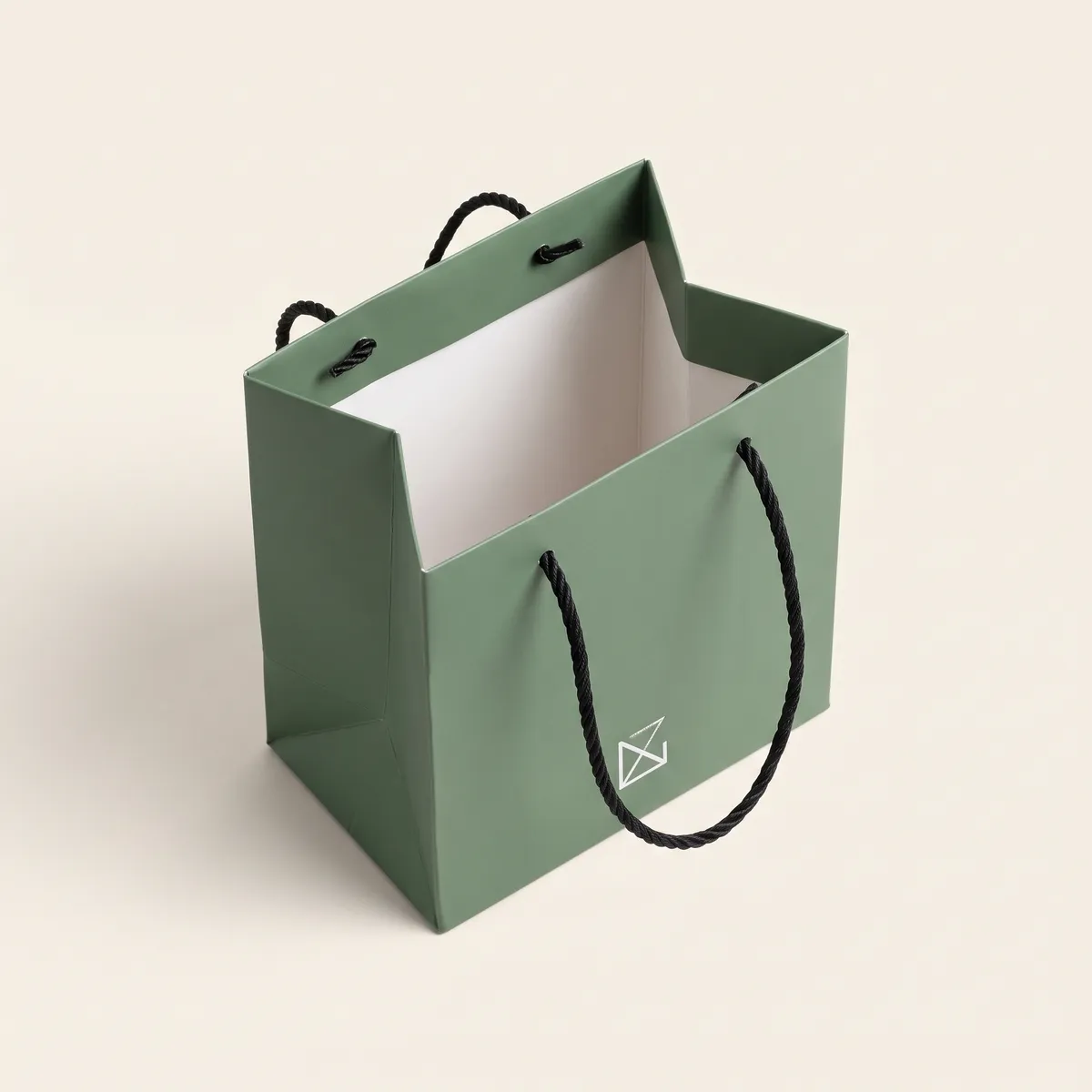
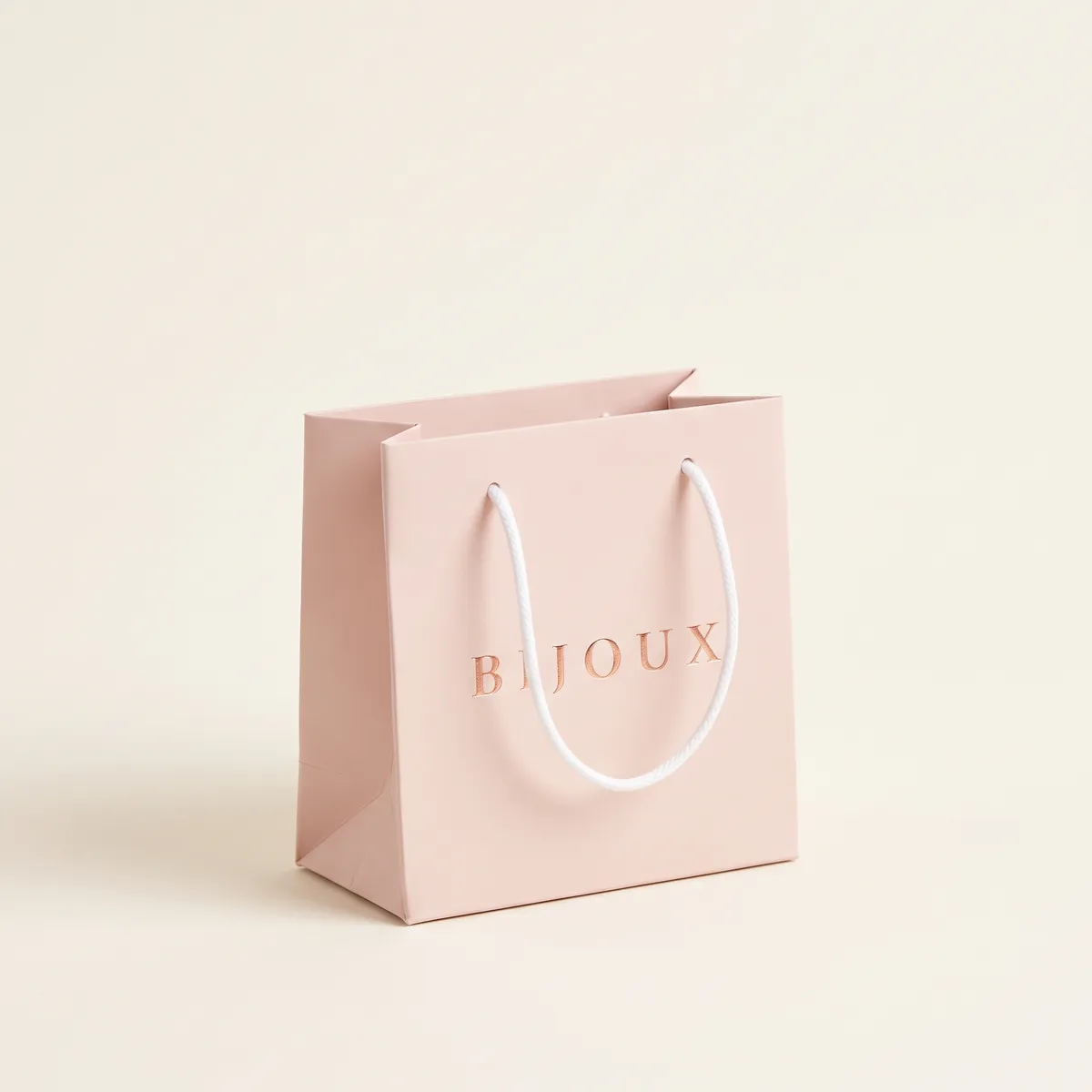
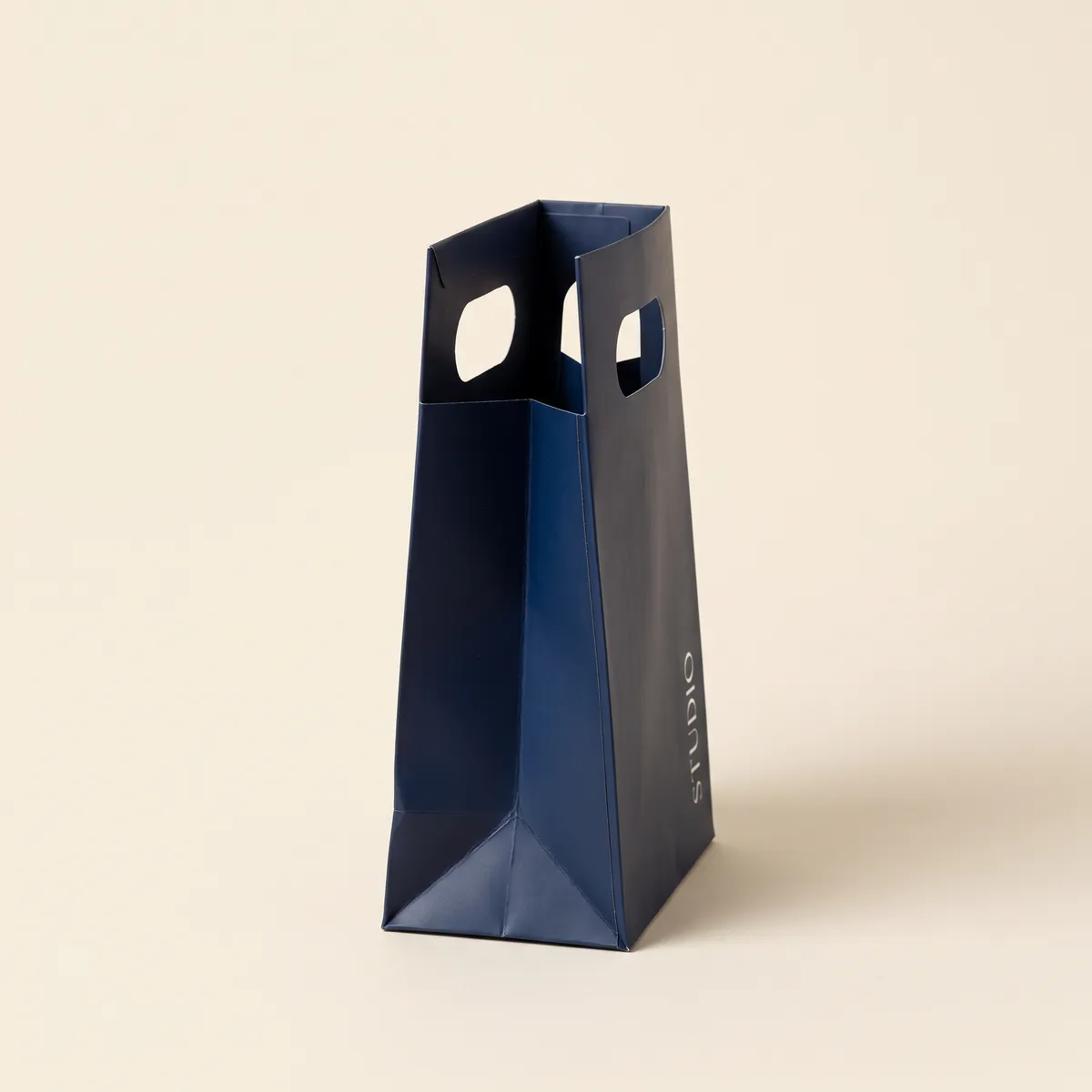
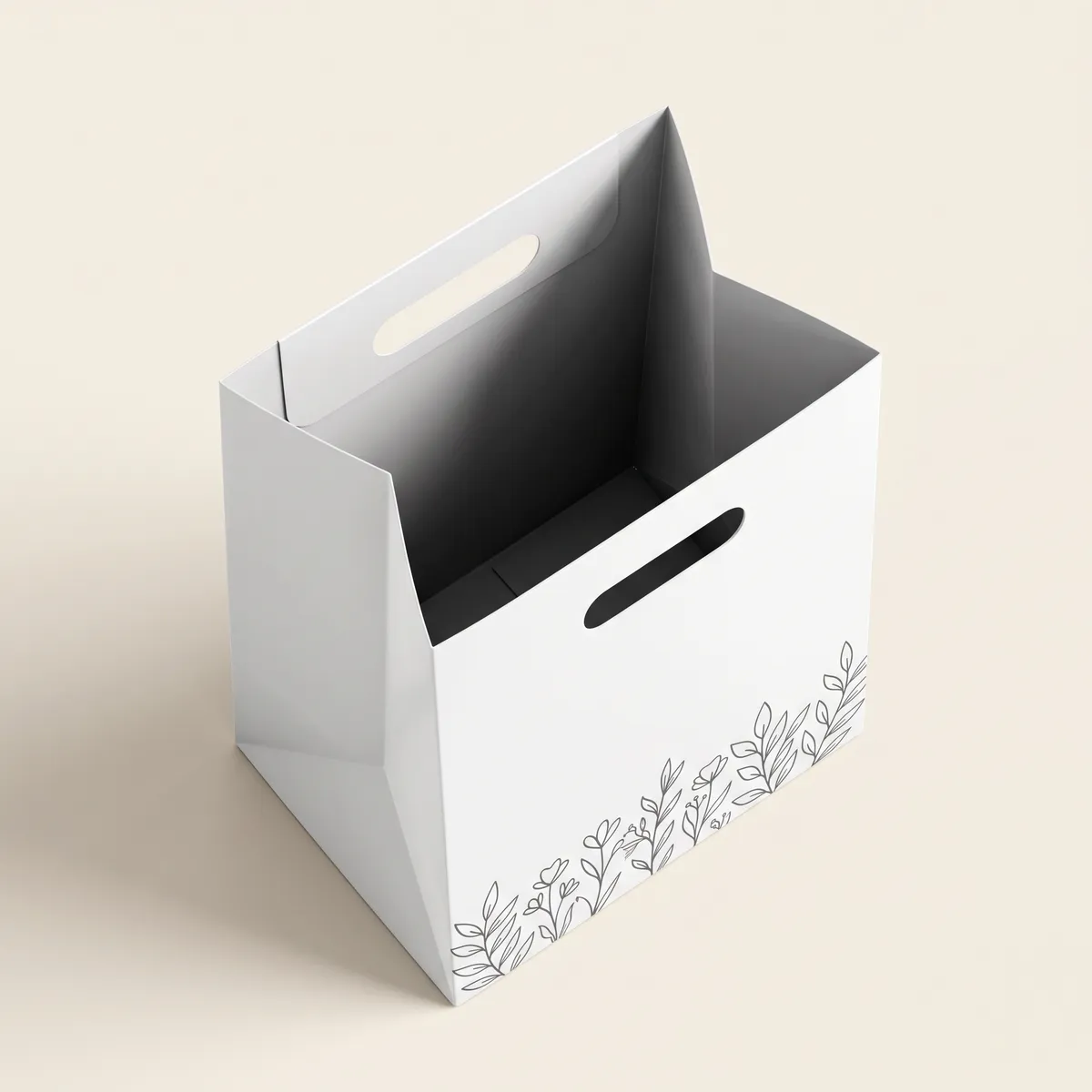
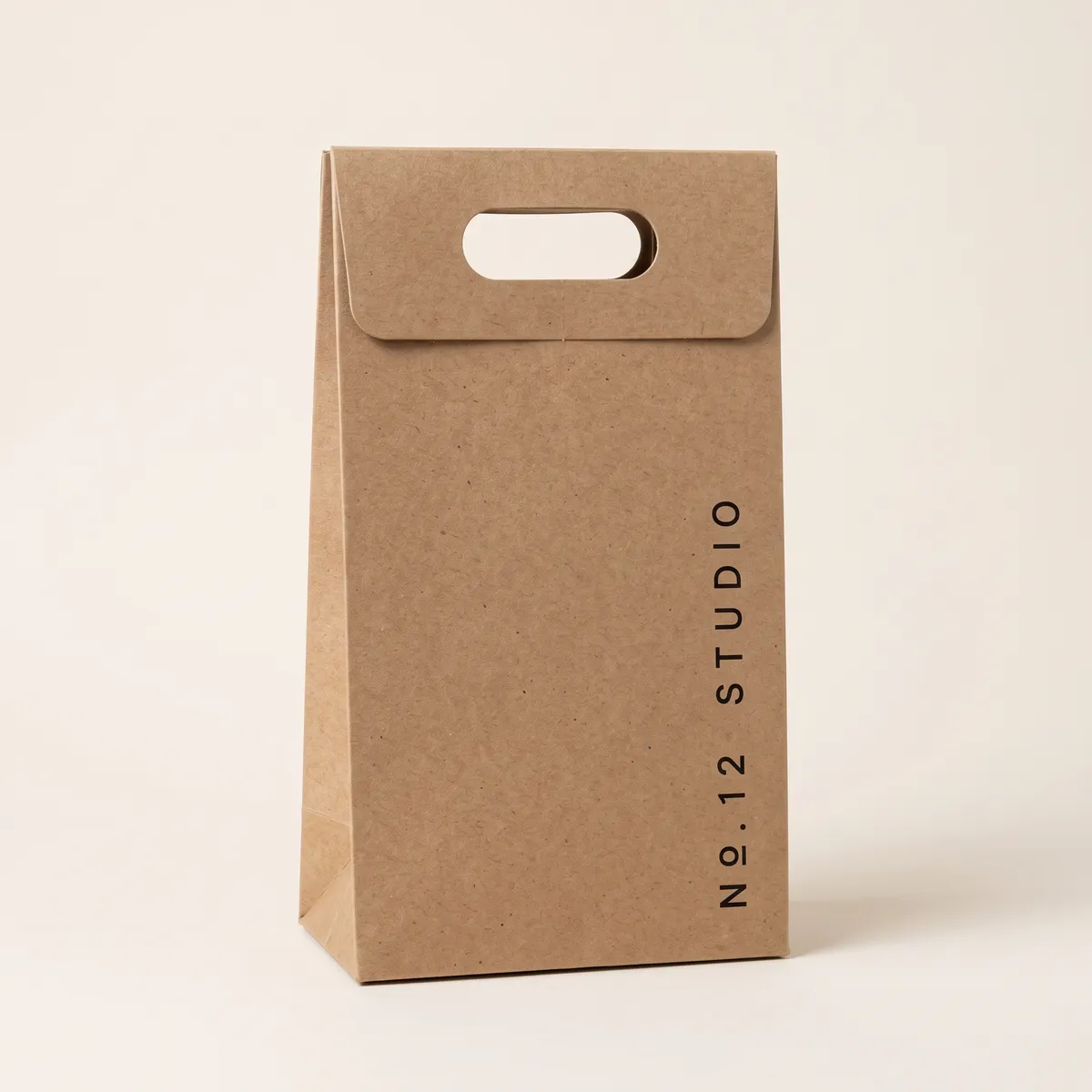
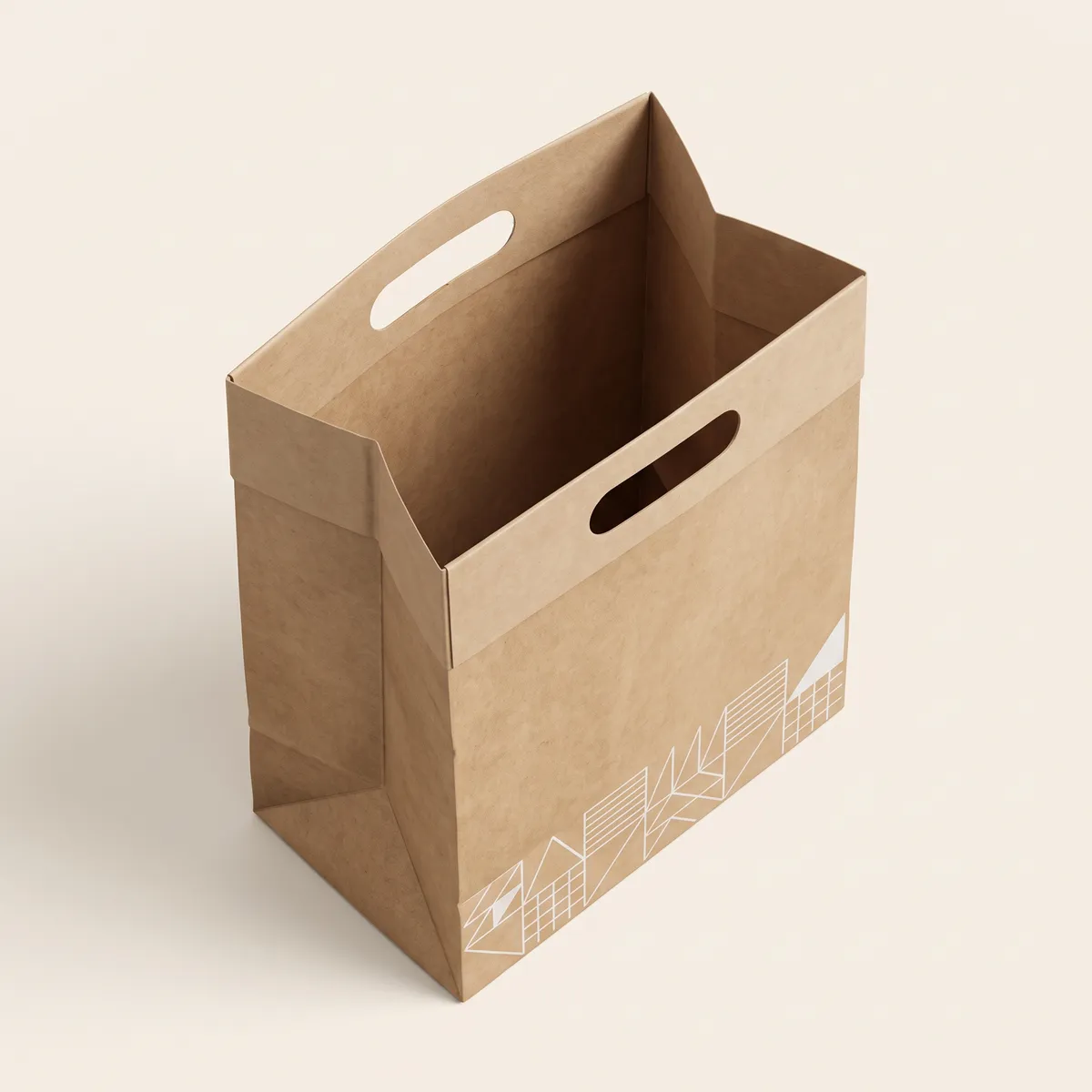
Small paper bags cover gift, jewelry and boutique purchase sizes, though below a certain width the handle becomes awkward to grip, so tell us exactly what goes inside. Die-cut handles often suit this size best, removing the attachment step and its glued weak point. Small bags aren't proportionally cheaper, since setup and handles cost roughly the same regardless of size.
Ours are on Trustpilot, where we can't edit them or choose which ones you see.
Read them on Trustpilot →(opens in a new tab)Four stages, twelve days
Quote confirmed
A specialist checks your spec against the board and comes back with a firm price inside 4 business hours.
Proof approved
You get a flat dieline and a 3D render. Nothing goes to press until you approve it in writing.
On press
Print, die-cut, glue, and fold. You get a press-side photo the day your job runs.
QC and delivery
Every pallet is sampled against the digital proof or physical sample you approved, then shipped with tracking to your dock or 3PL.
If a box doesn't match the digital proof or physical sample you approved, we reprint the run at no charge.
Read the reprint terms →Know exactly what you're ordering.
Small Paper Bags for Purchases That Fit in One Hand
A ring, a lipstick, a bar of chocolate, a gift card, a few cookies: small paper bags are for the purchase that fits in a palm. Put any of those in a standard shopping bag and it rolls around in the bottom, which looks careless and makes a small, considered purchase feel smaller still. A bag sized to the item does the opposite. Buyers are jewelers, sweet shops, cosmetics counters, gift shops and cafés selling something small alongside a drink. The bag often doubles as the gift wrap, so it needs to look finished on its own, with nothing else around it. Getting the proportions right matters more here than at any other size in the range.
Compact Bag Footprints, Handle Styles and Paper
| Part | Small bag |
|---|---|
| Footprint | Cut to the item |
| Handles | Twisted paper, ribbon, die-cut |
| Paper | Kraft, white or black |
| Single or double-sided |
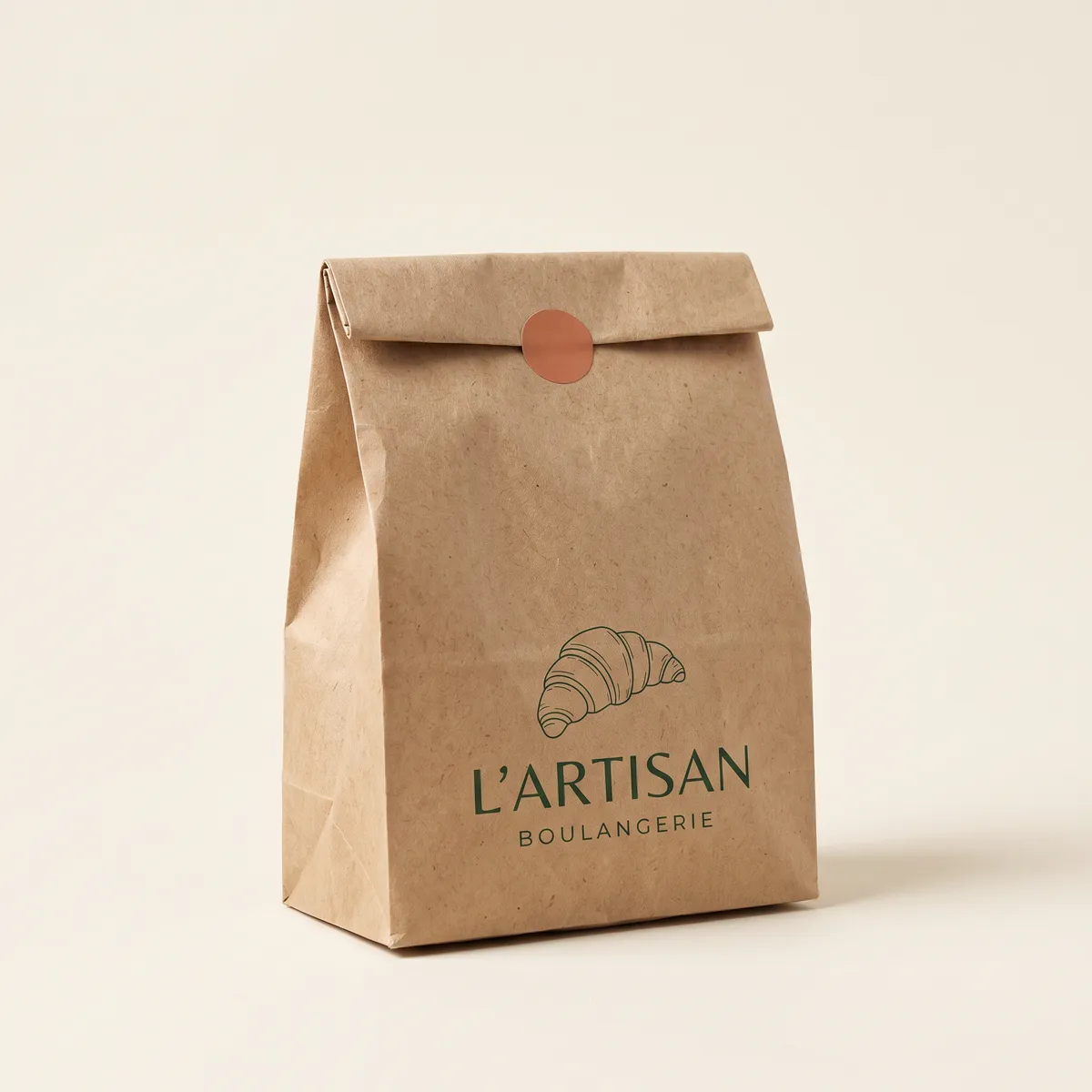
Small bags are commonly made on kraft paper scaled down to counter size, with white and black available for brands whose identity needs them. Ribbon suits a gift purchase, twisted paper suits everyday counter sales, and a die-cut grip removes the separate handle altogether. The load is light, so paper weight can come down with the size. The footprint is set by the item, or by the box it sits in, rather than a stock list of dimensions.
Why a Smaller Bag Beats Sizing Up for Small Items
The argument for a small bag is proportion. A box the size of a matchbook at the bottom of a shopping bag looks like an afterthought, while the same box in a bag cut to fit looks as if it was meant to be carried that way. Ring and earring sellers know this better than anyone, because the bag is often the first thing a gift recipient sees. Proportion is practical as well. A small item in a large bag slides about and can fall out when the bag tips, and the larger bag uses more paper for no gain. The only case for sizing up is when the item comes in a box or insert that adds bulk; then size to the box, not the product.
Fitting a Logo on a Narrow Bag Face
Space is the constraint here: a narrow front panel means the logo has to work at a reduced size. Simple marks survive the shrink, while detailed crests and long wordmarks lose their fine lines and become hard to read. A stacked version of a logo often fits better than a wide one. A single color usually looks more deliberate at this size than full artwork crowded into a small panel. Because the bag folds at the sides and base each time it opens, keep solid color and any foil clear of those creases, where coverage cracks first. If the bag has a die-cut handle, the cut-out takes space at the top of the panel, so check the dieline before placing the logo.
Small Bags for Sweet Shops, Gift Counters and Samples
Small bags earn their place at counters where the purchase is small and the margin is in the presentation. Pick-and-mix and sweet counters use them for weighed-out sweets and boxed truffles. Jewelers and watch repairers use them for small boxes and pouches. Cosmetics counters hand out samples and single lipsticks in them. Cafés use them for a cookie or pastry bought with a coffee. Hotels and corporate events use them for welcome gifts, and wedding planners order them for guest favors. Stores also keep a stack by the till for gift cards, which look thin and unfinished when handed over loose.
Small Bag Orders, Lead Times and What to Send Us
The fastest way to a small bag order is to send the item itself, or its dimensions along with any box it comes in. We build the bag's dieline around that and confirm in writing which measurements are internal, so the item fits rather than nearly fits. Minimum order is 100 bags. Design help is free, with unlimited revisions before the proof is signed off. Allow 8–12 business days once the proof is approved; rush is available at a cost quoted upfront, and shipping is included. Bags are inspected at three stages before dispatch, and should the finished bags differ from what you signed off, the reprint is on us.
One connected process, start to finish.
Structural Design
Dieline drafted to your exact fit and freight tolerances.
Proof & Sample
Sign off on a digital proof, or request a physical sample.
Tooling
Dies and plates are cut for your job and archived on file.
Production
Print, die-cut, and assembly run under in-line quality checks.
Ship & Reorder
Freight goes out, and the cycle resets for your next run.
Steady process. Powerful results.
Like everything we build, our process is engineered to hold up — no shortcuts, no surprises. Five dependable stages that run the same way every single time, so reorders are just as fast as the first order.
- One dedicated teamFrom first sketch to final freight, the same people carry your order start to finish.
- Dies archived on fileReorders skip tooling and re-setup entirely — we already have your exact spec.
- Checked against your sign-offEvery run is inspected against the digital proof or physical sample you approved.
Set up your file once, correctly
Nine in ten delayed jobs are delayed by artwork, not production. Match these four rules and your proof lands the next morning.
- Bleed1/8 in (3 mm) past every cut line
- Safe ZoneKeep text 1/4 in clear of every crease
- ColourCMYK or named Pantone. No RGB.
- Resolution300 dpi at final size, fonts outlined
No print-ready file?
Send a logo and a rough idea. Our studio builds the production file free with any order over 500 units — you keep the source file either way.
Ask the StudioBackground art must run all the way to the outer bleed edge. Anything inside the white dashed line survives fold tolerance.

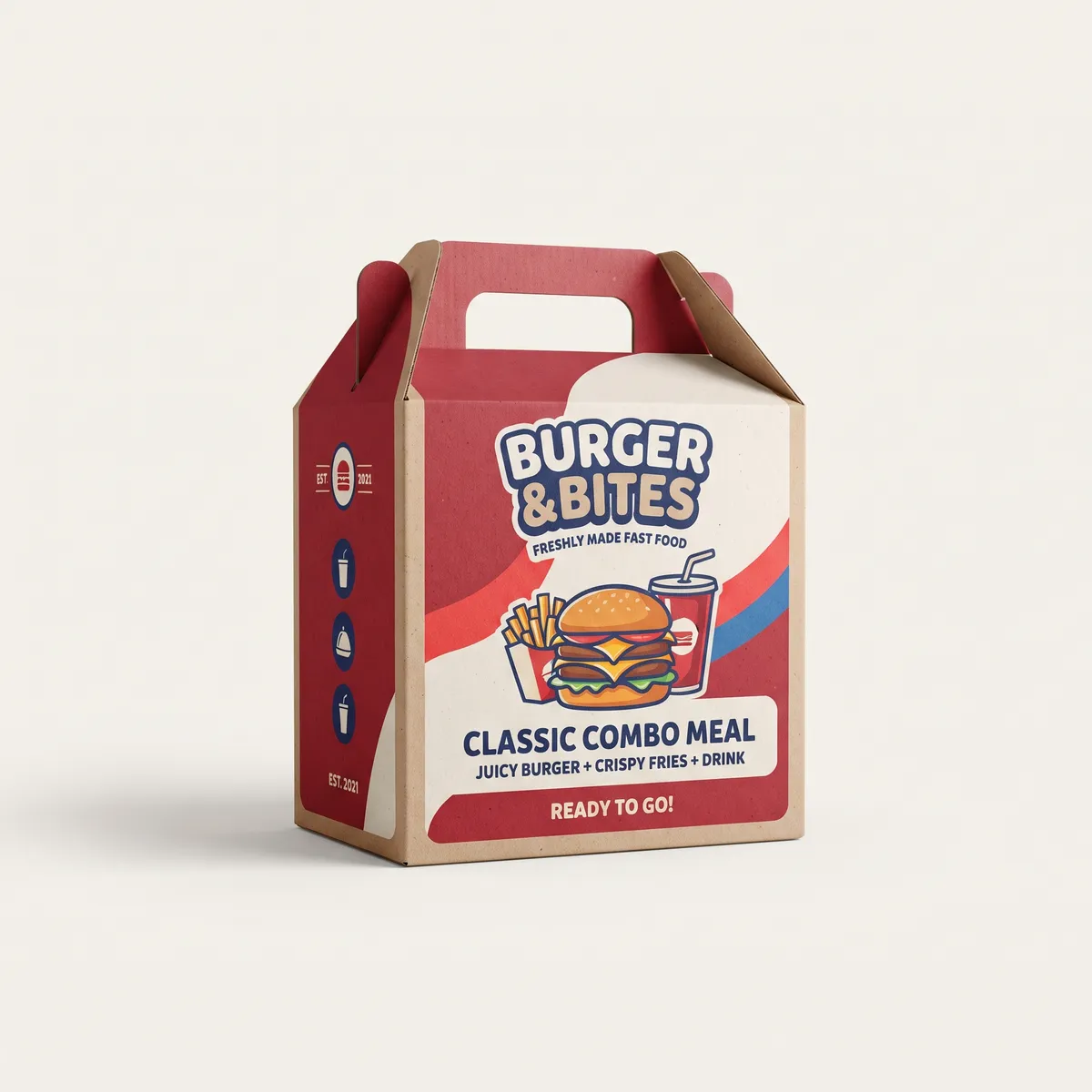
What brands say about this box
They live there rather than here, where we can't edit them, delete them, or pick which ones you get to see. That is exactly what makes them worth reading.
Read all reviews on Trustpilot(opens in a new tab)Answers before you have to ask.
What sizes count as small paper bags?
Anything from a small gift or jewelry bag up to a boutique purchase size. Below a certain width the handle becomes awkward to grip. Tell us what's going inside and we'll advise on a practical footprint.
Can small bags have die-cut handles?
Yes, and it's often the better choice at that size. A die-cut handle removes the attachment step entirely, which lowers cost and avoids the weak point where a handle is glued on.
Are small bags proportionally cheaper?
Somewhat, though not proportionally. Setup and handle attachment cost roughly the same regardless of size, so a small bag isn't proportionally cheaper than a large one.
What's the lead time on small paper bags?
Around 8–12 business days once you approve the proof, often at the faster end. Rush production is available at an added cost quoted first.
Can small bags be ordered alongside larger ones?
Yes, and it's the sensible approach. Most retailers need a small bag for accessories and a larger one for main purchases, and sharing setup across both costs less than separate orders.