
White Paper Bags
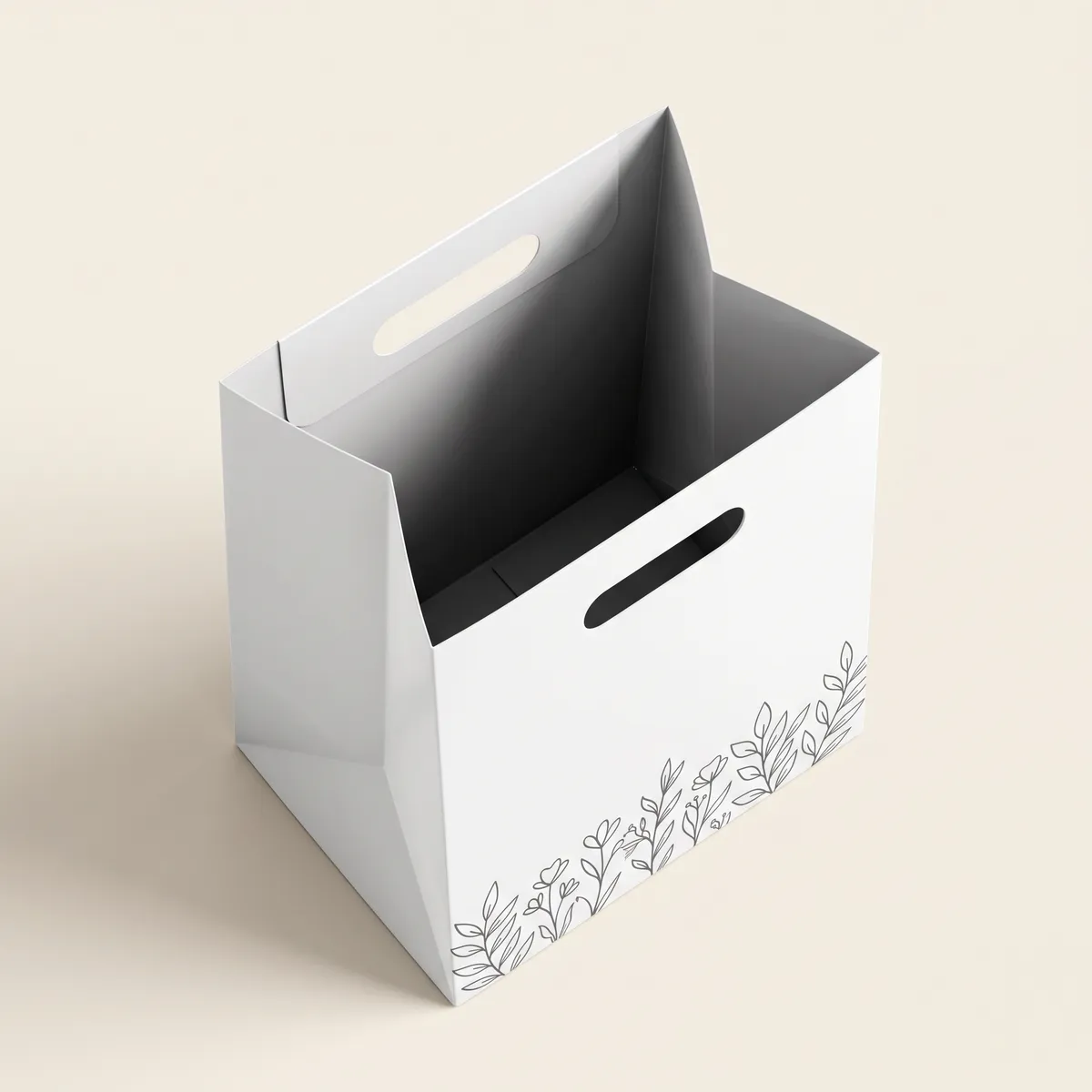
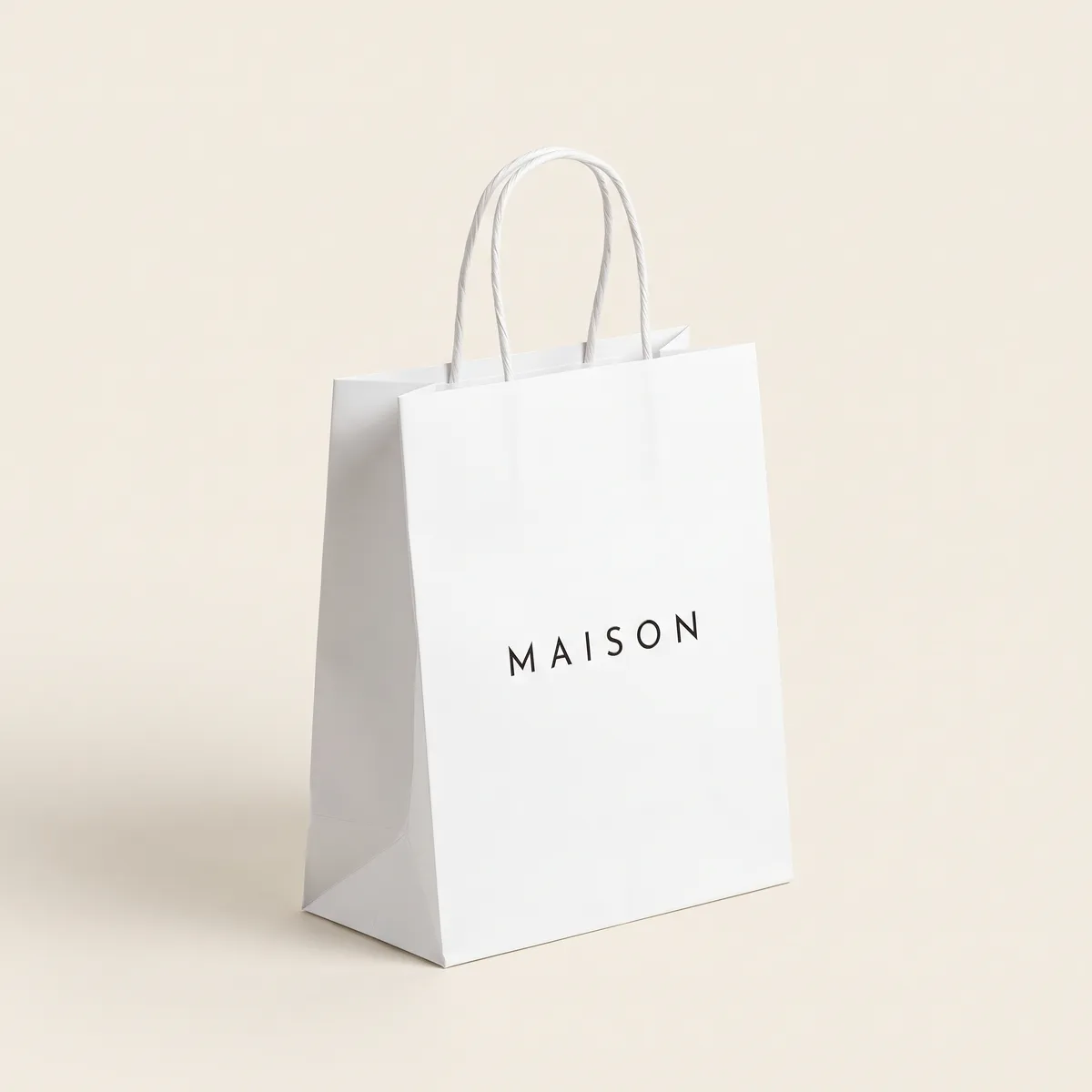
White paper bags give full-color artwork a bright surface, which is worth the slight premium over kraft for brands needing accurate color. White shows marks at creases and along the base more than kraft, and bleached paper is slightly weaker at the same weight. Lamination protects print but affects recyclability. A small run of each beside kraft shows the difference clearly.
Ours are on Trustpilot, where we can't edit them or choose which ones you see.
Read them on Trustpilot →(opens in a new tab)Four stages, twelve days
Quote confirmed
A specialist checks your spec against the board and comes back with a firm price inside 4 business hours.
Proof approved
You get a flat dieline and a 3D render. Nothing goes to press until you approve it in writing.
On press
Print, die-cut, glue, and fold. You get a press-side photo the day your job runs.
QC and delivery
Every pallet is sampled against the digital proof or physical sample you approved, then shipped with tracking to your dock or 3PL.
If a box doesn't match the digital proof or physical sample you approved, we reprint the run at no charge.
Read the reprint terms →Know exactly what you're ordering.
White Paper Bags for Brands With Colors to Hold
When a brand's colors have to come out the same everywhere, from the box and the website to the shop sign, white paper bags are the base to print on. A bleached sheet adds nothing of its own to the ink, so a brand red stays red and a soft pink doesn't drift toward beige. Buyers are usually fashion and beauty retailers, gift shops with colorful identities, and anyone with a palette pale enough that a brown background would swallow it. It's also the base for photographic artwork, since a full-bleed image only reproduces properly on white. Most of these buyers are matching the bag to packaging or signage they already have, so color is the first conversation.
Bleached Bag Paper, Coating and Handle Options
| Spec | White bag |
|---|---|
| Paper | Bleached, with a coated face |
| Handles | Reinforced; rope, ribbon, twisted or flat paper |
| Size | Matched to the product it carries |
| Full color, one face or both | |
| Option | Lamination |
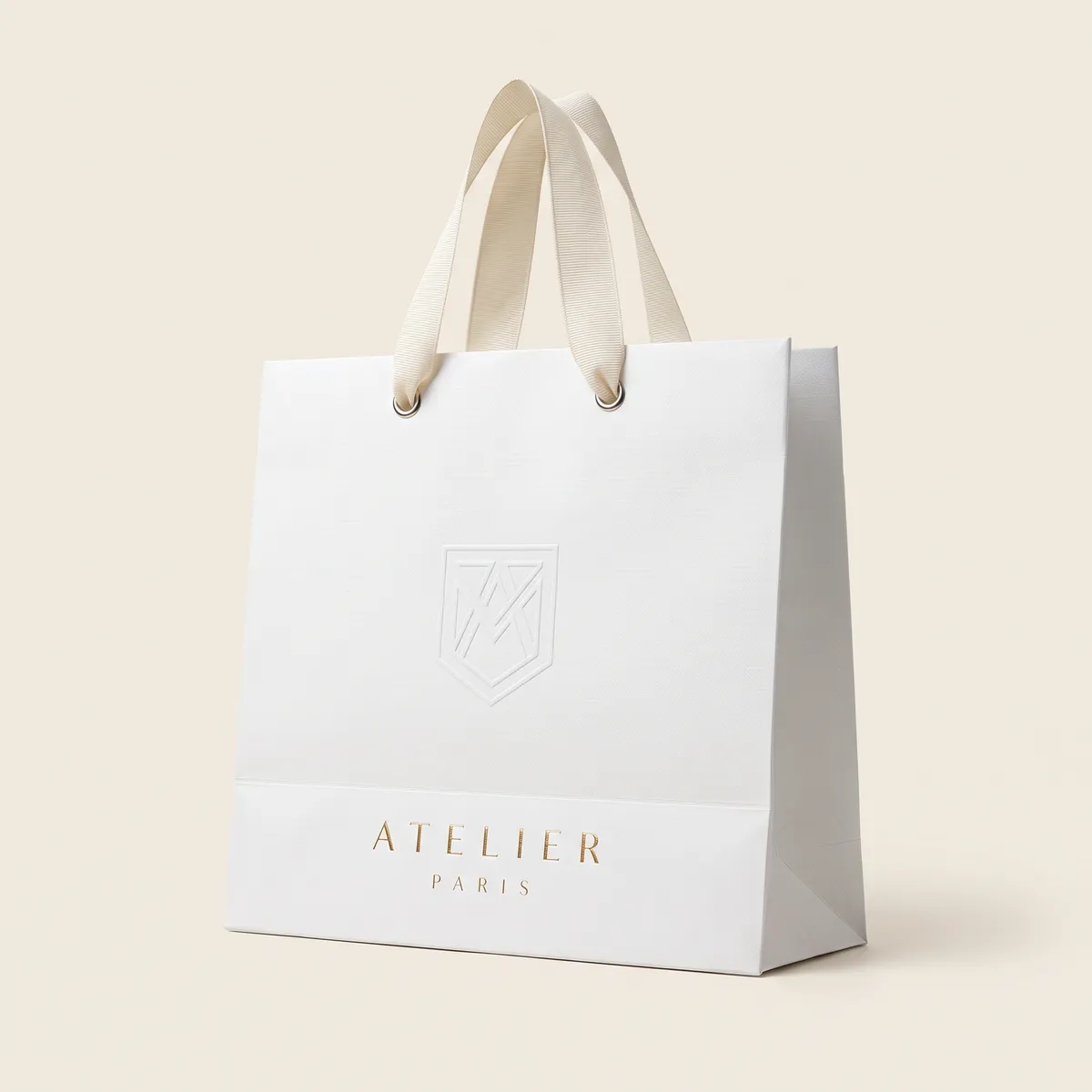
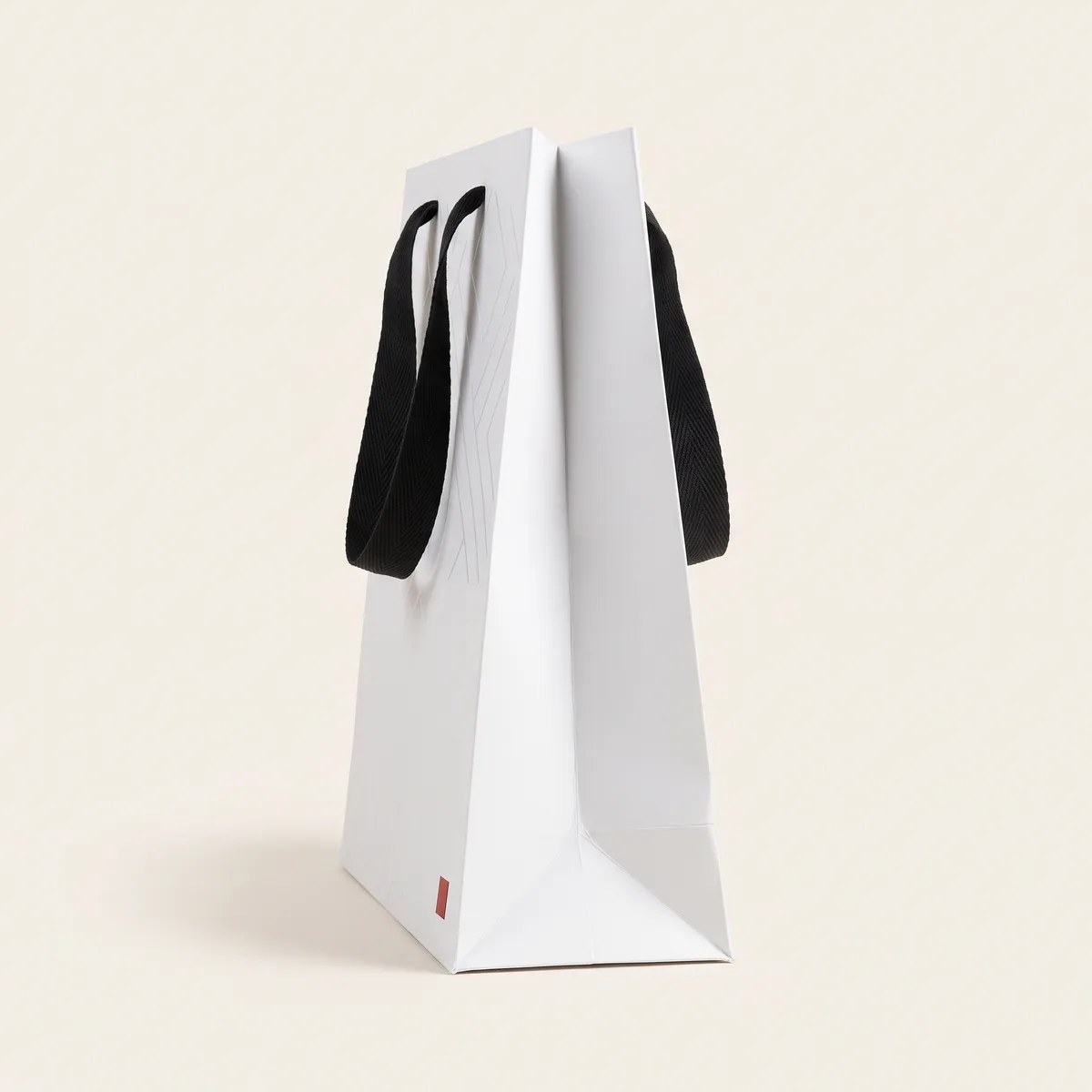
White bags are made from a bleached sheet with a coated face, which keeps ink sitting on the surface rather than soaking into the fiber. That's where the sharp edges and saturated color come from. Reinforced handles come on this line, and the handle type follows the purchase: twisted paper for everyday sales, rope or ribbon for gift and boutique use. Footprint and paper weight follow the product, not a stock chart.
What a White Ground Does for Pale and Bright Palettes
A white ground is the only one that leaves the palette alone. Every other paper is a color in its own right, and ink printed on it mixes with what's underneath: pale blue on kraft turns a muddy green, and blush pink on brown turns to tan. Bright, saturated colors survive a little better, but they still lose snap. For beauty brands with pastel palettes, that drift is the difference between a bag that matches the product and one that looks as if it came from another store. The same applies to any brand built on a precise shade. If your identity is one dark color on a plain field, though, white buys you very little, and kraft will carry the logo just as well.
Full-Color Artwork Across Both Faces of a White Bag
White bags take full-color print on both faces, so the artwork can be a design rather than a logo stamped on the front. A bag swings and turns as it's carried, which means the back is seen about as often as the front; give it its own artwork rather than a repeat. Full-bleed images and gradients reproduce well here and poorly anywhere else in the range, which is the main reason to choose white. Fine type and thin lines hold their edges on the coated face. Keep the busiest part of the artwork off the side folds and base crease, where the paper bends with every opening. Lamination is available if the print needs protecting from wear.
White Bags at Fashion Tills and Beauty Counters
White bags go where the brand's look is light and the color has to be exact. Fashion labels with a clean white look use them at the till as the visible end of a minimal store. Beauty counters pair them with white cartons so bag and box read as one set. Gift and stationery shops with colorful, illustrated identities need the white ground to keep their artwork bright. Galleries and museum shops use them for prints, books and catalogs. Event teams order them as printed goody bags, where sponsor logos have to come out in their correct colors. In each case, the bag is a printed surface first and a carrier second.
Ordering White Bags With a Color Proof in Hand
Color is the thing to settle before a white run, so the proof stage carries most of the work. Send your brand colors as values rather than a screenshot, and if there's a printed reference you're matching, such as a box, a swing tag or a shop sign, tell us so we know the target. Our design team prepares the artwork and proof for free, with as many revision rounds as you need. Bags are ready 8–12 business days after sign-off, and rush is available at an extra cost we'll state before you order. Three separate checks happen before the bags ship, shipping is included, and bags that don't match the approved proof are reprinted at our cost.
One connected process, start to finish.
Structural Design
Dieline drafted to your exact fit and freight tolerances.
Proof & Sample
Sign off on a digital proof, or request a physical sample.
Tooling
Dies and plates are cut for your job and archived on file.
Production
Print, die-cut, and assembly run under in-line quality checks.
Ship & Reorder
Freight goes out, and the cycle resets for your next run.
Steady process. Powerful results.
Like everything we build, our process is engineered to hold up — no shortcuts, no surprises. Five dependable stages that run the same way every single time, so reorders are just as fast as the first order.
- One dedicated teamFrom first sketch to final freight, the same people carry your order start to finish.
- Dies archived on fileReorders skip tooling and re-setup entirely — we already have your exact spec.
- Checked against your sign-offEvery run is inspected against the digital proof or physical sample you approved.
Set up your file once, correctly
Nine in ten delayed jobs are delayed by artwork, not production. Match these four rules and your proof lands the next morning.
- Bleed1/8 in (3 mm) past every cut line
- Safe ZoneKeep text 1/4 in clear of every crease
- ColourCMYK or named Pantone. No RGB.
- Resolution300 dpi at final size, fonts outlined
No print-ready file?
Send a logo and a rough idea. Our studio builds the production file free with any order over 500 units — you keep the source file either way.
Ask the StudioBackground art must run all the way to the outer bleed edge. Anything inside the white dashed line survives fold tolerance.
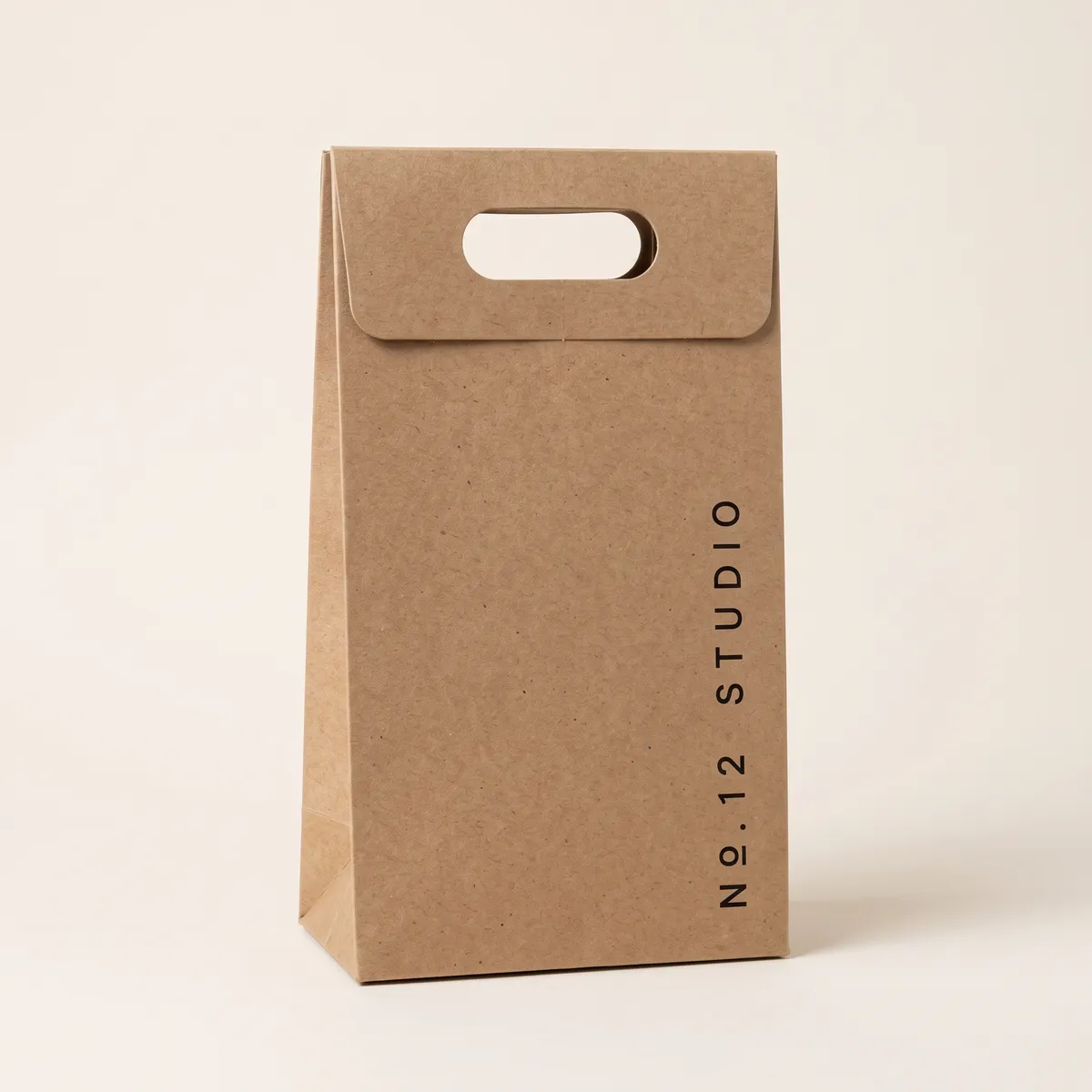
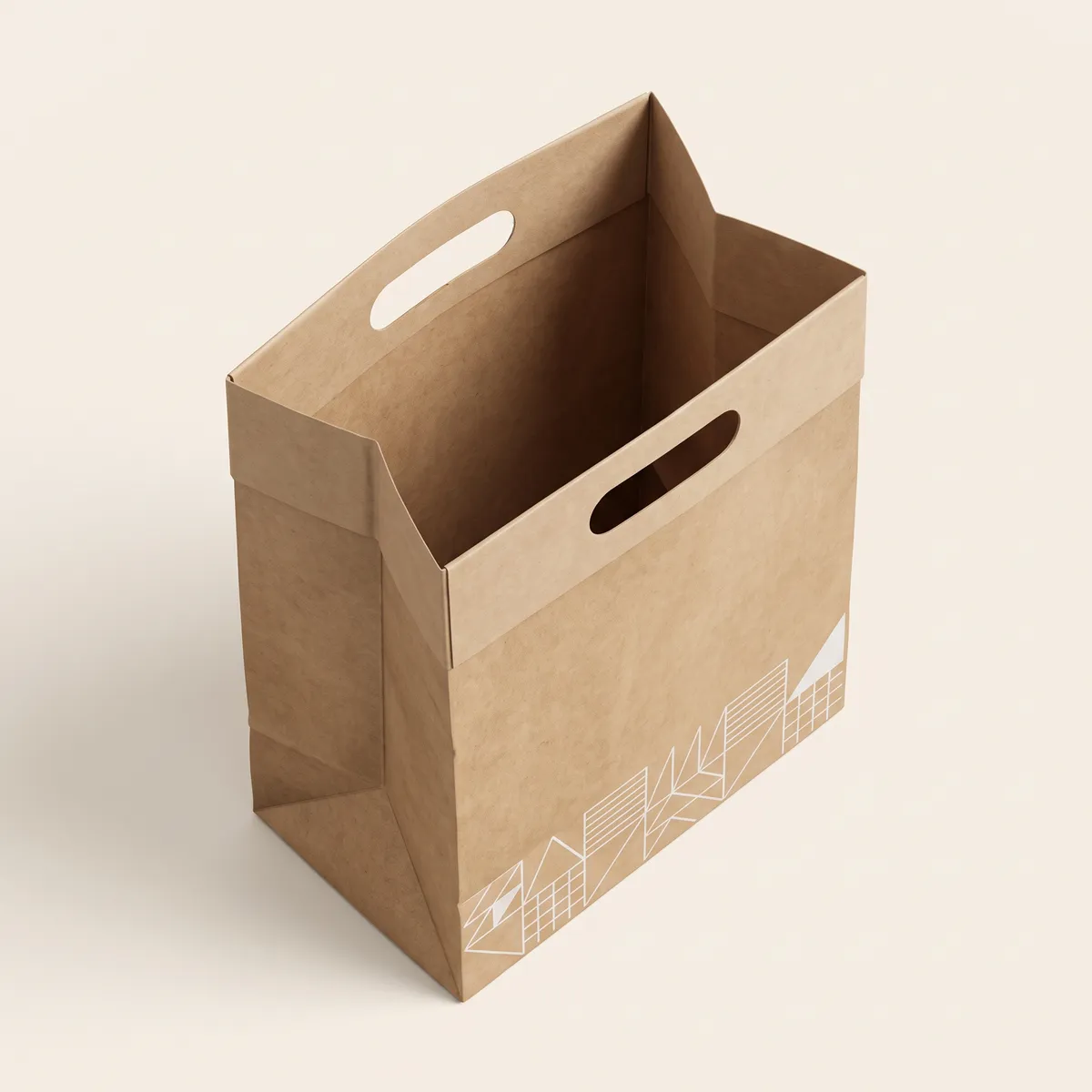
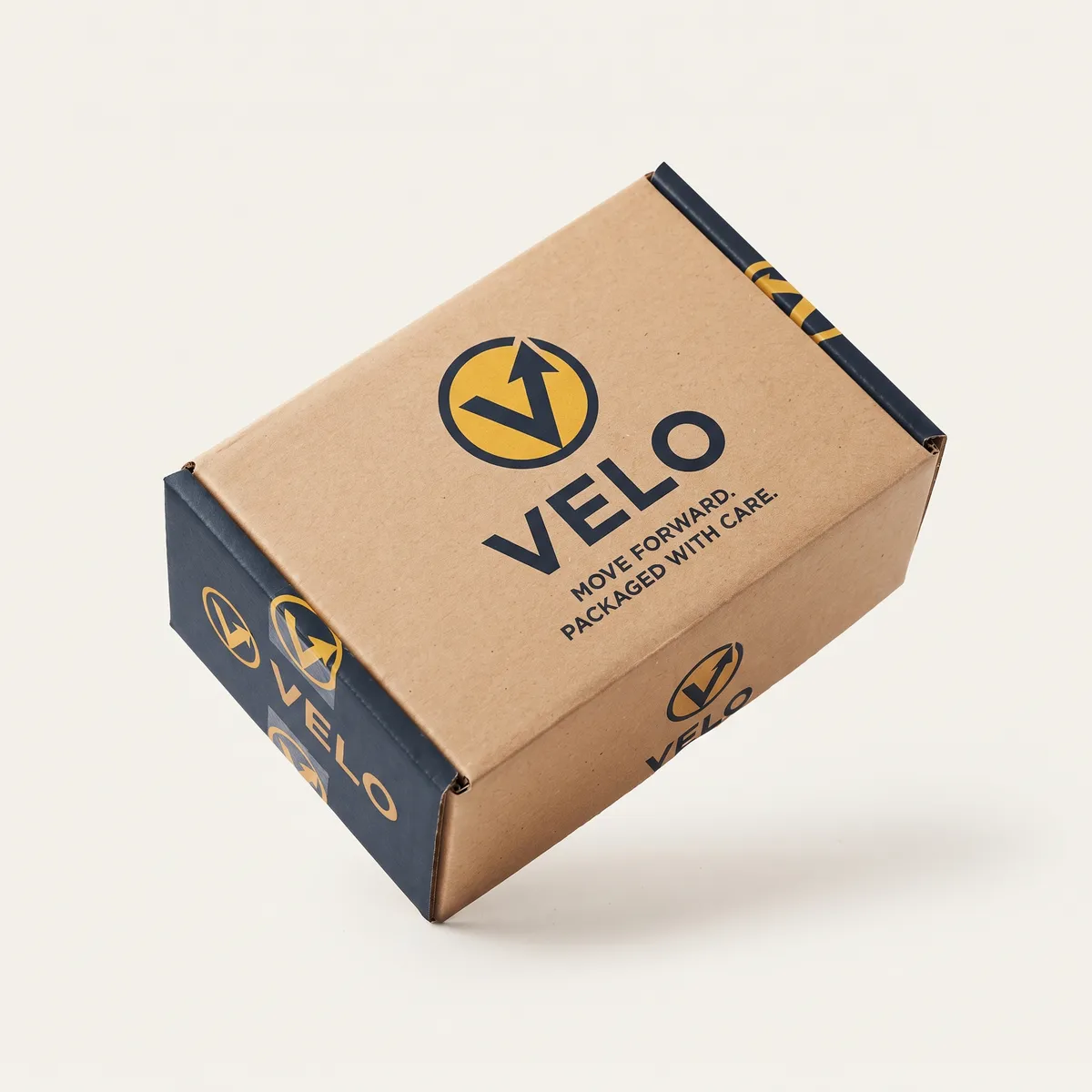
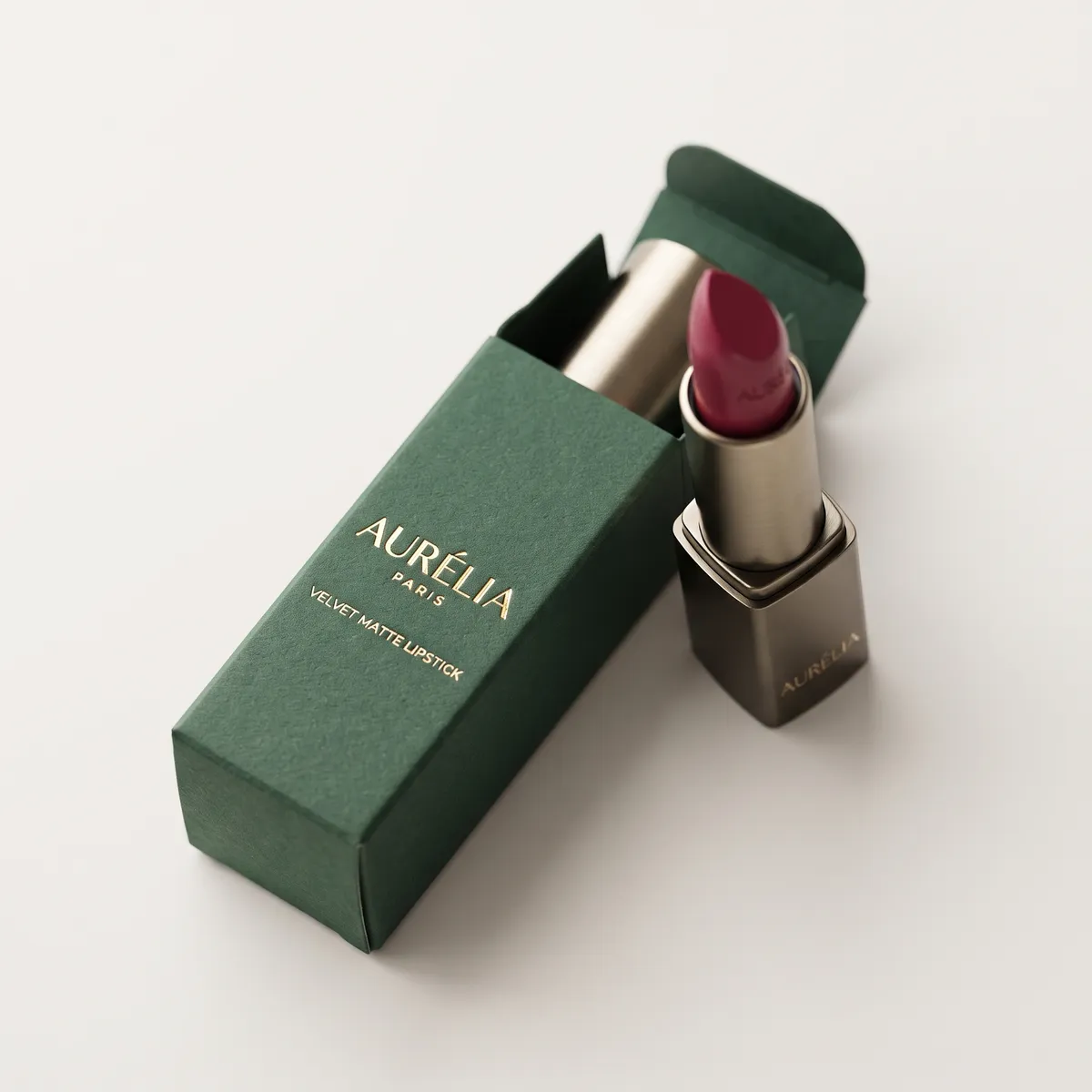
What brands say about this box
They live there rather than here, where we can't edit them, delete them, or pick which ones you get to see. That is exactly what makes them worth reading.
Read all reviews on Trustpilot(opens in a new tab)Answers before you have to ask.
Will white bags show marks from handling?
More than kraft or dark bags, particularly at the creases and along the base. That's the trade for a bright printable surface. Bleached paper is also slightly less strong than unbleached at the same weight.
Can white bags be laminated?
Yes, and lamination protects the print from scuffing while adding a little moisture resistance. Bear in mind it affects recyclability, which matters if that's part of your positioning.
Are white bags more expensive than kraft?
Usually slightly, since the paper is bleached and often coated. The gap is modest at volume, and for brands needing accurate color it's money well spent rather than a premium.
How long do white paper bags take?
Usually 8–12 business days from proof approval, including lamination if specified. Rush is available at an extra cost we'll state upfront, with shipping included.
What's the minimum on white paper bags?
100 bags. If you're deciding between white and kraft, we'd suggest a small run in each — the difference in how your brand reads is larger than most people expect.