
Food Packaging Sleeves
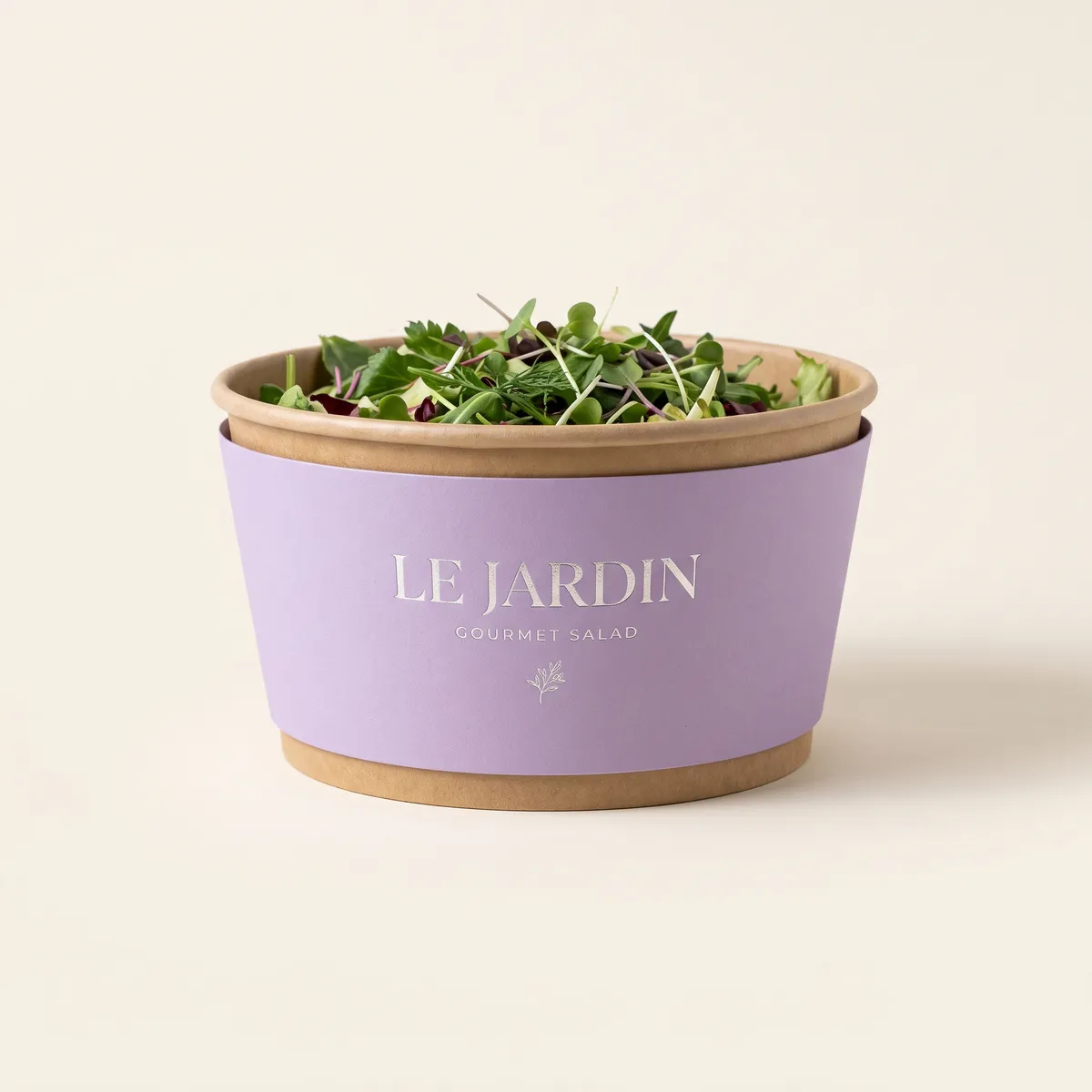
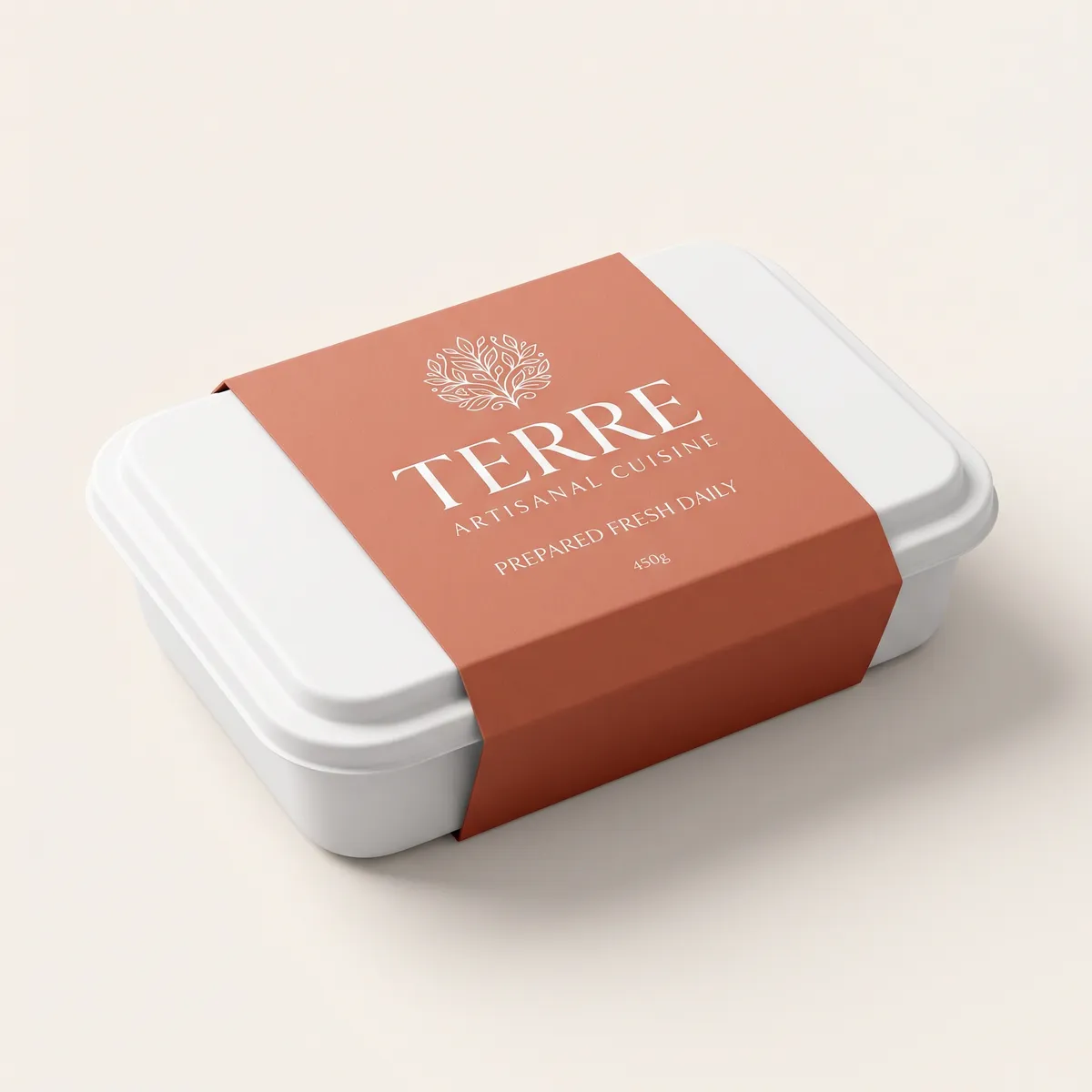
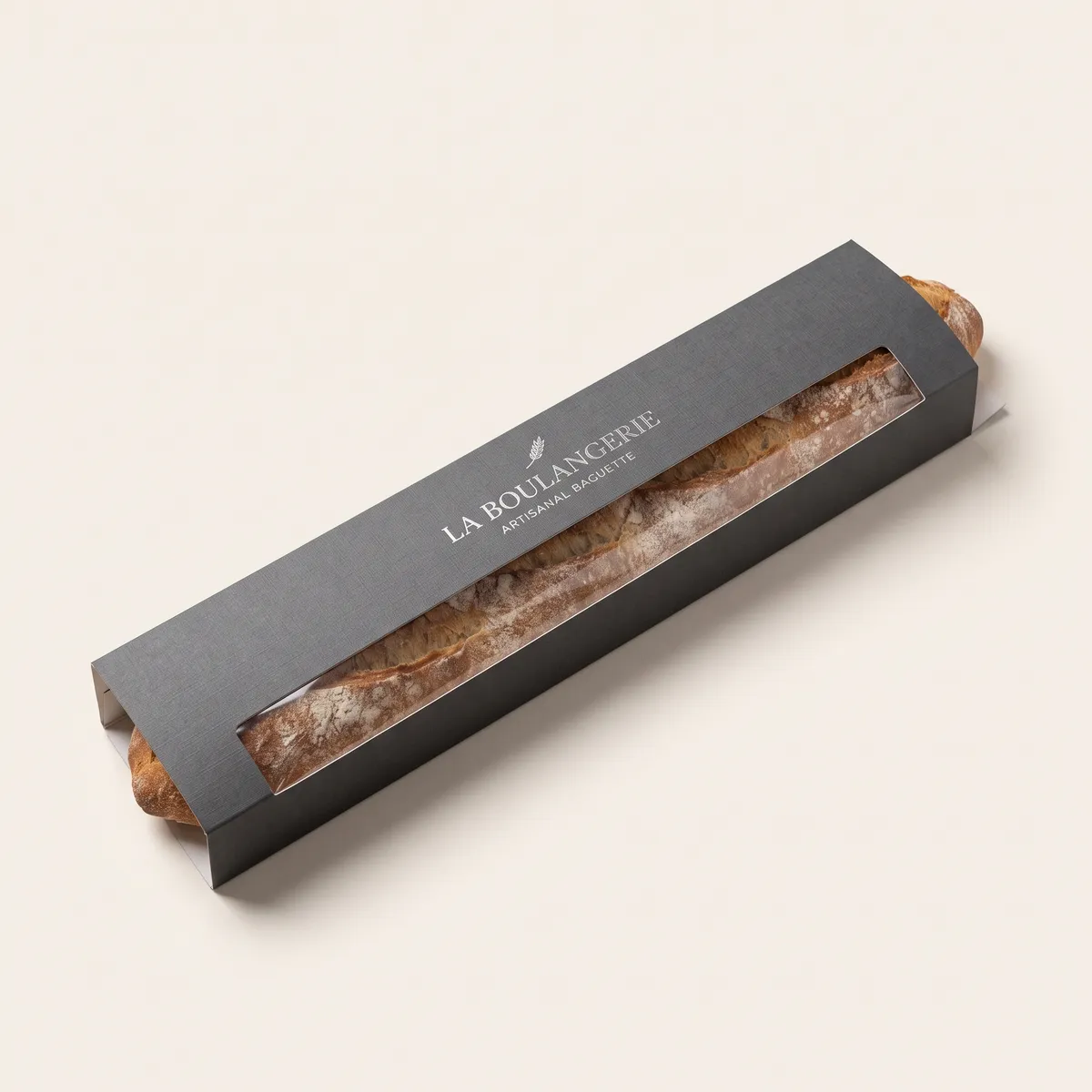
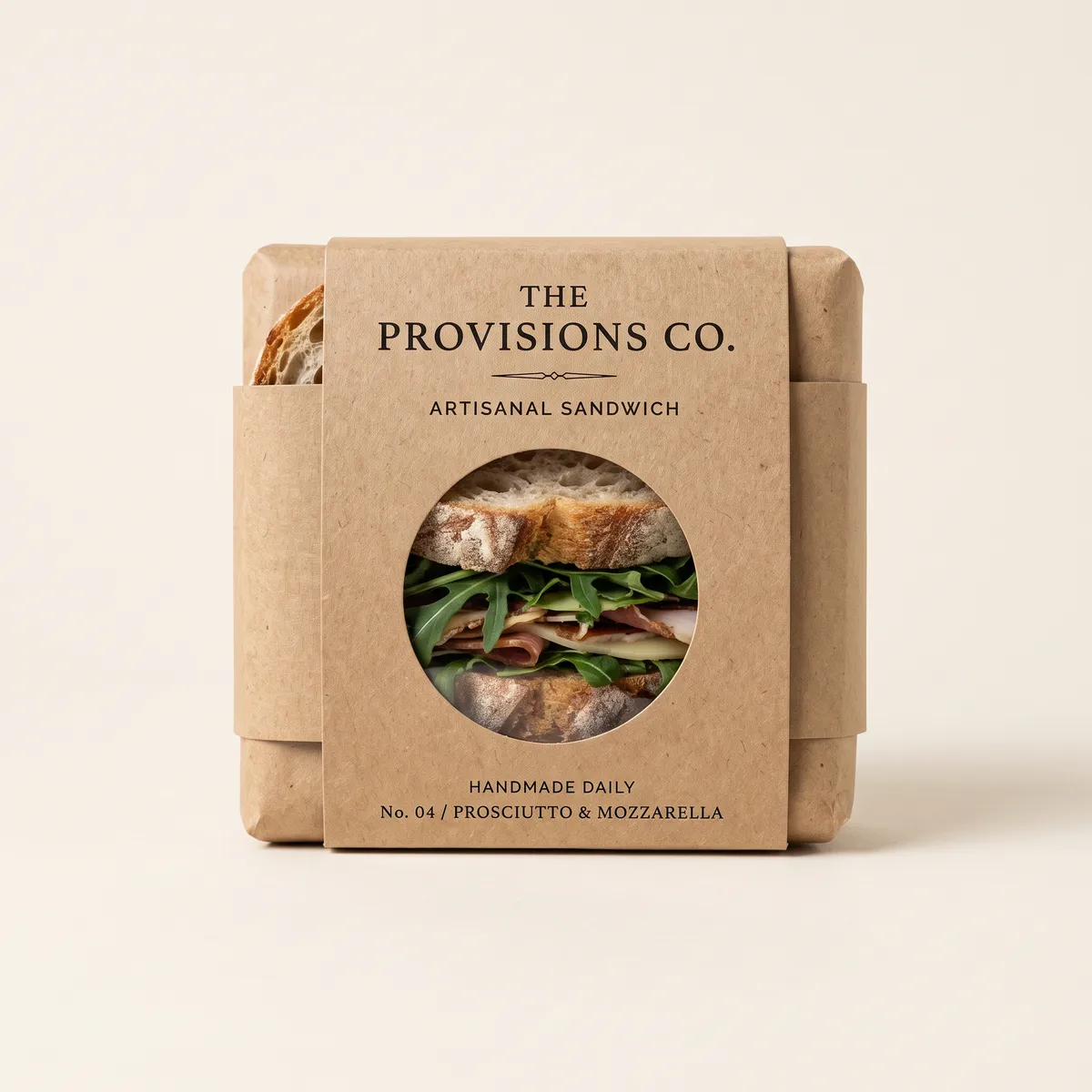
Food packaging sleeves sit directly against wraps, bars and baked goods, so the stock and any coating must be food-safe, with a grease-resistant face. That costs somewhat more than standard stock, but it isn't optional for anything touching food. Coated food-grade stock takes full color; kraft food sleeves read better in one or two colors. One structure can serve many products.
Ours are on Trustpilot, where we can't edit them or choose which ones you see.
Read them on Trustpilot →(opens in a new tab)Four stages, twelve days
Quote confirmed
A specialist checks your spec against the board and comes back with a firm price inside 4 business hours.
Proof approved
You get a flat dieline and a 3D render. Nothing goes to press until you approve it in writing.
On press
Print, die-cut, glue, and fold. You get a press-side photo the day your job runs.
QC and delivery
Every pallet is sampled against the digital proof or physical sample you approved, then shipped with tracking to your dock or 3PL.
If a box doesn't match the digital proof or physical sample you approved, we reprint the run at no charge.
Read the reprint terms →Know exactly what you're ordering.
Sleeves That Touch the Food Instead of a Box
For many food products the sleeve is the packaging. A wrap, a cereal bar, a sandwich half or a pastry often has nothing between it and the printed band, and that changes how the band has to be specified. Food packaging sleeves are made for that position. Buyers are cafés, takeout kitchens, bakeries and snack brands who want a branded wrap without the cost or bulk of a box, and who need the stock, coating and inks chosen for contact from the start. This page covers that specification. If your sleeve sits over a sealed tray and never meets the food, the decision is simpler, as the next sections explain.
Food-Grade Stock, Coating and Inks for a Sleeve
Food sleeves run on one of two stocks: coated food-grade board, or kraft with a grease-resistant face for a natural look.
| Spec | Detail |
|---|---|
| Stock | Coated food-grade board, or kraft |
| Face | Grease-resistant coating |
| Inks | Food-safe |
| Width | Band or full wrap |
| Fit | Cut per product |
Sizes are cut per product, so a wrap and a bar can sit in one range without sharing a fit. The coating is specified separately from the stock, so both options can carry the same grease-resistant face. Tell us which food-contact rules apply in the markets you sell to; we'll specify the stock and coating against them, and confirming the final requirements stays with you.
When a Sleeve Needs Food-Grade Stock and When It Doesn't
The deciding question is contact. A sleeve wrapped straight around a croissant at pastry and baked-goods counters, or around an unwrapped bar, sits against fat, sugar and moisture, and both the board and its coating have to be food-safe. That is not a place to save money. A sleeve that slides over a sealed tray or a wrapped product never touches the food, so a standard paper or board sleeve does the same job for less, and the food-grade specification adds nothing. Many ranges have both: sleeved pastries at the counter and sleeved boxed cakes on the shelf. Specify each separately rather than putting the whole range on food-grade stock just to keep the order simple.
Printing Food Sleeves on Coated or Kraft Stock
On coated food-grade stock, product photography and small ingredient type both reproduce cleanly, so it's the stock to choose when the sleeve has to sell the food by showing it. On kraft, the brown base mutes color, and a simple design in one or two inks reads more clearly than full coverage.
Every ink is food-safe, which costs slightly more than standard ink but is part of the specification rather than an option. Leave a clear panel for the information your label has to carry, sized to the text, before brand artwork fills the rest. Avoid heavy gloss film on sleeves for hot food, since it traps steam against the product. A grease-resistant face can also affect recyclability depending on type, so check before printing a recycling claim.
Food Sleeves for Wraps, Bars and Bakery Items
On wraps and burritos handed over at a takeout counter, the sleeve holds the wrap closed and keeps hands off the filling. Snack and protein bar brands use sleeves as the outer layer of a bar sold singly. Bakeries band cookies, slices and pastries for grab-and-go shelves, and sandwich shops sleeve halves for the lunch rush. Cafés sleeve breakfast items so staff can serve them without a box. The common thread is speed: a sleeve goes on in a second, uses less stock than a box, and still carries the brand all the way to whoever eats the food.
One Sleeve Structure Across a Food Range
Food ranges usually launch several flavors or items at once. Keeping one sleeve structure and changing only the printed panel shares the die across the range, so adding a product later costs a print run rather than new tooling.
The coating adds no time: food sleeves run about 8–12 business days once the proof is approved, and a rush slot is priced separately before you commit. The minimum is 100 sleeves, with shipping included in the price. A three-stage check runs on every order, and if the bulk doesn't match your approved proof, we reprint at our cost. Design help is free and unlimited, and each version is proofed against the product it will wrap.
One connected process, start to finish.
Structural Design
Dieline drafted to your exact fit and freight tolerances.
Proof & Sample
Sign off on a digital proof, or request a physical sample.
Tooling
Dies and plates are cut for your job and archived on file.
Production
Print, die-cut, and assembly run under in-line quality checks.
Ship & Reorder
Freight goes out, and the cycle resets for your next run.
Steady process. Powerful results.
Like everything we build, our process is engineered to hold up — no shortcuts, no surprises. Five dependable stages that run the same way every single time, so reorders are just as fast as the first order.
- One dedicated teamFrom first sketch to final freight, the same people carry your order start to finish.
- Dies archived on fileReorders skip tooling and re-setup entirely — we already have your exact spec.
- Checked against your sign-offEvery run is inspected against the digital proof or physical sample you approved.
Set up your file once, correctly
Nine in ten delayed jobs are delayed by artwork, not production. Match these four rules and your proof lands the next morning.
- Bleed1/8 in (3 mm) past every cut line
- Safe ZoneKeep text 1/4 in clear of every crease
- ColourCMYK or named Pantone. No RGB.
- Resolution300 dpi at final size, fonts outlined
No print-ready file?
Send a logo and a rough idea. Our studio builds the production file free with any order over 500 units — you keep the source file either way.
Ask the StudioBackground art must run all the way to the outer bleed edge. Anything inside the white dashed line survives fold tolerance.
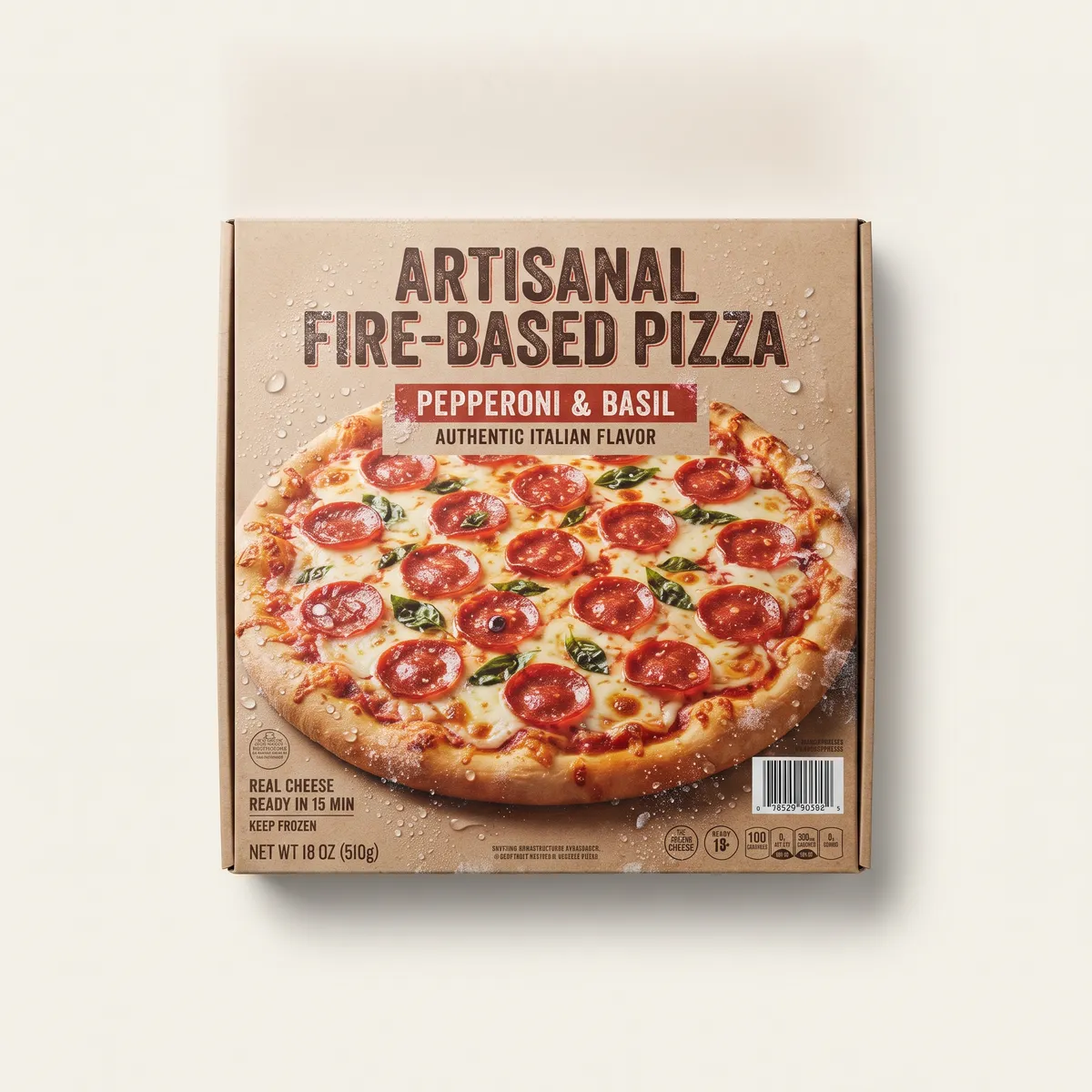
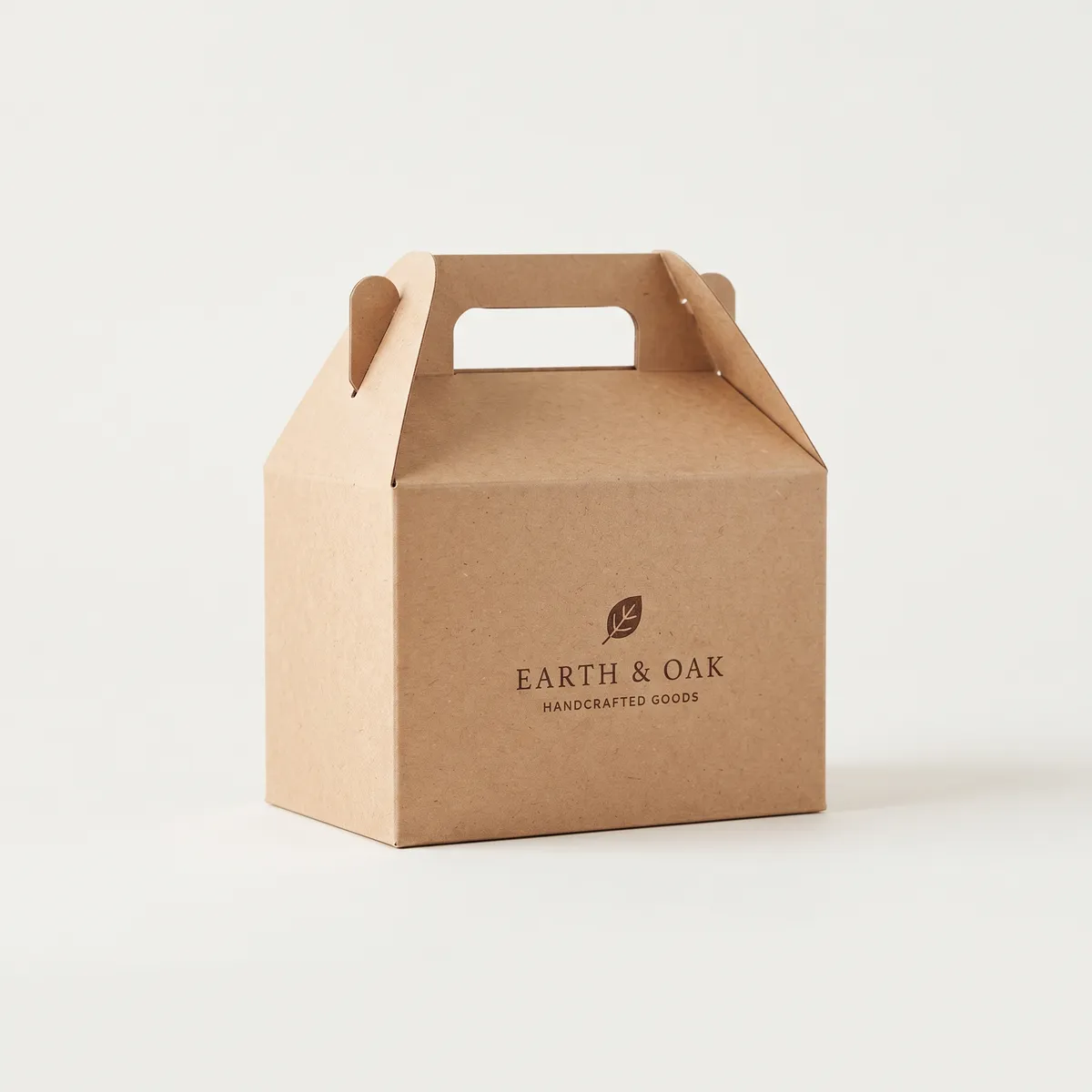
What brands say about this box
They live there rather than here, where we can't edit them, delete them, or pick which ones you get to see. That is exactly what makes them worth reading.
Read all reviews on Trustpilot(opens in a new tab)Answers before you have to ask.
Do food sleeves need to be grease-resistant?
Yes, on anything touching food directly. Sleeves on wraps, bars and baked goods sit against the product, so both the stock and any coating need to be food-safe.
Can food sleeves be printed in full color?
Yes, on coated food-grade stock. For kraft food sleeves, one or two colors usually reads better and costs less than fighting the brown base with full coverage.
Do food sleeves cost more than plain?
Somewhat, since food-grade stock and food-safe inks cost more than standard. It's not optional though — anything touching food has to be specified properly regardless of price.
What's the turnaround on food packaging sleeves?
About 8–12 business days once the proof is approved, food-safe coating included. Rush production is available at a quoted premium, shipping included.
Can food sleeves be ordered per product?
Yes, and most food brands do. Keeping one sleeve structure while changing the printed panel per product keeps costs down as a range grows.