
Pink Mailer Boxes
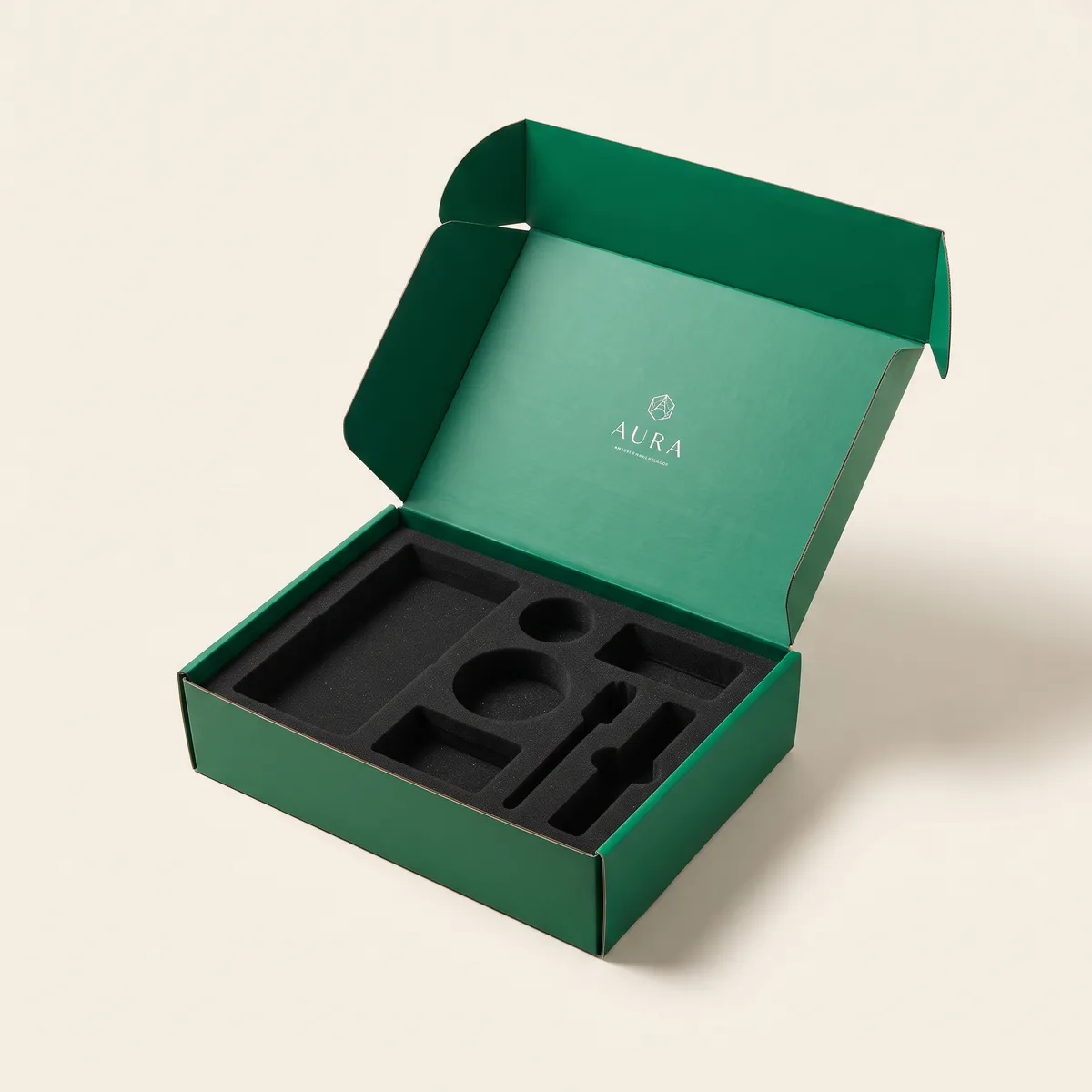
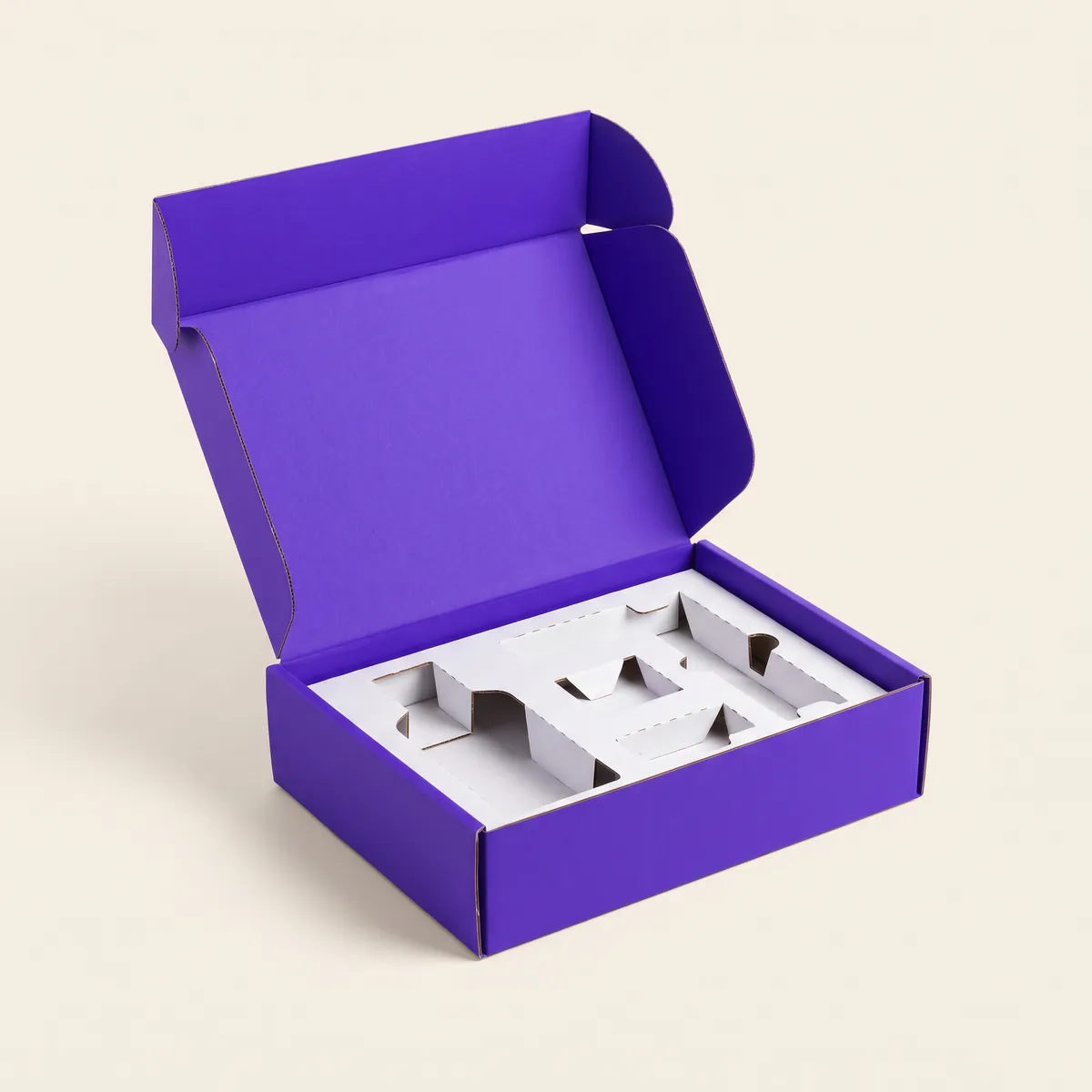
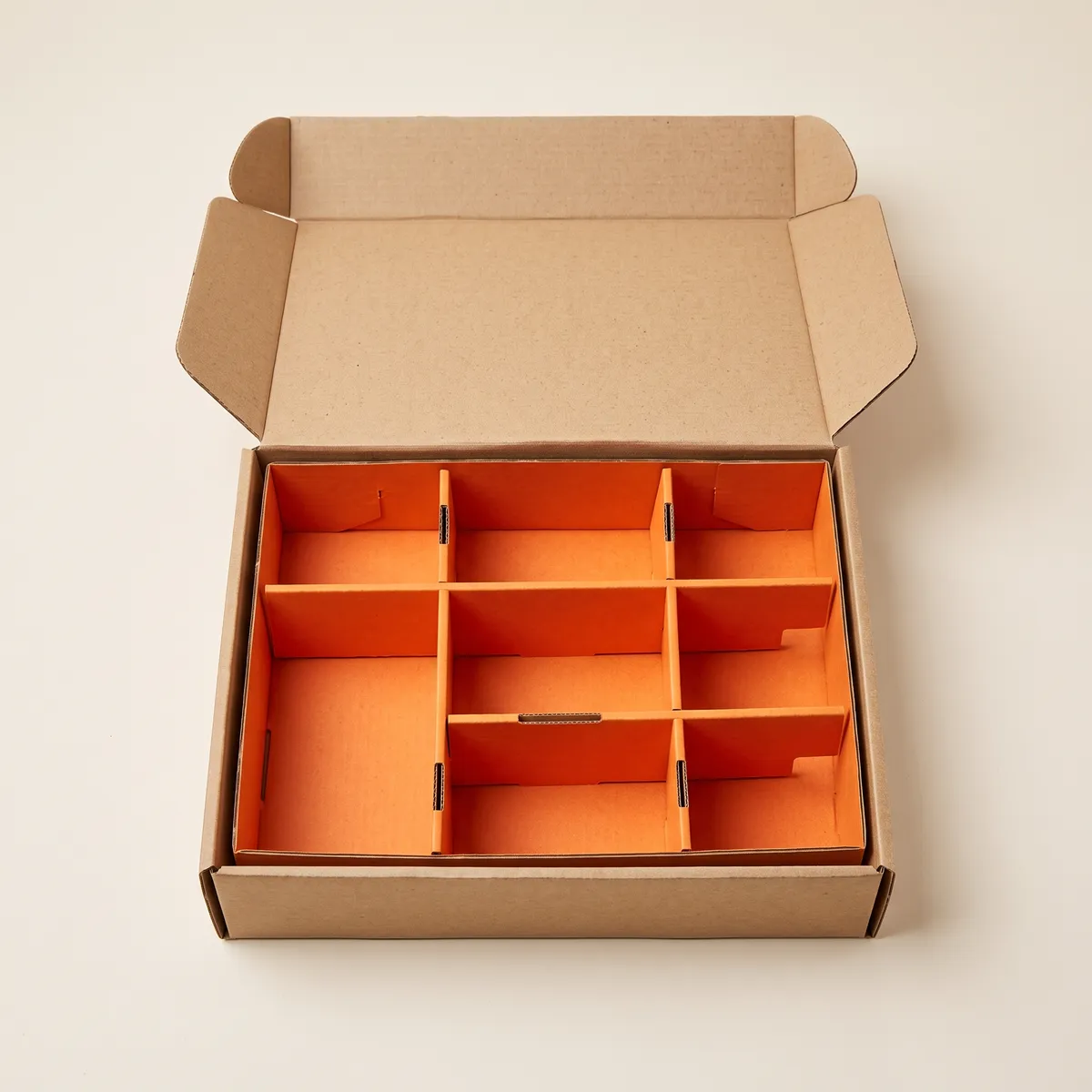
Custom mailer boxes with inserts hold each item in a cavity cut to your product's actual dimensions, because a standard cavity leaves slack, and slack lets products shift and scratch. Die-cut corrugated suits most items and costs little at volume; foam suits fragile or high-value goods. Send a sample or measurements and we'll design the insert, confirming internal dimensions in writing.
Ours are on Trustpilot, where we can't edit them or choose which ones you see.
Read them on Trustpilot →(opens in a new tab)Four stages, twelve days
Quote confirmed
A specialist checks your spec against the board and comes back with a firm price inside 4 business hours.
Proof approved
You get a flat dieline and a 3D render. Nothing goes to press until you approve it in writing.
On press
Print, die-cut, glue, and fold. You get a press-side photo the day your job runs.
QC and delivery
Every pallet is sampled against the digital proof or physical sample you approved, then shipped with tracking to your dock or 3PL.
If a box doesn't match the digital proof or physical sample you approved, we reprint the run at no charge.
Read the reprint terms →Know exactly what you're ordering.
Mailer Boxes With Inserts for Kits That Open in a Set Layout
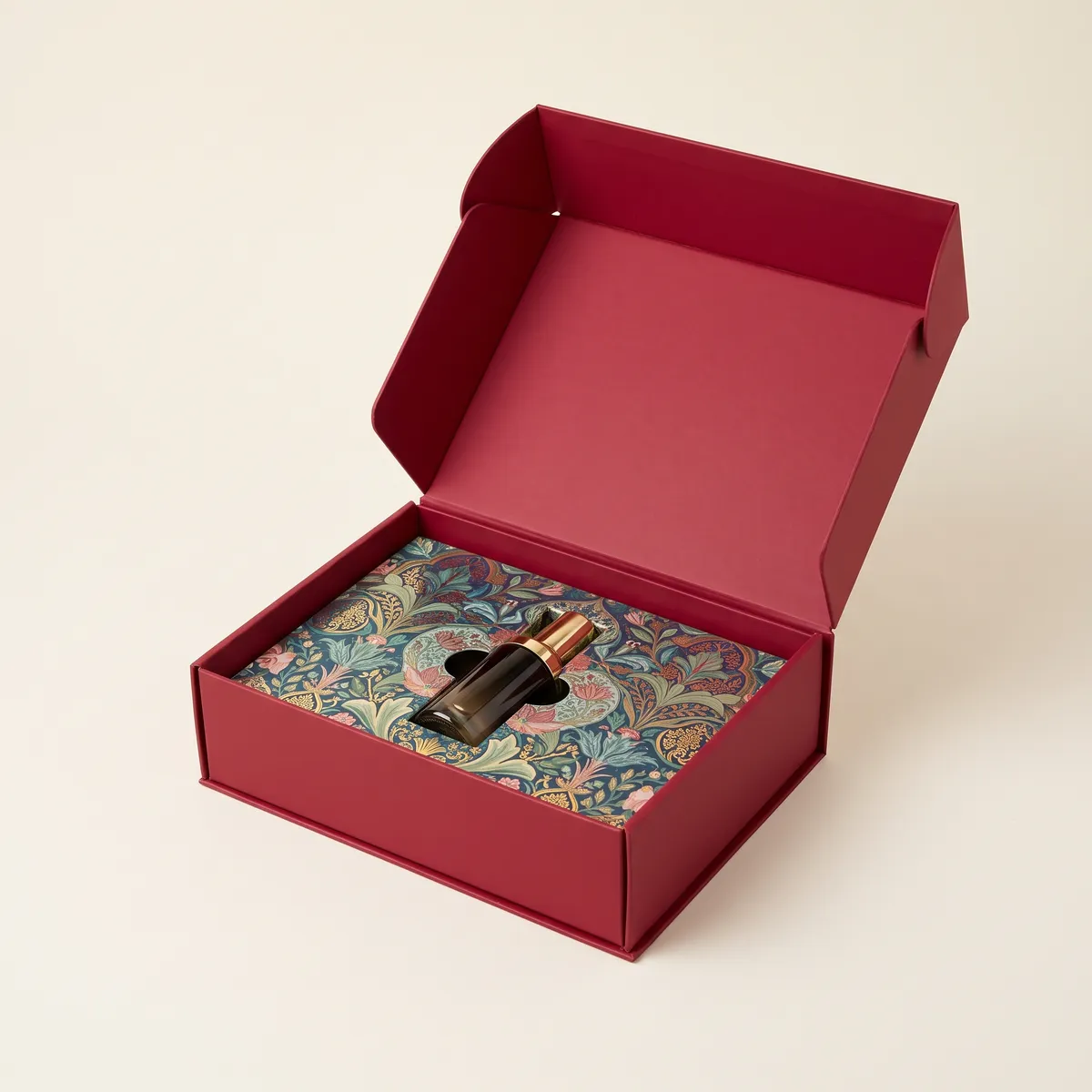
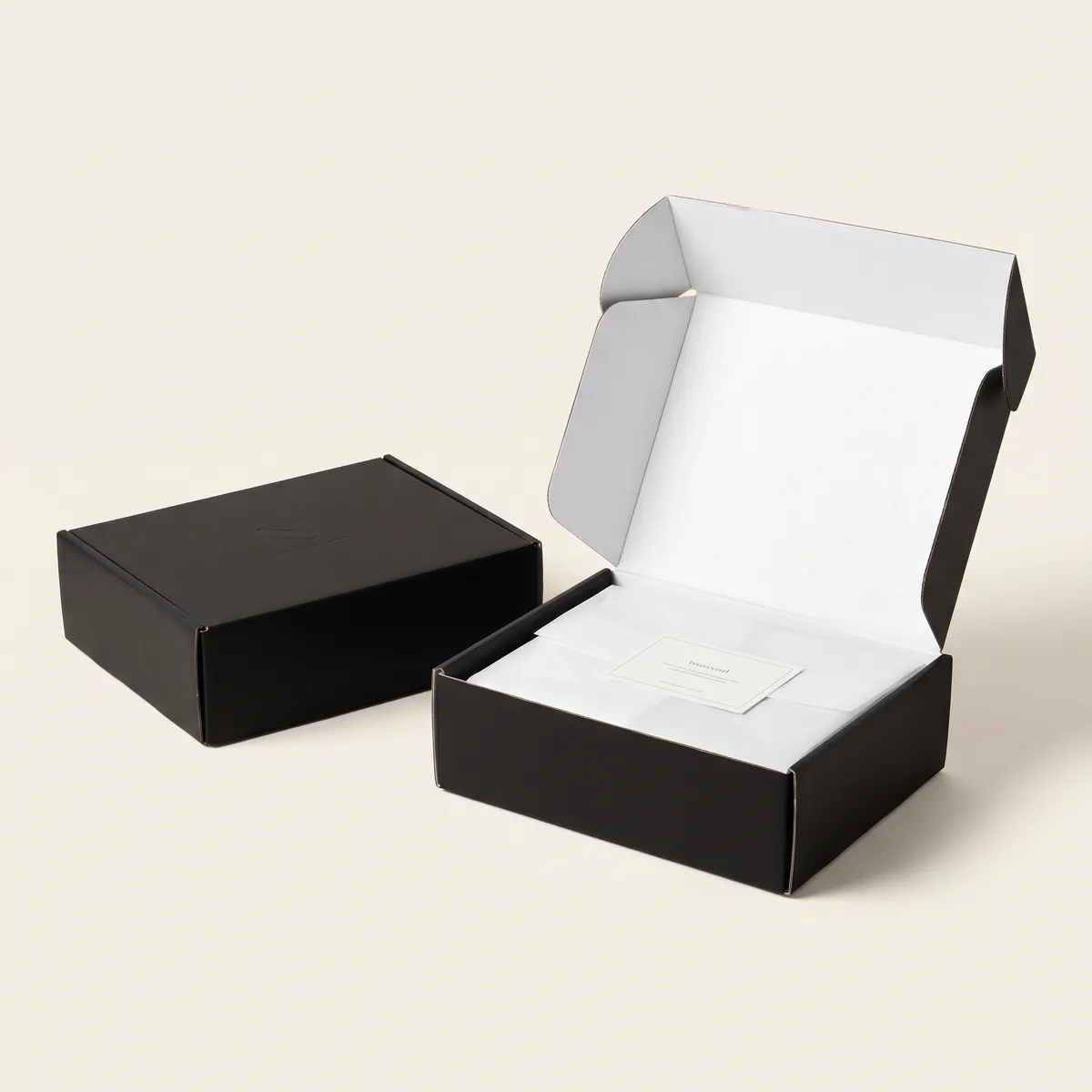
Some products are sold as an arrangement rather than a single item: a skincare routine in four steps, a watch with a spare strap, a tool with its attachments, a tasting set with each sample in place. A plain mailer presents all of that as a pile. The mailer with an insert presents it the way it was designed, every piece in its slot and the order of use obvious at a glance. Buyers are electronics and accessory brands, beauty and skincare kits, jewelry sets, subscription boxes, and corporate or event gift programs where several items share one box. The outer box is a standard tuck-front mailer; the insert is what makes the product.
Insert Board, Foam and Cavity Specs
The insert is chosen for the product, and the outer mailer is chosen separately, on any stock. Chipboard is the thin recycled board for cavity inserts when you need slim, precise walls.
| Spec | Mailer with insert |
|---|---|
| Corrugated insert | Light and economical, suits most products |
| Chipboard insert | Thin, precise trays and dividers |
| Foam insert | Cushioning for fragile or high-value items |
| Cavities | Cut to your product's actual dimensions |
| Outer box | Tuck-front mailer, any stock |
| Measurements | Internal vs external confirmed in writing |
A kit with mixed pieces can combine materials: a corrugated base with a foam cavity for the one fragile item, for example.
Why Fitted Cavities Instead of Loose Packing
Tissue and filler take up space, but they don't hold anything in a particular place. A fitted insert does, and that changes three things. Pieces stop touching each other, so finishes and screens don't rub. The customer sees a complete kit and notices at once if something is missing, which cuts the part-not-included emails. And packing gets quicker, because each piece has one obvious slot. hardware kits with loose cables gain the most, since a charger, a lead and a device left to move around tangle and mark each other. The case against an insert is a product whose size keeps changing, since each change means a new cavity. For a single item that already fits snugly, a plain mailer does the job.
Printing the Mailer Around a Structural Insert
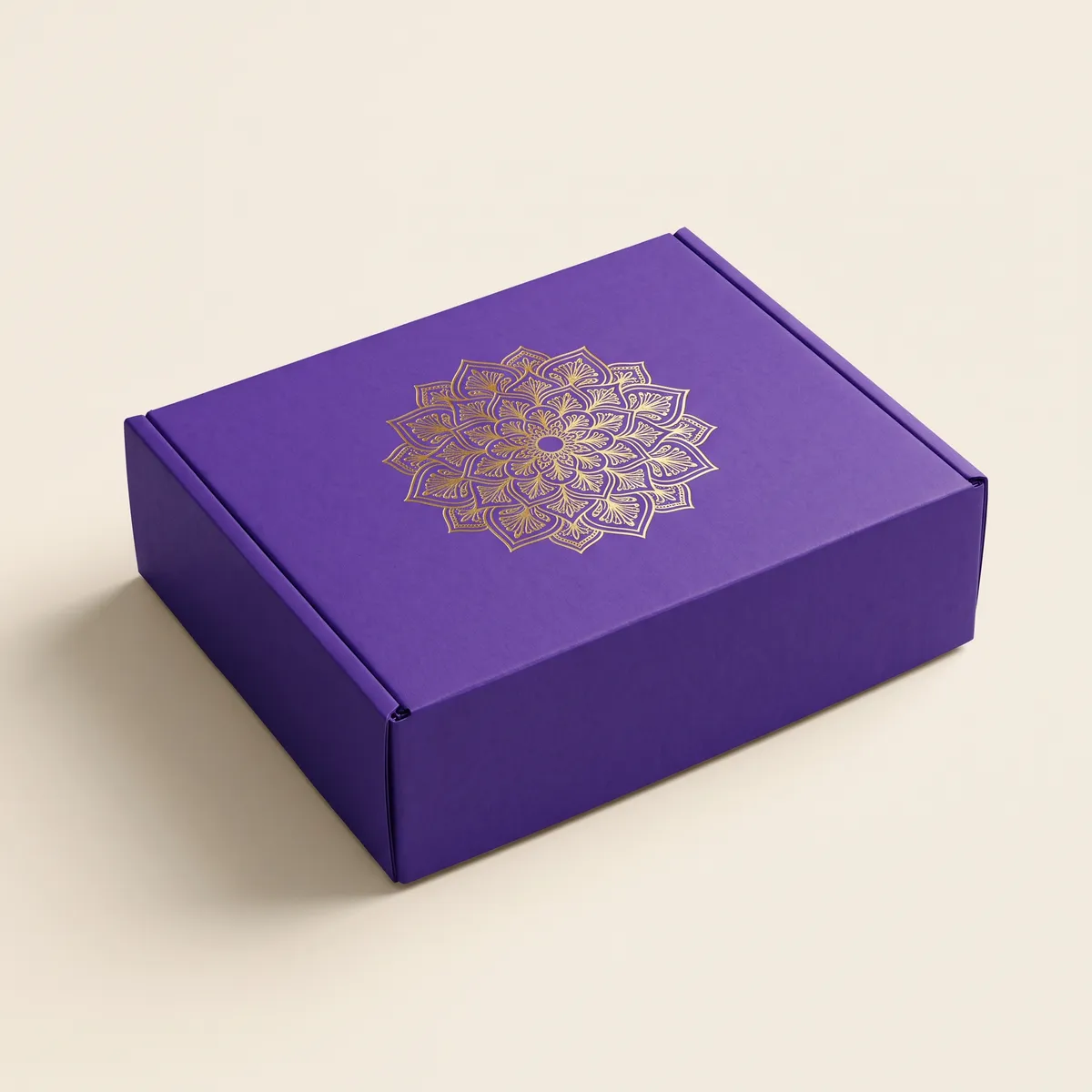
The insert is a structural part, so the print decisions sit mostly on the box around it. The outer mailer takes the full range for its stock: full color on coated white, one or two colors or foil on kraft, foil or white ink on black, bold artwork on corrugated. The interior of the lid is the panel worth designing, since it sits directly above the arranged kit; a short guide to the contents works well there. Inserts themselves are usually left plain and do their work through fit. Plan the lid artwork once the cavity layout is fixed, so each line of text sits over the piece it describes rather than over an empty slot.
Fitted Mailers for Jewelry Sets, Tech Kits and Samplers
Jewelry brands use them for matching sets: pendant and bracelet sets sit in separate cavities so chains don't knot together and the pair reads as one gift. Electronics brands use them for a device with its cable, adapter and case. Skincare and fragrance brands build discovery kits with a row of minis. Coffee, tea and spirits brands use tasting sets with each sample in its own slot. Tool and hobby brands use them for a kit and its attachments. Subscription services add an insert when each box holds several small items. Corporate gift programs use them for branded sets of a bottle, a notebook and a pen, laid out like a desk.
Sending a Product Sample to Size the Insert
The most accurate insert starts with the physical product. A sample shows rounded edges, protruding buttons and cable bends that a spec sheet misses, so send one where you can; where you can't, exact measurements of each piece work. We design the cavity layout and the outer box together, and the minimum is 100 complete units. Production runs 8–12 business days from proof approval, with rush available at extra cost, quoted upfront. Where more than one insert material would suit, the quote shows each so you can compare. Shipping is included, every unit passes a three-stage check, and if the bulk run misses the approved proof, we reprint it at our cost.
One connected process, start to finish.
Structural Design
Dieline drafted to your exact fit and freight tolerances.
Proof & Sample
Sign off on a digital proof, or request a physical sample.
Tooling
Dies and plates are cut for your job and archived on file.
Production
Print, die-cut, and assembly run under in-line quality checks.
Ship & Reorder
Freight goes out, and the cycle resets for your next run.
Steady process. Powerful results.
Like everything we build, our process is engineered to hold up — no shortcuts, no surprises. Five dependable stages that run the same way every single time, so reorders are just as fast as the first order.
- One dedicated teamFrom first sketch to final freight, the same people carry your order start to finish.
- Dies archived on fileReorders skip tooling and re-setup entirely — we already have your exact spec.
- Checked against your sign-offEvery run is inspected against the digital proof or physical sample you approved.
Set up your file once, correctly
Nine in ten delayed jobs are delayed by artwork, not production. Match these four rules and your proof lands the next morning.
- Bleed1/8 in (3 mm) past every cut line
- Safe ZoneKeep text 1/4 in clear of every crease
- ColourCMYK or named Pantone. No RGB.
- Resolution300 dpi at final size, fonts outlined
No print-ready file?
Send a logo and a rough idea. Our studio builds the production file free with any order over 500 units — you keep the source file either way.
Ask the StudioBackground art must run all the way to the outer bleed edge. Anything inside the white dashed line survives fold tolerance.
What brands say about this box
They live there rather than here, where we can't edit them, delete them, or pick which ones you get to see. That is exactly what makes them worth reading.
Read all reviews on Trustpilot(opens in a new tab)Answers before you have to ask.
Do inserts have to be cut to my exact product?
That's the point of them. A cavity cut to a standard size leaves slack, and slack is what lets things shift and scratch in transit. We cut the insert to your product's actual dimensions, so it sits held rather than loose — send us measurements or a sample and we'll build around it.
What materials can inserts be made from?
Usually die-cut corrugated or foam, depending on what you're protecting. Corrugated inserts are lighter and more economical for most products. Foam suits fragile or high-value items that need cushioning as well as position. We'll recommend based on what's going inside.
Do inserts add much to the cost?
Less than most people expect, and usually less than a damaged return costs. A die-cut corrugated insert is inexpensive at volume. Foam costs more but is worth it for fragile goods. We'll quote both so you can weigh the difference yourself.
How long do mailers with inserts take?
Around 8–12 business days from proof approval, including the insert. Adding a cavity doesn't usually extend the timeline. Rush is available at a premium we'll quote upfront, and shipping is included.
Can you design the insert if I send the product?
Yes. Send us the product or its exact measurements and we'll design the cavity around it, confirming internal versus external dimensions in writing before anything is cut. Design help is unlimited and free, including the insert.